

Free Westside Travel Guide & Mobile App
Explore Westside with free travel guides. Discover regional history, expert tips, proposed trips, and audio guides on web or mobile app.


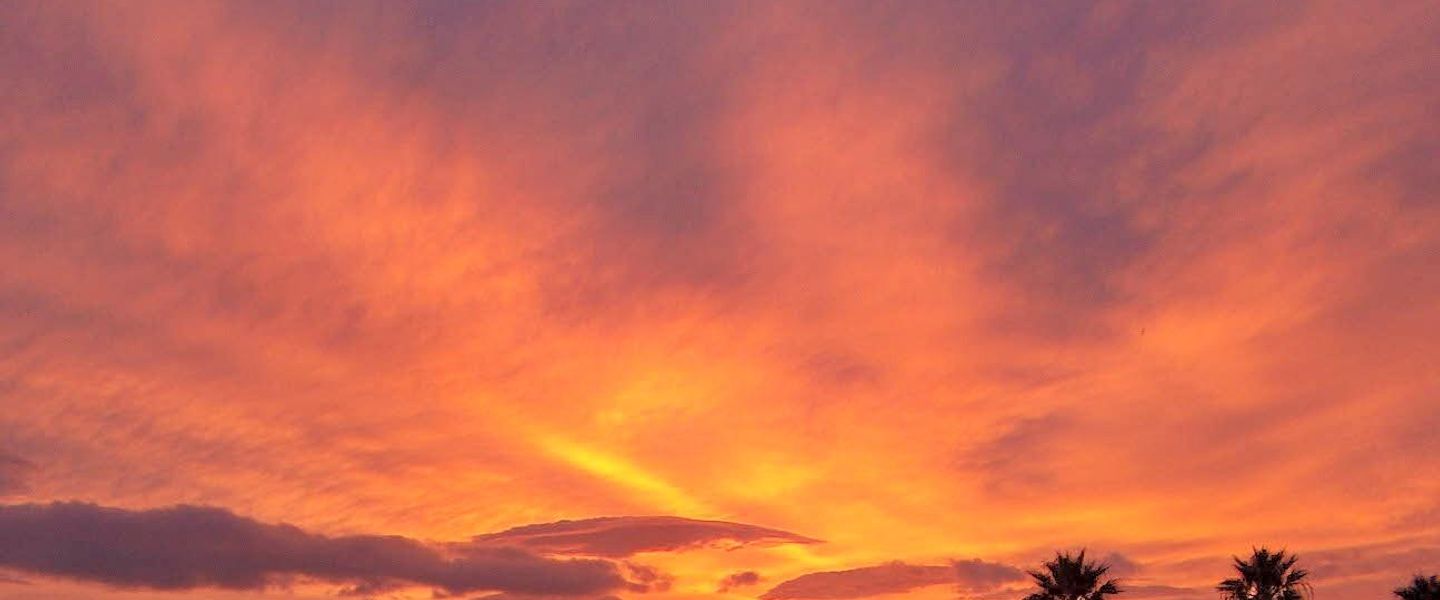


Explore Westside California for Pacific beaches, art museums, university culture, historic neighbourhoods and the varied urban life of Los Angeles.
Read more about Westside
When is the best time to visit Westside?
Best: June–July, September · 26–28°C| Month | High (°C) | Rainfall (mm) |
|---|---|---|
| January | 15 | 75 |
| February | 17 | 60 |
| March | 18 | 50 |
| April | 20 | 40 |
| May | 23 | 20 |
| June (best) | 26 | 10 |
| July (best) | 28 | 5 |
| August | 28 | 5 |
| September (best) | 26 | 10 |
| October | 23 | 20 |
| November | 19 | 40 |
| December | 16 | 60 |
Getting to and around Westside
How to get there
Transportation
Top city travel guides in Westside
The cities of Westside, and the easiest places to base yourself.
-

-

-

-


Swipe for more cities
Best attractions in Westside
Westside's attractions range from open coastline to major cultural institutions. Santa Monica combines a broad beach, the historic Santa Monica Pier, oceanfront paths and a walkable commercial centre, while Venice offers a more unconventional mix of beach activity, the boardwalk, surviving canals, public art and independent businesses. The Getty Center is a principal destination for European art, photography, architecture and gardens, with extensive views across Los Angeles; the Getty Villa in Pacific Palisades presents Greek and Roman antiquities in a setting inspired by an ancient Roman villa. In Westwood, UCLA adds museums, performances, landscaped grounds and significant twentieth-century architecture, while the Hammer Museum provides modern and contemporary art. The region also offers access to the Santa Monica Mountains, where hiking routes and canyon landscapes contrast with dense urban neighbourhoods. Shopping streets, farmers' markets, historic districts, cinemas, theatres and restaurants broaden the cultural programme, although visitors should remember that Westside's attractions are dispersed and can require careful transport planning.
-
 Fishing pier
Santa Monica Pier
Experience classic California fun at the iconic Santa Monica Pier, with amusement park rides, ocean views, and a vibrant atmosphere.
-
Art museum
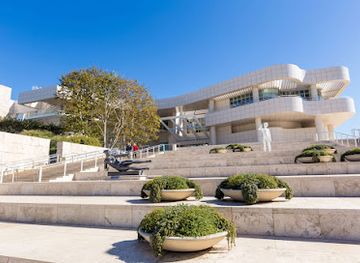
The Getty
Discover the beauty of art and architecture at The Getty, a premier art museum in Los Angeles showcasing timeless collections and stunning gardens.
-
National park
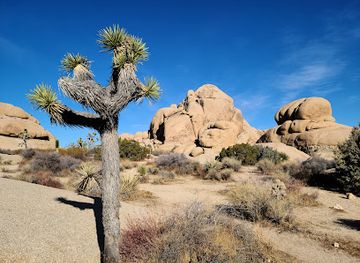
Joshua Tree National Park
Explore the surreal beauty of Joshua Tree National Park, where iconic trees and dramatic rock formations meet the vast Mojave and Colorado Deserts.
-
Science museum
California Science Center
Discover the wonders of science and space at the California Science Center, a premier museum in Los Angeles with interactive exhibits and an IMAX theater.

Best landmarks in Westside
The Santa Monica Pier is Westside's most recognisable coastal landmark, extending into the Pacific from the end of Colorado Avenue and symbolising the city's long history as a seaside resort. Venice's surviving canals preserve part of Abbot Kinney's early twentieth-century plan, when the community was promoted as an American version of an Italian waterside town. The Getty Center is a landmark of modern architecture as well as an art museum, with travertine buildings, gardens and a hilltop setting designed by Richard Meier. The Getty Villa in Pacific Palisades provides another distinctive architectural reference through its classical-inspired buildings and landscape. Westwood's UCLA campus contains notable early and later university architecture, including Royce Hall and other buildings around the historic core. Along the coast, the Santa Monica Mountains form a natural landmark, rising behind Pacific Palisades and separating the urban shoreline from inland valleys. Beverly Hills City Hall, if included in a broader Westside itinerary, lies in the independent City of Beverly Hills rather than the City of Los Angeles and should be understood as a nearby municipal landmark rather than a Los Angeles neighbourhood site.
-
Castle
Hearst Castle
Discover the opulent Hearst Castle, a stunning historical landmark with breathtaking views, exquisite art, and rich history along California's picturesque coastline.
-
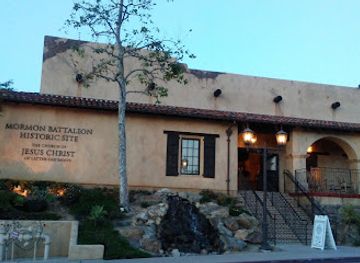
Historical landmark
Mormon Battalion Historic Site
Discover the inspiring story of the Mormon Battalion's epic march and their lasting impact on San Diego and the American West at this interactive historic site.
-
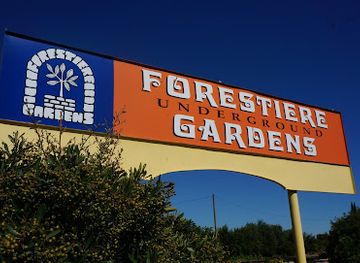
Historical landmark
Forestiere Underground Gardens
Discover a hidden world beneath Fresno: explore hand-carved tunnels, unique gardens, and the legacy of Baldassare Forestiere.
-
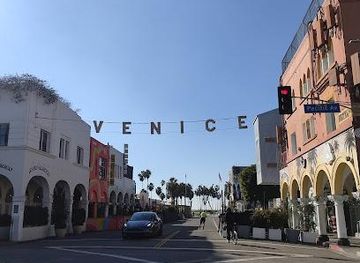
Historical landmark
Venice Sign
Discover the Venice Sign, a historic landmark that captures the vibrant spirit of Venice, California, and a must-see for all visitors.
Explore Westside on the map
Plan your trip on one map. See where the top cities, national parks and sights are, and book hotels and experiences in a few clicks.
Best hotels in Westside
Best restaurants in Westside
Dining across Westside reflects Los Angeles's international population and California's emphasis on fresh produce. Santa Monica and Venice offer cafés, bakeries, seafood restaurants, modern Californian cooking and casual food near the beach, while Westwood and West Los Angeles have long supported substantial Iranian, Japanese, Korean, Chinese, Mediterranean, Mexican and other international communities. Mexican and Latin American food is especially important to the wider regional identity, from casual taquerias to more contemporary restaurants. Farmers' markets in Santa Monica, Brentwood and nearby districts provide seasonal fruit, vegetables, bread, flowers and prepared foods, though market schedules vary. Independent coffee shops, juice bars and health-conscious eateries sit alongside traditional American diners, pizzerias, delis, pubs and ambitious dining rooms. In Pacific Palisades and Brentwood, restaurants tend to be neighbourhood-oriented, while the coastal districts offer more casual, visitor-facing choices. California wines, craft beer and locally grown ingredients are common, but the area's strongest culinary feature is its breadth rather than one defining regional dish.
-
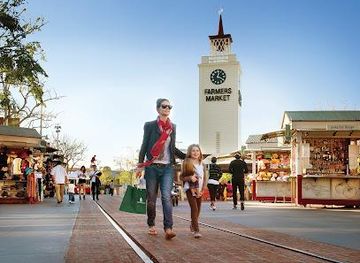
Farmers' market
The Original Farmers Market
Historic marketplace where LA's agricultural past meets contemporary global dining since 1934.
-
Seafood
Duke's Malibu
Experience exquisite seafood and Hawaiian-inspired dishes at Duke's Malibu while enjoying breathtaking ocean views.
-
American
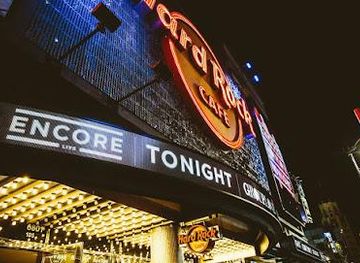
Hard Rock Cafe
Rock out on Hollywood Boulevard with legendary burgers, ribs, and memorabilia in a high-energy spot pulsing with music history and tourist buzz.
-
New American
SUR Restaurant and Lounge
Glamorous West Hollywood hotspot blending New American cuisine, craft cocktails, and Vanderpump Rules fame in a lively lounge setting perfect for nights out.

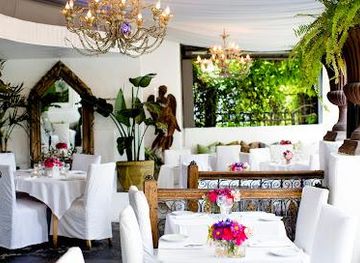
Best bars in Westside
Westside nightlife is varied but generally less concentrated than the club scenes of Hollywood or Downtown Los Angeles. Santa Monica has the broadest evening mix, with hotel bars, cocktail lounges, pubs, restaurants, live music and venues around the commercial centre and beachfront. Venice is known for relaxed bars, music-oriented spaces and late-opening restaurants, although the character of individual streets changes significantly and venues are subject to changing regulations. Westwood's evening life is influenced by UCLA, with cinemas, restaurants, bars and performance venues serving students, residents and visitors. Brentwood, West Los Angeles and Pacific Palisades are more oriented towards restaurants, wine bars and neighbourhood pubs than large nightclubs. Several breweries and craft-beer venues are accessible in the wider Westside area, while major concerts and theatre productions may require travel beyond the region. Check current arrangements before relying on a particular venue, and use taxis, rideshare services or public transport after drinking.
-
Seafood
Duke's Malibu
Experience fresh seafood and Hawaiian flavors at Duke's Malibu, where ocean views meet culinary excellence along the picturesque coast.
-
Bar
Moonshadows Malibu
Experience coastal dining at its finest at Moonshadows Malibu, where breathtaking views meet exquisite New American cuisine.
-
Fine Dining
Mastro's Ocean Club
Experience unparalleled fine dining at Mastro's Ocean Club in Malibu, where exquisite seafood and prime steaks meet stunning ocean views.
-
American
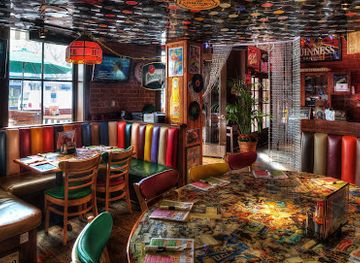
Barney's Beanery
Experience the vibrant American dining scene at Barney's Beanery in Westwood, offering delicious breakfast, brunch, and a lively bar atmosphere.


Best nightclubs in Westside
Westside nightlife is varied but generally less concentrated than the club scenes of Hollywood or Downtown Los Angeles. Santa Monica has the broadest evening mix, with hotel bars, cocktail lounges, pubs, restaurants, live music and venues around the commercial centre and beachfront. Venice is known for relaxed bars, music-oriented spaces and late-opening restaurants, although the character of individual streets changes significantly and venues are subject to changing regulations. Westwood's evening life is influenced by UCLA, with cinemas, restaurants, bars and performance venues serving students, residents and visitors. Brentwood, West Los Angeles and Pacific Palisades are more oriented towards restaurants, wine bars and neighbourhood pubs than large nightclubs. Several breweries and craft-beer venues are accessible in the wider Westside area, while major concerts and theatre productions may require travel beyond the region. Check current arrangements before relying on a particular venue, and use taxis, rideshare services or public transport after drinking.
-
New American
Moonshadows Malibu
Experience the best of New American cuisine with stunning ocean views at Moonshadows Malibu, a top dining destination for seafood lovers and food enthusiasts.
-
Bar
THE BUNGALOW
Experience the vibrant coastal charm of The Bungalow, a premier bar and restaurant in Santa Monica, offering stunning ocean views and delicious craft cocktails.
-
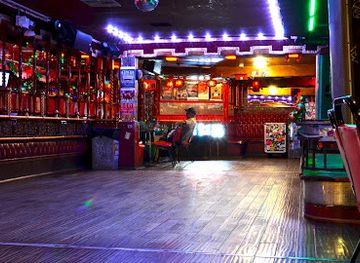
Night club
La Cita Bar
Experience the vibrant nightlife at La Cita Bar, a dance and drink hotspot in Los Angeles' Historic Core, where fun and music unite.
-
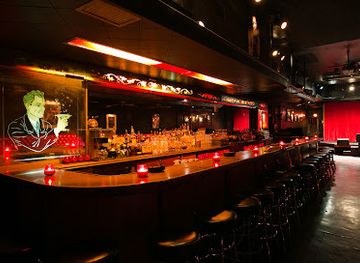
Night club
Harvelle's
Discover the heart of Santa Monica's nightlife at Harvelle's, a vibrant night club and live music venue offering unforgettable experiences.


Best shops in Westside
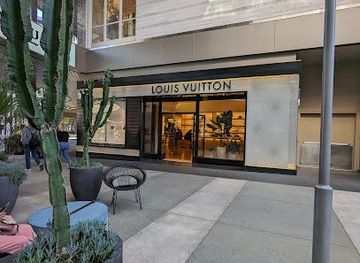
Shopping on Westside ranges from major commercial streets to independent coastal businesses and produce markets. Santa Monica's pedestrian-friendly Third Street Promenade and surrounding downtown streets offer national retailers, restaurants and smaller shops, while the nearby Santa Monica Place provides an enclosed shopping centre. Montana Avenue has a more neighbourhood-oriented selection of boutiques, cafés, beauty businesses and homeware shops. Venice centres on smaller independent retailers, design studios, vintage clothing, art galleries and businesses serving its beach and creative communities. Westwood Village combines shops, restaurants, cinemas and services around UCLA, although its retail mix has changed over time. Brentwood and West Los Angeles provide local boutiques, galleries, speciality food shops and everyday services rather than a single dominant shopping district. Farmers' markets are good places to buy Californian fruit, vegetables, flowers, bread and prepared foods, while regional gifts often include locally produced food, surf-related goods, design items, books and art. For luxury shopping, nearby Rodeo Drive in Beverly Hills is outside Westside's strictest boundaries but is a commonly combined excursion.
-
Shopping mall
Downtown Santa Monica
Discover the heart of Santa Monica with shopping, dining, and ocean views in the vibrant Downtown Santa Monica area.
-
Shopping mall
The Grove
Discover shopping, dining, and entertainment at The Grove, a vibrant Los Angeles destination blending style and culture.
-
Shopping mall
Ovation Hollywood
Explore Ovation Hollywood: A vibrant shopping mall featuring diverse retail shops, delicious dining, and entertainment near iconic Hollywood landmarks.
-
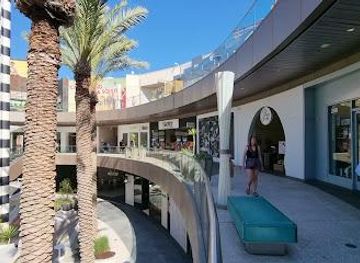
Shopping mall
Santa Monica Place
Discover Santa Monica Place, the ultimate shopping mall combining luxury retail, exquisite dining, and stunning ocean views in sunny California.

Get your free copy of our complete guide to Westside, delivered straight to you.
Everything on this page, from attractions and restaurants to essentials and local phrases, in one PDF you can read offline, print or share.
Already have an account? Sign in
Your Westside guide is ready.
We'll send it to · Not you? Sign out

Getting your guide ready…
We are putting together a fresh copy of the Westside guide. This can take up to a minute.
This can take a few moments. If your browser asks, choose Allow so the download can start. You'll find the guide in your Downloads folder.
Nothing happened? Download it again
Sorry, the guide is taking longer than usual. Please try again in a minute, or get it by email instead.
Westside essentials
Currency and Payment
Safety
Emergency Situations
Do's and Don'ts
Local Tips
From Eve
Local phrases worth knowing
You don't need to get them perfect. A few words go a long way, and locals appreciate the effort.
Basics
| English | Local | Say it |
|---|---|---|
| Hello | Hey | [Hey] |
| Goodbye | Later | [Lay-ter] |
| Yes | Yeah | [Yea] |
| No | Nah | [Nah] |
| Please/You're welcome | No prob | [No prob] |
| Thank you | Thanks | [Thangs] |
| Excuse me/Sorry | My bad | [My bad] |
| How are you? | How's it going? | [How's it goin'?] |
| Fine. And you? | Good. You? | [Good. You?] |
| Do you speak English? | You speak English? | [You speak English?] |
| I don't understand | I don't get it | [I don't get it] |
Eating & Drinking
| English | Local | Say it |
|---|---|---|
| I'd like to see the menu, please | Can I check the menu? | [Can I check the menu?] |
| I don't eat meat | I'm vegetarian | [I'm veg-e-tarian] |
| Cheers! | Cheers! | [Cheers!] |
| I would like to pay, please | Can I get the check? | [Can I get the check?] |
Emergencies
| English | Local | Say it |
|---|---|---|
| Help! | Help! | [Help!] |
| Go away! | Back off! | [Back off!] |
| Call the Police! | Call 911! | [Call 911!] |
| Call a doctor! | Get a doc! | [Get a doc!] |
| I'm lost | I'm kinda lost | [I'm kinda lost] |
| I'm ill | I'm not feeling well | [I'm not feeling well] |
Shopping
| English | Local | Say it |
|---|---|---|
| I'd like to buy... | I wanna buy... | [I wanna buy...] |
| I'm just looking | Just browsing | [Just browsing] |
| How much is it? | How much? | [How much?] |
| That's too expensive | That's a bit pricey | [That's a bit pricey] |
| Can you lower the price? | Can you give me a deal? | [Can you give me a deal?] |
Time & Numbers
| English | Local | Say it |
|---|---|---|
| What time is it? | What time? | [What time?] |
| It's one o'clock | It's 1 o'clock | [It's 1 o'clock] |
| Half past (10) | Half past 10 | [Half past 10] |
| Morning | Morning | [Morning] |
| Afternoon | Afternoon | [Afternoon] |
| Evening | Evening | [Evening] |
| Yesterday | Yesterday | [Yesterday] |
| Today | Today | [Today] |
| Tomorrow | Tomorrow | [Tomorrow] |
| 1 | One | [One] |
| 2 | Two | [Two] |
| 3 | Three | [Three] |
| 4 | Four | [Four] |
| 5 | Five | [Five] |
| 6 | Six | [Six] |
| 7 | Seven | [Seven] |
| 8 | Eight | [Eight] |
| 9 | Nine | [Nine] |
| 10 | Ten | [Ten] |
Transport & Directions
| English | Local | Say it |
|---|---|---|
| Where's a/the...? | Where’s the...? | [Where’s the...?] |
| What's the address? | What's the address? | [What's the address?] |
| Can you show me (on the map)? | Can you point it out? | [Can you point it out?] |
| When's the next (bus)? | When's the next bus? | [When's the next bus?] |
| A ticket (to ....) | A ticket to... | [A ticket to...] |
History of Westside
Tongva Homeland and Indigenous Settlement
Before Spanish and American development, the Westside formed part of the homeland of the Tongva people, whose villages, trails and resource networks extended across the Los Angeles Basin and coastal areas. The shoreline, wetlands, freshwater sources and inland oak landscapes supported fishing, gathering, hunting and trade. Spanish colonial records later applied names such as Gabrielino to the people associated with Mission San Gabriel, but contemporary usage generally favours Tongva. Indigenous history remains essential to understanding the region, even though urbanisation has obscured much of the original landscape.
Spanish Missions and Mexican Ranchos
Spanish colonisation brought missions, military administration and a new land system to the Los Angeles region during the late eighteenth century. After Mexican independence, large ranchos replaced much of the mission-era structure. Areas now associated with Santa Monica, Pacific Palisades, Brentwood and West Los Angeles were linked to extensive ranch lands, including Rancho San Vicente y Santa Monica. Livestock raising and agriculture dominated the landscape before coastal resorts, transport lines and suburban development transformed it in the nineteenth century.
The Founding of Santa Monica and Coastal Resort Development
Senator John P. Jones and Robert S. Baker established Santa Monica in the 1870s, promoting it as a seaside community and commercial port. Although the port project did not develop as originally intended, the town benefited from rail connections, ocean recreation and its attractive coastal setting. Santa Monica's civic centre, pier, beachfront and early residential districts reflect successive phases of resort, suburban and metropolitan growth. Nearby Venice was founded in 1905 by Abbot Kinney as a planned seaside resort influenced by Italian architecture and canals.
Streetcars, Canals and Early Suburban Expansion
Electric streetcar systems helped connect the coast with central Los Angeles during the early twentieth century, encouraging residential growth and making beach communities more accessible. Venice's canals, built as part of its original resort concept, were later reduced or filled as roads and automobiles reshaped the district; several surviving canals remain a distinctive reminder of that period. Bungalow courts, apartment buildings, commercial strips and civic structures from the early automobile and streetcar eras still appear throughout Westside neighbourhoods.
Film, Aviation and the Growth of Modern Los Angeles
The Westside became increasingly important to Southern California's entertainment and technology economies during the twentieth century. Film studios and production businesses developed in and around Culver City and the wider Los Angeles basin, while aviation and aerospace expanded nearby during the Second World War and post-war decades. The construction of major roads and freeways encouraged outward growth but also produced the traffic pressures associated with Westside travel today. Residential development intensified in Westwood, Brentwood, West Los Angeles and the coastal communities as Los Angeles became a global metropolis.
Universities, Museums and Cultural Institutions
The University of California, Los Angeles, founded in Westwood in 1919, became one of the region's principal academic and cultural institutions. Its campus helped establish Westwood as a centre for research, performance and public life. The Getty Center opened in 1997 on a hilltop above the Sepulveda Pass, creating a major destination for art, architecture and gardens, while the Getty Villa in Pacific Palisades developed a separate focus on classical antiquities. These institutions reinforced Westside's role as a cultural district as well as a coastal residential area.
Late Twentieth-Century Urban Change
From the late twentieth century onwards, Westside experienced major changes in housing, retail, employment and public space. Venice became associated with creative industries and independent businesses while also facing rising property costs and displacement pressures. Santa Monica strengthened its pedestrian, cycling and technology-oriented identity, and older commercial corridors throughout the district were adapted to new patterns of work and consumption. The result is a region where historic beach communities, affluent residential areas, university neighbourhoods and economically diverse urban districts remain closely connected but distinctly different.
Westside in Photos
Browse through our photo collection highlighting the charm and character of the destination.
Neighbouring regions of Westside
The closest regions to Westside, if you have time for more than one.
-

-

-

-
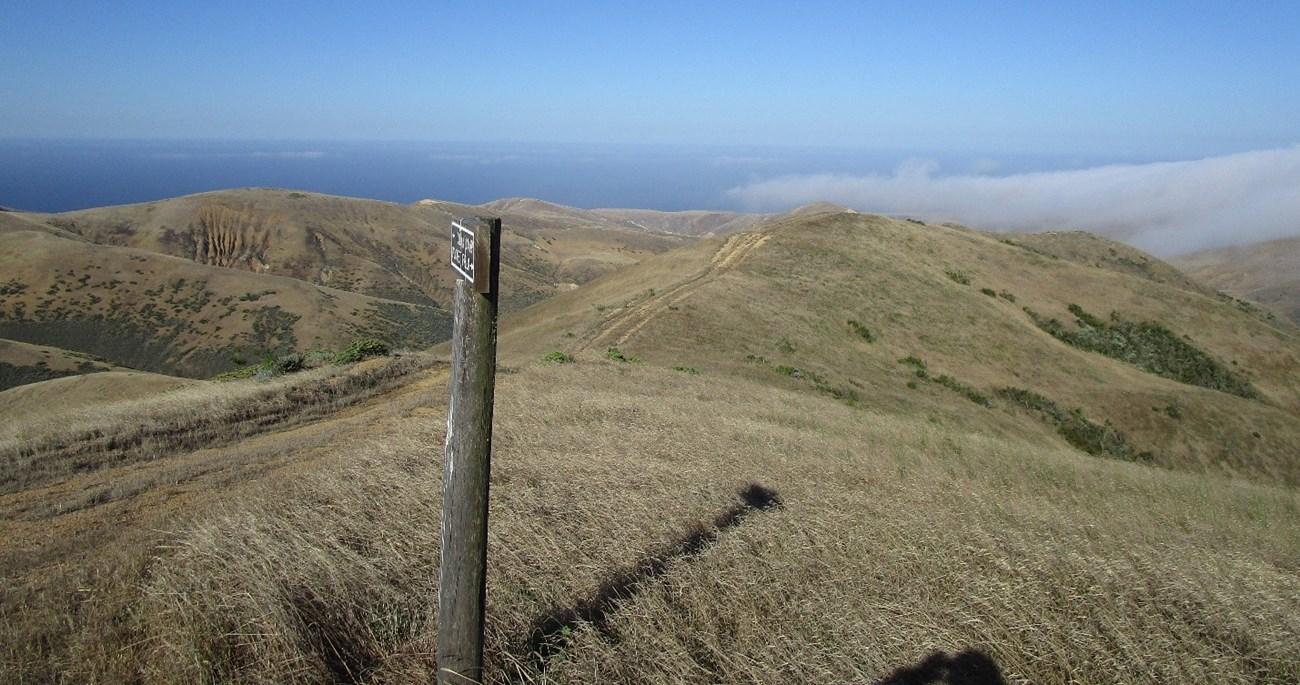 Ventura County
Discover Ventura County, California's hidden treasure, offering stunning coastlines, vibrant arts, and endless outdoor adventures in a serene, historic setting.
-


Swipe for more regions
Explore more
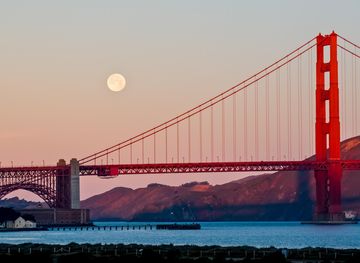
Explore more of California
Discover California: A land of diverse landscapes, iconic cities, and endless adventures, from sun-soaked beaches to towering redwoods and vibrant cultural experiences.
Explore California