

Free Buea Travel Guide & Mobile App
Plan your Buea trip with Evendo. Get free guides to top attractions, restaurants, hotels, and bars. Web access or download the mobile app.


Buea, Cameroon blends Mount Cameroon adventures, colonial history, Bakweri culture and cool highland scenery near the Atlantic coast.
At the Foot of Mount Cameroon
Buea rises on the eastern slopes of Mount Cameroon in South-West Region, where cool highland air, volcanic soils and expansive views give the city a character distinct from Cameroon’s coastal settlements. The mountain dominates the landscape and shapes daily life, from farming and tea cultivation to trekking routes that climb through increasingly rugged terrain. Buea is also a practical base for exploring Limbe and the Atlantic coast, although the two cities have different atmospheres: Buea is elevated, academic and historically administrative, while Limbe is lower, warmer and maritime.Read more about Buea
A City of Layered Histories
Highland City Life
When is the best time to visit Buea?
Best: December–February · 26°C| Month | High (°C) | Rainfall (mm) |
|---|---|---|
| January (best) | 26 | 40 |
| February (best) | 26 | 40 |
| March | 26 | 50 |
| April | 26 | 60 |
| May | 26 | 70 |
| June | 26 | 80 |
| July | 26 | 80 |
| August | 26 | 80 |
| September | 26 | 70 |
| October | 26 | 60 |
| November | 26 | 50 |
| December (best) | 26 | 40 |
Getting to and around Buea
How to get there
Transportation
Best attractions in Buea
Buea’s attractions are closely tied to its position on Mount Cameroon and its layered colonial and academic history. The former Governor’s Residence, widely known as the Prime Minister’s Lodge, introduces the city’s German-era administrative past, while the German cemetery provides a quieter historical site. The University of Buea campus and the Molyko area reveal the city’s contemporary student life, with cafés, small businesses and a steady flow of local activity. Trekkers and nature enthusiasts use Buea as a starting point for guided ascents and shorter walks on the lower slopes of Mount Cameroon, where forests, volcanic terrain and cooler air replace the urban streets. The nearby Tole Tea Estate landscape adds an agricultural dimension, although visits should be arranged locally. Buea also works as a base for excursions to Limbe, whose botanical garden, wildlife attractions and coastline offer a contrasting lowland setting rather than attractions within Buea itself.
-
Tourist attraction
Limbe Wildlife Centre
Explore the Limbe Wildlife Centre to witness the beauty of rescued wildlife and learn about conservation efforts in a stunning natural environment.
36 min drive · 16 km from city centre
-
 National park
Mount Cameroon National Park HEAD OFFICE
Discover the breathtaking landscapes and rich biodiversity of Mount Cameroon National Park, a must-visit destination for nature lovers and adventure seekers.
5 min drive · 1.8 km from city centre
-
Garden
Africa Green Farms
Discover the stunning biodiversity and serene beauty of Africa Green Farms in Buea, Cameroon - a perfect escape for nature lovers.
7 min drive · 2.5 km from city centre
-
Nature preserve
Icenecdev
Explore the lush landscapes and vibrant ecosystems of Icenecdev Nature Preserve, a serene retreat in Buea, Cameroon, ideal for nature enthusiasts.
7 min drive · 2.2 km from city centre
Best landmarks in Buea
Buea’s most significant landmarks express its role as a colonial capital, regional centre and university city. The Prime Minister’s Lodge, formerly the German Governor’s Residence, is associated with the period when Buea served as the capital of German Kamerun and remains the city’s best-known colonial-era building. The German cemetery provides a related memorial landscape and a tangible reminder of the European presence during the colonial period. The University of Buea is a major contemporary landmark, both architecturally and symbolically, as the first English-speaking state university in Cameroon and a centre of anglophone intellectual life. Mount Cameroon, or Fako, is the dominant natural landmark, rising above the city and shaping its climate, agriculture and identity. Older administrative buildings and streets around central Buea complete a heritage landscape that is meaningful precisely because it combines surviving colonial traces with living Bakweri and modern Cameroonian culture.
-
Hotel
Chariot Hotel Buea
Experience comfort and convenience at Chariot Hotel Buea, your ideal base for exploring the vibrant culture and stunning landscapes of Buea, Cameroon.
19 min drive · 6.3 km from city centre
-
Hotel
Eta Palace Hotel
Experience comfort and convenience at Eta Palace Hotel, your gateway to exploring the beauty and culture of Buea, Cameroon.
18 min drive · 5.9 km from city centre
-
Restaurant
IYA Buea
Experience Cameroon's rich flavors and cultural heritage at IYA Buea, where traditional cuisine meets modern innovation in a vibrant setting.
5 min walk · 0.4 km from city centre
-
Monument
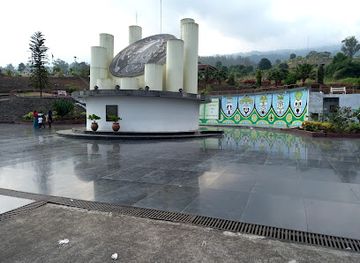
The Golden Jubilee Monument
Commemorating Cameroon's unity and progress, the Golden Jubilee Monument in Buea offers history, culture, and scenic beauty.
17 min walk · 1.3 km from city centre
Explore Buea on the map
Plan your Buea trip on one map. See where the top attractions, landmarks, restaurants, bars and hotels are, find what's near where you're staying, and book hotels and experiences in a few clicks.
Best hotels in Buea
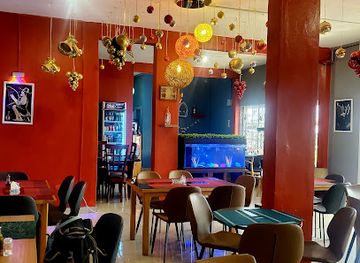
Best restaurants in Buea
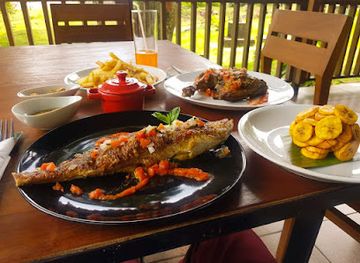
Buea’s dining scene reflects the foodways of the South-West Region, with dishes built around plantain, cassava, cocoyams, rice, beans, greens, fish and meat, often accompanied by peppery sauces. Local eateries and roadside kitchens provide filling everyday meals, while cafés around Molyko cater to the university population with lighter dishes, snacks and drinks. Ndolé, eru, achu and grilled fish are among the Cameroonian specialities visitors may encounter, though recipes and availability vary between cooks and communities. The city’s Bakweri setting also makes locally grown produce and mountain-region agriculture part of its wider food culture. Markets are useful for seeing ingredients and purchasing fruit, but hygiene standards differ, so choose busy establishments with good turnover and eat food that is thoroughly cooked. Dining is generally informal, and menus may change according to supplies rather than follow a fixed tourist format.
-
Restaurant
IYA Buea
Experience authentic Cameroonian cuisine at IYA Buea - where flavor meets culture in the heart of Buea.
5 min walk · 0.4 km from city centre
-
Restaurant
OIC Restaurant
Experience the flavors of Cameroon at OIC Restaurant in Buea – where local meets international cuisine in a vibrant setting.
5 min drive · 1.8 km from city centre
-
Restaurant
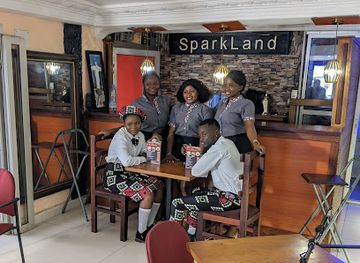
Sparkland Restaurant
Experience authentic Cameroonian cuisine at Sparkland Restaurant in Buea - where flavor meets tradition in a welcoming atmosphere.
17 min drive · 5.8 km from city centre
-
Restaurant
Beirut restaurant
Experience authentic Lebanese flavors at Beirut Restaurant in Buea - where every dish tells a story.
16 min drive · 5.3 km from city centre
Best bars in Buea
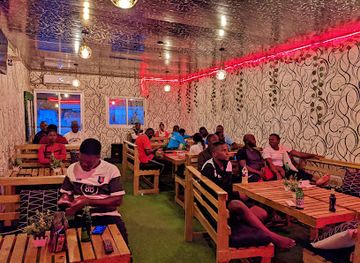
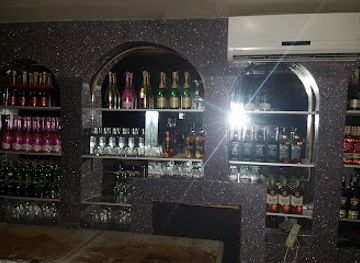
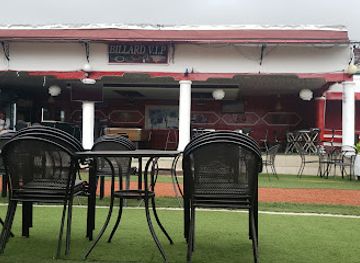
Buea’s evening life is concentrated around Molyko and other university-adjacent areas, where informal bars, cafés and small entertainment venues serve students, residents and visitors. The atmosphere ranges from conversation over beer or soft drinks to football screenings, music and occasional live performances, rather than the large-scale club scene found in bigger African capitals. Some venues play popular Cameroonian music alongside international styles, while church, university and community events provide additional evening activities. Nightlife can be subdued outside student areas, and conditions may change with local security guidance. Avoid wandering alone late at night, arrange transport in advance and ask trusted local contacts which places are operating and appropriate on a particular evening. Alcohol is not necessary to participate in the city’s social life, and quieter cafés can offer a more relaxed introduction to Buea after dark.
-
Bar
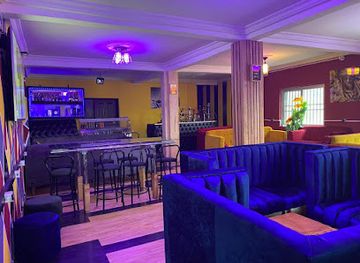
LA CAVE LOUNGE
Discover the vibrant nightlife and warm ambiance of La Cave Lounge in Buea, your ultimate destination for relaxation and socializing.
16 min drive · 5.5 km from city centre
-
Grill
Klass Chill
Discover the perfect blend of delicious grills, engaging board games, and lively karaoke at Klass Chill in Buea, a must-visit destination for all travelers.
15 min drive · 5.0 km from city centre
-
Bar
Ebony Snack Bar
Discover the flavors of Cameroon at Ebony Snack Bar, a lively spot in Buea perfect for snacks and socializing.
15 min drive · 5.1 km from city centre
-
Bar
DREAMS LOUNGE
Experience the vibrant nightlife of Buea at Dreams Lounge, where delicious drinks and fun games await every visitor.
18 min drive · 5.9 km from city centre
Best nightclubs in Buea
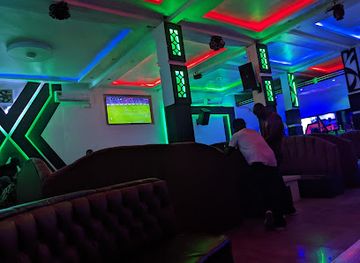
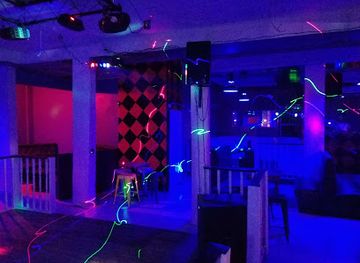
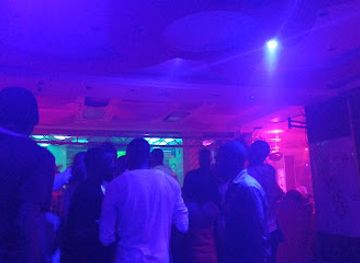
Buea’s evening life is concentrated around Molyko and other university-adjacent areas, where informal bars, cafés and small entertainment venues serve students, residents and visitors. The atmosphere ranges from conversation over beer or soft drinks to football screenings, music and occasional live performances, rather than the large-scale club scene found in bigger African capitals. Some venues play popular Cameroonian music alongside international styles, while church, university and community events provide additional evening activities. Nightlife can be subdued outside student areas, and conditions may change with local security guidance. Avoid wandering alone late at night, arrange transport in advance and ask trusted local contacts which places are operating and appropriate on a particular evening. Alcohol is not necessary to participate in the city’s social life, and quieter cafés can offer a more relaxed introduction to Buea after dark.
-
Lounge
PABLO LOUNGE & SNACK
Experience the vibrant ambiance of Pablo Lounge & Snack in Buea, where local flavors meet a relaxing atmosphere perfect for tourists.
1 min walk · 0.1 km from city centre
-
Night club
Prime 22 Hotel
Prime 22 Hotel: Where Nightlife, Dining, and Entertainment Collide in Buea's Vibrant Scene.
6 min drive · 2.0 km from city centre
-
Lounge
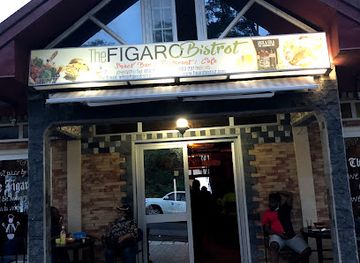
The Figaro Bristrot
Discover the warmth of Buea at The Figaro Bristrot, a cozy lounge perfect for unwinding with local flavors and delightful refreshments.
15 min walk · 1.2 km from city centre
-
Night club
las vegas molyko
Discover the pulsating nightlife of Buea at Las Vegas Molyko, where vibrant music and electrifying dance meet in an unforgettable experience.
7 min drive · 2.5 km from city centre
Best shops in Buea
Shopping in Buea is practical and local rather than centred on large-scale retail. Markets and neighbourhood stalls offer fruit, vegetables, spices, household goods, clothing and everyday supplies, while small shops around central Buea and Molyko serve the university community. Visitors may find locally produced tea associated with the Tole area, along with woven goods, carved objects, baskets and other crafts from the wider South-West Region, although stock and quality vary and provenance should be discussed honestly. Informal roadside commerce is part of the city’s character, but bargaining should remain polite and limited to settings where it is customary. Packaged food products, fabrics and modest handmade items are generally more practical souvenirs than fragile or culturally sensitive objects. Ask permission before buying or photographing products connected to ceremonies or community traditions, and carry cash for smaller purchases.
-
Shopping mall
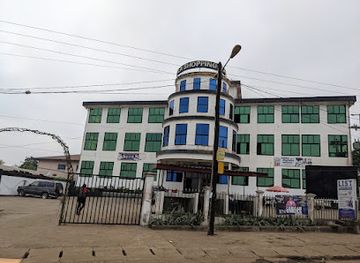
Buea Shopping Mall
Explore Buea Shopping Mall: A vibrant shopping hub offering diverse stores, local cuisine, and a welcoming atmosphere for tourists.
22 min drive · 7.3 km from city centre
-
Store
Honorine's Grossery Shop
Explore the vibrant local culture at Honorine's Grossery Shop, where fresh produce and unique artisanal goods await in Buea.
10 min drive · 3.2 km from city centre
-
Fashion accessories store
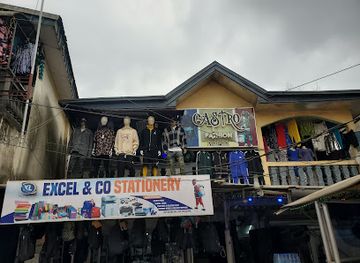
Castro Fashion Shop
Explore the chic and trendy Castro Fashion Shop in Buea, your go-to destination for unique fashion accessories that elevate your style.
15 min drive · 5.0 km from city centre
-
Clothing store
Nash Online Store
Explore the vibrant fashion scene at Nash Online Store in Buea, where trendy styles and local designs come together for an unforgettable shopping experience.
16 min drive · 5.2 km from city centre
Get your free copy of our complete guide to Buea, delivered straight to you.
Everything on this page, from attractions and restaurants to essentials and local phrases, in one PDF you can read offline, print or share.
Already have an account? Sign in
Your Buea guide is ready.
We'll send it to · Not you? Sign out

Getting your guide ready…
We are putting together a fresh copy of the Buea guide. This can take up to a minute.
This can take a few moments. If your browser asks, choose Allow so the download can start. You'll find the guide in your Downloads folder.
Nothing happened? Download it again
Sorry, the guide is taking longer than usual. Please try again in a minute, or get it by email instead.
Buea essentials
Currency and Payment
Safety
Emergency Situations
Do's and Don'ts
Local Tips
From Eve
Local phrases worth knowing
You don't need to get them perfect. A few words go a long way, and locals appreciate the effort.
Basics
| English | Local | Say it |
|---|---|---|
| Hello | Sawa | [sa-wa] |
| Goodbye | Kwaheri | [kwa-he-ri] |
| Yes | Eya | [ey-ya] |
| No | Ndea | [nde-a] |
| Please/You're welcome | I beg | [i beg] |
| Thank you | Mesee | [me-see] |
| Excuse me/Sorry | Pardon | [par-don] |
| How are you? | How far? | [how far] |
| Fine. And you? | Fine. Na you? | [fine. na you] |
| Do you speak English? | Na English you di tok? | [na english you di tok] |
| I don't understand | I no sabi | [i no sa-bi] |
Eating & Drinking
| English | Local | Say it |
|---|---|---|
| I'd like to see the menu, please | I wan see menu, abeg | [i wan see menu, a-beg] |
| I don't eat meat | I no di chop nyama | [i no di chop nya-ma] |
| Cheers! | Santé! | [san-te] |
| I would like to pay, please | I wan pay, abeg | [i wan pay, a-beg] |
Emergencies
| English | Local | Say it |
|---|---|---|
| Help! | Sos | [sos] |
| Go away! | Waka | [wa-ka] |
| Call the Police! | Call police! | [call police] |
| Call a doctor! | Call dokita! | [call do-ki-ta] |
| I'm lost | I loss | [i loss] |
| I'm ill | I sick | [i sick] |
Shopping
| English | Local | Say it |
|---|---|---|
| I'd like to buy... | I wan buy... | [i wan buy...] |
| I'm just looking | I di look small | [i di look small] |
| How much is it? | Na how much? | [na how much] |
| That's too expensive | E too cost | [e too cost] |
| Can you lower the price? | You fit reduce di price? | [you fit reduce di price] |
Time & Numbers
| English | Local | Say it |
|---|---|---|
| What time is it? | Na which time? | [na which time] |
| It's one o'clock | Na one | [na one] |
| Half past (10) | Na ten thirty | [na ten thir-ty] |
| Morning | Morn | [morn] |
| Afternoon | Afternun | [af-ter-nun] |
| Evening | Evenin | [eve-nin] |
| Yesterday | Yestade | [yes-ta-de] |
| Today | Today | [to-day] |
| Tomorrow | Tomoro | [to-mo-ro] |
| 1 | One | [one] |
| 2 | Two | [two] |
| 3 | Three | [three] |
| 4 | Four | [four] |
| 5 | Five | [five] |
| 6 | Six | [six] |
| 7 | Seven | [seven] |
| 8 | Eight | [eight] |
| 9 | Nine | [nine] |
| 10 | Ten | [ten] |
Transport & Directions
| English | Local | Say it |
|---|---|---|
| Where's a/the...? | Wey di...? | [wey di] |
| What's the address? | Address dey wé? | [address dey we] |
| Can you show me (on the map)? | You fit show me for map? | [you fit show me for map] |
| When's the next (bus)? | When bus go pass? | [when bus go pass] |
| A ticket (to ....) | Ticket (go ...) | [ticket go] |
History of Buea
Bakweri Homelands and Highland Settlement
Before colonial rule, the slopes and foothills around present-day Buea were part of the homeland of the Bakweri, also known as the Kpe people. Communities developed agricultural systems suited to volcanic soils and the mountain environment, cultivating crops and maintaining social and cultural institutions connected to the land. Mount Cameroon, known locally as Fako, carries geographical and cultural importance far beyond its value as a trekking destination. Buea’s later administrative prominence did not erase this older identity; Bakweri communities, traditions and land concerns remain central to the city’s historical context.
German Kamerun and the Colonial Capital
German colonial authority expanded in the region during the late nineteenth century, and Buea became the capital of Kamerun in 1901. Its elevated position offered a cooler climate than the coast and encouraged the development of administrative buildings, roads and agricultural estates. German officials also promoted plantation agriculture, while the colonial economy relied on African labour and imposed systems that profoundly affected local communities. Buildings associated with this period, including the former Governor’s Residence and the German cemetery, remain among Buea’s most visible historical traces, although the surviving landscape must be understood alongside the coercive realities of colonial rule.
The First World War and British Administration
German rule ended during the First World War, when Kamerun was occupied and subsequently divided into League of Nations mandates administered by France and Britain. Buea fell within the British-administered territory known as the British Cameroons and became an important administrative centre. English-language institutions, legal practices and educational traditions developed during this period, creating historical links with neighbouring Nigeria and helping shape the anglophone identity of the South-West Region. The transition also altered the city’s political geography and the ownership and management of plantations that had been established under German rule.
Plebiscite and Union with Cameroon
In a United Nations-organised plebiscite held in 1961, northern British Cameroons voted to join Nigeria, while southern British Cameroons voted to join the already independent Republic of Cameroon. The union created the Federal Republic of Cameroon, with Buea serving as the capital of West Cameroon. Federal arrangements were later replaced by a unitary state in 1972, a change that reduced the formal autonomy of the former federated territories. These constitutional developments continue to influence political memory in Buea and across the English-speaking regions of Cameroon.
The University and a New Urban Identity
The University of Buea was established in 1993, becoming the first English-speaking state university in Cameroon. Its presence transformed the city’s social and economic life, bringing students and academics from across the country and abroad while strengthening Buea’s reputation as an educational centre. Neighbourhoods such as Molyko expanded around the university, and accommodation, food businesses, transport services and informal commerce grew alongside enrolment. The institution also became an important site for debates about language, education, regional identity and the relationship between Cameroon’s anglophone and francophone systems.
Contemporary Buea and Anglophone Tensions
Since 2016, protests and conflict in Cameroon’s North-West and South-West regions have affected Buea, as grievances concerning education, courts, governance and political marginalisation developed into a wider security crisis. Conditions can vary between neighbourhoods and over time, so visitors should obtain current local advice and follow official guidance. The city nevertheless retains its roles as a university centre, regional capital and gateway to Mount Cameroon. Contemporary Buea is therefore shaped by both its attractive highland setting and the complex political history of the region in which it stands.
Buea in Photos
Browse through our photo collection highlighting the charm and character of the destination.
Cities near Buea
The closest cities to Buea, if you have time for more than one stop.
-

-

-

-

-


Swipe for more cities

