Grand-Pré National Historic Site: A Land Marked by History and Resilience
Explore Acadian history and resilience at Grand-Pré National Historic Site, a UNESCO World Heritage Site in Nova Scotia's Annapolis Valley.
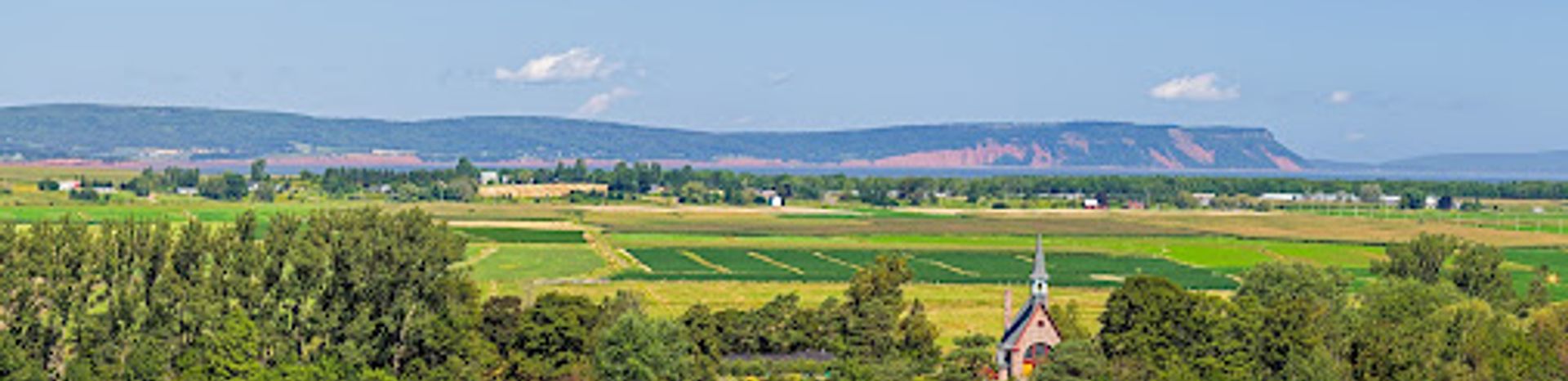
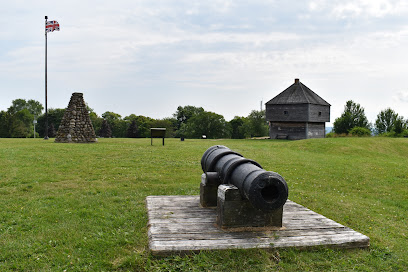
Grand-Pré National Historic Site commemorates the resilience of the Acadian people and the tragic Deportation (Le Grand Dérangement) that began in 1755. This UNESCO World Heritage Site offers a poignant glimpse into Acadian history and culture through exhibits, a memorial church, and stunning landscapes.
A brief summary to Grand-Pré National Historic Site
- 2205 Grand Pré Rd, Grand Pré, Nova Scotia, B0P 1M0, CA
- +1902-542-3631
- Visit website
Local tips
- Allow at least 2-3 hours to fully explore the site, including the exhibits, Memorial Church, and grounds.
- Check the Parks Canada website for seasonal hours and special events.
- Wear comfortable shoes for walking the grounds and dykelands.
- Consider visiting in the fall for stunning foliage views of the Annapolis Valley.

Getting There
-
Driving
If driving from Wolfville, take Highway 1 east towards Grand-Pré. The site is well-signed and located directly off the highway. Parking is available on-site. Parking is free.
-
Public Transport
From Wolfville, you can take a Kings Transit bus towards Grand-Pré. Check the Kings Transit website for schedules and routes. The bus stop is located a short walk from the Grand-Pré National Historic Site entrance. A single fare is approximately $2.50 CAD.
-
Walking
If you are staying in accommodations in Grand-Pré, the National Historic Site is easily accessible by foot. Follow Grand Pré Road; the site is well-signed. The walk is generally flat and offers views of the surrounding landscape.
Discover more about Grand-Pré National Historic Site
Iconic landmarks you can’t miss

Partridge Island
28.8 km
Experience the breathtaking landscapes and rich history of Partridge Island, a hidden gem off the coast of Nova Scotia, perfect for nature lovers and adventurers.
Fundy's Cape Enrage
65.4 km
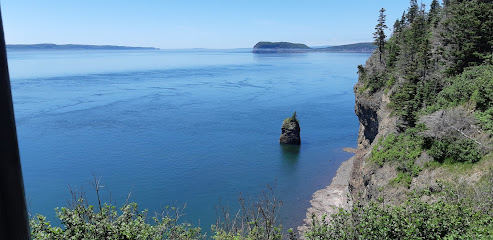
Explore breathtaking views, adventure sports, and rich maritime history at Fundy's Cape Enrage, New Brunswick's hidden gem along the Bay of Fundy.
Cape Enrage Nature Preserve
66.2 km
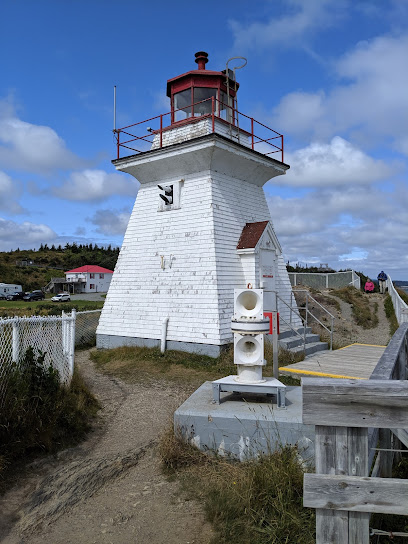
Explore the rugged beauty and thrilling adventures of Cape Enrage Nature Preserve on the Bay of Fundy, a historic landmark with breathtaking views.
Rotunda
69.2 km
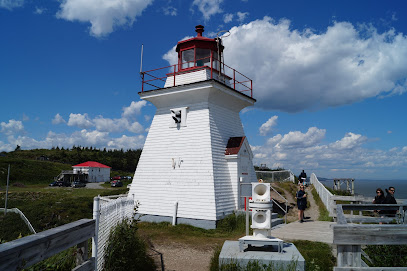
Explore the Rotunda in Halifax, a historical and geographical landmark that reveals the rich cultural tapestry of Nova Scotia.
D'Anville's Encampment National Historic Site
71.1 km
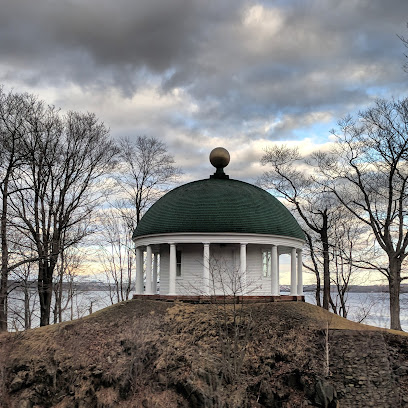
Explore the historical significance of D'Anville's Encampment National Historic Site, a captivating glimpse into Nova Scotia's colonial past and military heritage.
Africville National Historic Site
72.8 km
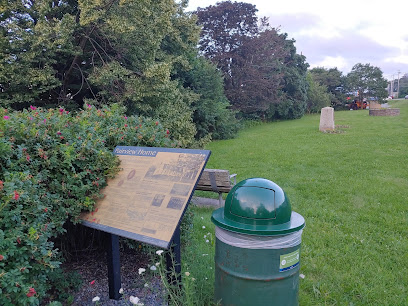
Discover the rich history and cultural significance of the Africville National Historic Site in Halifax, a testament to resilience and community spirit.
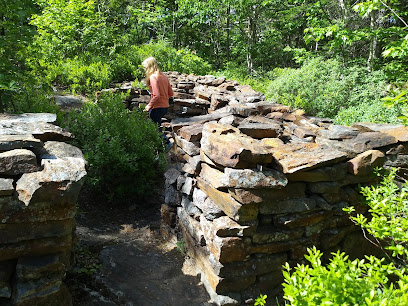
Mystery Walls
72.8 km
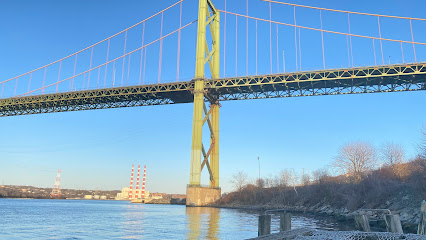
Explore Halifax's Mystery Walls: An intriguing historical site with enigmatic stone structures and captivating natural beauty.
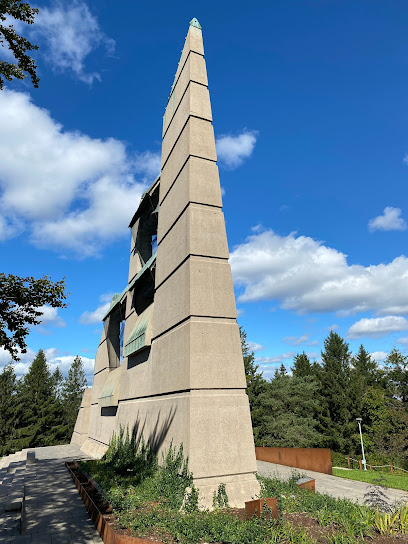
Halifax Explosion Memorial Bell Tower
74.5 km
A solemn memorial and landmark in Halifax, commemorating the 1917 explosion with serene park views and historical insights.
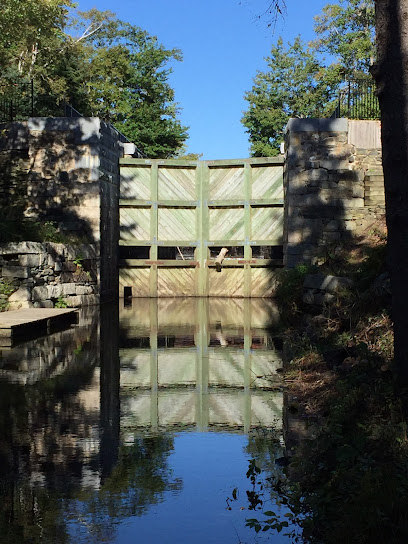
Shubenacadie Canal
74.6 km
Discover the Shubenacadie Canal in Nova Scotia, a picturesque waterway perfect for outdoor adventures and rich in history and natural beauty.
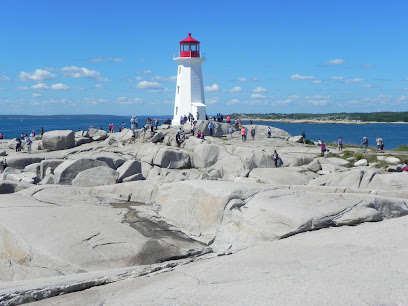
Peggys Cove
75.1 km
Experience the breathtaking beauty and maritime charm of Peggy's Cove, a picturesque fishing village with stunning landscapes and iconic lighthouse.
Admiralty House
75.4 km
Discover the maritime heritage of Halifax at Admiralty House, a beautifully preserved heritage site showcasing naval history and culture.

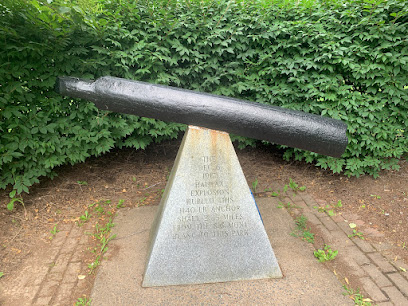
Hfx Artifact - Anchor
75.7 km
A historical landmark in Halifax, commemorating the 1917 explosion and the city's maritime heritage. A symbol of resilience and remembrance.
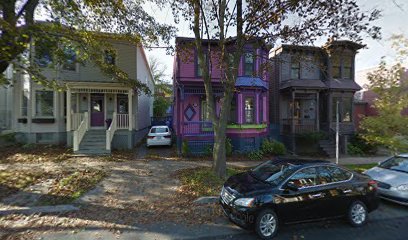
The Purple House
75.8 km
Explore The Purple House, a charming historical landmark in Halifax's North End, showcasing unique architecture and rich local culture.
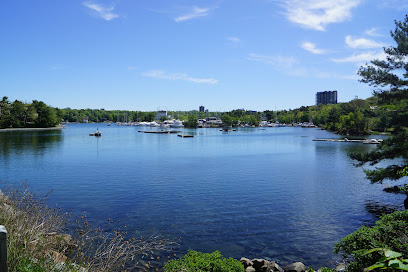
Melville Island and Deadman’s Island National Historic Site
76.0 km
Discover Halifax's dark history at Melville & Deadman's Islands: prisoner of war camp, refuge, and final resting place, now a national historic site.
John Dunsworth Memorial
76.0 km
Explore the John Dunsworth Memorial in Halifax, a tribute to the beloved actor that celebrates local culture and honors a Canadian legend.

Unmissable attractions to see

The Landscape of Grand Pré View Park
0.6 km
Explore the stunning vistas and rich history at The Landscape of Grand Pré View Park, a UNESCO World Heritage Site in Nova Scotia.
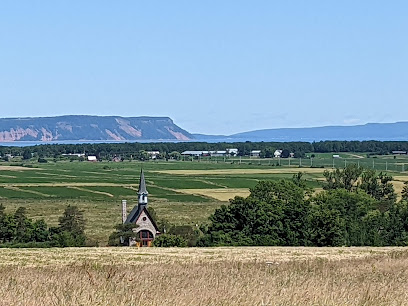
Le Grand Dérangement (Expulsion of the Acadians Deportation Cross)
2.5 km
Explore the poignant history of the Acadian expulsion at Le Grand Dérangement, a significant landmark in Wolfville, Nova Scotia.
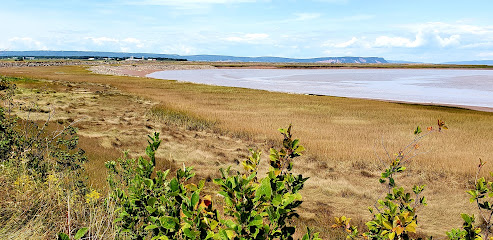
Randall House Museum
4.0 km
Experience the rich heritage of Wolfville at Randall House Museum, where local history comes alive through fascinating exhibits and beautiful gardens.
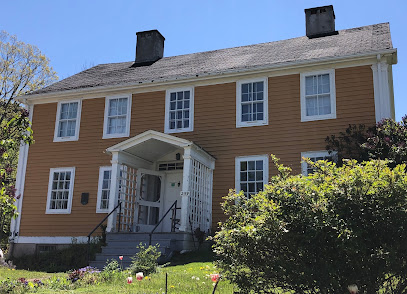
Magic Winery Bus Limited
4.1 km
Discover the charm and flavor of Nova Scotia's vineyards with the Magic Winery Bus, your gateway to exceptional wine experiences.
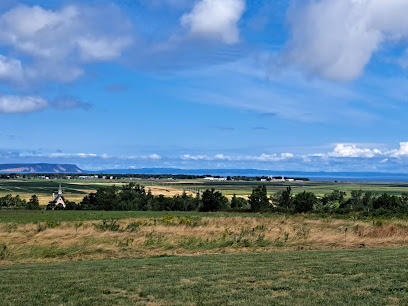
Wolfville Waterfront Park
4.2 km
Explore the tranquil beauty of Wolfville Waterfront Park, a picturesque city park in Nova Scotia offering stunning views, lush gardens, and local art.
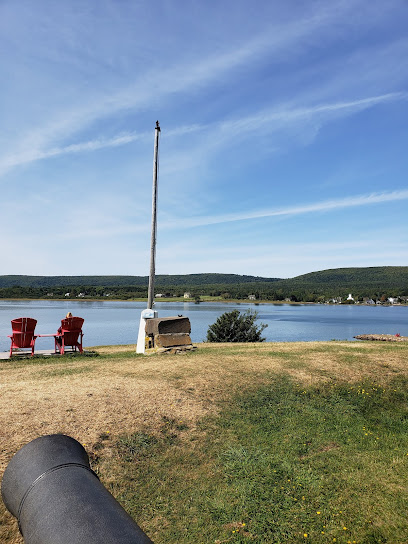
Robie Tufts Nature Centre
4.5 km
Explore the natural beauty and educational wonders at Robie Tufts Nature Centre in Wolfville, Nova Scotia, a perfect destination for eco-tourists and families.
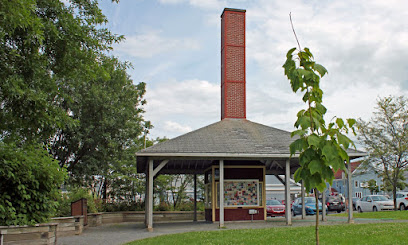
Harriet Irving Botanical Gardens
5.1 km
Explore the Harriet Irving Botanical Gardens, a stunning oasis in Wolfville, Nova Scotia, featuring diverse plant collections and tranquil landscapes.
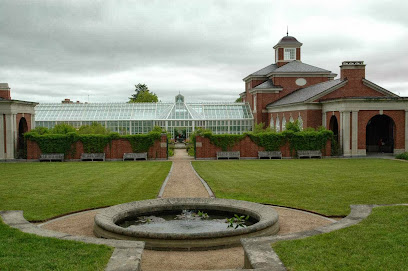
Prescott House Museum
5.4 km
Explore the Prescott House Museum in Port Williams, Nova Scotia, and immerse yourself in the rich history and heritage of the region.
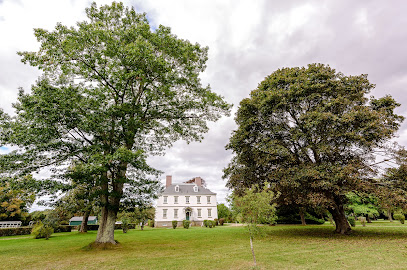
Benjamin Bridge
7.5 km
Explore the breathtaking vineyards and taste award-winning sparkling wines at Benjamin Bridge Winery in Wolfville, Nova Scotia.
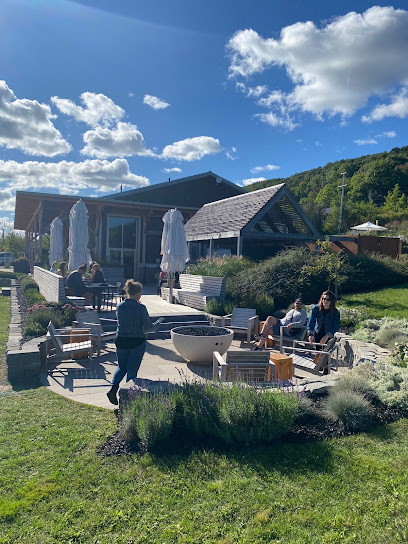
Blomidon Look-Off
12.7 km
Discover breathtaking views and serene landscapes at Blomidon Look-Off in Nova Scotia, a perfect retreat for nature lovers and photographers alike.
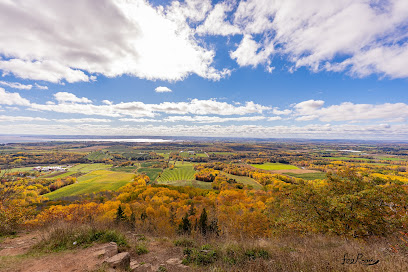
Eaves Hollow
13.8 km
Experience the serene beauty of Eaves Hollow in Kentville, Nova Scotia—an ideal park for biking, walking, and nature exploration.
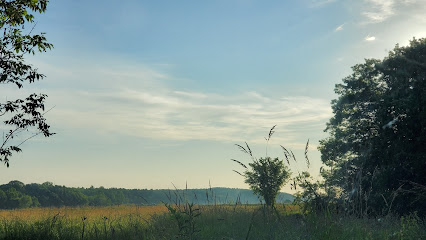
Miner's Marsh
14.4 km
Discover the tranquil beauty of Miner's Marsh in Kentville, Nova Scotia, where nature and serenity come together for an unforgettable experience.
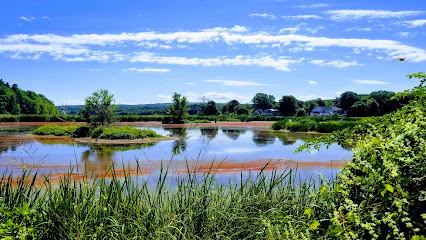
Kings County Museum
14.8 km
Uncover the local history and culture at Kings County Museum, a gem in Kentville, Nova Scotia, showcasing the stories of the Annapolis Valley.

Blomidon Provincial Park and Campground
17.5 km
Discover the captivating landscapes and rich wildlife at Blomidon Provincial Park and Campground, a premier destination in Nova Scotia for outdoor enthusiasts.
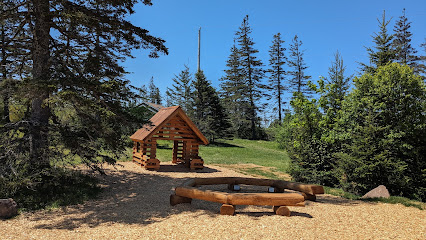
Fort Edward National Historic Site
18.6 km
Discover the rich history and scenic beauty of Fort Edward National Historic Site in Windsor, Nova Scotia, a key landmark of Canada's colonial past.
Essential places to dine

Longfellow Restaurant
0.8 km
Discover the exquisite flavors of Nova Scotia at Longfellow Restaurant—where every meal tells a story.
Le Caveau
0.8 km
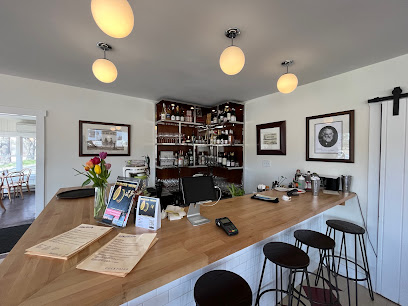
Experience exquisite fine dining at Le Caveau, where local ingredients meet award-winning wines in Nova Scotia's beautiful Grand Pré.
The Rice Bowl
4.0 km
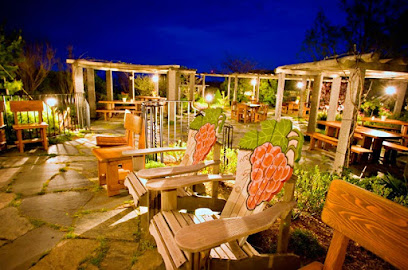
Discover authentic Asian flavors at The Rice Bowl in Wolfville – where every dish tells a story.

Juniper Food + Wine
4.4 km
Discover the taste of Nova Scotia at Juniper Food + Wine, where local ingredients meet exceptional culinary artistry.
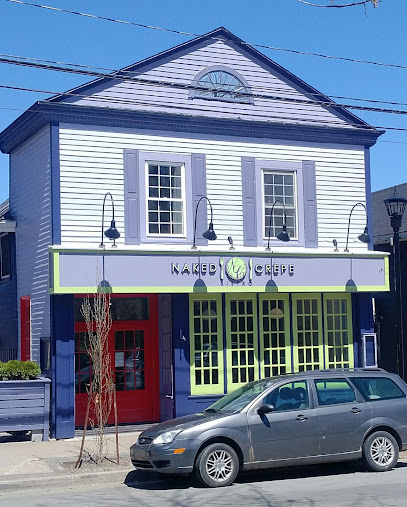
The Naked Crepe Bistro Inc
4.4 km
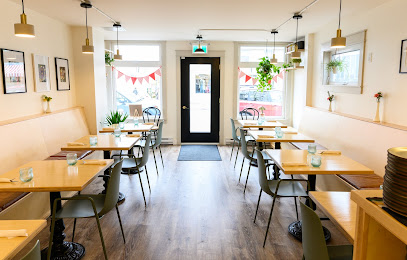
Experience the culinary delight of crepes at The Naked Crepe Bistro in Wolfville - where flavor meets comfort.
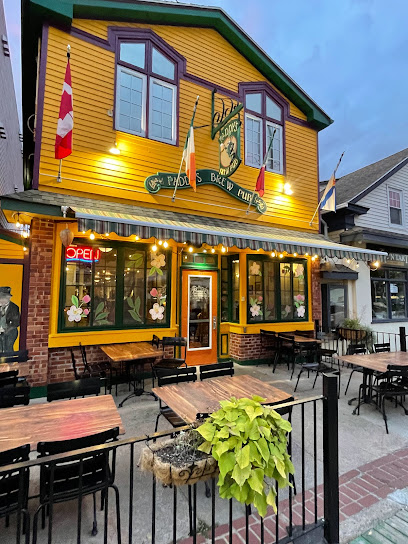
Paddy's Brewpub & Rosie's Restaurant
4.6 km
Experience local flavors and craft brews at Paddy's Brewpub & Rosie's Restaurant in Wolfville - where community meets cuisine.
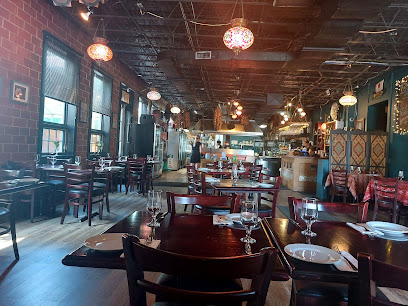
Troy Restaurant & Grill
4.6 km
Experience authentic Mediterranean cuisine at Troy Restaurant & Grill in Wolfville - where flavors meet hospitality.
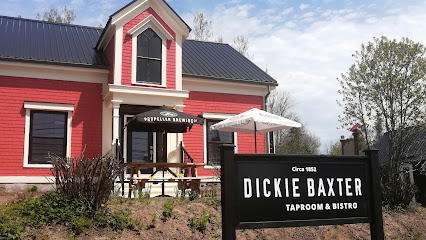
Dickie-Baxter Taproom & Bistro
10.4 km
Discover culinary excellence at Dickie-Baxter Taproom & Bistro in Canning, Nova Scotia – where local flavors meet creative cuisine.
Cumin Kitchen and Drink
13.4 km
Experience the vibrant flavors of Nova Scotia at Cumin Kitchen and Drink - where every dish tells a story.
Paddy's Irish Brewpub & Rosie's Restaurant
15.0 km
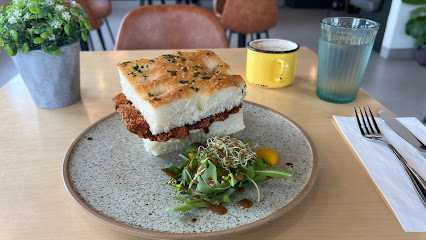
Discover the essence of Irish hospitality at Paddy's Brewpub & Rosie's Restaurant in Kentville - where hearty meals meet handcrafted brews.
The Long Table Social Club
21.7 km
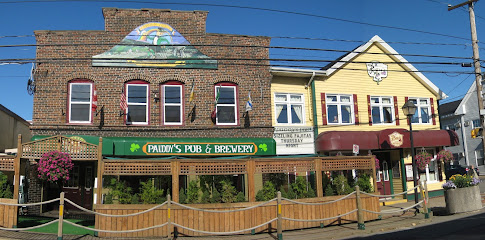
Discover farm-to-table dining at The Long Table Social Club in Canning, where fresh local ingredients meet culinary creativity.
Wild Caraway
44.4 km
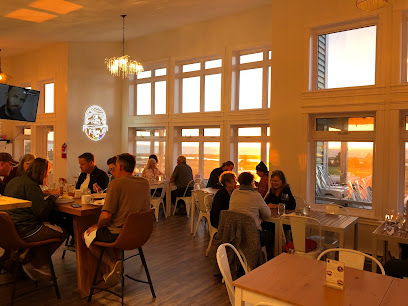
Experience authentic Nova Scotian cuisine at Wild Caraway, where fresh local ingredients meet culinary creativity in Advocate Harbour.
Hook and Anchor Restaurant
44.5 km
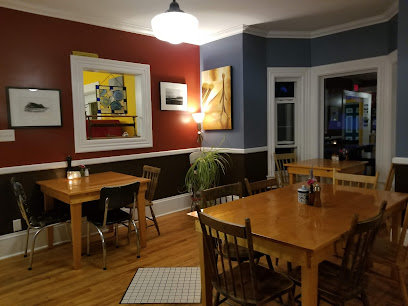
Experience exquisite seafood dining at Hook and Anchor Restaurant in Advocate Harbour, where fresh flavors meet stunning coastal views.
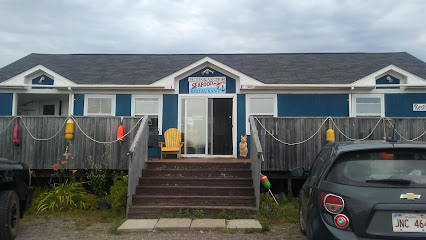
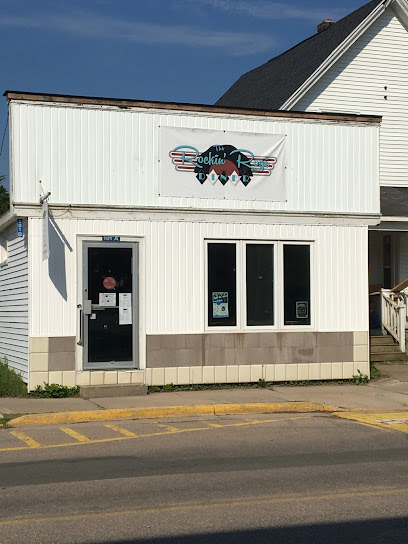
Rockin' Rogi Diner
62.4 km
Discover the heartwarming flavors of Rockin' Rogi Diner in Middleton - where comfort food meets friendly service.
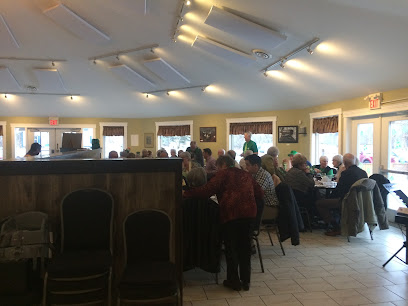
Angie's Family Restaurant
63.9 km
Experience the warmth of family dining at Angie's Family Restaurant in Middleton - where delicious meals and friendly service create unforgettable moments.
Markets, malls and hidden boutiques

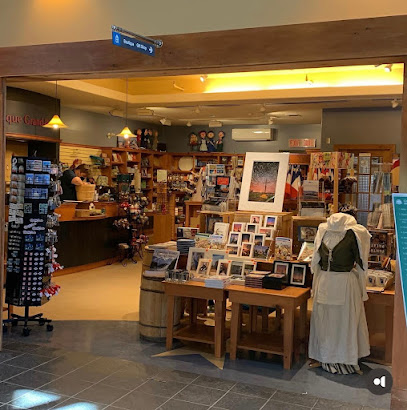
Boutique Grand-Pré
0.0 km
Discover unique artisan gifts and local treasures at Boutique Grand-Pré in the heart of Nova Scotia's historic Grand Pré.
Applewicks Craft Shoppe
4.2 km
Explore the unique gifts and handcrafted treasures at Applewicks Craft Shoppe in Wolfville, Nova Scotia.

Wild Lily
4.4 km
Discover the charm of Wild Lily, a boutique in Wolfville offering unique handcrafted goods and a warm, welcoming atmosphere.
Jane’s Again
4.4 km
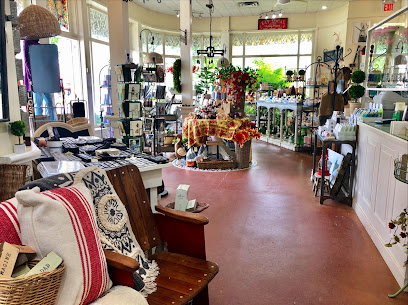
Discover unique fashion finds at Jane's Again, Wolfville's charming boutique and consignment shop promoting sustainable style.
Valley Girl Boutique
4.5 km
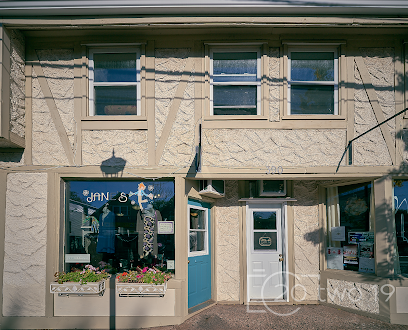
Explore Valley Girl Boutique in Wolfville, NS - a charming gift shop with unique treasures and local artisan crafts that embody the spirit of Nova Scotia.
Realm Boutique
4.6 km
Explore the enchanting Realm Boutique in Wolfville, NS, your ultimate destination for unique metaphysical supplies and spiritual wellness products.
Coles - County Fair Mall
11.4 km
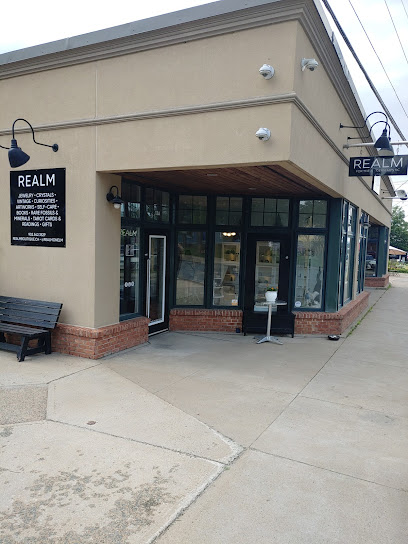
Explore Coles at County Fair Mall, your go-to destination for books and unique gifts in New Minas, Nova Scotia.

Anatolia Home and Fashion
13.1 km
Discover unique gifts, trendy clothing, and stylish accessories at Anatolia Home and Fashion, the perfect shopping destination in New Minas, Nova Scotia.

Ametora Supply
14.9 km
Discover a charming vintage clothing store in Kentville, Nova Scotia, where nostalgic styles and unique finds await every fashion lover.

Occasions Gifts & Decor
15.0 km
Discover unique gifts and local artisan treasures at Occasions Gifts & Decor in Kentville, the perfect stop for thoughtful souvenirs.

Market Between the Mountains
34.2 km
Discover unique local crafts and gifts at Market Between the Mountains, a charming Berwick market showcasing the best of Nova Scotia's artisans.
Fraser's Pro Home Centre
35.3 km
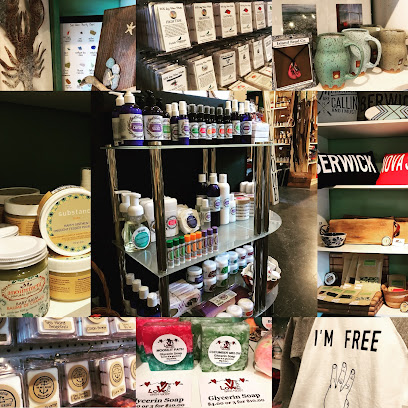
Explore Fraser's Pro Home Centre in Berwick, Nova Scotia, where quality hardware meets expert advice for all your home improvement needs.

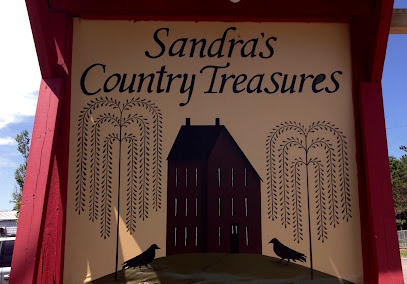
Sandra's Country Treasures
38.4 km
Explore Sandra's Country Treasures, an antique store in Berwick, NS, where timeless treasures and hidden gems await every collector.
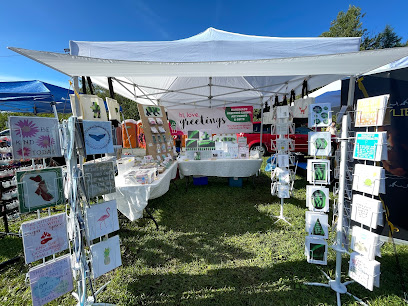
hi, love. greetings
47.0 km
Explore Hi, Love. Greetings in Auburn, Nova Scotia - a charming gift shop filled with unique greeting cards and local artistry for every occasion.
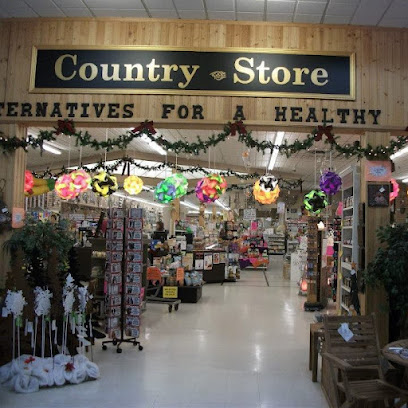
Country Store
50.8 km
Discover health-conscious shopping at Country Store, where organic products and local specialties meet in the heart of Greenwood, Nova Scotia.
Essential bars & hidden hideouts

Luckett Vineyards
4.2 km
Explore Luckett Vineyards: A scenic vineyard experience in Nova Scotia with exquisite wines and local cuisine.
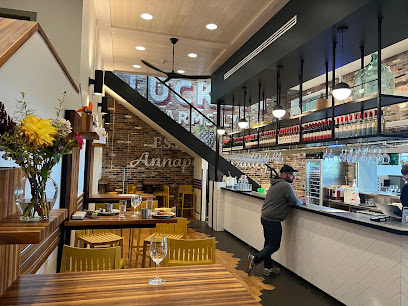
The Anvil Beverage Room
4.3 km
Discover the charm of The Anvil Beverage Room in Wolfville, where local flavors meet a cozy atmosphere perfect for unwinding.
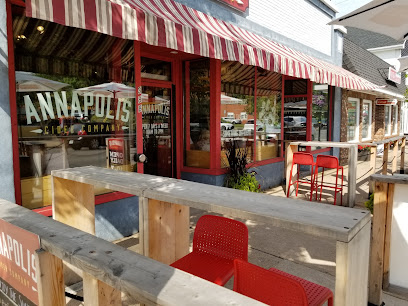
Annapolis Cider Company
4.4 km
Experience the best of Nova Scotia with artisanal ciders at Annapolis Cider Company, a charming cider bar in Wolfville.
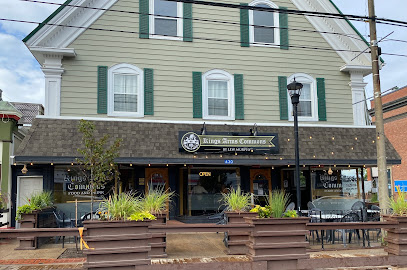
Kings Arms Commons
4.5 km
Discover the flavors of Nova Scotia at Kings Arms Commons, a charming restaurant in Wolfville, known for its local ingredients and warm ambiance.
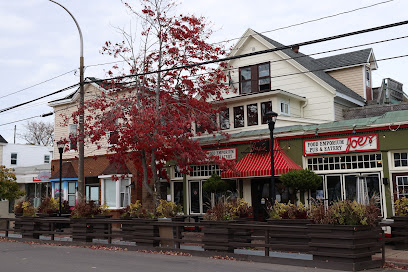
Joe's Food Emporium
4.5 km
Discover a culinary haven in Wolfville, where local ingredients meet delicious flavors at Joe's Food Emporium.
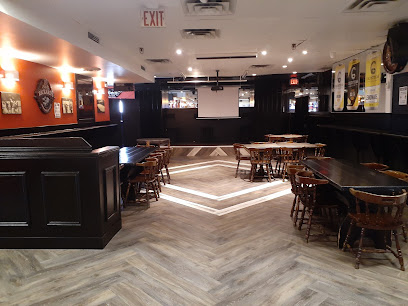
The Library Pub and Merchant Wine Tavern
4.6 km
Experience the heart of Wolfville at The Library Pub and Merchant Wine Tavern, where local flavors meet a vibrant atmosphere.
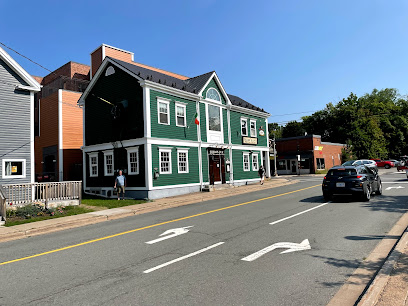
The Axe Lounge
4.8 km
Experience the vibrant atmosphere of The Axe Lounge in Wolfville, where unique drinks and good company create unforgettable memories.
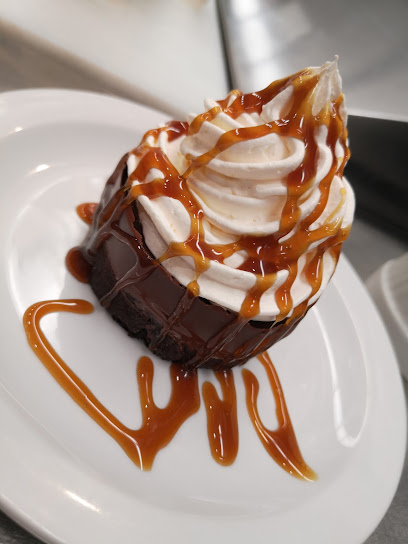
Sea Level Brewing
7.6 km
Experience the best of Nova Scotia's craft beer at Sea Level Brewing in the stunning Annapolis Valley, where local ingredients and innovation meet.
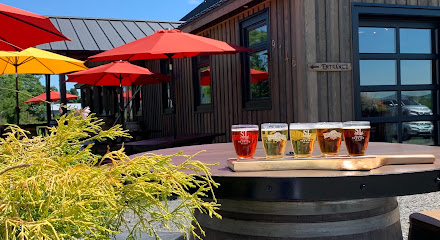
The Port Pub And Bistro
7.6 km
Discover the flavors of Nova Scotia at The Port Pub And Bistro, a charming gastropub offering local cuisine and a warm atmosphere.
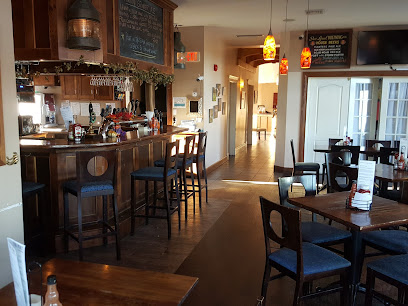
Old Orchard Inn
8.2 km
Discover the charm of Old Orchard Inn, where comfort meets culinary excellence in the heart of Nova Scotia's beautiful landscape.
Rafters Bar
8.2 km
Experience the vibrant nightlife and local culture at Rafters Bar in Wolfville, Nova Scotia, with a great selection of drinks and friendly atmosphere.
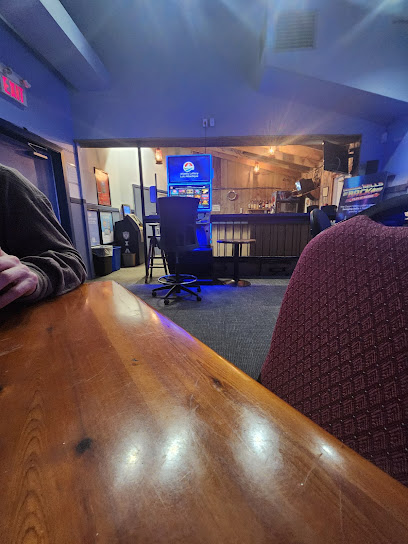
Westside Charlies
12.0 km
Discover the lively ambiance of Westside Charlies, a popular bar and pool hall in New Minas, Nova Scotia, perfect for a fun night out.

King's Arm Pub
15.0 km
Experience the vibrant atmosphere of King's Arm Pub in Kentville, where great food, drinks, and local camaraderie await you.
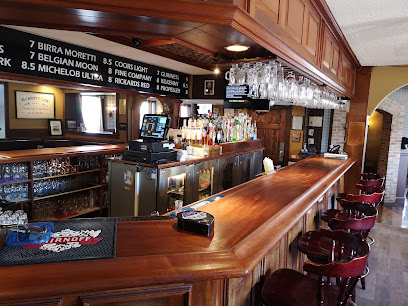
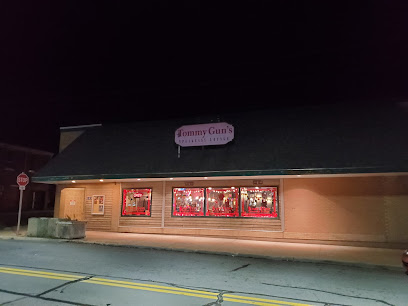
Tommy Gun's
18.7 km
Experience the charm of Nova Scotia at Tommy Gun's, a cozy pub in Windsor serving delicious local cuisine and vibrant drinks.
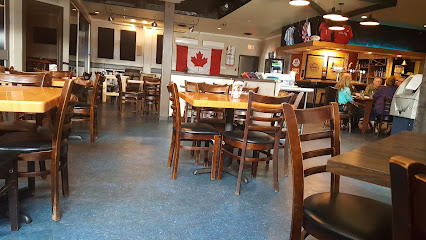
Oaken Barrel Pub
50.7 km
Discover the flavors of Nova Scotia at Oaken Barrel Pub, where craft beers and hearty meals blend in a cozy, rustic setting.
Nightclubs & after hour spots

The Rook
71.6 km
Discover the energetic vibe of The Rook Lounge in Halifax, where crafted cocktails and a lively atmosphere await your arrival.
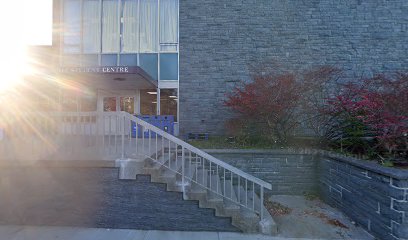
Fundy National Park Golf Course
74.0 km
Experience golfing like never before at Fundy National Park Golf Course, where stunning views and natural beauty enhance every swing.
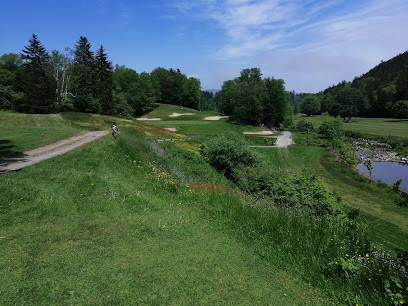
Atmosphere Entertainment
75.6 km
Immerse yourself in Halifax's electrifying nightlife at Atmosphere Entertainment, the ultimate night club for dancing, drinks, and unforgettable memories.
Night Spa Halifax
76.3 km
Experience the best of Halifax's nightlife at Night Spa Halifax, where adult entertainment meets a vibrant atmosphere.
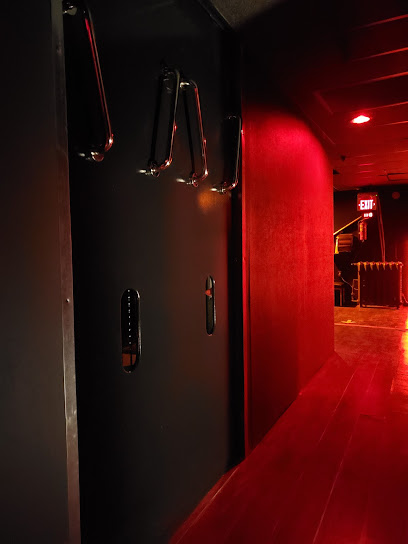
Level8 Night Club
77.2 km
Discover the electrifying atmosphere of Level8 Night Club, Halifax's premier destination for unforgettable nights filled with music and dance.

The Dome
77.3 km
Experience the vibrant nightlife of Halifax at The Dome, where electrifying music and a lively atmosphere await every night.

Hide + Seek
77.3 km
Discover the vibrant nightlife of Halifax at Hide + Seek, a trendy night club and lounge offering music, drinks, and unforgettable moments.

Pacifico
77.3 km
Discover the vibrant nightlife at Pacifico, Halifax's premier bar and event venue, offering live music, delicious cuisine, and an unforgettable atmosphere.

TOOTHY MOOSE CABARET
77.5 km
Experience the electrifying nightlife of Halifax at the Toothy Moose Cabaret, where unforgettable performances and a vibrant atmosphere await.

Red Karaoke
77.5 km
Experience the joy of singing at Red Karaoke, Halifax's premier karaoke bar, featuring private rooms and a lively atmosphere perfect for all music lovers.
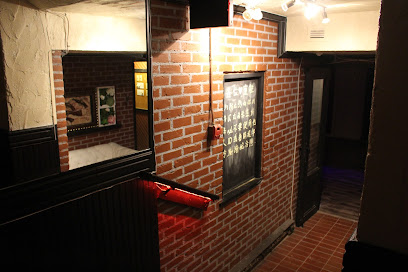
Niche Lounge
77.5 km
Discover Niche Lounge in Halifax: a cozy bar and restaurant offering a unique blend of flavors, vibrant atmosphere, and a perfect spot for sports enthusiasts.
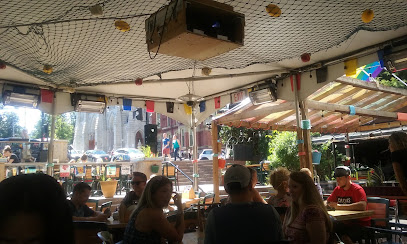
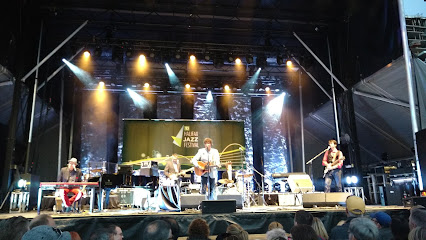
Jazz Festival Main Stage
77.8 km
Immerse yourself in the vibrant atmosphere of the Halifax Jazz Festival at the Main Stage, where captivating performances and local culture converge.