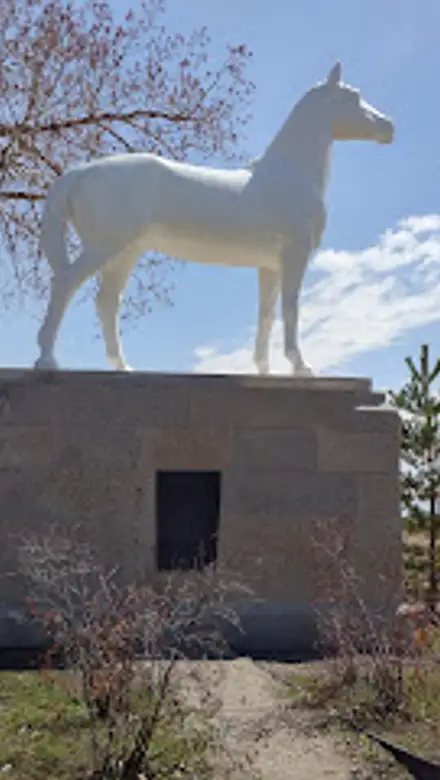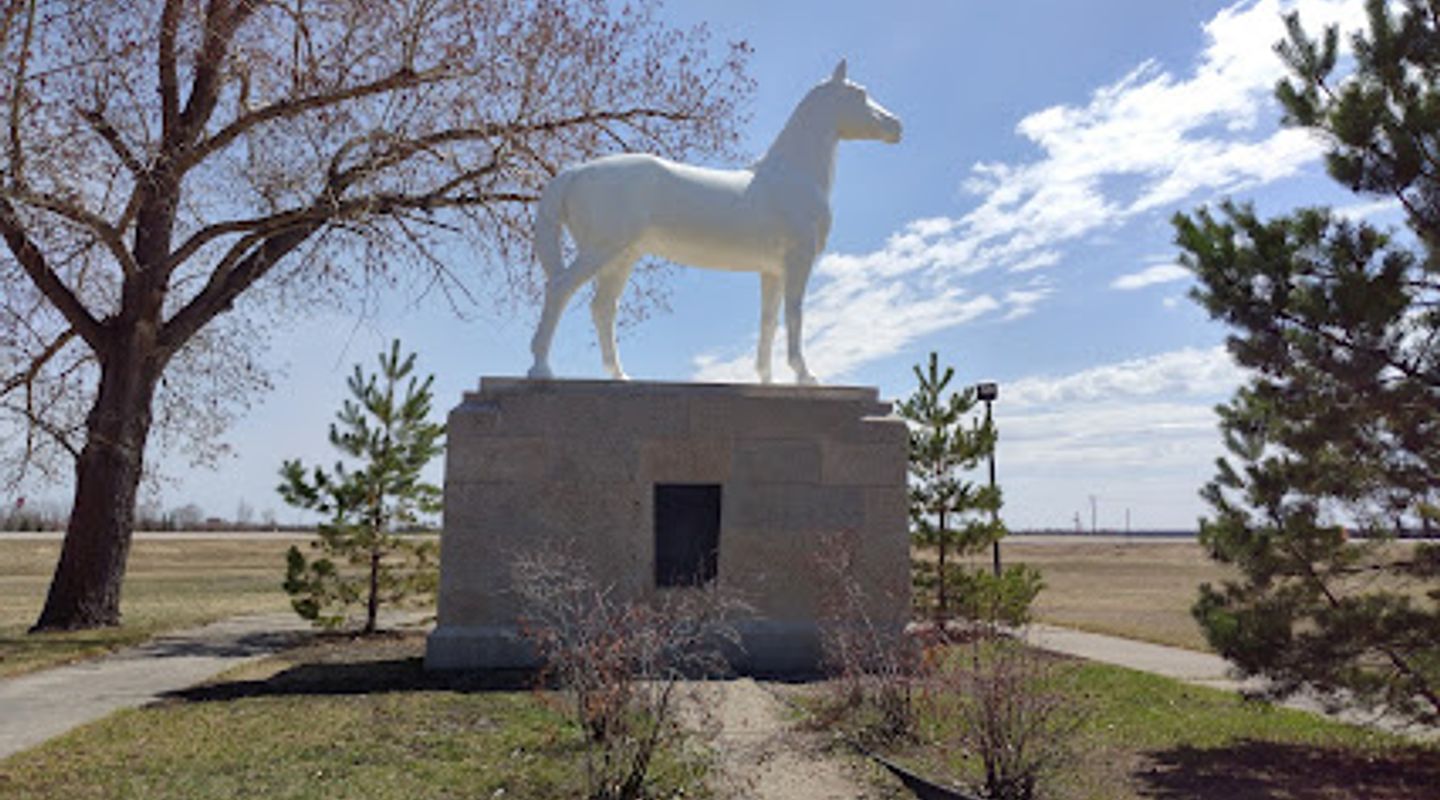
White Horse Monument, Western Manitoba Travel Guide
Discover Manitoba's equestrian heritage at the White Horse Monument, a landmark steeped in Indigenous legend and pioneer history.
The White Horse Monument in Saint François Xavier, Manitoba, is a striking tribute to the region's equestrian heritage and Indigenous legends. Erected in 1966, the monument stands as a landmark along the Trans-Canada Highway, inviting travelers to reflect on the area's rich cultural history and natural beauty.
A brief summary to White Horse Monument
- Trans-Canada Hwy, Saint François Xavier, Manitoba, R4L 1A1, CA
- Click to display
- Click to display

Know before you go
Hi, I'm Eve. Here are a few practical things to know before exploring White Horse Monument.
- Visit early in the morning or late in the afternoon for the best lighting for photographs.
- Take time to read the informational plaques around the monument to gain deeper insights into its history.
- Combine your visit with a tour of other nearby historical sites for a more enriching experience.
- Enjoy a picnic in the scenic grounds surrounding the monument.
Do you manage this location?
Take control to get all the benefits, like improved information, better appearance, and stronger visibility across AI-powered discovery. Learn more about listing your business on Evendo
Activate your presenceOther nearby places you may find interesting
The closest places of the same kind, if this one is not quite what you had in mind.
Explore White Horse Monument on the Map
A handpicked selection of must-see spots near White Horse Monument, mapped for you.
Getting There
-
Car
If you are traveling by car from Winnipeg, head west on the Trans-Canada Highway (Hwy 1). The White Horse Monument is located in Saint François Xavier, approximately 30 minutes from downtown Winnipeg. Look for the monument on the south side of the highway; there is a small pull-off area for parking. There is no parking fee.
-
Taxi/Ride-share
From Winnipeg, you can take a taxi or ride-share service like Uber to reach the White Horse Monument. Input 'Trans-Canada Hwy, Saint François Xavier, MB R4L 1A1' as your destination. The fare will depend on your location in Winnipeg, but expect it to be around $65-$80 CAD.
-
Public Transport
To reach the White Horse Monument from Winnipeg using public transport, take a bus from Winnipeg to the Unicity area, then take a taxi to St. François Xavier. The bus and taxi combination will take approximately 44 minutes and cost $40 - $55 CAD.
Discover more about White Horse Monument













Your all‑in‑one travel companion app
Explore expert travel guides, compare and book tours, experiences, hotels, and more—all from the palm of your hand. Download now for seamless trip planning wherever your wanderlust takes you.


Explore More of Western Manitoba
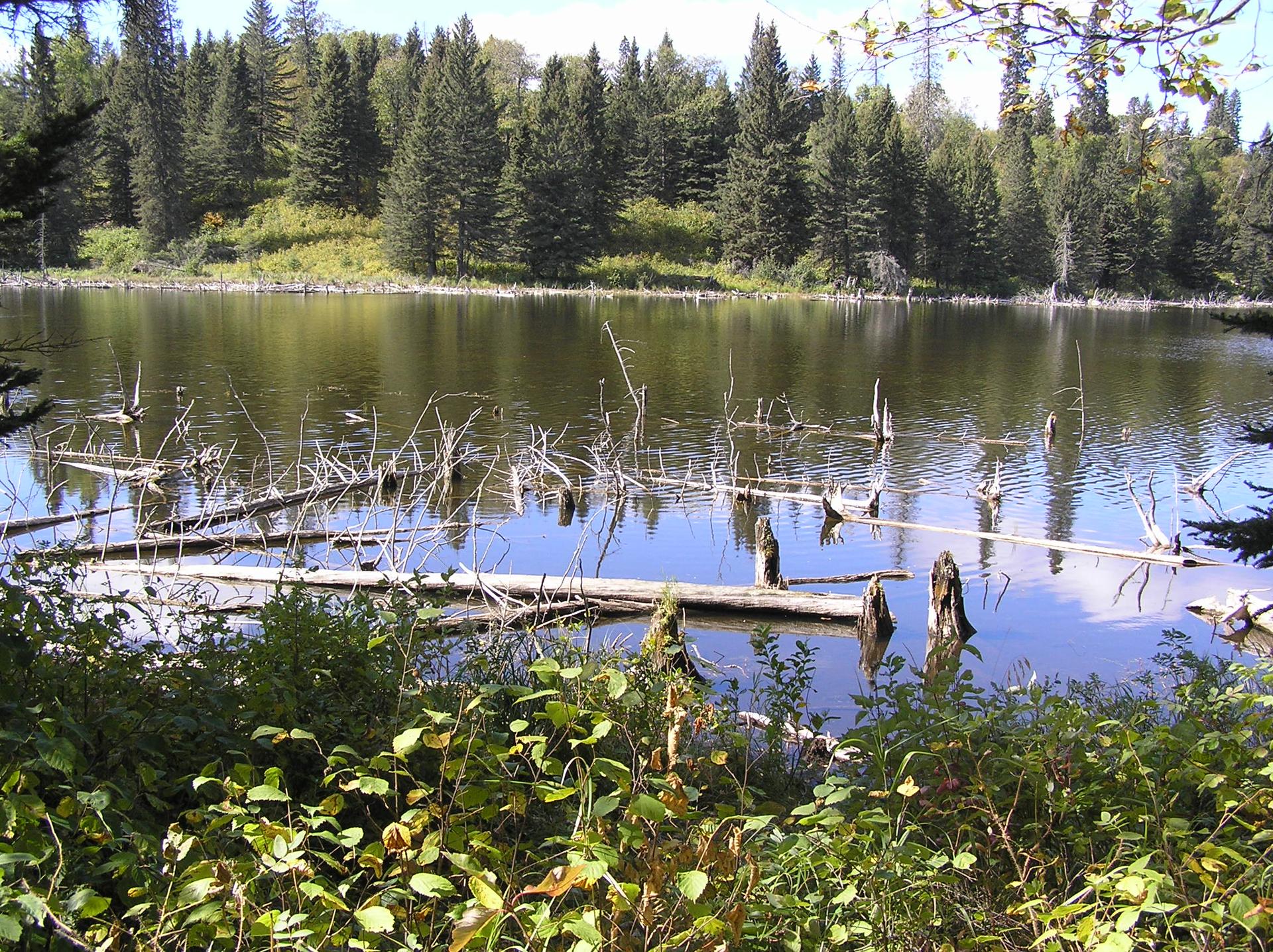
Looking beyond White Horse Monument? Discover Western Manitoba for broader travel guides, local hot-spots, and regional highlights.
Explore Western Manitoba
Immerse yourself in nature at Assiniboine Park Zoo, where conservation meets family fun in the heart of Winnipeg.
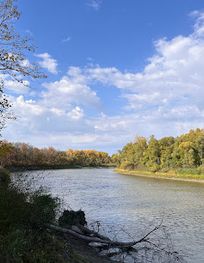
Discover the beauty of Beaudry Provincial Park, a serene escape in Manitoba with scenic trails, abundant wildlife, and peaceful picnic spots.