

Free Western Manitoba Travel Guide & Mobile App
Explore Western Manitoba with free travel guides. Discover regional history, expert tips, proposed trips, and audio guides on web or mobile app.


Western Manitoba combines prairie towns, Indigenous and settler history, forested parks, wildlife, lakes and outdoor adventures across Canada's open west.
Read more about Western Manitoba
When is the best time to visit Western Manitoba?
Best: June–August · 21–24°C| Month | High (°C) | Rainfall (mm) |
|---|---|---|
| January | -10 | 20 |
| February | -8 | 15 |
| March | -1 | 20 |
| April | 9 | 25 |
| May | 17 | 35 |
| June (best) | 21 | 45 |
| July (best) | 24 | 50 |
| August (best) | 23 | 45 |
| September | 17 | 35 |
| October | 10 | 25 |
| November | 0 | 20 |
| December | -7 | 15 |
Getting to and around Western Manitoba
How to get there
Transportation
Best attractions in Western Manitoba
Western Manitoba's attractions range from substantial protected landscapes to museums and community heritage sites. Riding Mountain National Park is the region's principal natural destination, combining forest, lakes, escarpment scenery, wildlife and trails around the Clear Lake area and quieter eastern and southern approaches. Spruce Woods Provincial Park offers a markedly different environment of sandhills, pine woodland and Assiniboine River country, while Turtle Mountain Provincial Park provides lakes, mixed forest and outdoor recreation in the southwest. Brandon contributes the Commonwealth Air Training Plan Museum, the Art Gallery of Southwestern Manitoba and a useful concentration of cultural venues. In the Parkland, Dauphin, Neepawa and Minnedosa provide access to local history, gardens, festivals and river landscapes. Wildlife watching, hiking, paddling, camping, fishing, cycling and winter recreation are central to the region, but many facilities are seasonal and distances between them make a car and advance planning valuable.
-
National park
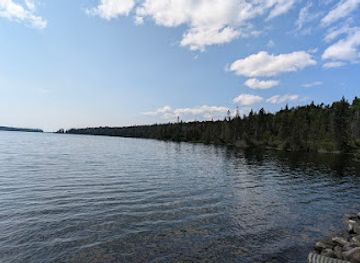
Riding Mountain National Park
Discover breathtaking landscapes and diverse wildlife at Riding Mountain National Park - a paradise for outdoor enthusiasts and nature lovers.
-
Park
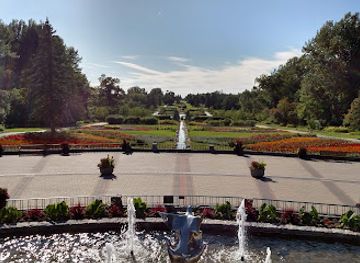
International Peace Garden
Experience tranquility and international friendship at the International Peace Garden, a stunning park celebrating nature and harmony between nations.
-
Bridge
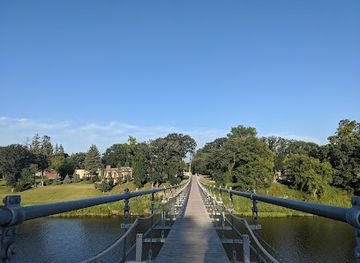
Souris Swinging Bridge
Experience the breathtaking views and historical charm of Souris Swinging Bridge, a must-visit attraction in Manitoba.
-
Casino
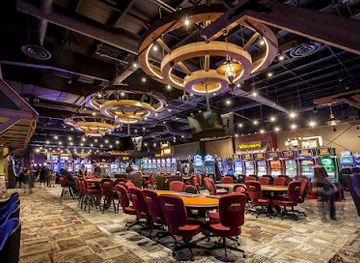
Sand Hills Casino
A premier destination in Manitoba, Sand Hills Casino offers gaming, dining, and live entertainment for an unforgettable experience.
Best landmarks in Western Manitoba
Brandon's historic core and residential streets contain surviving examples of the commercial and civic architecture created by the railway-era expansion of the 1880s and 1890s. The city's Riverbank Discovery Centre area also reflects the importance of the Assiniboine River to local geography and recreation. In the surrounding countryside, the Brandon Wheat Kings mural and other civic works are less durable historic landmarks than the region's landscape-defining sites, so the strongest visual symbols are often natural: the Assiniboine valley, the Spruce Woods sandhills and the forested escarpment of Riding Mountain. Clear Lake's resort settlement, with its lakefront setting and historic park infrastructure, is a recognisable focal point within Riding Mountain National Park. The Commonwealth Air Training Plan Museum provides a particularly tangible landmark of Manitoba's wartime aviation history, while Ukrainian churches and cemeteries across the Parkland preserve the architectural and cultural imprint of immigrant settlement. Together these places show how river, railway, prairie, conservation and community shaped the region.
-
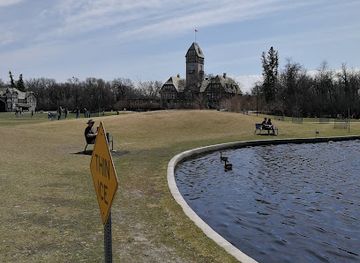
Park
Kildonan Park
Explore Winnipeg's historic Kildonan Park: gardens, theater, and year-round recreation on the scenic Red River.
-
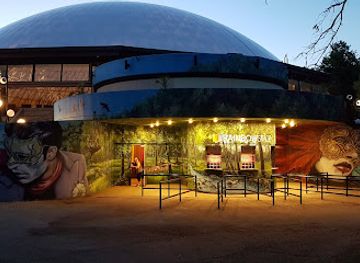
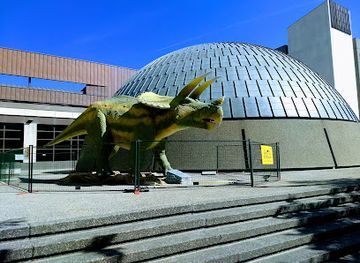
Natural history museum
Manitoba Museum
Explore Manitoba's rich natural and cultural history at the Manitoba Museum in Winnipeg, featuring interactive exhibits and stunning displays for all ages.
-
Park
Leo Mol Sculpture Garden
Discover the serene beauty of art and nature at the Leo Mol Sculpture Garden in Winnipeg's Assiniboine Park. Open daily, free admission.
-
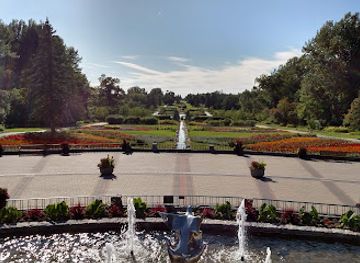
Park
International Peace Garden
Explore the International Peace Garden: A breathtaking sanctuary celebrating peace and friendship on the Canada-U.S. border.
Explore Western Manitoba on the map
Plan your trip on one map. See where the top cities, national parks and sights are, and book hotels and experiences in a few clicks.
Best hotels in Western Manitoba
Best restaurants in Western Manitoba
Dining in Western Manitoba reflects its agricultural setting and diverse settlement history. Brandon has the broadest choice, with independent cafés, family restaurants, bakeries and contemporary kitchens alongside familiar Canadian fare. Across the region, menus may draw on prairie beef, grains, garden produce, berries and freshwater fish, while Ukrainian influences are visible in dishes such as perogies, cabbage rolls and borscht, particularly through community institutions and home-style cooking. Métis food traditions and cultural events add another important layer, although availability varies by place and season. Rural cafés, hotel dining rooms, bakeries and traditional pubs remain useful stops between parks and small towns, and summer farmers' markets provide opportunities to buy local produce, preserves and baking. Visitors should expect shorter opening patterns in small communities and should check ahead when travelling outside Brandon or major visitor areas.
-
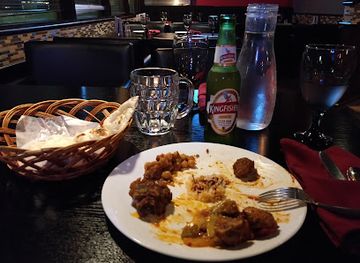
Modern Indian restaurant
Chilli Chutney
Experience exquisite modern Indian cuisine at Chilli Chutney in Brandon - where tradition meets innovation in every delicious bite.
-
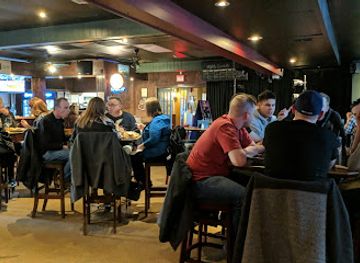
Pub
The Dock On Princess
Discover The Dock On Princess in Brandon: A lively pub offering delicious food and drinks amidst a welcoming atmosphere perfect for relaxation.
-
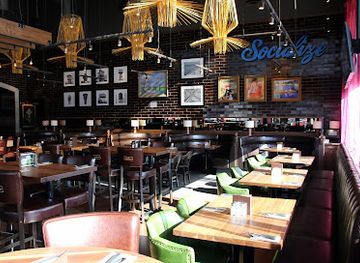
Restaurant
Browns Socialhouse Brandon
Experience the essence of Canadian dining at Browns Socialhouse Brandon – where great food meets lively sports entertainment.
-
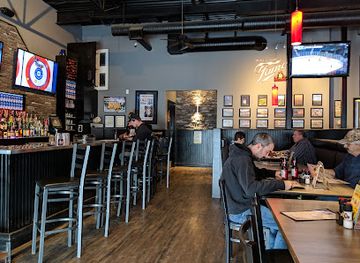
Grill
Joe Beeverz Bar & Grill
Discover the vibrant flavors of Canada at Joe Beeverz Bar & Grill in Brandon – where great food meets sports in a lively atmosphere.
Best bars in Western Manitoba
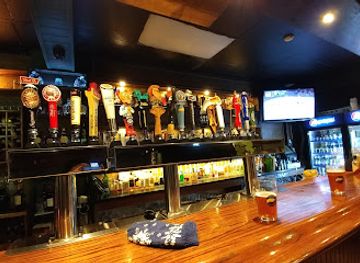
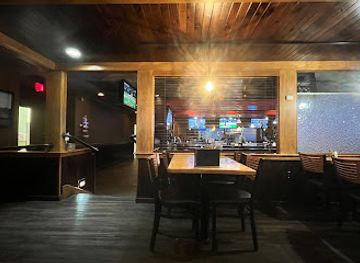
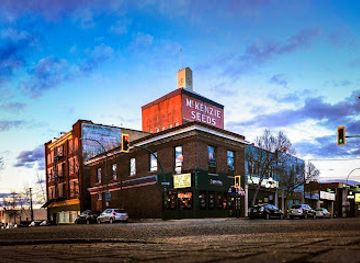
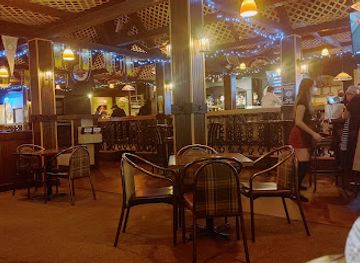
Evening life in Western Manitoba is concentrated in Brandon and the larger Parkland communities rather than spread evenly across the countryside. Brandon offers the widest selection of pubs, casual bars, restaurants, live music and occasional entertainment, with students and regional visitors adding to its evening activity. Dauphin and other market towns have local pubs, lounges and community venues, while smaller settlements generally centre their social life on hotel bars, dining rooms, seasonal events and organised music rather than nightclubs. Around Riding Mountain and Clear Lake, summer evenings can be busier, but the atmosphere remains oriented towards restaurants, accommodation venues and outdoor recreation. Craft beer and Canadian drinks may appear on regional menus, yet travellers should not assume late opening or extensive nightlife in rural districts; arrange transport responsibly and check current local arrangements.
-
Pub
The Dock On Princess
Discover the lively ambiance and diverse menu at The Dock On Princess, a top pub and restaurant in Brandon, Manitoba, perfect for tourists seeking local flavors.
-
Pub
The Toad in the Hole
Discover the heart of Winnipeg at The Toad in the Hole, where great food, drinks, and lively atmosphere await every visitor.
-
Restaurant
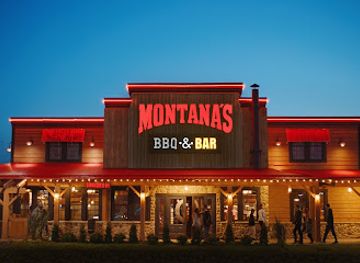
Montana’s BBQ & Bar
Savor the essence of BBQ at Montana's BBQ & Bar in Brandon, where great food meets a warm and inviting atmosphere.
-
Restaurant
Applebee's Grill + Bar
Discover the vibrant atmosphere and diverse menu at Applebee's Grill + Bar in Brandon, MB, your ideal stop for American comfort food.

Best nightclubs in Western Manitoba
Evening life in Western Manitoba is concentrated in Brandon and the larger Parkland communities rather than spread evenly across the countryside. Brandon offers the widest selection of pubs, casual bars, restaurants, live music and occasional entertainment, with students and regional visitors adding to its evening activity. Dauphin and other market towns have local pubs, lounges and community venues, while smaller settlements generally centre their social life on hotel bars, dining rooms, seasonal events and organised music rather than nightclubs. Around Riding Mountain and Clear Lake, summer evenings can be busier, but the atmosphere remains oriented towards restaurants, accommodation venues and outdoor recreation. Craft beer and Canadian drinks may appear on regional menus, yet travellers should not assume late opening or extensive nightlife in rural districts; arrange transport responsibly and check current local arrangements.
-
Restaurant
Browns Socialhouse Brandon
Experience the best of Canadian cuisine and a lively atmosphere at Browns Socialhouse Brandon, a must-visit for every traveler in Manitoba.
-
Grill
Joe Beeverz Bar & Grill
Savor the flavors of Brandon at Joe Beeverz Bar & Grill, a vibrant spot for delicious food, drinks, and sports entertainment.
-
Grill
The Guinness Tavern by the Double Decker
Experience the taste of Manitoba at The Guinness Tavern by the Double Decker, where delicious grilled specialties meet a vibrant atmosphere.
-
Sports bar
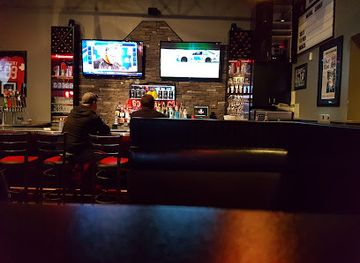
Tavern United Brandon
Discover Tavern United Brandon, a lively sports bar offering delicious food, craft beers, and a vibrant atmosphere perfect for sports fans and casual diners.

Best shops in Western Manitoba
Brandon is Western Manitoba's main shopping centre, combining a conventional retail environment with independent shops, bookshops, galleries, cafés and seasonal markets. Its downtown is the best place to look for locally made art, craftwork and regional food products, while rural communities offer smaller selections tied to local producers, antiques, farm shops and community events. Around Riding Mountain and Clear Lake, visitor-oriented shops commonly focus on outdoor equipment, clothing, artwork, books and practical supplies rather than large-scale luxury retail. Farmers' markets are useful for prairie produce, baking, preserves, honey and handmade goods when operating seasonally, and Parkland towns can have strong links to horticulture and garden products. For distinctive purchases, look for Indigenous and Métis-made work through reputable artists, cultural organisations or established galleries, and ask about provenance rather than assuming that a generic souvenir represents local culture.
-
Shopping mall
Shoppers Mall
Discover the vibrant shopping scene at Shoppers Mall in Brandon, Manitoba, where diverse stores and delightful dining await visitors.
-
Department store
Walmart Supercentre
Discover Walmart Supercentre in Brandon: A budget-friendly shopping haven for tourists, with groceries, electronics, toys, and more.
-
Shopping mall
Corral Centre
Explore Corral Centre in Brandon, Manitoba - a bustling shopping mall filled with diverse stores, eateries, and entertainment for every visitor.
-
Department store
Winners
Discover unbeatable deals on clothing, accessories, and home goods at Winners in Brandon, Manitoba – where fashion meets affordability.


Get your free copy of our complete guide to Western Manitoba, delivered straight to you.
Everything on this page, from attractions and restaurants to essentials and local phrases, in one PDF you can read offline, print or share.
Already have an account? Sign in
Your Western Manitoba guide is ready.
We'll send it to · Not you? Sign out

Getting your guide ready…
We are putting together a fresh copy of the Western Manitoba guide. This can take up to a minute.
This can take a few moments. If your browser asks, choose Allow so the download can start. You'll find the guide in your Downloads folder.
Nothing happened? Download it again
Sorry, the guide is taking longer than usual. Please try again in a minute, or get it by email instead.
Western Manitoba essentials
Currency and Payment
Safety
Emergency Situations
Do's and Don'ts
Local Tips
From Eve
Local phrases worth knowing
You don't need to get them perfect. A few words go a long way, and locals appreciate the effort.
Basics
| English | Local | Say it |
|---|---|---|
| Hello | Howdy | [haʊdi] |
| Goodbye | See ya | [si jə] |
| Yes | Yup | [jʌp] |
| No | Nah | [nɑ] |
| Please/You're welcome | Please/No problem | [pliz/noʊ ˈprɑbləm] |
| Thank you | Thanks a lot | [θæŋks ə lɑt] |
| Excuse me/Sorry | Pardon me/Sorry | [ˈpɑrdən mi/ˈsɑri] |
| How are you? | How's it going? | [haʊz ɪt ˈgoʊɪŋ] |
| Fine. And you? | Good, and you? | [gʊd, ənd ju] |
| Do you speak English? | Do ya speak English? | [duː jə spiːk ˈɪŋɡlɪʃ] |
| I don't understand | I don’t get it | [aɪ doʊnt gɛt ɪt] |
Eating & Drinking
| English | Local | Say it |
|---|---|---|
| I'd like to see the menu, please | Can I see the menu, please? | [kæn aɪ si ðə ˈmɛnjuː pliz] |
| I don't eat meat | I don’t eat meat | [aɪ doʊnt iːt miːt] |
| Cheers! | Cheers! | [ʧɪrz] |
| I would like to pay, please | Can I pay, please? | [kæn aɪ peɪ pliz] |
Emergencies
| English | Local | Say it |
|---|---|---|
| Help! | Help! | [hɛlp] |
| Go away! | Get lost! | [ɡɛt lɔst] |
| Call the Police! | Call 911! | [kɔl naɪn wʌn wʌn] |
| Call a doctor! | Get a doctor! | [ɡɛt ə ˈdɑktər] |
| I'm lost | I’m lost | [aɪm lɔst] |
| I'm ill | I’m not feeling well | [aɪm nɑt ˈfiːlɪŋ wɛl] |
Shopping
| English | Local | Say it |
|---|---|---|
| I'd like to buy... | I’d like to buy... | [aɪd laɪk tə baɪ] |
| I'm just looking | Just browsing | [dʒʌst ˈbraʊzɪŋ] |
| How much is it? | What’s the price? | [wʌts ðə praɪs] |
| That's too expensive | That's pricey | [ðæts ˈpraɪsi] |
| Can you lower the price? | Can you bring down the price? | [kæn jʊ brɪŋ daʊn ðə praɪs] |
Time & Numbers
| English | Local | Say it |
|---|---|---|
| What time is it? | What time is it? | [wʌt taɪm ɪz ɪt] |
| It's one o'clock | It's one o'clock | [ɪts wʌn əˈklɑk] |
| Half past (10) | Half past ten | [hæf pæst tɛn] |
| Morning | Morning | [ˈmɔrnɪŋ] |
| Afternoon | Afternoon | [ˈæftərˌnun] |
| Evening | Evening | [ˈivnɪŋ] |
| Yesterday | Yesterday | [ˈjɛstərdeɪ] |
| Today | Today | [təˈdeɪ] |
| Tomorrow | Tomorrow | [təˈmɑroʊ] |
| 1 | One | [wʌn] |
| 2 | Two | [tu] |
| 3 | Three | [θri] |
| 4 | Four | [fɔr] |
| 5 | Five | [faɪv] |
| 6 | Six | [sɪks] |
| 7 | Seven | [sɛvən] |
| 8 | Eight | [eɪt] |
| 9 | Nine | [naɪn] |
| 10 | Ten | [tɛn] |
Transport & Directions
| English | Local | Say it |
|---|---|---|
| Where's a/the...? | Where's the...? | [wɛrz ðə] |
| What's the address? | What's the address? | [wʌts ði əˈdrɛs] |
| Can you show me (on the map)? | Can you show me on the map? | [kæn jʊ ʃoʊ mi ɑn ðə mæp] |
| When's the next (bus)? | When's the next bus? | [wɛn ɪz ðə nɛkst bʌs] |
| A ticket (to ....) | A ticket to... | [ə ˈtɪkɪt tə] |
History of Western Manitoba
Indigenous homelands and ancient travel routes
Western Manitoba has been home to Indigenous peoples since long before written records. Anishinaabe, Cree, Dakota and Métis communities have used the region's rivers, grasslands, lakes and forests for travel, hunting, gathering, trade and settlement. Archaeological evidence across Manitoba records long sequences of human occupation, while places such as the Assiniboine valley preserve the importance of river corridors. Contemporary communities, treaty relationships and Indigenous cultural practices remain an essential part of the region's identity rather than simply a prelude to later settlement.
Fur trade and the Assiniboine corridor
The Assiniboine River connected the interior plains with the Red River settlement and became an important route during the fur trade. Brandon House, established by the North West Company in the 1790s near the junction of the Assiniboine and Souris rivers, illustrates the commercial competition that shaped the region before Canadian prairie settlement. Trading posts depended on Indigenous knowledge, transport networks and diplomatic relationships. Although the original post is not a modern visitor centre in Brandon, the trade era helps explain the region's early links to wider continental commerce.
Red River carts and the Métis prairie economy
Métis families and traders developed an economy that connected bison hunting, freighting, agriculture and river transport. Red River carts carried goods across prairie routes, while seasonal movements and trading networks linked communities across what is now Manitoba and Saskatchewan. The Métis presence is particularly important to understanding the western reaches of Manitoba, where trails, river crossings and changing access to bison grounds shaped settlement. The legacy survives through community history, cultural organisations, music, food traditions and ongoing efforts to protect Métis rights and identity.
Treaties, immigration and agricultural settlement
From the nineteenth century onwards, treaty-making, federal policy and immigration transformed Western Manitoba's land use. Anishinaabe, Cree and other Indigenous peoples experienced the severe consequences of colonial settlement, including the restriction of movement and pressure on established economies. At the same time, newcomers from Britain, Eastern Europe and elsewhere established farms and villages on the prairie and in the Parkland. Ukrainian settlement was especially influential in parts of west-central Manitoba, leaving visible traces in churches, cemeteries, food traditions and community celebrations.
Railways and the rise of Brandon
The arrival of the Canadian Pacific Railway in the early 1880s accelerated the development of Brandon and numerous smaller communities. Railways moved grain, livestock and manufactured goods, linked farms to national markets and encouraged hotels, warehouses, elevators and commercial streets. Brandon became an important regional service and distribution centre, while railway towns such as Virden and Rivers grew around transport and agriculture. Many of the region's historic buildings and street plans reflect this period of rapid prairie urbanisation.
Agriculture, education and prairie institutions
Agriculture became the economic foundation of much of Western Manitoba, with wheat and other grains joined by livestock, horticulture and mixed farming. Institutions developed to support this economy, including schools, agricultural organisations and Brandon's post-secondary establishments. The region's towns also became centres for newspapers, theatres, churches, markets and professional services serving widely dispersed rural populations. This institutional history explains why Brandon has a cultural and educational significance greater than its population alone might suggest.
War, aviation and modern regional change
During the Second World War, Manitoba formed part of the British Commonwealth Air Training Plan, which created airfields and training activity across the province. The Commonwealth Air Training Plan Museum in Brandon preserves this wider regional story. After the war, mechanisation reduced the labour demands of farming while improved roads, changing retail patterns and resource industries reshaped smaller communities. Today Western Manitoba combines agriculture, tourism, education, conservation and Indigenous cultural renewal, with historic landscapes continuing to influence its contemporary economy.
Western Manitoba in Photos
Browse through our photo collection highlighting the charm and character of the destination.
Neighbouring regions of Western Manitoba
The closest regions to Western Manitoba, if you have time for more than one.
-

-

-

-

-


Swipe for more regions
Explore more
Explore more of Canada
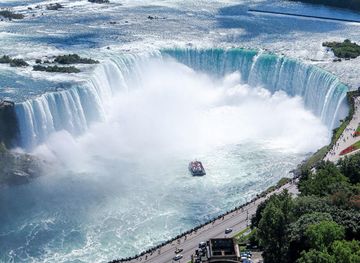
Discover Canada's breathtaking landscapes, diverse cities, and rich cultural heritage. A must-visit destination for outdoor adventures and vibrant urban experiences.
Explore Canada