
Background

Tibesti Mountains: Roof of the Sahara

Explore the Tibesti Mountains: Discover volcanic peaks, ancient rock art, and the resilient Toubou culture in the heart of the Sahara.

4.3

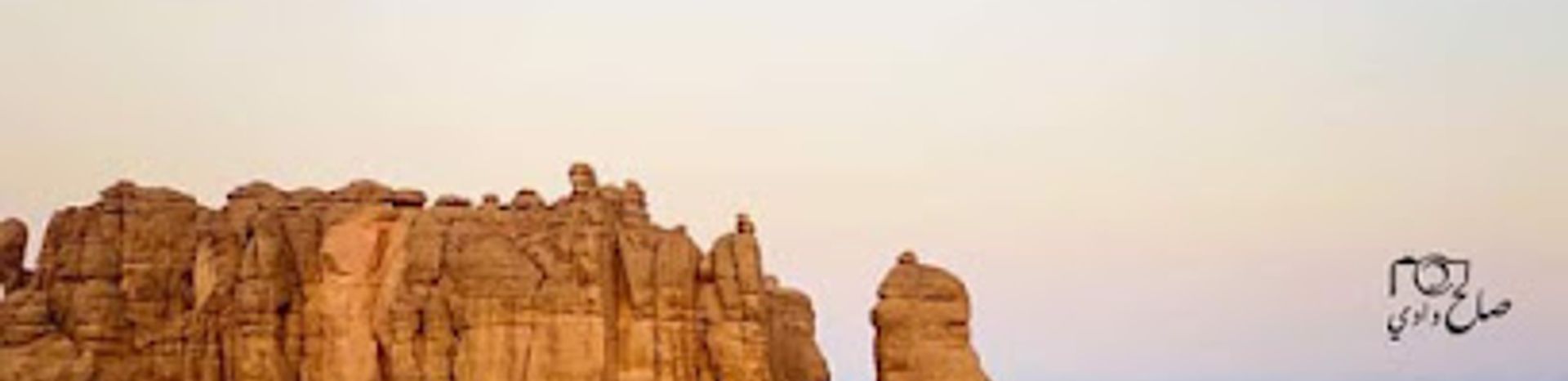
The Tibesti Mountains, a volcanic range in northern Chad (with a small portion in Libya), is the Sahara's highest and most isolated region. This rugged landscape boasts towering peaks, volcanic craters, hot springs, and ancient rock art, offering a unique and challenging travel experience.

A brief summary to Tibesti Mountains

  • TD

Local tips

  • Travel with a reputable tour operator experienced in the region due to the remoteness and potential safety concerns.
  • Pack for extreme temperatures, with lightweight clothing for the day and warm layers for cold nights.
  • Respect the local Toubou culture and traditions; learn a few basic phrases in Tebu language.
  • Carry sufficient water and supplies, as resources are scarce in the Tibesti Mountains.
  • Be aware of potential hazards such as landmines and avoid straying from established routes.
widget icon

Getting There

  • Air Travel

    The closest airport to the Tibesti Mountains is Faya-Largeau (FYT). From Faya-Largeau, the journey into the heart of the Tibesti Mountains requires a 4x4 vehicle and an experienced guide due to the challenging terrain and lack of established roads. Expect a multi-day journey depending on your specific destination within the range. There are no public transportation options available beyond Faya-Largeau.

  • 4x4 Vehicle

    From Faya-Largeau, reaching the Tibesti Mountains requires a robust 4x4 vehicle capable of handling rough desert terrain. The journey involves navigating sandy tracks, rocky plateaus, and potentially crossing wadis (dry riverbeds). It's essential to have a skilled driver and a well-equipped vehicle with spare tires, extra fuel, and satellite communication. Due to the lack of infrastructure, there are no established petrol stations or repair services within the Tibesti Mountains, so all supplies must be carried in the vehicle. The cost of hiring a 4x4 with a driver/guide from Faya-Largeau can range from $200-$400 USD per day, depending on the duration and itinerary.

Unlock the Best of Tibesti Mountains

Buy tickets

    No tickets available

Book tours with entry

    No tours available

Book tours without entry

    No tours available

Discover more about Tibesti Mountains

The Tibesti Mountains, often called the "Roof of the Sahara," are a volcanic mountain range primarily located in northern Chad, with a small section extending into southern Libya. This remote and isolated region is a land of dramatic contrasts, featuring towering peaks, vast plateaus, and deep canyons carved by ancient rivers. The range's volcanic origins are evident in its five shield volcanoes, including Emi Koussi, the highest point in both Chad and the Sahara at 3,415 meters (11,204 feet). Several peaks are topped with large calderas, such as Tarso Voon, which has a depth of approximately 1,000 meters. Volcanic activity has also created geothermal features like fumaroles, hot springs, and mud pools. One notable site is the Trou au Natron, a massive volcanic crater with a diameter of 8 kilometers. The Tibesti Mountains are home to the Toubou people, who have inhabited the region since around the 5th century BC. They have adapted to the harsh desert environment, living as nomadic herders and farmers near oases. The mountains hold significant cultural importance for the Toubou, serving as a natural fortress and a source of resources. Throughout the Tibesti, numerous sites of rock engravings and cave paintings offer glimpses into the region's past, depicting scenes of wildlife and human life dating back millennia. These artworks provide valuable insights into the climate change the region has undergone. Visiting the Tibesti Mountains is a challenging but rewarding experience for adventurous travelers. The stark beauty of the landscape, the rich cultural heritage of the Toubou people, and the opportunity to explore a truly remote and unspoiled region make it a unique destination. However, it's essential to be well-prepared and aware of the potential risks, including political instability, landmines, and the harsh desert environment.

Popular Experiences near Tibesti Mountains

Popular Hotels near Tibesti Mountains

Select Currency