

Free Borkou-Ennedi-Tibesti Travel Guide & Mobile App
Explore Borkou-Ennedi-Tibesti with free travel guides. Discover regional history, expert tips, proposed trips, and audio guides on web or mobile app.


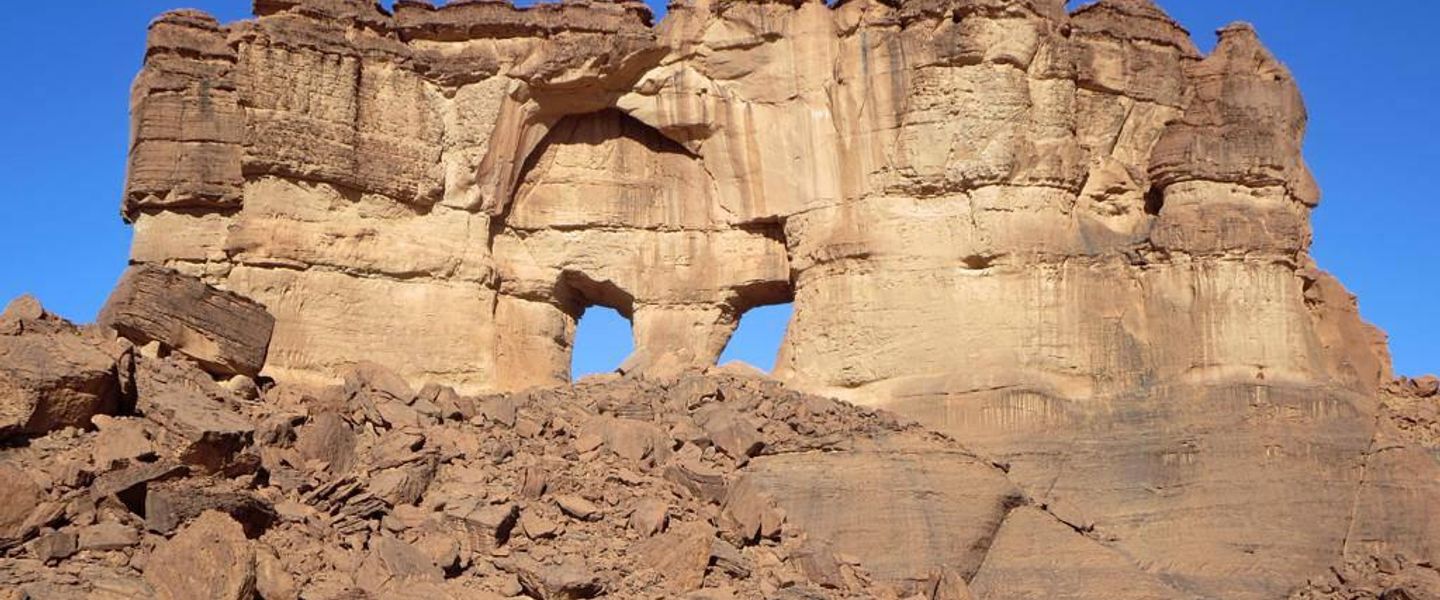


Explore Borkou-Ennedi-Tibesti for Chad's volcanic mountains, sandstone arches, ancient rock art and demanding Sahara expeditions.
Read more about Borkou-Ennedi-Tibesti
When is the best time to visit Borkou-Ennedi-Tibesti?
Best: December–February · 25–28°C| Month | High (°C) | Rainfall (mm) |
|---|---|---|
| January (best) | 25 | 0 |
| February (best) | 28 | 0 |
| March | 32 | 1 |
| April | 36 | 1 |
| May | 39 | 2 |
| June | 41 | 3 |
| July | 42 | 4 |
| August | 41 | 3 |
| September | 39 | 2 |
| October | 35 | 1 |
| November | 29 | 1 |
| December (best) | 26 | 0 |
Getting to and around Borkou-Ennedi-Tibesti
How to get there
Transportation
Top city travel guides in Borkou-Ennedi-Tibesti
The cities of Borkou-Ennedi-Tibesti, and the easiest places to base yourself.

Swipe for more cities
Destinations in Borkou-Ennedi-Tibesti
Resorts, valleys and scenic spots worth a trip of their own.

Swipe for more destinations
Best attractions in Borkou-Ennedi-Tibesti
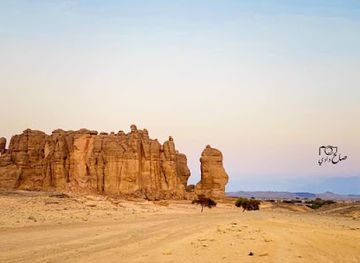
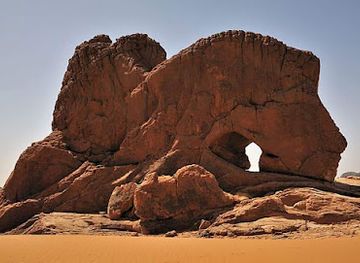
Borkou-Ennedi-Tibesti's attractions are defined by wilderness, geology and archaeology rather than by a dense network of visitor facilities. In Ennedi, eroded sandstone towers, arches, ravines and narrow canyons create some of the Sahara's most dramatic scenery, with the Guelta d'Archei offering a rare permanent water source in a desert setting. Rock-art shelters and engraved panels provide a record of prehistoric pastoral life, although their locations are dispersed and access should be arranged with qualified local guides. Borkou offers the oasis environment of Faya-Largeau, where palms, gardens and desert escarpments reveal the importance of water and cultivation. Tibesti is a more volcanic landscape, with black mountain ranges, high plateaux, lava terrain and remote valleys around Bardai and Zouar. Treks, geological excursions, camel journeys and overland photography are possible only as carefully supported expeditions. Wildlife is adapted to extreme aridity and is not encountered as in a conventional safari destination; the principal appeal lies in landforms, silence, star-filled skies and the relationship between desert ecology and human settlement.
-
National park
Zakouma National Park
Explore Zakouma National Park, a captivating national park in Chad filled with diverse wildlife, stunning landscapes, and unforgettable adventures for nature enthusiasts.
-
Tourist attraction
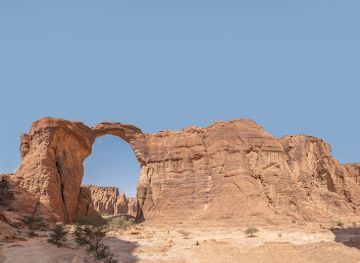
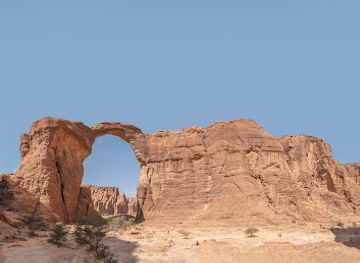
Aloba Arch
Experience the awe of Aloba Arch, one of the world's largest natural arches, nestled in the stunning landscapes of Torohi, perfect for adventurers and nature lovers.
-
Lake
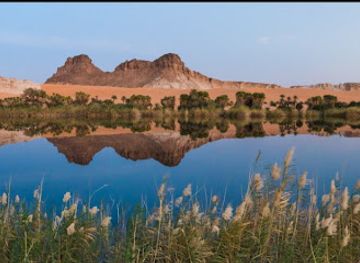
Lake Yoa
Discover the stunning beauty of Lake Yoa, a serene saline lake in the heart of Chad's desert, perfect for nature lovers and adventure seekers.
-
 Tourist attraction
Rabeh Fort
Discover Rabeh Fort in Dikwa, Nigeria - a historical landmark that offers a glimpse into the rich heritage and culture of the region.

Best landmarks in Borkou-Ennedi-Tibesti
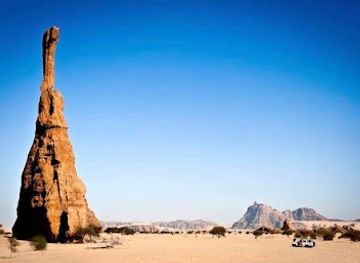
The most recognisable landmarks of Borkou-Ennedi-Tibesti are natural and archaeological. Emi Koussi, a volcanic massif in Tibesti, is Chad's highest mountain and a powerful symbol of the region's extreme terrain, although an ascent is a serious expedition rather than a standard excursion. The Tibesti mountains around Bardai and Zouar are marked by dark volcanic rock, elevated plateaux and deeply cut desert valleys. In Ennedi, the Guelta d'Archei is known for its permanent pool beneath sandstone cliffs, while the Aloba Arch and other great sandstone formations demonstrate the erosive forces that shaped the plateau. Rock-art shelters and engraved surfaces across Ennedi and Tibesti are landmarks of human history as well as archaeological sites, representing changing climates and pastoral cultures over thousands of years. Faya-Largeau's oasis is a landmark of a different kind: its palms and cultivated plots form a vivid human landscape amid Borkou's dry plains. Access to every site depends on security, permits, local knowledge and current route conditions.
-
National park
Zakouma National Park
Discover Zakouma National Park: Witness Africa's wildlife renaissance and explore a unique Sahelian ecosystem.
-
Mountain peak
Tibesti Mountains
Explore the Tibesti Mountains: Discover volcanic peaks, ancient rock art, and the resilient Toubou culture in the heart of the Sahara.
-
Tourist attraction
Aloba Arch
Explore Aloba Arch, a breathtaking natural wonder in Chad's Ennedi region, where stunning landscapes and adventure await every traveler.
-
Department for Regional Development
Le Nord/Désert du TCHADs Borkou - Ennedi - Tibesti
Discover the captivating landscapes and rich cultural heritage of the Borkou - Ennedi - Tibesti region in Chad, a true gem of the Sahara Desert.
Explore Borkou-Ennedi-Tibesti on the map
Plan your trip on one map. See where the top cities, national parks and sights are, and book hotels and experiences in a few clicks.
Best hotels in Borkou-Ennedi-Tibesti
Best restaurants in Borkou-Ennedi-Tibesti
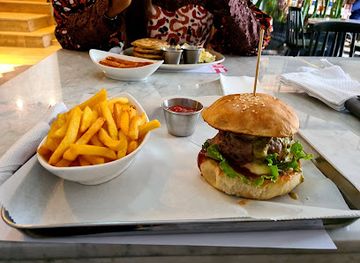
Dining in Borkou-Ennedi-Tibesti is primarily practical and communal, centred on locally available staples rather than a developed restaurant scene. In settlements and organised camps, visitors may encounter millet, sorghum, rice, beans, vegetables, dates and bread, together with goat or camel meat when supplies permit. Oasis agriculture around places such as Faya-Largeau supports dates and limited fresh produce, while tea is an important part of social hospitality across the region. Meals on long expeditions are often prepared by the crew over simple stoves, with provisions brought from larger Chadian towns and contingency supplies carried for delays. Travellers should communicate dietary requirements well in advance and never assume that refrigeration, bottled water or regular cafés will be available. Local markets can provide useful ingredients where operating, but purchases should not undermine scarce supplies for residents. The food experience is consequently tied to hospitality, logistics and the limits imposed by the desert rather than to formal culinary tourism.
-
Restaurant
Xovar
Experience the vibrant culinary scene at Xovar in Lekki – where great food meets lively entertainment.
-
Fusion restaurant
HSE Gourmet
Discover the vibrant tastes of Lagos at HSE Gourmet – where global cuisines meet local flavors in an unforgettable dining experience.
-
Cafe
Amandine Bakery
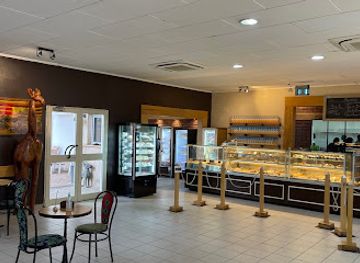
Discover Amandine Bakery: N'Djamena's charming café serving exquisite pastries and aromatic coffee in an inviting atmosphere.
-
Restaurant
Layalina
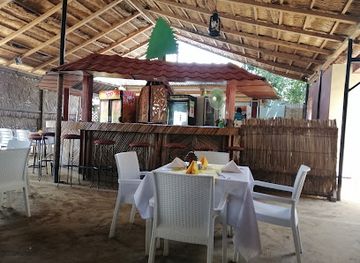
Discover the authentic flavors of Chad at Layalina - a premier dining destination in N'Djamena offering diverse cuisine and warm hospitality.
Best bars in Borkou-Ennedi-Tibesti
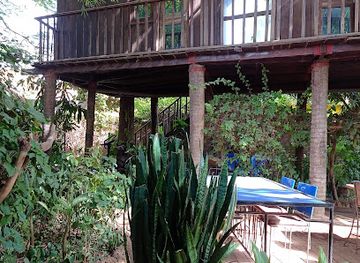
Borkou-Ennedi-Tibesti does not have a conventional nightlife industry, and visitors should not expect nightclubs, late-opening bars or entertainment districts. Evening life is more likely to centre on tea, conversation and shared meals in a guesthouse, settlement or expedition camp. In larger northern towns, modest cafés and informal gathering places may exist, but their availability, opening arrangements and atmosphere can change and should be confirmed locally. Alcohol may be unavailable or inappropriate in some communities, and travellers should respect local religious and social norms rather than treating drinking as a central part of the visit. After dark, the desert offers exceptional stars and silence, but camps must remain carefully organised because of security, wildlife, cold temperatures and the risk of losing orientation. Any evening movement away from camp should be agreed with the guide and operator.
-
Hotel
Lancaster Ouaga 2000
Discover the luxury and comfort of Lancaster Ouaga 2000, the premier hotel in Ouagadougou for travelers seeking exceptional hospitality.
-
Hotel
Radisson Blu Hotel, N'Djamena
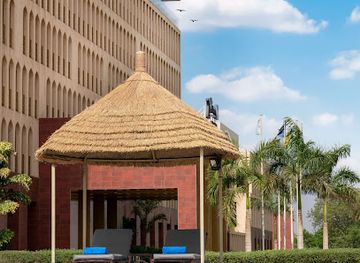
Discover luxury and comfort at Radisson Blu Hotel, N'Djamena, a premier destination in Chad's vibrant capital with stunning views and exceptional service.
-
Hotel
La Résidence Hotel N'Djamena
Experience unparalleled luxury and comfort at La Résidence Hotel N'Djamena, the perfect getaway for exploring Chad's vibrant culture.
-
Hotel
Le Karite Bleu
Experience the charm of Ouagadougou at Le Karite Bleu, a cozy hotel offering a taste of local hospitality and culture in Burkina Faso.
Best nightclubs in Borkou-Ennedi-Tibesti
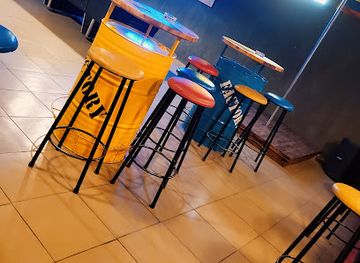
Borkou-Ennedi-Tibesti does not have a conventional nightlife industry, and visitors should not expect nightclubs, late-opening bars or entertainment districts. Evening life is more likely to centre on tea, conversation and shared meals in a guesthouse, settlement or expedition camp. In larger northern towns, modest cafés and informal gathering places may exist, but their availability, opening arrangements and atmosphere can change and should be confirmed locally. Alcohol may be unavailable or inappropriate in some communities, and travellers should respect local religious and social norms rather than treating drinking as a central part of the visit. After dark, the desert offers exceptional stars and silence, but camps must remain carefully organised because of security, wildlife, cold temperatures and the risk of losing orientation. Any evening movement away from camp should be agreed with the guide and operator.
-
Night club
Lake Chad Club
Dive into the energetic nightlife at Lake Chad Club in Maiduguri, where culture meets entertainment in a vibrant atmosphere.
-
Bar
Platinium bling bling
Discover the electrifying nightlife of N'Djamena at Platinium Bling Bling, where vibrant music and dance create unforgettable memories.
-
Recreation center
Le QG
Experience the vibrant nightlife and local culture at Le QG, N'Djamena's premier recreation center, open daily from 6 PM to 5 AM.
-
Night club
LaSburrateriadiLorenzoTini
Discover the ultimate nightlife experience at LaSburrateriadiLorenzoTini, the top night club in Abou Chadra, where music and fun collide.



Best shops in Borkou-Ennedi-Tibesti
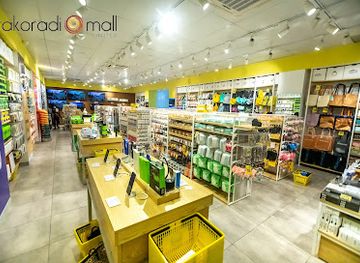
Shopping in Borkou-Ennedi-Tibesti is limited and functional, with markets in larger settlements such as Faya-Largeau, Bardai and other administrative centres serving local needs rather than organised tourism. Visitors may find dates and other oasis produce, tea, practical textiles, leather goods, woven items and small objects associated with desert pastoral life, though supply varies considerably. Locally made crafts can provide more meaningful souvenirs than imported goods, but travellers should ask about materials and provenance and must never buy archaeological objects, fossils or rock-art fragments. Food, fuel, spare parts and water are higher priorities in many markets than fashion or decorative merchandise. Carry cash in small denominations and do not assume that cards or reliable shops exist outside the main towns. Purchases should be made respectfully, without pressuring sellers or depleting scarce community supplies, and any export of antiquities or protected natural material should be avoided entirely.
-
Shopping mall
Takoradi Mall
Explore the Takoradi Mall: A Shopping and Dining Oasis in Ghana with Exciting Entertainment for Everyone!
-
Government office
Abeche, Chad
Explore Abeche, Chad: A historical gem with rich culture, vibrant markets, and stunning desert landscapes waiting to be discovered.
-
Tour operator
SVS Tchad - Société de Voyages Sahariens
Uncover the beauty of Chad with SVS Tchad, your trusted tour operator for unforgettable Saharan adventures and cultural experiences.
-
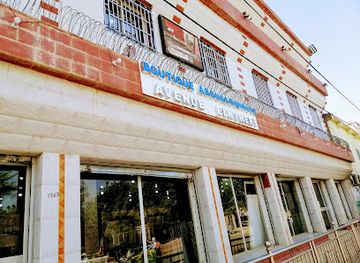
Furniture store
Boutique Aboussounoute
Explore Boutique Aboussounoute, a furniture store in N'Djamena, showcasing exquisite craftsmanship and unique designs that reflect local artistry.

Get your free copy of our complete guide to Borkou-Ennedi-Tibesti, delivered straight to you.
Everything on this page, from attractions and restaurants to essentials and local phrases, in one PDF you can read offline, print or share.
Already have an account? Sign in
Your Borkou-Ennedi-Tibesti guide is ready.
We'll send it to · Not you? Sign out

Getting your guide ready…
We are putting together a fresh copy of the Borkou-Ennedi-Tibesti guide. This can take up to a minute.
This can take a few moments. If your browser asks, choose Allow so the download can start. You'll find the guide in your Downloads folder.
Nothing happened? Download it again
Sorry, the guide is taking longer than usual. Please try again in a minute, or get it by email instead.
Borkou-Ennedi-Tibesti essentials
Currency and Payment
Safety
Emergency Situations
Do's and Don'ts
Local Tips
From Eve
Local phrases worth knowing
You don't need to get them perfect. A few words go a long way, and locals appreciate the effort.
Basics
| English | Local | Say it |
|---|---|---|
| Hello | Salam | [sah-lahm] |
| Goodbye | Ma'a as-salama | [mah-ah ahs-sah-lah-mah] |
| Yes | Na'am | [nah-am] |
| No | La | [lah] |
| Please/You’re welcome | Afwan | [ahf-wan] |
| Thank you | Shukran | [shook-rahn] |
| Excuse me/Sorry | Aasif | [ah-see-f] |
| How are you? | Kayfa halak? | [kay-fah hah-lak] |
| Fine. And you? | Ana bikhayr. Wa anta? | [ah-nah bik-hayr. wah an-tah?] |
| Do you speak English? | Hal tatakallam al-ingliziya? | [hal tah-tah-kah-lahm al-in-gli-zi-yah?] |
| I don't understand | Ana la afham | [ah-nah lah ah-fahm] |
Eating & Drinking
| English | Local | Say it |
|---|---|---|
| I’d like to see the menu, please | Arju an ara al-menu, min fadlik | [ar-joo an ah-rah al-meh-noo, min fah-dlik] |
| I don't eat meat | Ana la akul lahm | [ah-nah lah ah-kool lahm] |
| Cheers! | B'saha | [b'sah-hah] |
| I would like to pay, please | Arju an adfa'a, min fadlik | [ar-joo an ad-fah-ah, min fah-dlik] |
Emergencies
| English | Local | Say it |
|---|---|---|
| Help! | Al-musa'ada! | [al-moo-sah-ah-dah] |
| Go away! | Izhab! | [iz-hab] |
| Call the Police! | Ittasil bil-shurta! | [it-ta-see-l bil-shoor-tah] |
| Call a doctor! | Ittasil bi-tabeeb! | [it-ta-see-l bi-tah-beeb] |
| I’m lost | Ana ضائع | [ah-nah dah-i'] |
| I’m ill | Ana marid | [ah-nah ma-rid] |
Shopping
| English | Local | Say it |
|---|---|---|
| I’d like to buy... | Arju an ashtari... | [ar-joo an ash-ta-ree...] |
| I’m just looking | Ana just anzur | [ah-nah just an-zur] |
| How much is it? | Kam thamanuh? | [kahm tha-ma-nuh?] |
| That’s too expensive | Thalika ghali jiddan | [thah-lee-kah ghah-lee jid-dahn] |
| Can you lower the price? | Hal yumkinuka an tukhafidh al-suma? | [hal yum-ki-nu-kah an too-khah-fidh al-soo-mah?] |
Time & Numbers
| English | Local | Say it |
|---|---|---|
| What time is it? | Kam as-saa'a? | [kahm as-sah-ah?] |
| It’s one o'clock | Al-saa'a wahida | [al-sah-ah wah-ee-dah] |
| Half past (10) | Nisf al-saa'a (10) | [nisf al-sah-ah (10)] |
| Morning | Sabaah | [sah-bah] |
| Afternoon | Ba'ad al-duhr | [ba'ad al-doohr] |
| Evening | Masa'a | [mah-sah] |
| Yesterday | Amس | [ahm-s] |
| Today | Al-yawm | [al-yawm] |
| Tomorrow | Ghad | [ghad] |
| 1 | Wahid | [wa-hid] |
| 2 | Ithnain | [ith-nain] |
| 3 | Thalatha | [thah-lah-thah] |
| 4 | Arba'a | [ar-ba'ah] |
| 5 | Khamsa | [kham-sah] |
| 6 | Sitta | [sit-tah] |
| 7 | Sab'a | [sab'-ah] |
| 8 | Thamaniya | [tha-ma-nee-yah] |
| 9 | Tis'a | [tis'-ah] |
| 10 | Ashara | [ah-sha-rah] |
Transport & Directions
| English | Local | Say it |
|---|---|---|
| Where's a/the...? | Ayna ...? | [ay-nah ...?] |
| What’s the address? | Ma huwa al-'unwan? | [mah hoo-wah al-oon-wan?] |
| Can you show me (on the map)? | Hal yumkinuka an turini (ala al-kharita)? | [hal yum-ki-nu-kah an too-ree-nee (ah-lah al-khah-ree-tah)?] |
| When's the next (bus)? | Mata yujad al-bus al-qadim? | [mah-tah yoo-jah-d al-boos al-kah-deem?] |
| A ticket (to ....) | Tazkara (ila ....) | [taz-kah-rah (ee-lah ....)] |
History of Borkou-Ennedi-Tibesti
Ancient Saharan pastoral cultures
Rock paintings and engravings across Ennedi and Tibesti preserve evidence of long human occupation and changing climates. Images of cattle, wild fauna, hunters, riders and later horses show that parts of the Sahara once supported more extensive grassland, wetlands and pastoral activity than today. Sites around the Ennedi plateaux and shelters in Tibesti are part of a broad archaeological record rather than isolated curiosities. Their survival reflects the dryness of the desert, but also makes careful conservation essential: touching painted surfaces, camping beside them or removing fragments can cause lasting damage.
Oases and trans-Saharan exchange
The oases of Borkou, especially around modern Faya-Largeau, developed as important points of water, cultivation and movement across the central Sahara. Dates, livestock, salt and other goods circulated through networks linking northern Chad with the Fezzan, Kanem and wider Sahelian markets. Trade was never controlled by a single power for all periods, and routes shifted with rainfall, politics and security. The relationship between wells, palm groves and caravan tracks remains visible in the region's settlement patterns and explains why apparently isolated oases have long held strategic importance.
Toubou societies and desert governance
Teda and Daza communities have shaped the social and economic history of Tibesti, Borkou and Ennedi through pastoralism, oasis cultivation, caravan travel and knowledge of desert routes. Authority traditionally operated through kinship, local leadership and negotiated access to water and grazing, rather than through dense urban administration. The region's cultural history cannot be reduced to a single political dynasty: it reflects mobile communities adapting to an exceptionally difficult environment while maintaining connections across what are now national borders in the central Sahara.
Imperial conquest and the French period
French expansion into northern Chad during the early twentieth century brought military expeditions, new administrative boundaries and attempts to control caravan corridors and oasis settlements. Resistance was particularly significant in the Tibesti and other northern territories, where difficult terrain and established local authority limited colonial control. French rule gradually tied the region more closely to the administrative structures of Chad, but its infrastructure remained sparse. Roads, airstrips and outposts served strategic purposes more than broad economic development, leaving the north relatively remote at independence.
Independence, conflict and the northern wars
After Chad became independent in 1960, the north was repeatedly affected by rebellion, civil war and competition over national power. The Tibesti and Borkou areas became important theatres during conflicts involving government forces, northern insurgent movements and foreign intervention, especially from the 1970s through the 1980s. Military activity, insecurity and the presence of unexploded ordnance restricted movement and damaged livelihoods. Although conditions have varied over time, the legacy of conflict remains directly relevant to travel planning, route selection and the need for current security assessments.
Administrative change in the twenty-first century
The former Borkou-Ennedi-Tibesti region was divided in 2012 into separate administrative regions, including Borkou, Ennedi-Est, Ennedi-Ouest and Tibesti. The older name remains useful geographically because it describes a connected northern travel zone with related desert landscapes and cultural histories. The administrative change matters to visitors arranging permits, officials, guides and transport: a journey crossing the former region may now involve several provincial authorities. Travellers should therefore confirm the current documentation required for every part of an itinerary.
Borkou-Ennedi-Tibesti in Photos
Browse through our photo collection highlighting the charm and character of the destination.
Neighbouring regions of Borkou-Ennedi-Tibesti
The closest regions to Borkou-Ennedi-Tibesti, if you have time for more than one.
-

-

-

-

-


Swipe for more regions
Explore more

Explore more of Chad
Discover Chad: Explore Africa's untouched landscapes, rich cultural heritage, and captivating wildlife in one of the continent's most enchanting and remote destinations.
Explore Chad