

Bíobío River Travel Guide
Free Guide: Explore Chile's Bío Bío River: A historic waterway offering stunning landscapes, outdoor adventures, and rich cultural heritage.


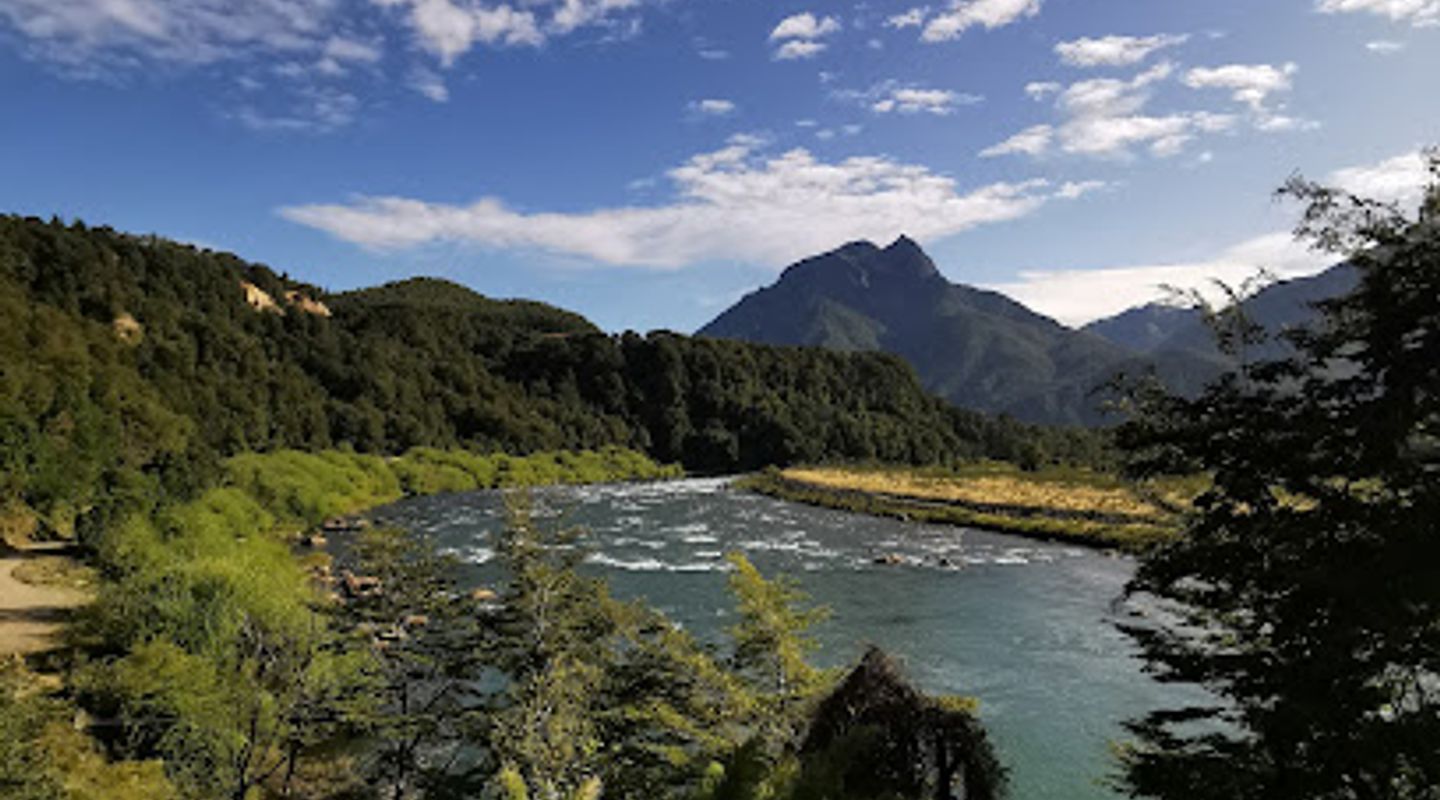
A brief summary of Bíobío River
Explore Chile's Bío Bío River: A historic waterway offering stunning landscapes, outdoor adventures, and rich cultural heritage.
The Bío Bío River, Chile's second-longest, flows 380 km from the Andes to the Pacific, carving through stunning landscapes and holding deep cultural significance as a historical border and a vital resource for the Mapuche people. It offers diverse activities from hiking and kayaking to exploring its rich history and biodiversity.
- Address
- Bíobío River
Getting there
Public Transport
Car
Discover more about Bíobío River
Overview
The Bío Bío River, one of Chile's most significant waterways, originates in the Andes Mountains and flows 380 kilometers (236 miles) to the Pacific Ocean. It is the second-longest river in Chile and the centerpiece of the Bío Bío Region. Historically, the river served as a natural border between the Mapuche territories to the south and the Spanish colonial settlements to the north. This division lasted for centuries, and the river remains a symbol of Mapuche resilience and cultural identity. Today, the Bío Bío is a vital resource for agriculture, forestry, and hydroelectric power.The Bío Bío River offers a diverse range of activities for visitors. The river's course through valleys and rugged terrain makes it ideal for hiking, fishing, and kayaking. Bird watching is also popular, with diverse species inhabiting the riverbanks. Guided tours provide insights into the river's history, ecology, and the culture of the Mapuche people.Despite its beauty and importance, the Bío Bío River faces challenges, including deforestation, soil erosion, water pollution, and the impact of hydroelectric projects. Efforts are underway to protect the river's ecosystem and recognize its rights, ensuring its preservation for future generations.
Evendo Review Centre
 Google
Guest reviews
Explore Bíobío River on the map
A handpicked selection of must-see spots near Bíobío River, mapped for you.
Get your free copy of our complete guide to Bíobío River, delivered straight to you.
Everything on this page, from opening hours and how to get there to Eve’s tips and the best time to go, in one PDF you can read offline, print or share.
Already have an account? Sign in
Your Bíobío River guide is ready.
We'll send it to · Not you? Sign out

Getting your guide ready…
We are putting together a fresh copy of the Bíobío River guide. This can take up to a minute.
This can take a few moments. If your browser asks, choose Allow so the download can start. You'll find the guide in your Downloads folder.
Nothing happened? Download it again
Sorry, the guide is taking longer than usual. Please try again in a minute, or get it by email instead.
Other nearby places you may find interesting
The closest places of the same kind, if this one is not quite what you had in mind.
-
-
-
-
-


Swipe for more places
More to explore near Bíobío River

 Best experiences near Bíobío River
 Best hotels near Bíobío River
 Best landmarks near Bíobío River
 Best attractions near Bíobío River
 Best shops near Bíobío River
 Best restaurants near Bíobío River
 Best bars near Bíobío River
Do you manage this location?
Take control to get all the benefits, like improved information, better appearance, and stronger visibility across AI-powered discovery.
Explore more

Explore more of Biobío Region
Explore Biobío Region: Where Chile's natural beauty, rich history, and thrilling adventures converge to create an unforgettable travel experience.
Explore Biobío Region
Explore more of Chile
Discover Chile: From the Atacama Desert to Patagonia's Glaciers, Experience Diverse Landscapes, Rich Culture, and World-Class Wine in This South American Gem.
Explore Chile
