

Biobío Region, Chile Travel Guide
Explore Biobío Region: Where Chile's natural beauty, rich history, and thrilling adventures converge to create an unforgettable travel experience.
Biobío Region in Chile is a treasure trove of natural beauty, history, and culture. Nestled between the Andes and the Pacific Ocean, this diverse region offers an array of landscapes from lush forests and sparkling lakes to rugged coastlines and towering mountains. The capital city, Concepción, is a vibrant urban center with a rich cultural scene, bustling markets, and a variety of dining options that showcase the region's culinary delights. For nature lovers, Biobío Region is a paradise. Visit the stunning Laguna del Laja National Park, home to the majestic Antuco Volcano and the serene Laja Lake. The park provides excellent opportunities for hiking, bird-watching, and photography. Another must-see is the Nahuelbuta National Park, where you can walk among ancient araucaria trees and enjoy panoramic views from its highest peaks. History enthusiasts will be captivated by the region's historical sites. The city of Los Ángeles is known for its beautiful Plaza de Armas and the nearby Saltos del Laja, a series of impressive waterfalls. In Talcahuano, explore the Huascar, a historic ironclad warship that played a significant role in the War of the Pacific. The region's rich heritage is also evident in its charming small towns, each with unique stories and traditions. Biobío Region is also a hub for adventure activities. From kayaking in the Ñuble River to mountain biking in the coastal hills, there's something for every thrill-seeker. The region is famous for its excellent surfing spots, particularly in the town of Pichilemu, where waves attract surfers from around the world. Whether you're seeking relaxation or adventure, Biobío Region promises an unforgettable experience.

Know before you go
Hi, I'm Eve. Here are a few practical things to know before exploring Biobío Region.
- Visit Laguna del Laja National Park early in the morning to avoid crowds and catch the best light for photography.
- Try the local seafood in Talcahuano, especially the fresh fish and shellfish dishes.
- Bring comfortable hiking shoes if you plan to explore the national parks and trails.
- Check local weather forecasts before heading to outdoor activities; weather can change quickly in the mountains.
- Learn a few basic Spanish phrases to enhance your interaction with locals, as English is not widely spoken.
Top City Travel Guides in Biobío Region
The cities of Biobío Region, and the easiest places to base yourself.

Explore Biobío Region: Things to Do, Places to Eat, Hotels & More
Handpicked recommendations for top attractions, local dining, accommodations, and more

Top Attractions & Sightseeing in Biobío Region
Top-rated picks
Best Attractions

Parque Ecuador
Experience the lush beauty and tranquility of Parque Ecuador, a premier urban park in Concepción, Chile, perfect for relaxation and family fun.

Plaza de la Independencia
Discover the vibrant Plaza de la Independencia in Concepción, Chile, a historical landmark that showcases the city's rich culture and natural beauty.

Plaza Perú
Experience the tranquility and vibrant culture of Plaza Perú, an urban park in Concepción, Chile, perfect for relaxation and exploration.

Playa Blanca
Experience the breathtaking beauty and vibrant culture of Playa Blanca, a must-visit beach destination in Coronel, Bio Bio, Chile.

Best landmarks in Biobío Region
Top-rated picks
Best Landmarks
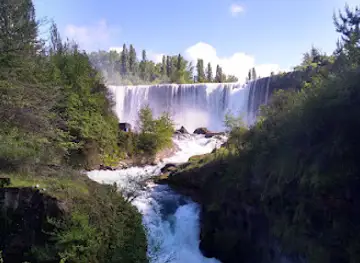
Saltos del Laja
Experience the breathtaking beauty of Saltos del Laja, a stunning waterfall destination in Chile's Bio Bio region, perfect for nature lovers and adventure seekers.

Parque Ecuador
Explore Parque Ecuador, a lush city park in Concepción with vibrant gardens, walking paths, and a lively atmosphere perfect for relaxation and leisure.

Plaza de la Independencia
Discover Concepción's heart at Plaza de la Independencia: history, culture, and community converge in this vibrant and iconic landmark.

Parque Jorge Alessandri
Escape to nature in Parque Jorge Alessandri, a serene national park in Chile's Biobío region with diverse flora, fauna, and tranquil trails.

Best restaurants in Biobío Region
Top-rated picks
Best Restaurants

La Cocina
Experience authentic Chilean cuisine at La Cocina in Concepción—where fresh ingredients meet culinary artistry.

Restaurante Quijote
Discover exquisite dining at Restaurante Quijote in Concepción - where tradition meets innovation in every bite.
Fina Estampa
Experience authentic Peruvian cuisine at Fina Estampa in Concepción – where tradition meets flavor in every dish.
Restaurante La Pasta de la Nonna
Experience the best of Italian gastronomy at Restaurante La Pasta de la Nonna in Concepción - where every meal is a celebration of flavor.

Best bars in Biobío Region
Top-rated picks
Best Bars

Casa de Salud
Experience the heartbeat of Concepción at Casa de Salud, where live music, culture, and exceptional cuisine create unforgettable nights.

Bar Callejón
Experience the vibrant nightlife of Concepción at Bar Callejón, offering delicious food and an extensive drink menu in a lively atmosphere.

La Bodeguita de Nicanor
Discover the vibrant nightlife at La Bodeguita de Nicanor, a premier musical club and bar in Concepción offering live music and delicious local cuisine.

Latitud Sur
Discover Latitud Sur in Concepción: A brewpub paradise serving delicious pizza and craft beers, perfect for a vibrant dining experience.

Best nightclubs in Biobío Region
Top-rated picks
Best Nightclubs

Club CapitalCCP
Unleash your energy at Club CapitalCCP, the ultimate disco club in Concepción, where vibrant nightlife and delicious cuisine meet.

Maldita Sea
Discover the vibrant nightlife of Concepción at Maldita Sea, a premier night club known for its dynamic atmosphere, great music, and unforgettable experiences.

Marina Club Discotheque
Experience the vibrant nightlife of Talcahuano at the Marina Club Discotheque, where dancing, music, and unforgettable memories await.

Club Blackmamba
Dance the night away at Club Blackmamba, the ultimate disco experience in the heart of Bío Bío's vibrant nightlife.

Best shops in Biobío Region
Top-rated picks
Best Shops

Parque Arauco
Explore Parque Arauco, Santiago's premier shopping mall, featuring a wide array of shops, dining, and family-friendly entertainment options.

Mall Plaza El Trebol
Explore the ultimate shopping experience at Mall Plaza El Trebol, where fashion, food, and fun come together in Talcahuano, Chile.

Mall Plaza Mirador Biobío
Discover the ultimate shopping and dining experience at Mall Plaza Mirador Biobío in Concepción, Chile, where every visit is an adventure.

Vega Monumental
Explore Vega Monumental, Concepción's premier shopping mall offering a blend of retail, dining, and entertainment experiences for all tourists.

Explore Biobío Region on the Map
A handpicked selection of must-see spots in Biobío Region, mapped for you.
Biobío Region Essentials
-
The Biobío Region can be accessed via multiple transportation options. The Carriel Sur International Airport in Concepción is the main gateway, with flights connecting from Santiago and other major cities in Chile. Alternatively, you can take a long-distance bus from Santiago, which takes around 6-8 hours. For those driving, the Pan-American Highway (Route 5) provides direct access to the region.
-
Within the Biobío Region, public transportation includes buses, colectivos (shared taxis), and regular taxis. Concepción, the regional capital, has a well-developed bus network and a Biotrén commuter rail service connecting nearby cities like Talcahuano and San Pedro de la Paz. Renting a car is also an option for greater flexibility, especially if you plan to explore rural areas and natural parks.
-
The official currency in Chile is the Chilean Peso (CLP). Credit cards are widely accepted in urban areas, but it's advisable to carry some cash for smaller businesses and rural areas. ATMs are readily available in cities like Concepción and Chillán. Be aware that some ATMs may charge a fee for foreign cards.
-
The Biobío Region is generally safe for tourists, but it's important to exercise standard precautions. Avoid displaying valuables and be cautious in crowded places to prevent pickpocketing. Areas like Concepción and Talcahuano have neighborhoods with higher crime rates; it's advisable to avoid walking alone at night in unfamiliar areas. Always stay informed about local news and follow any travel advisories.
-
In case of emergency, dial 133 for police, 131 for medical emergencies, and 132 for fire services. Major cities have hospitals and medical clinics that provide emergency services. Pharmacies are widely available for minor health issues. It is recommended to have travel insurance that covers medical emergencies. The local tourist information centers can also provide assistance.
-
Fashion: Do dress comfortably but modestly. Avoid overly revealing clothing, especially in rural or religious areas. Religion: Do show respect when visiting churches; remove hats and speak softly. Don't take photographs during services without permission. Public Transport: Do give up your seat for elderly passengers. Don't eat or drink on public transportation. Greetings: Do greet people with a handshake. A simple 'Hola' or 'Buenos días/tardes' is appreciated. Eating & Drinking: Do try local dishes and accept food offerings graciously. Don't refuse hospitality, as it may be considered impolite.
-
To experience the Biobío Region like a local, visit local markets in Concepción or Chillán, where you can buy fresh produce and traditional Chilean goods. Engage with locals; they are often friendly and willing to share stories about their culture and history. Don’t miss the Termas de Chillán for a relaxing day at the hot springs or the historic Huáscar ship in Talcahuano for a maritime experience. For nature enthusiasts, trekking in the Nahuelbuta National Park offers stunning views and unique flora and fauna.
When is the best time to visit Biobío Region?
Useful Local Phrases for Biobío Region
You don't need to speak the language perfectly. Even learning a few simple words can make conversations warmer—and locals usually appreciate the effort.
— Eve

Here are the phrases I use most often in Biobío Region. Try a few—you'll be surprised how far they go! 😊
❤️
-
- HelloHola
[oh-lah] - GoodbyeAdiós
[ah-dee-ohs] - YesSí
[see] - NoNo
[noh] - Please/You’re welcomePor favor/De nada
[por fah-vor/deh nah-dah] - Thank youGracias
[grah-see-as] - Excuse me/SorryPerdón
[pehr-dohn] - How are you?¿Cómo estás?
[koh-moh ehs-tahs] - Fine. And you?Bien. ¿Y tú?
[byen. ee too] - Do you speak English?¿Hablas inglés?
[ah-blahs een-glehs] - I don't understandNo entiendo
[noh ehn-tee-ehn-doh]
- HelloHola
-
- I’d like to see the menu, pleaseMe gustaría ver el menú, por favor
[meh goos-tah-ree-ah vehr el meh-noo, por fah-vor] - I don't eat meatNo como carne
[noh koh-moh kahr-neh] - Cheers!¡Salud!
[sah-lood] - I would like to pay, pleaseMe gustaría pagar, por favor
[meh goos-tah-ree-ah pah-gar, por fah-vor]
- I’d like to see the menu, pleaseMe gustaría ver el menú, por favor
-
- Help!¡Ayuda!
[ah-yoo-dah] - Go away!¡Vete!
[veh-teh] - Call the Police!¡Llame a la policía!
[yah-meh ah lah poh-lee-syah] - Call a doctor!¡Llame a un doctor!
[yah-meh ah oon dok-tor] - I’m lostEstoy perdido
[eh-stoy pehr-dee-doh] - I’m illEstoy enfermo/enferma
[eh-stoy ehn-fehr-moh/ehn-fehr-mah]
- Help!¡Ayuda!
-
- I’d like to buy...Me gustaría comprar...
[meh goos-tah-ree-ah kom-prar] - I’m just lookingSolo estoy mirando
[soh-loh ehs-toy mee-rahn-doh] - How much is it?¿Cuánto cuesta?
[kwahn-toh kwes-tah] - That’s too expensiveEso es muy caro
[eh-soh ehs moy kah-roh] - Can you lower the price?¿Puede bajar el precio?
[pweh-deh bah-har el preh-syo]
- I’d like to buy...Me gustaría comprar...
-
- What time is it?¿Qué hora es?
[keh oh-rah ehs] - It’s one o’clockEs la una
[es lah oo-nah] - Half past (10)Y media (10)
[ee meh-dee-ah] - MorningMañana
[mah-nyah-nah] - AfternoonTarde
[tahr-deh] - EveningNoche
[noh-cheh] - YesterdayAyer
[ah-yehr] - TodayHoy
[oy] - TomorrowMañana
[mah-nyah-nah] - 1Uno
[oo-noh] - 2Dos
[dohs] - 3Tres
[tres] - 4Cuatro
[kwah-troh] - 5Cinco
[seen-koh] - 6Seis
[says] - 7Siete
[see-eh-teh] - 8Ocho
[oh-choh] - 9Nueve
[nweh-veh] - 10Diez
[dyehs]
- What time is it?¿Qué hora es?
-
- Where's a/the...?¿Dónde está un/una...?
[dohn-deh ehs-tah oon/oo-nah] - What's the address?¿Cuál es la dirección?
[kwahl ehs lah dee-rehk-syon] - Can you show me (on the map)?¿Puedes mostrarme (en el mapa)?
[pweh-des mohs-trar-meh en el mah-pah] - When's the next (bus)?¿Cuándo es el próximo (bus)?
[kwahn-doh ehs el prohk-see-moh] - A ticket (to ....)Un pasaje (a ...)
[oon pah-sah-heh ah]
- Where's a/the...?¿Dónde está un/una...?
History of Biobío Region
-
The Biobío Region has been the heartland of the Mapuche people, who fiercely resisted Spanish colonization for over 300 years. The Mapuche, known for their warrior skills and strategic prowess, defended their territory south of the Biobío River, which became the natural frontier between Spanish-controlled lands and Mapuche territories. This period, often referred to as the Arauco War, is marked by numerous battles, treaties, and cultural exchanges.
-
Concepción, one of the largest cities in the Biobío Region, was originally founded in 1550 by Pedro de Valdivia. It played a significant role as a military outpost during the Spanish colonization and was crucial in the defense against indigenous uprisings. The city has been rebuilt multiple times due to devastating earthquakes and indigenous attacks, reflecting the resilience of its inhabitants.
-
The Battle of Tucapel, which took place on December 25, 1553, was a significant conflict between the Spanish forces led by Pedro de Valdivia and the Mapuche warriors under the leadership of Lautaro. The battle resulted in a decisive victory for the Mapuche and the death of Valdivia, marking a turning point in the Arauco War and showcasing the Mapuche's determination to defend their land.
-
During Chile's quest for independence from Spain in the early 19th century, the Biobío Region played a pivotal role. The region saw several key battles, including the Battle of El Roble in 1813, where Bernardo O'Higgins, a leading figure in Chilean independence, emerged as a prominent military leader. The region's strategic importance continued throughout the Chilean War of Independence.
-
In the late 19th and early 20th centuries, the Biobío Region experienced significant industrial growth, particularly in the areas of coal mining and steel production. The city of Lota became a major coal mining center, attracting workers and fostering economic development. The modernization efforts during this period laid the foundation for the region's contemporary industrial landscape.
-
The Biobío Region was heavily impacted by the Great Chilean Earthquake of 1960, the most powerful earthquake ever recorded. The quake and subsequent tsunamis caused widespread destruction, particularly in the coastal areas. The reconstruction efforts that followed transformed the region's infrastructure and urban landscape, contributing to its resilience and growth.
-
During the military dictatorship of Augusto Pinochet from 1973 to 1990, the Biobío Region was a site of significant political repression and resistance. The region's universities, such as the University of Concepción, became centers of opposition and activism. The period left a lasting impact on the region's political and social fabric, influencing its contemporary identity.
-
The Biobío Region is rich in cultural heritage, blending indigenous Mapuche traditions with Spanish and modern influences. Festivals such as the 'We Tripantu' (Mapuche New Year) and various local fairs celebrate this cultural diversity. The region is also known for its traditional music, dance, and cuisine, offering a vibrant cultural experience for visitors.
Neighbouring Regions of Biobío Region
The closest regions to Biobío Region, if you have time for more than one.


Your all‑in‑one travel companion app
Explore expert travel guides, compare and book tours, experiences, hotels, and more—all from the palm of your hand. Download now for seamless trip planning wherever your wanderlust takes you.


Explore More of Chile

Looking beyond Biobío Region? Discover Chile for broader travel guides, local hot-spots, and regional highlights.
Explore ChileBiobío Region in Photos
Browse through our photo collection highlighting the charm and character of the destination.


Discover the Wonders of Biobío Region
Biobío Region in Chile is a treasure trove of natural beauty, history, and culture. Nestled between the Andes and the Pacific Ocean, this diverse region offers an array of landscapes from lush forests and sparkling lakes to rugged coastlines and towering mountains. The capital city, Concepción, is a vibrant urban center with a rich cultural scene, bustling markets, and a variety of dining options that showcase the region's culinary delights. For nature lovers, Biobío Region is a paradise. Visit the stunning Laguna del Laja National Park, home to the majestic Antuco Volcano and the serene Laja Lake. The park provides excellent opportunities for hiking, bird-watching, and photography. Another must-see is the Nahuelbuta National Park, where you can walk among ancient araucaria trees and enjoy panoramic views from its highest peaks. History enthusiasts will be captivated by the region's historical sites. The city of Los Ángeles is known for its beautiful Plaza de Armas and the nearby Saltos del Laja, a series of impressive waterfalls. In Talcahuano, explore the Huascar, a historic ironclad warship that played a significant role in the War of the Pacific. The region's rich heritage is also evident in its charming small towns, each with unique stories and traditions. Biobío Region is also a hub for adventure activities. From kayaking in the Ñuble River to mountain biking in the coastal hills, there's something for every thrill-seeker. The region is famous for its excellent surfing spots, particularly in the town of Pichilemu, where waves attract surfers from around the world. Whether you're seeking relaxation or adventure, Biobío Region promises an unforgettable experience.