
Discover the Natural Wonders of Parque Nacional Pan de Azúcar
Experience the breathtaking landscapes and rich biodiversity of Parque Nacional Pan de Azúcar, a must-visit national park along the Chilean coast.
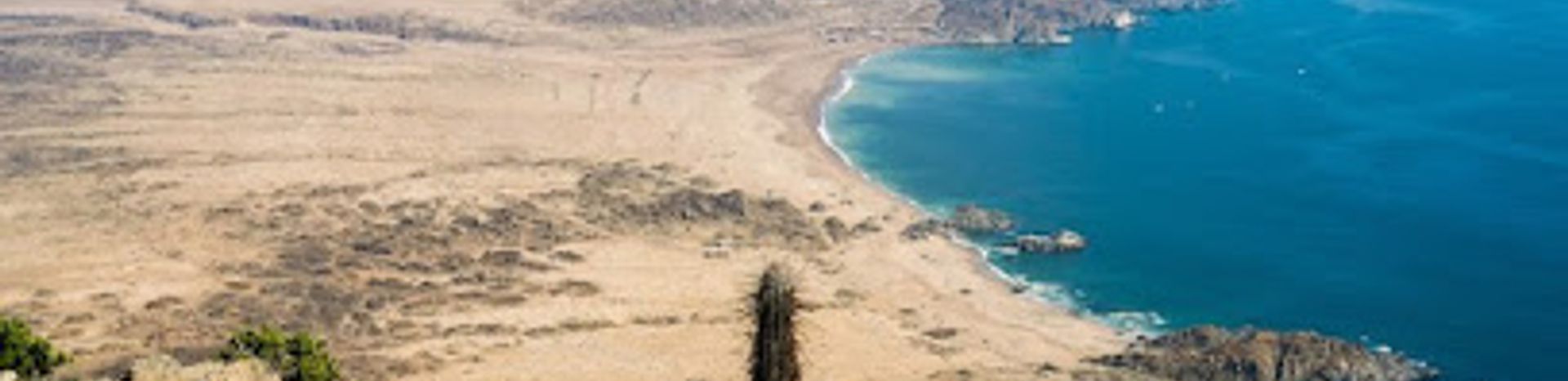
Parque Nacional Pan de Azúcar is a breathtaking national park located in Chile, known for its stunning landscapes, diverse wildlife, and unique flora. This natural gem offers tourists an unforgettable experience amidst nature's beauty.
A brief summary to Parque Nacional Pan de Azúcar
Local tips
- Visit during the early morning or late afternoon for the best light for photography.
- Pack plenty of water and snacks, as facilities within the park are limited.
- Wear sturdy hiking shoes to navigate the park's rocky trails comfortably.
- Check the weather forecast before your visit to ensure a pleasant experience.

Getting There
-
Bus
From San Pedro de Atacama, head to the main bus terminal located at Calle Caracoles. Look for a bus company that offers services to the town of Caldera or the nearby city of Copiapó, as these are the closest points to Parque Nacional Pan de Azúcar. Purchase a ticket for the next available departure. The journey will take approximately 10 to 12 hours. Make sure to confirm with the bus driver or staff about stops near Parque Nacional Pan de Azúcar.
-
Local Transport
Once you arrive at Caldera or Copiapó, you will need to arrange for local transport to Parque Nacional Pan de Azúcar. In Caldera, you can find shared taxis (colectivos) or local buses heading towards the national park. If you arrive in Copiapó, you can take a taxi or look for shared transport options that go to the park. Confirm the destination with the driver before getting in.
-
Walking
If you are dropped off at the entrance of Parque Nacional Pan de Azúcar, follow the marked trails or signs leading into the park. The entrance area typically has information booths where you can gather maps and guidance on the park's attractions and hiking paths. Be sure to check the park's opening hours and any specific requirements for visitors.


