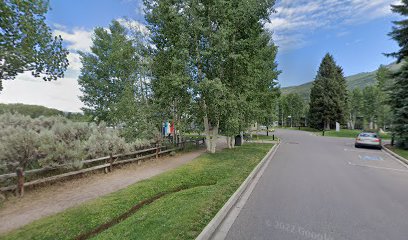
Edwin Carter Museum: A Naturalist's Legacy
Explore the legacy of Edwin Carter, a pioneer naturalist, and his remarkable collection of Rocky Mountain wildlife in his original Breckenridge cabin.
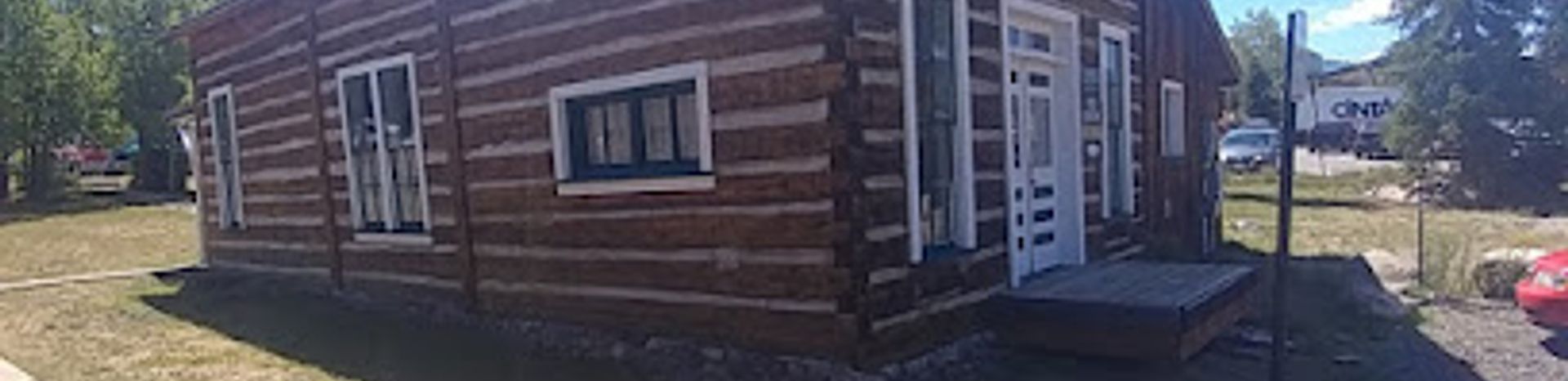
Step back in time at the Edwin Carter Museum, housed in Carter's original 1875 log cabin. Discover the story of a gold prospector turned naturalist, and explore his collection of Rocky Mountain animal specimens that formed the basis of the Denver Museum of Nature and Science.
A brief summary to Breckenridge History: Edwin Carter Museum
- 111 N Ridge St, Breckenridge, Colorado, 80424, US
- +1970-453-9767
- Visit website
Local tips
- Admission is free, but donations are appreciated to help maintain the museum and its collections.
- Plan to spend 30 to 90 minutes to fully explore the museum's exhibits and learn about Edwin Carter's life and work.
- Check the Breckenridge History website for information on current exhibits and events.

Getting There
-
Walking
From Main Street in Breckenridge, walk north on Ridge Street. The museum is located at 111 N Ridge St, approximately a 10-minute walk from the center of town. Look for the log cabin with the 'Edwin Carter Museum' sign.
-
Public Transport
Take the Breckenridge Free Ride bus. Get off at the Main Street stop and walk north on Ridge Street. The museum is a short walk from the bus stop. The Breckenridge Free Ride is free.
Discover more about Breckenridge History: Edwin Carter Museum
Iconic landmarks you can’t miss

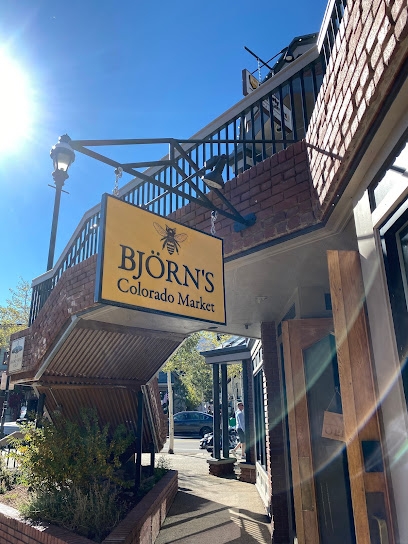
Björn's Colorado Honey
0.1 km
Discover the natural sweetness of Colorado at Björn's Colorado Honey in Breckenridge, where local honey delights await every visitor.
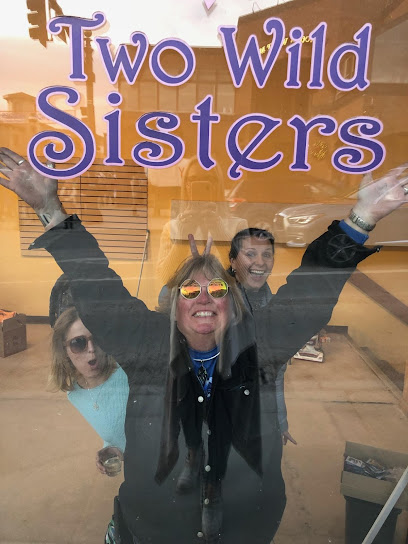
Two Wild Sisters
0.1 km
Explore Two Wild Sisters in Breckenridge for unique handcrafted jewelry and gifts that capture the essence of Colorado's beauty.
Breckenridge Ski Resorts, Weather & Snow Report
0.1 km
Experience the ultimate winter escape at Breckenridge Ski Resort, where adventure, relaxation, and stunning beauty converge in the Colorado Rockies.
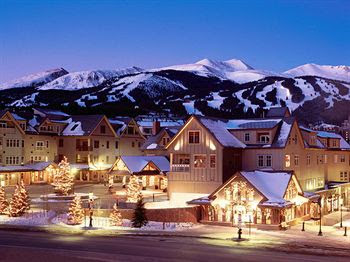
Carboy Winery Breckenridge
0.1 km
Experience the exceptional wines and culinary delights of Carboy Winery in Breckenridge, where every sip tells a story.
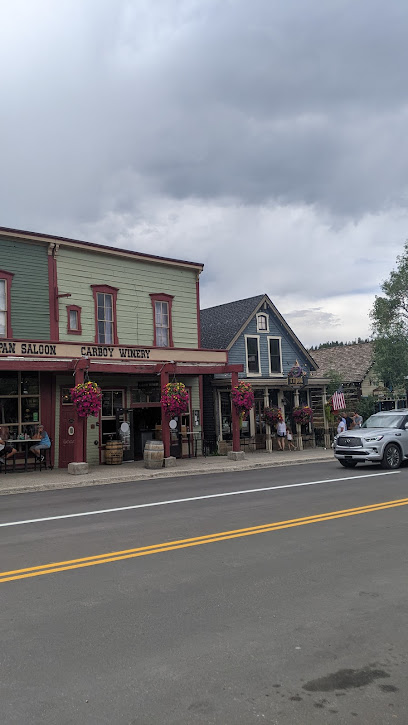
Pete Deininger - Breck Life Group
0.1 km
Explore exquisite real estate opportunities in Breckenridge, CO with Pete Deininger - Breck Life Group, your trusted local real estate experts.
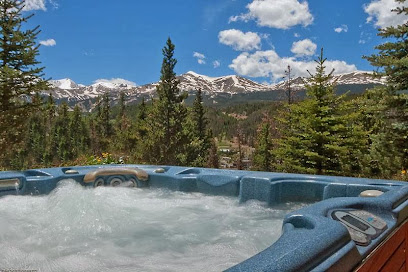
National Repertory Orchestra
0.2 km
Experience the joy of live classical music at the National Repertory Orchestra in Breckenridge, Colorado, where young talent meets breathtaking mountain scenery.
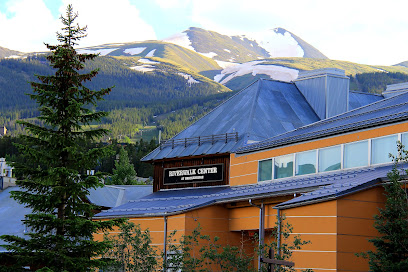
RMU Breckenridge
0.2 km
Discover RMU Breckenridge, the ultimate destination for craft beers, live music, and outdoor adventure in the heart of Colorado's stunning mountain town.
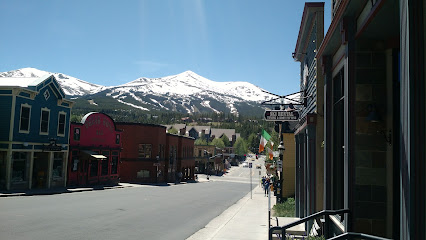
Breckenridge Backstage Theatre
0.2 km
Discover the vibrant performances at Breckenridge Backstage Theatre, an intimate venue showcasing local talent in the heart of Colorado's mountain town.
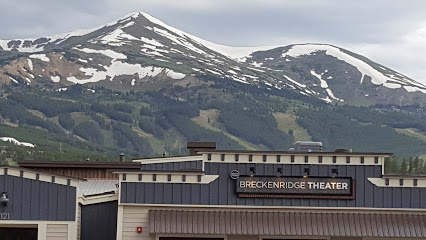
Ready Paint Fire! Breckenridge CO
0.2 km
Unleash your creativity at Ready Paint Fire! in Breckenridge, where art meets relaxation in a cozy café atmosphere.
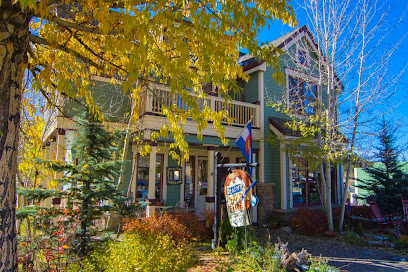
Breckenridge Tourism Office
0.2 km
Explore Breckenridge, Colorado with insights from the local tourism office—your guide to adventure in this stunning mountain destination.
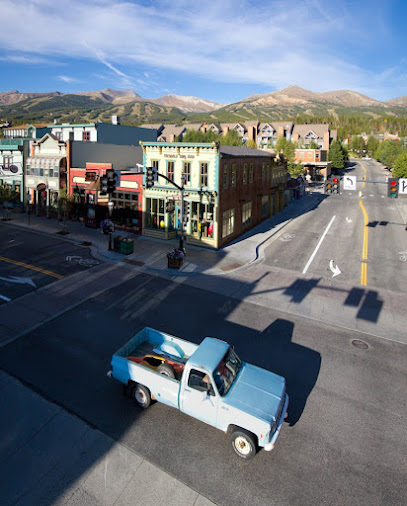
Mimi & Pin churros and donuts
0.2 km
Experience the sweetness of Breckenridge at Mimi & Pin, home of delicious churros and donuts in a cozy café atmosphere.
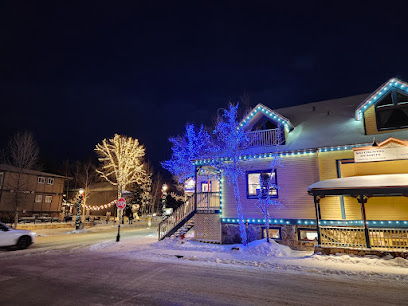
Breck Create
0.2 km
Discover Breck Create, the heart of Breckenridge's vibrant arts scene, where creativity flourishes through art exhibitions, workshops, and community events.
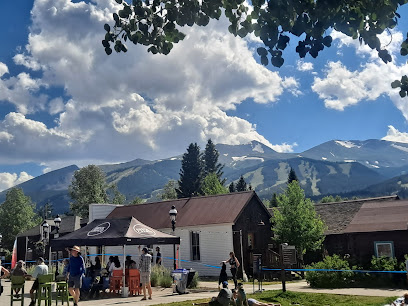
Breckenridge History Archives
0.3 km
Discover Breckenridge's rich history at the Breckenridge History Archives, where the past comes alive through engaging exhibits and knowledgeable staff.
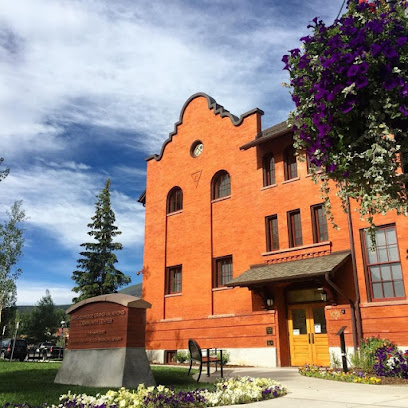
Breckenridge Heritage
0.3 km
Explore the captivating history of Breckenridge at the Breckenridge Heritage site, where the charm of the past meets the beauty of Colorado's landscapes.
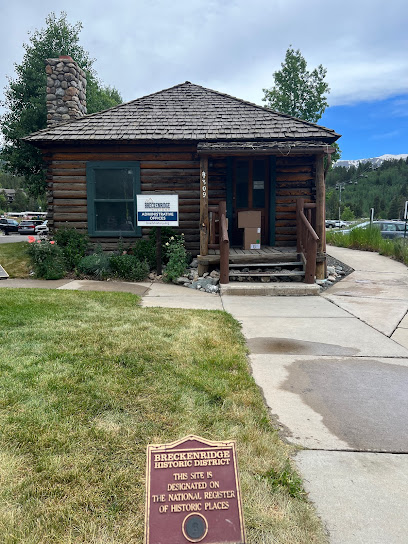
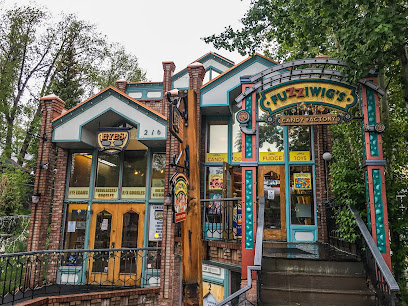
Fuzziwig's Candy Factory Breckenridge
0.3 km
Explore a world of sweet delights at Fuzziwig's Candy Factory in Breckenridge, where candy dreams come true for all ages.
Unmissable attractions to see

Breckenridge Gallery
0.2 km
Discover fine art in the heart of the Rockies at Breckenridge Gallery, Summit County's longest-running art destination since 1969.
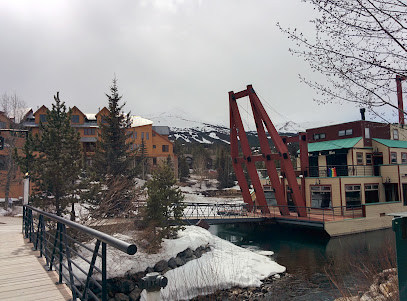
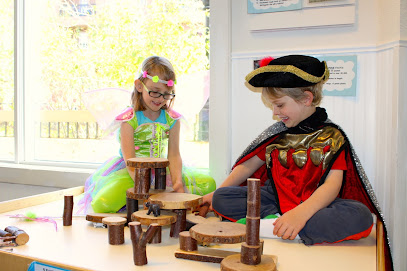
Mountain Top Explorium
0.2 km
Inspire your child's creativity at Breckenridge's Mountain Top Explorium, offering interactive exhibits and educational fun for the whole family.
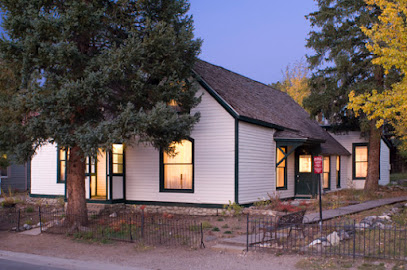
Breckenridge History: Briggle House
0.3 km
Step back in time at the Briggle House in Breckenridge, a beautifully restored Victorian home showcasing the town's rich history and culture.
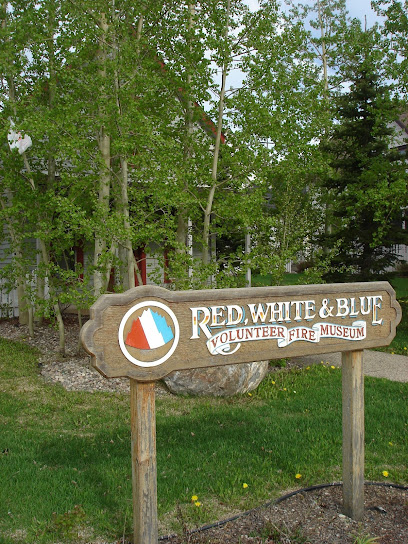
Red, White & Blue Fire Museum
0.3 km
Explore firefighting history in a charming historic building. Discover vintage equipment and stories of Breckenridge's brave volunteer firemen.
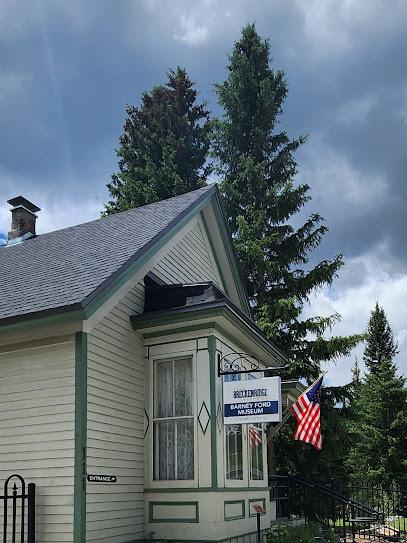
Breckenridge History: Barney Ford Museum
0.3 km
Discover the inspiring story of Barney Ford, a former slave who became a prominent entrepreneur and civil rights leader in Breckenridge.
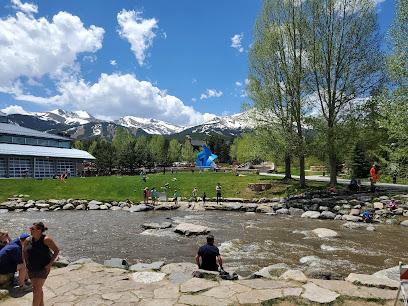
Blue River Plaza
0.3 km
Discover the scenic Blue River Plaza in Breckenridge, where stunning views, local shops, and cultural events come together in a charming atmosphere.
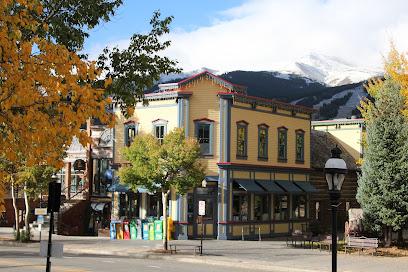
Breckenridge Welcome Center
0.3 km
Discover the heart of Breckenridge at the Welcome Center, your essential guide to exploring Colorado's majestic mountains and vibrant culture.
Breckenridge History Museum
0.3 km
Discover Breckenridge's captivating past, from gold rush days to ski resort fame, at this informative Main Street museum.
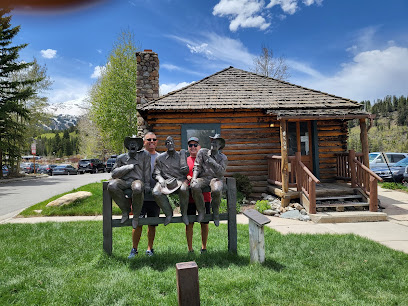
Escape Room Breckenridge
0.3 km
Experience the thrill of Escape Room Breckenridge, a must-visit attraction in Colorado for adventurous families and friends seeking unique challenges.
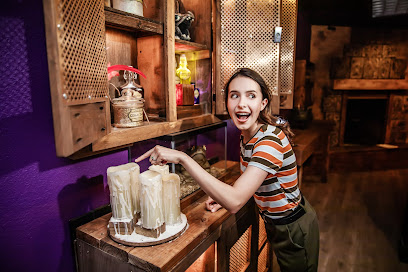
Epic Discovery at Breckenridge
0.3 km
Experience summer thrills at Breckenridge's Peak 8: alpine coasters, scenic trails, and family fun await!
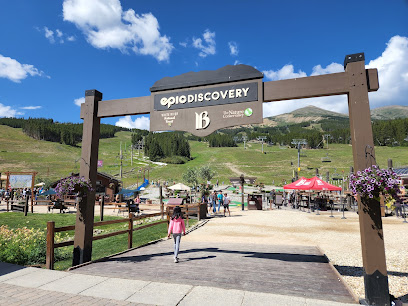
BreckConnect Gondola
0.3 km
Ride the free BreckConnect Gondola for stunning views and easy access to Breckenridge Ski Resort's Peaks 7 & 8.
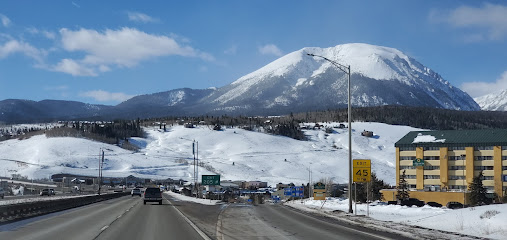
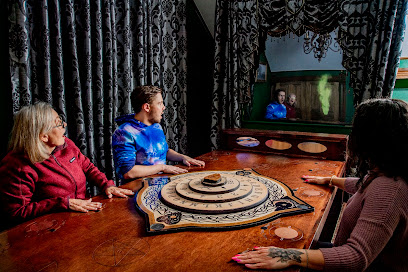
Mountain Time Escape Rooms - Paranormal Mystery & Zoltar Speaks
0.4 km
Immerse yourself in Breckenridge's most thrilling escape rooms! Experience unique adventures with friends and family at Mountain Time Escape Rooms.
Riverwalk Center at Breckenridge
0.4 km
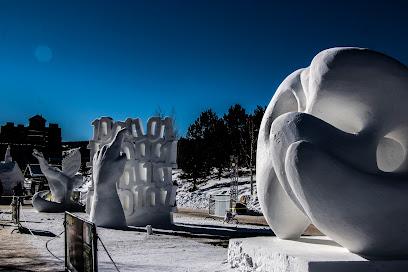
Experience the vibrant cultural scene at the Riverwalk Center in Breckenridge, where music, art, and stunning mountain views come together.
Breckenridge Alpine Garden
0.5 km
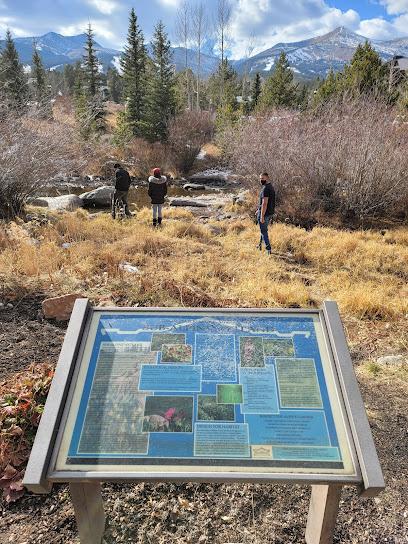
Explore the Breckenridge Alpine Garden, a serene botanical garden showcasing the beauty of alpine flora against stunning mountain backdrops.
Breckenridge
0.6 km
Discover Breckenridge, Colorado: Where historic charm meets year-round outdoor adventure in the heart of the Rocky Mountains.

Essential places to dine

Salt Creek Steakhouse
0.1 km
Indulge in expertly grilled steaks and savory BBQ at Salt Creek Steakhouse, where every meal is an unforgettable Rocky Mountain experience.
The Carlin Breckenridge
0.1 km
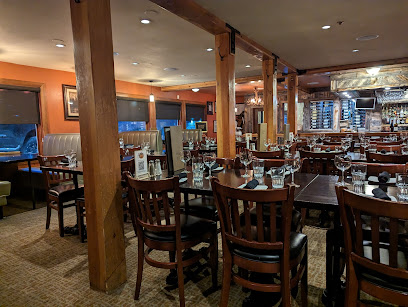
Experience exquisite seafood and fine dining at The Carlin Breckenridge – where every dish is a masterpiece amid stunning mountain views.
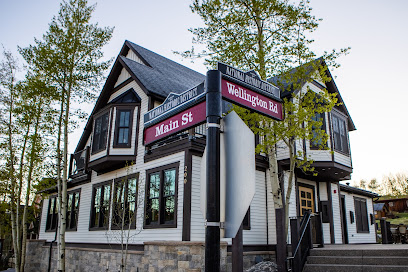
Tavern Underground
0.1 km
Discover Tavern Underground: A cozy bar in Breckenridge offering delectable American dishes and unique cocktails in a vibrant setting.
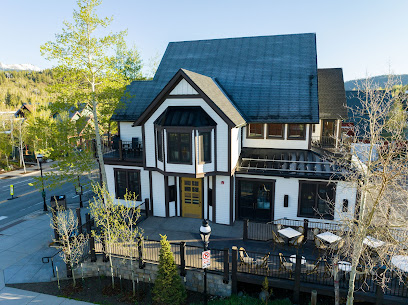
Giampietro Pasta & Pizzeria
0.1 km
Experience the essence of Italy at Giampietro Pasta & Pizzeria in Breckenridge – where every meal is crafted with passion and tradition.
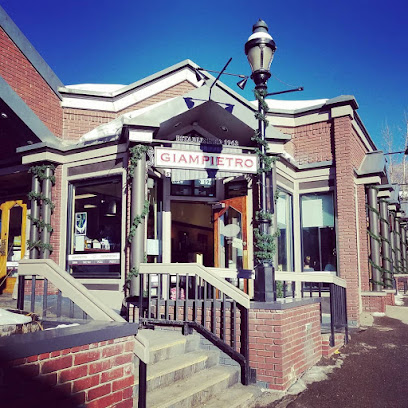
Breckenridge Tap House
0.1 km
Experience flavorful American and Mexican cuisine with craft beers at Breckenridge Tap House – your go-to dining spot in beautiful Breckenridge.
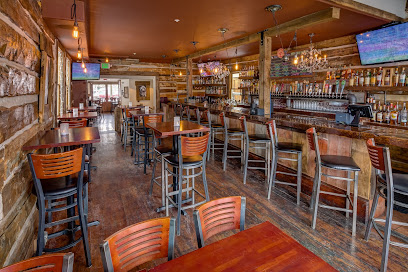
The Gold Pan Saloon
0.1 km
Discover The Gold Pan Saloon: A lively restaurant-bar in Breckenridge offering delicious breakfasts, exquisite wines, and live music for an unforgettable night out.
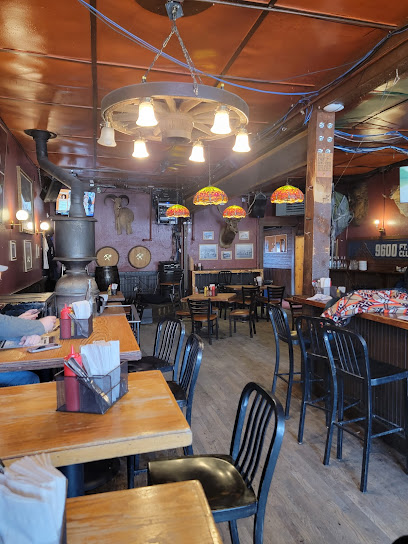
Briar Rose Chophouse & Saloon
0.1 km
Experience gourmet dining at Briar Rose Chophouse & Saloon in Breckenridge—where prime cuts meet rustic charm amidst stunning mountain views.
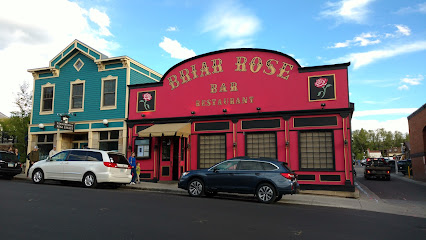
The Canteen Tap House and Tavern
0.1 km
Discover Breckenridge's culinary gem at The Canteen Tap House & Tavern - where local flavors meet a vibrant bar scene.
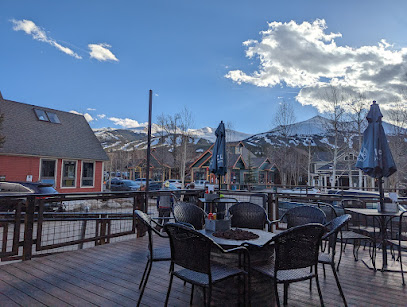
Motherloaded Tavern
0.1 km
Discover the heartwarming flavors of Breckenridge at Motherloaded Tavern, where delightful dishes meet vibrant cocktails in a cozy mountain setting.
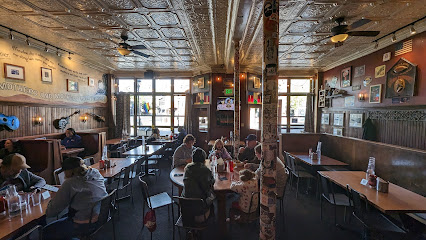
Rootstalk Breckenridge
0.1 km
Experience innovative American cuisine and vibrant cocktails at Rootstalk Breckenridge – where local flavors meet culinary artistry.
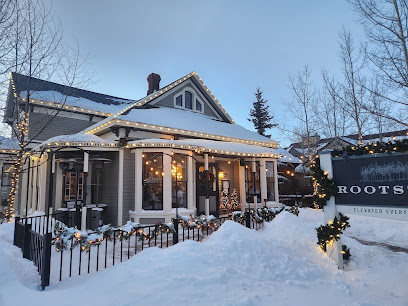
Columbine Café
0.2 km
Experience Breckenridge's culinary charm at Columbine Café, where delicious breakfasts and lunches await in a cozy mountain setting.
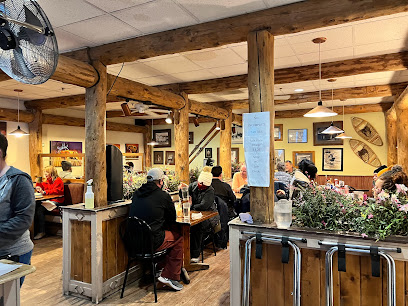
Bird and Cow
0.2 km
Discover Bird and Cow in Breckenridge - where gourmet burgers meet innovative American cuisine in a cozy mountain setting.
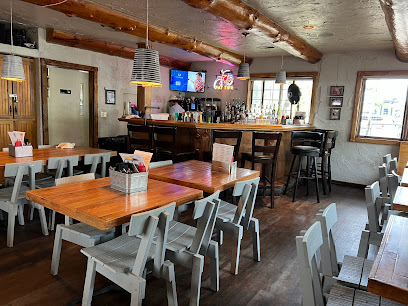
Downstairs at Eric's
0.2 km
Experience the vibrant atmosphere of Downstairs at Eric's in Breckenridge—where great food meets thrilling sports action in a family-friendly setting.
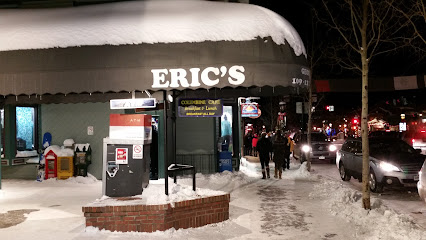
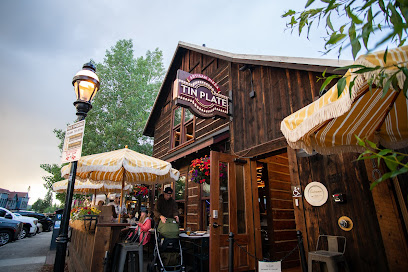
Tin Plate Pizza
0.2 km
Experience the best pizza in Breckenridge at Tin Plate Pizza - where quality ingredients meet innovative recipes in a cozy atmosphere.
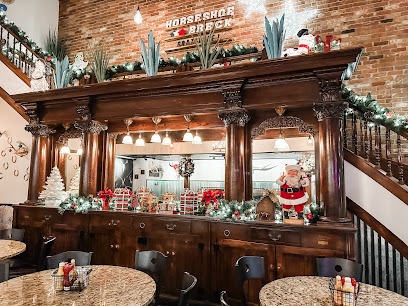
Horseshoe Breckenridge
0.2 km
Experience exquisite dining at Horseshoe Breckenridge, where local flavors meet innovative cuisine in the heart of Colorado's scenic mountains.
Markets, malls and hidden boutiques

A Racer's Edge
0.1 km
Discover A Racer's Edge, Breckenridge's premier sporting goods store for ski gear and outdoor sports equipment, where adventure awaits.
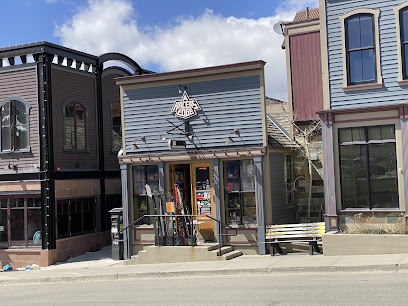
Breckenridge Shirts & More
0.1 km
Explore unique apparel and souvenirs at Breckenridge Shirts & More, capturing the charm of Colorado's mountain town.
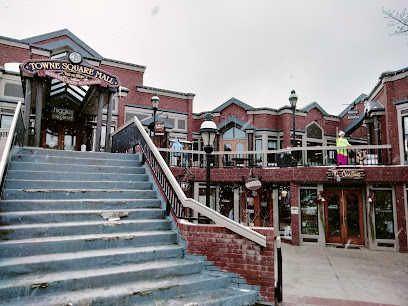
Simply Breck
0.1 km
Discover unique souvenirs and stylish clothing at Simply Breck, the ultimate shopping destination in Breckenridge, Colorado.
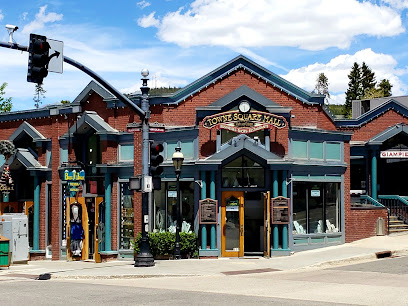
Towne Square Mall
0.1 km
Discover a vibrant shopping experience at Towne Square Mall in Breckenridge, Colorado, where unique shops and delicious dining await every visitor.
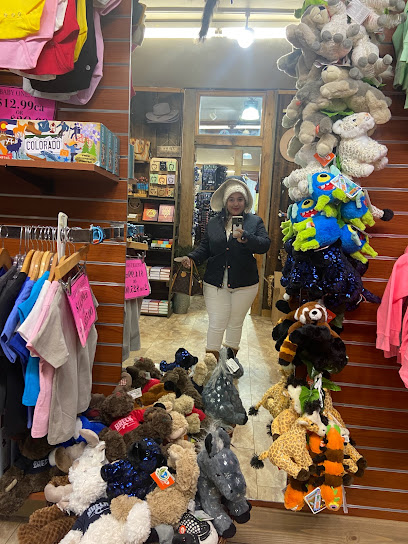
Breck ‘N’ Boujee Premium Outlet
0.1 km
Explore stylish clothing at Breck ‘N’ Boujee Premium Outlet in Breckenridge, CO, where mountain charm meets fashion-forward shopping.
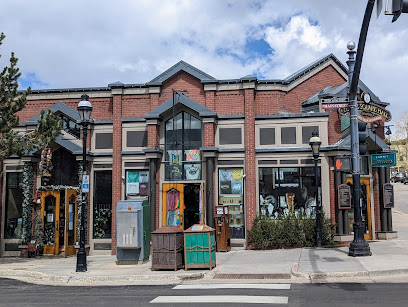
Arctic Attitude
0.2 km
Discover unique mountain-inspired apparel at Arctic Attitude in Breckenridge, where every T-shirt tells a story of adventure and local culture.
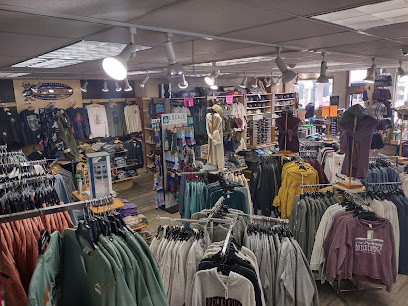
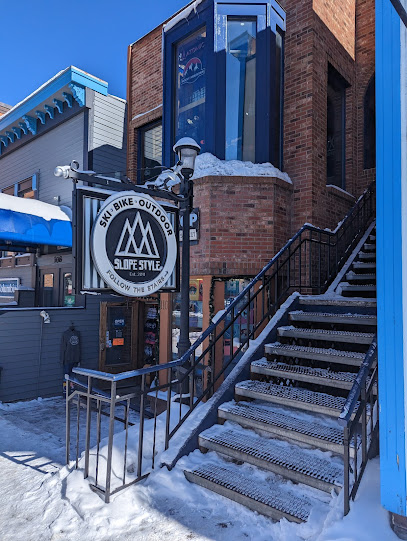
Slope Style Ski + Bike
0.2 km
Discover Breckenridge's ultimate destination for ski and bike rentals, expert repairs, and personalized service for all outdoor enthusiasts.
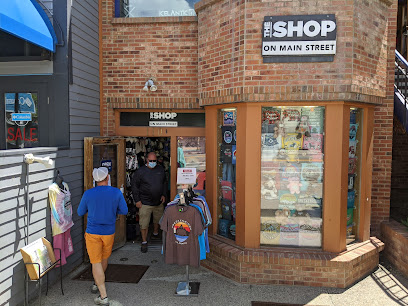
The Shop On Main Street
0.2 km
Explore the heart of Breckenridge at The Shop On Main Street, where unique clothing and accessories meet the charm of Colorado's mountains.
Lace and Lariat
0.2 km
Explore Lace and Lariat in Breckenridge, a charming boutique offering unique fashion and accessories for both men and women amidst stunning mountain views.
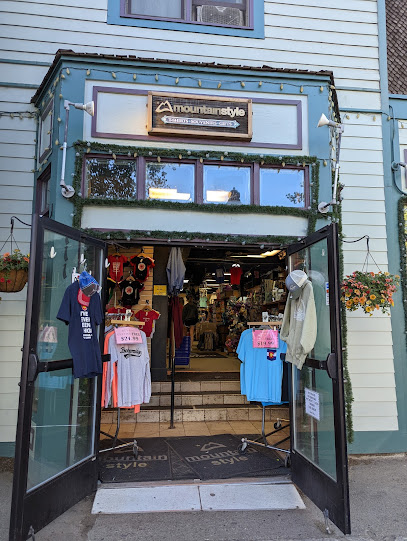
Mountain Style
0.2 km
Discover unique souvenirs and local crafts at Mountain Style, Breckenridge's top destination for memorable gifts and mountain-inspired treasures.
Mountain Tees
0.2 km
Discover the charm of Breckenridge through unique T-shirt designs at Mountain Tees, your ultimate shopping destination for quality apparel.
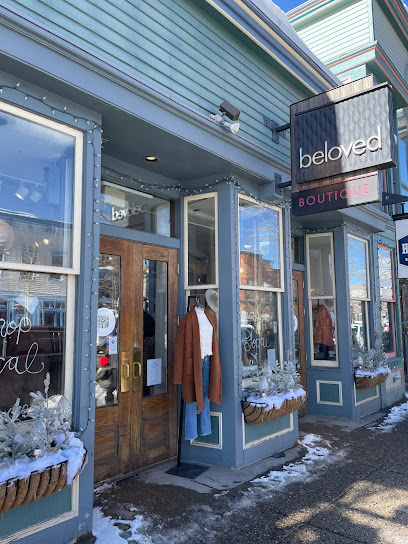
Beloved Boutique
0.2 km
Explore Beloved Boutique in Breckenridge for stylish women's clothing, unique accessories, and a warm shopping experience in a charming mountain town.
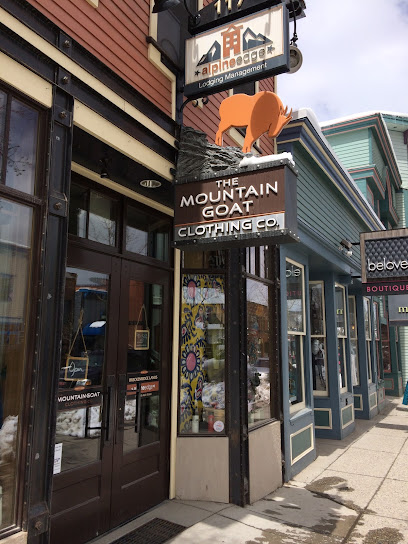
Mountain Goat Clothing Co
0.2 km
Discover top-notch outdoor apparel and gear at Mountain Goat Clothing Co, the go-to clothing store in Breckenridge, Colorado for all your adventure needs.
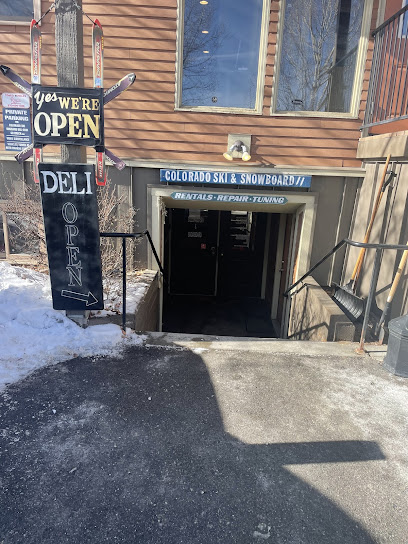
Colorado Ski & Snowboard
0.2 km
Unleash your winter spirit at Colorado Ski & Snowboard in Breckenridge, your go-to destination for premium ski and snowboard rentals.
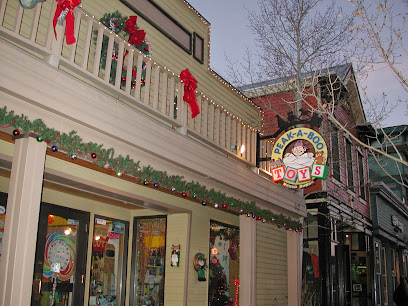
Peak-A-Boo Toys
0.2 km
Explore Peak-A-Boo Toys in Breckenridge for a magical selection of unique toys, art supplies, and games that inspire creativity and joy.
Essential bars & hidden hideouts

Napper Tandy's Irish Pub
0.1 km
Discover the charm of Napper Tandy's Irish Pub in Breckenridge, CO, where authentic Irish food and drinks meet a lively atmosphere.
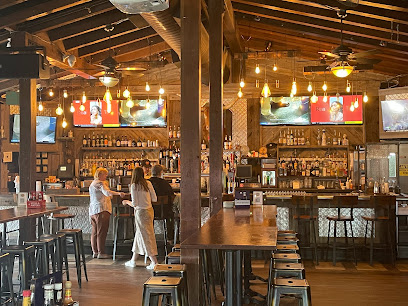
Prospector
0.2 km
Discover Prospector in Breckenridge, where expertly crafted cocktails and a welcoming atmosphere come together for an unforgettable night out.
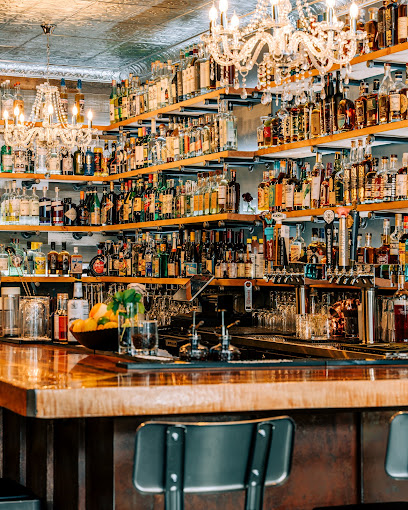
Fireside Lounge
0.3 km
Discover the warmth of Fireside Lounge in Breckenridge, a cozy bar perfect for relaxing after mountain adventures with great drinks and a welcoming atmosphere.
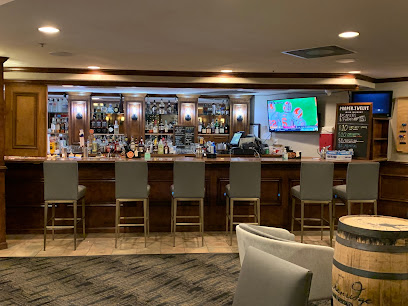
Ski Town Chicken Joint
0.4 km
Discover the flavors of Breckenridge at Ski Town Chicken Joint, where delicious comfort food meets a cozy mountain atmosphere.
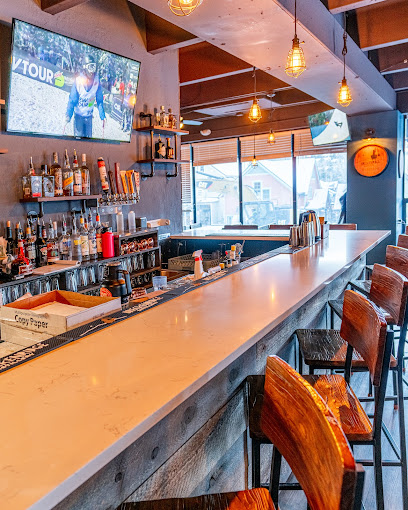
The Absinthe Bar
0.5 km
Discover the charm of The Absinthe Bar in Breckenridge, where unique cocktails and a cozy atmosphere create unforgettable memories.
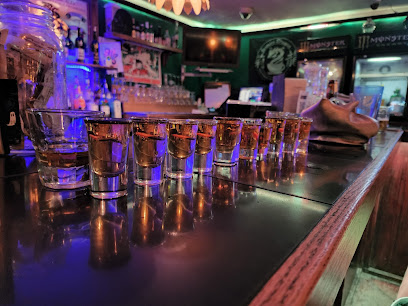
Molly Jacks
0.6 km
Experience the lively atmosphere and diverse drink selection at Molly Jacks, a must-visit bar in the heart of Breckenridge, Colorado.
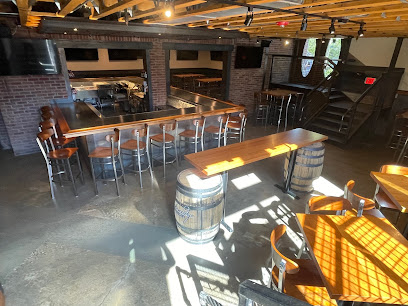
Brooklyn's Tavern and Billiards
0.6 km
Experience the lively atmosphere at Brooklyn's Tavern and Billiards, Breckenridge's favorite bar and pool hall, perfect for relaxation and fun.
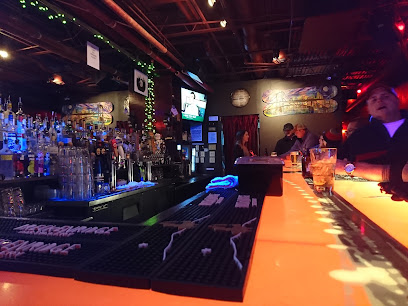
Burke and Riley's Irish Pub
0.7 km
Experience the lively atmosphere of Burke and Riley's Irish Pub in Breckenridge, where delicious food, drinks, and live music meet the charm of Ireland.
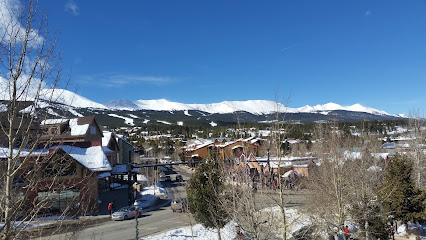
Cecilia's Nightclub and Cocktail Bar
0.7 km
Experience Breckenridge's nightlife at Cecilia's Nightclub and Cocktail Bar, where cocktails and dancing blend for an unforgettable evening.
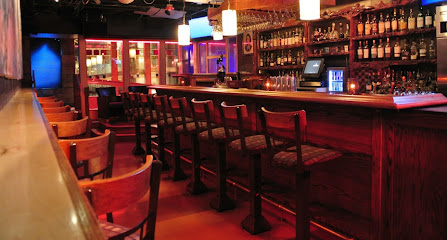
Base Nine
1.1 km
Experience the best of Breckenridge at Base Nine, a premier bar with a vibrant atmosphere and an impressive drink selection.
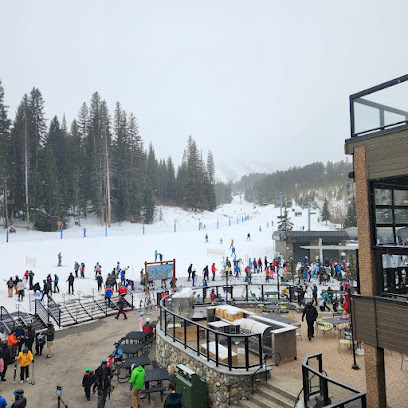
Coppertop Bar & Restaurant
1.2 km
Discover the inviting ambiance of Coppertop Bar & Restaurant in Breckenridge, where delicious food and drinks await after your mountain adventures.
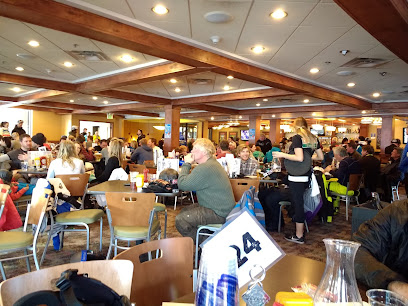
Shakedown Bar
33.1 km
Experience the vibrant nightlife of Vail at Shakedown Bar, where live music and great drinks create unforgettable memories.
Bridge Street Bar
33.1 km
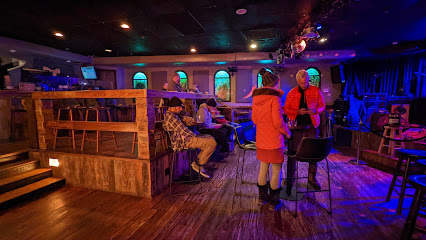
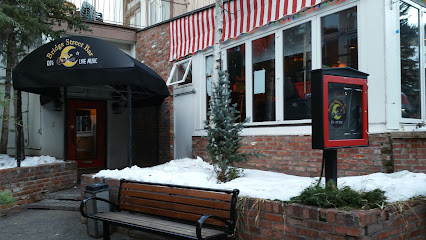
Discover the lively nightlife at Bridge Street Bar in Vail, Colorado, where great drinks and a vibrant atmosphere await you.
Root & Flower
33.1 km
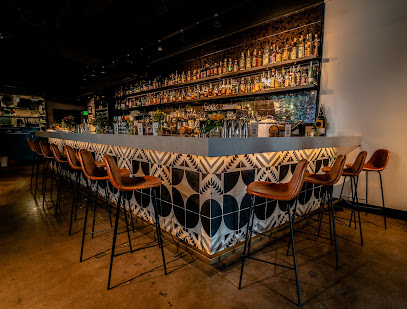
Discover the perfect fusion of fine wines and culinary artistry at Root & Flower, Vail's premier wine bar and restaurant.
The George Restaurant & Pub
33.1 km
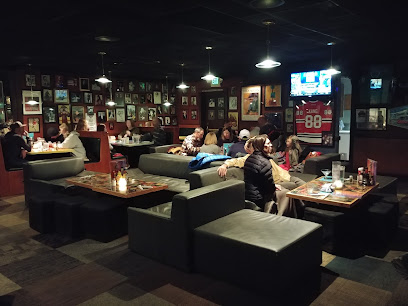
Discover the vibrant atmosphere and delicious American cuisine at The George Restaurant & Pub in Vail, Colorado – a perfect spot for food lovers and adventurers alike.
Nightclubs & after hour spots

Inspirato Vail Member Lounge
33.4 km
Discover tranquility and sophistication at the Inspirato Vail Member Lounge, your exclusive retreat in the heart of Vail, Colorado.
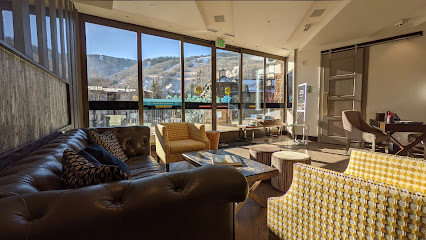
King's Club
33.5 km
King's Club in Vail, Colorado offers an elegant bar experience with live music, signature cocktails, and a cozy atmosphere for the perfect night out.
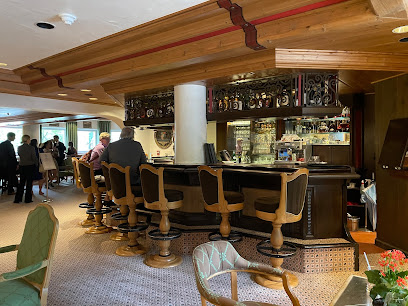
Leadville Rod & Gun Club
35.0 km
Discover the thrill of shooting sports amidst the stunning landscapes of Leadville, Colorado. Perfect for enthusiasts and novices alike.
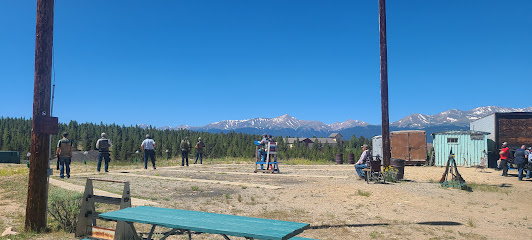
Horse Farm
42.9 km
Explore the serene beauty of Leadville's Horse Farm, where equestrian adventure meets stunning mountain landscapes in Colorado.
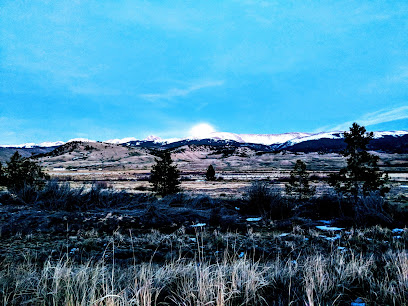
39 Degrees Lounge
74.1 km
Experience the stylish ambiance and exquisite cocktails at 39 Degrees Lounge, a must-visit bar and lounge in the heart of Aspen, Colorado.
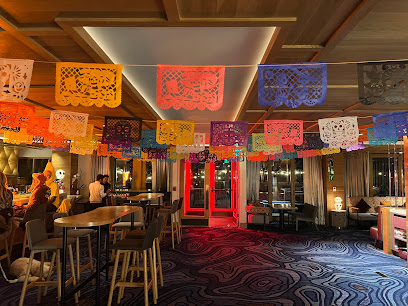
Ponyboy Aspen
74.1 km
Discover the vibrant nightlife of Ponyboy Aspen, where expertly crafted cocktails and a lively atmosphere create unforgettable evenings in the heart of Colorado.
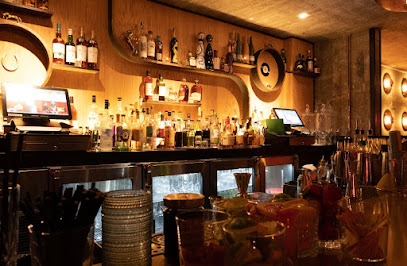
Caribou Club
74.1 km
Experience the ultimate fine dining and vibrant nightlife at Caribou Club in Aspen, where culinary excellence meets an enchanting atmosphere.
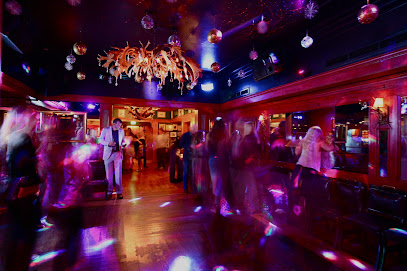
Escobar Aspen
74.1 km
Dance the night away at Escobar Aspen, a premier night club and bar offering a vibrant atmosphere, creative cocktails, and unforgettable entertainment.
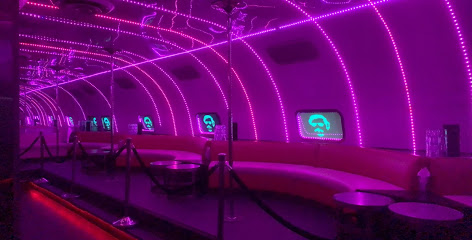
GALA Aspen
74.2 km
Discover GALA Aspen, the ultimate lounge experience blending sophistication, great drinks, and vibrant nightlife in the heart of Colorado's ski haven.
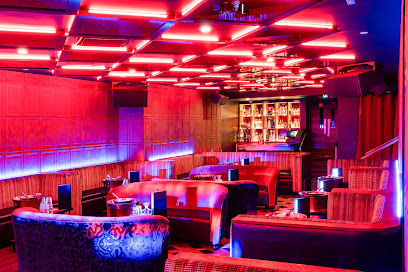
ASPENX Mountain Club
74.2 km
Discover the elite nightlife at ASPENX Mountain Club, where luxury meets excitement in the heart of Aspen's vibrant social scene.
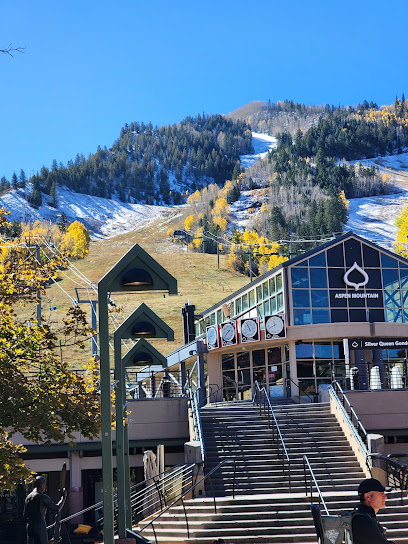
Belly Up Aspen
74.2 km
Discover the vibrant music scene at Belly Up Aspen, a premier venue offering unforgettable live performances and a lively atmosphere in the heart of Colorado.
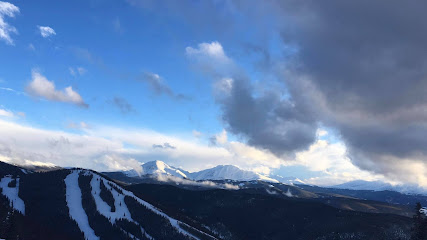
Hooch Craft Cocktail Bar
74.2 km
Discover Hooch Craft Cocktail Bar, a hidden speakeasy in Aspen, CO, offering unique cocktails and an intimate atmosphere for the perfect night out.
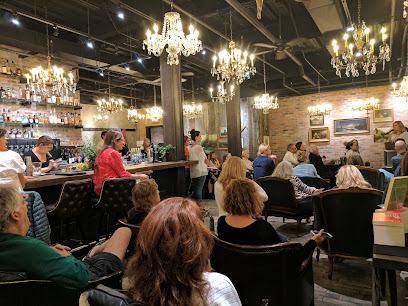
The Sterling Aspen
74.2 km
Experience the vibrant nightlife of Aspen at The Sterling Aspen, where chic cocktails and dancing come together in a stunning mountain setting.
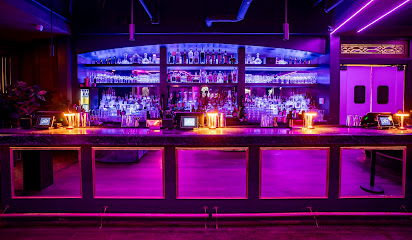
Shadow Mountain Lounge
74.4 km
Experience the elegance and charm of Shadow Mountain Lounge, a premier bar in Aspen offering stunning mountain views and exquisite cocktails.
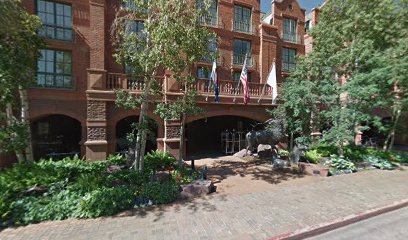
Hefner Lounge
74.5 km
Discover the Hefner Lounge in Aspen – a vibrant bar offering exquisite drinks and a chic ambiance, perfect for relaxation after adventure.