Amache National Historic Site: A Place of Remembrance
Reflect on the history of Japanese American incarceration at this somber and significant National Historic Site in Granada, Colorado.
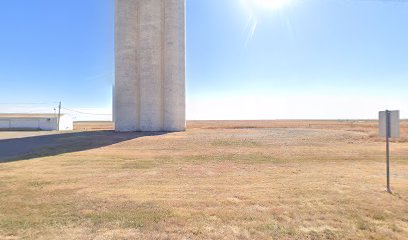
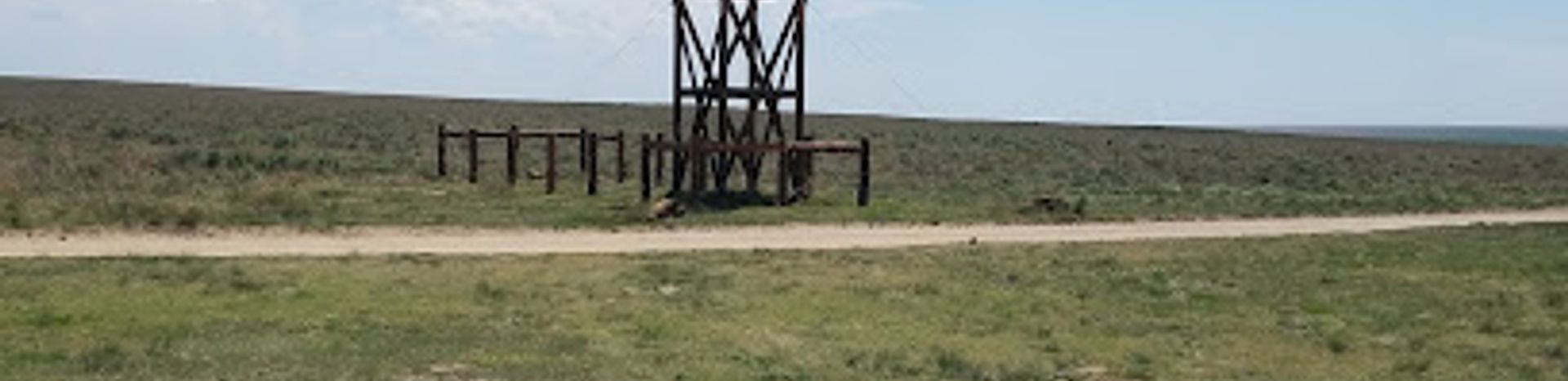
Amache National Historic Site, also known as the Granada Relocation Center, stands as a solemn reminder of the unjust incarceration of Japanese Americans during World War II. From 1942 to 1945, over 10,000 people, most of whom were American citizens, were forcibly removed from their homes and detained here. Today, visitors can explore the site's remnants and reflect on this painful chapter in American history.
A brief summary to Amache National Historic Site
- County Rd 23 5/10, Granada, Colorado, 81041, US
- Visit website
- Monday 8 am-7:30 pm
- Tuesday 8 am-7:30 pm
- Wednesday 8 am-7:30 pm
- Thursday 8 am-7:30 pm
- Friday 8 am-7:30 pm
- Saturday 8 am-7:30 pm
- Sunday 8 am-7:30 pm
Local tips
- Download the self-guided audio tour from amache.org before your visit, as cell service can be unreliable at the site.
- There are limited facilities on-site, so bring water and be prepared for sun exposure.
- Visit the Amache Museum in Granada, operated by the Amache Preservation Society, for additional exhibits and information.

Getting There
-
Driving
Amache National Historic Site is located approximately 1.5 miles west of Granada, Colorado. From Granada, travel west on Highway 385/50 for one mile. Turn left (south) at the Amache sign onto County Road 23 5/10. The main entrance is almost a mile down this road, just past W. Amache Rd. There is no fee to enter the site.
Discover more about Amache National Historic Site
Iconic landmarks you can’t miss

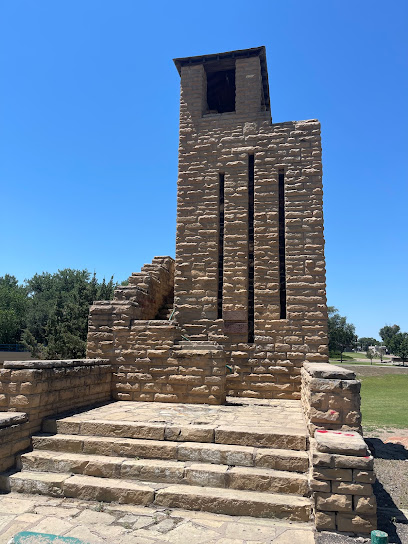
Zebulon Pike Tower
25.0 km
Explore the historic Zebulon Pike Tower in Colorado, a must-see landmark that celebrates the spirit of American exploration amidst stunning vistas.
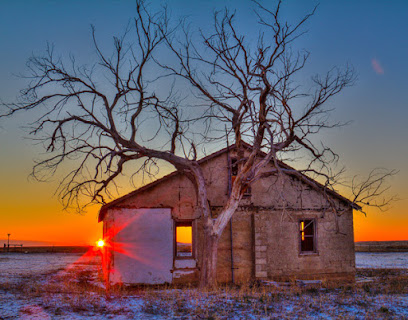
Colorado Abandoned
25.2 km
Explore the haunting beauty of Colorado Abandoned, an art gallery and photographer's paradise showcasing the stories of forgotten places.
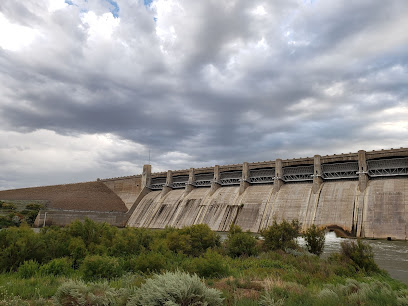
John Martin Reservoir State Park
54.7 km
Experience the natural beauty and recreational opportunities at John Martin Reservoir State Park, a hidden gem in Hasty, Colorado.
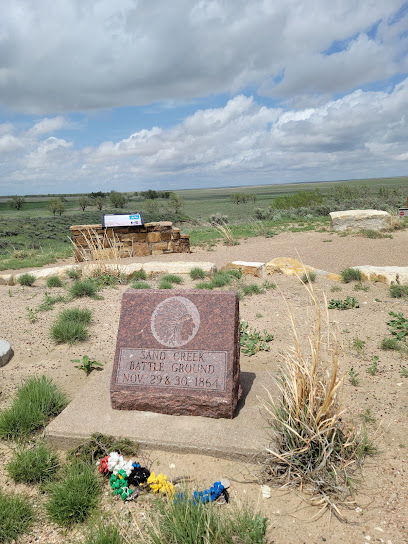
Sand Creek Massacre National Historic Site
56.4 km
Discover the poignant history of the Sand Creek Massacre National Historic Site, a powerful tribute to resilience and remembrance in Colorado.
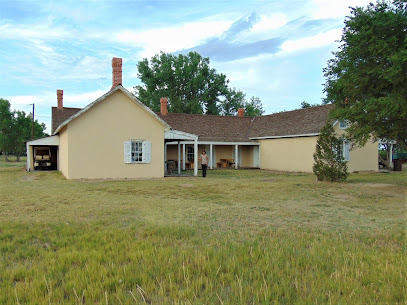
Boggsville Historic Site
77.3 km
Explore Boggsville Historic Site, where Colorado's rich history comes alive through preserved landmarks and engaging tours.
Unmissable attractions to see

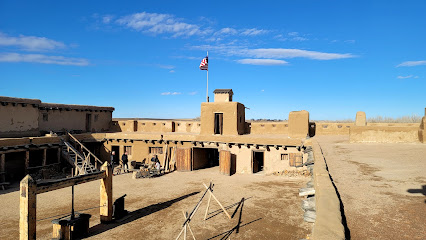
Bent's Old Fort National Historic Site
96.4 km
Discover the engaging history of Bent's Old Fort, a reconstructed adobe fort showcasing the fur trade era in Colorado.
Museum of the Great Plains
97.1 km
Explore the rich history and culture of the Great Plains at the Museum of the Great Plains, a captivating destination for history enthusiasts and curious travelers.
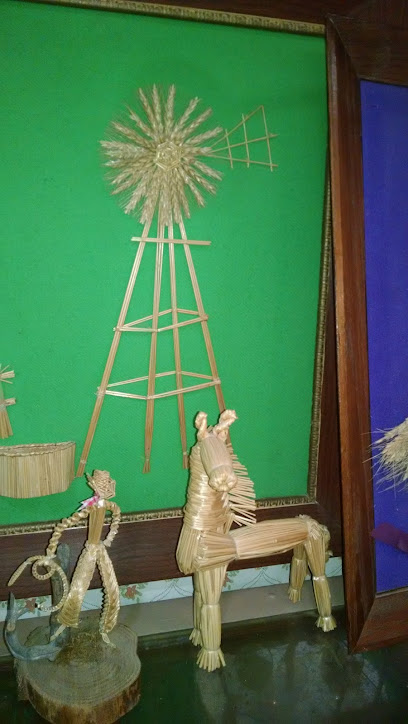
Markets, malls and hidden boutiques

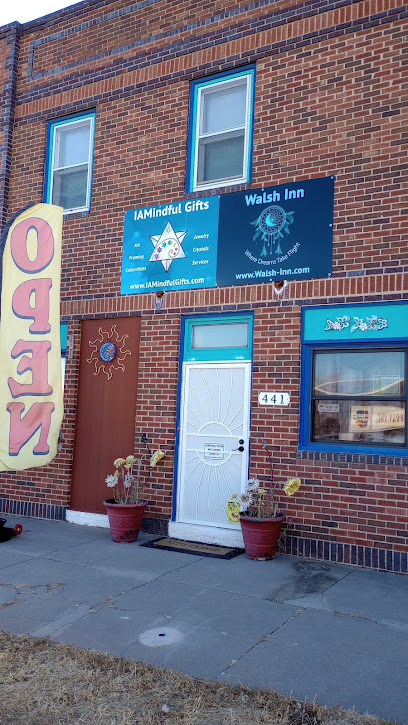
IAMindful Gifts
74.5 km
Discover unique gifts and local treasures at IAMindful Gifts in Walsh, Colorado, perfect for every occasion and a true reflection of the region's spirit.
Red Feather Gifts
76.1 km
Explore Red Feather Gifts in Springfield, CO for unique handcrafted treasures and local art that capture the spirit of Colorado.

Blackthorne Rose
76.7 km
Uncover unique finds at Blackthorne Rose, a charming boutique in Springfield, Colorado, offering handcrafted treasures and local artisan goods.
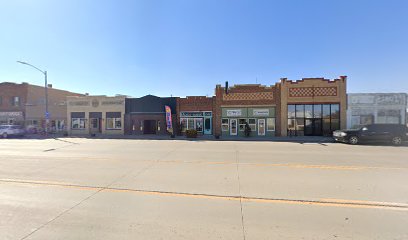
M.O.M.S. (Mary's On Main Street - Treasure Chest Mall)
76.7 km
Discover unique treasures in Springfield at M.O.M.S. - Mary's On Main Street, a charming shopping mall filled with local artistry and creativity.

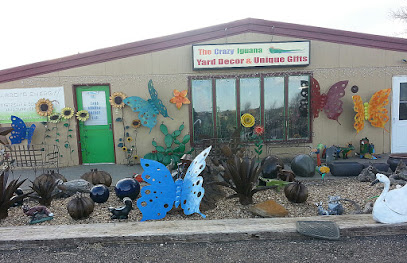
The Crazy Iguana
78.2 km
Discover unique local pottery and gifts at The Crazy Iguana, Springfield's charming gift shop filled with creativity and local artistry.
Panhandle Milling
89.9 km
Explore the local grain offerings at Panhandle Milling, where quality meets tradition in the heart of Colorado's agricultural landscape.