

Free High Plains Travel Guide & Mobile App
Explore High Plains with free travel guides. Discover regional history, expert tips, proposed trips, and audio guides on web or mobile app.


Discover the serene beauty and rich heritage of Colorado's High Plains, a perfect escape into nature and history with endless outdoor adventures and charming small towns.
Read more about High Plains
When is the best time to visit High Plains?
Best: June–August · 24–28°C| Month | High (°C) | Rainfall (mm) |
|---|---|---|
| January | 1 | 15 |
| February | 4 | 20 |
| March | 8 | 25 |
| April | 13 | 30 |
| May | 18 | 40 |
| June (best) | 24 | 35 |
| July (best) | 28 | 30 |
| August (best) | 27 | 30 |
| September | 21 | 25 |
| October | 15 | 20 |
| November | 7 | 15 |
| December | 2 | 15 |
Getting to and around High Plains
How to get there
Transportation
Top city travel guides in High Plains
The cities of High Plains, and the easiest places to base yourself.
-

-

-

-

-

-


Swipe for more cities
Destinations in High Plains
Resorts, valleys and scenic spots worth a trip of their own.
-

-

-

-

-

-


Swipe for more destinations
Best attractions in High Plains
The High Plains of Colorado offer a tapestry of natural beauty and historical intrigue that beckons adventurous travelers. Visitors can roam the expansive Pawnee National Grassland, where panoramic views of rolling plains meet the horizon, and the skies are alive with the flight of migratory birds. History enthusiasts can delve into the region's rich past by exploring the remnants of pioneer life at the Kit Carson County Carousel, an enchanting relic from the early 20th century, or by visiting Bent's Old Fort National Historic Site, a reconstructed adobe trading post that brings the Wild West to life. For those seeking a more serene experience, the Comanche National Grassland offers miles of hiking trails through picturesque landscapes dotted with ancient petroglyphs, providing a glimpse into the lives of the Native American tribes who once thrived here. Whether you're drawn by the sweeping vistas, the call of history, or the tranquility of untouched nature, the High Plains promise an unforgettable journey through the heart of America's frontier.
-
Tourist attraction
Bishop Castle
A towering, hand-built castle in Colorado's Wet Mountains, a testament to one man's vision, determination, and unique architectural style.
-
National park
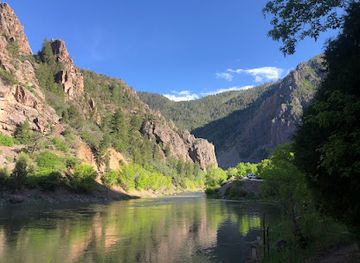
Black Canyon of the Gunnison National Park
Discover the depths of Black Canyon of the Gunnison National Park: sheer cliffs, ancient rocks, and stunning views in western Colorado.
-
Park
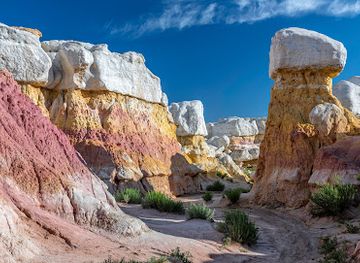
Paint Mines Interpretive Park
Explore a unique Colorado landscape: colorful clay formations, ancient history, and stunning views await at Paint Mines Interpretive Park.
-
Museum
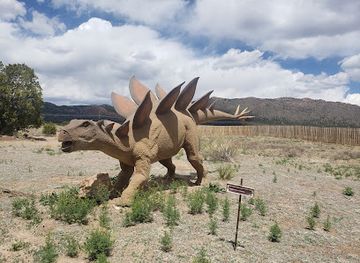
Rocky Mountain Dinosaur Resource Center
Explore prehistoric wonders at the Rocky Mountain Dinosaur Resource Center in Woodland Park, Colorado - a family-friendly museum with engaging exhibits and fossil displays.

Best landmarks in High Plains
The High Plains of Colorado offer a stark yet beautiful landscape brimming with historical and natural wonders waiting to be explored. Visitors can step back in time at the Bent's Old Fort National Historic Site, a reconstructed 1840s adobe trading post that brings the old Santa Fe Trail to life with engaging reenactments and immersive exhibits. For nature enthusiasts, the Pawnee National Grassland provides sweeping vistas and a glimpse into a rare ecosystem teeming with wildlife such as pronghorns and prairie dogs. Don't miss the Pawnee Buttes, towering geological formations that rise dramatically from the plains, offering breathtaking views and challenging hiking trails. The Kit Carson County Carousel, an antique wooden carousel built in 1905, offers a whimsical ride into history, complete with hand-carved animals and a Wurlitzer organ. Meanwhile, the Sand Creek Massacre National Historic Site solemnly commemorates a poignant chapter in American history, providing visitors with a moment of reflection amid the windswept plains. Each landmark on the High Plains is a testament to the region's rich heritage and natural beauty, offering an unforgettable experience for those eager to explore Colorado's lesser-known treasures.
-
Tourist attraction
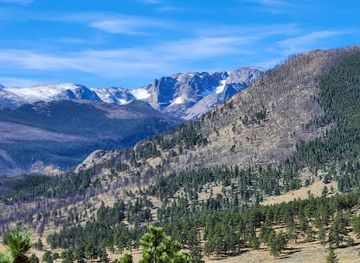
Rocky Mountain National Park
Explore the breathtaking landscapes, diverse wildlife, and endless adventure opportunities at Rocky Mountain National Park in Colorado.
-
Historical landmark
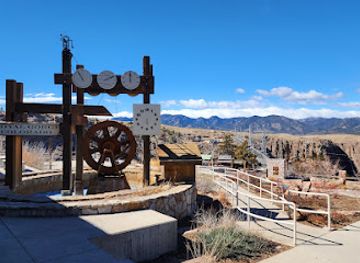
Royal Gorge Bridge & Park
Discover the Royal Gorge Bridge & Park: a breathtaking blend of history, adventure, and stunning natural beauty in Colorado's majestic landscapes.
-
Tourist attraction
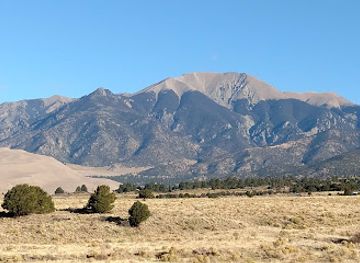
Great Sand Dunes National Park and Preserve
Experience the breathtaking beauty and adventure at Great Sand Dunes National Park and Preserve, where towering dunes meet diverse ecosystems in Colorado.
-
Tourist attraction
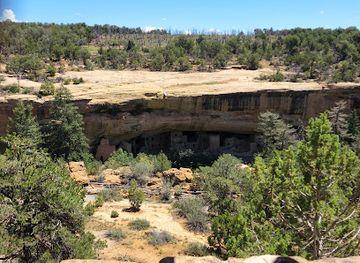
Mesa Verde National Park
Witness the incredible cliff dwellings and rich history of Mesa Verde National Park, a UNESCO World Heritage Site in Colorado's stunning landscapes.
Explore High Plains on the map
Plan your trip on one map. See where the top cities, national parks and sights are, and book hotels and experiences in a few clicks.
Best hotels in High Plains
Best restaurants in High Plains
Nestled in the rugged charm of Colorado's High Plains, the dining scene is a flavorful tapestry that mirrors its diverse cultural heritage and breathtaking landscapes. Visitors can embark on a culinary journey that ranges from the hearty, rustic flavors of traditional cowboy fare in local steakhouses to the intricate, spice-laden dishes inspired by the region's Hispanic heritage. Farm-to-table bistros celebrate the bounty of the plains with fresh, locally-sourced ingredients, while quaint cafes and diners offer comforting homestyle cooking that feels like a warm embrace. For those with a taste for adventure, unique game meats and inventive craft beers brewed in the shadow of the Rockies offer a taste of the untamed spirit of the West. Whether you're indulging in a gourmet meal at a refined restaurant or savoring a slice of homemade pie in a roadside diner, the High Plains dining scene promises a memorable experience that captures the essence of its surroundings.
-
Pizza
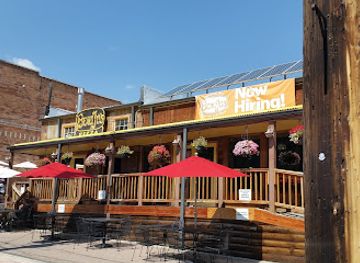
Beau Jo's Idaho Springs
Experience authentic mountain-style pizza at Beau Jo's Idaho Springs - where flavor meets fun in a cozy setting.
-
American
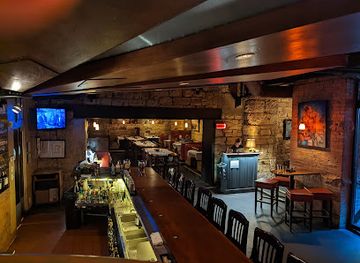
The Rabbit Hole
Discover culinary creativity at The Rabbit Hole - where fine dining meets innovative American flavors in the heart of Colorado Springs.
-
Steak
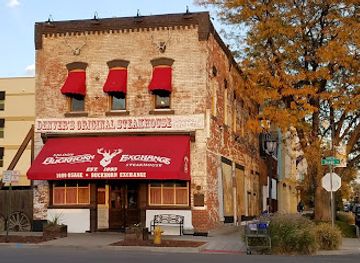
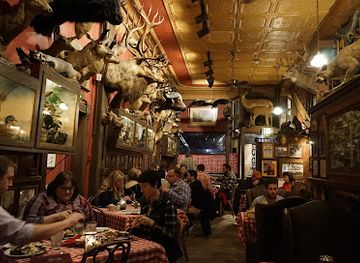
Buckhorn Exchange
Experience Denver's culinary heritage at Buckhorn Exchange – where history meets delicious steaks and unique game meats.
-
Steak
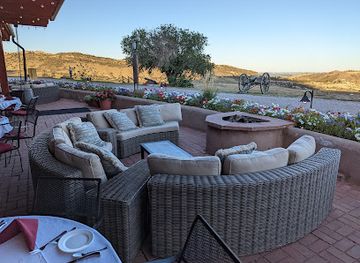
The Fort
Discover The Fort: A premier steakhouse in Morrison offering exquisite American cuisine amidst breathtaking mountain views.
Best bars in High Plains
The High Plains of Colorado transform into a vibrant tapestry of nightlife that enchants visitors with its unique blend of rustic charm and modern flair. As the sun dips below the horizon, small towns like Sterling and Fort Morgan come alive with an array of lively bars and cozy pubs that offer a true taste of local culture. Visitors can expect to enjoy live country or bluegrass music performances that echo the region's rich cultural heritage, while savoring locally crafted beers and spirits that showcase the area's brewing expertise. For those seeking a more laid-back evening, the High Plains also offer intimate venues perfect for unwinding with friends under the vast, starry skies, or engaging in spirited conversations with friendly locals who are always eager to share tales of the land's storied past. Whether you're in search of a foot-stomping dance floor or a quiet corner for reflection, the High Plains' nightlife promises an unforgettable experience that captures the heart and soul of Colorado's eastern frontier.
-
Bar
Buckhorn Exchange
Experience the Wild West at Buckhorn Exchange, Denver's historic bar and steakhouse serving exotic meats and local flavors.
-
Bar
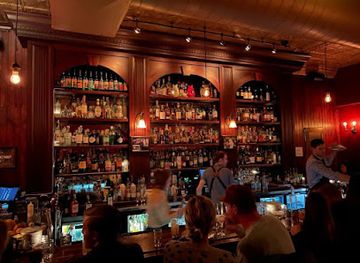
Williams & Graham
Discover the elegance of Williams & Graham, a premier cocktail bar in Denver's Highland neighborhood, renowned for its exquisite drinks and vibrant atmosphere.
-
Bar
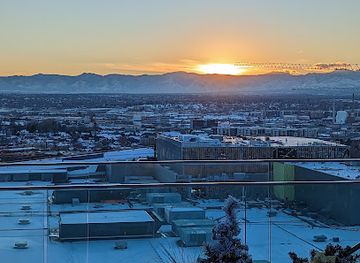
54thirty Rooftop
Experience stunning views and exquisite cocktails at 54thirty Rooftop, Denver's premier rooftop bar, where city life meets mountain beauty.
-
Bar
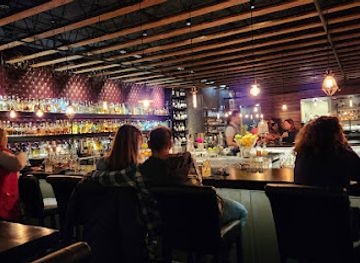
Social
Discover the vibrant nightlife at Social in Fort Collins, a premier bar known for its unique atmosphere and exquisite cocktails.
Best nightclubs in High Plains
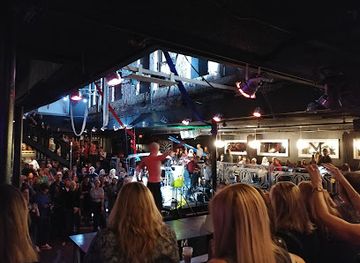
The High Plains of Colorado transform into a vibrant tapestry of nightlife that enchants visitors with its unique blend of rustic charm and modern flair. As the sun dips below the horizon, small towns like Sterling and Fort Morgan come alive with an array of lively bars and cozy pubs that offer a true taste of local culture. Visitors can expect to enjoy live country or bluegrass music performances that echo the region's rich cultural heritage, while savoring locally crafted beers and spirits that showcase the area's brewing expertise. For those seeking a more laid-back evening, the High Plains also offer intimate venues perfect for unwinding with friends under the vast, starry skies, or engaging in spirited conversations with friendly locals who are always eager to share tales of the land's storied past. Whether you're in search of a foot-stomping dance floor or a quiet corner for reflection, the High Plains' nightlife promises an unforgettable experience that captures the heart and soul of Colorado's eastern frontier.
-
Night club
Blue Ice
Experience the vibrant nightlife of Denver at Blue Ice, a top-rated club and bar known for its electrifying atmosphere and fantastic music.
-
Night club
Temple Nightclub Denver
Discover the pulse of Denver's nightlife at Temple Nightclub, where live music, dancing, and unforgettable experiences await.
-
Night club
Mansion
Mansion Nightclub: The Heartbeat of Colorado Springs' Nightlife Scene - Dance, Drink, and Celebrate in Style.
-
Night club
Cecilia's Nightclub and Cocktail Bar
Experience the vibrant nightlife of Breckenridge at Cecilia's Nightclub and Cocktail Bar, where expertly crafted cocktails and an energetic atmosphere await.



Best shops in High Plains
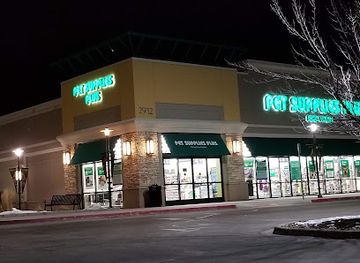
The High Plains of Colorado offer a uniquely charming shopping experience that blends the rustic allure of the Old West with vibrant local artistry and modern-day conveniences. Visitors can stroll through quaint downtown areas dotted with vintage boutiques and antique shops, where every item seems to have a story waiting to be discovered. Art lovers will delight in galleries showcasing the work of local artisans, offering everything from stunning hand-crafted pottery to intricate Native American jewelry. For those seeking a taste of local flavor, farmers' markets abound, brimming with fresh produce, homemade jams, and artisanal cheeses that capture the essence of the region. Specialty stores featuring cowboy gear, from hand-tooled leather boots to stylish hats, invite travelers to take a piece of the Western lifestyle home. With an array of unique finds and friendly shopkeepers eager to share the history and culture of the High Plains, shopping here promises an unforgettable adventure.
-
Outlet mall
Colorado Mills
Explore Colorado Mills, Lakewood's premier outlet mall, featuring over 200 stores, diverse dining options, and exciting entertainment choices for all visitors.
-
Shopping mall
Front Range Village
Discover Front Range Village: Fort Collins' premier destination for shopping, dining, and entertainment in a vibrant and family-friendly atmosphere.
-
Cannabis store
High Plainz Strains Dispensary - Garden City
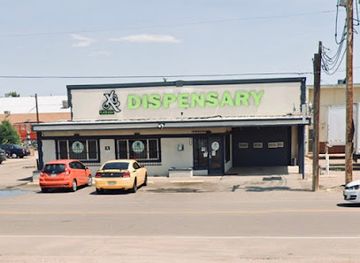
Explore High Plainz Strains Dispensary in Garden City for a welcoming atmosphere and a wide selection of premium cannabis products.
-
Collectibles store
Fifty Two 80's A Totally Awesome Shop
Explore the vibrant world of the 1980s at Fifty Two 80's, a treasure trove of collectibles and vintage clothing in Denver.


Get your free copy of our complete guide to High Plains, delivered straight to you.
Everything on this page, from attractions and restaurants to essentials and local phrases, in one PDF you can read offline, print or share.
Already have an account? Sign in
Your High Plains guide is ready.
We'll send it to · Not you? Sign out

Getting your guide ready…
We are putting together a fresh copy of the High Plains guide. This can take up to a minute.
This can take a few moments. If your browser asks, choose Allow so the download can start. You'll find the guide in your Downloads folder.
Nothing happened? Download it again
Sorry, the guide is taking longer than usual. Please try again in a minute, or get it by email instead.
High Plains essentials
Currency and Payment
Safety
Emergency Situations
Do's and Don'ts
Local Tips
From Eve
Local phrases worth knowing
You don't need to get them perfect. A few words go a long way, and locals appreciate the effort.
Basics
| English | Local | Say it |
|---|---|---|
| Hello | Howdy | [how-dee] |
| Goodbye | See ya later | [see ya lay-ter] |
| Yes | Yep | [yehp] |
| No | Nah | [nah] |
| Please/You're welcome | Sure thing | [shur thing] |
| Thank you | Thanks a bunch | [thanks a bunch] |
| Excuse me/Sorry | Pardon me | [par-don mee] |
| How are you? | How're ya doin'? | [how-er ya doin] |
| Fine. And you? | Good, and you? | [good, and you] |
| Do you speak English? | You speakin' English? | [you speakin' ing-glish] |
| I don't understand | I ain't followin' | [I ain't followin'] |
Eating & Drinking
| English | Local | Say it |
|---|---|---|
| I'd like to see the menu, please | Can I see the menu? | [can I see the men-oo] |
| I don't eat meat | I'm not a meat eater | [I'm not a meet ee-ter] |
| Cheers! | Here's to ya! | [hears to ya] |
| I would like to pay, please | Can I settle up? | [can I set-el up] |
Emergencies
| English | Local | Say it |
|---|---|---|
| Help! | Help me! | [help mee] |
| Go away! | Leave me be! | [leave me bee] |
| Call the Police! | Get the cops! | [get the cops] |
| Call a doctor! | Get a doc! | [get a doc] |
| I'm lost | I'm turned around | [I'm turned a-round] |
| I'm ill | I'm feelin' sick | [I'm feelin' sick] |
Shopping
| English | Local | Say it |
|---|---|---|
| I'd like to buy... | I wanna buy... | [I wanna buy] |
| I'm just looking | Just browsin' | [just brow-zin] |
| How much is it? | What’s the price? | [what's the price] |
| That's too expensive | That's a bit pricey | [that's a bit pry-see] |
| Can you lower the price? | Can you knock it down? | [can you knock it down] |
Time & Numbers
| English | Local | Say it |
|---|---|---|
| What time is it? | What's the time? | [what's the time] |
| It's one o'clock | It's one | [it's one] |
| Half past (10) | Half past ten | [half past ten] |
| Morning | Mornin' | [mornin] |
| Afternoon | After-noon | [after-noon] |
| Evening | Evenin' | [evenin] |
| Yesterday | Yesterday | [yes-ter-day] |
| Today | Today | [to-day] |
| Tomorrow | Tomorrow | [to-mor-row] |
| 1 | One | [one] |
| 2 | Two | [two] |
| 3 | Three | [three] |
| 4 | Four | [four] |
| 5 | Five | [five] |
| 6 | Six | [six] |
| 7 | Seven | [seven] |
| 8 | Eight | [eight] |
| 9 | Nine | [nine] |
| 10 | Ten | [ten] |
Transport & Directions
| English | Local | Say it |
|---|---|---|
| Where's a/the...? | Where's the nearest...? | [where's the nearest] |
| What's the address? | What's the addy? | [what's the addy] |
| Can you show me (on the map)? | Can you point it out? | [can you point it out] |
| When's the next (bus)? | When's the next bus? | [when's the next bus] |
| A ticket (to ....) | One ticket to ... | [one ticket to ...] |
History of High Plains
Ancient Indigenous Peoples
Long before European settlers arrived, the High Plains of Colorado were home to various indigenous tribes, including the Arapaho, Cheyenne, and Ute peoples. These tribes lived off the land, hunting buffalo and other game, and established complex trade networks with neighboring tribes. The High Plains were not just a place of survival but a cultural and spiritual hub for these indigenous communities.
The Pike Expedition
In 1806, the High Plains saw the arrival of American explorer Zebulon Pike, who led an expedition to explore the southwestern part of the Louisiana Purchase. Pike's journey through the High Plains was marked by harsh conditions and interactions with indigenous tribes. Although Pike's expedition did not result in immediate settlement, it increased American interest in the region.
Homestead Act and Settlement
The passage of the Homestead Act in 1862 led to an influx of settlers to the High Plains. This act allowed individuals to claim 160 acres of public land, provided they improved it by building a dwelling and cultivating the land. This period saw the establishment of small farming communities and the transformation of the High Plains landscape through agriculture and ranching.
Dust Bowl Era
During the 1930s, the High Plains were severely affected by the Dust Bowl, a period of severe dust storms and drought that devastated the agricultural economy. Farmers faced crop failures and were forced to abandon their lands. This era is a poignant chapter in the history of the High Plains, highlighting the region's vulnerability to environmental changes.
World War II and the High Plains
The High Plains played a significant role during World War II, with the establishment of military bases and training facilities. The region's vast open spaces were ideal for aerial training exercises. The presence of military installations brought economic growth and infrastructural development, leaving a lasting impact on the High Plains.
Modern-Day High Plains
Today, the High Plains of Colorado are a blend of historical heritage and modern development. Agriculture remains a cornerstone of the local economy, with advancements in farming technology. The region also celebrates its rich history through various cultural events and historical sites, attracting tourists and history enthusiasts alike.
High Plains in Photos
Browse through our photo collection highlighting the charm and character of the destination.
Neighbouring regions of High Plains
The closest regions to High Plains, if you have time for more than one.
-

-
 Front Range
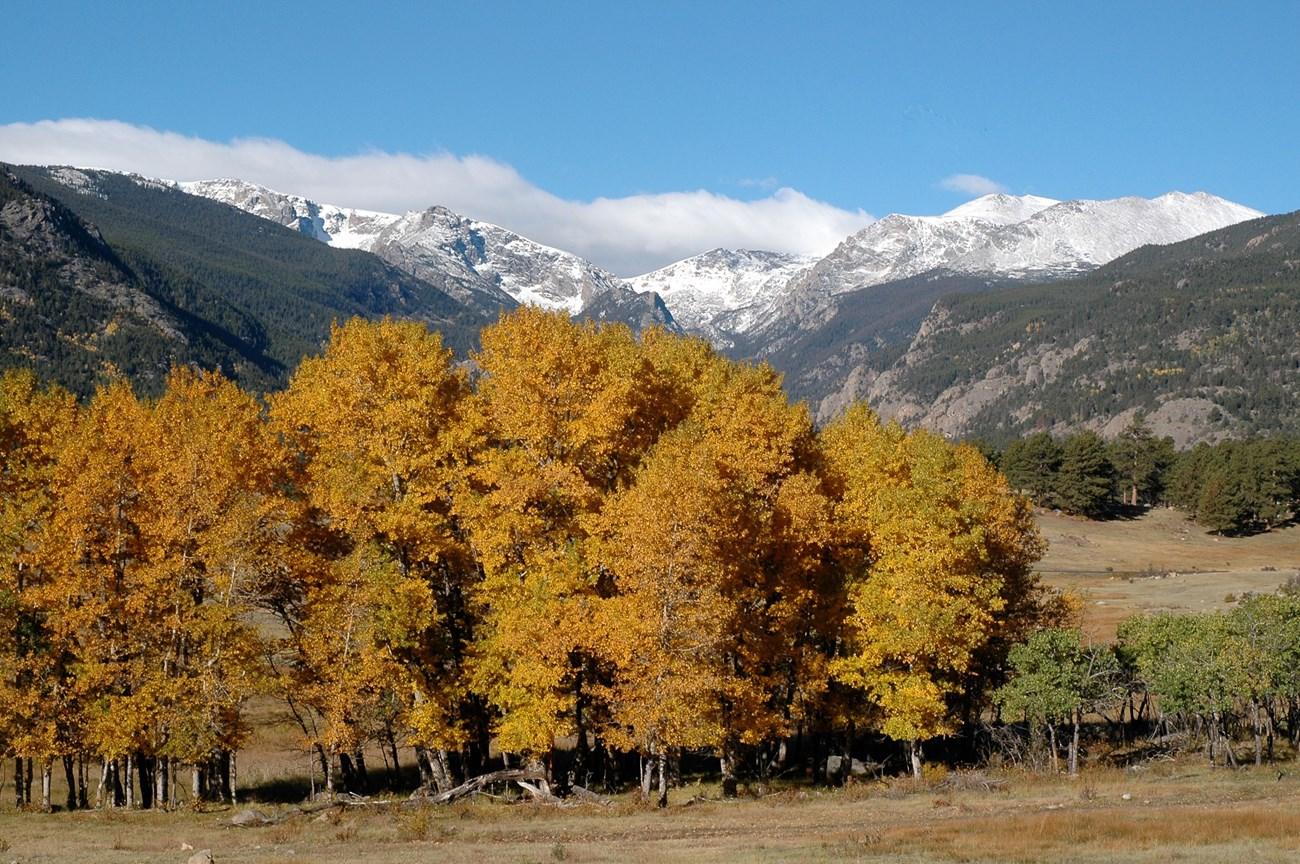
Explore Colorado’s Front Range for Denver culture, foothill trails, red-rock parks, mountain views, craft breweries and historic towns.
Front Range
Explore Colorado’s Front Range for Denver culture, foothill trails, red-rock parks, mountain views, craft breweries and historic towns.
-

-

-
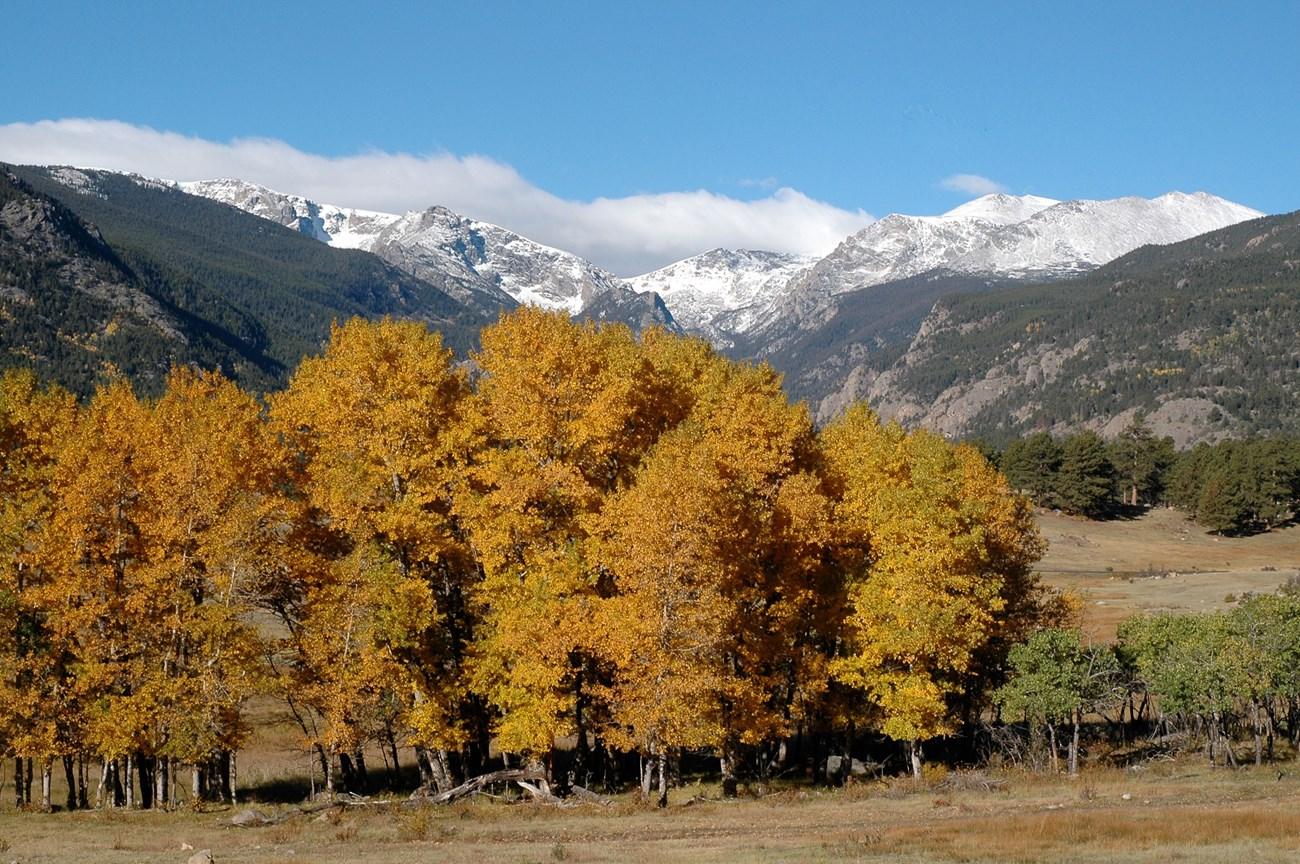 Northern Colorado
 pairs Fort Collins, Loveland and Greeley with Rocky Mountain landscapes, craft breweries, farm country and outdoor adventure.
Northern Colorado
Northern Colorado pairs Fort Collins, Loveland and Greeley with Rocky Mountain landscapes, craft breweries, farm country and outdoor adventure.


Swipe for more regions
Explore more

Explore more of Colorado
Discover Colorado: A stunning blend of rugged mountains, vibrant cities, and rich history, offering endless adventures and unforgettable experiences.
Explore Colorado