Comoé, Comoe River Travel Guide
Explore the Comoé River, the heart of West Africa's largest national park, a haven for biodiversity and stunning landscapes.
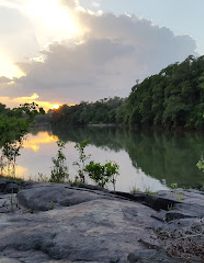
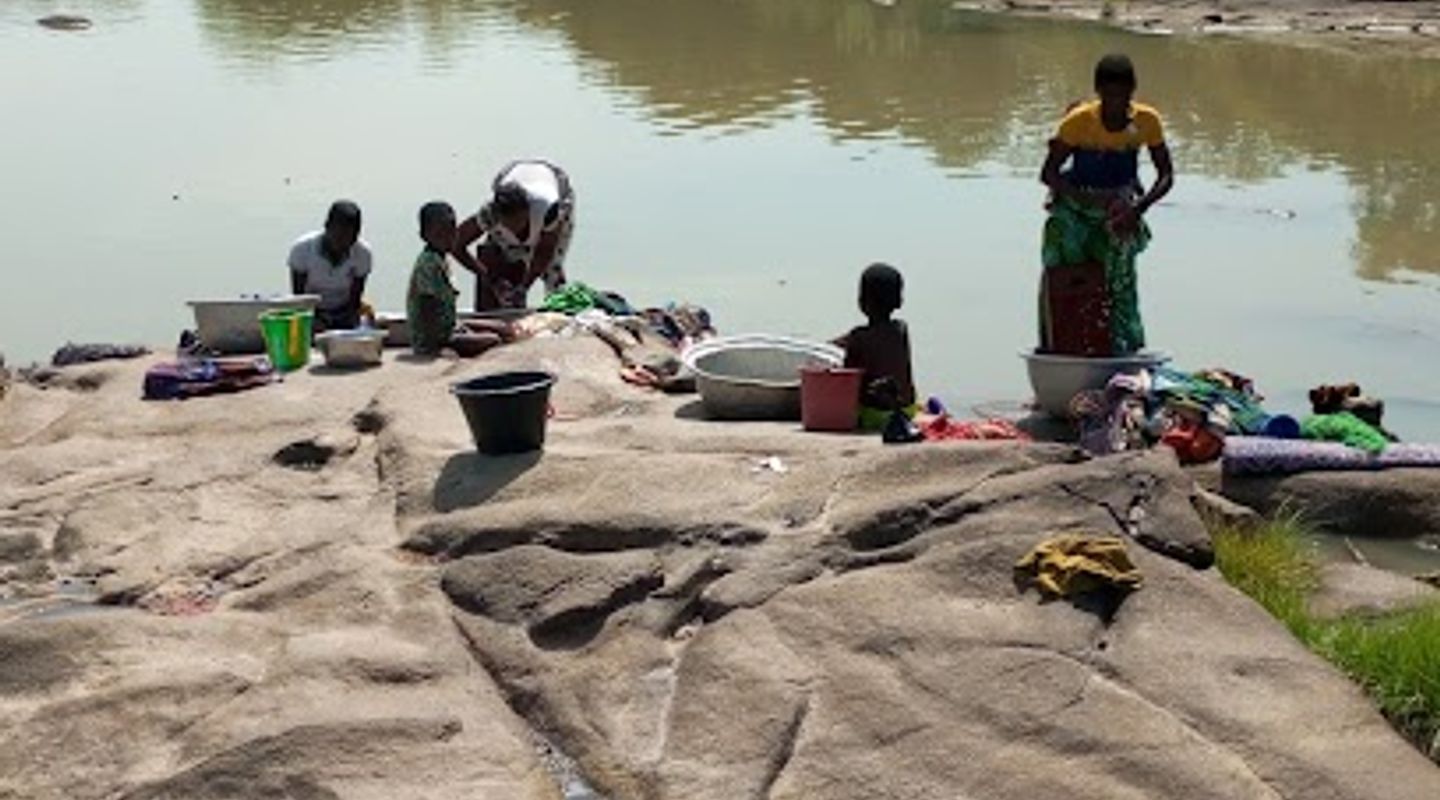
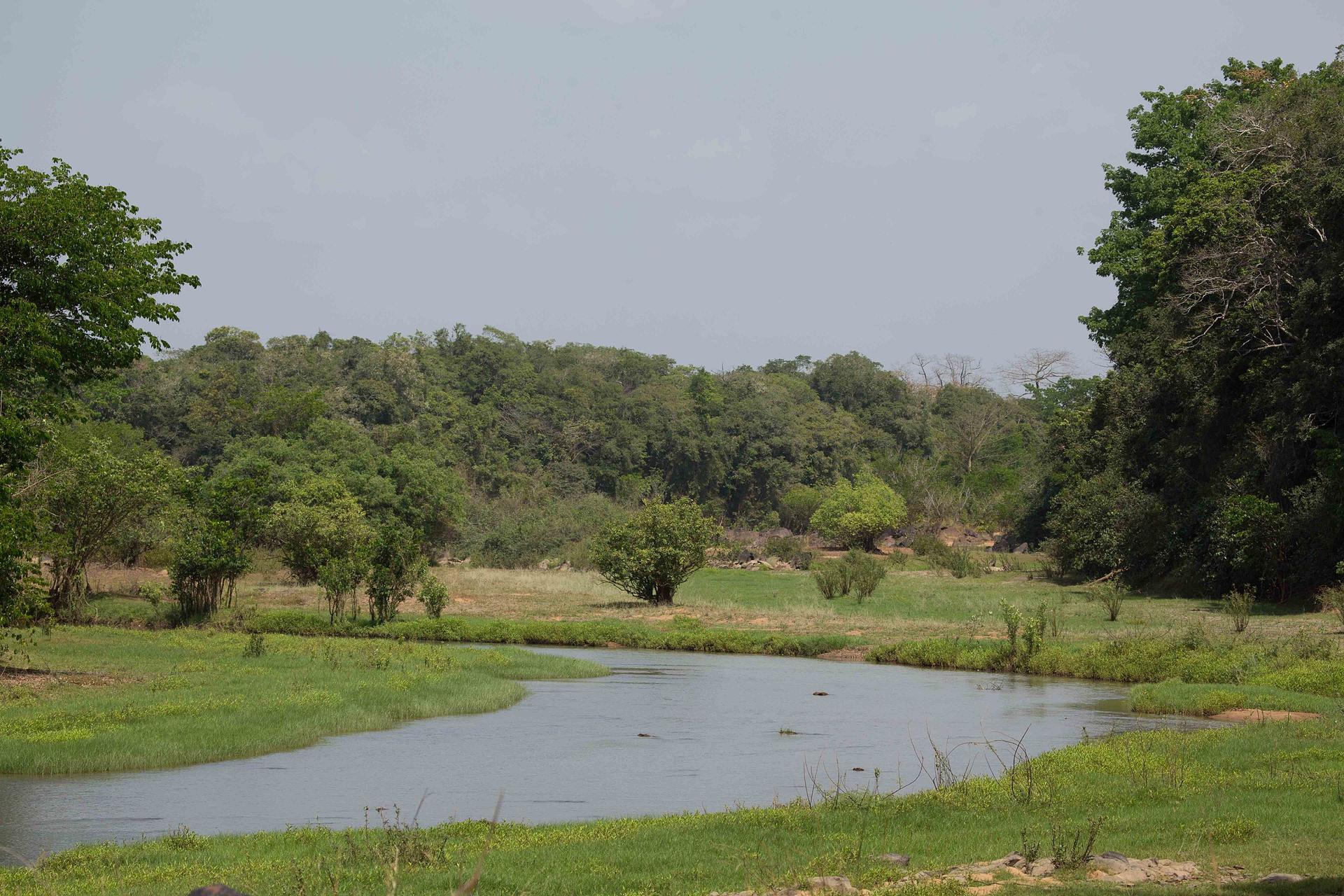
The Comoé River, a vital waterway in West Africa, originates in Burkina Faso and flows through Côte d'Ivoire, serving as the drainage for the northeastern part of the country before emptying into the Atlantic Ocean. It is the source of life and biodiversity for the Comoé National Park, a UNESCO World Heritage Site and one of the largest protected areas in West Africa.
A brief summary to Comoé
- CI

Know before you go
Hi, I'm Eve. Here are a few practical things to know before exploring Comoé.
- The best time to visit Comoé National Park and see the river is during the dry season (November to March) for comfortable temperatures and easier wildlife spotting.
- Bring insect repellent, as mosquitoes and tsetse flies can be prevalent, especially near the river.
- Consider hiring a local guide to navigate the park and learn about the diverse flora and fauna along the Comoé River.
Do you manage this location?
Take control to get all the benefits, like improved information, better appearance, and stronger visibility across AI-powered discovery. Learn more about listing your business on Evendo
Activate your presenceOther nearby places you may find interesting
The closest places of the same kind, if this one is not quite what you had in mind.
Explore Comoé on the Map
A handpicked selection of must-see spots near Comoé, mapped for you.
Getting There
-
Driving
From Bouna, the closest major town, access to Comoé National Park and the Comoé River is challenging due to rough roads. A 4x4 vehicle is highly recommended. Roads are often unpaved and can be difficult to navigate, especially during the rainy season. There are no established car rental agencies in Bouna, so arranging transportation from larger cities like Abidjan is necessary. Expect a full-day drive from Abidjan to Bouna, followed by several hours to reach the park entrance. There are no tolls. Parking is available near the park's entrance, but facilities are basic.
-
Public Transport
Public transport to Comoé National Park is limited and unreliable. Shared taxis or bush taxis ('gbakas') can take you from Abidjan to Bouna, but these are often overcrowded and make frequent stops. From Bouna, hiring a local driver with a 4x4 is the only practical option to reach the park and the river. The cost for a shared taxi from Abidjan to Bouna is approximately 5,000-10,000 CFA francs. Hiring a driver in Bouna can cost between 15,000-30,000 CFA francs for a day trip to the park, depending on the vehicle and negotiation.
Discover more about Comoé













Your all‑in‑one travel companion app
Explore expert travel guides, compare and book tours, experiences, hotels, and more—all from the palm of your hand. Download now for seamless trip planning wherever your wanderlust takes you.


Explore More of Comoe River
Looking beyond Comoé? Discover Comoe River for broader travel guides, local hot-spots, and regional highlights.
Explore Comoe River