Marahoué National Park: A Biodiversity Hotspot
Explore Marahoué National Park in Ivory Coast: A haven for birdwatchers and nature enthusiasts seeking serene landscapes and diverse flora.
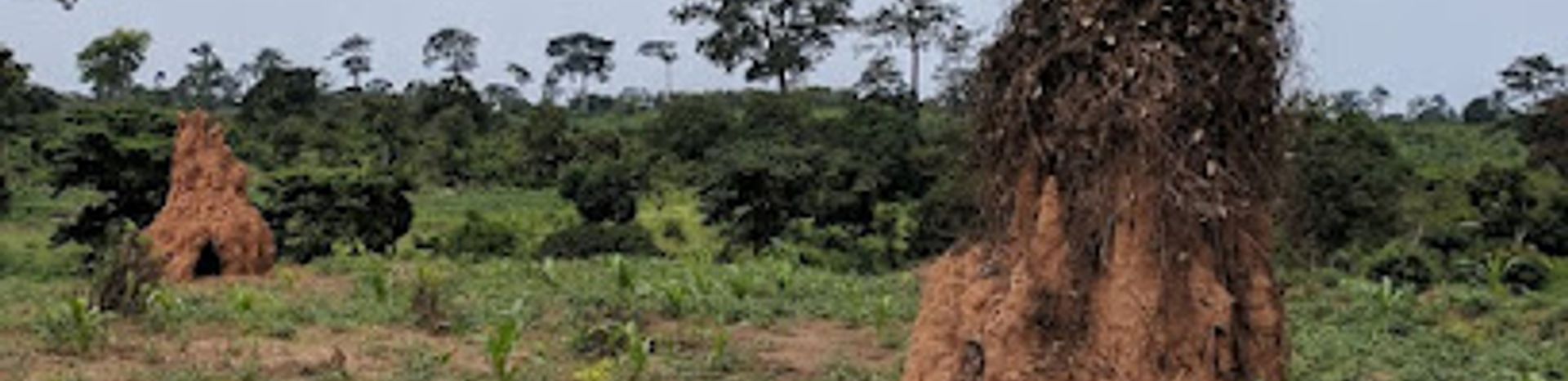
Marahoué National Park, established in 1968, is located in the Marahoué region of Ivory Coast. Once a vibrant ecosystem, it has faced significant challenges from deforestation and encroachment. Despite these issues, it remains an important area for biodiversity, offering a glimpse into the natural landscapes of the region.
A brief summary to Marahoué National Park
- A6, CI
Local tips
- Visit during the dry season (November to March) for the best wildlife sightings and hiking conditions.
- Bring binoculars for birdwatching; the park is home to a diverse range of bird species.
- Wear comfortable hiking shoes and be prepared for muddy trails, especially after rain.
- Pack plenty of water and snacks, as facilities within the park are limited.

Getting There
-
Public Transport
To reach Marahoué National Park via public transport from Daloa, take a bus from Avenue du 7 Août towards Bouaflé or Yamoussoukro. The journey typically takes 1.5 to 2 hours. Inform the conductor you want to get off near the park. From the drop-off point, hire a motorbike taxi (Zémidjan) to the park entrance; negotiate the fare, typically around 2,000-3,000 CFA francs.
-
Car
If driving from Lacs, take the A6 road towards Marahoué National Park, approximately 90 kilometers away. Follow the A6 and look for signs indicating the turn to enter the park. Ensure you have enough fuel for the round trip. Entrance fee to the park is approximately 2,000 CFA francs.
Discover more about Marahoué National Park
Iconic landmarks you can’t miss

BAMOJEMA PRODUCTION
51.0 km
Experience the vibrant culture of Daloa through film at BAMOJEMA PRODUCTION, a cozy movie theater offering a diverse selection of cinematic experiences.
Market tazibouo
51.3 km
Experience the vibrant local culture and commerce at Market Tazibouo in Daloa, Ivory Coast.
orly-plateau
51.3 km
Experience comfort and local culture at Orly Plateau, your peaceful retreat in Daloa, Côte d'Ivoire.
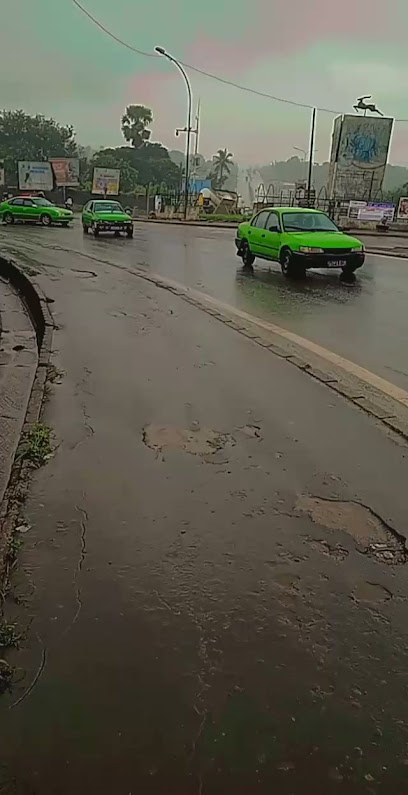
Le Toit de Daloa
51.3 km
Experience the rich flavors of Daloa at Le Toit de Daloa, a charming wine cellar and bistro that captures the essence of Ivorian culinary culture.
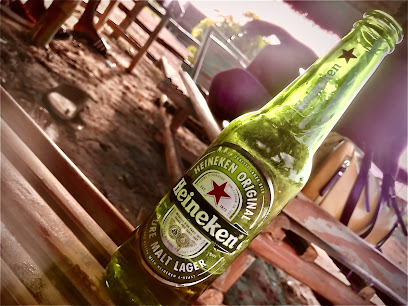
Mosquee Ayouba
52.1 km
Discover the serene beauty and cultural significance of Mosquee Ayouba in Daloa, Ivory Coast, a captivating landmark reflecting local Islamic traditions.
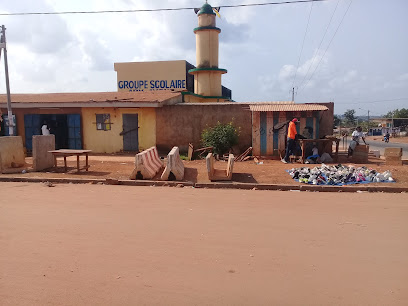
Petit marché de Lobia 2
52.1 km
Experience the vibrant heart of Daloa at Petit Marché de Lobia 2, a bustling marketplace filled with local crafts, food, and community spirit.

O'LUX CAVE DALOA
52.2 km
Discover Ivorian flavors at O'LUX CAVE DALOA, a culinary haven in Daloa offering a fusion of local ingredients and contemporary techniques.
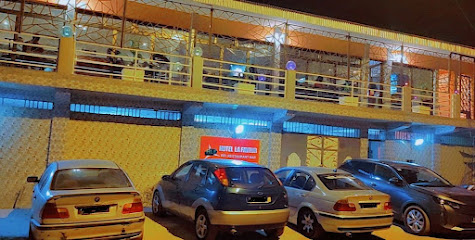
MAIRIE DE DALOA
52.5 km
Discover the vibrant heart of Daloa at the City Hall, a hub of local governance, culture, and history in the Ivory Coast.
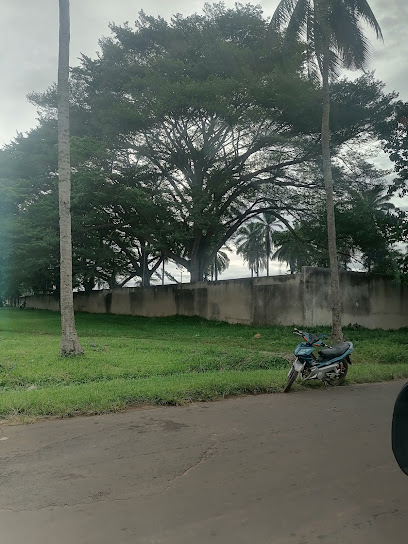
Belle côte
53.7 km
Discover the serene beauty and cultural richness of Belle Côte Mosque in Daloa, a symbol of faith and architectural elegance.
Côte d'Ivoire
72.2 km
Discover Côte d'Ivoire's heart: A unique park in Mandanou showcasing the nation's diverse regions and culture.
DALOA
72.2 km
Discover Daloa, Ivory Coast: a vibrant hub of cocoa, culture, and natural beauty, offering an authentic Ivorian experience off the beaten path.
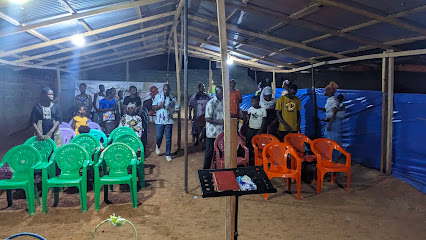
Yamoussoukro Airport
76.0 km
Discover Yamoussoukro: Your Ivorian adventure begins at its convenient and welcoming airport, offering easy access to cultural treasures.
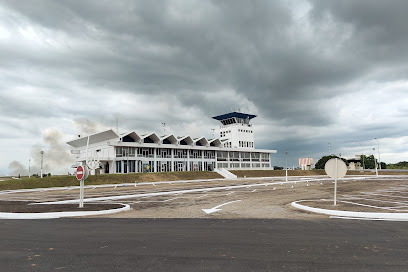
Résidence MAYA yamoussoukro
86.5 km
Experience comfort and convenience at Résidence MAYA, your ideal base for exploring Yamoussoukro's iconic landmarks and cultural treasures.
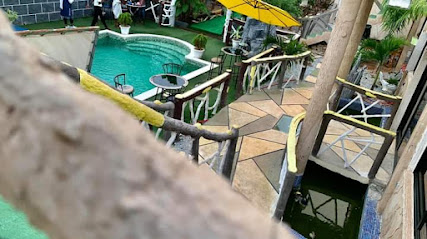
Yamoussoukro
86.6 km
Discover Yamoussoukro, Côte d'Ivoire: A capital city of contrasts, boasting grand architecture, rich culture, and a unique blend of modern and traditional life.
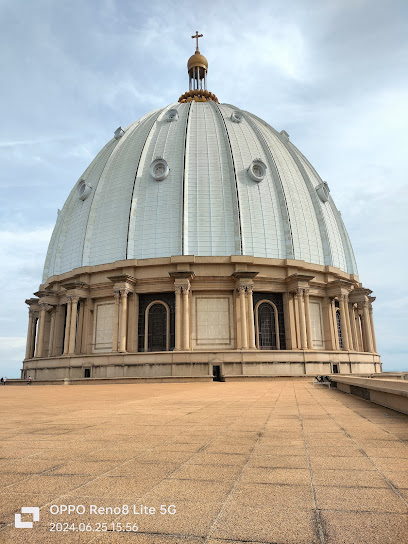
Palais présidentiel de Yamoussoukro
86.7 km
Witness the grandeur of Côte d'Ivoire's presidential palace in Yamoussoukro, a symbol of national pride and architectural ambition.
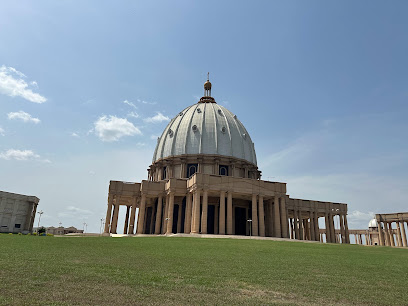
Unmissable attractions to see

QUARTIER AZAGUIE
18.6 km
Discover QUARTIER AZAGUIE in Bonon: A serene garden retreat filled with vibrant flora, perfect for relaxation and nature enthusiasts seeking tranquility.
QUARTIER BROZRA
19.0 km
Experience the tranquil beauty of Quartier Brozra, a hidden garden gem in Bonon, perfect for relaxation and nature walks.
Espace AWE
33.9 km
Experience the tranquility of Espace AWE, a stunning garden in Bouaflé, where nature meets peace and serenity amidst vibrant flora.
Limite zerefla
40.8 km
Explore Limite Zerefla in Daloa, a serene tourist attraction showcasing the natural beauty and vibrant culture of Côte d'Ivoire.
Association des tisserands de gohitafla
46.9 km
Explore the artistry of traditional weaving at the Association des Tisserands de Gohitafla, a vibrant showcase of local craftsmanship and culture.
Mosquée, Tazibouo
50.9 km
Explore the serene beauty and cultural richness of Mosquée, Tazibouo, a captivating mosque in Daloa, Côte d'Ivoire, that reflects local traditions.
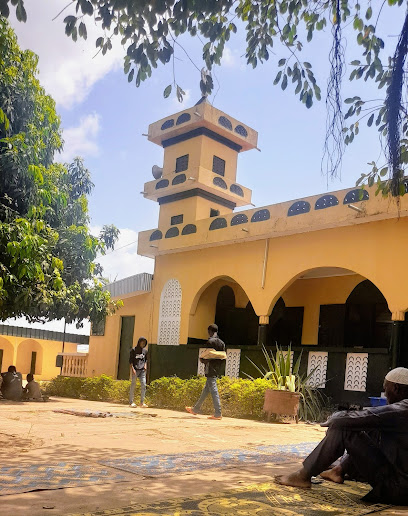
Lac de Gbokora
52.1 km
Discover the serene beauty of Lac de Gbokora, a tranquil nature preserve near Daloa, perfect for relaxation and wildlife observation.
Great Mosque of Daloa
52.9 km
Discover the beauty and spirituality of the Great Mosque of Daloa, a cultural gem in the heart of Ivory Coast's rich heritage.
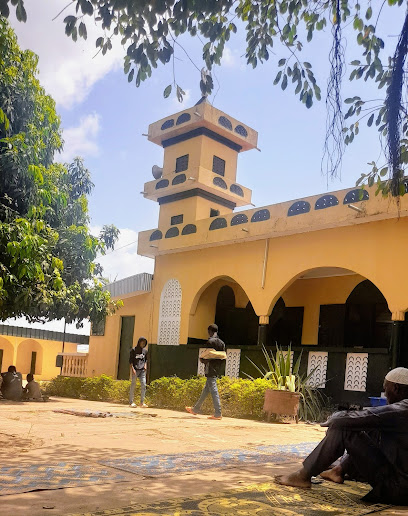
SINFRA
54.1 km
Explore the enchanting town of Sinfra, where rich culture meets stunning landscapes in the heart of Ivory Coast.
Location Motos Chez Pablo
54.3 km
Discover Angovia's hidden gems with thrilling motorbike adventures at Location Motos Chez Pablo, where culture meets excitement in Côte d'Ivoire.
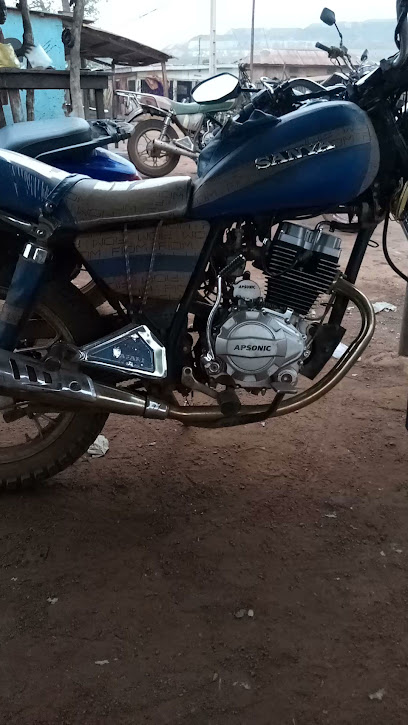
Gbetitapia
58.1 km
Experience Gbetitapia: A serene tourist attraction in Balagoua known for its stunning landscapes and rich cultural heritage.
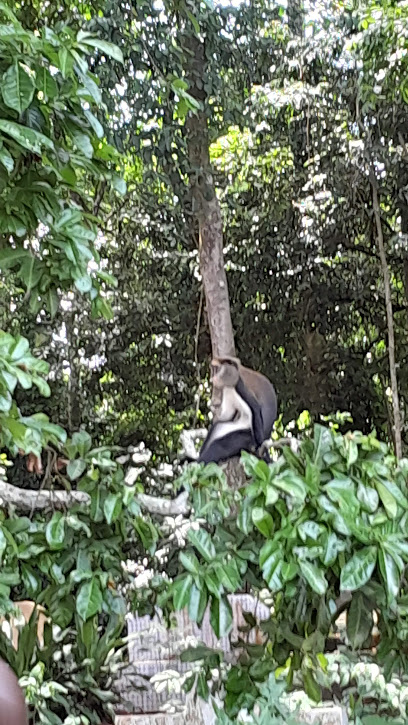
Le confluent
59.0 km
Experience the serene beauty of Le Confluent, a stunning tourist attraction in Bonzi, perfect for nature lovers and relaxation seekers.
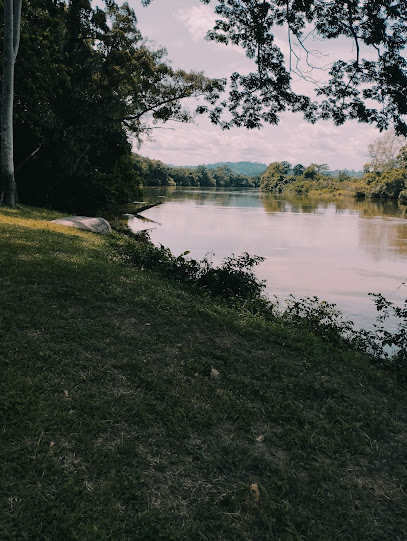
TOUBIB ADIAKE
72.2 km
Explore the tranquil beauty and rich culture of Toubib Adiake, a must-visit tourist attraction in the heart of the Ivory Coast.
Kaku kyk kanebo kering
72.2 km
Explore the stunning hiking trails and breathtaking landscapes of Kaku Kyk Kanebo Kering, a natural paradise in Mandanou, Ivory Coast.
Grand bassam
72.2 km
Escape to Kaku Kyk Kanebo Kering near Grand-Bassam: Hike scenic trails, discover diverse wildlife, and immerse yourself in Ivory Coast's natural beauty.
Essential places to dine

L'Etoile de la Marahoue
32.8 km
Experience the vibrant flavors of Ivorian cuisine at L'Etoile de la Marahoue - where tradition meets taste.
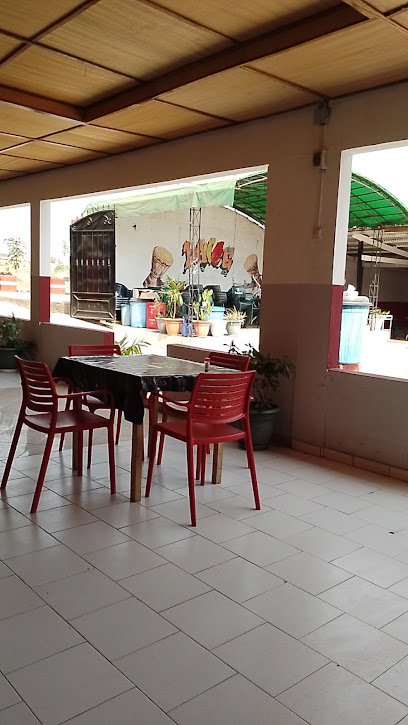
Restaurant Sénégalaise
33.0 km
Experience authentic Senegalese cuisine at Restaurant Sénégalaise in Bouaflé – a culinary gem offering rich flavors and warm hospitality.
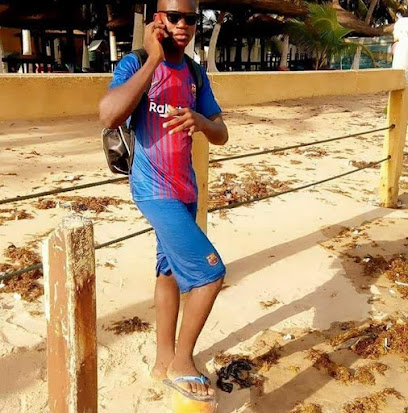
MAQUIS CAÏMAN DALOA
49.6 km
Experience authentic Ivorian cuisine at Maquis Caïman Daloa – where every dish is a celebration of local flavors.
Le biekosseu
50.3 km
Experience authentic Ivorian cuisine at Le Biekosseu in Daloa – a culinary haven for food lovers seeking local flavors.

ESPACE LE MAKI
50.5 km
Discover authentic French cuisine at Espace Le Maki in Daloa—where culinary artistry meets local charm.
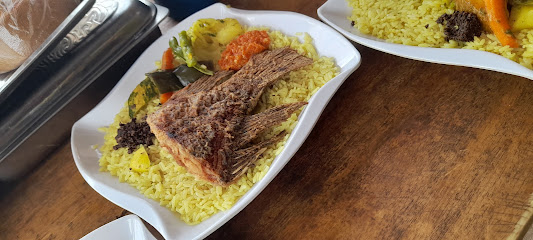
Restaurant Chinois-africain-européen
50.6 km
Discover the unique fusion of Chinese, African, and European cuisines at Restaurant Chinois-Africain-Européen in Daloa.
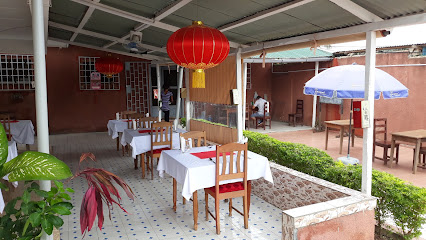
Lylydee
50.6 km
Experience authentic Ivorian cuisine at Lylydee - a culinary gem in Daloa offering rich flavors and warm hospitality.
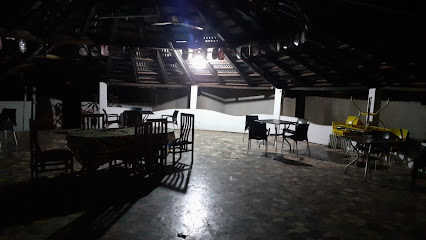
Diamant rose - chez Diane
50.7 km
Experience authentic Ivorian cuisine at Diamant Rose - Chez Diane in Daloa; where tradition meets flavor in every dish.
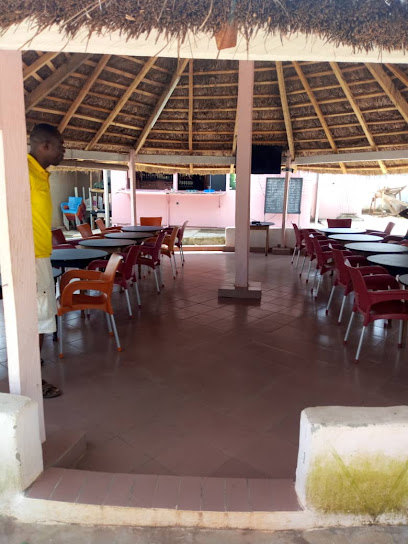
La villa
50.8 km
Experience authentic Ivorian cuisine at La Villa in Daloa – where every meal tells a story.
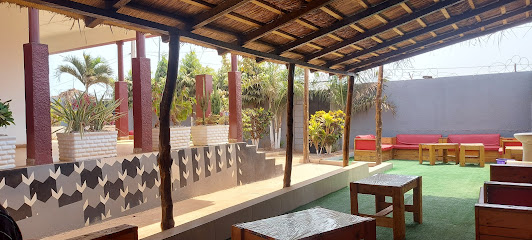
CHILL HOUSE (Daloa)
50.8 km
Savor the authentic taste of African cuisine at Chill House, a delightful dining destination in Daloa offering traditional dishes in a vibrant atmosphere.
Maquis Resto Le Couloir
50.9 km
Discover authentic Ivorian flavors at Maquis Resto Le Couloir in Daloa – a must-visit restaurant offering delicious local dishes in a warm atmosphere.
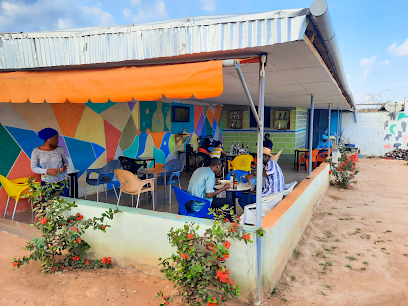
Attiékédrome
51.1 km
Experience authentic Ivorian cuisine at Attiékédrome in Daloa - a culinary journey through local flavors and vibrant culture.
sunrise
51.1 km
Discover authentic Ivorian cuisine at Sunrise Restaurant in Daloa, where every dish tells a story of rich flavors and cultural heritage.
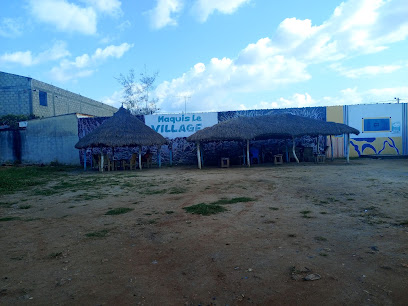
MAQUIS LE VILLAGE
51.2 km
Experience authentic Ivorian cuisine at Maquis Le Village in Daloa - where every dish tells a story.
Plein air en face de lion's
51.2 km
Experience authentic Ivorian barbecue at Plein Air en Face de Lion's in Daloa – where every meal is a celebration of flavor.
Markets, malls and hidden boutiques

Chez Farota
19.1 km
Explore unique Ivorian fashion and craftsmanship at Chez Farota, a must-visit clothing store in Bonon for an authentic shopping experience.

Magasin de stockage kapatchiva bonon bi zehitafla
19.5 km
Explore the vibrant culture of the Ivory Coast at Kapatchiva Bonon Bi Zehitafla, where unique local products and authentic craftsmanship await.
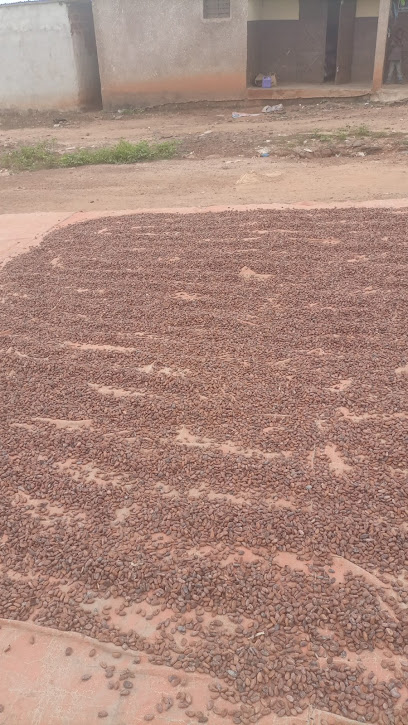
MAMADOU ALPHA
19.9 km
Explore Mamadou Alpha in Bonon, a vibrant general store filled with local crafts, snacks, and a warm community atmosphere.
Coulibaly minata
19.9 km
Discover the authentic treasures of Bonon at Coulibaly Minata, where local culture and craftsmanship come to life.
COCOTIER
19.9 km
Discover unique souvenirs and local crafts at Cocotier, Bonon's charming gift shop, where every item tells a story of the tropics.
PETIT MARCHE VLAMIDOU
20.4 km
Explore Petit Marché Vlamidou in Bonon for a vibrant shopping experience filled with local crafts, delicious food, and authentic Ivorian culture.
Ibrahim Boutique
23.1 km
Experience the best of shopping at Ibrahim Boutique, where local charm meets global style in a vibrant atmosphere.
Souper marchée mauritanien
24.1 km
Explore the flavors and crafts of Mauritania at Souper Marché Mauritanien in Luénoufla, a vibrant market showcasing local culture and artisanal goods.
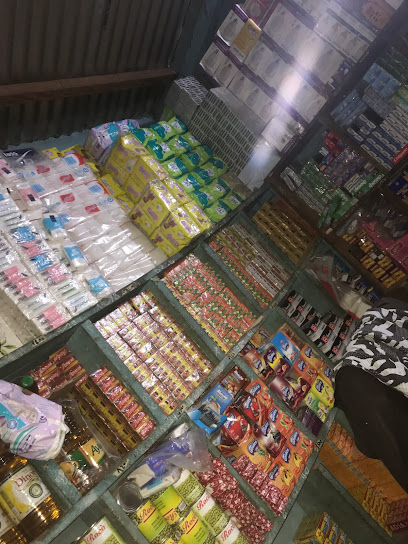
Kiosque SANS LOI
28.2 km
Experience the cozy charm of Kiosque SANS LOI, a delightful coffee shop in Garango, perfect for coffee lovers and travelers alike.
BALOBA BÉNI GAFOU
49.2 km
Discover the vibrant spirit of Daloa at BaloBa Béni Gafou, where local culture meets unique shopping experiences in a welcoming atmosphere.
Anoptic
49.8 km
Discover Anoptic in Daloa: a vibrant shopping mall blending local charm with international brands and diverse dining options.
BÉNIE BOUTIQUE DALOA
50.5 km
Explore the unique styles at Bénie Boutique Daloa, where fashion meets local craftsmanship for an unforgettable shopping experience.
Maria shop
50.9 km
Discover the best work clothes at Maria Shop in Daloa, a local favorite known for quality and style, perfect for tourists and locals alike.
MAGASIN SUCCÈS du Lycée des Jeunes filles de Daloa
51.1 km
Explore MAGASIN SUCCÈS in Daloa for a unique kilt shopping experience that blends tradition with modern flair.
Maquis chez Charly
51.2 km
Experience the heart of Ivorian cuisine at Maquis chez Charly in Daloa, where every dish tells a story of tradition and flavor.

Essential bars & hidden hideouts

Befla maquis Béninois
17.9 km
Discover the vibrant culture of Côte d'Ivoire at Befla Maquis, a lively bar in Bèfla serving traditional dishes and refreshing drinks.
MAQUIS BAR SCANDIA
18.6 km
Discover the vibrant nightlife at Maquis Bar Scandia in Bonon, where local flavors meet a lively atmosphere for an unforgettable experience.
Maquis la connexion
19.2 km
Discover the vibrant culture and flavors at Maquis la Connexion, the heart of Bonon's nightlife.
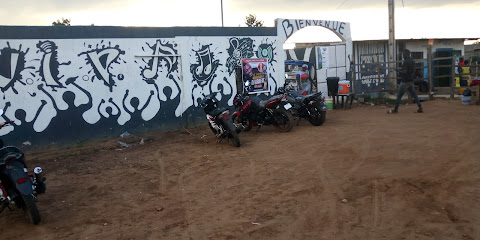
Maquis de aaron
20.7 km
Discover the lively ambiance of Maquis de Aaron in Bonon, where local flavors and refreshing drinks create the perfect setting for relaxation.

Maquis chez Juliette TRA LOU
22.5 km
Discover the heart of Bouaflé at Maquis chez Juliette TRA LOU, where authentic Ivorian food and vibrant local culture await your visit.
Cave Blablata
32.4 km
Discover the vibrant atmosphere and local flavors at Cave Blablata, a must-visit bar in Bouafle, perfect for unwinding after a day of exploration.
Maqui 1 plus
32.7 km
Discover the lively atmosphere of Maqui 1 Plus in Bouafle, where refreshing drinks meet the vibrant local nightlife.
Zongo cafe@bouafle
33.1 km
Discover the authentic flavors of Côte d'Ivoire at Zongo Café in Bouaflé, where grilled specialties and local culture blend seamlessly.
Napaongo
33.1 km
Discover Napaongo in Bouafle: a vibrant bar offering local drinks, delicious snacks, and a lively atmosphere perfect for unwinding and socializing.
BLING BLING CAVE VIP BOUAFLÉ
33.2 km
Discover the lively atmosphere at Bling Bling Cave VIP Bouaflé, where drinks, music, and camaraderie come together for an unforgettable night out.
MAQUIS SUPER BAOULÉ
33.3 km
Discover the local flavors and vibrant nightlife at Maquis Super Baoulé, Bouafle's top bar for an authentic Ivorian experience.
Diplomate Bar
33.3 km
Discover the vibrant nightlife of Bouafle at Diplomate Bar, where every drink tells a story in a lively and inviting atmosphere.
Consulat de cycy
33.9 km
Discover the lively spirit of Bouafle at Consulat de Cycy, a vibrant bar offering a delightful range of drinks and local culture.
Espace 3ème mi-temps
34.5 km
Discover Espace 3ème mi-temps, a vibrant bar in Bouafle perfect for unwinding with local drinks and enjoying the lively atmosphere.

Maquis Chez Doumy
34.5 km
Discover the essence of Ivorian culture at Maquis Chez Doumy, where lively atmosphere meets local flavors in Bouaflé.
Nightclubs & after hour spots

Espace zouglou 450
51.3 km
Experience the vibrant nightlife of Daloa at Espace Zouglou, where local music and dance come alive in an electrifying atmosphere.
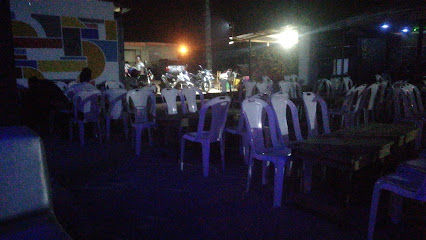
MAQUIS CAVIAR
51.3 km
Discover the heart of Daloa's nightlife at Maquis Caviar, where music and dance come together for an unforgettable experience.
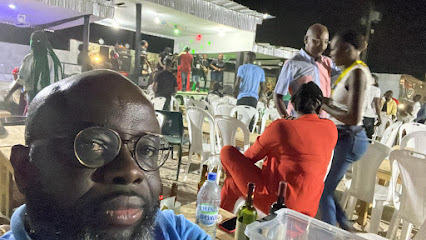
PRESTIGE COIFFURE
52.5 km
Experience the vibrant nightlife at Prestige Coiffure, Daloa's premier night club, where dance, music, and local culture come alive.
SHANGHAI PLUS
53.5 km
Discover an electrifying nightlife experience at Shanghai Plus, Daloa's premier night club, where music and dancing come alive.
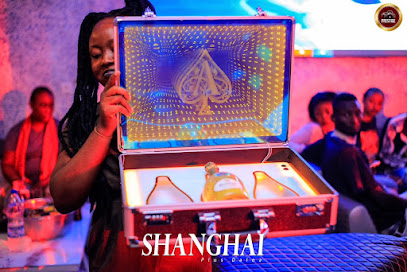
Friend Zone Abidjan
72.2 km
Discover the lively nightlife of Abidjan at Friend Zone, a premier night club offering an unforgettable experience in the heart of Mandanou.
BLACK NOTE Night Club
86.6 km
Unleash your spirit at BLACK NOTE Night Club, Yamoussoukro's lively hotspot for dancing, drinks, and unforgettable nightlife experiences.

Life Box
87.8 km
Dive into the exhilarating nightlife of Yamoussoukro at Life Box, where music, dance, and culture collide for an unforgettable experience.
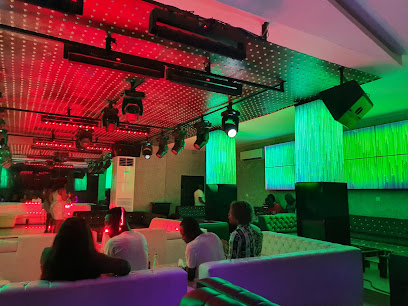
O'Baoulekro
89.4 km
Experience the vibrant nightlife of Yamoussoukro at O'Baoulekro, where music, dance, and fun collide in a lively atmosphere.
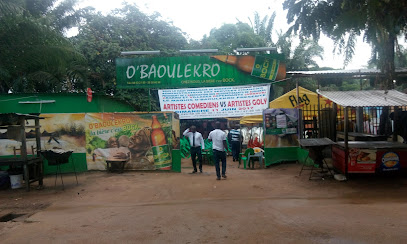
Lion's Discothèque Yakro
89.9 km
Discover the electrifying nightlife of Yamoussoukro at Lion's Discothèque Yakro, where unforgettable memories and dance await.
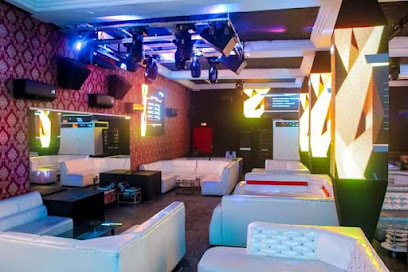
Espace 2k
89.9 km
Discover the vibrant nightlife at Espace 2k, the hottest nightclub in Yamoussoukro, where music and dance come alive.
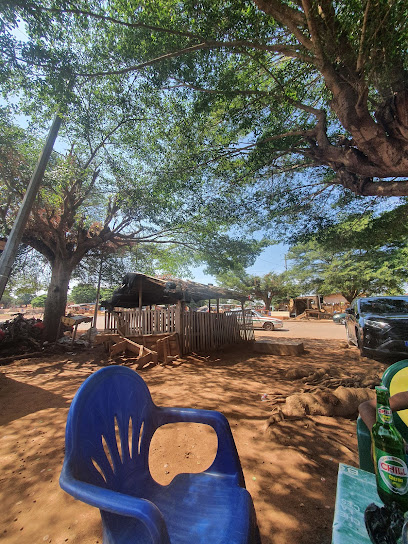
No Stress
90.0 km
Experience the vibrant nightlife of Yamoussoukro at No Stress, the bar that guarantees fun and relaxation with every visit.
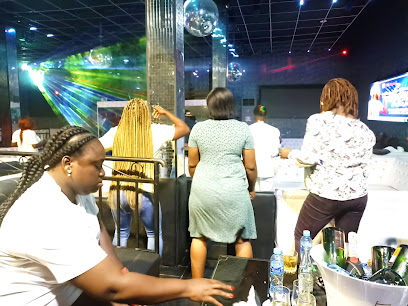
Diam’s Club
90.1 km
Discover the pulse of Yamoussoukro's nightlife at Diam’s Club, a vibrant bar perfect for socializing and dancing till dawn.
SAINT TROPEZ NIGHT CLUB YAKRO
90.3 km
Dive into Yamoussoukro's vibrant nightlife at Saint Tropez Night Club Yakro, where dance and music blend for an unforgettable evening.
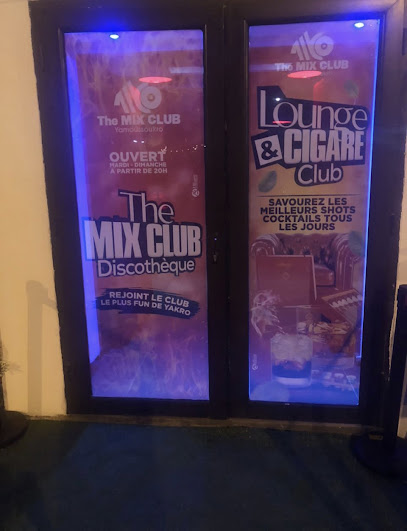
Espace détente
90.4 km
Discover the vibrant nightlife at Espace Détente, a premier night club in Yamoussoukro, promoting the best of Ivorian culture through music and dance.
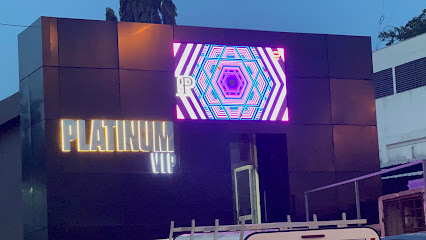
PLATINUM VIP DISCOTHÈQUE
90.5 km
Discover the electrifying nightlife at Platinum VIP Discothèque, the premier nightclub in Yamoussoukro offering unforgettable experiences and vibrant entertainment.