

Free Gôh-Djiboua Travel Guide & Mobile App
Explore Gôh-Djiboua with free travel guides. Discover regional history, expert tips, proposed trips, and audio guides on web or mobile app.


Explore Gôh-Djiboua in Côte d’Ivoire for cocoa country, forest landscapes, market towns and Bété and Dida cultural traditions.
Read more about Gôh-Djiboua
When is the best time to visit Gôh-Djiboua?
Best: December–February · 31–32°C| Month | High (°C) | Rainfall (mm) |
|---|---|---|
| January (best) | 31 | 34 |
| February (best) | 32 | 52 |
| March | 33 | 108 |
| April | 32 | 166 |
| May | 31 | 208 |
| June | 30 | 201 |
| July | 29 | 178 |
| August | 29 | 181 |
| September | 30 | 239 |
| October | 30 | 233 |
| November | 30 | 109 |
| December (best) | 31 | 42 |
Getting to and around Gôh-Djiboua
How to get there
Transportation
Top city travel guides in Gôh-Djiboua
The cities of Gôh-Djiboua, and the easiest places to base yourself.
-

-

-


Swipe for more cities
Destinations in Gôh-Djiboua
Resorts, valleys and scenic spots worth a trip of their own.
-

-


Swipe for more destinations
Best attractions in Gôh-Djiboua
Gôh-Djiboua’s attractions are primarily cultural, agricultural and landscape-based rather than concentrated in a formal circuit of major monuments. Gagnoa offers the region’s strongest base for exploring markets, urban life and the surrounding cocoa-growing country, while Divo provides access to the southern part of the region and its active commercial environment. Oumé and Lakota are valuable stops for travellers interested in smaller town life, local produce and the transition between urban roads and forest agriculture. Rural excursions can introduce visitors to cocoa, rubber, cassava, plantain and other crops, but should be arranged through local contacts and undertaken with permission. The region’s forest margins, cultivated clearings and lateritic tracks are best appreciated at a measured pace, particularly in the early morning. Food-focused visits, craft and produce markets, village storytelling and community cultural activities may be more rewarding than searching for conventional monuments. There are also opportunities for birdwatching and low-key countryside walks, though support and marked visitor infrastructure are limited. Gôh-Djiboua is therefore suited to travellers seeking an understanding of southern Côte d’Ivoire’s rural economy and living cultures rather than a checklist of ticketed attractions.
-
Stadium
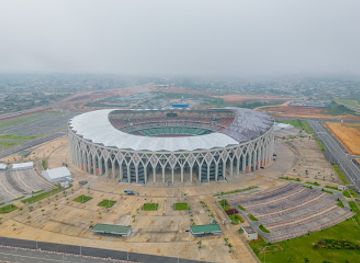
Alassane Ouattara Ebimpé Olympic Stadium
Explore the architectural wonder of Alassane Ouattara Ebimpé Olympic Stadium, a premier destination for sports and culture in Côte d'Ivoire.
-
Museum
Musée Régional Péléforo Gbon Coulibaly de Korhogo
Explore the artistic treasures of the Senufo people at the Musée Régional Péléforo Gbon Coulibaly in Korhogo, a cultural highlight of Côte d'Ivoire.
-
National park
Marahoué National Park
Discover Marahoué National Park: A haven of biodiversity in Côte d'Ivoire with diverse wildlife, scenic trails, and birdwatching paradise.
-
Performing arts theater
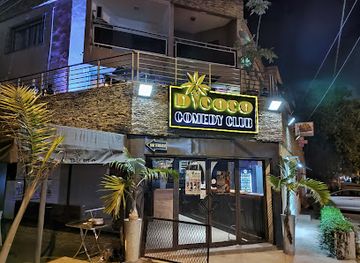
Dycoco
Discover the vibrant stand-up comedy scene at Dycoco, a must-visit performing arts theater in the heart of Abidjan, Côte d'Ivoire.
Best landmarks in Gôh-Djiboua
Gagnoa’s role as the administrative capital and principal inland urban centre is itself a defining landmark of Gôh-Djiboua, with its roads, markets and civic buildings expressing the region’s connection to the national economy. Divo is another important townscape, positioned within the southern part of the region and shaped by commerce, transport and the surrounding agricultural hinterland. The most recognisable rural landmarks are less likely to be monumental buildings than the cocoa and rubber landscapes, red-earth roads, bridges and broad cultivated clearings that structure movement between settlements. Traditional village compounds and community spaces may carry considerable local meaning, but they should be approached only with permission and through an appropriate introduction. The region does not have the concentration of famous castles, cathedrals or colonial monuments found in some other travel destinations. Its visual identity instead comes from the meeting of forest, farms and expanding towns, with markets acting as focal points for people and produce. Visitors should treat these working environments as places of everyday life rather than staged attractions.
-
Park
Parc National du Banco
Escape to nature in the heart of Abidjan. Explore lush rainforest, spot diverse wildlife, and discover tranquility at Parc National du Banco.
-
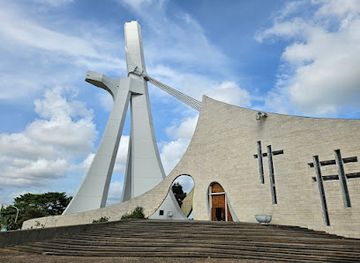
Cathedral
St. Paul's Cathedral
Discover Abidjan's iconic St. Paul's Cathedral: A modern architectural marvel blending faith and Ivorian culture.
-
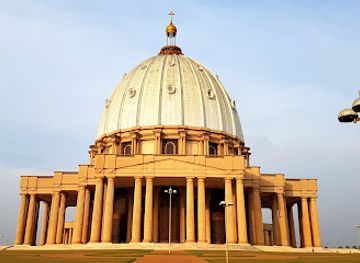
Basilica
The Basilica of Our Lady of Peace of Yamoussoukro
Discover the world's largest church, a stunning architectural marvel and a symbol of peace in Yamoussoukro, Côte d'Ivoire.
-
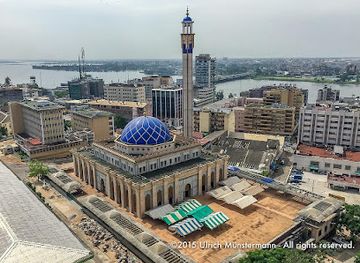
Mosque
Plateau Mosque
Discover Abidjan's architectural gem, the Plateau Mosque, a spiritual oasis with a striking blue dome and rich cultural significance.

Explore Gôh-Djiboua on the map
Plan your trip on one map. See where the top cities, national parks and sights are, and book hotels and experiences in a few clicks.
Best hotels in Gôh-Djiboua
Best restaurants in Gôh-Djiboua
Dining in Gôh-Djiboua reflects the forest-zone food economy and the wider culinary traditions of southern Côte d’Ivoire. In Gagnoa and Divo, restaurants and neighbourhood maquis serve attiéké with grilled fish or chicken, alongside dishes such as foutou, placali, rice, grilled meat and sauces enriched with palm ingredients, ground seeds or vegetables. Cassava, plantain, maize and rice are important staples, while cocoa is a major agricultural product even though it is more often encountered through farming and trade than elaborate dessert menus. Smaller towns and roadside stops tend to offer simpler plates, with daily availability shaped by local markets. Maquis are informal eateries where food is usually straightforward and social, while hotel restaurants provide more predictable service for international visitors. Fresh produce from surrounding farms is an important part of the regional table, and travellers should ask about the day’s dishes rather than expecting a fixed menu. Prices, hygiene standards and payment options vary, so choose busy establishments with good local custom and carry cash outside the main commercial centres.
-
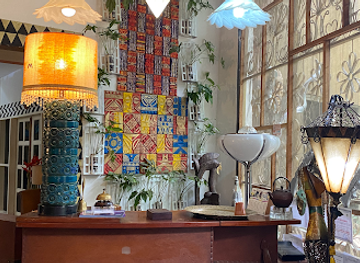
Restaurant
Bushman Café
Savor the essence of Ivorian cuisine at Bushman Café - where vibrant flavors meet artistic ambiance in Abidjan.
-
Restaurant
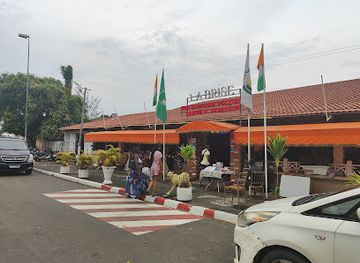
Restaurant la Brise
Experience authentic Ivorian cuisine at Restaurant la Brise in Yamoussoukro - where every meal tells a story.
-
African
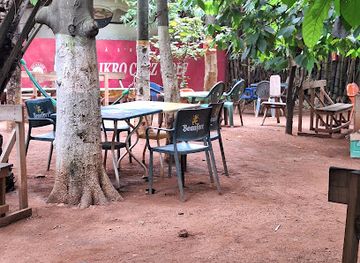
Bolikro Chez Wolf
Savor the authentic flavors of Côte d'Ivoire at Bolikro Chez Wolf in Yamoussoukro – a true taste of African culinary heritage.
-
Restaurant
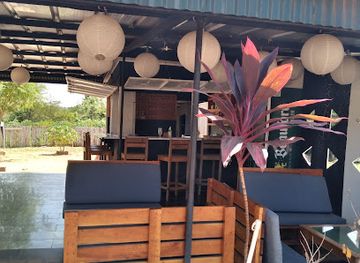
RESTAURANT Chez Chef EBY
Experience authentic Ivorian cuisine at Restaurant Chez Chef EBY in Yamoussoukro—where flavor meets tradition in a welcoming atmosphere.
Best bars in Gôh-Djiboua
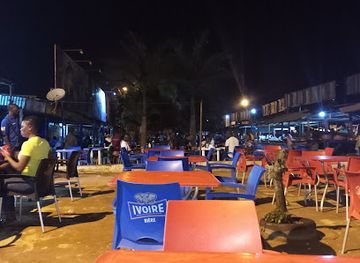
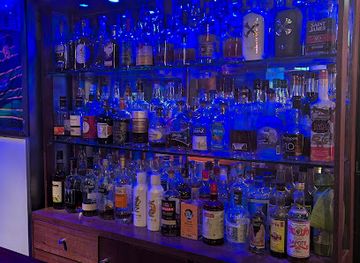
Evening life in Gôh-Djiboua is concentrated in Gagnoa and Divo, with smaller scenes in Oumé and Lakota. Local maquis, cafés and bars provide places to meet, eat and listen to music, while some venues add dancing or televised sport at busy times. The atmosphere is generally more informal and community-based than the large-club nightlife found in Abidjan. Beer, soft drinks and locally familiar refreshments are widely available, and evening dining can continue later in the principal towns. In rural areas, night-time activity is quieter and usually centres on family or community gatherings rather than dedicated entertainment venues. Travellers should rely on accommodation staff or trusted local contacts for current information, as individual businesses and opening patterns change. Use licensed or known transport after dark, keep valuables discreet and avoid assuming that a venue operates every night, particularly outside Gagnoa and Divo.
-
Pub
texas
Experience the lively pub culture of Divo, Texas, where great drinks, delicious food, and vibrant atmosphere await tourists seeking authentic local experiences.
-
Bar
Maquis-bar Afterwork
Discover the vibrant nightlife of Gagnoa at Maquis-bar Afterwork, where local drinks and lively music create the perfect evening atmosphere.
-
Live music bar
ACADÉMIE DU ZOUGLOU
Immerse yourself in the lively rhythms and authentic Ivorian culture at ACADÉMIE DU ZOUGLOU, a top live music bar in Gagnoa.
-
Bar
Bar
Experience the vibrant nightlife at this charming bar in Hire-Ouatta, where friendly vibes and local drinks await every visitor.

Best nightclubs in Gôh-Djiboua
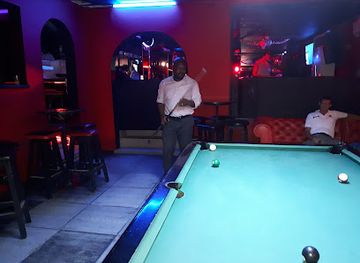
Evening life in Gôh-Djiboua is concentrated in Gagnoa and Divo, with smaller scenes in Oumé and Lakota. Local maquis, cafés and bars provide places to meet, eat and listen to music, while some venues add dancing or televised sport at busy times. The atmosphere is generally more informal and community-based than the large-club nightlife found in Abidjan. Beer, soft drinks and locally familiar refreshments are widely available, and evening dining can continue later in the principal towns. In rural areas, night-time activity is quieter and usually centres on family or community gatherings rather than dedicated entertainment venues. Travellers should rely on accommodation staff or trusted local contacts for current information, as individual businesses and opening patterns change. Use licensed or known transport after dark, keep valuables discreet and avoid assuming that a venue operates every night, particularly outside Gagnoa and Divo.
-
Disco club
Le Saint Germain Club Abidjan
Experience the vibrant nightlife at Le Saint Germain Club Abidjan, where music, dancing, and exquisite drinks come together for an unforgettable evening.
-
Disco club
Mixx Night Club
Dive into the heart of Abidjan's nightlife at Mixx Night Club, where unforgettable beats and vibrant energy create the perfect party atmosphere.
-
Lounge
Yolo Club Abidjan
Yolo Club Abidjan: Immerse yourself in the vibrant nightlife of Ivory Coast with music, dancing, and unforgettable moments.
-
Night club
Alizée Club
Dive into the pulsating nightlife of Abidjan at Alizée Club, a premier destination for music, dance, and unforgettable memories.

Best shops in Gôh-Djiboua
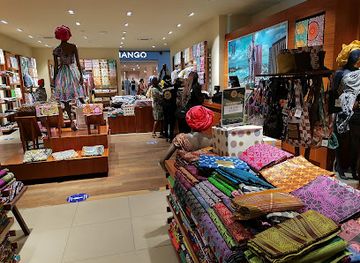
Shopping in Gôh-Djiboua is centred on markets, town high streets and small independent vendors rather than large retail complexes. Gagnoa and Divo offer the broadest choice of clothing, household goods, mobile-phone services, packaged food and locally traded produce, while Oumé and Lakota provide more compact market experiences. Visitors may find cassava products, plantains, smoked or dried foods, palm-derived ingredients and cocoa-related products, although quality and presentation vary by seller. Informal stalls and market traders generally expect cash, and polite bargaining may be customary for some goods but not for every service. Crafts and textiles can be available through local contacts, yet stock is not always displayed in a dedicated tourist shop, so a guide or hotel recommendation can help locate reputable makers. Buy agricultural products responsibly and avoid purchasing items made from protected wildlife or plants. The most useful souvenirs are often durable regional foods, woven or tailored items and locally made household crafts rather than mass-produced objects marketed as Ivorian.
-
Shopping mall
Cap Sud
Experience the vibrant shopping and dining scene at Cap Sud, Abidjan's top destination for retail therapy and culinary delights.
-
Shopping mall
Sococe Mall
Explore the vibrant Sococe Mall in Abidjan, a premier shopping destination offering diverse shops, delicious dining, and unforgettable entertainment experiences.
-
Shopping mall
Abidjan Mall
Explore Abidjan Mall, your ultimate shopping and entertainment destination in Ivory Coast with an array of shops and dining options.
-
Clothing store
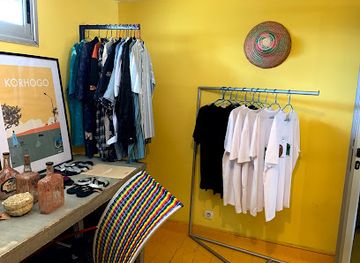
DOZO CONCEPT STORE
Explore contemporary Ivorian fashion at Dozo Concept Store, a must-visit clothing store in Abidjan's lively Cocody district.
Get your free copy of our complete guide to Gôh-Djiboua, delivered straight to you.
Everything on this page, from attractions and restaurants to essentials and local phrases, in one PDF you can read offline, print or share.
Already have an account? Sign in
Your Gôh-Djiboua guide is ready.
We'll send it to · Not you? Sign out

Getting your guide ready…
We are putting together a fresh copy of the Gôh-Djiboua guide. This can take up to a minute.
This can take a few moments. If your browser asks, choose Allow so the download can start. You'll find the guide in your Downloads folder.
Nothing happened? Download it again
Sorry, the guide is taking longer than usual. Please try again in a minute, or get it by email instead.
Gôh-Djiboua essentials
Currency and Payment
Safety
Emergency Situations
Do's and Don'ts
Local Tips
From Eve
Local phrases worth knowing
You don't need to get them perfect. A few words go a long way, and locals appreciate the effort.
Basics
| English | Local | Say it |
|---|---|---|
| Hello | Bonjour | [bɔ̃ʒuʁ] |
| Goodbye | Au revoir | [o ʁəvwaʁ] |
| Yes | Oui | [wi] |
| No | Non | [nɔ̃] |
| Please/You're welcome | S'il vous plaît | [sil vu plɛ] |
| Thank you | Merci | [mɛʁsi] |
| Excuse me/Sorry | Excusez-moi | [ɛkskyze mwa] |
| How are you? | Comment ça va? | [kɔmɑ̃ sa va] |
| Fine. And you? | Bien. Et vous? | [bjɛ̃ e vu] |
| Do you speak English? | Parlez-vous anglais? | [paʁle vu ɑ̃ɡlɛ] |
| I don't understand | Je ne comprends pas | [ʒə nə kɔ̃pʁɑ̃ pa] |
Eating & Drinking
| English | Local | Say it |
|---|---|---|
| I'd like to see the menu, please | Je voudrais voir le menu, s'il vous plaît | [ʒə vudʁɛ vwaʁ lə mɛny, sil vu plɛ] |
| I don't eat meat | Je ne mange pas de viande | [ʒə nə mɑ̃ʒ pa də vjɑ̃d] |
| Cheers! | Santé! | [sɑ̃te] |
| I would like to pay, please | Je voudrais payer, s'il vous plaît | [ʒə vudʁɛ peje, sil vu plɛ] |
Emergencies
| English | Local | Say it |
|---|---|---|
| Help! | À l'aide! | [a lɛd] |
| Go away! | Allez-vous-en! | [ale vu zɑ̃] |
| Call the Police! | Appelez la police! | [aple la pɔlis] |
| Call a doctor! | Appelez un médecin! | [aple ɛ̃ mɛdɛsɛ̃] |
| I'm lost | Je suis perdu | [ʒə sɥi pɛʁdy] |
| I'm ill | Je suis malade | [ʒə sɥi malad] |
Shopping
| English | Local | Say it |
|---|---|---|
| I'd like to buy... | Je voudrais acheter... | [ʒə vudʁɛ aʃte] |
| I'm just looking | Je regarde juste | [ʒə ʁəɡaʁd ʒyst] |
| How much is it? | Combien ça coûte? | [kɔ̃bjɛ̃ sa kut] |
| That's too expensive | C'est trop cher | [sɛ tʁo ʃɛʁ] |
| Can you lower the price? | Pouvez-vous baisser le prix? | [puve vu bɛse lə pʁi] |
Time & Numbers
| English | Local | Say it |
|---|---|---|
| What time is it? | Quelle heure est-il? | [kɛl œʁ e til] |
| It's one o'clock | Il est une heure | [il ɛt yn œʁ] |
| Half past (10) | Dix heures et demie | [di zœʁ e dəmi] |
| Morning | Matin | [matɛ̃] |
| Afternoon | Après-midi | [apʁɛ midi] |
| Evening | Soir | [swaʁ] |
| Yesterday | Hier | [jɛʁ] |
| Today | Aujourd'hui | [oʒuʁdʁi] |
| Tomorrow | Demain | [dəmɛ̃] |
| 1 | Un | [ɛ̃] |
| 2 | Deux | [dø] |
| 3 | Trois | [tʁwa] |
| 4 | Quatre | [katʁ] |
| 5 | Cinq | [sɛ̃k] |
| 6 | Six | [si] |
| 7 | Sept | [sɛt] |
| 8 | Huit | [ɥit] |
| 9 | Neuf | [nœf] |
| 10 | Dix | [di] |
Transport & Directions
| English | Local | Say it |
|---|---|---|
| Where's a/the...? | Où est un/le...? | [u ɛ ɛ̃ lə] |
| What's the address? | Quelle est l'adresse? | [kɛl ɛ l'adʁɛs] |
| Can you show me (on the map)? | Pouvez-vous me montrer (sur la carte)? | [puve vu mə mɔ̃tʁe syʁ la kaʁt] |
| When's the next (bus)? | Quand est le prochain (bus)? | [kɑ̃ ɛ lə pʁɔʃɛ̃] |
| A ticket (to ....) | Un billet (pour....) | [ɛ̃ bijɛ (puʁ)] |
History of Gôh-Djiboua
Forest Peoples and Precolonial Trade
Before colonial rule, the area now administered as Gôh-Djiboua was inhabited by several forest and southern Ivorian communities, including Bété and Dida populations, alongside neighbouring groups whose influence crossed present administrative boundaries. Villages, lineage networks and local authorities organised access to land, farming and trade. Exchange connected inland settlements with southern routes towards the lagoon and coast, even though the modern regional borders did not yet exist. Oral traditions remain important to collective memory, and local identities are more nuanced than the administrative name Gôh-Djiboua suggests.
The Colonial Conquest and French Administration
French expansion into the forest zone during the late nineteenth and early twentieth centuries brought military campaigns, taxation, new forms of administration and changes to established trade routes. Colonial authorities gradually incorporated communities around present-day Gagnoa, Oumé, Divo and Lakota into the territory of Côte d’Ivoire. Roads and administrative posts strengthened the relationship between inland settlements and the coast, while colonial rule also imposed labour demands and commercial agriculture. The period left a lasting imprint on town planning, language use and patterns of land ownership.
Cocoa, Coffee and the Agricultural Economy
During the twentieth century, cocoa and coffee farming expanded across the southern forest belt, including the country around Gagnoa, Oumé, Divo and Lakota. These crops connected villages to national and international commodity markets and encouraged migration from other parts of Côte d’Ivoire and neighbouring countries. Agricultural prosperity was uneven, and production also brought pressure on forests, land and labour. Today, cocoa remains a defining feature of the regional economy, accompanied by rubber, oil palm and food crops such as cassava, plantain, rice and maize.
Roads, Railways and the Growth of Regional Towns
The development of transport corridors and administrative services helped turn Gagnoa, Divo, Oumé and Lakota into regional market centres. Roads became essential for moving cocoa and food crops to larger commercial networks, while public services, schools and trading activity expanded in the towns. Transport remains significant today: the region’s economic life depends on the movement between rural production areas and urban markets, and journey times can lengthen considerably during the rainy season. The resulting towns combine modern construction with older market and neighbourhood patterns.
Independence and the Ivorian Republic
After Côte d’Ivoire gained independence in 1960, the forest regions became increasingly integrated into the national state through administrative expansion, education, agricultural policy and infrastructure. Gagnoa emerged as an important political and commercial centre, while Divo developed as a major southern inland town. National migration and the cocoa economy made the region socially diverse. The period also saw continuing debates over land rights, citizenship and the distribution of agricultural wealth, issues that have influenced local politics and community relations across southern Côte d’Ivoire.
Conflict, Political Change and Reconstruction
Gôh-Djiboua was affected by the political crises and armed conflict that troubled Côte d’Ivoire from the early 2000s into the 2010s. The wider Gagnoa area is also associated with Laurent Gbagbo, who was born near Gagnoa and became president of Côte d’Ivoire. Political divisions affected administration, movement and local relationships, although their effects varied from place to place. Subsequent reconstruction restored transport, public services and commercial activity in many areas, while questions concerning rural land and political identity have remained part of the national conversation.
Gôh-Djiboua in Photos
Browse through our photo collection highlighting the charm and character of the destination.
Neighbouring regions of Gôh-Djiboua
The closest regions to Gôh-Djiboua, if you have time for more than one.
-
 Bas-Sassandra
Explore Bas-Sassandra for Côte d’Ivoire’s Atlantic beaches, rainforest landscapes, port cities, cocoa country and distinctive coastal food culture.
Bas-Sassandra
Explore Bas-Sassandra for Côte d’Ivoire’s Atlantic beaches, rainforest landscapes, port cities, cocoa country and distinctive coastal food culture.
-

-

-

-


Swipe for more regions
Explore more

Explore more of Cote d'Ivoire
Discover the vibrant culture, stunning landscapes, and rich heritage of Cote d'Ivoire, the jewel of West Africa.
Explore Cote d'Ivoire