Comoé National Park: A West African Biodiversity Hotspot
Explore West Africa's largest protected area, a UNESCO World Heritage Site with diverse ecosystems and abundant wildlife.
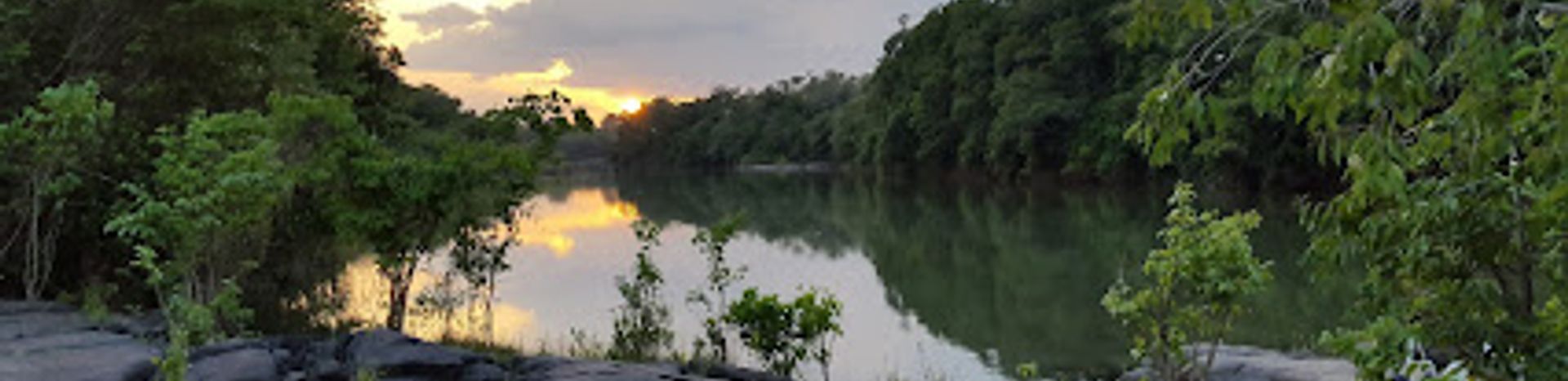
Comoé National Park, the largest protected area in West Africa, is a UNESCO World Heritage Site in northeastern Côte d'Ivoire. Its diverse habitats, ranging from humid Guinea savanna to dry Sudanian zones, support a remarkable array of plant and animal life. The park faced challenges from poaching and civil unrest but has since recovered and is a vital conservation area.
A brief summary to Comoé National Park
- CI
Local tips
- Visit during the dry season (November to March) for the best wildlife viewing and easier trail navigation.
- Carry local currency (CFA Francs) for entrance fees and transportation.
- Check with the OIPR (Office Ivoirien des Parcs et Reserves) for the latest information on fees, permits, and guided tours.
- Be prepared for rugged conditions and bring appropriate gear, including insect repellent.

Getting There
-
Public Transport
From the main taxi station in Comoé, take a bus or shared taxi ('taxi-brousse') towards the park area. The fare is approximately 1,500 CFA. Inform the driver you wish to stop at Comoé National Park. The journey takes 45-60 minutes. Upon arrival, the entrance fee is around 5,000 CFA.
-
Car
From Comoé city center, drive southeast on Route N1 for approximately 30 kilometers. Signs for Comoé National Park will be on the right. There is a parking area at the entrance. Entrance fee is about 5,000 CFA per person.
-
Walking
If you are near the park, walk along the main road towards the entrance. Look for park signs. It's roughly a 3-kilometer walk, taking 30-40 minutes. Remember to bring water and wear comfortable shoes.
Discover more about Comoé National Park
Unmissable attractions to see

Parc National de la Komoé
22.1 km
Discover the breathtaking landscapes and rich biodiversity of Parc National de la Komoé, a true gem in Côte d'Ivoire's natural heritage.

Poste d'entrée du PARC DE LA COMOE
35.7 km
Experience the tranquility and natural beauty of Parc de la Comoé in Bouna, a must-visit park showcasing the rich biodiversity of Côte d'Ivoire.
Poste d'entrée au PARC DE LA COMOE
36.0 km
Explore the breathtaking landscapes and rich biodiversity of Parc de la Comoé, a serene natural haven in the heart of Ivory Coast.
Parc national de la comoé
46.8 km
Explore the rich biodiversity and stunning landscapes of Parc National de la Comoé, a premier national park in Côte d'Ivoire, perfect for nature lovers.
Domaine agricole Yougbare
59.0 km
Explore the beautiful landscapes and rich agricultural heritage at Domaine Agricole Yougbare, a serene park in Bouna, Côte d'Ivoire.
de Bouna Public Garden
62.9 km
Explore the tranquility of de Bouna Public Garden, a lush retreat in Bouna, perfect for nature lovers and those seeking peace and serenity.
Parc a boeuf
65.3 km
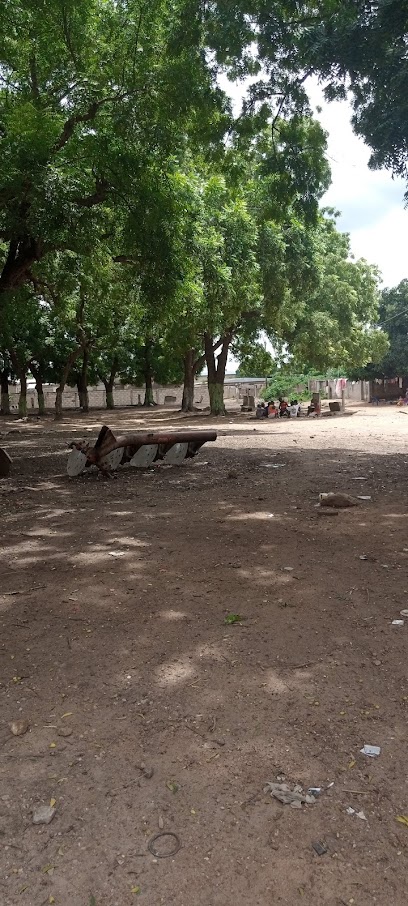
Experience the serene beauty of Bouna at Parc a Boeuf, a unique animal park perfect for family outings and nature explorations.
Domaine EPC JEAN PAUL II
67.4 km
Experience the tranquility of Domaine EPC JEAN PAUL II, a serene park in Bouna, Ivory Coast, perfect for relaxation and enjoying nature's beauty.
Barrage de doropo
92.4 km
Discover tranquility at Barrage de Doropo: A beautiful garden oasis with lush greenery and serene reservoir views in Côte d'Ivoire.
Flabougou(bougou)
98.5 km
Explore Flabougou, a captivating tourist attraction in Bougou, offering rich culture, stunning landscapes, and serene experiences for every traveler.
Markets, malls and hidden boutiques

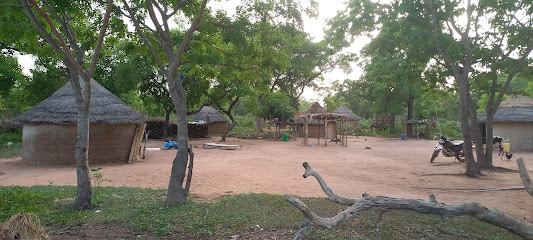
Boutique
47.3 km
Explore Lambira's Boutique: Your one-stop convenience store for local snacks, drinks, and unique souvenirs in the heart of the city.
Business24groupe
60.7 km
Explore Business24groupe in Nassian for an unforgettable shopping experience blending local culture and modern retail.
Marché
61.0 km
Discover the heart of Nassian at Marché, where vibrant local culture meets unique shopping experiences in a lively marketplace.
Diallo & frère
62.6 km
Discover the vibrant local flavors and products at Diallo & Frère, your go-to supermarket in Bouna, Côte d'Ivoire.
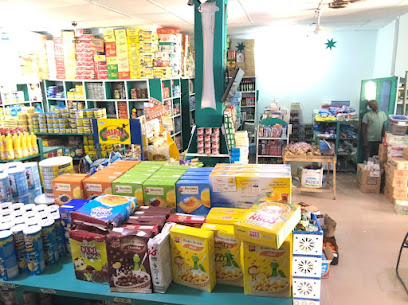
Marché Bna
63.1 km
Explore the bustling Marché Bna in Bouna, where local crafts, fresh produce, and vibrant culture come together in an unforgettable shopping experience.
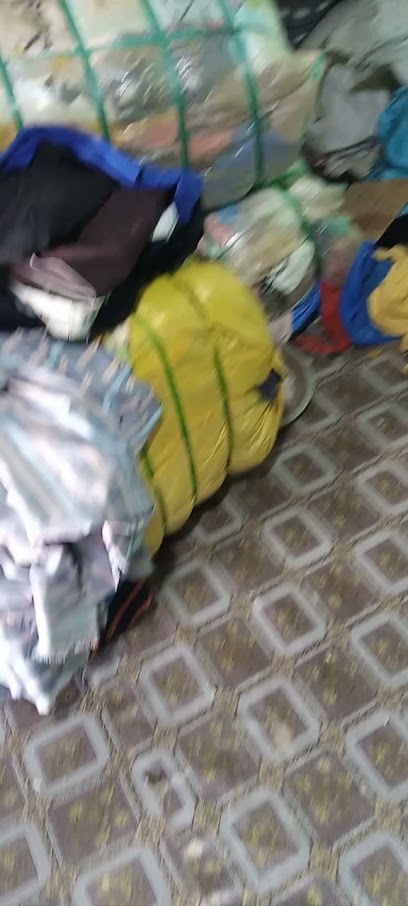
Magasin Africo
63.1 km
Explore Magasin Africo, Bouna's vibrant shopping mall, where local culture meets modern shopping in a lively atmosphere.
BOUTIQUE CARREFOUR CISSÉ
63.2 km
Explore the heart of Bouna at Boutique Carrefour Cissé, where local flavors and vibrant culture meet in a unique shopping experience.
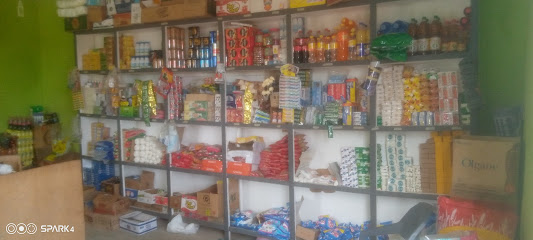
Ouattarasso
63.3 km
Explore Ouattarasso, the heart of Bouna's fashion scene, offering unique clothing pieces that celebrate local culture and craftsmanship.
BOUTIQUE Rentre de zongo
63.4 km
Explore the vibrant flavors of Bouna at BOUTIQUE Rentre de Zongo, your go-to supermarket for local and international products.
watch Time
63.4 km
Explore exquisite timepieces in Bouna's premier watch store – a treasure trove for collectors and gift-givers alike.
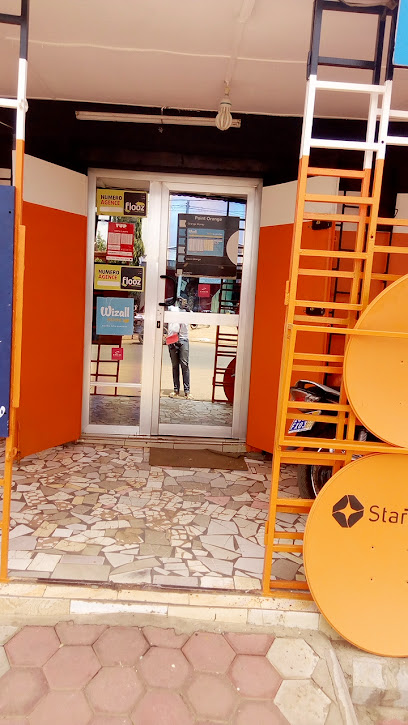
procsper.com
63.4 km
Explore the Watch Store in Bouna for exquisite timepieces that blend tradition and modernity, making every moment count.
ART DECO STYLE
63.4 km
Explore the unique blend of modern elegance and traditional artistry at Bouna's Art Deco Style couture store.
Zongo Kokorokai
63.4 km
Explore Zongo Kokorokai in Bouna: A vibrant shopping mall blending local culture and unique retail experiences.
Zongo 2 Colo électricité
63.4 km
Explore Zongo 2 Colo Électricité in Bouna for an unforgettable shopping experience blending local culture and vibrant retail options.
Zongo De 2carrefour
63.4 km
Discover the vibrant shopping experience at Zongo De 2carrefour, Bouna's chic shopping hub filled with unique boutiques and local flavors.
Essential bars & hidden hideouts

Marquis au 18 kara
46.4 km
Discover the vibrant nightlife at Marquis au 18 kara, a lively bar in Ondéfidouo with a great selection of drinks and a welcoming atmosphere.
Bar restaurant Confinement
62.3 km
Discover the flavors of Bouna at Bar Restaurant Confinement, where traditional cuisine meets a welcoming atmosphere for an unforgettable dining experience.
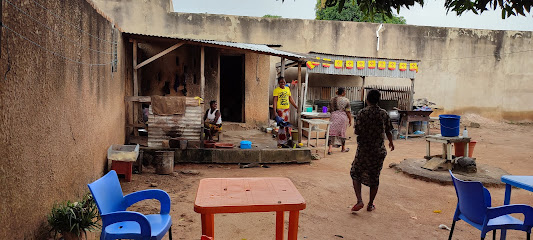
Suzi Bar
62.5 km
Experience the vibrant nightlife at Suzi Bar in Bouna, where lively music and a diverse drink selection create an unforgettable atmosphere.
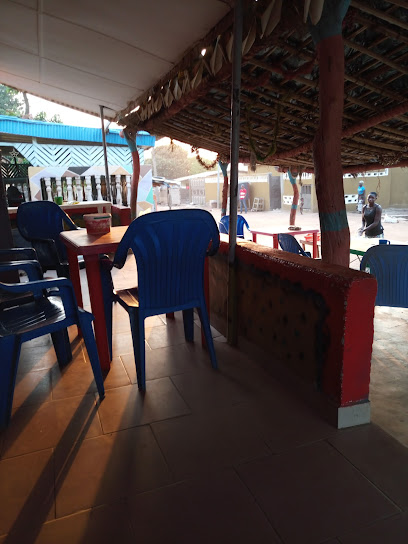
Cave le juste prix
62.5 km
Experience the vibrant atmosphere and refreshing drinks at Cave le juste prix, Bouna's premier bar for relaxation and socializing.
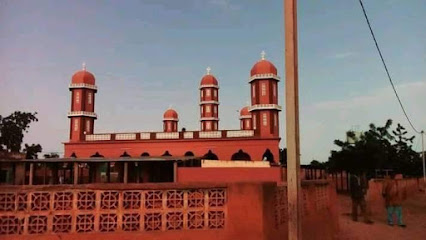
PRIVILÈGE BAR VIP - BOUNA
63.1 km
Experience the vibrant nightlife at PRIVILÈGE BAR VIP in Bouna, where local culture meets a welcoming atmosphere.
Confinement bar
63.4 km
Discover the authentic spirit of Bouna at Confinement Bar, where local drinks and friendly faces create an unforgettable experience.
Gboronchara
63.4 km
Discover the lively ambiance and local flavors at Gboronchara, the perfect bar in Bouna for tourists seeking a taste of the culture.
Maquis OBV de Tefrodouo
64.5 km
Discover the lively Maquis OBV de Tefrodouo in Laoudi-Ba, a bar offering local drinks and a vibrant atmosphere for a memorable experience.
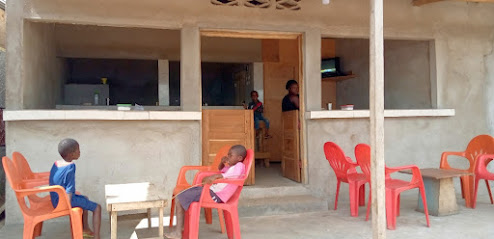
Doropo
91.6 km
Experience the vibrant nightlife of Doropo with lively karaoke sessions, where music and fun meet in an unforgettable atmosphere.

Château
91.6 km
Discover the charm of Château in Doropo, a cozy bar perfect for relaxing and enjoying local culture amidst friendly faces.