Cerkev sv Trojice, Istria Travel Guide
Discover medieval art and history at the Church of the Holy Trinity in Hrastovlje, a hidden gem of Slovenia's Istrian region.
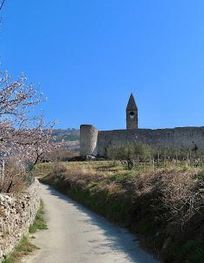
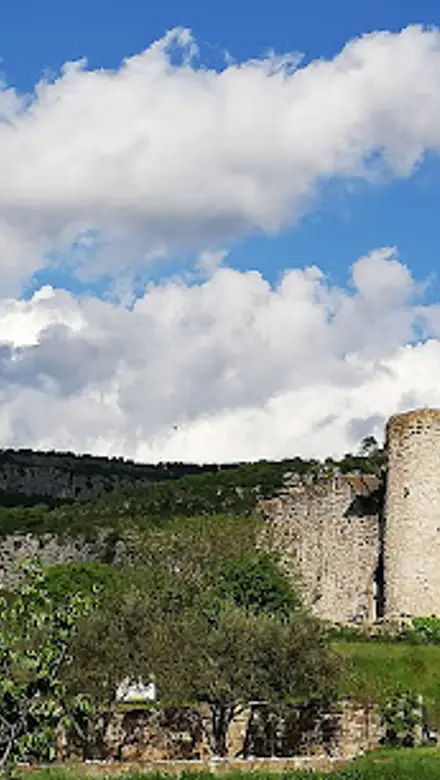
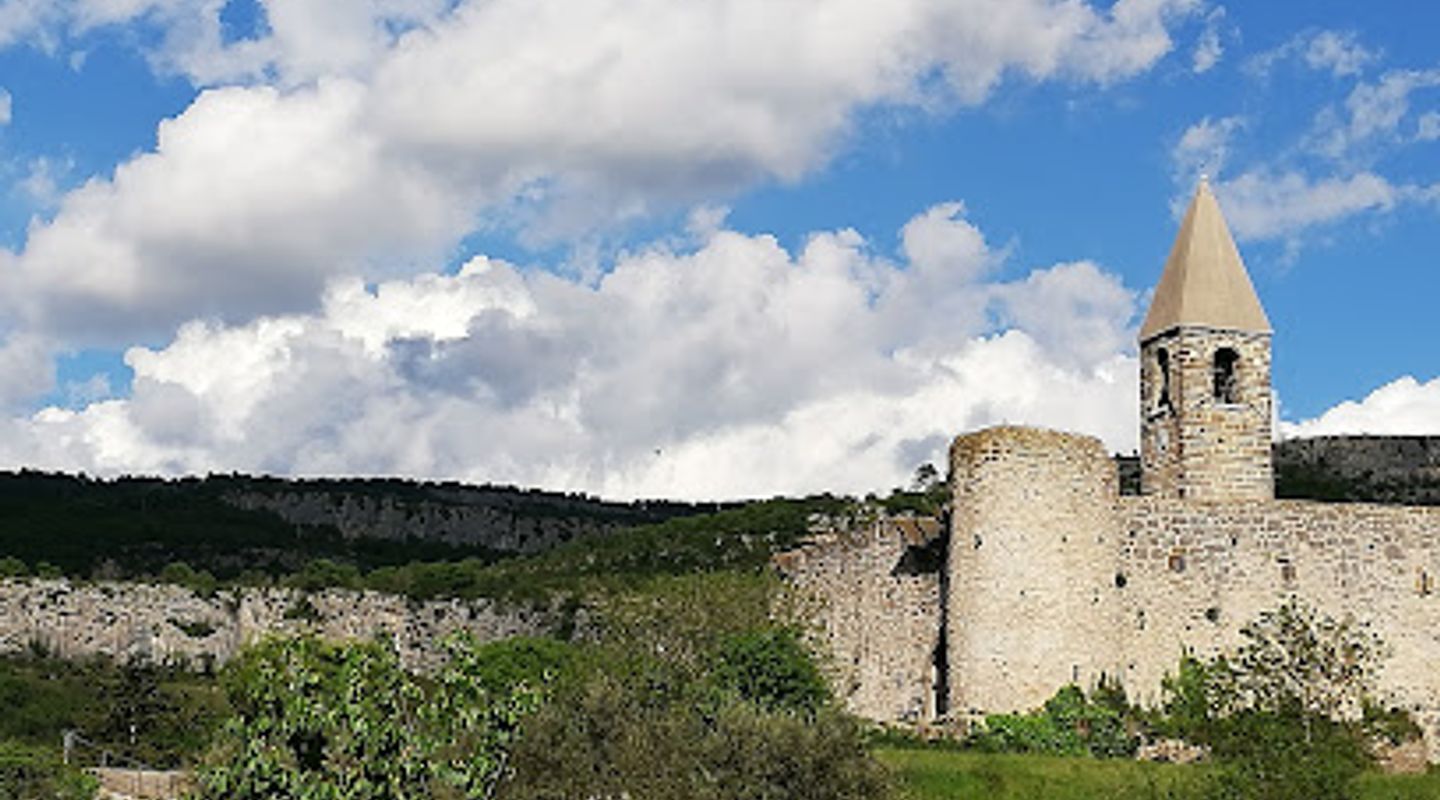
The Church of the Holy Trinity in Hrastovlje, Slovenia, is a small but remarkable architectural gem dating back to the 12th or 15th century. Enclosed by a defensive wall built to protect against Turkish invasions, its interior houses a treasure trove of Gothic frescoes painted in 1490 by Johannes de Castua, including the famed 'Danse Macabre'.
A brief summary to Cerkev sv Trojice
- Hrastovlje 19a, Črni Kal, 6275, SI
- Click to display
- Click to display
- Monday 9 am-5 pm
- Tuesday 9 am-5 pm
- Wednesday 9 am-5 pm
- Thursday 9 am-5 pm
- Friday 9 am-5 pm
- Saturday 9 am-5 pm
- Sunday 9 am-5 pm

Know before you go
Hi, I'm Eve. Here are a few practical things to know before exploring Cerkev sv Trojice.
- Visits must be requested in advance, with access available from 9:00 to 17:00.
- Photography is prohibited inside the church to preserve the delicate frescoes.
- Consider exploring the surrounding village of Hrastovlje to experience the authentic local culture.
Do you manage this location?
Take control to get all the benefits, like improved information, better appearance, and stronger visibility across AI-powered discovery. Learn more about listing your business on Evendo
Activate your presenceOther nearby places you may find interesting
The closest places of the same kind, if this one is not quite what you had in mind.

Explore Cerkev sv Trojice on the Map
A handpicked selection of must-see spots near Cerkev sv Trojice, mapped for you.
Unlock the Best of Cerkev sv Trojice
Buy tickets
-
No tickets available
Book tours with entry

Book tours without entry

Getting There
-
Driving
From Koper, follow the main roads towards Črni Kal. Hrastovlje is a small village, and the church is well-signposted. Parking is available near the church. Be aware that parking may be limited, especially during peak season. There is free parking near the church.
-
Public Transport
From Koper, take the bus towards Hrastovlje. Check the local bus schedules for the most up-to-date information. The bus will drop you off in the village, from which it is a short walk to the church. A single bus ticket from Koper to Hrastovlje costs approximately €2-5.
-
Taxi
Taxis are available in Koper and can take you directly to Hrastovlje. The ride is approximately 30 minutes, and the cost is around €45-60. Ride-sharing services like GoOpti may offer more affordable options.
Discover more about Cerkev sv Trojice













Your all‑in‑one travel companion app
Explore expert travel guides, compare and book tours, experiences, hotels, and more—all from the palm of your hand. Download now for seamless trip planning wherever your wanderlust takes you.


Explore More of Istria
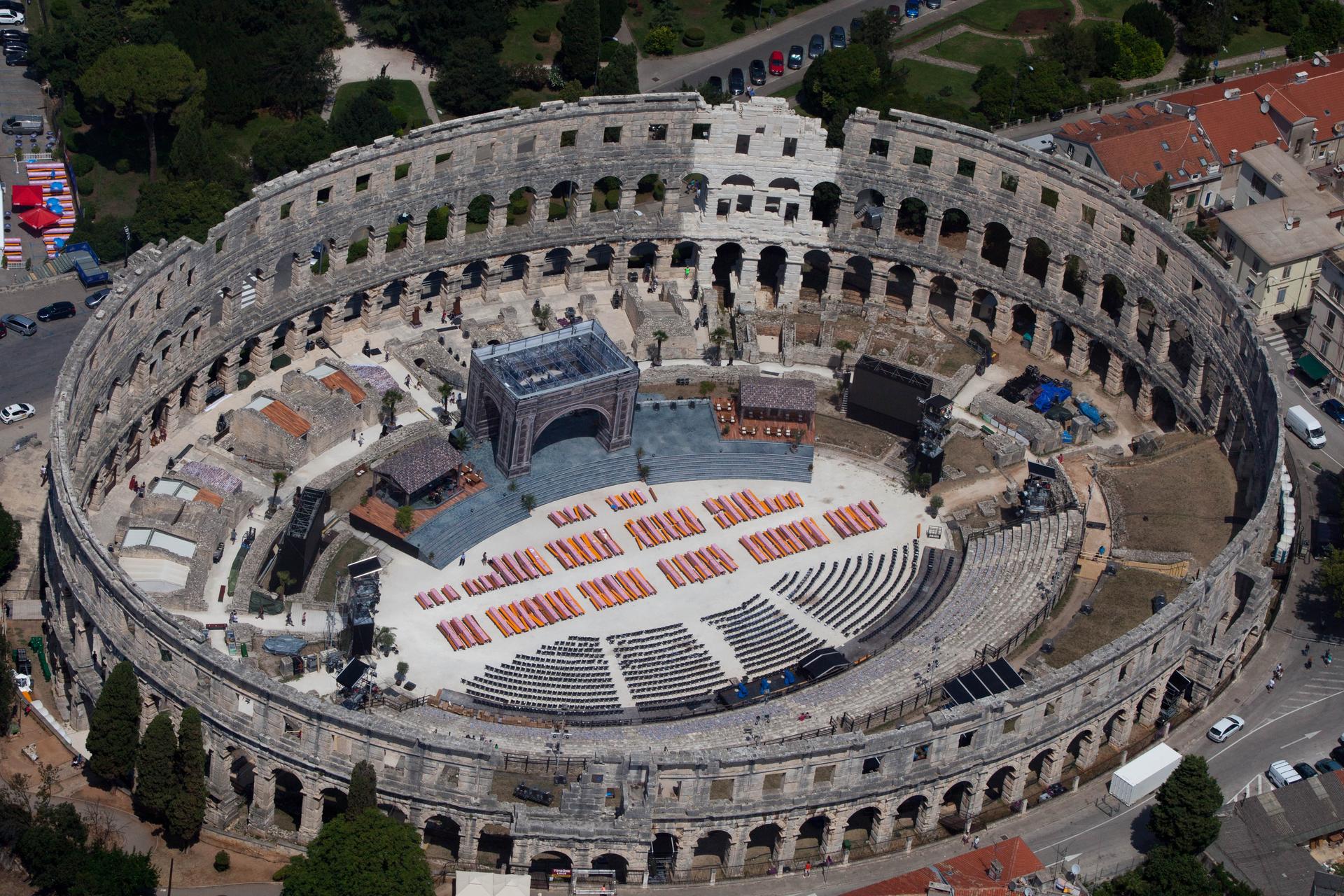
Looking beyond Cerkev sv Trojice? Discover Istria for broader travel guides, local hot-spots, and regional highlights.
Explore Istria