

Free Istria Travel Guide & Mobile App
Explore Istria with free travel guides. Discover regional history, expert tips, proposed trips, and audio guides on web or mobile app.


Explore Istria’s Roman heritage, Venetian towns, truffle forests, vineyards and Adriatic coves across Croatia’s richly layered northern peninsula.
Read more about Istria
When is the best time to visit Istria?
Best: May–June, September · 23–28°C| Month | High (°C) | Rainfall (mm) |
|---|---|---|
| January | 11 | 61 |
| February | 12 | 53 |
| March | 15 | 55 |
| April | 19 | 65 |
| May (best) | 23 | 76 |
| June (best) | 28 | 61 |
| July | 31 | 47 |
| August | 31 | 54 |
| September (best) | 26 | 86 |
| October | 21 | 81 |
| November | 15 | 83 |
| December | 12 | 73 |
Getting to and around Istria
How to get there
Transportation
Top city travel guides in Istria
The cities of Istria, and the easiest places to base yourself.
-

-

-


Swipe for more cities
Destinations in Istria
Resorts, valleys and scenic spots worth a trip of their own.
-

-

-

-

-

-


Swipe for more destinations
Best attractions in Istria
Istria’s attractions range from Roman monuments and protected islands to hill towns, vineyards and limestone coastlines. Pula provides the strongest concentration of ancient remains, led by its amphitheatre, while Poreč’s Euphrasian Basilica offers an important Byzantine-era cultural experience. Rovinj, Novigrad and other coastal towns combine historic centres with swimming, boating and maritime excursions. The Brijuni Islands National Park adds archaeological remains, Mediterranean landscapes and a distinctive island setting. Inland, Motovun and Grožnjan are gateways to vineyards, truffle country, galleries and walking routes through the Mirna valley. Nature-focused visitors can explore Učka Nature Park, whose uplands overlook the peninsula and Kvarner Gulf, or Cape Kamenjak south of Pula, known for rocky coves and clear water. Lim Bay is suited to kayaking, boat trips and tasting local seafood, while the eastern coast around Labin and Rabac provides a mix of hill-town heritage, beaches and outdoor activities. Cycling routes, olive-oil estates and wine roads help connect these experiences beyond the main resort centres.
-
Amphitheater
Pula Arena
Experience the grandeur of the Pula Arena, a historical gem and the largest Roman amphitheater in Croatia, steeped in history and culture.
-
Nature preserve
Skocjan Caves
Discover the enchanting Skocjan Caves in Slovenia, a UNESCO World Heritage site featuring stunning geological formations and rich biodiversity.
-
National park
Brijuni National Park
Explore the stunning landscapes, rich history, and diverse wildlife of Brijuni National Park, a captivating Croatian gem off the Istrian coast.
-
Aquarium
Aquarium Pula
Explore the enchanting aquatic life and rich maritime history at Aquarium Pula, a must-visit tourist attraction in Croatia.


Best landmarks in Istria
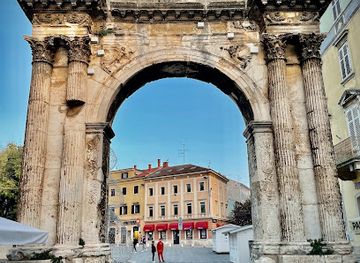
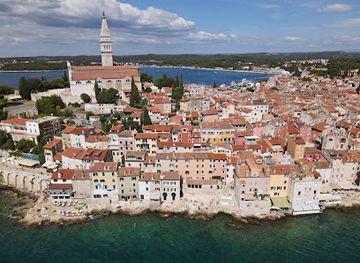
The Arena of Pula is Istria’s defining monument: a remarkably complete Roman amphitheatre built from local limestone and still central to the city’s identity. Nearby, the Temple of Augustus and the Arch of the Sergii reinforce Pula’s exceptional Roman architectural heritage. In Poreč, the Euphrasian Basilica is significant for its sixth-century mosaics and its evidence of early Christian and Byzantine culture on the Adriatic. Rovinj’s Church of St Euphemia crowns the old town and its tall bell tower is visible from the surrounding coast. Inland, the fortified hilltop town of Motovun forms a prominent silhouette above the Mirna valley, while Buzet occupies another strategic medieval site at the edge of the Ćićarija hills. The Venetian campanile and historic streets of Grožnjan convey the architectural character of Istria’s inland communes. Natural landmarks are equally important: Učka rises above the eastern peninsula, Lim Bay cuts deeply into the western coast, and the rocky shores of Cape Kamenjak mark the southern tip of Croatian Istria.
-
Historical landmark
Arch of the Sergii
Discover Pula's ancient Roman roots at the Arch of the Sergii, a remarkably preserved triumphal arch with intricate carvings and a rich history.
-
National park
Brijuni National Park
Explore Brijuni National Park: A stunning archipelago with Roman ruins, dinosaur footprints, and diverse wildlife off the Istrian Coast.
-
 Historical landmark
Temple of Augustus
Explore Pula's Temple of Augustus: A pristine Roman temple in the heart of the city's Forum, showcasing ancient sculptures and rich history.
-
Catholic church
Church of St. Euphemia
Discover the majestic Church of St. Euphemia, a Baroque masterpiece in Rovinj, offering stunning views and deep-rooted history.
Explore Istria on the map
Plan your trip on one map. See where the top cities, national parks and sights are, and book hotels and experiences in a few clicks.
Best hotels in Istria
Best restaurants in Istria
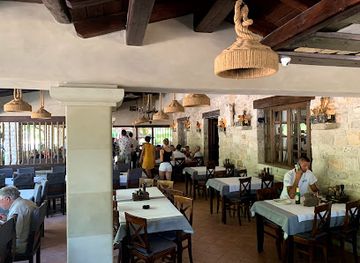
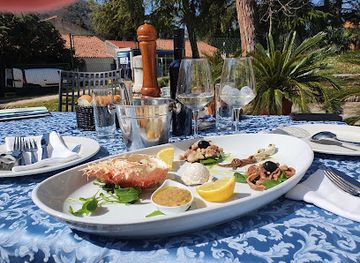
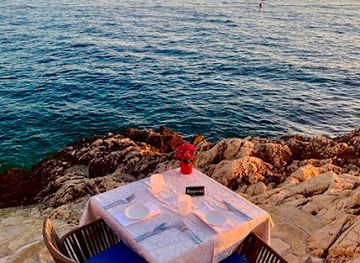
Istrian cooking combines Adriatic seafood with the produce of the peninsula’s red-earth interior. Coastal menus feature grilled fish, squid, shellfish and dishes influenced by Venetian traditions, while inland restaurants often serve fuži or pljukanci pasta with meat, mushrooms or truffles. Wild asparagus appears seasonally, and local olive oil, sheep’s cheese and cured meats are common features of regional tables. In the forested interior around Motovun and Buzet, white and black truffles are an important gastronomic speciality, although menus and prices vary by season. Malvazija Istarska is the principal local white wine, with Teran providing a distinctive red counterpart. Dining ranges from waterfront restaurants and town cafés to rural inns, family-run konobas and contemporary kitchens working with local ingredients. Farmers’ markets and producer shops are useful places to find honey, wine, olive oil and regional cheeses, while seafood is generally most closely associated with the coastal towns and fishing ports.
-
Restaurant
Veritas Food&Wine
Discover exquisite Istrian cuisine at Veritas Food&Wine in Pula – where every dish tells a story.
-
Restaurant
Konoba Gradina
Experience authentic Istrian cuisine at Konoba Gradina in Vrsar - where fresh ingredients meet traditional flavors.
-
Mediterranean
Restaurant Viking
Experience authentic Mediterranean cuisine at Restaurant Viking in Istria, Croatia - where local flavors meet breathtaking views.
-
Seafood
Rovinj Restaurant - Puntulina
Experience the best seafood dining in Rovinj at Puntulina Restaurant with breathtaking views and exquisite Mediterranean flavors.
Best bars in Istria
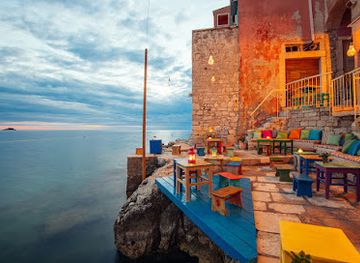
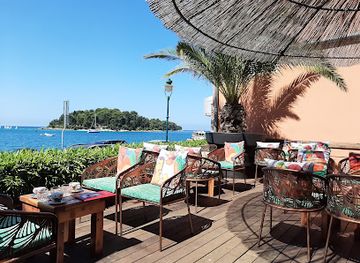
Evening life in Istria is concentrated in Pula and the larger coastal resorts, while inland towns favour a quieter pattern of wine bars, cafés, konobas and traditional meeting places. Pula has the broadest selection of pubs, cocktail bars, live music and cultural venues, with activity increasing during the summer events season. Rovinj, Poreč and Umag offer waterfront bars, late-opening restaurants and seasonal entertainment, although the atmosphere is more holiday-oriented than that of a large European club city. Along the coast, evening strolling and outdoor dining are often as important as formal nightlife. Inland, wine tasting and small bars provide a more restrained alternative, particularly around hill towns and villages. Opening arrangements and entertainment programmes change seasonally, so checking locally is advisable rather than relying on out-of-date listings.
-
Pub
The Shipyard Pub
Discover the charm of The Shipyard Pub in Pula, where great food, drinks, and nautical decor create a memorable dining experience.
-
Bar
D’OR Beach Club
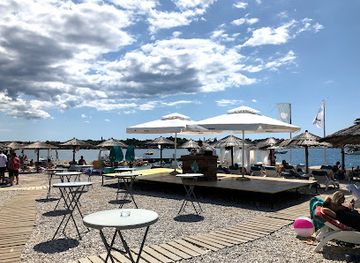
Experience sun-kissed relaxation at D’OR Beach Club, where stunning Adriatic views and refreshing cocktails await every visitor.
-
Cocktail bar
Mediterraneo Cocktail Bar
Experience a perfect blend of cocktails and coffee at Mediterraneo Cocktail Bar, overlooking the stunning Adriatic Sea in Rovinj.
-
Bar
Havana Rovinj Cocktail Bar
Experience the vibrant atmosphere and exquisite cocktails at Havana Rovinj Cocktail Bar, a tropical oasis on the Adriatic coast.

Best nightclubs in Istria
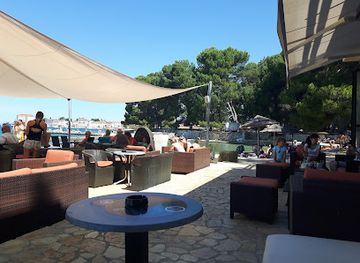
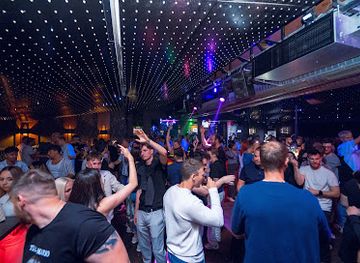
Evening life in Istria is concentrated in Pula and the larger coastal resorts, while inland towns favour a quieter pattern of wine bars, cafés, konobas and traditional meeting places. Pula has the broadest selection of pubs, cocktail bars, live music and cultural venues, with activity increasing during the summer events season. Rovinj, Poreč and Umag offer waterfront bars, late-opening restaurants and seasonal entertainment, although the atmosphere is more holiday-oriented than that of a large European club city. Along the coast, evening strolling and outdoor dining are often as important as formal nightlife. Inland, wine tasting and small bars provide a more restrained alternative, particularly around hill towns and villages. Opening arrangements and entertainment programmes change seasonally, so checking locally is advisable rather than relying on out-of-date listings.
-
Night club
Stella Club
Dive into the electrifying nightlife of Pula at Stella Club, where music, dance, and good vibes collide for an unforgettable experience.
-
Bar
Villa Club Poreč
Experience the electrifying nightlife at Villa Club Poreč, where vibrant music and delicious cocktails await you in the heart of Istria.
-
Night club
Pietas Julia
Discover the vibrant nightlife of Pula at Pietas Julia, a lively night club and restaurant offering delicious cuisine and an energetic atmosphere.
-
Cocktail bar
Valentino Cocktail & Champagne Bar
Discover the luxurious Valentino Cocktail & Champagne Bar in Rovinj, offering exquisite drinks and stunning views of the Adriatic Sea for an unforgettable night out.

Best shops in Istria
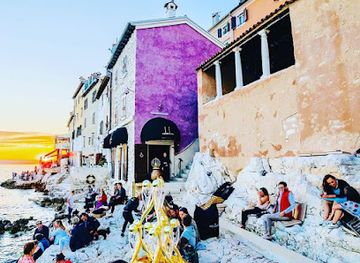
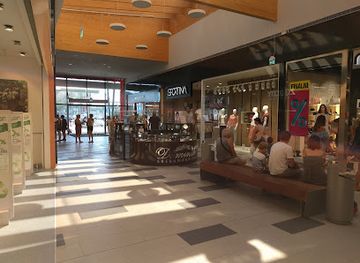
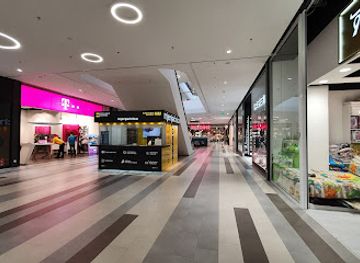
Shopping in Istria is strongest in the historic centres and market towns rather than in large regional malls. Pula has the broadest urban selection, including everyday retail, food markets, bookshops and independent stores, while Rovinj, Poreč and other coastal towns offer galleries, small design shops and seasonal craft stalls. Inland markets and producer shops are particularly useful for Malvazija and Teran wines, extra-virgin olive oil, honey, truffle products, cheeses and cured meats. Ceramics, stonework, textiles and locally made jewellery make more considered souvenirs than mass-produced beach merchandise. Hill towns such as Motovun and Grožnjan are associated with galleries, studios and specialist food products, though opening patterns can be seasonal. When buying truffles or other packaged foods, check labelling and transport requirements, especially if travelling internationally. Farmers’ markets are also a good way to see the relationship between Istria’s villages, vineyards, olive groves and coastal towns.
-
Shopping mall
Pula City Mall
Explore Pula City Mall: A Shopping Haven with Dining and Entertainment in the Heart of Pula, Croatia.
-
Shopping mall
Max City
Discover Max City in Pula, Croatia: a vibrant shopping mall with diverse stores, delightful dining, and an inviting atmosphere for all visitors.
-
Shopping mall
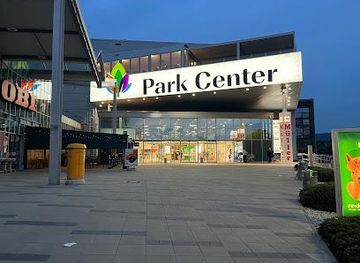
Park Center Koper
Experience the best of shopping, dining, and entertainment at Park Center Koper in Slovenia's beautiful coastal city.
-
Shopping mall
Riva Mall
Discover shopping, dining, and entertainment at Riva Mall in Poreč, where local culture meets modern retail experiences.

Get your free copy of our complete guide to Istria, delivered straight to you.
Everything on this page, from attractions and restaurants to essentials and local phrases, in one PDF you can read offline, print or share.
Already have an account? Sign in
Your Istria guide is ready.
We'll send it to · Not you? Sign out

Getting your guide ready…
We are putting together a fresh copy of the Istria guide. This can take up to a minute.
This can take a few moments. If your browser asks, choose Allow so the download can start. You'll find the guide in your Downloads folder.
Nothing happened? Download it again
Sorry, the guide is taking longer than usual. Please try again in a minute, or get it by email instead.
Istria essentials
Currency and Payment
Safety
Emergency Situations
Do's and Don'ts
Local Tips
From Eve
Local phrases worth knowing
You don't need to get them perfect. A few words go a long way, and locals appreciate the effort.
Basics
| English | Local | Say it |
|---|---|---|
| Hello | Bok | [Bok] |
| Goodbye | Doviđenja | [Doviđenja] |
| Yes | Da | [Da] |
| No | Ne | [Ne] |
| Please/You're welcome | Molim | [Moleem] |
| Thank you | Hvala | [Hvala] |
| Excuse me/Sorry | Oprostite | [Oprosteete] |
| How are you? | Kako ste? | [Kako ste?] |
| Fine. And you? | Dobro. A vi? | [Dobro. A vee?] |
| Do you speak English? | Govoriš li engleski? | [Govorish lee engleski?] |
| I don't understand | Ne razumijem | [Ne razoomiem] |
Eating & Drinking
| English | Local | Say it |
|---|---|---|
| I'd like to see the menu, please | Mogu li vidjeti jelovnik, molim? | [Mogu lee veedjeti yelovnik, moleem?] |
| I don't eat meat | Ne jedem meso | [Ne yedem meso] |
| Cheers! | Živjeli! | [Zheevyeli!] |
| I would like to pay, please | Želio bih platiti, molim? | [Zhelio beekh platiiti, moleem?] |
Emergencies
| English | Local | Say it |
|---|---|---|
| Help! | Pomoć! | [Pomotch!] |
| Go away! | Otiđi! | [Oteedjee!] |
| Call the Police! | Pozovite policiju! | [Pozovitee politsiyu!] |
| Call a doctor! | Pozovite doktora! | [Pozovitee doktora!] |
| I'm lost | Izgubio sam se | [Izgoobeeo sam seh] |
| I'm ill | Bolestan sam | [Bolestan sam] |
Shopping
| English | Local | Say it |
|---|---|---|
| I'd like to buy... | Želio bih kupiti... | [Zhelio beekh koopiti...] |
| I'm just looking | Samo gledam | [Samo gledam] |
| How much is it? | Koliko košta? | [Koliko koshhta?] |
| That's too expensive | To je preskupo | [To yeh preskoopoh] |
| Can you lower the price? | Možete li sniziti cijenu? | [Mozhete lee sneeziti tsienu?] |
Time & Numbers
| English | Local | Say it |
|---|---|---|
| What time is it? | Koliko je sati? | [Koliko yeh sati?] |
| It's one o'clock | Jedna je sat | [Yedna yeh sat] |
| Half past (10) | Pola (10) | [Pola (10)] |
| Morning | Jutro | [Yootro] |
| Afternoon | Poslijepodne | [Posleepodne] |
| Evening | Večer | [Vecher] |
| Yesterday | Jučer | [Yucher] |
| Today | Danas | [Danas] |
| Tomorrow | Sutra | [Sootra] |
| 1 | Jedan | [Yedan] |
| 2 | Dva | [Dva] |
| 3 | Tri | [Tree] |
| 4 | Četiri | [Chetiri] |
| 5 | Pet | [Pet] |
| 6 | Šest | [Shest] |
| 7 | Sedam | [Sedam] |
| 8 | Osam | [Osam] |
| 9 | Devet | [Devet] |
| 10 | Deset | [Deset] |
Transport & Directions
| English | Local | Say it |
|---|---|---|
| Where's a/the...? | Gdje je...? | [Gdje yeh...?] |
| What's the address? | Koja je adresa? | [Koya yeh adresa?] |
| Can you show me (on the map)? | Možeš li mi pokazati (na karti)? | [Mozhesh lee mee pokazati (na karti)?] |
| When's the next (bus)? | Kada je sljedeći (autobus)? | [Kada yeh sledeechi (autobus)?] |
| A ticket (to ....) | Jedna karta (do ...) | [Yedna karta (do ...)] |
History of Istria
Prehistoric Hill Forts and Early Coastal Settlement
Istria has a long archaeological record, including fortified hilltop settlements associated with the Histri, the people from whom the peninsula takes its name. These communities occupied defensible locations and maintained links with the Adriatic and wider northern Mediterranean. Remains of prehistoric and later fortified settlements are found across the peninsula, while caves and elevated sites provide evidence of much earlier human activity. The importance of hilltop locations continued into later periods, helping explain the distribution of many inland towns whose medieval centres still occupy prominent ridges.
Roman Istria and the Growth of Pula
Rome incorporated Istria during the second century BC, and the peninsula became part of the Roman world through roads, agricultural estates, ports and urban institutions. Pula, then known as Pola, developed into an important Roman settlement and retains the clearest monumental legacy, particularly its amphitheatre, Temple of Augustus and city gates. Roman influence also shaped rural landholding and communications across the peninsula. The amphitheatre’s scale reflects the city’s significance as a regional centre rather than merely a local provincial town.
Byzantine, Frankish and Medieval Powers
After the end of Roman imperial rule, Istria passed through several political phases, including Ostrogothic and Byzantine control before becoming associated with Frankish rulers. Medieval authority was fragmented among bishops, local lords, communes and competing coastal powers. Hill towns developed fortifications and civic identities, while monasteries and churches helped organise settlement and agriculture. The surviving medieval cores of places such as Motovun, Buzet and Grožnjan preserve this era’s defensive geography, narrow streets and stone architecture.
Venetian Rule and Maritime Trade
From the late medieval period, Venice gradually secured much of coastal Istria, including important ports such as Poreč, Rovinj, Pula and Novigrad. Venetian rule connected the region to Adriatic trade networks and left a strong mark on town halls, campaniles, loggias, churches and waterfront architecture. Inland territories often remained under different authorities, creating a political contrast between the maritime towns and fortified hill settlements. Venetian influence is still visible in the urban forms, building details and Italian cultural connections of western Istria.
Habsburg Administration and the Port of Pula
The nineteenth century brought Istria increasingly into the Habsburg orbit, while Pula became a major naval base of the Austro-Hungarian Empire. Military investment transformed the city and its surrounding landscape through shipyards, barracks, fortifications and naval infrastructure. Pula’s Austro-Hungarian legacy complements its Roman monuments and gives the city a particularly layered character. During the same period, improved transport and commercial links encouraged the movement of people and goods between the peninsula, Trieste and the wider empire.
Twentieth-Century Borders and Population Change
After the First World War, Istria was incorporated into Italy, and the interwar period brought political Italianisation alongside economic and social change. Following the Second World War, the peninsula became part of Yugoslavia, with the final border settlement placing most of Istria in Croatia and Slovenia while a small area remained in Italy. The post-war decades saw migration, population exchanges and the decline or transformation of some traditional communities. Contemporary Istria’s Croatian, Italian and other regional identities reflect this complicated twentieth-century history.
Tourism, Agriculture and Regional Renewal
Mass tourism expanded along the Croatian coast during the second half of the twentieth century, particularly around Poreč, Rovinj, Umag, Rabac and Pula. Inland Istria followed a different path, retaining smaller settlements and developing a reputation for wine, olive oil, truffles, rural accommodation and heritage tourism. Since Croatia’s independence, investment in conservation, gastronomy, cycling and outdoor recreation has helped connect the coast with the interior. The result is an economy in which seasonal maritime tourism coexists with increasingly prominent agricultural and cultural industries.
Istria in Photos
Browse through our photo collection highlighting the charm and character of the destination.
Neighbouring regions of Istria
The closest regions to Istria, if you have time for more than one.
-

-

-

-

-


Swipe for more regions
Explore more

Explore more of Croatia
Discover Croatia: A Mediterranean paradise with stunning coastlines, ancient cities, and rich cultural heritage. Perfect for beach lovers, history buffs, and nature enthusiasts.
Explore Croatia