
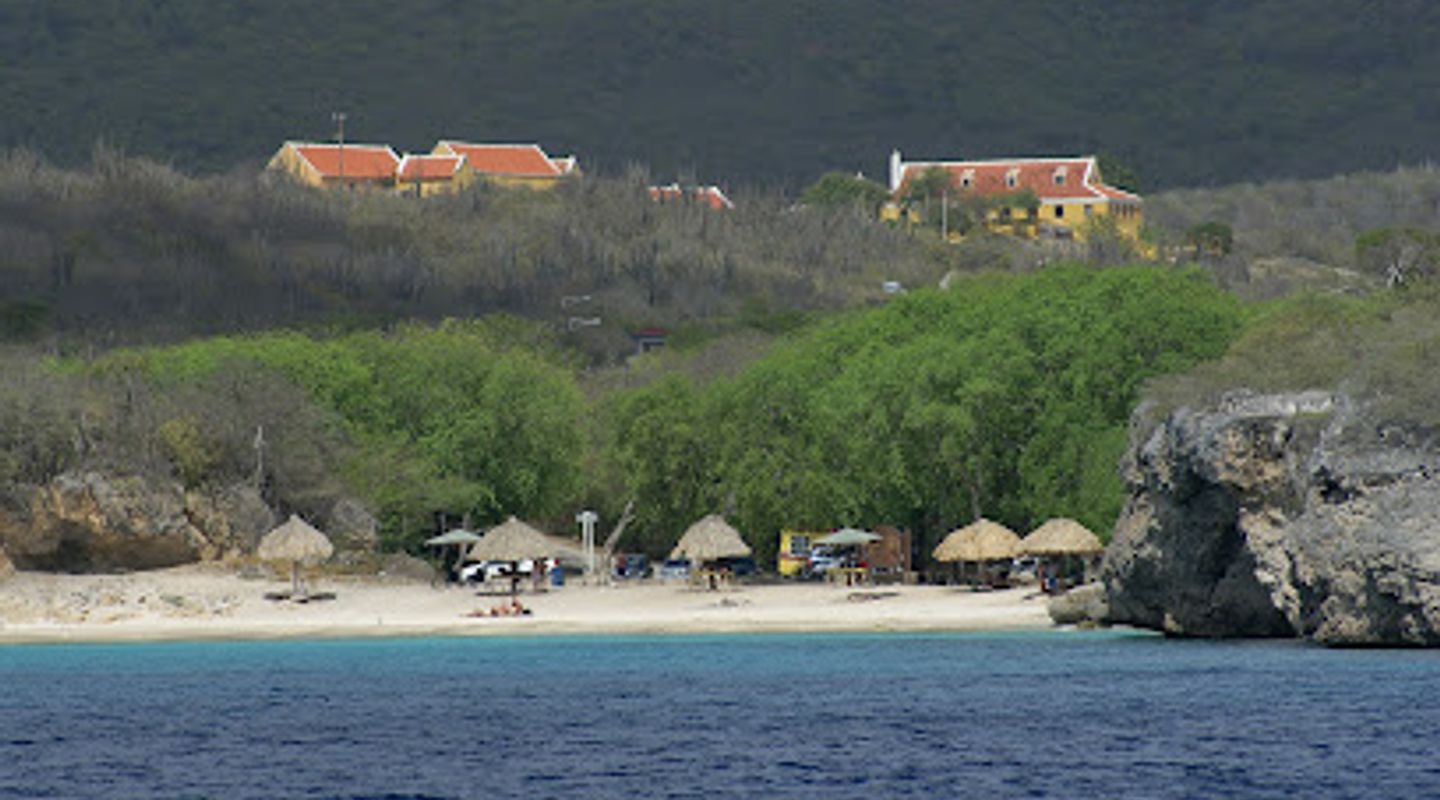
Manor Knip, Playa Kenepa Travel Guide
Explore Landhuis Knip, a pivotal site in Curaçao's history, where the 1795 slave revolt ignited the path to emancipation, offering profound insights into the island's heritage.
Landhuis Knip, also known as Plantation Knip, stands as a poignant reminder of Curaçao's colonial history and the pivotal 1795 slave revolt led by Tula. This beautifully restored 18th-century plantation house offers visitors a glimpse into the lives of both the plantation owners and the enslaved people who toiled on the land. Explore the museum within the Landhuis, which provides a detailed account of the revolt and its impact on Curaçao's path to emancipation. Wander the grounds, taking in the panoramic views of the surrounding landscape, and reflect on the stories of resistance and resilience that permeate this historical site. Landhuis Knip is more than just a monument; it's a place to connect with Curaçao's complex past and honor those who fought for freedom. The location provides a serene yet thought-provoking experience, making it a must-visit for anyone seeking to understand the island's cultural heritage. Don't miss the opportunity to stand where history was made and contemplate the ongoing journey toward equality and justice.
A brief summary to Manor Knip
- 8VV4+RR9, Lagun, CW
- Click to display
- Tuesday 11:30 am-4 pm
- Wednesday 11:30 am-4 pm
- Thursday 11:30 am-4 pm
- Friday 11:30 am-4 pm

Know before you go
Hi, I'm Eve. Here are a few practical things to know before exploring Manor Knip.
- Visit early in the day, especially on Tuesdays to Fridays, to avoid crowds and have a more intimate experience with the exhibits.
- Combine your visit with a trip to nearby Grote Knip or Kleine Knip beaches for a perfect blend of history and relaxation.
- Consider taking a guided tour to gain deeper insights into the history of the plantation and the 1795 slave revolt.
Do you manage this location?
Take control to get all the benefits, like improved information, better appearance, and stronger visibility across AI-powered discovery. Learn more about listing your business on Evendo
Activate your presenceOther nearby places you may find interesting
The closest places of the same kind, if this one is not quite what you had in mind.
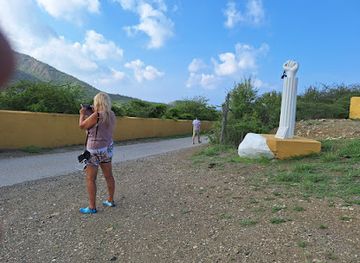
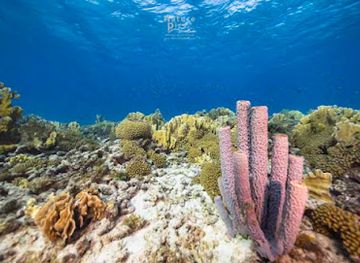
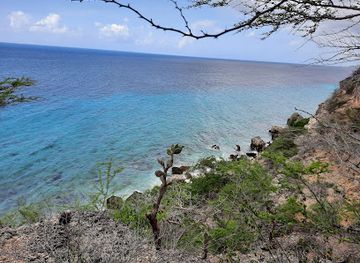
Explore Manor Knip on the Map
A handpicked selection of must-see spots near Manor Knip, mapped for you.
Getting There
-
Public Transport
From Willemstad, the most economical way to reach Landhuis Knip is by taking bus 3C towards Lagun/ Knip from the Otrobanda bus terminal. The bus ride takes approximately 1 hour and 15 minutes. The bus stops directly at Landhuis Knip. A single fare costs approximately 2.50 ANG (about $1.40 USD). Buses run approximately every 4 hours, so check the schedule in advance.
-
Taxi/Ride-Share
A taxi or ride-share from Willemstad to Landhuis Knip offers a more direct but significantly more expensive option. The journey takes around 40-50 minutes, depending on traffic. Expect to pay between 70-90 ANG (approximately $40-50 USD) for a one-way trip. Confirm the fare with the driver before starting your journey.
-
Driving
If driving from Willemstad, take Weg naar Westpunt. The drive is straightforward and takes about 40 minutes. Parking is available at Landhuis Knip. Parking is free.
Discover more about Manor Knip













Your all‑in‑one travel companion app
Explore expert travel guides, compare and book tours, experiences, hotels, and more—all from the palm of your hand. Download now for seamless trip planning wherever your wanderlust takes you.


Explore More of Playa Kenepa
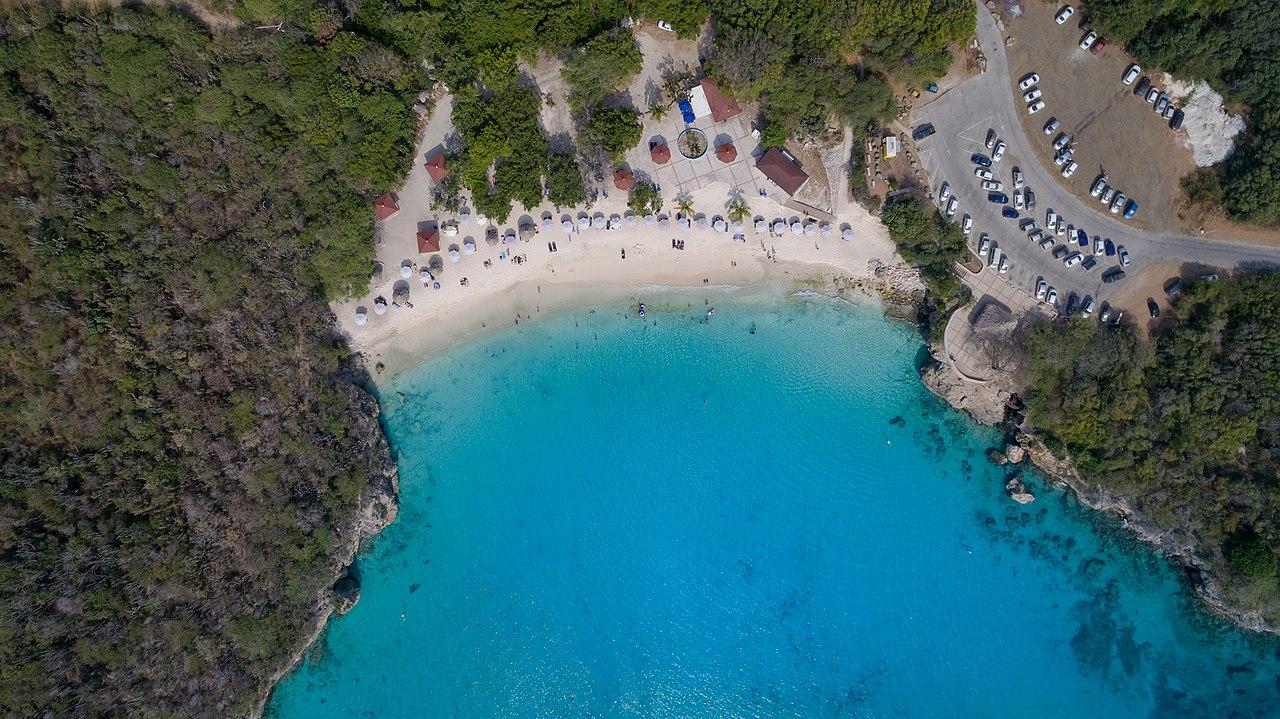
Looking beyond Manor Knip? Discover Playa Kenepa for broader travel guides, local hot-spots, and regional highlights.
Explore Playa Kenepa
Discover the stunning vistas of the Caribbean Sea from the North Coast Viewpoint in Curaçao, a perfect spot for relaxation and photography.
Explore the tranquil beauty of Westpunt, a serene park in Curaçao perfect for relaxation, nature walks, and stunning coastal views.
