
Background

Kura Hulanda Village: A Journey Through Curaçao's Soul

Explore Curaçao's soul in Kura Hulanda Village: a meticulously restored historical landmark in Willemstad's Otrobanda, blending colonial charm with a poignant museum experience.

4.7

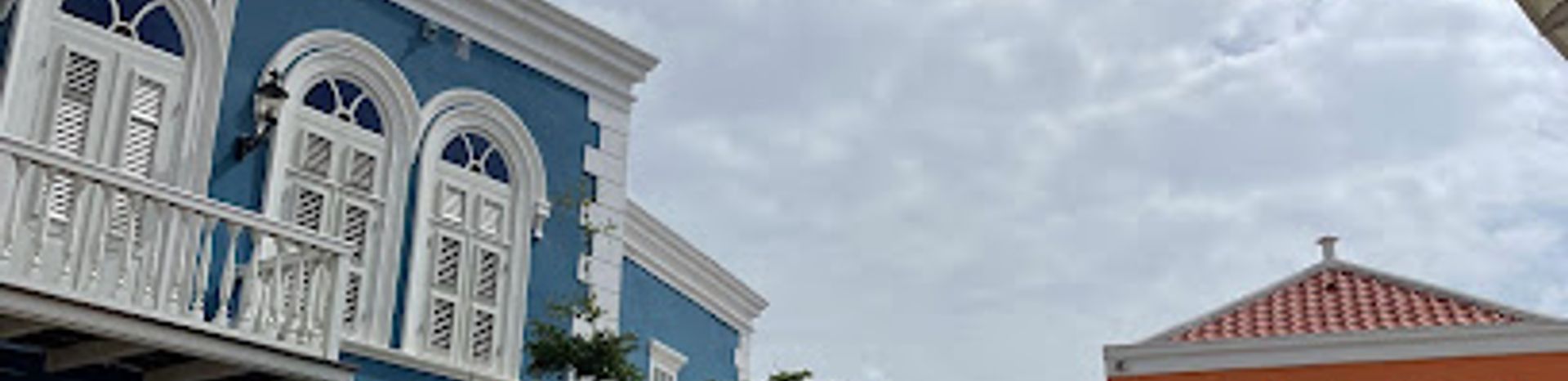
Kura Hulanda Village in Willemstad's Otrobanda district is more than just a historical landmark; it's a meticulously restored village that offers a profound glimpse into Curaçao's complex past. Once a dilapidated neighborhood, Dutch entrepreneur Jacob Gelt Dekker transformed it into a vibrant community showcasing colonial architecture and a world-class anthropological museum. Wander through cobblestone streets lined with colorful buildings, explore the museum's poignant exhibits on the transatlantic slave trade, and discover the blend of history, culture, and modern life that makes Kura Hulanda a unique and thought-provoking destination. The village features a hotel, shops, restaurants and bars, offering a complete experience for visitors seeking to immerse themselves in the island's heritage.

A brief summary to Kura Hulanda Village

Local tips

  • Allow ample time to fully experience the Museum Kurá Hulanda; plan for at least 3 hours to absorb the powerful exhibits on the transatlantic slave trade.
  • Consider taking a guided tour of the museum for deeper insights and historical context; guides are often available for a small additional fee.
  • Wear comfortable shoes for walking on the cobblestone streets of the village; the uneven surfaces can be challenging in heels or sandals.
  • Visit during the cooler morning hours to avoid the midday heat and crowds; the village can get quite busy, especially during peak season.
  • Explore beyond the main streets and discover hidden courtyards and architectural details; the village is full of surprises and photo opportunities.
widget icon

Getting There

  • Walking

    Kura Hulanda Village is located in the Otrobanda district of Willemstad, easily accessible on foot from most central locations in Otrobanda and Punda. From the Queen Emma Pontoon Bridge, cross into Otrobanda and walk west along the waterfront. Kura Hulanda Village will be on your left, a few blocks past the Renaissance Mall & Rif Fort. The walk is generally flat and takes about 5-10 minutes from the bridge. Look for signs indicating the village entrance.

  • Public Transport

    If arriving by public transport, take a bus to the Otrobanda bus terminal ('Station Otrobanda'), which is a major hub for buses serving the western side of Curaçao. From the terminal, walk south towards the waterfront and then west for a few blocks. Kura Hulanda Village will be on your left. A single bus fare within Willemstad typically costs around 1.50-2.50 ANG (Netherlands Antillean Guilder). Be sure to have cash in local currency.

  • Taxi/Ride-Share

    Taxis and ride-sharing services are readily available in Willemstad. Simply ask your driver to take you to Kura Hulanda Village in Otrobanda. A short taxi ride from Punda or other parts of Otrobanda should cost approximately 20-30 ANG, depending on traffic and distance.

Unlock the Best of Kura Hulanda Village

Buy tickets

    No tickets available

Book tours with entry

    No tours available

Book tours without entry

    No tours available

Discover more about Kura Hulanda Village

Kura Hulanda Village, nestled in the heart of Willemstad's Otrobanda district, is a captivating journey through time and a testament to the resilience of Curaçao's cultural heritage. The name 'Kura Hulanda' itself, meaning 'Dutch Courtyard' in Papiamentu, hints at the village's historical roots, dating back to the early 18th century when the area began to develop on the western side of St. Anna Bay. Originally, Otrobanda was 'the other side' of Willemstad, a place where craftsmen, laborers, and freed slaves established their homes and businesses. In contrast to the more affluent Punda, Otrobanda became a melting pot of cultures and a vibrant center for the local population. However, by the late 20th century, the neighborhood had fallen into disrepair, with many historic buildings abandoned and the area plagued by social issues. In the early 2000s, Dutch entrepreneur Jacob Gelt Dekker embarked on an ambitious project to restore Kura Hulanda to its former glory. Dekker recognized the area's potential and invested heavily in preserving its architectural heritage. Dilapidated buildings were meticulously renovated, transforming them into a charming village with cobblestone streets, colorful facades, and lush courtyards. The restored village now houses a hotel, restaurants, shops, and residences, creating a lively and engaging atmosphere for visitors and locals alike. At the heart of Kura Hulanda Village lies the Museum Kurá Hulanda, an anthropological museum that offers a powerful and moving exploration of the African slave trade. The museum's exhibits chronicle the origins of humanity, the rise of West African empires, and the horrors of the transatlantic slave trade. Artifacts, documents, and artwork are thoughtfully curated to tell the stories of those who were enslaved and to shed light on the lasting impact of slavery on Curaçao and the world. The museum is divided into several sections, each focusing on a different aspect of the African diaspora. Visitors can explore exhibits on West African culture, the Middle Passage, plantation life, and the struggle for emancipation. The museum also features a collection of contemporary art that reflects on the themes of slavery, identity, and social justice. Walking through Kura Hulanda Village is an immersive experience that engages all the senses. The colorful buildings, the sound of Papiamentu being spoken, the aroma of local cuisine wafting from the restaurants, and the poignant exhibits in the museum all combine to create a powerful and unforgettable encounter with Curaçao's history and culture. Beyond the museum, Kura Hulanda Village offers a variety of other attractions and activities. Visitors can browse the shops for local crafts and souvenirs, relax in one of the village's many cafes and restaurants, or simply stroll through the cobblestone streets and admire the architecture. The village also hosts cultural events and festivals throughout the year, providing opportunities to experience Curaçao's vibrant traditions. Kura Hulanda Village is more than just a tourist attraction; it is a place of remembrance, reflection, and reconciliation. It is a place where visitors can learn about the past, engage with the present, and imagine a more just and equitable future. The village stands as a testament to the power of preservation, the importance of cultural heritage, and the enduring spirit of the Curaçaoan people. Visiting Kura Hulanda Village is an essential experience for anyone seeking to understand the soul of Curaçao. It is a place that will challenge your assumptions, stir your emotions, and leave you with a deeper appreciation for the complexities of history and the beauty of human resilience. The village is easily walkable, allowing visitors to fully appreciate the intricate details of the architecture and the vibrant atmosphere. Take your time to explore each corner, discover hidden courtyards, and soak in the unique ambiance of this meticulously restored historical site. Kura Hulanda Village is a living testament to Curaçao's past, present, and future, offering a profound and enriching experience for all who visit.

Popular Experiences near Kura Hulanda Village

Popular Hotels near Kura Hulanda Village

Select Currency