

Free Punda Travel Guide & Mobile App
Explore Punda with free travel guides. Discover regional history, expert tips, proposed trips, and audio guides on web or mobile app.


Explore Punda in Curaçao for colourful harbour architecture, historic forts, Jewish heritage, local shopping and atmospheric Willemstad walks.
Read more about Punda
When is the best time to visit Punda?
Best: March, May–June · 29–30°C| Month | High (°C) | Rainfall (mm) |
|---|---|---|
| January | 29 | 50 |
| February | 29 | 40 |
| March (best) | 29 | 30 |
| April | 30 | 30 |
| May (best) | 30 | 20 |
| June (best) | 30 | 20 |
| July | 30 | 30 |
| August | 30 | 40 |
| September | 30 | 50 |
| October | 30 | 60 |
| November | 30 | 70 |
| December | 30 | 60 |
Getting to and around Punda
How to get there
Transportation
Best attractions in Punda
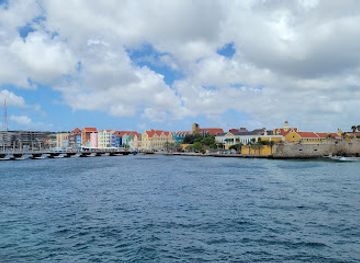
Punda’s attractions are concentrated within a walkable historic quarter rather than spread across a large landscape. The waterfront along Handelskade provides the classic introduction, with merchant façades, harbour traffic and views towards Otrobanda. Fort Amsterdam offers a closer encounter with the district’s seventeenth-century military foundations, while the Mikvé Israel-Emanuel Synagogue introduces visitors to Curaçao’s long-established Jewish community and Atlantic trading history. Streets around Breedestraat, Heerenstraat and Wilhelminaplein add small galleries, civic spaces, shops and places to observe everyday Willemstad life. The floating market area, when operating in its current form, gives the waterfront a distinctly Caribbean commercial character, with produce and fish trading associated with maritime links to the wider region. The Queen Emma Bridge is both a practical pedestrian connection and a way to appreciate the harbour from water level. Punda itself has no beach or large natural park, so visitors should treat it as the cultural and architectural part of a wider Curaçao itinerary. Island beaches, diving sites and plantation landscapes require separate journeys beyond the district.
-
Bridge
Queen Emma Bridge
Experience the charm of Willemstad on the Queen Emma Bridge, a floating pedestrian bridge offering stunning views and a unique glimpse into Curaçao's rich history and vibrant culture.
-
Aquarium
Curaçao Sea Aquarium
Discover the wonders of the Caribbean Sea at Curaçao Sea Aquarium, where you can explore vibrant marine life, engage in interactive experiences, and learn about ocean conservation.
-
Tourist attraction
Old Market
Discover the rich flavors and vibrant culture of Willemstad at the Old Market, a must-visit destination for every traveler in Curaçao.
-
Plaza
Brión Square
Experience the vibrant heart of Willemstad at Brión Square, a historic plaza offering cultural events, colorful architecture, and a taste of Curaçao's rich heritage.


Best landmarks in Punda
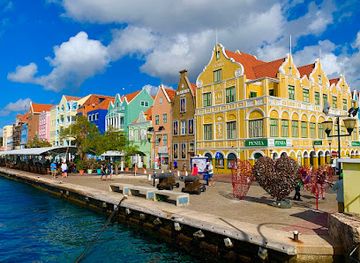
The most recognisable landmark in Punda is the colourful Handelskade, whose stepped-gable merchant buildings line the Sint Annabaai and express Willemstad’s historic relationship with maritime trade. Fort Amsterdam, founded after the Dutch capture of Curaçao in 1634, anchors the district’s eastern harbour entrance and remains a powerful reminder that Punda was both a commercial centre and a defensive settlement. Within the fort complex, the Protestant Church and other historic buildings add architectural depth, while the Mikvé Israel-Emanuel Synagogue on Hanchi Snoa is one of the quarter’s most important religious and cultural landmarks. Wilhelminaplein provides a civic counterpoint to the narrow commercial streets, and the Queen Emma Bridge frames the harbour as a moving pedestrian landmark when it is in position. Together with Punda’s grid of historic streets, these places form part of the UNESCO-listed historic area of Willemstad. The significance of the district lies less in one isolated monument than in the relationship between fortification, merchant architecture, religious buildings and the sheltered Caribbean harbour.
-
Bridge
Queen Emma Bridge
Discover the charm of Queen Emma Bridge, a floating icon of Willemstad connecting Punda and Otrobanda with breathtaking views and vibrant culture.
-
Shopping mall
Renaissance Mall & Rif Fort
Experience history, shopping, and dining at Renaissance Mall & Rif Fort in Curaçao, a unique destination blending the past and present.
-
Beach pavillion
Cas Abao Beach
Experience the serene beauty and vibrant culture of Cas Abao Beach, a must-visit destination in Curaçao for beach lovers and food enthusiasts alike.
-
Aquarium
Curaçao Sea Aquarium
Explore the magic of the ocean at Curaçao Sea Aquarium, where interactive exhibits and marine conservation come together for an unforgettable experience.

Explore Punda on the map
Plan your trip on one map. See where the top cities, national parks and sights are, and book hotels and experiences in a few clicks.
Best hotels in Punda
Best restaurants in Punda
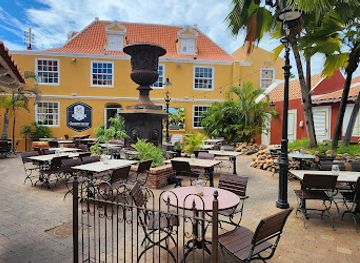
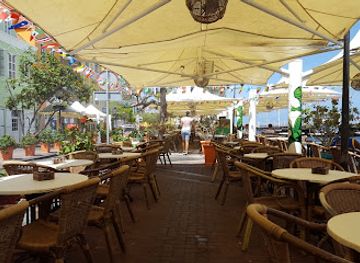
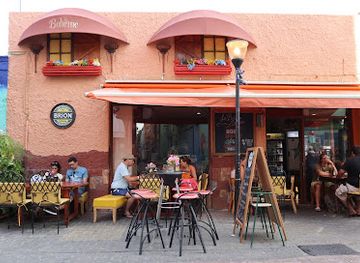
Dining in Punda is shaped by its harbour setting, historic buildings and cosmopolitan population. Restaurants and cafés around the waterfront and central streets serve a mixture of Curaçaoan, Caribbean, Dutch, Latin American and international food, while local specialities may include keshi yena, a baked cheese dish with a seasoned filling, funchi made from cornmeal, stewed meats, seafood and savoury snacks influenced by the island’s African and European histories. Menus vary considerably, so visitors interested in traditional cooking should ask specifically for Curaçaoan dishes rather than assume that every restaurant serves them. Cafés and casual lunch spots suit a daytime walking itinerary, whereas evening dining is more likely to focus on sit-down restaurants in restored buildings or beside the harbour. Market and informal vendors can offer a more immediate taste of local produce, but availability changes with the day and season. Curaçao’s food culture also includes Dutch cheeses, pastries and excellent use of tropical ingredients, reflecting the island’s position at a crossroads of Caribbean trade.
-
Restaurant
Restaurant & Café Gouverneur De Rouville
Indulge in Caribbean flavors with breathtaking views at Restaurant & Café Gouverneur De Rouville in Willemstad.
-
Restaurant
Iguana Café
Experience vibrant dining at Iguana Café in Willemstad—where local flavors meet stunning waterfront views.
-
Restaurant
La Bohème Curaçao
Experience the vibrant flavors of Caribbean cuisine at La Bohème Curaçao—where culinary delight meets warm hospitality.
-
Diner
Plein Café Wilhelmina
Discover Plein Café Wilhelmina: A delightful diner in Willemstad offering diverse menus celebrating Curaçao's culinary heritage.
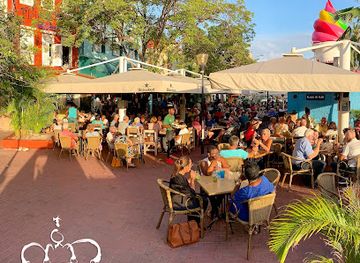
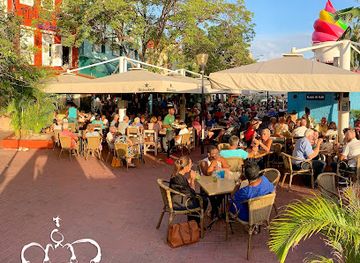
Best bars in Punda
Punda’s evening life is generally centred on restaurants, waterfront drinks, hotel bars and relaxed cafés rather than a concentrated nightclub district. After sunset, the historic façades and harbour views create an atmospheric setting for a meal or a drink, particularly around the central streets and the edge of the Sint Annabaai. Menus commonly include cocktails, imported beers and local or Caribbean-inspired drinks, while some venues provide music without becoming late-night clubs. For a broader choice of nightlife, visitors often continue towards neighbouring Pietermaai or other parts of Willemstad, which are outside Punda’s compact historic core and have their own bars and dining venues. Opening arrangements and entertainment programmes change, so check locally rather than relying on old listings. Quiet streets can become noticeably less active late at night; use a licensed taxi or arranged transport if returning to accommodation outside central Willemstad.
-
Restaurant
Iguana Café
Discover the vibrant flavors of the Caribbean at Iguana Café, a must-visit dining destination in Willemstad, Curaçao, offering delightful local and international cuisine.
-
Bar
La Bohème Curaçao
Discover the best of Caribbean cuisine at La Bohème Curaçao, where vibrant flavors meet a cozy atmosphere in the heart of Punda.
-
Diner
Plein Café Wilhelmina
Experience the vibrant culinary scene at Plein Café Wilhelmina in Willemstad, where local dishes meet international flavors in a lively atmosphere.
-
Restaurant
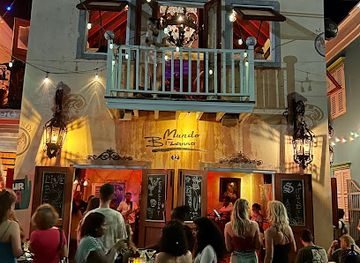
Mundo Bizarro
Discover the vibrant culinary scene at Mundo Bizarro in Willemstad, Curaçao, where delicious food meets a lively atmosphere.
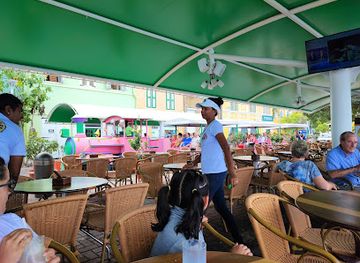
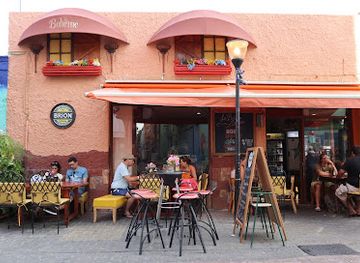
Best nightclubs in Punda
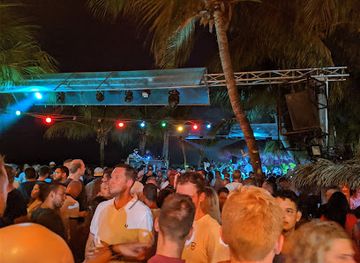
Punda’s evening life is generally centred on restaurants, waterfront drinks, hotel bars and relaxed cafés rather than a concentrated nightclub district. After sunset, the historic façades and harbour views create an atmospheric setting for a meal or a drink, particularly around the central streets and the edge of the Sint Annabaai. Menus commonly include cocktails, imported beers and local or Caribbean-inspired drinks, while some venues provide music without becoming late-night clubs. For a broader choice of nightlife, visitors often continue towards neighbouring Pietermaai or other parts of Willemstad, which are outside Punda’s compact historic core and have their own bars and dining venues. Opening arrangements and entertainment programmes change, so check locally rather than relying on old listings. Quiet streets can become noticeably less active late at night; use a licensed taxi or arranged transport if returning to accommodation outside central Willemstad.
-
Bar
Wet & Wild Beach Club
Discover the vibrant atmosphere of Wet & Wild Beach Club in Curaçao, where relaxation meets lively beach parties and delicious tropical cuisine.
-
Bar
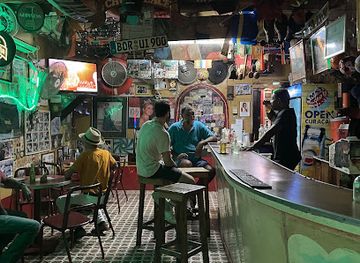
Netto Bar
Discover the vibrant Netto Bar in Willemstad, offering refreshing drinks and a lively atmosphere in the heart of Curaçao's historic district.
-
Restaurant
Cascada Rooftop Bar + Kitchen
Experience breathtaking views and a fusion of flavors at Cascada Rooftop Bar + Kitchen in Willemstad, Curaçao.
-
Night club
Cafe De Tijd
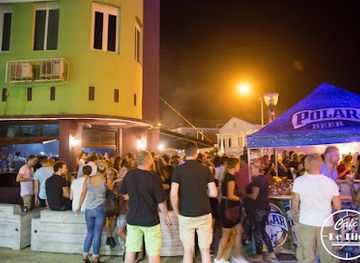
Experience the vibrant nightlife at Cafe De Tijd in Willemstad, Curaçao – where locals and tourists mingle under the stars.
Best shops in Punda
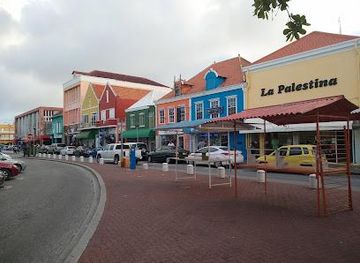
Shopping in Punda combines practical local retail with the heritage atmosphere of central Willemstad. Breedestraat and adjoining streets contain jewellers, clothing shops, pharmacies, souvenir outlets, cafés and small businesses, while the waterfront attracts visitors looking for photographs, crafts and Curaçao-themed gifts. Market activity near the harbour can include fish, fruit and other produce, though stalls and trading patterns may change, so it is best understood as a working commercial area rather than a fixed attraction with guaranteed stock. Useful regional purchases include locally made art, ceramics, textiles, jewellery, sauces, spices and packaged food products, but check labelling and customs rules before carrying food or plant material across borders. Punda is not primarily a large luxury-shopping destination; its appeal comes from browsing independent shops and combining purchases with the district’s architectural and harbour views. For a wider range of contemporary restaurants, galleries and design-led businesses, neighbouring Pietermaai and other parts of Willemstad provide additional options outside the historic core.
-
Shopping mall
Renaissance Mall & Rif Fort
Shop, dine, and explore at Renaissance Mall & Rif Fort, the heart of Willemstad's shopping and cultural scene.
-
Shopping mall
Mambo Beach Boulevard
Discover Mambo Beach Boulevard: A vibrant shopping and entertainment destination in Willemstad, Curaçao with stunning beach views and lively nightlife.
-
Shopping mall
Sambil Curacao
Explore Sambil Curacao, the ultimate shopping mall in Willemstad, offering diverse retail, dining, and entertainment experiences for every visitor.
-
Market
New Market
Explore the vibrant New Market in Willemstad, Curaçao - a colorful hub of local produce, crafts, and culture.


Get your free copy of our complete guide to Punda, delivered straight to you.
Everything on this page, from attractions and restaurants to essentials and local phrases, in one PDF you can read offline, print or share.
Already have an account? Sign in
Your Punda guide is ready.
We'll send it to · Not you? Sign out

Getting your guide ready…
We are putting together a fresh copy of the Punda guide. This can take up to a minute.
This can take a few moments. If your browser asks, choose Allow so the download can start. You'll find the guide in your Downloads folder.
Nothing happened? Download it again
Sorry, the guide is taking longer than usual. Please try again in a minute, or get it by email instead.
Punda essentials
Currency and Payment
Safety
Emergency Situations
Do's and Don'ts
Local Tips
From Eve
Local phrases worth knowing
You don't need to get them perfect. A few words go a long way, and locals appreciate the effort.
Basics
| English | Local | Say it |
|---|---|---|
| Hello | Bon dia | [Bohn dee-ah] |
| Goodbye | Ayo | [Ah-yoh] |
| Yes | Aw | [Aow] |
| No | Nega | [Neh-gah] |
| Please/You're welcome | Por fabor | [Por fah-bor] |
| Thank you | Danki | [Dahn-kee] |
| Excuse me/Sorry | Scusami | [Skoo-sah-mee] |
| How are you? | Kon ta | [Kohn tah] |
| Fine. And you? | Bon. Y bo? | [Bohn. Ee boh?] |
| Do you speak English? | Bo ta papia Ingles? | [Boh tah pah-pee-ah Een-glays?] |
| I don't understand | Mi no ta komprondé | [Mee noh tah kom-pron-day] |
Eating & Drinking
| English | Local | Say it |
|---|---|---|
| I'd like to see the menu, please | Mi ke mira e menu, por fabor | [Mee keh mee-rah eh meh-noo, por fah-bor] |
| I don't eat meat | Mi no ta kome carne | [Mee noh tah koh-meh kahr-neh] |
| Cheers! | Salud! | [Sahlood!] |
| I would like to pay, please | Mi ke paga, por fabor | [Mee keh pah-gah, por fah-bor] |
Emergencies
| English | Local | Say it |
|---|---|---|
| Help! | Yuda! | [Yoo-dah!] |
| Go away! | Bai for di! | [Bye for dee!] |
| Call the Police! | Llama e Polisia! | [Yah-mah eh Poh-lee-syah!] |
| Call a doctor! | Llama un doktor! | [Yah-mah oon dok-tor!] |
| I'm lost | Mi ta perdí | [Mee tah pehr-dee] |
| I'm ill | Mi ta mal | [Mee tah mahl] |
Shopping
| English | Local | Say it |
|---|---|---|
| I'd like to buy... | Mi ke compra... | [Mee keh kom-prah...] |
| I'm just looking | Mi ta solamente mirando | [Mee tah soh-lah-men-teh mee-rahn-doh] |
| How much is it? | Kuanto ta e? | [Kwan-toh tah eh?] |
| That's too expensive | Es ta demasiado caro | [Es tah deh-mah-syah-doh kah-roh] |
| Can you lower the price? | Bo por baha e precio? | [Boh por bah-hah eh preh-syo?] |
Time & Numbers
| English | Local | Say it |
|---|---|---|
| What time is it? | Kico ora ta? | [Kee-koh oh-rah tah?] |
| It's one o'clock | Ta un ora | [Tah oon oh-rah] |
| Half past (10) | Medio pa (10) | [Meh-dee-oh pah (10)] |
| Morning | Mañan | [Mah-nyan] |
| Afternoon | Tarde | [Tar-deh] |
| Evening | Anochi | [Ah-noh-chee] |
| Yesterday | Ayer | [Ah-yer] |
| Today | Hoy | [Oy] |
| Tomorrow | Mañana | [Mah-nyah-nah] |
| 1 | Un | [Oon] |
| 2 | Dos | [Dohs] |
| 3 | Tres | [Trehs] |
| 4 | Cuatro | [Kwah-troh] |
| 5 | Cinco | [Seen-koh] |
| 6 | Seis | [Says] |
| 7 | Siete | [See-eh-teh] |
| 8 | Ocho | [Oh-choh] |
| 9 | Nueve | [Nweh-veh] |
| 10 | Diez | [Dyehz] |
Transport & Directions
| English | Local | Say it |
|---|---|---|
| Where's a/the...? | Unda ta un/di...? | [Oon-dah tah oon/dee...?] |
| What's the address? | Kico ta e direccion? | [Kee-koh tah eh dee-rek-syon?] |
| Can you show me (on the map)? | Bo por mustra mi (na e mapa)? | [Boh por moos-trah mee (nah eh mah-pah)?] |
| When's the next (bus)? | Kando ta e proximo (bus)? | [Kahn-doh tah eh prohk-see-moh (boos)?] |
| A ticket (to ....) | Un tiket (pa....) | [Oon tee-ket (pah....)] |
History of Punda
Indigenous Settlement before European Rule
Before European colonisation, Curaçao was inhabited by Indigenous peoples associated with the Caquetío, whose communities used the island’s coastal resources and inland water sources. There was no urban Punda at this stage, but the island’s strategic position and natural harbour later shaped its colonial importance. Archaeological evidence elsewhere on Curaçao provides the clearest record of these earlier societies, while Punda’s present street plan belongs principally to the European and Atlantic history that followed.
Spanish Control and the Formation of Willemstad
Spanish expeditions claimed Curaçao in the sixteenth century and established a period of European control over the island, although settlement remained limited compared with later developments. The natural harbour around present-day Willemstad gradually became more significant because it offered sheltered anchorage in a strategically placed part of the southern Caribbean. This setting laid the foundations for the fortified commercial town that would later develop on both sides of the Sint Annabaai.
Dutch Capture and the Fortified Punda, 1634 onwards
The Dutch West India Company captured Curaçao from Spain in 1634. Fort Amsterdam was established soon afterwards at the entrance to the harbour, and the settlement that became Punda developed on the protected eastern side. Defensive walls, controlled access and proximity to shipping shaped its early layout. Punda’s name reflects its position at the point of the peninsula, while its streets and fortifications reveal how military security and maritime commerce were closely linked in the seventeenth-century Caribbean.
Trade, Slavery and a Multicultural Port
During the seventeenth and eighteenth centuries, Curaçao became an important Dutch Atlantic trading centre. The island was deeply involved in the transatlantic slave trade, and enslaved Africans were brought through Curaçao before being sold or transported elsewhere; the wealth and social order of the period cannot be separated from that violence. Punda’s merchants, warehouses, harbour facilities and religious institutions reflected a society shaped by Dutch, Sephardic Jewish, African, Spanish and Caribbean connections. That multicultural legacy remains central to understanding Willemstad.
Jewish Heritage and the Mikvé Israel-Emanuel Synagogue
Sephardic Jewish settlers established a lasting community in Curaçao during the seventeenth century, contributing significantly to commerce, civic life and the island’s built heritage. The Mikvé Israel-Emanuel Synagogue in Punda dates from 1732 and is widely recognised as the oldest continuously used synagogue in the Western Hemisphere. Its presence, together with the adjacent Jewish cultural heritage, demonstrates the religious diversity that developed in the port and the importance of Curaçao within Jewish Atlantic networks.
The Oil Refinery Era and Modern Willemstad
The opening of an oil refinery at Asiento, near Willemstad, in the early twentieth century transformed Curaçao’s economy and population. Although the refinery lies outside Punda, its growth altered the capital’s commercial life and brought new workers, investment and infrastructure to the island. Punda remained the historic and retail centre of Willemstad while other districts expanded around it. The quarter’s merchant buildings and harbour continued to connect everyday urban life with Curaçao’s wider economic changes.
UNESCO Recognition and Heritage Conservation
In 1997, the historic area of Willemstad, including Punda and neighbouring districts, was inscribed as a UNESCO World Heritage Site. The designation recognises the town’s planned streets, fortifications, merchant houses, harbour relationship and architectural evidence of Dutch colonial development adapted to a Caribbean setting. Conservation has helped maintain Punda’s distinctive façades and civic landmarks, while the district continues to function as a living commercial centre rather than solely as a preserved historical monument.
Punda in Photos
Browse through our photo collection highlighting the charm and character of the destination.
Neighbouring regions of Punda
The closest regions to Punda, if you have time for more than one.
-

-

-

-

-


Swipe for more regions
Explore more

Explore more of Curacao
Discover Curacao, where vibrant culture, stunning beaches, and historic charm come together to create a Caribbean paradise like no other.
Explore Curacao