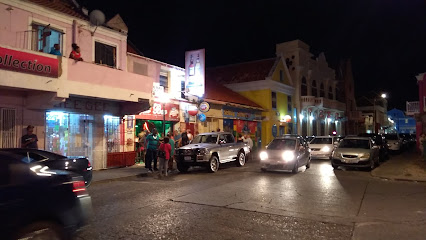
Mikve Israel-Emanuel Synagogue: A Living Testament to Jewish Heritage
Discover the oldest continuously operating synagogue in the Americas, a beacon of Jewish heritage in Curaçao, with its unique sand floor and rich cultural museum.
The Mikve Israel-Emanuel Synagogue, also known as the 'Snoa,' stands as a beacon of Jewish history in the Americas. Consecrated in 1732, it is the oldest synagogue in continuous use on this side of the Atlantic, a testament to the enduring spirit of a community that dates back to 1651. Located in the heart of Willemstad, a UNESCO World Heritage city, the synagogue's architecture and unique sand floor evoke a sense of reverence and connection to the past. Visitors can explore the adjacent Jewish Cultural Historical Museum, which houses a rich collection of artifacts, offering a glimpse into the lives and traditions of Curaçao's Jewish community. A visit here is more than just sightseeing; it's an immersive experience that bridges centuries of history and culture.
A brief summary to Mikve Israel-Emanuel Synagogue
- 4348+2WR, Hanchi Snoa, Willemstad, Punda, CW
- +59994611067
- Visit website
- Monday 9 am-4:30 pm
- Tuesday 9 am-4:30 pm
- Wednesday 9 am-4:30 pm
- Thursday 9 am-4:30 pm
- Friday 9 am-4:30 pm
Local tips
- Dress modestly when visiting the synagogue; shoulders should be covered, and men are required to wear a head covering during services.
- Visit the Jewish Cultural Historical Museum adjacent to the synagogue to deepen your understanding of the community's history and traditions.
- Take a guided tour to learn about the symbolism of the sand floor and the synagogue's unique architectural features.
- Check the synagogue's website for service times and special events, such as lectures or cultural performances.
- Allow at least 2-3 hours to fully explore the synagogue and museum, and to soak in the atmosphere of this historic site.

Getting There
-
Walking
From most points in Punda, Willemstad, the Mikve Israel-Emanuel Synagogue is easily accessible on foot. Orient yourself towards the city center and look for the distinctive architecture of the Dutch colonial buildings. The synagogue is located on Hanchi Snoa, a short walk from the Queen Emma Bridge and the main shopping streets. The Jewish Museum Curaçao is next to the Synagogue. Allow 5-10 minutes walking time from most central locations in Punda.
-
Public Transport
If arriving by bus from other parts of Curaçao, disembark at the bus terminal in Punda. From there, walk towards the city center, following the main streets. The synagogue is a short walk from the terminal. Bus fare is approximately ANG 2-3 for a short trip within Willemstad.
-
Taxi/Ride-Share
Taxis are readily available throughout Willemstad. A short taxi ride from Otrobanda or other nearby districts to the Mikve Israel-Emanuel Synagogue in Punda will typically cost between ANG 25-40. Confirm the fare with the driver before starting your journey. There is a taxi stand to the right after you cross the Queen Emma Bridge.
-
Driving
If driving, be aware that parking in Punda can be limited and may require payment. Paid parking is enforced in most parts of Punda from Monday to Saturday, 8:00 AM to 6:00 PM, costing ANG 1 per hour. You can pay at parking meters using coins or via the Flowbird app. Pietermaai Parking offers garage parking. Navigate towards the city center and look for signs indicating parking areas. The synagogue is within walking distance of most parking locations.
Discover more about Mikve Israel-Emanuel Synagogue
Iconic landmarks you can’t miss

Punda Wings
0.0 km
Discover the vibrant street art of Punda Wings in Willemstad, Curaçao, a colorful celebration of local culture and artistic expression.
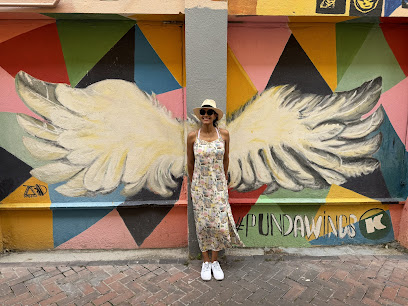
Homenaje na Seú mural
0.1 km
Discover the Homenaje na Seú Mural in Willemstad, a stunning tribute to Curaçao's cultural heritage and vibrant artistic expression.
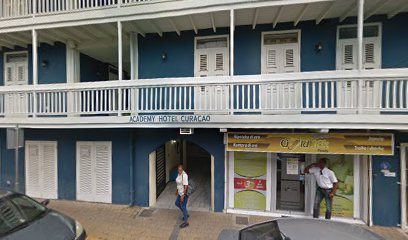
Parliament of Curaçao
0.1 km
Discover the heart of Curaçao's democracy at the Parliament Building in Willemstad, a vibrant blend of history, culture, and island governance.
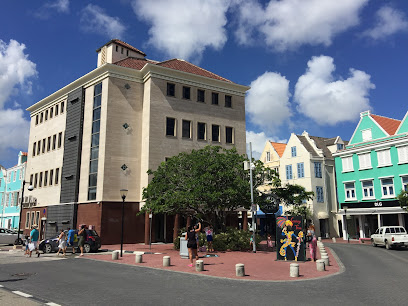
Wilhelminaplein
0.1 km
Explore the vibrant Wilhelminaplein in Willemstad, Curaçao, where colorful architecture meets rich cultural heritage and lively local events.
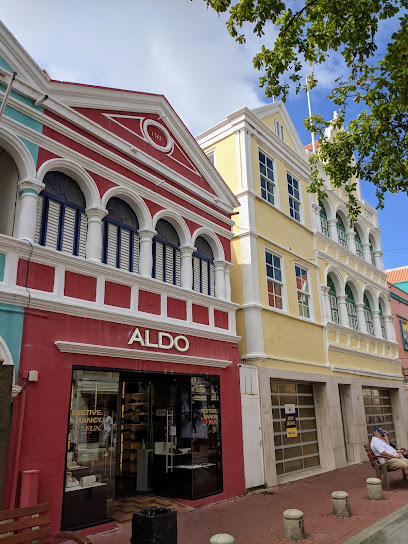
Old houses of Breedestraat
0.1 km
Experience the rich history and vibrant culture of Willemstad at the Old Houses of Breedestraat, a colorful journey through Curaçao's colonial past.
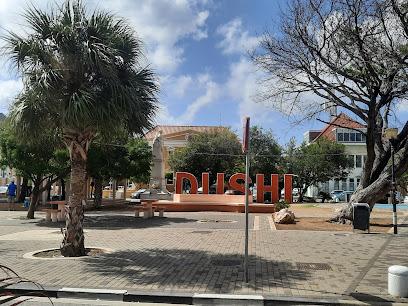
Wilhelminaplein Punda
0.1 km
Experience the vibrant atmosphere and rich history of Wilhelminaplein Punda, a cultural gem in Willemstad, Curaçao, surrounded by stunning architecture.
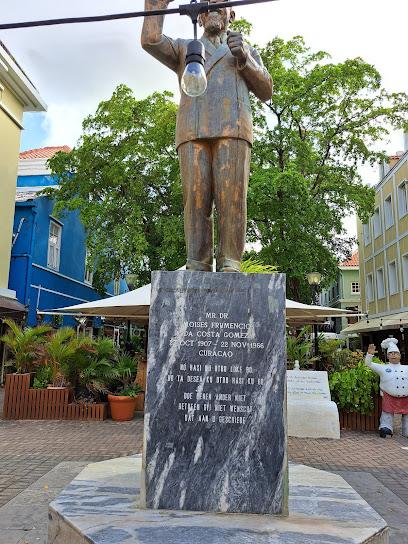
Statue Dr. Moises Frumencio da Costa Gomez
0.1 km
Discover the legacy of Dr. Moises Frumencio da Costa Gomez at this iconic memorial in Willemstad, Curaçao’s vibrant cultural heart.
Keukenstraat
0.1 km
Discover Keukenstraat, a historical landmark in Willemstad, Curaçao, where vibrant culture meets captivating architecture in a charming Caribbean setting.
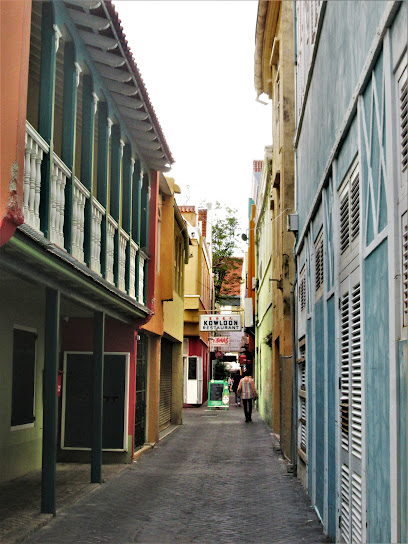
Curazao
0.1 km
Explore Curazao: A historical gem in the Caribbean, renowned for its colorful architecture, rich culture, and vibrant atmosphere that captivates every traveler.
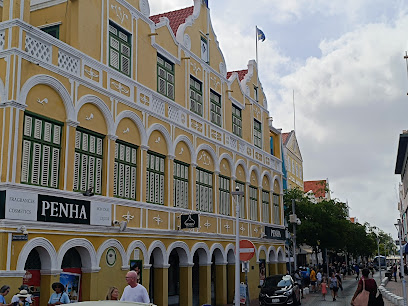
Year 1750 building
0.2 km
Discover the enchanting Year 1750 Building in Willemstad, Curaçao, a beautifully preserved historical landmark rich in culture and architectural charm.
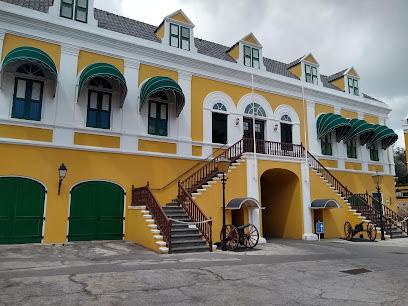
Fort Amsterdam
0.2 km
Explore the rich history and breathtaking views at Fort Amsterdam, a must-visit landmark in the heart of Willemstad, Curaçao.
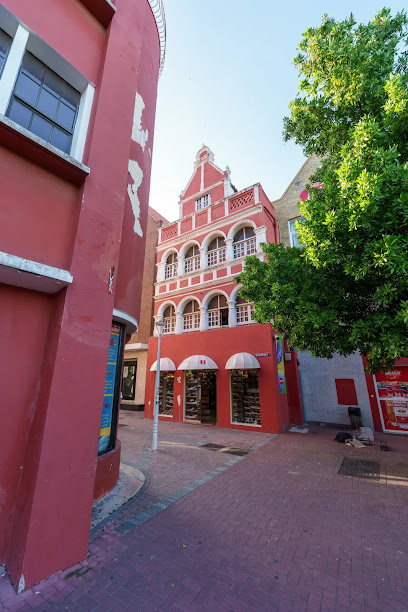
Unmissable attractions to see

Plein Air Curacao Art Museum
0.0 km
Explore the Plein Air Curacao Art Museum for a vibrant showcase of local artistry, culture, and the stunning landscapes of Curacao.
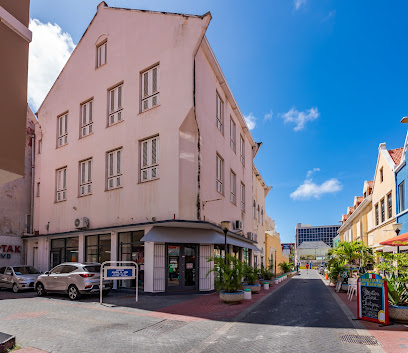
Jewish Cultural Historical Museum
0.0 km
Explore the rich history of the Jewish community in Curaçao at the Jewish Cultural Historical Museum, a hidden gem in Willemstad's vibrant Punda district.
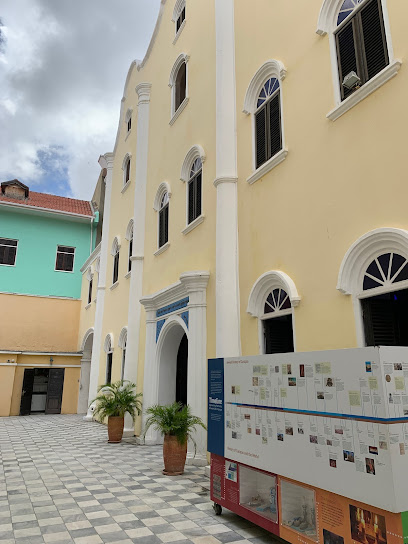
Wind Alley
0.1 km
Discover Wind Alley in Willemstad, Curaçao: A vibrant historical landmark with colorful architecture, local shops, and a captivating atmosphere that embodies the island's rich cultural heritage.
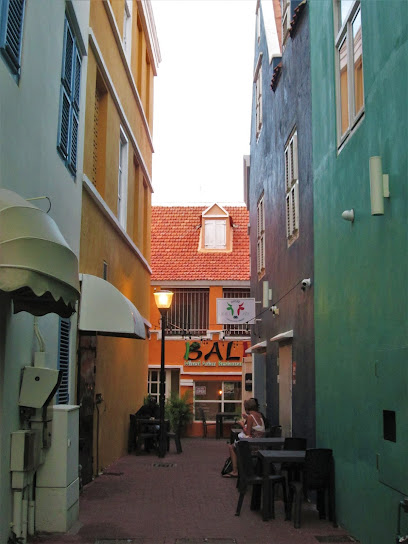
Nena Sanchez Gallery
0.1 km
Explore the vibrant Nena Sanchez Gallery in Willemstad, showcasing the colorful artistry of Curaçao's rich culture and heritage.
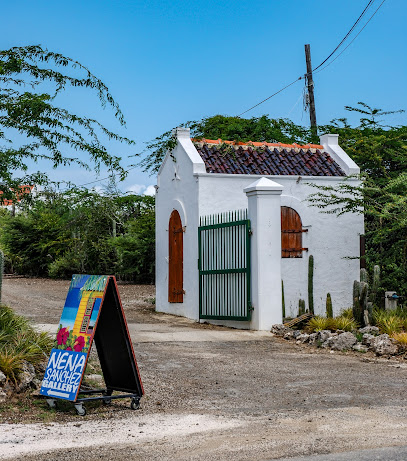
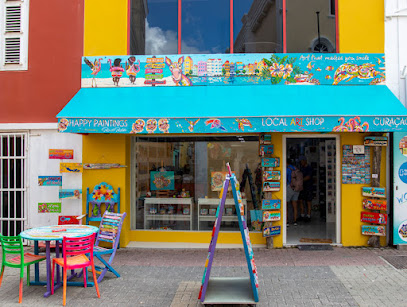
Happy Paintings
0.1 km
Discover the vibrant colors and joyful spirit of Curaçao through the expressive paintings of local artist Renate Rolofes at Happy Paintings gallery in Willemstad's Punda district.
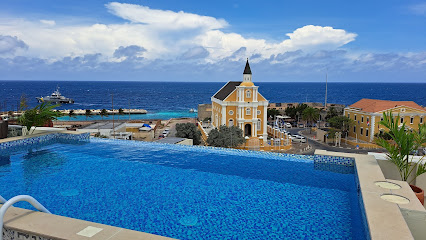
Cascada Rooftop Bar + Kitchen
0.1 km
Experience Curaçao's most stunning rooftop bar and kitchen with 360° views, delicious tapas, expertly crafted cocktails, and a vibrant atmosphere atop the Elements Hotel & Shops.
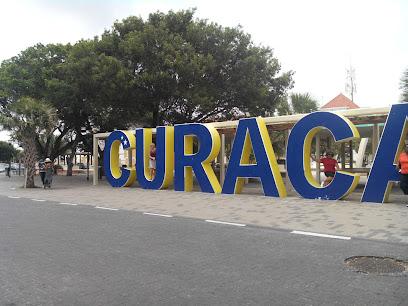
Curaçao Sign
0.1 km
Discover the vibrant beauty of the Curaçao Sign, a must-visit landmark in Willemstad, capturing the essence of Caribbean culture.
Kon. Wilhelminapark
0.1 km
Discover tranquility and cultural charm at Kon. Wilhelminapark in Willemstad, Curaçao, a perfect retreat for tourists seeking relaxation and beauty.
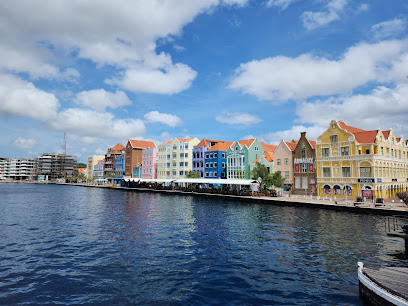
Queen Wilhelmina Bridge
0.1 km
A vital link in Willemstad, the Queen Wilhelmina Bridge connects Punda and Scharloo, offering a grounded perspective of the city's vibrant culture and restored architectural gems.
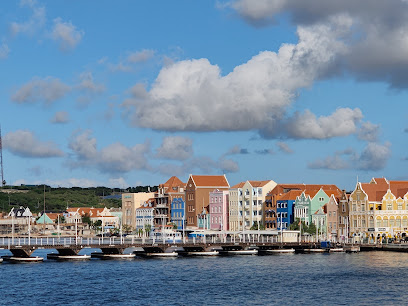
Drijvende markt
0.1 km
Experience the vibrant colors and flavors of Curaçao at Willemstad's Drijvende Markt, where Venezuelan boats bring fresh produce and Caribbean culture to life.
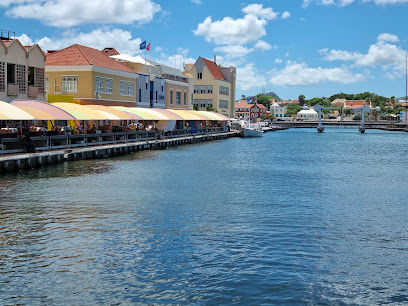
Punda
0.1 km
Explore the colorful streets and rich cultural heritage of Punda in Willemstad, Curaçao – a vibrant destination for travelers seeking unique experiences.
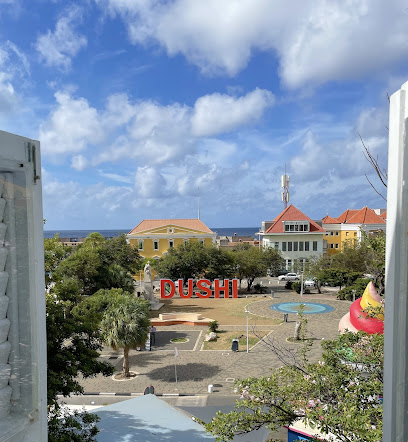
Dushi Sign
0.1 km
Capture the spirit of Curaçao at the Dushi Sign in Willemstad's vibrant Punda district. A colorful celebration of local culture and the perfect photo op awaits!
Famous Breedestraat Curaçao
0.1 km
Explore Breedestraat in Willemstad, Curaçao, a vibrant hub of culture, shopping, and colorful architecture that embodies the island’s rich heritage.
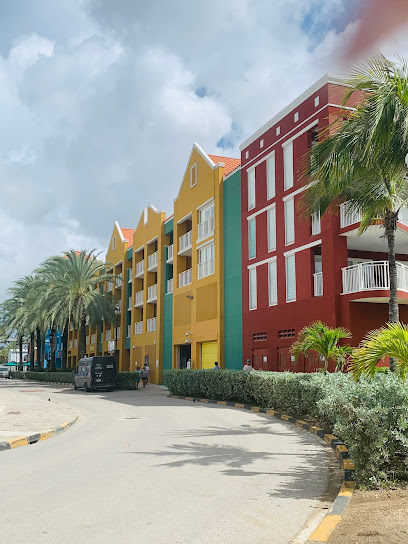
Willemstad
0.1 km
Discover the colorful streets and rich history of Willemstad, Curaçao, where Caribbean charm meets Dutch colonial heritage.
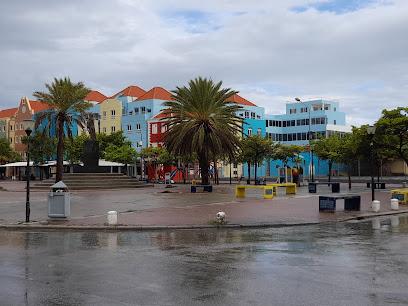
Trupial art
0.1 km
Discover Curaçao's vibrant art scene at Trupial Art in Willemstad, showcasing local talent through colorful paintings, sculptures, jewelry, and unique souvenirs that capture the island's soul.
Essential places to dine

Il Barile da Mario, 12
0.0 km
Discover authentic Italian cuisine at Il Barile da Mario in Willemstad – where every meal feels like a journey to Italy.
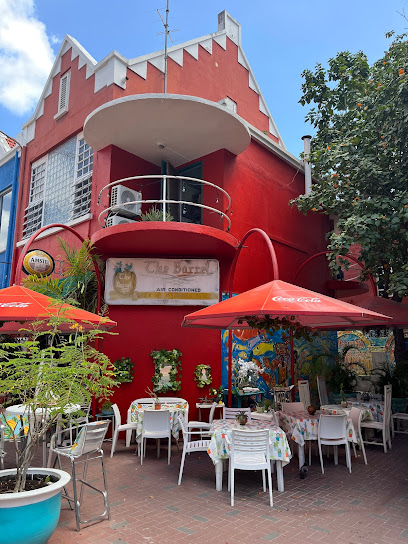
Indian Food
0.1 km
Experience authentic Indian cuisine in Willemstad's Punda district with rich flavors and warm hospitality.
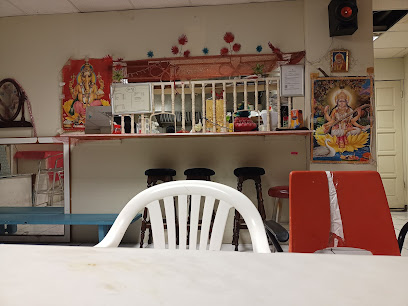
Cielo Gelato & Pizza
0.1 km
Indulge in heavenly gelato and artisan pizza at Cielo Gelato & Pizza in Punda, Willemstad - where every bite feels like paradise.
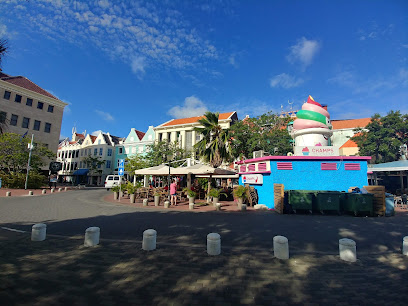
La Bohème Curaçao
0.1 km
Experience authentic Caribbean cuisine at La Bohème Curaçao - where every meal is a celebration of flavor.
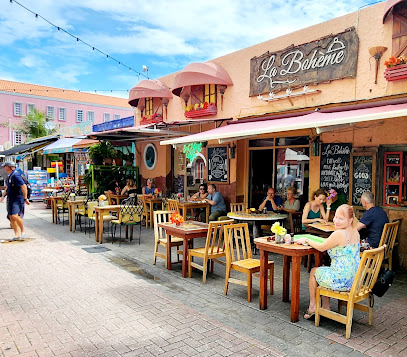
De Buren Curaçao
0.1 km
Experience authentic Caribbean cuisine at De Buren Curaçao in Willemstad - where every meal tells a story of island flavor.
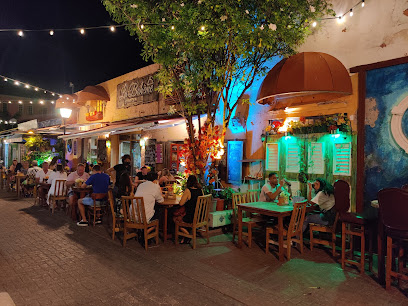
GORDO GRILL & BAR
0.1 km
Experience authentic Caribbean cuisine at Gordo Grill & Bar in Willemstad—where every bite tells a story of flavor and culture.
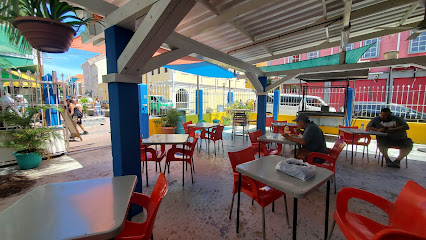
Plein Café Wilhelmina
0.1 km
Discover Plein Café Wilhelmina: A delightful diner in Willemstad offering diverse menus celebrating Curaçao's culinary heritage.
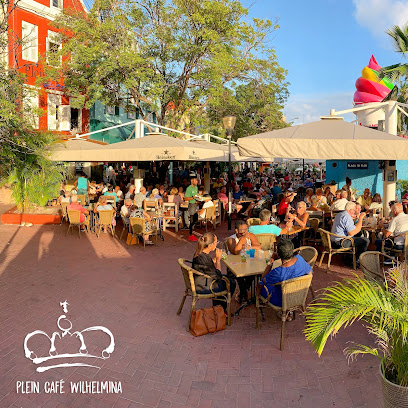
Blauwblauw curacao
0.1 km
Experience the vibrant flavors of Caribbean cuisine at Blauwblauw Curaçao in Punda's lively atmosphere.
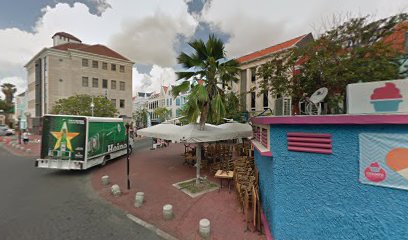
BOHO6 Restaurant
0.1 km
Experience a culinary journey at BOHO6 Restaurant in Willemstad - where local flavors meet global inspiration in a vibrant setting.
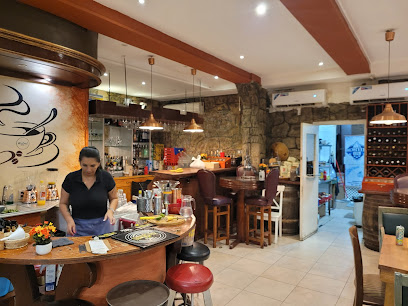
ZOH RESTAURANT
0.1 km
Experience culinary excellence at ZOH Restaurant in Willemstad – where fresh ingredients meet exquisite flavors.
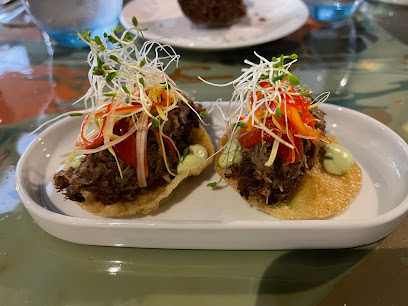
Sweet Sin Curacao
0.1 km
Experience the vibrant flavors of Curaçao at Sweet Sin Curacao - where every bite tells a story.
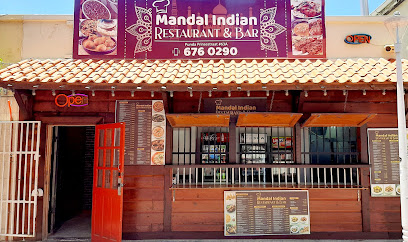
Mandal Indian Restaurant & Bar
0.1 km
Discover the vibrant tastes of modern Indian cuisine at Mandal Indian Restaurant & Bar in Willemstad, Curaçao - a must-visit culinary destination.
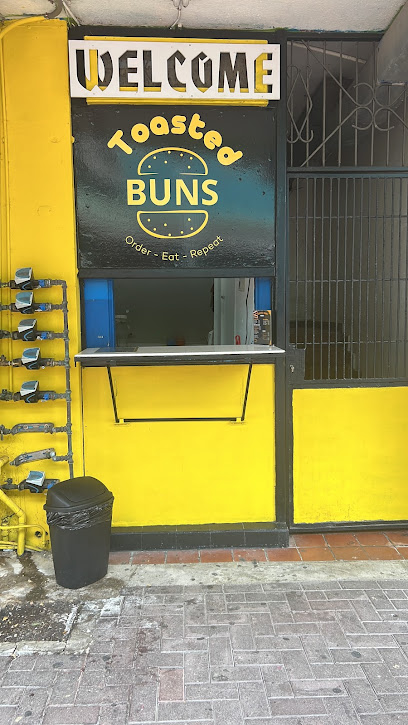
Toasted Buns
0.2 km
Experience the best sandwiches in Punda at Toasted Buns - where flavor meets local charm in every bite.
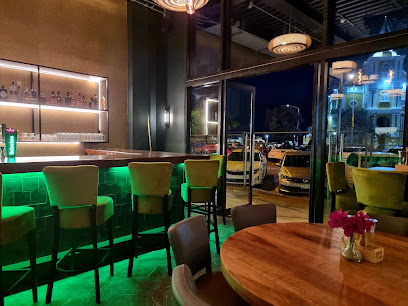
Op=Op Eetbar
0.2 km
Discover the vibrant culinary scene at Op=Op Eetbar in Willemstad, where local flavors meet international cuisine in a cozy setting.
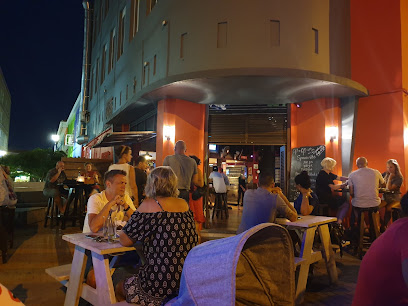
Santa Anna Curacao
0.2 km
Experience authentic Caribbean cuisine at Santa Anna Curacao in Willemstad - where every meal is a celebration of flavor and hospitality.
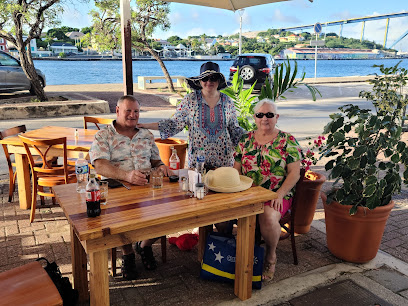
Markets, malls and hidden boutiques

Supreme & Real Souvenir Liquor Shop
0.0 km
Explore the heart of Curaçao through unique liquors and souvenirs at Supreme & Real Souvenir Liquor Shop in Willemstad.
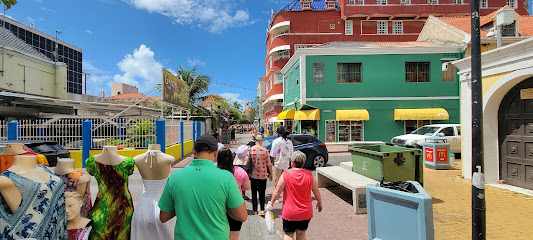
SilvanyRoss
0.0 km
Explore SilvanyRoss in Willemstad for unique gifts and local crafts that embody the spirit of Curaçao.
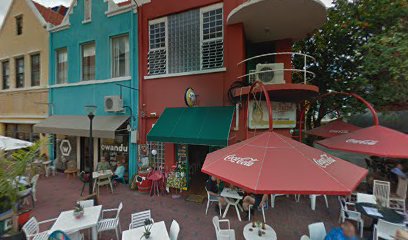
Kokolishi Store
0.1 km
Explore Kokolishi Store in Willemstad for unique clothing that embodies the spirit of Curaçao, blending contemporary styles with local craftsmanship.
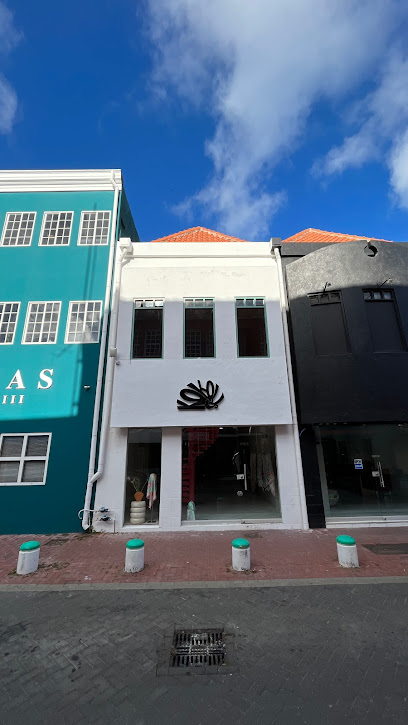
MAYAS CLOTHING CURAÇAO
0.1 km
Discover unique local fashion and vibrant styles at Mayas Clothing Curaçao, a must-visit clothing store in Willemstad's bustling Punda district.
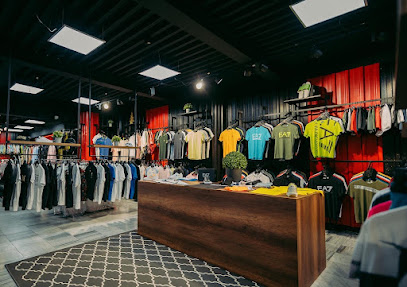
CIAO CURACAO
0.1 km
Explore unique fashion at Ciao Curacao, where local culture meets vibrant style in the heart of Willemstad.
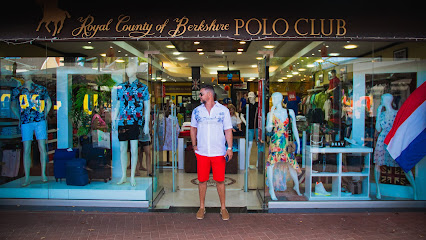
Curacao Surf N Skate Shop
0.1 km
Explore unique beachwear and surf gear at Curacao Surf N Skate Shop in Willemstad, a paradise for beach lovers and souvenir seekers.
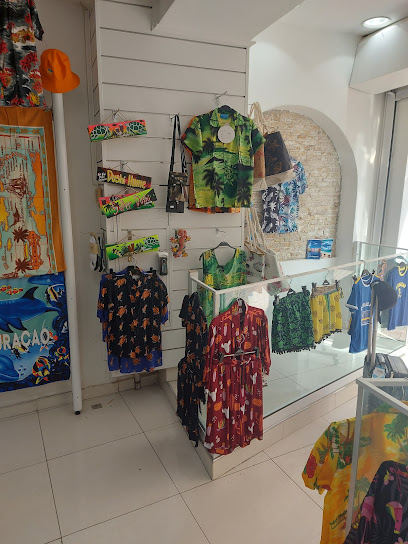
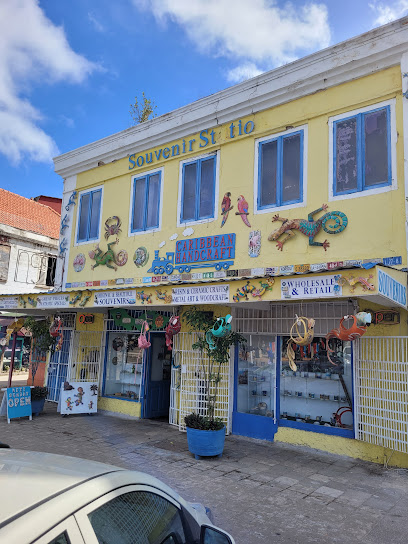
Souvenir Station
0.1 km
Discover authentic souvenirs and local handicrafts at Souvenir Station in Willemstad, the heart of Curaçao's vibrant culture.
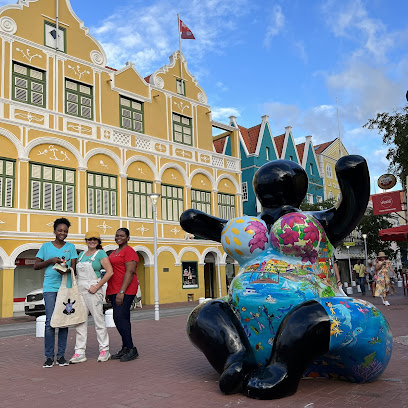
Chichi Shop Punda
0.1 km
Explore the vibrant essence of Curacao at Chichi Shop Punda, the premier destination for unique souvenirs and local artistry.
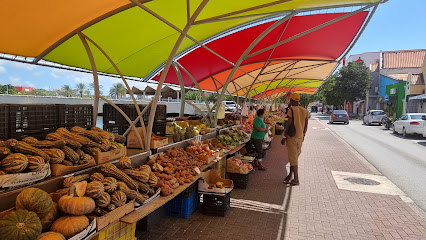
Memories Curacao
0.1 km
Discover authentic souvenirs and local crafts at Memories Curacao, your premier shopping destination in the heart of Punda.
Essential bars & hidden hideouts

Joe Black
0.0 km
Experience the vibrant nightlife at Joe Black, a lively bar in Punda, Willemstad, offering delicious cocktails and a friendly ambiance.
The World Best Mojito Bar
0.0 km
Experience the vibrant flavors of The World Best Mojito Bar in Willemstad, where every sip of our signature mojitos transports you to paradise.
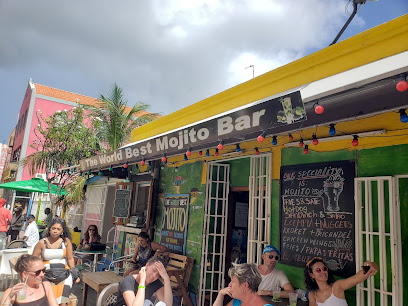
Delicias de Alnair
0.1 km
Experience the vibrant flavors of Curaçao at Delicias de Alnair, a top gastropub in Willemstad known for its innovative dishes and lively atmosphere.
The tiki tok youssef A.k.A Youssef el khabbaz
0.1 km
Discover the lively ambiance at Youssef el Khabbaz, a top bar in Punda, Curaçao, where drinks and local music create unforgettable nights.
GAZE Bar & Lounge Curaçao
0.1 km
Discover the lively atmosphere of GAZE Bar & Lounge in Curaçao, where cocktails, dancing, and live music create an unforgettable nightlife experience.
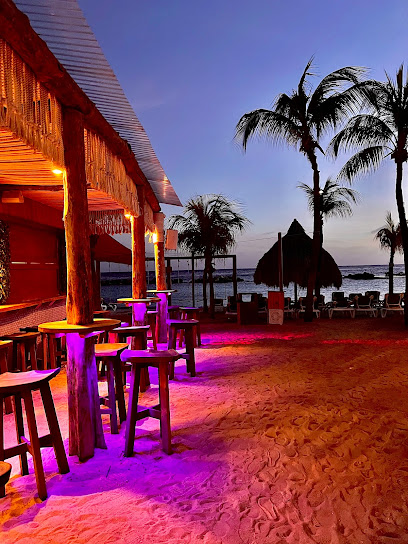
Curaçao
0.1 km
Discover the vibrant bar scene and stunning beaches of Curaçao, a Caribbean paradise where relaxation meets lively culture.
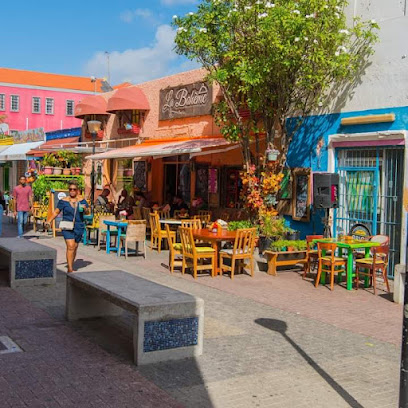
Cafe De Tijd
0.2 km
Experience the vibrant nightlife of Willemstad at Cafe De Tijd, where music, ambiance, and culture come together for an unforgettable night out.
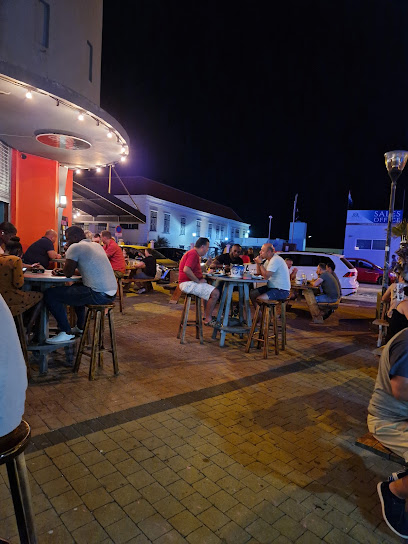
Pretu
0.3 km
Experience the unique flavors of Pretu, a vibrant cocktail bar in Willemstad, where local ingredients meet creative mixology in a lively atmosphere.
Nightclubs & after hour spots

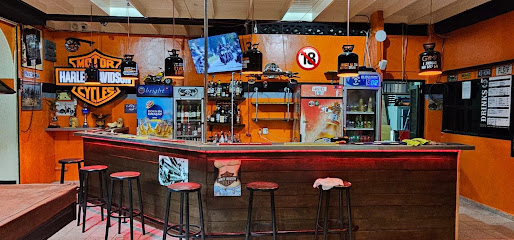
WildHogs MC/ Hogs Nest
0.0 km
Discover the electrifying nightlife at WildHogs MC / Hogs Nest in Willemstad, Curaçao, where music and fun come together for an unforgettable evening.
Club Knarp - Bar&Nightlife
0.5 km
Explore vibrant nightlife at Club Knarp, a premier night club in Willemstad, Curaçao, where music and energy come alive every weekend.
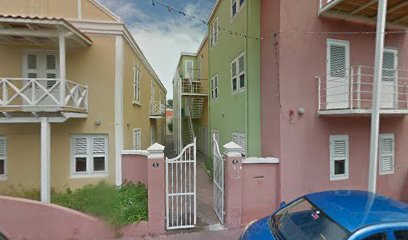
Club Patio - Bar&Nightlife
0.5 km
Discover the pulsating heart of Curaçao's nightlife at Club Patio, where unforgettable nights and vibrant energy meet.
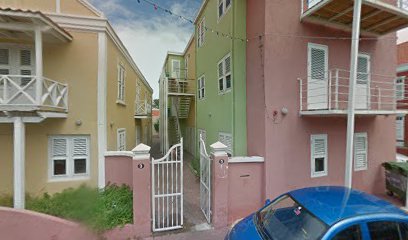
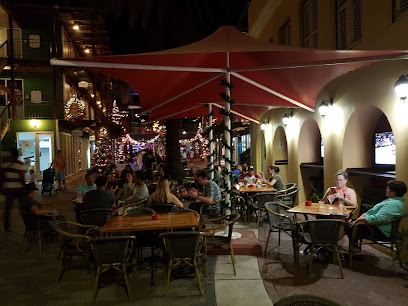
Rif fort bar
0.6 km
Discover the lively Rif Fort Bar in Willemstad, Curaçao, where Caribbean views and vibrant nightlife create unforgettable memories.
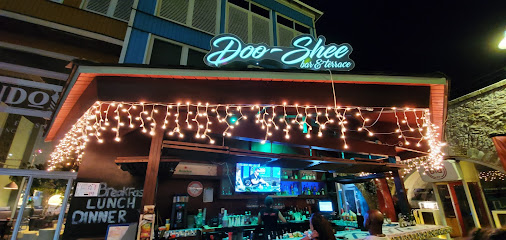
Doo-shee cocktail bar
0.6 km
Experience the vibrant nightlife of Willemstad at Doo-shee Cocktail Bar, where exceptional cocktails and a lively atmosphere await you.
JJ Discobar
0.7 km
Discover the pulsating nightlife and vibrant atmosphere at JJ Discobar in Willemstad, Curaçao - a must-visit bar for every traveler.
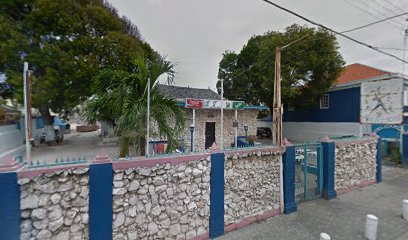
Netto Bar
0.8 km
Discover the lively ambiance and diverse drink offerings at Netto Bar, a must-visit destination in Otrobanda, Curaçao.