Kas di Pal'i Maishi: A Glimpse into Curaçao's Rural Past
Step back in time at Kas di Pal'i Maishi, a living museum showcasing the traditions and heritage of Curaçao's Afro-Curaçaoan rural communities from 1850 to 1950.
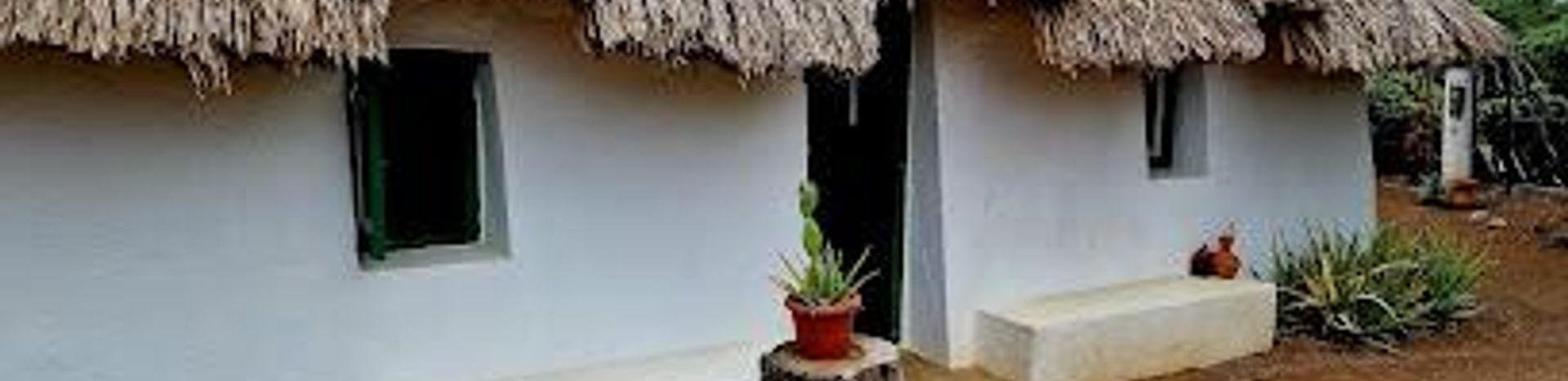
Kas di Pal'i Maishi, or Kunuku House, offers a captivating journey into Curaçao's rural heritage. This meticulously restored 19th-century cottage provides an authentic glimpse into the lives of Afro-Curaçaoan people between 1850 and 1950. Explore the traditional architecture, featuring a thatched roof and walls constructed with wattle and daub. Inside, discover a collection of household artifacts that showcase daily routines and customs. The open-air museum provides an interactive experience, allowing visitors to engage with the island's history through song and dance. Located in the serene western part of Curaçao, a visit to Kas di Pal'i Maishi is a unique opportunity to connect with the island's cultural roots and appreciate the resourcefulness and traditions of its rural communities. It's a must-see for those seeking an immersive and educational experience beyond the beaches.
A brief summary to Kas di pal'i maishi - Kunuku House
- Weg Naar Westpunt, Willemstad, CW
- +59996669973
- Visit website
- Tuesday 10 am-2 pm
- Wednesday 10 am-2 pm
- Thursday 10 am-2 pm
- Friday 10 am-2 pm
- Saturday 10 am-2 pm
- Sunday 10 am-2 pm
Local tips
- Wear comfortable shoes, as the museum is an open-air site with uneven terrain.
- Visit during the cooler morning hours to avoid the midday heat.
- Engage with the museum educators to learn more about the history and culture on display.
- Bring cash for the entrance fee and any souvenirs or snacks you may want to purchase.
- Combine your visit with other nearby attractions in Westpunt for a full-day exploration of the region.

Getting There
-
Public Transport
From Willemstad, take a bus towards Westpunt. Autobusbedrijf Curacao (ABC) operates buses from the Otrabanda bus terminal to Tera Corá, near Weg Naar Westpunt. The journey takes approximately 30 minutes. From Tera Corá, it's a short taxi ride or a 20-minute walk to Kas di Pal'i Maishi. Bus fare is approximately 2 ANG (NAf) per person.
-
Taxi/Ride-Share
From Willemstad, a taxi or ride-share to Kas di Pal'i Maishi will take approximately 30-40 minutes. Expect to pay around 50-70 ANG (NAf) for the one-way trip. Confirm the price with the driver before starting your journey.
-
Driving
From Willemstad, follow Weg Naar Westpunt. The drive is approximately 30-40 minutes. There is free parking available at Kas di Pal'i Maishi.
Discover more about Kas di pal'i maishi - Kunuku House
Iconic landmarks you can’t miss

Boka Ascension
1.3 km
Explore Boka Ascension, a serene nature preserve in Curaçao, offering breathtaking landscapes, diverse wildlife, and unforgettable outdoor experiences.
Barber Curaçao
2.0 km
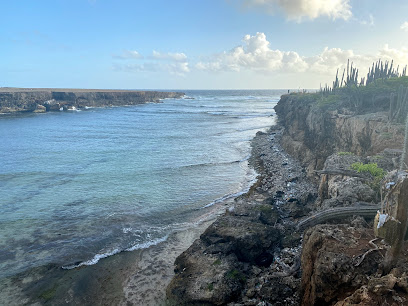
Discover the colorful charm of Barber Curaçao, a shopping mall that blends local culture with international flair, perfect for tourists exploring the island.
Landhuis Barber
2.0 km
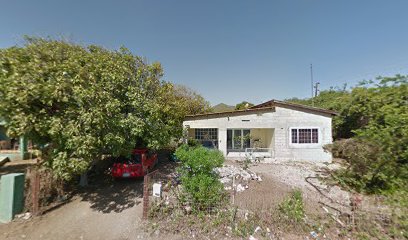
Experience the rich heritage of Curaçao at Landhuis Barber, a historical estate showcasing the island's captivating colonial architecture and serene landscapes.

Marshe di Barber
2.1 km
Experience the vibrant culture and authentic flavors of Curaçao at Marshe di Barber, a bustling market in the heart of Barber.
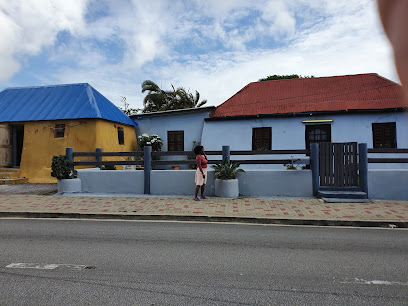
Boka Patrick
2.2 km
Discover the natural beauty and adventure at Boka Patrick, a stunning tourist attraction in Barber, Curaçao, perfect for snorkeling and relaxation.
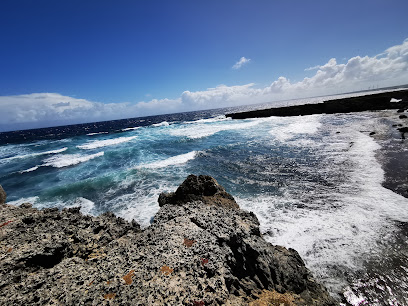
Landhuis Fontein ruins
2.3 km
Uncover the rich history of Landhuis Fontein ruins in Curaçao, a serene heritage site showcasing colonial architecture amidst beautiful landscapes.
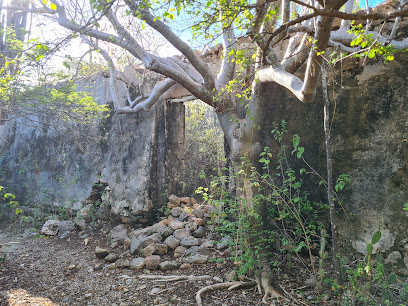
Fort Kloof
2.8 km
Explore Fort Kloof, a historical landmark in Curaçao, where history meets stunning Caribbean views and cultural heritage awaits.
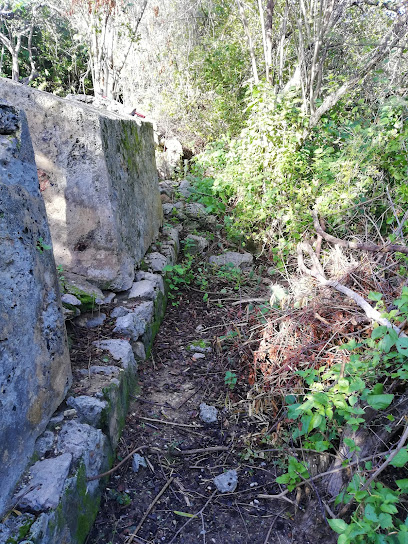
historic dam
4.6 km
Explore Curaçao's historic dam, a symbol of the island's engineering ingenuity and water conservation efforts, offering scenic beauty and tranquility.
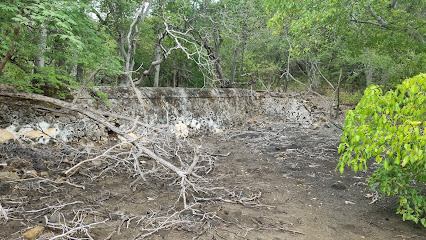
Landhuis San Sebastian
5.1 km
Explore the rich heritage of Landhuis San Sebastian, a captivating historical landmark in Curaçao that showcases the island's colonial past and serene beauty.
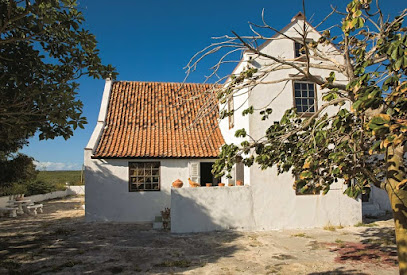
Playa San Juan
5.3 km
Discover the enchanting beauty of Playa San Juan, a perfect beach retreat in Curaçao for relaxation and adventure under the Caribbean sun.
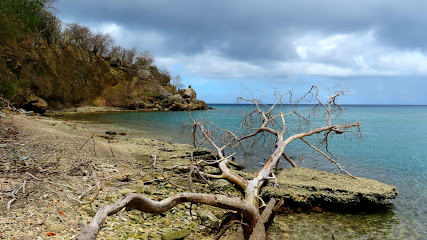
Landhuis Siberie
5.3 km
Explore the rich history of Landhuis Siberie in Curaçao, a stunning heritage building that reflects the island's colonial past and beautiful scenery.
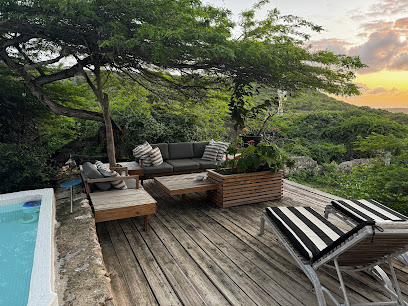
Boka Grandi
5.3 km
Discover Boka Grandi in Curaçao: a rugged, natural beach offering stunning coastal views and a tranquil escape from the ordinary.
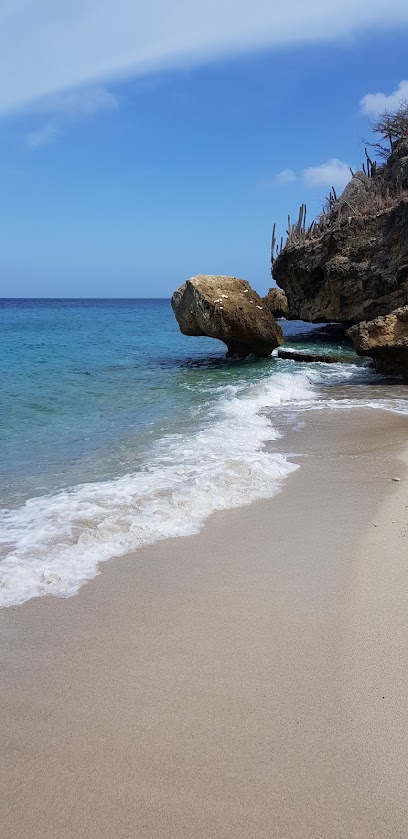
Landhuis Klein Santa Martha hotel
5.4 km
Discover tranquility and charm at Landhuis Klein Santa Martha, Curaçao's serene retreat for a memorable island experience.
Boutique Hotel Blenchi
5.4 km
Experience Curaçao's colonial charm at Boutique Hotel Blenchi, a beautifully restored 18th-century plantation house with stunning views of Santa Martha Bay.
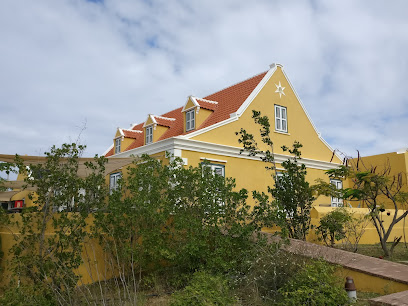
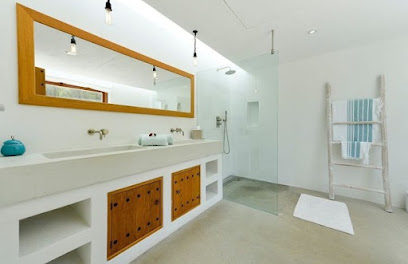
Casa Ba-ooo Seaside Curacao
5.6 km
Discover serenity and adventure at Casa Ba-ooo, a charming seaside cottage in Curaçao, where the vibrant culture meets stunning natural beauty.
Unmissable attractions to see

Landhuis Ascencion
0.5 km
Discover the rich history and serene beauty of Landhuis Ascencion, a historic museum and lodging in Barber, Curaçao, perfect for culture enthusiasts and nature lovers.
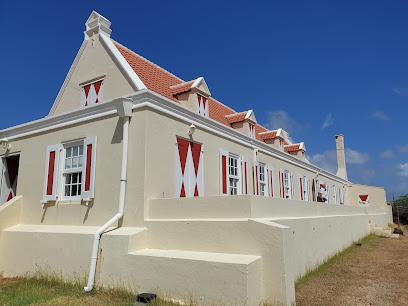
Zittende Boom
0.7 km
Explore the breathtaking Zittende Boom in Curaçao, a hidden gem of lush landscapes and vibrant biodiversity perfect for nature enthusiasts.
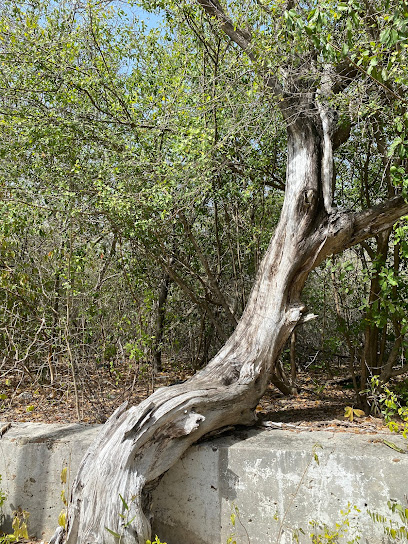
Hòfi Pastor (Curaçao)
2.1 km
Explore the natural beauty of Hòfi Pastor in Barber, Curaçao, a serene park offering stunning landscapes and diverse wildlife.
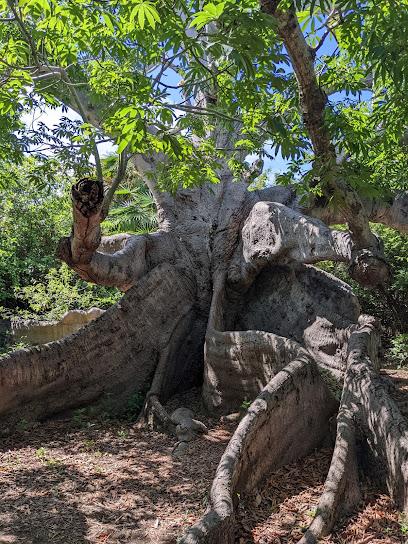
Suplado / Jacuzzi
2.5 km
Discover the serene beauty of Suplado / Jacuzzi in Barber, Curaçao, a perfect spot for relaxation and adventure amidst nature's wonders.
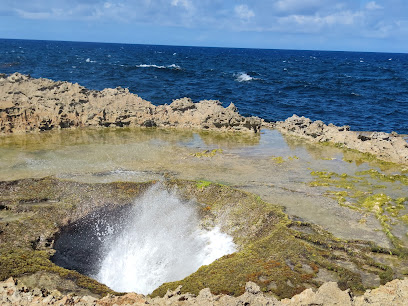
Windmill Farm Curacao
3.1 km
Explore the serene beauty of Windmill Farm Curacao, a charming tourist attraction showcasing iconic windmills and lush gardens in Willemstad.
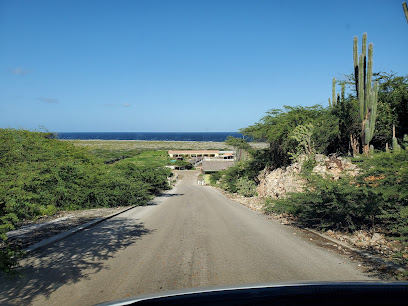
Landhuis Pannekoek
3.3 km
Explore the historic Landhuis Pannekoek, a charming heritage site in Curaçao that embodies the island's rich history and natural beauty.
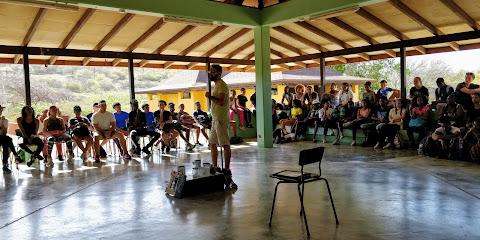
Vlakte di San Pedro
3.6 km
Discover Curaçao's hidden gem: Vlakte di San Pedro, a serene historical landmark offering untouched natural beauty, unique caves, and a glimpse into the island's rich heritage near Tera Kora.
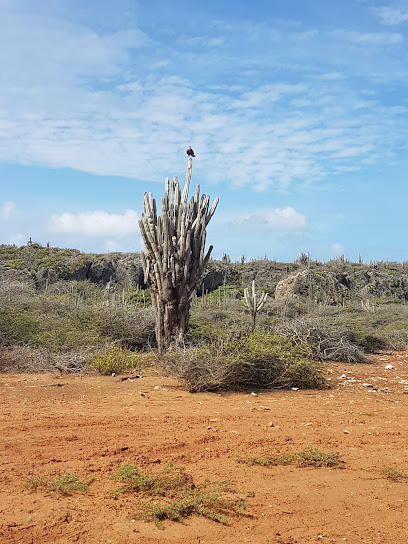
Marijke's Nature Trail
4.2 km
Discover the tranquility of Marijke's Nature Trail, a stunning park in Curaçao filled with diverse flora, scenic paths, and serene wildlife.
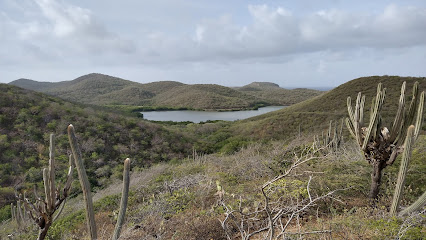
Landhuis San Juan
4.2 km
Explore the architectural beauty and rich heritage of Landhuis San Juan, a captivating tourist attraction in the heart of Curaçao.
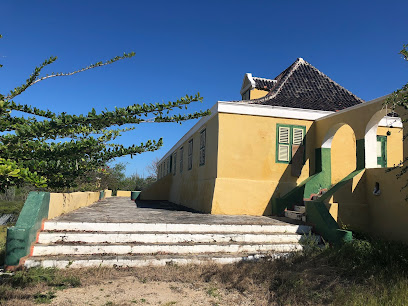
Museo Ka'i Òrgel Shapo
4.3 km
Explore the heart of Curaçao's cultural heritage at Museo Ka'i Ørgel Shapo, where traditional craftsmanship meets musical history.
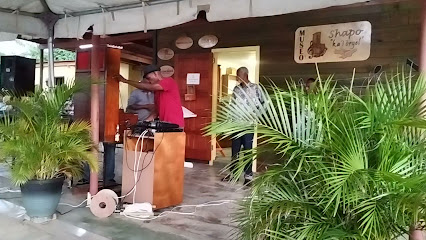
Landhuis Cas Abou
4.8 km
Explore the historical charm of Landhuis Cas Abou in Curaçao, a captivating landmark blending colonial architecture with stunning natural beauty.
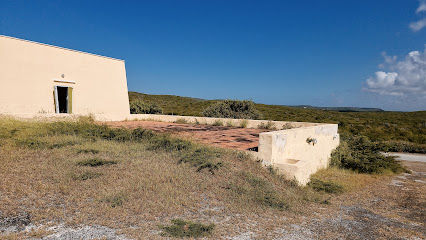
Wacao
5.2 km
Discover Curaçao's untamed beauty at Wacao Nature Preserve: Hike winding trails, spot unique wildlife, and immerse yourself in the tranquility of this hidden gem.
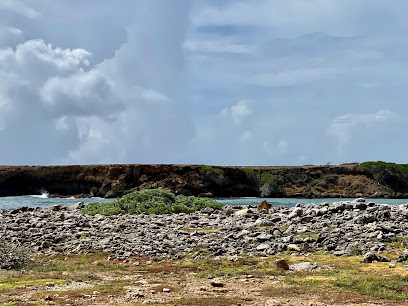
Playa Manzaliña
5.3 km
Discover Playa Manzaliña, Curaçao's hidden paradise: pristine beaches, crystal-clear waters, vibrant marine life, and tranquil seclusion await on the historic San Juan Plantation.
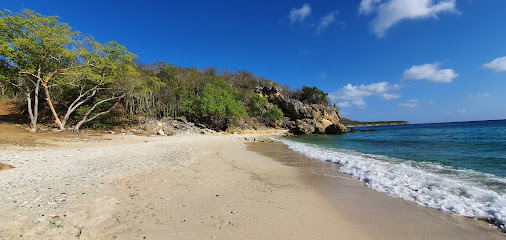
Playa Shon Mosa
5.3 km
Experience the tranquil beauty of Playa Shon Mosa, a hidden paradise in Curaçao, perfect for relaxation and underwater exploration.
Porto marie wandel- en Bike trail
5.3 km
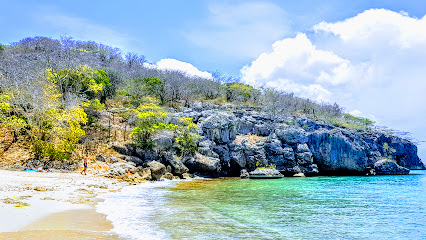
Discover the Porto Marie Hiking and Biking Trail, where adventure meets stunning natural beauty in Sint Willibrordus, Curaçao.
Essential places to dine

Landhuis Dokterstuin "Restaurant Komedor Krioyo"
0.7 km
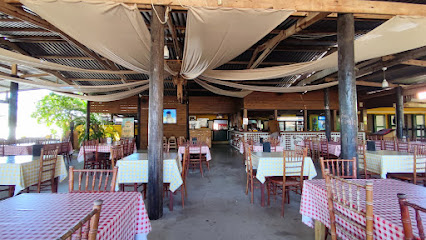
Discover authentic Curaçaoan cuisine at Landhuis Dokterstuin while exploring the island's rich cultural history.
FUI WAH
2.0 km
Experience the vibrant flavors of Asia at FUI WAH - an exceptional fusion restaurant in Barber, Curaçao.
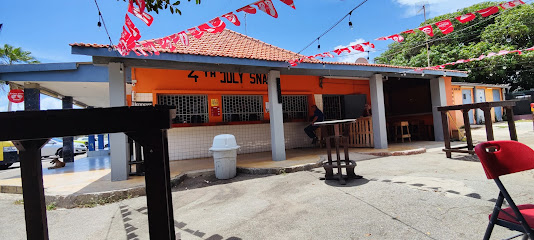
4th of july Snack
2.1 km
Experience authentic Caribbean cuisine at 4th of July Snack in Barber, Curaçao - where every bite tells a story.
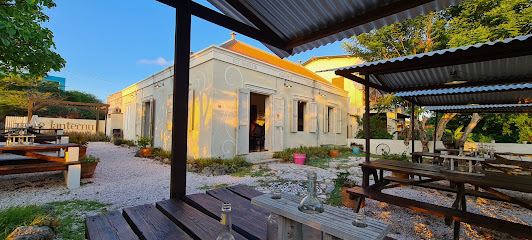
Bistro e lanternu
2.5 km
Discover authentic Caribbean flavors at Bistro e Lanternu in Curaçao - where culinary excellence meets local charm.
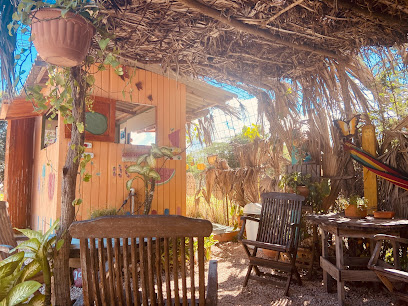
The Best Smoothie in Curacao
2.7 km
Discover refreshing flavors at The Best Smoothie in Curacao - your go-to destination for delicious smoothies made from fresh local ingredients.
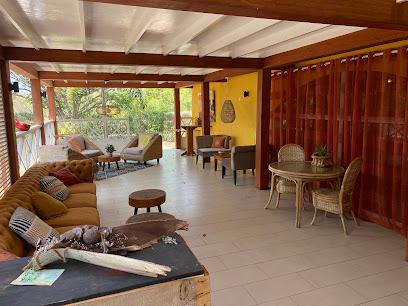
Breeze restaurant
3.2 km
Experience authentic Curaçaoan flavors at Breeze Restaurant, where every meal is a celebration of local ingredients and warm hospitality.
Nyny's Foodcorner
3.2 km
Experience the vibrant flavors of Curaçao at Nyny's Foodcorner - your go-to spot for pizza, sandwiches, and fresh juices.
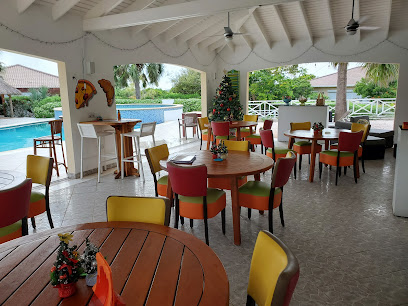
E Kunuku Bieu
4.1 km
Experience authentic Caribbean cuisine at E Kunuku Bieu in Willemstad – a culinary gem showcasing local flavors and vibrant culture.
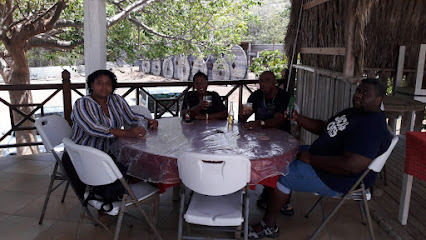
Immanuel Cafe
4.7 km
Discover the vibrant flavors of Caribbean cuisine at Immanuel Cafe in Curaçao – where every dish tells a story.
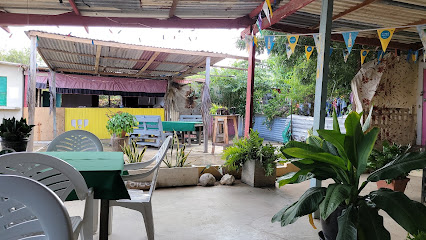
Chang Soto snek
5.1 km
Discover authentic Curaçaoan flavors at Chang Soto Snek in the heart of Soto – where culinary tradition meets contemporary flair.
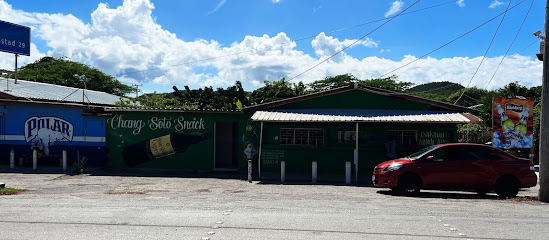
The Natural Curacao miniresort
5.3 km
Experience serenity at The Natural Curacao - your boutique resort offering wellness retreats and stunning natural beauty on this Caribbean paradise.
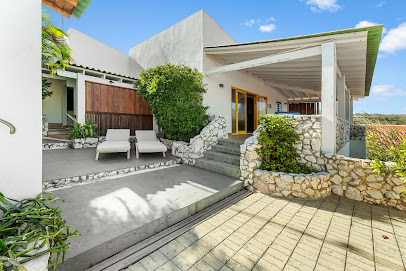
Shelterrock Paradise
6.2 km
Experience the best of Curaçao at Shelterrock Paradise - where exquisite cuisine meets lively entertainment.
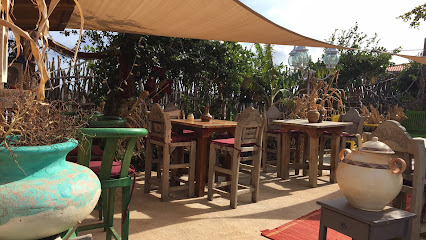
El Ventaron Snak
6.6 km
Experience authentic Curaçaoan cuisine at El Ventaron Snak - where every dish tells a story.
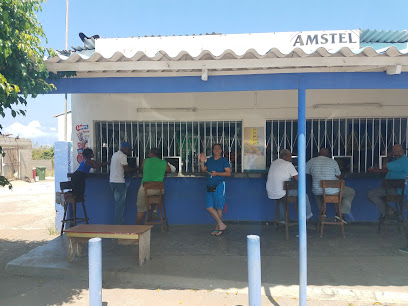
Purba un pida
7.1 km
Experience unparalleled seafood delicacies at Purba un Pida in Curaçao, where fresh flavors meet stunning ocean views.
Restaurant Kultura Kòrsou
8.3 km
Discover authentic Caribbean flavors at Restaurant Kultura Kòrsou in Willemstad, Curaçao – where culture meets cuisine.
Markets, malls and hidden boutiques

Chino Barber
1.6 km
Explore Chino Barber, a shopping gem in Curaçao, where local culture meets diverse retail options for an unforgettable experience.
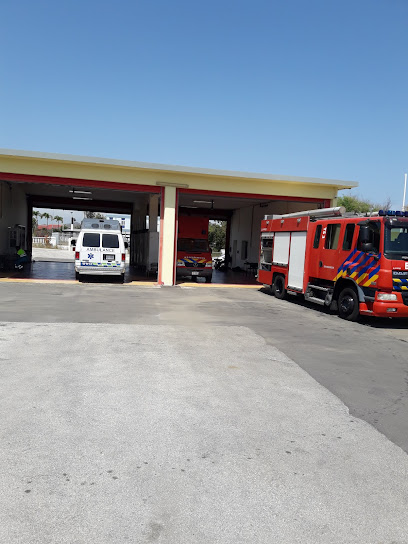
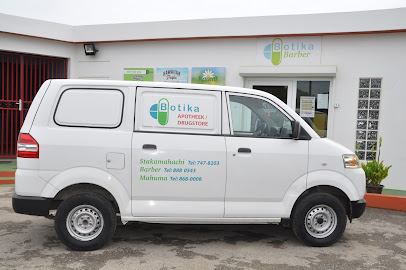
Botika Barber
1.8 km
Experience local health and culture at Botika Barber, the charming pharmacy in Curaçao offering essential products and friendly service.
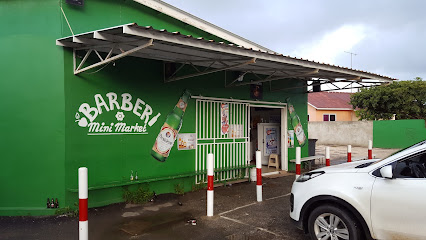
Barber Minimarket
1.8 km
Discover the local flavors and essentials at Barber Minimarket, a charming grocery store in Barber, Curaçao, perfect for every tourist's needs.
Tire Service Barber
1.9 km
Explore Curaçao with confidence; Tire Service Barber provides top-notch tire care ensuring your vehicle is ready for every adventure.
I'TALY'S BOUTIQUE
1.9 km
Explore I'TALY'S BOUTIQUE in Barber, Curaçao for a unique selection of stylish clothing that embodies the island's vibrant culture and fashion.
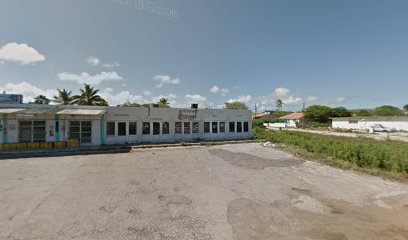
Peng Hong Minimarke
1.9 km
Explore Peng Hong Minimarke in Barber, Curaçao for a taste of local grocery shopping and island culture.
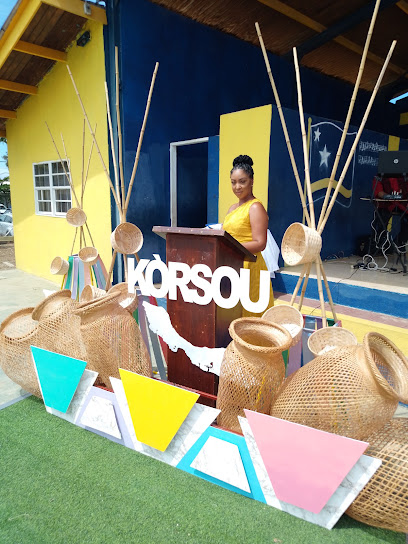
BARBER HARDWARE
2.0 km
Explore Barber Hardware: Your go-to destination in Curaçao for unique home goods, local crafts, and island-inspired essentials.
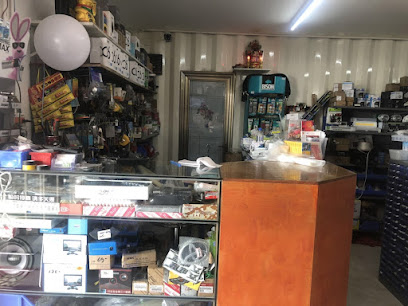
Sunshine & Fresh Minimarket
2.1 km
Explore the local flavors at Sunshine & Fresh Minimarket, your go-to supermarket in Barber, Curaçao for fresh produce and unique culinary delights.
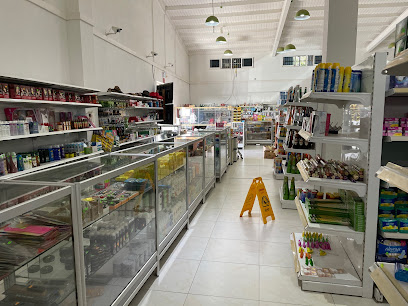
Huan Lee Minimarket
2.7 km
Discover convenience and local flavors at Huan Lee Minimarket in Curaçao - your one-stop shop for essentials and snacks!
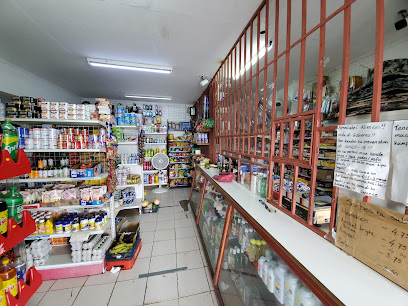
New Soto Minimarket
5.1 km
Explore the vibrant flavors of Curaçao at New Soto Minimarket, your local stop for fresh produce and authentic island snacks.
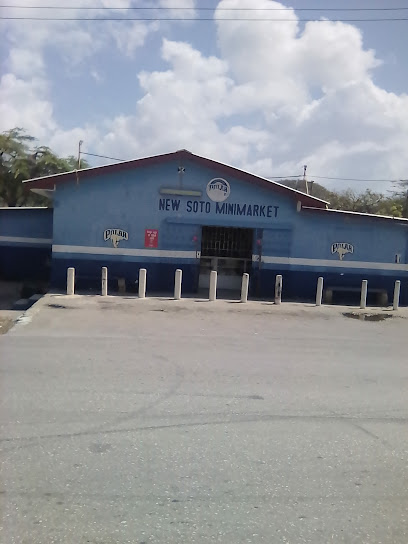
B Diving & Watersports
5.8 km
Experience the best diving and water sports adventures at B Diving & Watersports in Curaçao, where every dive reveals a world of vibrant marine life.
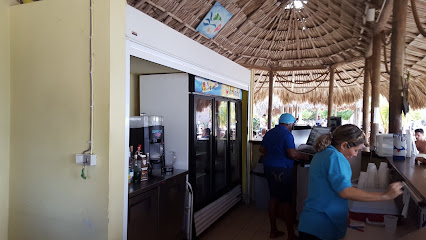
Tendencias
6.3 km
Explore Tendencias in Willemstad for an unforgettable shopping experience filled with unique home goods and local artistry.
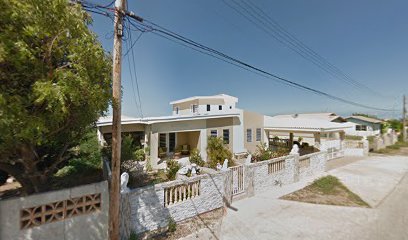
Big New Minimarket
6.4 km
Explore the vibrant offerings of Big New Minimarket in Tera Kora, Curaçao - your one-stop shop for local flavors and essentials.
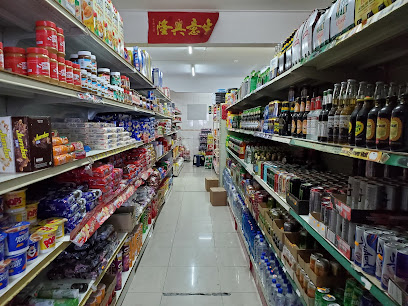
PortoMari Sports
6.4 km
Explore the vibrant marine life and stunning coral reefs at PortoMari Sports, Curaçao's premier diving center for adventurers of all skill levels.
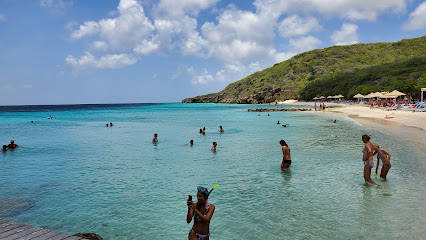
Porto Mari restaurant & bar
6.5 km
Experience the delightful flavors of Curaçao at Porto Mari Restaurant & Bar, where stunning ocean views meet delicious dining.
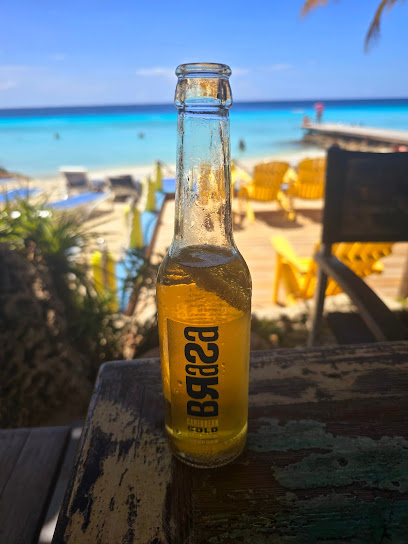
Essential bars & hidden hideouts

Hofi Abou 9
4.5 km
Experience the vibrant atmosphere and local flavors at Hofi Abou 9, the perfect bar for relaxation and socializing in Jan Donker, Curaçao.
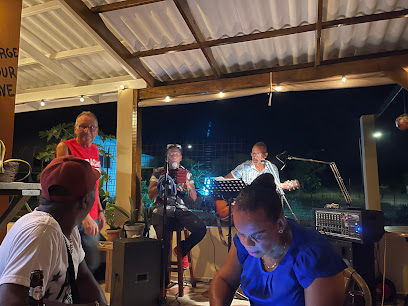
The Hills
4.5 km
Experience the vibrant culture of Curaçao at The Hills, a lively bar and lodging destination in the heart of Willemstad.
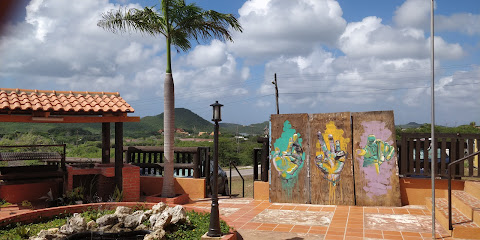
Bow di palu snack
6.4 km
Experience the vibrant bar culture of Curaçao at Bow di Palu Snack, where refreshing drinks and a lively atmosphere await you.
Adegas Restobar
6.7 km
Discover the vibrant culinary scene of Curaçao at Adegas Restobar, where local flavors and a welcoming atmosphere await you.
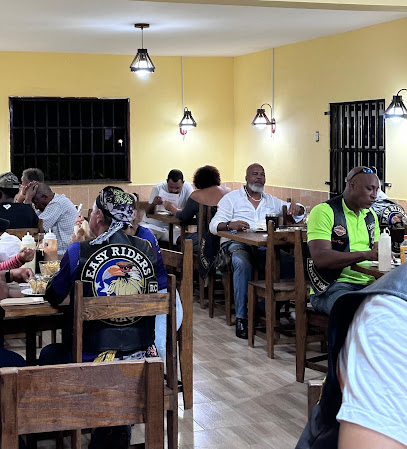
Daaibooi Beach Bar
7.1 km
Experience the vibrant atmosphere and stunning ocean views at Daaibooi Beach Bar in Willemstad, Curaçao, where relaxation meets tropical bliss.
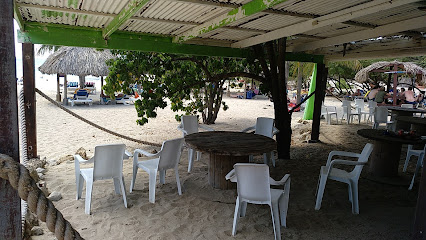
Isei Coco Friu
7.2 km
Experience the vibrant island life at Isei Coco Friu, where refreshing cocktails and stunning views create unforgettable moments in Curaçao.
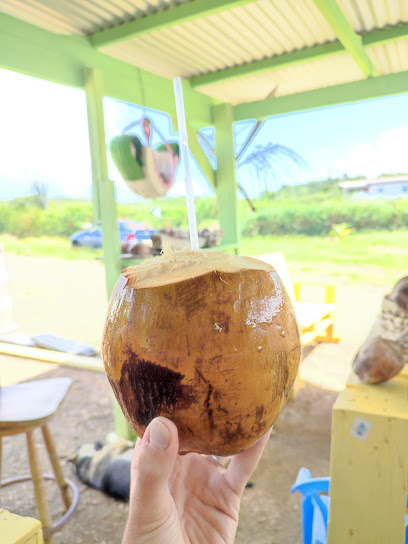
Banda Bou shake
7.3 km
Experience the refreshing delights of Banda Bou Shake, a must-visit café in Tera Kora, Curaçao, known for its delicious shakes and inviting atmosphere.
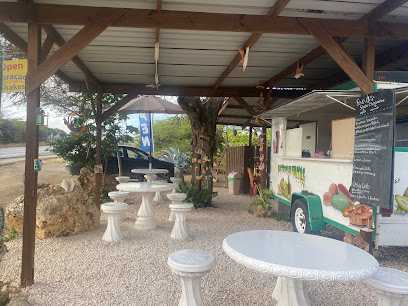
Island Breeze
7.3 km
Discover the tropical charm of Island Breeze, a coffee shop in Tera Kora, Curaçao, where every sip is a taste of paradise.
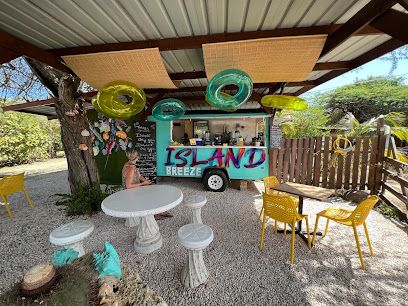
Hofi Mango bar
8.3 km
Experience the vibrant atmosphere and refreshing cocktails at Hofi Mango Bar, the perfect tropical retreat in Jan Donker, Curaçao.
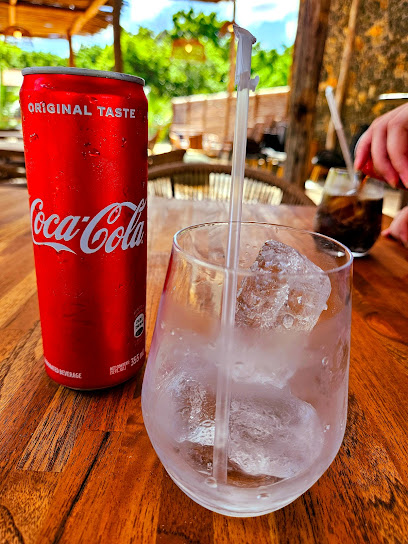
Nightclubs & after hour spots

Barber
2.0 km
Explore Barber, a vibrant housing complex in Curaçao, where local culture and scenic beauty meet for an unforgettable island experience.
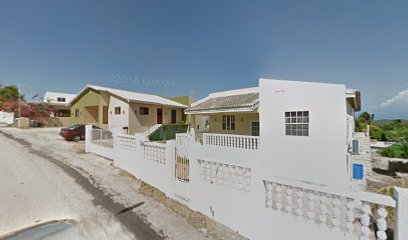
Cas Abou 87, Palapa Lodge Curacao
5.2 km
Experience the tranquility of Palapa Lodge in Curaçao, where pristine beaches meet warm Caribbean hospitality.
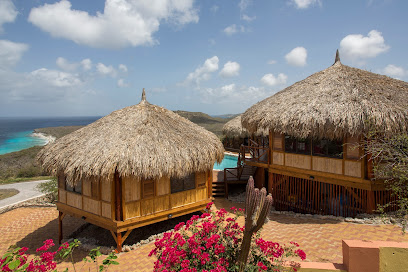
Cas Abao Flamingo
5.3 km
Experience the serene beauty of Cas Abao Flamingo, a luxurious holiday home in Curaçao offering breathtaking views and modern comforts.
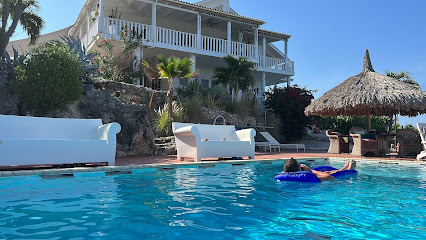
Signal Point - PJ2T
6.4 km
Discover the electrifying nightlife at Signal Point - PJ2T, a premier night club in Curaçao offering music, dancing, and stunning coastal views.
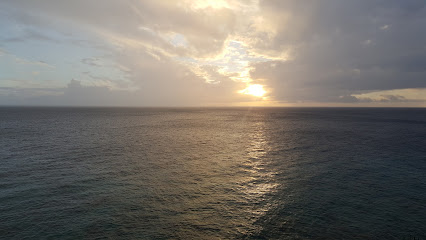
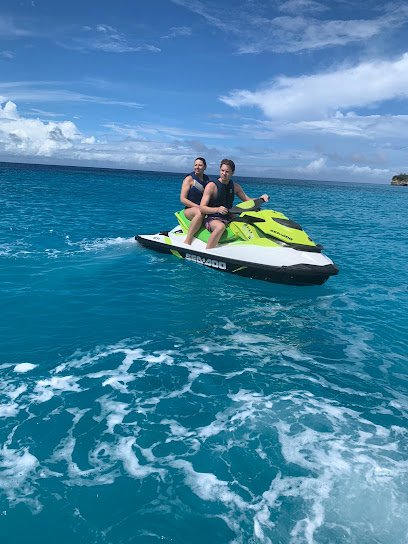
Tourrific Curacao
9.4 km
Discover thrilling water sports and stunning beaches at Tourrific Curacao, the ultimate destination for aquatic adventures.
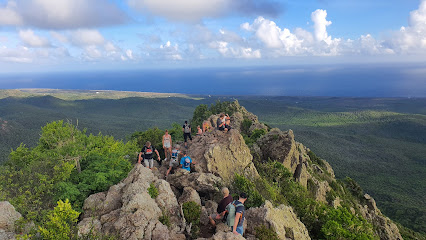
Christoffel mountain
9.4 km
Discover the breathtaking landscapes and rich biodiversity of Christoffel Mountain, the highest point in Curaçao, ideal for hiking and nature exploration.
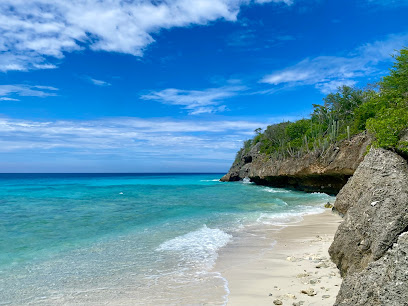
Boka Hulu
9.5 km
Discover the tranquil beauty of Boka Hulu, a hidden beach gem in Curaçao perfect for relaxation, snorkeling, and stunning photography.
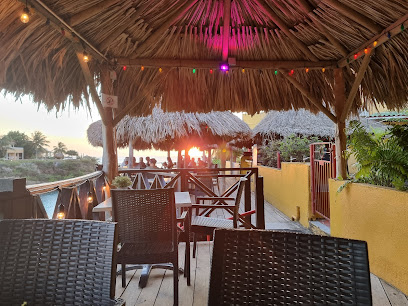
Bahia Beach Bar & Restaurant
10.5 km
Experience the vibrant flavors of the Caribbean at Bahia Beach Bar & Restaurant in Lagun, Curaçao, with stunning views and a lively atmosphere.
Playa Jeremi
11.0 km
Experience the tranquil beauty of Playa Jeremi, a hidden beach paradise in Curaçao perfect for relaxation, snorkeling, and enjoying the sun.
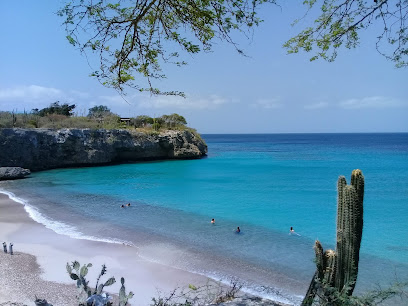
La Peninsula Jeremi
11.1 km
Experience the serene beauty of La Peninsula Jeremi, a tranquil housing development in Curaçao offering breathtaking coastal views and relaxation.
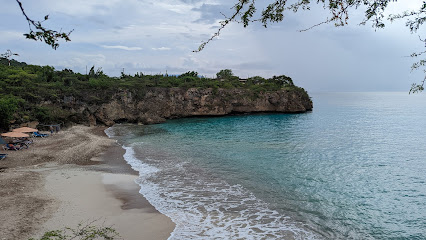
Boka Kalki
11.5 km
Experience the breathtaking beauty and tranquility of Boka Kalki in Curaçao, a perfect retreat for nature lovers and adventure seekers alike.
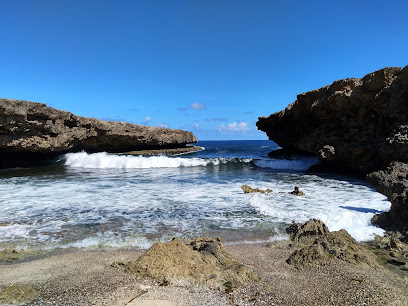
Westpunt
11.6 km
Experience the natural beauty and tranquility of Westpunt Park in Curaçao, a perfect escape for nature lovers and peace seekers.
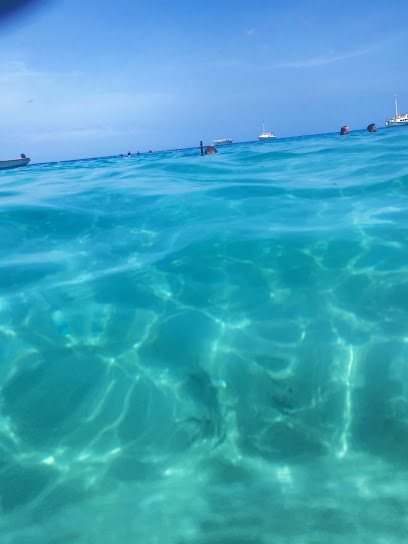
Boka Wandomi
12.5 km
Experience the natural beauty and tranquility of Boka Wandomi, a hidden gem in Curaçao, perfect for adventure and relaxation.
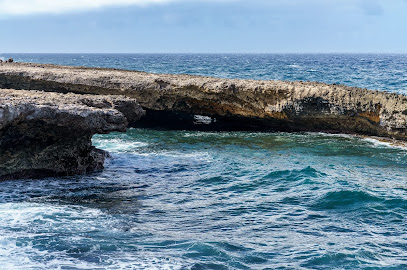
Natural bridge
12.6 km
Explore the breathtaking Natural Bridge in Curaçao, a stunning geological formation offering spectacular views and rich natural beauty.
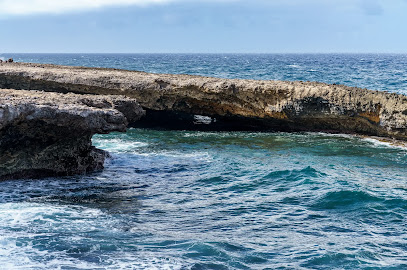
Grote Knip
12.7 km
Discover the serene beauty of Grote Knip, a pristine beach in Curaçao known for its crystal-clear waters and stunning landscapes.