
Larnaka Medieval Fort, Larnaca District Travel Guide
Historic coastal fortress and museum offering panoramic sea views, medieval architecture, archaeological exhibits, and echoes of Larnaca’s storied past in Cyprus.
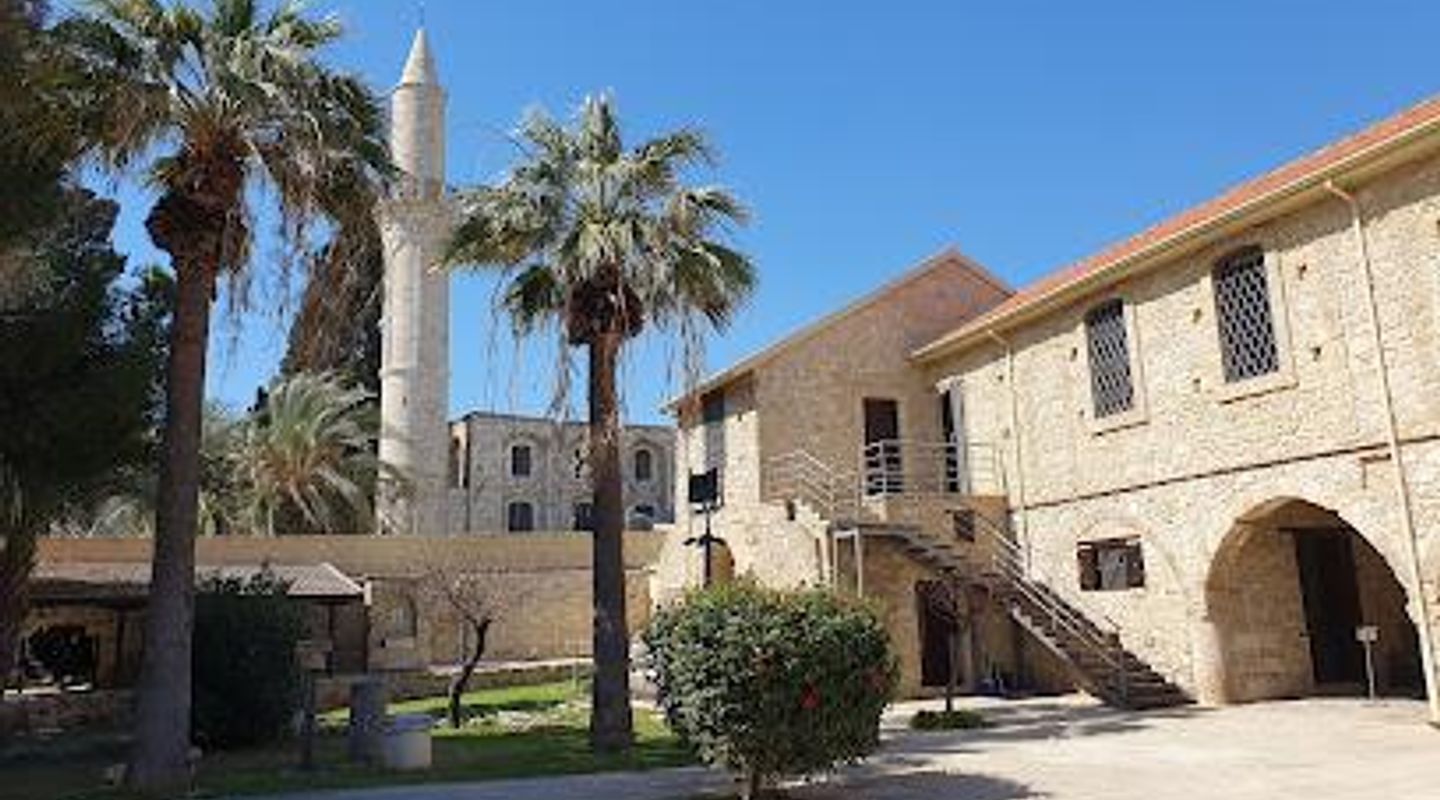
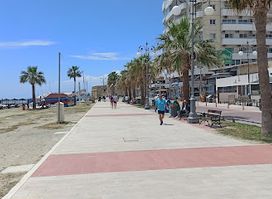
The Larnaka Medieval Fort, perched on Larnaca's palm-lined seafront, is an evocative reminder of Cyprus’s turbulent medieval history. Originally built to defend the harbor, it houses a compact museum and offers sweeping views of the Mediterranean. Visitors can explore its atmospheric stone battlements, inner courtyard, and a centuries-old Ottoman dungeon, all steeped in legends and stories of conquest.
A brief summary to Larnaka Medieval Fort
- WJ6Q+42Q, Piale Pasa, Larnaca, CY
- Click to display
- Click to display
- Monday 8 am-5 pm
- Tuesday 8 am-5 pm
- Wednesday 8 am-5 pm
- Thursday 8 am-5 pm
- Friday 8 am-5 pm
- Saturday 9:30 am-5 pm
- Sunday 9:30 am-5 pm

Know before you go
Hi, I'm Eve. Here are a few practical things to know before exploring Larnaka Medieval Fort.
- Arrive early in the day to enjoy quieter moments and cooler temperatures, especially during summer.
- Admission is generally very affordable, with discounts for children and students.
- The rooftop offers excellent photo opportunities with sweeping views of Larnaca’s seafront—don’t forget your camera.
- Sections of the fort may be challenging for those with limited mobility due to uneven steps and narrow corridors.
- Combine your visit with a stroll on Finikoudes Beach or a coffee at one of the promenade’s nearby cafes.
Do you manage this location?
Take control to get all the benefits, like improved information, better appearance, and stronger visibility across AI-powered discovery. Learn more about listing your business on Evendo
Activate your presenceOther nearby places you may find interesting
The closest places of the same kind, if this one is not quite what you had in mind.
Explore Larnaka Medieval Fort on the Map
A handpicked selection of must-see spots near Larnaka Medieval Fort, mapped for you.
Unlock the Best of Larnaka Medieval Fort
Buy tickets
-
No tickets available
Book tours with entry


Getting There
-
Car/Taxi
From the historic center of Famagusta, taxis can cover the distance to Larnaca in roughly 55–70 minutes, depending on border controls and traffic. Expect fares around €65–€90; flag drop and per-kilometer fees apply, and border crossing may increase travel time. Parking near the fort is possible along the seafront promenade, but can be limited during busy hours—municipal pay parking averages €2 per hour.
-
Bus & Walking
Intercity buses connect Famagusta (Gazimagusa) and Larnaca with service most days. The journey typically takes 1.5–2 hours (fares €7–€10 each way). Alight at Larnaca’s main bus station near the marina. From there, it’s an easy 12–18-minute stroll along the palm-lined promenade, with the fort’s crenellated towers coming into view along the beachfront.
-
Shuttle/Private Transfer
Several agencies offer pre-booked shuttle or private transfer services from Famagusta hotels to Larnaca’s center. Rides are direct, convenient for small groups, and usually cost €20–€35 per person one way, depending on group size and advance booking. Drop-off is within comfortable walking range of the fort.
Discover more about Larnaka Medieval Fort













Your all‑in‑one travel companion app
Explore expert travel guides, compare and book tours, experiences, hotels, and more—all from the palm of your hand. Download now for seamless trip planning wherever your wanderlust takes you.


Explore More of Larnaca District
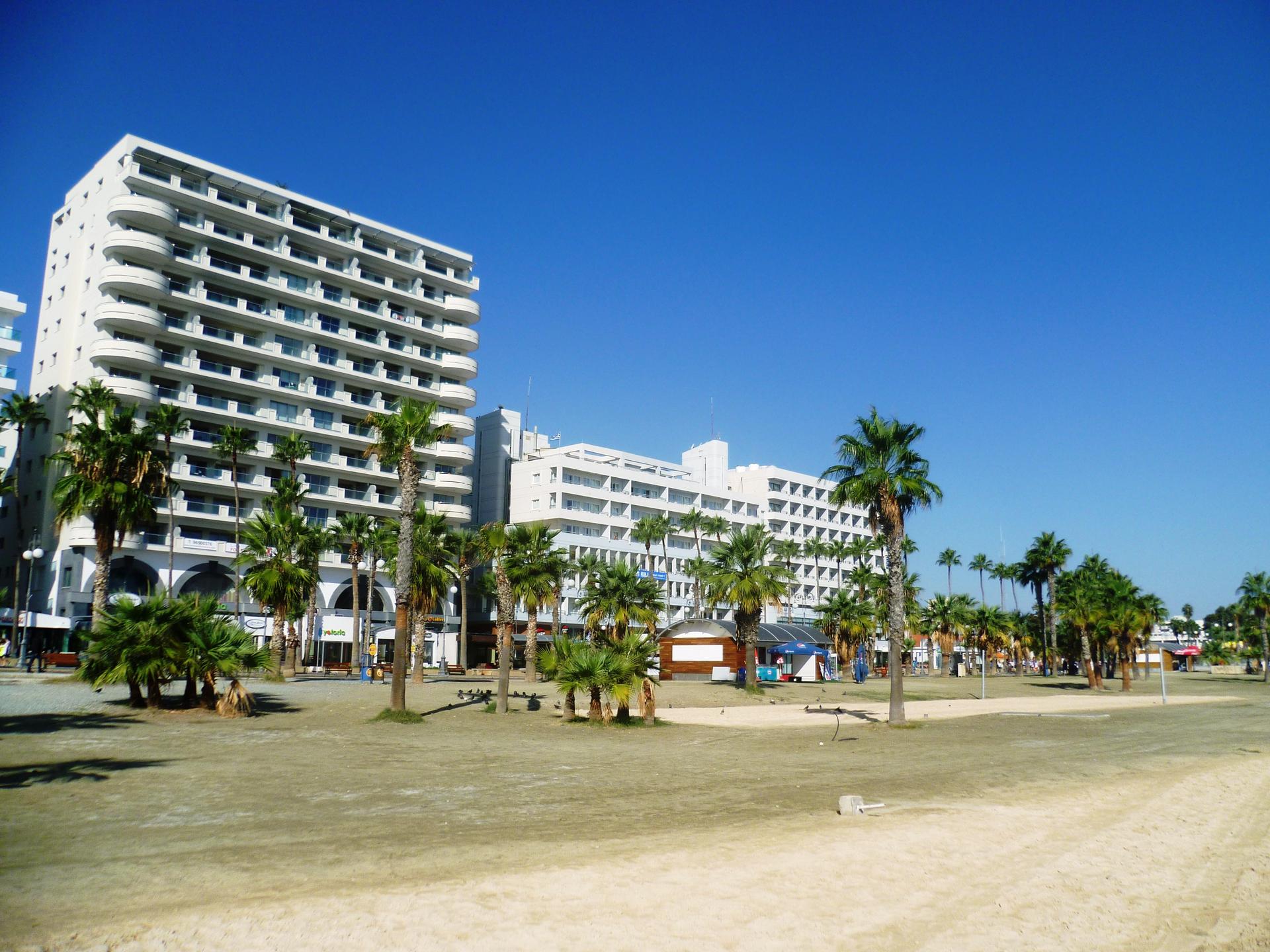
Looking beyond Larnaka Medieval Fort? Discover Larnaca District for broader travel guides, local hot-spots, and regional highlights.
Explore Larnaca District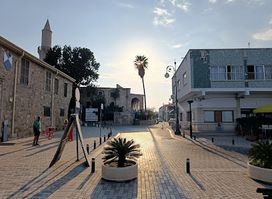
Discover the Venetian Winged Lion in Larnaca, a symbol of the city's rich history and enduring ties to Venice, offering an interactive glimpse into Cyprus's cultural heritage.
Experience the heart of Larnaca at Small Square: a blend of history, culture, and local charm near Larnaca Castle and Finikoudes, offering an authentic Cypriot experience.
