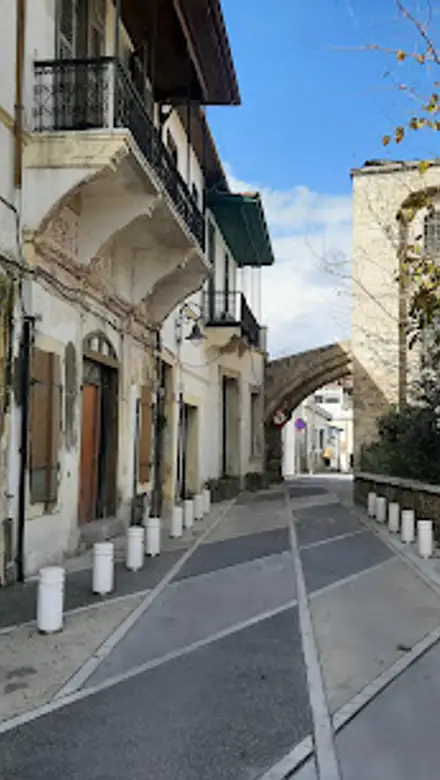
Old Quarter (Skala) Travel Guide
Free Guide: Discover Skala, Larnaca's enchanting Old Quarter: a vibrant tapestry of history, culture, and artisan traditions, offering an authentic Cypriot experience for every traveler.


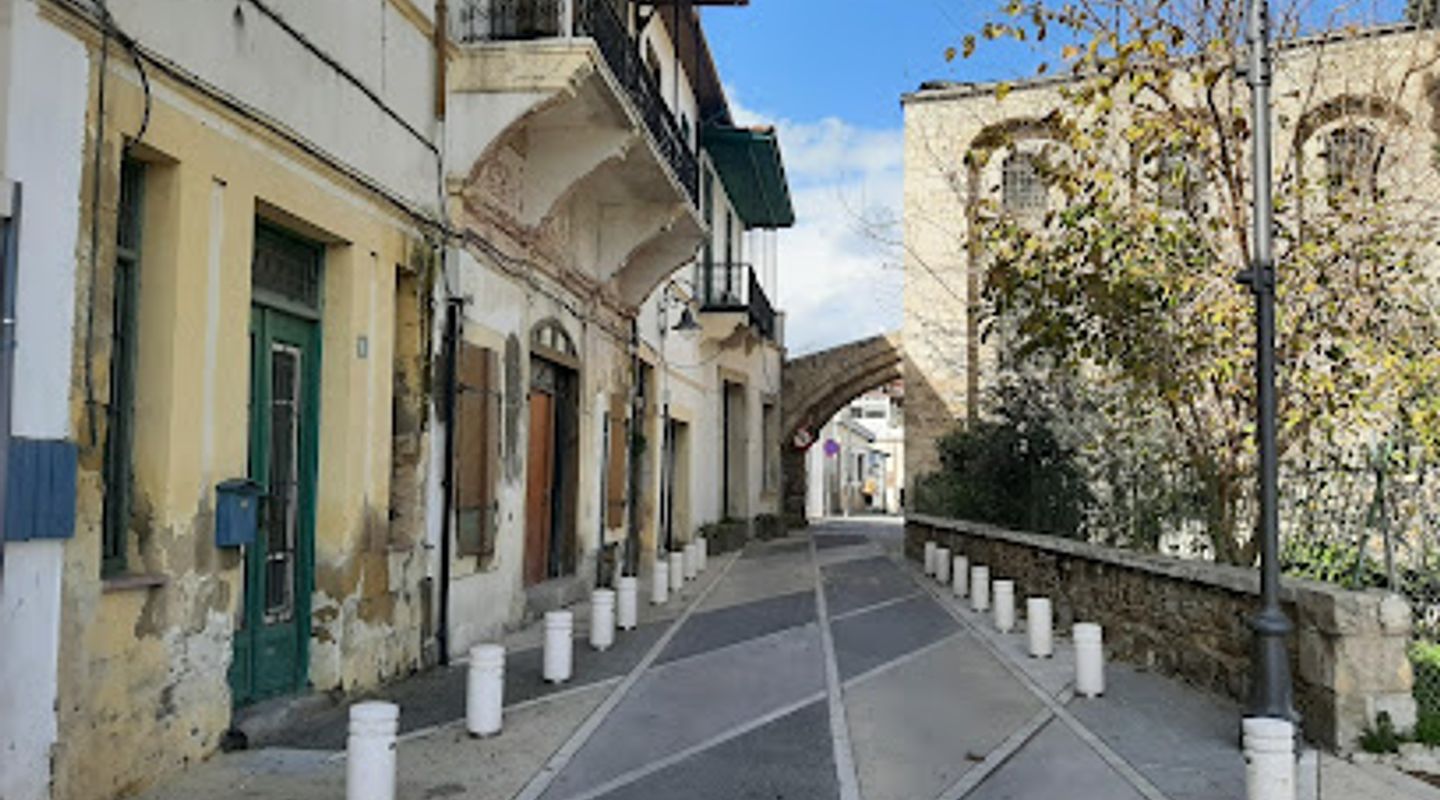
A brief summary of Old Quarter (Skala)
Discover Skala, Larnaca's enchanting Old Quarter: a vibrant tapestry of history, culture, and artisan traditions, offering an authentic Cypriot experience for every traveler.
Step back in time as you explore Skala, Larnaca's Old Quarter, a captivating blend of Cypriot history and culture. Wander through narrow cobblestone streets lined with traditional architecture, artisan shops, and inviting cafes. Discover remnants of Ottoman-era buildings and ancient churches, offering glimpses into the area's rich past. Engage with local artisans, sample traditional Cypriot delicacies, and immerse yourself in the vibrant atmosphere. Skala offers a unique glimpse into the island's soul, where every corner tells a story of cultural fusion and historical significance. Whether you're seeking historical landmarks, cultural experiences, or simply a charming stroll, Skala promises an unforgettable journey through time and tradition. Don't miss the opportunity to explore this living museum, where the past and present intertwine to create a truly authentic Cypriot experience.
- Address
- WJ6P+7RV, Touran, Larnaca 6026, Cyprus
Getting there
Walking
Public Transport
Taxi/Ride-Share
Driving
Discover more about Old Quarter (Skala)
Overview
Skala, also known as the Old Quarter of Larnaca, is a captivating district that offers visitors a unique glimpse into the rich history and cultural heritage of Cyprus. This charming area, located just south of the Larnaca Fort, is characterized by its narrow, winding streets, traditional architecture, and a vibrant atmosphere that reflects the island's diverse influences. Skala's history dates back centuries, with traces of Ottoman and Venetian rule evident in its architecture and street layout. The area was once a predominantly Turkish Cypriot neighborhood, and remnants of this heritage can still be seen in the names of some streets and buildings. After the war in 1974, many Turkish Cypriots were relocated, and the area underwent a transformation, with Greek Cypriots and other communities moving in. Today, Skala is a melting pot of cultures, where the past and present intertwine to create a unique and authentic Cypriot experience. As you wander through Skala's labyrinthine streets, you'll be transported back in time. The traditional houses, with their whitewashed walls, colorful shutters, and flower-filled balconies, exude a sense of old-world charm. Many of these buildings have been lovingly restored and now house artisan workshops, boutique shops, and cozy cafes. Skala is a hub for local artisans, and you'll find a wide array of handmade crafts and traditional products on display. Pottery is a particularly prominent craft in Skala, with several workshops showcasing the skills of local ceramicists. You can watch artisans at work, creating beautiful and intricate pieces, and even try your hand at pottery yourself. Other crafts on offer include weaving, woodcarving, and jewelry making. In addition to its artisan workshops, Skala is also home to a variety of shops selling local products, such as olive oil, honey, and traditional sweets. These shops offer a taste of Cyprus's culinary heritage, and you can sample and purchase these delicacies to take home with you. Skala is not just a place to shop; it's also a place to experience the local culture. The area is home to several traditional cafes and tavernas, where you can savor authentic Cypriot cuisine. Sample local dishes such as souvlaki, moussaka, and halloumi cheese, and enjoy a glass of Cypriot wine or a traditional coffee. Skala is also home to several historical landmarks, including the Church of Saint Lazarus, one of the most important religious sites in Larnaca. This beautiful Byzantine church is said to be built on the tomb of Saint Lazarus, who, according to the New Testament, was raised from the dead by Jesus. The church is a stunning example of Byzantine architecture, with intricate frescoes and a serene atmosphere. Another notable landmark in Skala is the Larnaca Fort, which stands at the edge of the sea, separating the Finikoudes promenade from the Old Quarter. This Ottoman-era fort, built in 1625, was once used as the city's main line of defense. Today, it houses a small Medieval Museum, displaying weaponry and photographs of the local area. Climbing the ramparts offers panoramic views of the Mediterranean Sea. Skala is a neighborhood that has undergone a revival in recent years, with efforts to preserve its historical character and promote its cultural heritage. The area is now a popular destination for tourists seeking an authentic Cypriot experience. Whether you're interested in history, culture, crafts, or cuisine, Skala has something to offer everyone. Skala's unique atmosphere and historical significance make it a must-visit destination in Larnaca. It's a place where you can step back in time, immerse yourself in the local culture, and discover the hidden gems of Cyprus's past. As you explore its narrow streets and interact with its friendly locals, you'll gain a deeper appreciation for the island's rich heritage and its vibrant present. Skala is more than just a neighborhood; it's a living museum, a testament to the enduring spirit of Cyprus and its people. It's a place where you can connect with the past, experience the present, and create memories that will last a lifetime. Visiting Skala is like taking a journey through time, where you can witness the fusion of cultures and the preservation of traditions. It's a place where you can slow down, appreciate the simple things in life, and connect with the heart and soul of Cyprus. So, if you're planning a trip to Larnaca, be sure to set aside some time to explore Skala. Wander through its streets, discover its hidden corners, and immerse yourself in its unique atmosphere. You won't be disappointed.
Evendo Review Centre
 Google
Guest reviews
Explore Old Quarter (Skala) on the map
A handpicked selection of must-see spots near Old Quarter (Skala), mapped for you.
Get your free copy of our complete guide to Old Quarter (Skala), delivered straight to you.
Everything on this page, from opening hours and how to get there to Eve’s tips and the best time to go, in one PDF you can read offline, print or share.
Already have an account? Sign in
Your Old Quarter (Skala) guide is ready.
We'll send it to · Not you? Sign out

Getting your guide ready…
We are putting together a fresh copy of the Old Quarter (Skala) guide. This can take up to a minute.
This can take a few moments. If your browser asks, choose Allow so the download can start. You'll find the guide in your Downloads folder.
Nothing happened? Download it again
Sorry, the guide is taking longer than usual. Please try again in a minute, or get it by email instead.
Unlock the best of Old Quarter (Skala)
Skip-the-line tickets, guided tours with entry, and walking tours of the area, booked in a few clicks.

Other nearby places you may find interesting
The closest places of the same kind, if this one is not quite what you had in mind.
-
-
-
-
-


Swipe for more places
More to explore near Old Quarter (Skala)

 Best experiences near Old Quarter (Skala)
 Best hotels near Old Quarter (Skala)
 Best landmarks near Old Quarter (Skala)
 Best attractions near Old Quarter (Skala)
 Best shops near Old Quarter (Skala)
 Best restaurants near Old Quarter (Skala)
 Best bars near Old Quarter (Skala)
Do you manage this location?
Take control to get all the benefits, like improved information, better appearance, and stronger visibility across AI-powered discovery.
Explore more

Explore more of Larnaca District
Explore Larnaca District: A captivating blend of ancient history, stunning beaches, and vibrant nightlife on the southern coast of Cyprus.
Explore Larnaca District
Explore more of Cyprus
Discover Cyprus: A Mediterranean paradise with a rich tapestry of history, culture, and breathtaking landscapes, offering a perfect blend of relaxation and adventure.
Explore Cyprus