Mycenaean Echoes: A Journey into Ancient Cyprus
Uncover Cyprus's Mycenaean roots at this captivating museum and archaeological site near Coral Bay, revealing the island's ancient connections and cultural heritage.
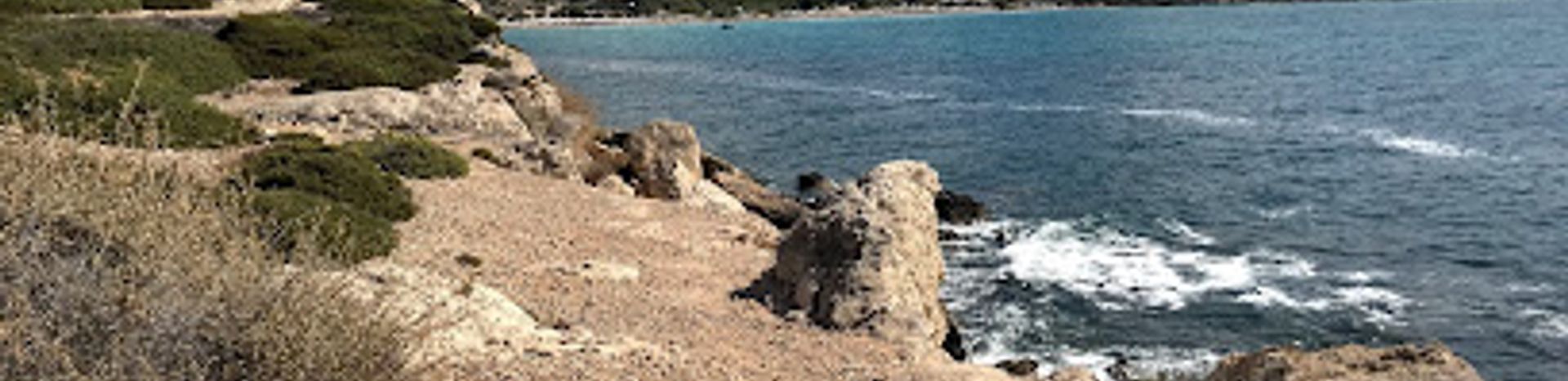
Delve into Cyprus's ancient past at the Mycenaean Settlement of Cyprus Museum, near Coral Bay. This museum unveils the story of the Mycenaean Greeks who settled here around 1200 BC, marking a pivotal moment in the island's history. Explore artifacts unearthed from the site, offering insights into their daily life, craftsmanship, and cultural influence. The museum itself, designed by architect Andrea Bruno, is a work of art, featuring a copper-plated dome and door that pay homage to Cyprus's copper-rich heritage. While the site is mostly ruins, imagine the lives of those who built a civilization overlooking the sea. The museum provides context and a tangible connection to the island's distant past, making it a worthwhile visit for history enthusiasts and curious travelers alike. Open daily, it's an accessible and enriching experience.
A brief summary to Mycenaean settlement of Cyprus Museum
- V936+5HQ, Peyia, Coral Bay, CY
- Visit website
- Monday 8:30 am-4 pm
- Tuesday 8:30 am-4 pm
- Wednesday 8:30 am-4 pm
- Thursday 8:30 am-4 pm
- Friday 8:30 am-4 pm
- Saturday 8:30 am-4 pm
- Sunday 8:30 am-4 pm
Local tips
- Visit early in the morning or late in the afternoon to avoid crowds and the midday heat, especially during the summer months.
- Combine your visit with a trip to nearby Coral Bay or the Maa-Palaeokastro archaeological site for a full day of exploration.
- Wear comfortable shoes, as you'll be walking on uneven ground while exploring the archaeological site.

Getting There
-
Public Transport
From Coral Bay, take a local bus towards Peyia. The bus stop in Peyia is approximately a 20-minute walk to the museum. From the Peyia bus stop, walk east on Peyia Road, then turn right onto V936. The museum will be on your left. A single bus fare will cost approximately €1.50.
-
Taxi/Ride-Share
A taxi or ride-share from Coral Bay to the Mycenaean Settlement of Cyprus Museum will take around 10-15 minutes, depending on traffic. Expect to pay approximately €10-€15 for the trip.
-
Driving
From Coral Bay, head east on the main road (Peyia Road) towards Peyia village. Continue for about 4 kilometers until you reach the V936+5HQ location. The museum will be on your right. There is free parking available near the museum.
Discover more about Mycenaean settlement of Cyprus Museum
Iconic landmarks you can’t miss

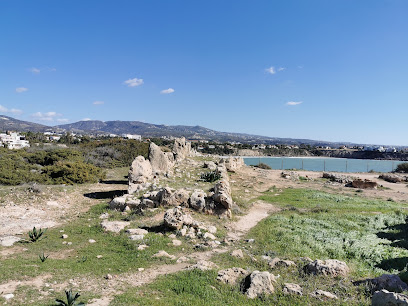
Archaeological Site of Maa - Palaeokastro
0.3 km
Explore the Archaeological Site of Maa - Palaeokastro, a historic landmark in Cyprus that reveals ancient civilization and breathtaking coastal views.
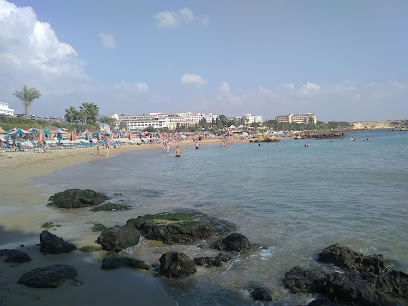
Laourou Beach
0.5 km
Explore Laourou Beach in Coral Bay, Cyprus – a stunning destination with golden sands, crystal-clear waters, and thrilling water sports.
Leptos Coral Seas Villas
0.9 km
Discover the perfect blend of luxury and relaxation at Leptos Coral Seas Villas, a stunning retreat in Cyprus's Coral Bay area.
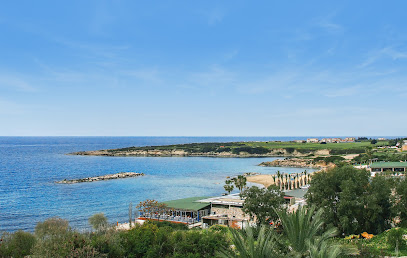
Eveleos
1.4 km
Discover unique souvenirs at Eveleos, a charming store in Coral Bay, Paphos, Cyprus, showcasing local crafts and treasures from your travels.
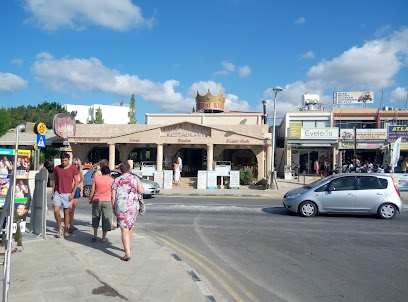
Sea Caves Peyia Paphos
4.3 km
Experience the breathtaking beauty of the Sea Caves in Peyia, Paphos – nature's masterpiece of rock formations and crystal-clear waters.
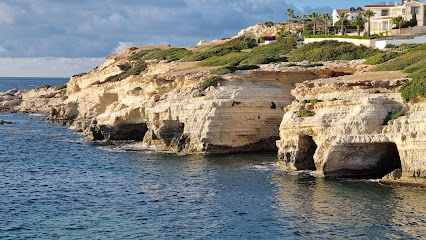
white cliffs
4.8 km
Explore the stunning White Cliffs of Cyprus - a breathtaking natural wonder where the limestone cliffs meet the azure Mediterranean Sea for a picturesque escape.
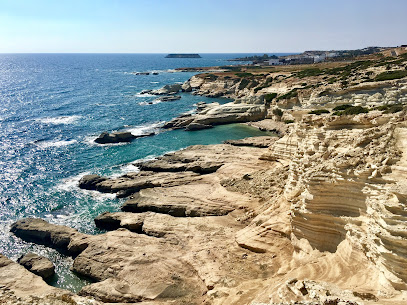
Kathikas Moundiko Nature Trail
5.8 km
Explore the enchanting solitude of Kathikas Moundiko Nature Trail, a captivating hiking area in Cyprus with stunning views and rich biodiversity.
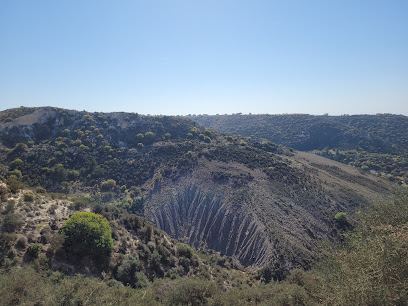
Lempa Prehistoric Village (Reconstructed)
6.0 km
Step back in time at Lempa Prehistoric Village, exploring reconstructed roundhouses and artifacts from Cyprus' Chalcolithic era. A unique historical experience.
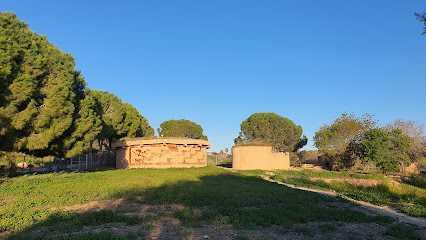
Tomb 9
6.5 km
Explore Tomb 9 in Peyia, Cyprus: A captivating historical landmark revealing the island's rich cultural heritage and architectural splendor.
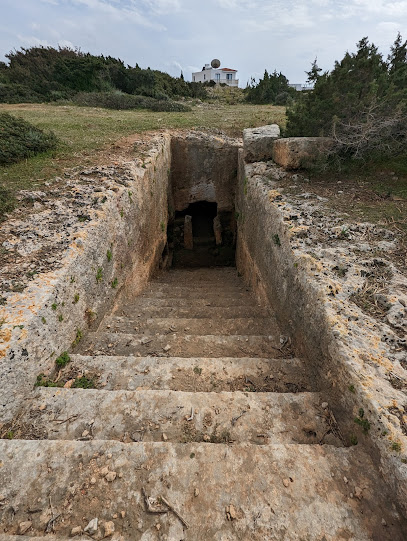
Tomb 5
6.5 km
Discover the ancient allure of Tomb 5 in Cyprus, a historical landmark that unveils the secrets of the past amidst stunning natural beauty.
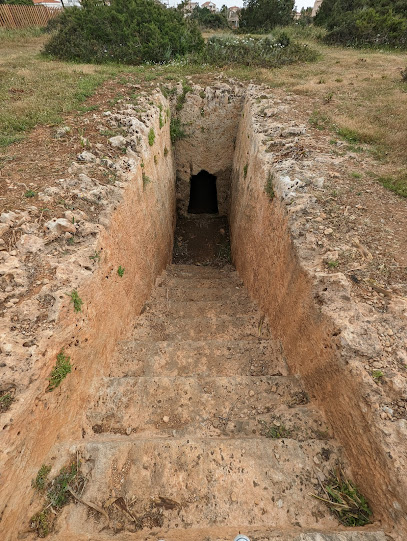
Meletis Forest Necropolis
6.6 km
Explore the enchanting Meletis Forest Necropolis, a historical landmark in Cyprus showcasing ancient tombs and stunning natural landscapes.
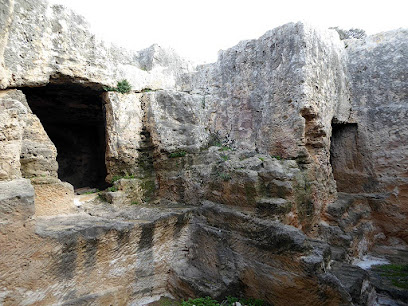
Agios Georgios Church
6.7 km
Experience the spiritual and architectural splendor of Agios Georgios Church in Cyprus, a serene retreat that reflects the island's rich history and culture.
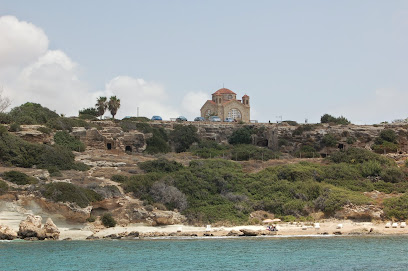
Agios Georgios Beach
6.8 km
Discover Agios Georgios Beach in Cyprus: a serene escape with golden sands, crystal-clear waters, and breathtaking Mediterranean views.
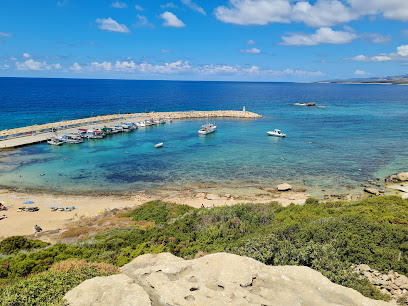
Adonis museum
7.0 km
Discover the rich cultural heritage and captivating artifacts of Cyprus at the Adonis Museum in Koili, an enriching experience for all visitors.
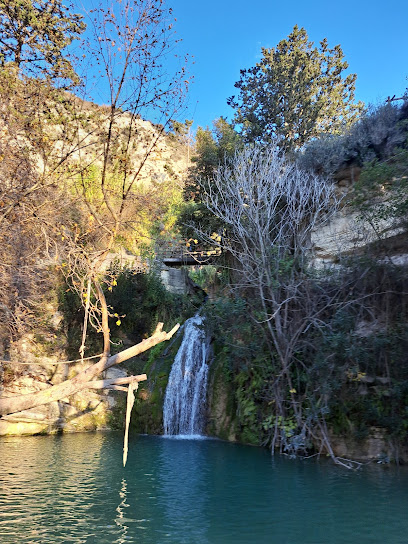
Avakas gorge
7.8 km
Discover Avakas Gorge: Hike through towering limestone cliffs, explore unique plant life, and witness the power of nature in this Cyprus hidden gem.
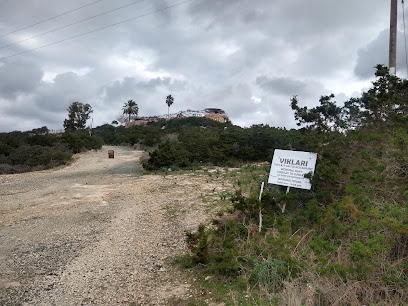
Unmissable attractions to see

Coral Beach Port
0.4 km
Discover Coral Beach Port in Peyia, Cyprus: A serene coastal escape with golden sands, crystal-clear waters, and stunning sunsets, perfect for relaxation and exploration.

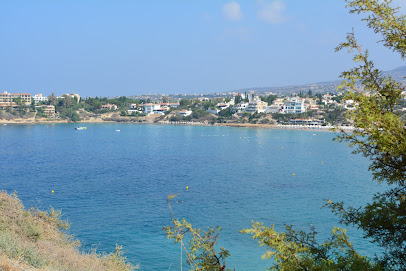
Coral Bay
0.7 km
Discover Coral Bay, Cyprus: Golden sands, turquoise waters, and endless Mediterranean charm await in this coastal paradise near Paphos.
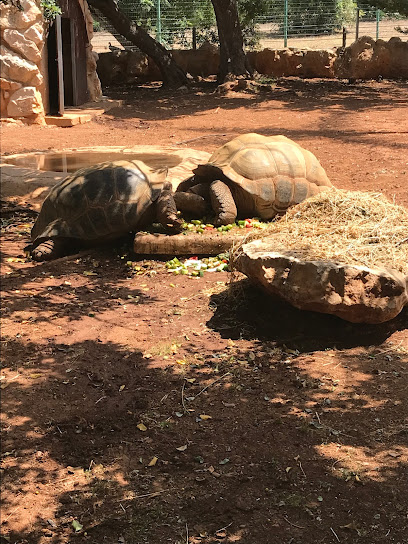
Pafos Zoo Free Bus Stop
0.7 km
Discover a world of wildlife at Pafos Zoo, home to over 1,200 animals, interactive exhibits, and captivating shows, offering an unforgettable adventure for the whole family in Cyprus.
Rocky beach
0.8 km
Discover the unspoiled beauty of Rocky Beach in Peyia, Cyprus: dramatic rock formations, crystal-clear waters, and tranquil escapes await nature lovers and photographers.
Olmi bay
0.8 km
Discover Olmi Bay in Peyia, Cyprus: A serene coastal paradise with crystal-clear waters, golden sands, and breathtaking scenery, perfect for relaxation and exploration.
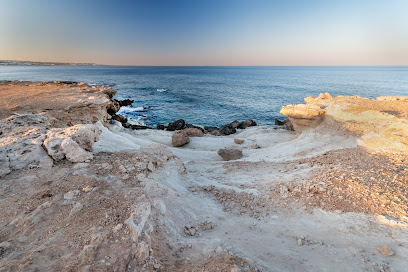
Secret path to the beach
0.9 km
Escape the crowds and discover a hidden coastal paradise in Peyia, Cyprus, where a secret path leads to a tranquil beach and breathtaking Mediterranean views.
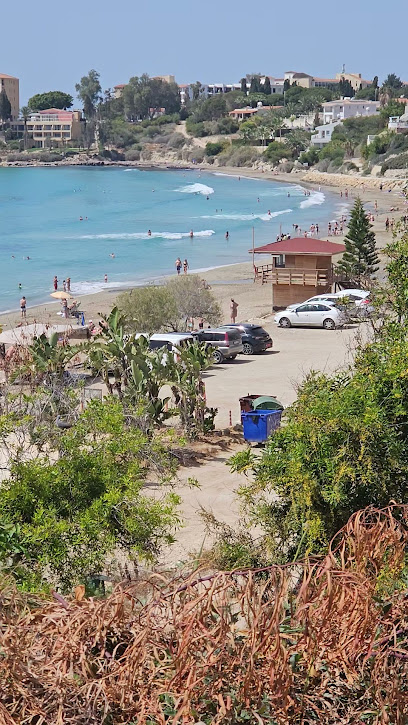
Cave beach
0.9 km
Discover Cave Beach in Peyia, Cyprus: a serene escape with crystal-clear waters, stunning rock formations, and vibrant marine life.
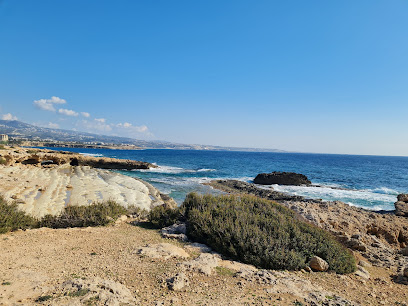
Plaża Marty
1.0 km
Discover the serene beauty of Plaża Marty near Peyia, Cyprus: a hidden coastal paradise with crystal-clear waters, captivating rock formations, and tranquil sea caves.
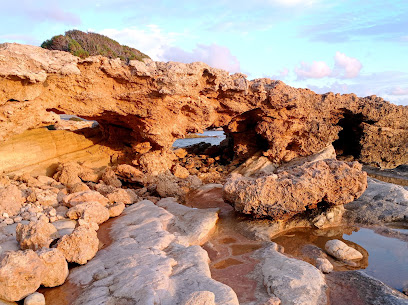
Sayang Bay
1.0 km
Discover the serene beauty of Sayang Bay in Peyia, Cyprus: crystal-clear waters, stunning landscapes, and authentic Cypriot charm await for an unforgettable escape.
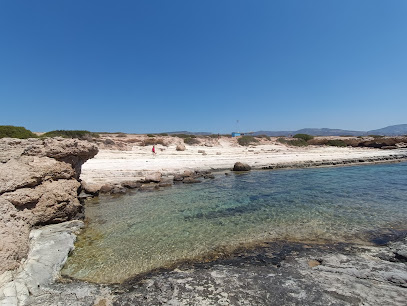
Duiklocatie Amphi Theatre
1.1 km
Discover the underwater wonders of Amphi Theatre in Peyia, Cyprus - a top diving destination teeming with vibrant marine life and stunning seascapes.
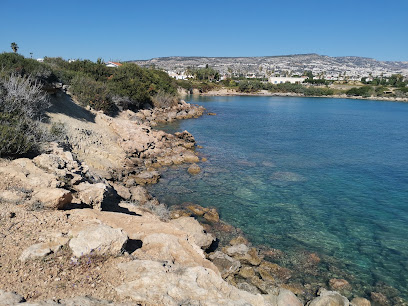
Diving place
1.3 km
Explore the mesmerizing underwater world of Peyia, Cyprus, a diving paradise offering vibrant marine life, stunning rock formations, and thrilling adventures for all skill levels.
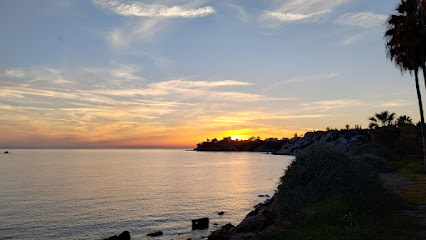
Sunset view point
1.4 km
Experience the magic of Cyprus at Peyia's Sunset View Point, where panoramic vistas and tranquil beauty combine for an unforgettable Mediterranean escape, perfect for photographers and nature lovers.
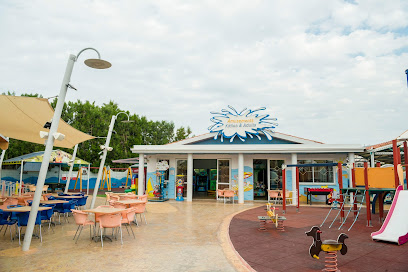
Ithaki Amusement park and MiniGolf
1.4 km
Enjoy a day of family fun with mini-golf, arcade games, and more at Ithaki Amusement Park in Peyia, near Coral Bay, Cyprus.
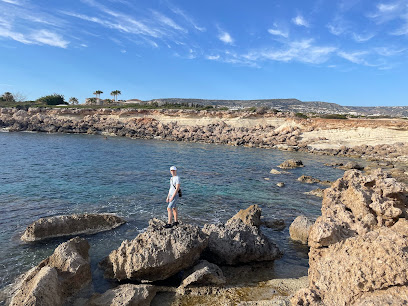
Church bay diving spot
1.4 km
Discover the underwater wonders of Church Bay diving spot in Peyia, Cyprus: a haven for divers with stunning rock formations and vibrant marine life, perfect for all skill levels.
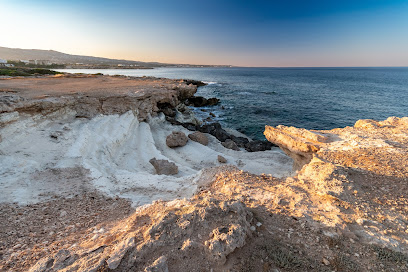
Chris Andreou Quad and Buggy Safari Tours
1.5 km
Explore Cyprus's wild side with thrilling quad and buggy adventures. Discover hidden gems and stunning landscapes in Coral Bay.

Essential places to dine

Arapis Coral Bay restaurant
0.6 km
Discover exquisite flavors at Arapis Coral Bay restaurant in Cyprus, where Mediterranean charm meets culinary excellence.
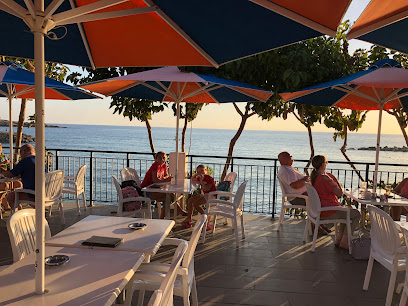
Legends Lounge Bar
0.6 km
Discover culinary delights at Legends Lounge Bar in Coral Bay – where exquisite taste meets stunning Mediterranean views.
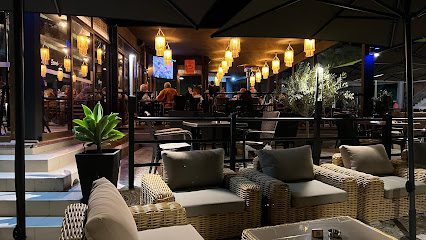
Coral Oasis Tavern
0.7 km
Discover the flavors of Cyprus at Coral Oasis Tavern – where every dish tells a story amidst breathtaking views.
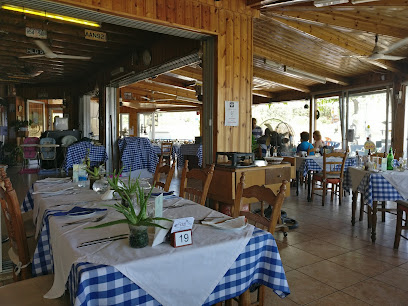
PORTO ANTICO RESTAURANT
0.8 km
Experience exquisite Mediterranean cuisine with stunning views at Porto Antico Restaurant in Coral Bay, Cyprus.
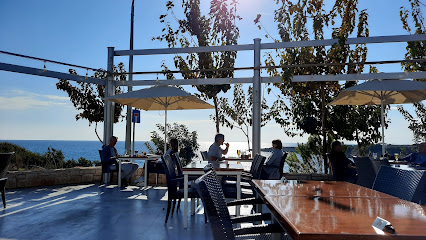
Dolce Vita Ristorante Italiano
1.3 km
Experience authentic Italian cuisine at Dolce Vita Ristorante Italiano in Coral Bay – where every meal feels like a taste of Italy.
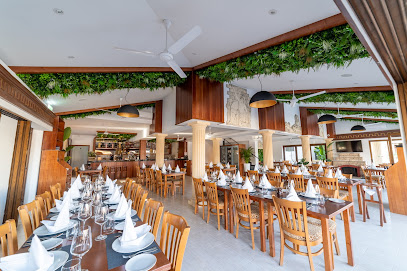
Palm Grove Restaurant
1.4 km
Experience the taste of Italy in Coral Bay with authentic dishes and a cozy atmosphere at Palm Grove Restaurant.
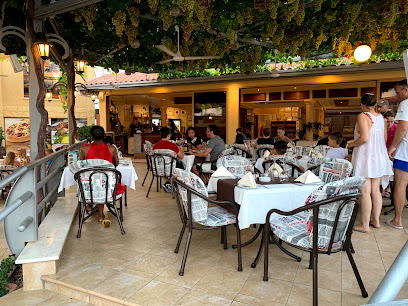
Lekanto Restaurant Coral Bay
1.4 km
Experience authentic Cypriot cuisine at Lekanto Restaurant in Coral Bay – where flavor meets breathtaking views.
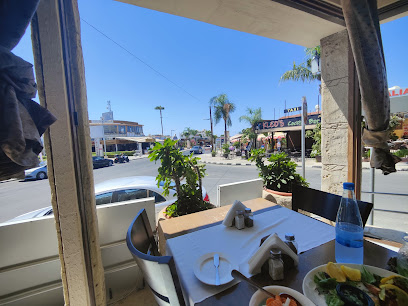
Andria Steak And Grill Restaurant
1.5 km
Experience exquisite flavors at Andria Steak And Grill Restaurant in Coral Bay—where every meal is crafted with passion and quality.
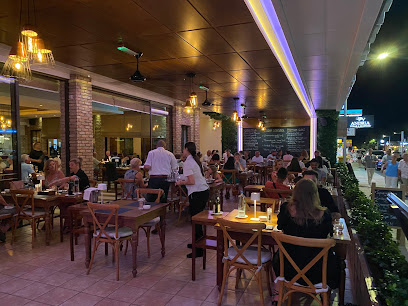
"Othello's" Restaurant
1.5 km
Experience authentic Mediterranean flavors at Othello's Restaurant in Coral Bay, Cyprus – a perfect spot for food lovers and tourists alike.
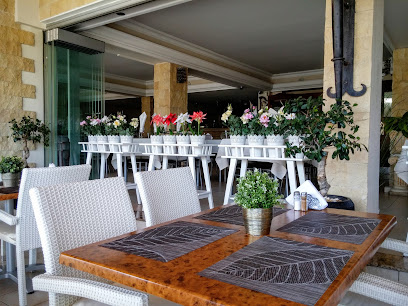
Seriani Restaurant
1.5 km
Discover the family-friendly charm of Seriani Restaurant in Coral Bay, where authentic Cypriot cuisine meets warm hospitality.
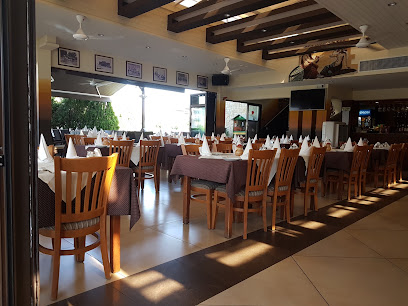
Corallo
1.5 km
Discover Corallo in Coral Bay: Fresh seafood and authentic Cypriot flavors await you at this charming Mediterranean restaurant.
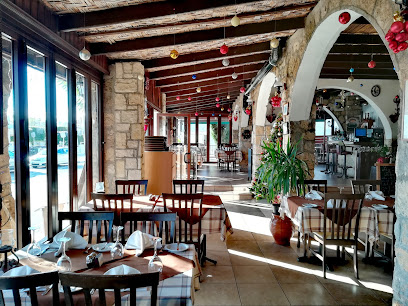
Chalkies Bar
1.6 km
Experience the vibrant flavors of Chalkies Bar in Coral Bay – where delicious grills meet refreshing cocktails in a lively atmosphere.
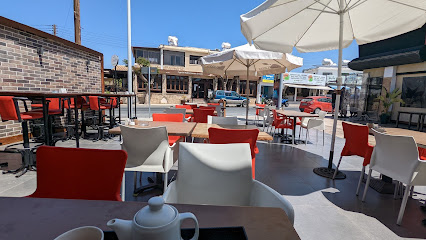
Numora Mediterranean & Greek Kitchen.
1.6 km
Experience authentic Mediterranean flavors at Numora Mediterranean & Greek Kitchen in Coral Bay—where every dish tells a story.
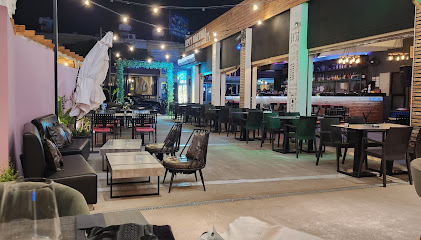
Santa Marina Fish and Chips and More
1.6 km
Experience authentic British flavors at Santa Marina Fish and Chips in Coral Bay—where tradition meets taste amidst stunning coastal views.
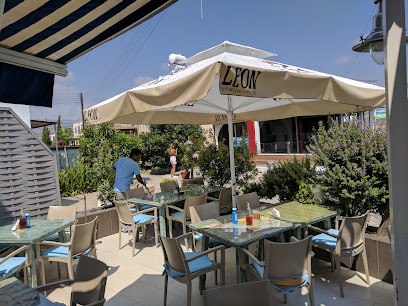
Phils Grill and Bar
1.6 km
Discover delightful flavors at Phils Grill and Bar in Peyia - where local cuisine meets warm hospitality in a picturesque setting.
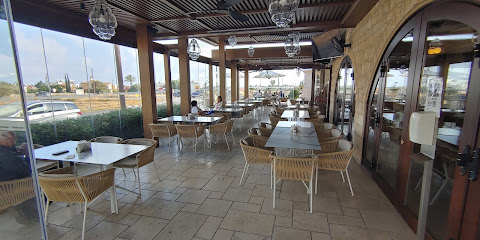
Markets, malls and hidden boutiques

Kyrgeli Supermarket & Souvenir Shop
0.6 km
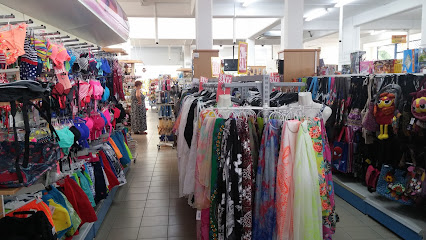
Discover local flavors and unique souvenirs at Kyrgeli Supermarket & Souvenir Shop in Coral Bay, Cyprus - a must-visit for every traveler.
Breeze Kiosk
0.7 km
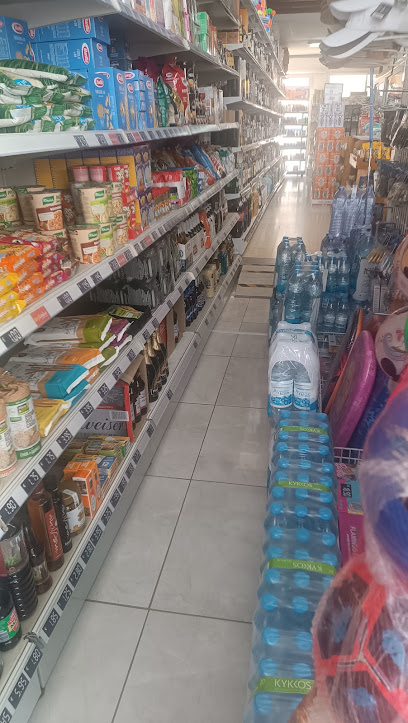
Discover the Breeze Kiosk, a charming convenience store in Coral Bay, Cyprus, perfect for snacks, drinks, and local delights.
Breeze Wines & Gifts
0.7 km
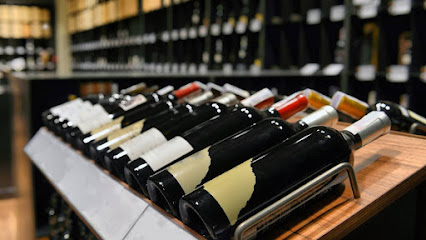
Explore unique gifts and exquisite local wines at Breeze Wines & Gifts in Peyia, Cyprus, where every purchase tells a story.
Golden Ride buggy
1.4 km
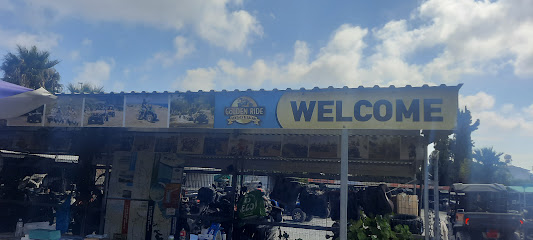
Discover the scenic beauty of Coral Bay, Cyprus, with Golden Ride Buggy Rentals - your gateway to adventure and exploration.
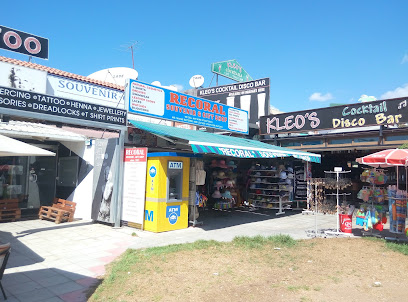
Recoral
1.4 km
Explore the vibrant world of local crafts and gifts at Recoral, a charming souvenir store in Coral Bay, Cyprus, where every item tells a story.
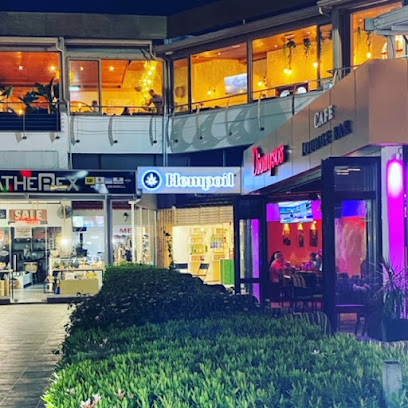
Hempoil Shop Natural Products (Coral Bay) - CBD - CB9 - H3CBN - H4CBD - THCP
1.4 km
Explore Hempoil Shop in Coral Bay for premium CBD and natural health products in a friendly atmosphere, perfect for your wellness journey.
Leatherex Coral bay
1.4 km
Explore a diverse collection of fashionable footwear at Leatherex Coral Bay, where quality meets style in the heart of Cyprus.

Shipshape Coral Bay
1.4 km
Discover unique home goods and local crafts at Shipshape Coral Bay, a must-visit store in the heart of Peyia, Cyprus.
Anthias Souvenir shop
1.4 km
Discover unique souvenirs that capture the spirit of Cyprus at Anthias Souvenir Shop in Coral Bay, Peyia.
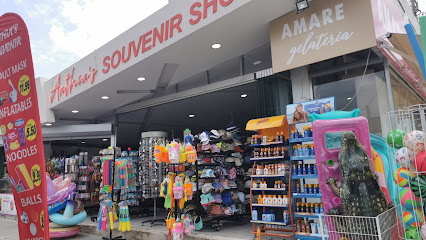
Maa Shopping Center
1.5 km
Explore unique shops and savor local flavors at Maa Shopping Center in Coral Bay, Cyprus - the heart of shopping and culture.
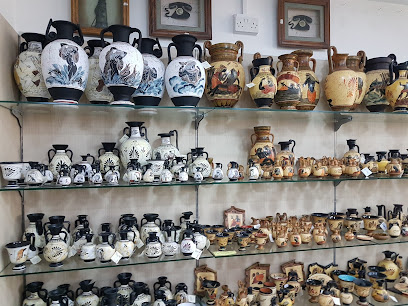
Philippos Supermarket
1.6 km
Explore the best of local and international products at Philippos Supermarket in Peyia, where convenience meets quality for all your shopping needs.
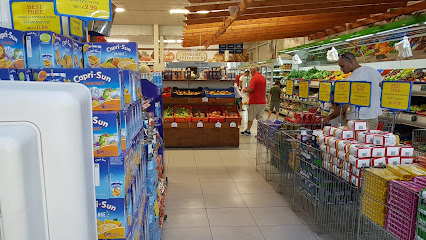
King's Coral bay supermarket
1.6 km
Experience the best shopping convenience at King's Coral Bay Supermarket in Cyprus, offering a wide selection of products for every need.
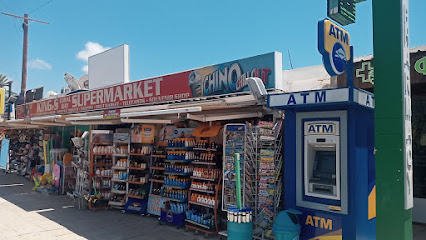
Vapourwise Cy
1.6 km
Discover Vapourwise Cy in Coral Bay, Paphos - your one-stop shop for premium vaporizers and accessories in a friendly atmosphere.
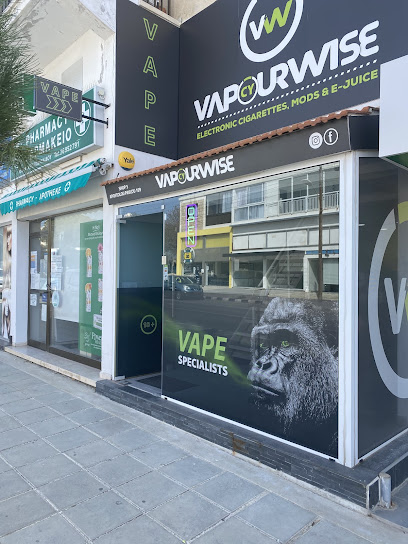
Carmines Cards
2.7 km
Discover a charming gift shop in Peyia, Cyprus, offering unique cards, balloons, and stationery for all your gifting needs.
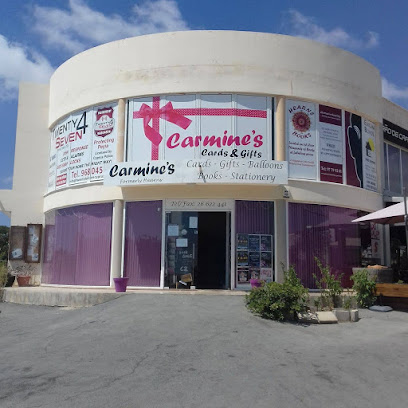
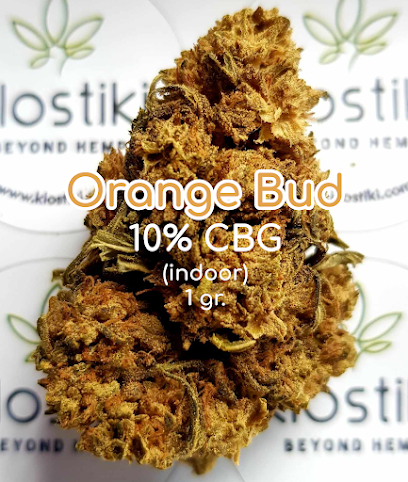
Klostiki - Beyond Hemp CBD Shop Peyia (Britania Kiosk)
3.1 km
Discover the best CBD products at Klostiki in Peyia, Cyprus, where quality meets wellness in a serene shopping environment.
Essential bars & hidden hideouts

Nomads
0.6 km
Discover the vibrant culinary scene at Nomads, a top-rated bar and gastropub in Coral Bay, Cyprus, featuring exquisite dishes and fine wines.
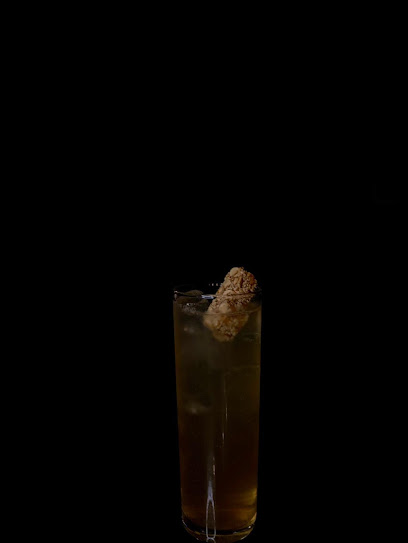
Breeze Lounge Bar
0.7 km
Experience the best of Coral Bay at Breeze Lounge Bar with stunning views, delicious cocktails, and a vibrant atmosphere ideal for tourists and locals alike.
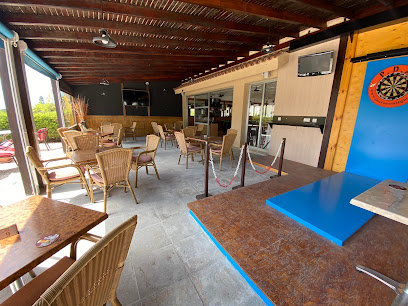
The Frog and Toad
0.7 km
Experience the cozy charm of The Frog and Toad, a beloved bar in Peyia, Cyprus, famous for its great drinks and vibrant atmosphere.
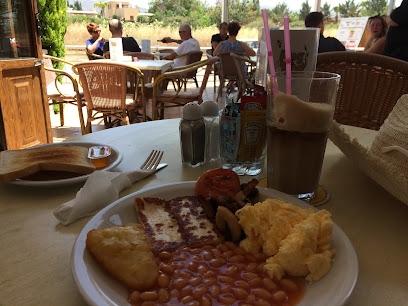
Blazing Saddles Pub - Coral Bay
1.3 km
Discover Blazing Saddles Pub in Coral Bay, where delicious grilled dishes and refreshing drinks meet a vibrant atmosphere perfect for tourists.
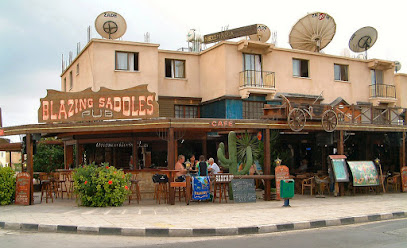
Dionysos Cafe Lounge & Cocktail Bar
1.4 km
Experience the vibrant nightlife at Dionysos Cafe Lounge & Cocktail Bar in Coral Bay, Peyia, where exquisite cocktails meet a cozy atmosphere.
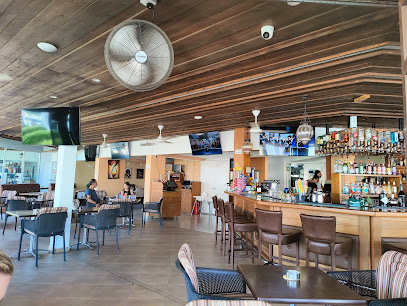
Kleo's Cocktail Bar & Night Club
1.4 km
Immerse yourself in the vibrant nightlife of Coral Bay at Kleo's Cocktail Bar & Night Club, where expertly crafted cocktails and lively entertainment await.
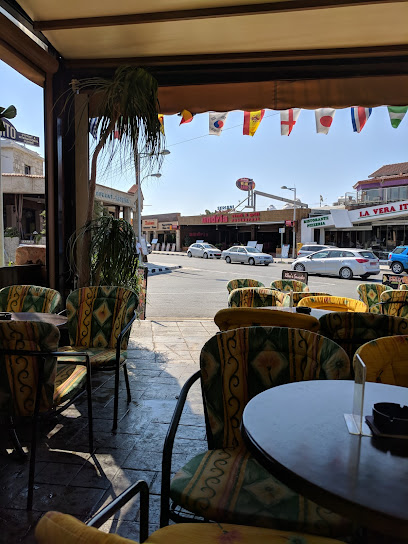
Kikos Bar
1.5 km
Experience the vibrant nightlife at Kikos Bar in Coral Bay, Peyia; enjoy great drinks, live music, and a welcoming atmosphere for all.
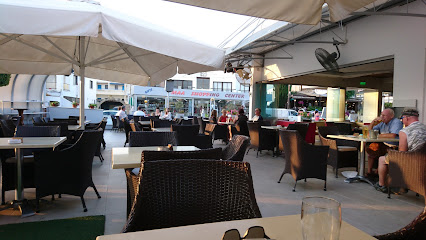
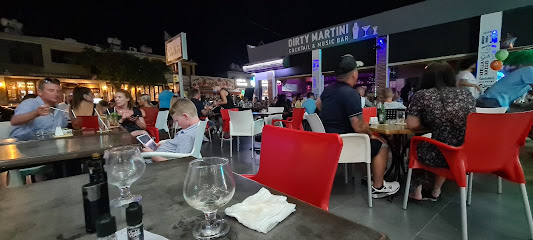
Dirty Martini Cyprus
1.6 km
Discover the ultimate cocktail experience at Dirty Martini Cyprus, where vibrant nightlife and innovative drinks await in Coral Bay.
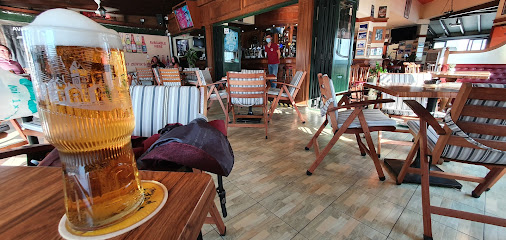
Millennium ShowBar
1.6 km
Discover the lively atmosphere of Millennium ShowBar, where great cocktails meet live music for an unforgettable night out in Coral Bay, Cyprus.
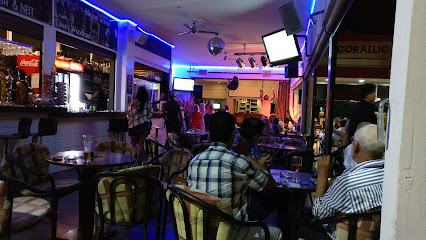
Zenta's Bar
1.6 km
Discover Zenta's Bar in Coral Bay, Cyprus – where vibrant cocktails meet a warm and welcoming atmosphere for unforgettable moments.
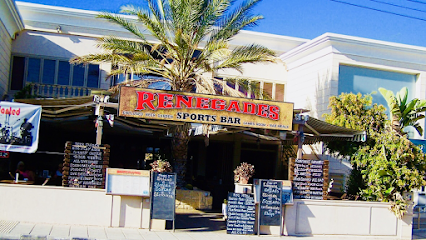
Renegades Sports BAR
1.7 km
Experience the ultimate sports bar atmosphere at Renegades, where lively events and delicious food come together in Coral Bay, Cyprus.
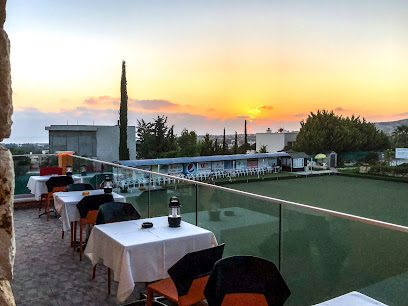
Neos Sports Club & Coral Bay Bowls Club
1.9 km
Discover the perfect blend of sports, delicious food, and community at Neos Sports Club & Coral Bay Bowls Club in Peyia, Cyprus.
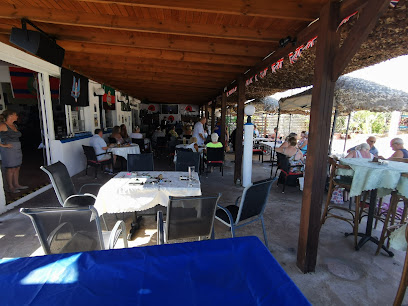
The Veteran's Bar
2.6 km
Experience the vibrant nightlife at The Veteran's Bar in Peyia, a lively spot for karaoke, live music, and delicious pub fare in Cyprus.
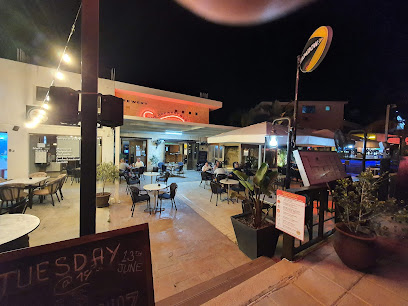
The Brewery Bar.
3.1 km
Discover the vibrant atmosphere of The Brewery Bar in Peyia, Cyprus, where delicious food, refreshing drinks, and live music come together for an unforgettable experience.
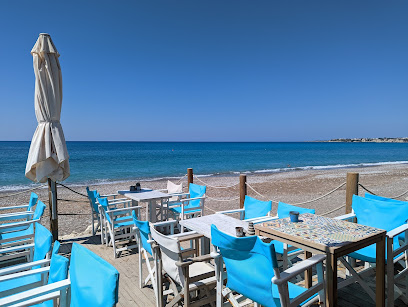
Sea You Beach Bar
3.4 km
Discover the vibrant atmosphere and stunning views at Sea You Beach Bar in Kissonerga, Cyprus – a perfect seaside getaway for relaxation and fun.
Nightclubs & after hour spots

Absolute-168 Nightclub
1.3 km
Dive into the electrifying nightlife at Absolute-168 Nightclub, where unforgettable music and vibrant energy await in Coral Bay, Cyprus.
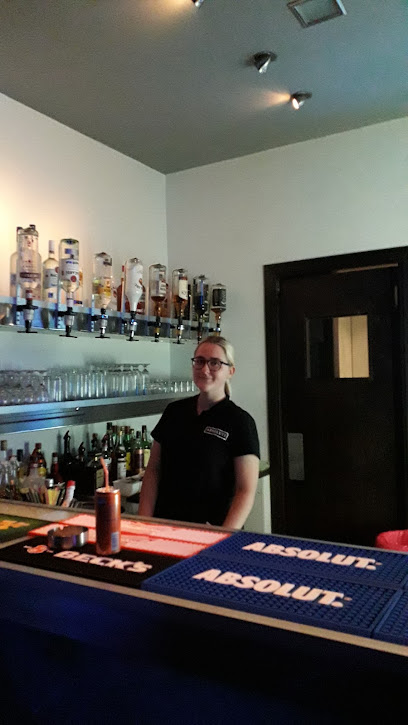
Vivvy's Place
2.7 km
Unleash your energy at Vivvy's Place, Peyia's premier night club where vibrant music and an electric atmosphere create unforgettable nightlife experiences.
Studio54 Retro Club Paphos
6.4 km
Unleash your inner dancer at Studio54 Retro Club Paphos, where retro vibes meet modern beats for an unforgettable nightlife experience.
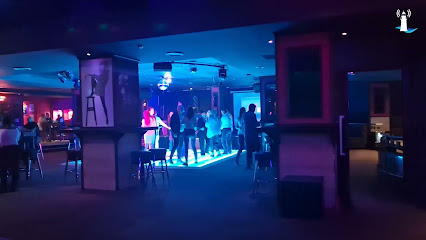
Club Saint GEORGE Paphos
7.7 km
Discover the lively ambiance of Club Saint George in Paphos, a premier bar perfect for socializing and enjoying a diverse drink selection.
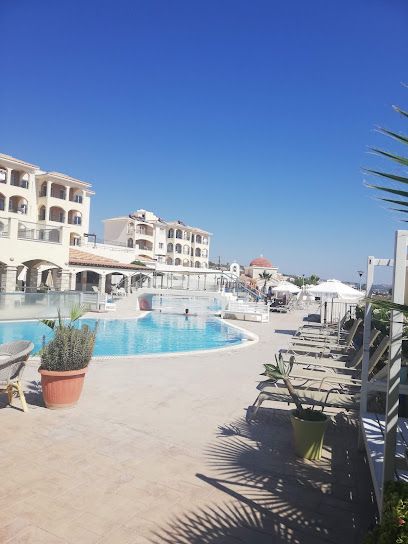
Casa Alexie
8.0 km
Discover the energetic nightlife of Casa Alexie, Tala, Cyprus - where great music, vibrant atmosphere, and unforgettable experiences await.
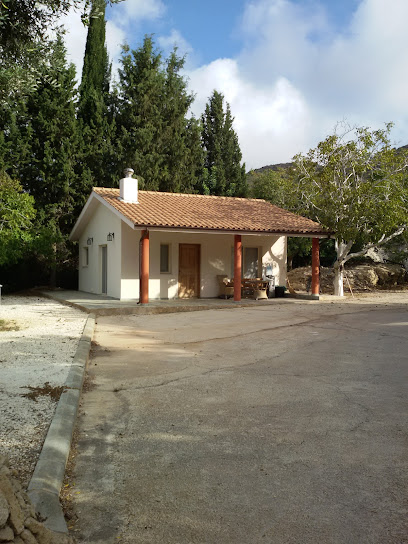
Bank Nightclub
9.9 km
Discover the heart of Paphos' nightlife at Bank Nightclub, where music, dance, and excitement come together for an unforgettable evening.

Planeta Karaoke Club
10.3 km
Discover the vibrant nightlife at Planeta Karaoke Club in Paphos, where singing, dancing, and unforgettable moments come alive in Cyprus.
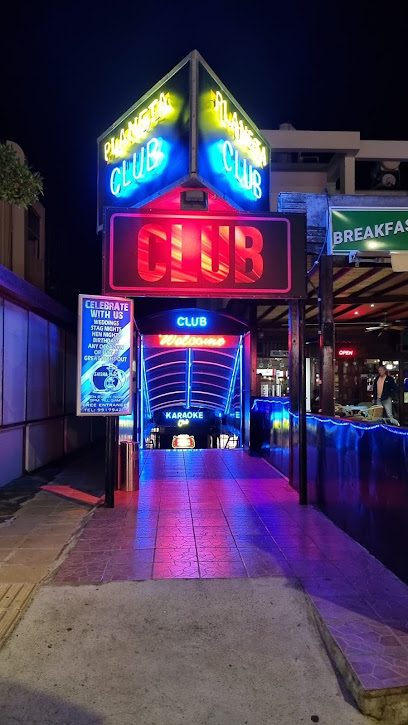
Phoenix Social Club
11.3 km
Discover the lively Phoenix Social Club in Paphos, a top bar known for great drinks, live entertainment, and a vibrant atmosphere for all visitors.
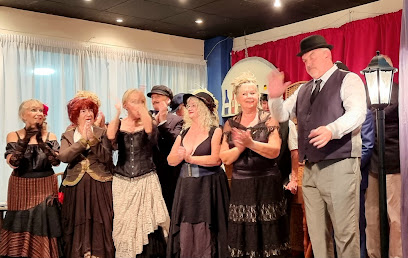
Καμήλες 29
11.5 km
Dive into the vibrant nightlife at Καμήλες 29, Paphos' premier night club offering electrifying music and an unforgettable atmosphere.
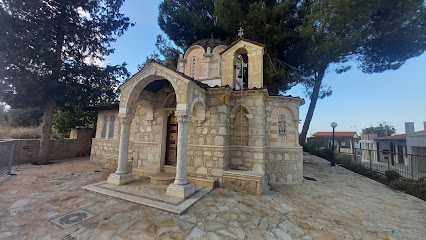
Different Bar
11.7 km
Experience the vibrant nightlife at Different Bar in Paphos, Cyprus, where fun, creativity, and inclusivity come together for an unforgettable evening.
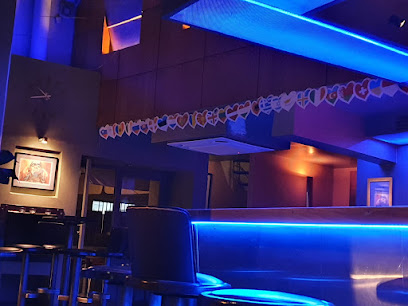
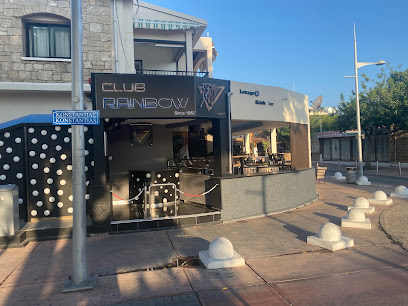
Rainbow Club Paphos
11.7 km
Discover the vibrant nightlife at Rainbow Club Paphos, where great music, dancing, and unforgettable memories await in the heart of Cyprus.
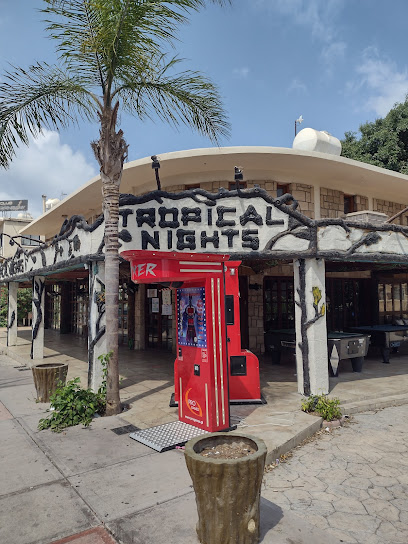
Tropical nights
11.8 km
Discover the vibrant nightlife at Tropical Nights in Paphos, Cyprus, where cocktails flow and the music keeps you dancing all night long.
بافوس
11.8 km
Experience the vibrant nightlife of Paphos, where historical charm meets lively entertainment in the heart of Cyprus.
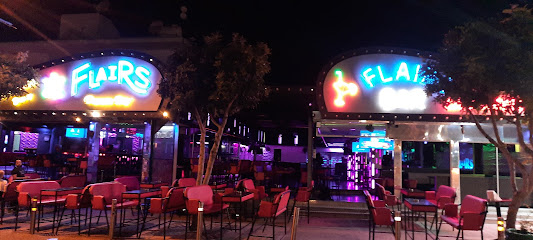
Flairs
11.8 km
Experience the vibrant nightlife at Flairs, Paphos' top night club offering a dynamic atmosphere and unforgettable dance parties.
Boogies Karaoke Club
11.8 km
Experience the vibrant nightlife at Boogies Karaoke Club in Paphos, Cyprus, where every night is filled with music, fun, and unforgettable memories.