Lempa Prehistoric Village (Reconstructed), Paphos District Travel Guide
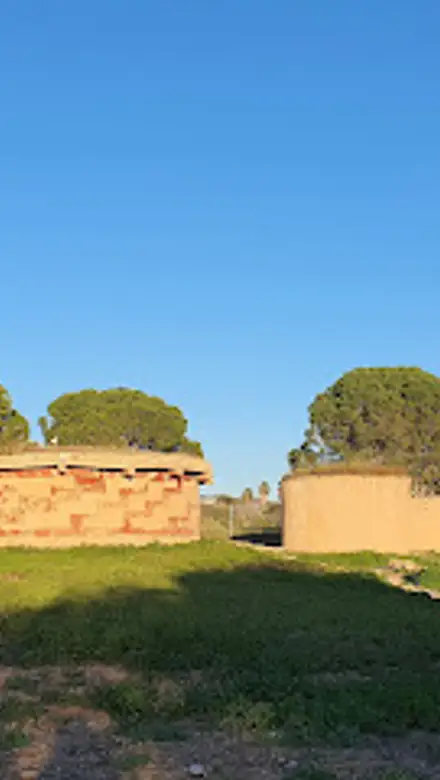
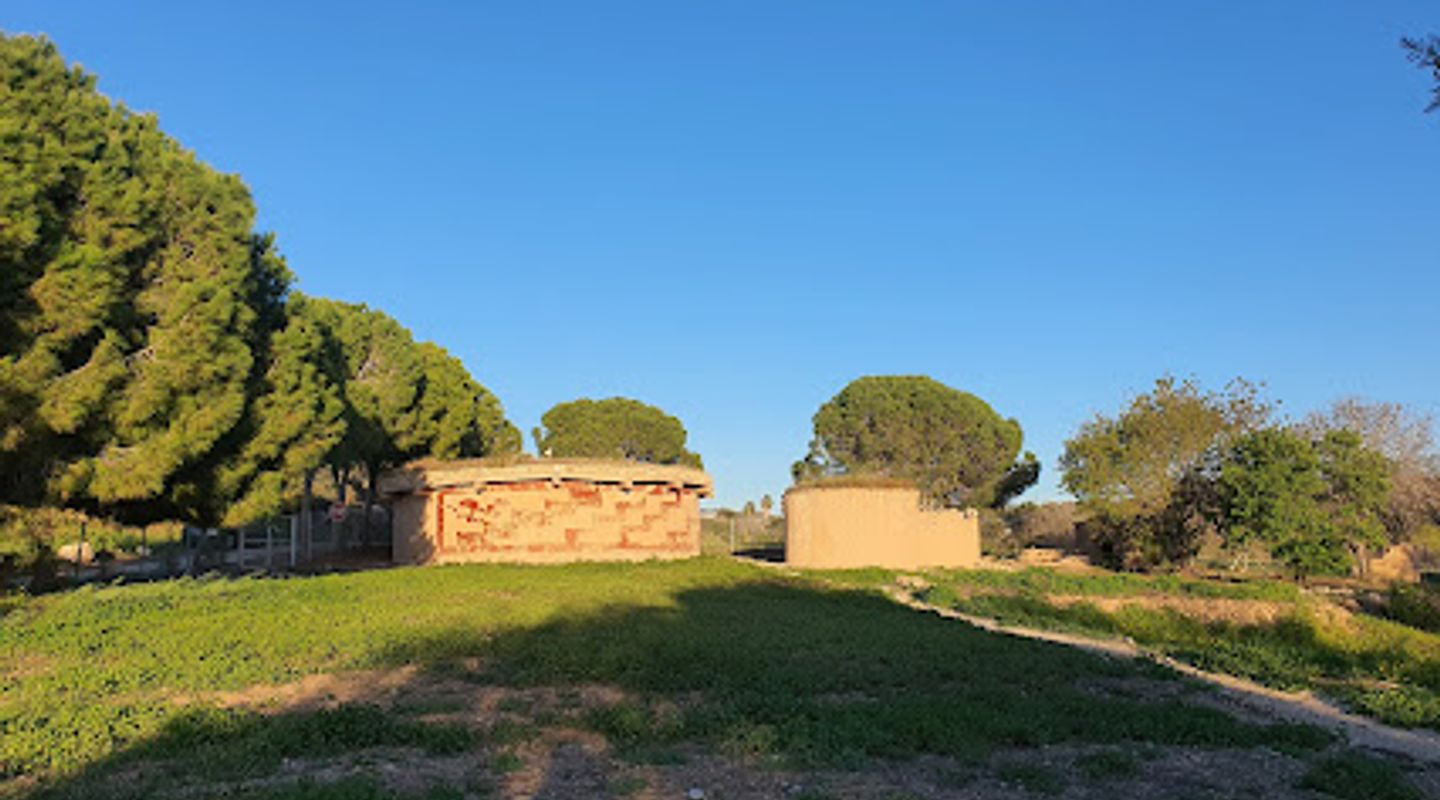
Step back in time at Lempa Prehistoric Village, exploring reconstructed roundhouses and artifacts from Cyprus' Chalcolithic era. A unique historical experience.
Explore the reconstructed Lempa Prehistoric Village, an archaeological site showcasing life in Cyprus during the Chalcolithic period (3900–2500 BC). See replica roundhouses built with authentic materials and methods, offering a glimpse into the island's ancient past.
A brief summary to Lempa Prehistoric Village (Reconstructed)
- RC74+79X, Lempa, CY
- Click to display

Know before you go
Hi, I'm Eve. Here are a few practical things to know before exploring Lempa Prehistoric Village (Reconstructed).
- Wear comfortable shoes, as the ground at the archaeological site can be uneven.
- Bring water and sun protection, especially during the hot summer months.
- Combine your visit with a stroll through the modern village of Lempa, known for its art scene.
Do you manage this location?
Take control to get all the benefits, like improved information, better appearance, and stronger visibility across AI-powered discovery. Learn more about listing your business on Evendo
Activate your presenceOther nearby places you may find interesting
The closest places of the same kind, if this one is not quite what you had in mind.

Explore Lempa Prehistoric Village (Reconstructed) on the Map
A handpicked selection of must-see spots near Lempa Prehistoric Village (Reconstructed), mapped for you.
Getting There
-
Public Transport
From Paphos, take the Line 607 bus towards Lempa. The bus departs from Agia Sofia Church and arrives at Archiepiskopou Makariou C` Ave - 1st Stop in Lempa. The bus journey takes approximately 10 minutes and costs €2. From the bus stop, it is a short walk to the Lempa Prehistoric Village.
-
Taxi
From Paphos, a taxi to Lempa takes about 6 minutes and costs between €9 and €12. Taxis are readily available in Paphos. Ask the driver to take you to the Lempa Prehistoric Village, located near the center of the village.
Discover more about Lempa Prehistoric Village (Reconstructed)
More to explore near Lempa Prehistoric Village (Reconstructed)
-

Best experiences near Lempa Prehistoric Village (Reconstructed)
-

Best hotels near Lempa Prehistoric Village (Reconstructed)
-

Best attractions near Lempa Prehistoric Village (Reconstructed)
-

Best shops near Lempa Prehistoric Village (Reconstructed)
-

Best restaurants near Lempa Prehistoric Village (Reconstructed)
-

Best bars near Lempa Prehistoric Village (Reconstructed)







Your all‑in‑one travel companion app
Explore expert travel guides, compare and book tours, experiences, hotels, and more—all from the palm of your hand. Download now for seamless trip planning wherever your wanderlust takes you.


Explore More of Paphos District

Looking beyond Lempa Prehistoric Village (Reconstructed)? Discover Paphos District for broader travel guides, local hot-spots, and regional highlights.
Explore Paphos District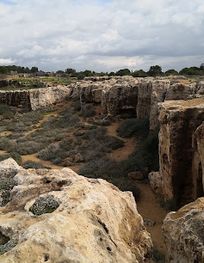
Explore the stunning Archaeological Site of the Tombs of the Kings in Cyprus, a UNESCO World Heritage site showcasing ancient history and breathtaking architecture.
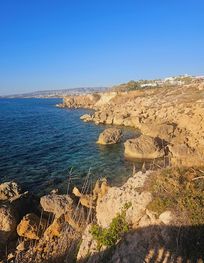
Discover the Giant Chair of Paphos, a whimsical landmark offering stunning Mediterranean views and a perfect photo opportunity in Cyprus.