Background

Chypre 03 : Monastère - A Spiritual Haven in Ayia Napa

Discover the serene beauty and rich history of Chypre 03 : Monastère in Ayia Napa, a captivating blend of Venetian architecture and Cypriot heritage, offering a tranquil escape.

★★★★★4.8 (6)

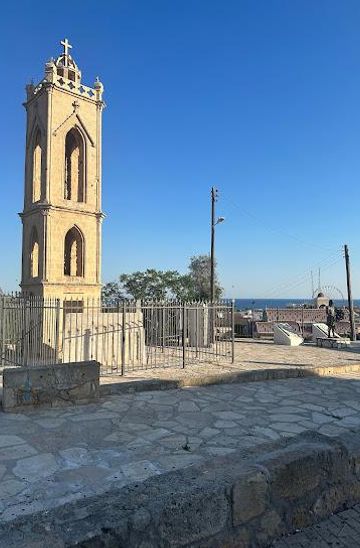
Chypre 03, also known as Monastère, is a captivating tourist attraction nestled in the heart of Ayia Napa, Cyprus. This beautifully preserved old church is not just a place of worship but a testament to the island's rich cultural and spiritual heritage. Visitors are greeted by stunning architecture that reflects the traditional Cypriot style, complete with intricate designs and serene surroundings that invite contemplation and peace. The tranquil atmosphere is perfect for those looking to escape the hustle and bustle of modern life. As you approach the Monastère, the picturesque landscape surrounding it enhances its beauty, making it a perfect backdrop for memorable photographs. Stepping inside, visitors can admire the interior, adorned with beautiful frescoes and religious artifacts that tell stories of faith and history. Whether you are a history enthusiast, a photography lover, or seeking a peaceful moment, Chypre 03: Monastère is an essential stop on your Cyprus journey.

Plan your visit

A brief summary to Chypre 03 : Monastère

Opening times, essentials, and a few local tips gathered into one calmer, easier-to-scan planning section.

Plan your visit

📍
XXQX+WQ7, Grigori Afxentiou, Ayia Napa, CY

Explore places near Chypre 03 : Monastère

    See all →

    Unlock the Best of Chypre 03 : Monastère

    Find tickets, tours with entry, and experiences available for this location.

    Buy tickets

    No tickets available

    Book tours with entry

    No tours with entry available

    Book tours without entry

    No tours without entry available

    Getting There

    Walking

    From Ayia Napa Square, a central point in the town, head east on the main road towards Grigori Afxentiou Street. Continue walking straight for approximately 800 meters until you reach the intersection with the main road. At the intersection, turn left onto Grigori Afxentiou Street. Chypre 03 : Monastère will be located on your right side after about 200 meters. The church is easily recognizable, and you will see signs directing you to it.

    Public Transport

    From Ayia Napa Square, walk to the nearest bus stop located on the main road. Board a local bus heading towards Paralimni or Protaras. Inform the driver that you want to get off at the stop nearest to Grigori Afxentiou Street. After getting off, walk back towards Grigori Afxentiou Street and continue walking for about 200 meters. Chypre 03 : Monastère will be on your right. A single bus fare is approximately €2. Be sure to check the bus schedule for the return trip.

    Taxi/Ride-Share

    From anywhere in Ayia Napa city center, a taxi or ride-share to Chypre 03 : Monastère is a convenient option. Simply provide the driver with the address: Grigori Afxentiou Street, Ayia Napa. The ride should take around 5-10 minutes, depending on traffic, and cost approximately €10-€15. Confirm the fare before starting your journey.

    Local tips

    Visit early in the morning to experience the monastery's serene atmosphere before the crowds arrive and to capture stunning photos in the soft morning light.
    Dress modestly when visiting the monastery, as it is a place of worship. Shoulders and knees should be covered out of respect.
    Explore the surrounding gardens and courtyard for beautiful photo opportunities and a peaceful setting for reflection.
    Check for any local events or services that might be taking place during your visit to experience local traditions and community spirit.
    Combine your visit with a taste of traditional Cypriot cuisine at nearby eateries to enhance your cultural experience.

    Discover more about Chypre 03 : Monastère

    Chypre 03, also known as Monastère, stands as a serene landmark in the vibrant town of Ayia Napa, Cyprus. More than just a religious site, it's a journey into the island's rich history, culture, and architectural evolution. The monastery's story began in the Medieval era, possibly as early as the Byzantine period, with the discovery of an icon of the Virgin Mary in a cave. This sacred finding led to the construction of a small chapel, which gradually transformed into the monastery complex seen today. The name 'Ayia Napa' itself translates to 'Saint Forest,' reflecting the area's past as a lush, wooded valley. The monastery was dedicated to 'Panagia tis Napis,' or 'The Virgin Mary of the Forest,' a testament to the region's natural beauty. Over the centuries, the monastery has witnessed various cultural influences, most notably during the Venetian period in the 15th century. The Venetians left their mark on the architecture, blending Byzantine, Gothic, and Renaissance styles into a unique and captivating design. The monastery's architecture is a key highlight for visitors. Constructed with rusticated ashlar masonry, it stands as one of the few remaining Renaissance buildings, showcasing the enduring influence of the Serenissima and the Ottoman presence on the island. The central courtyard, surrounded by arched galleries, exudes a sense of tranquility and invites peaceful contemplation. A notable feature is the octagonal marble fountain, adorned with a domed canopy, which provides a refreshing respite from the Cypriot sun. The church, partly underground, houses a small chapel and a spring that emerges from a boar's head, believed to be part of an ancient Roman aqueduct system. Throughout its history, the Ayia Napa Monastery has served various purposes. It functioned as both a Catholic and Orthodox monastery, providing refuge for women and men at different times. In 1571, after Cyprus fell under Ottoman rule, the monastery transitioned to Orthodox control. Interestingly, the monastery was abandoned by its permanent residents in 1758 for reasons unknown to historians. For over two centuries, it remained unattended until its renovation in 1950. Today, the Ayia Napa Monastery is not only a historical monument but also a cultural and spiritual center. It hosts theological and historical research, promotes interfaith dialogue, and serves as a venue for various festivities and religious events. The most significant celebration is the birthday of the Virgin Mary, observed in September. Pilgrims and visitors seek solace and blessings at the active church, praying before the icon of the Virgin Mary for assistance with fertility and pregnancy. In recent years, efforts have been made to transform parts of the monastery into a museum, showcasing archaeological discoveries, local artifacts, and a collection of Byzantine icons. This initiative aims to bring the monastery's history to life and provide educational opportunities for local schools and international tourists. The museum project is a collaboration between Ca' Foscari University of Venice, the Freie Universität Berlin, the Diocese of Famagusta, the Department of Antiquities of Cyprus, and the Municipality of Ayia Napa. Visiting the Ayia Napa Monastery offers a unique contrast to the lively atmosphere of the town. Surrounded by shops, cafes, and vibrant nightlife, the monastery provides a peaceful escape and a chance to connect with the spiritual heritage of Cyprus. Whether you are interested in history, architecture, religion, or simply seeking a moment of tranquility, the Ayia Napa Monastery is a must-see destination on the island.
    Mobile App
    Get the app

    Your all‑in‑one travel companion app

    Explore expert travel guides, compare and book tours, experiences, hotels, and more—all from the palm of your hand. Download now for seamless trip planning wherever your wanderlust takes you.

    File:Salamis Ruins 3.jpg - Wikimedia Commons

    More about Famagusta

    Discover Famagusta: A captivating blend of ancient history, stunning architecture, and beautiful beaches on the east coast of Cyprus.

    Tell me more about Famagusta

    Select Currency

    Choose the currency you want prices to display in.