Background

Larnaka Medieval Fort: A Coastal Sentinel Through Time

Explore centuries of Cypriot history at the Larnaka Medieval Fort, from its medieval origins to its Ottoman and British transformations, offering panoramic coastal views and cultural insights.

4.4

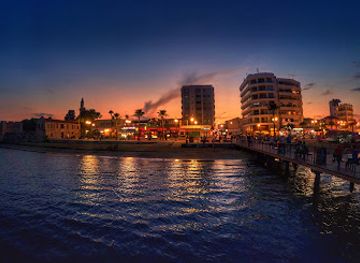
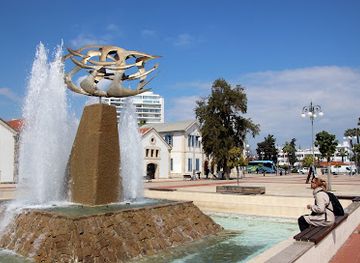
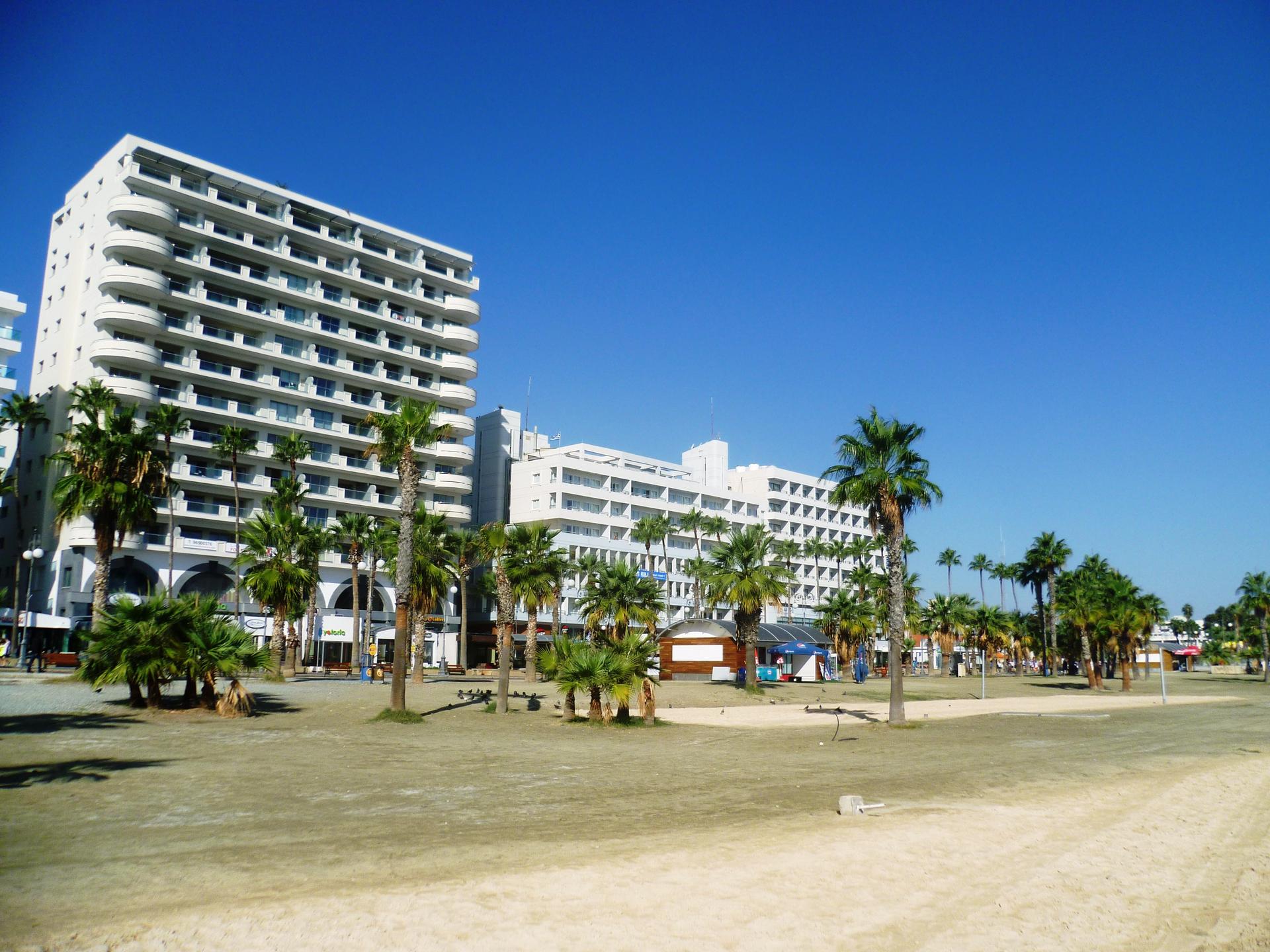
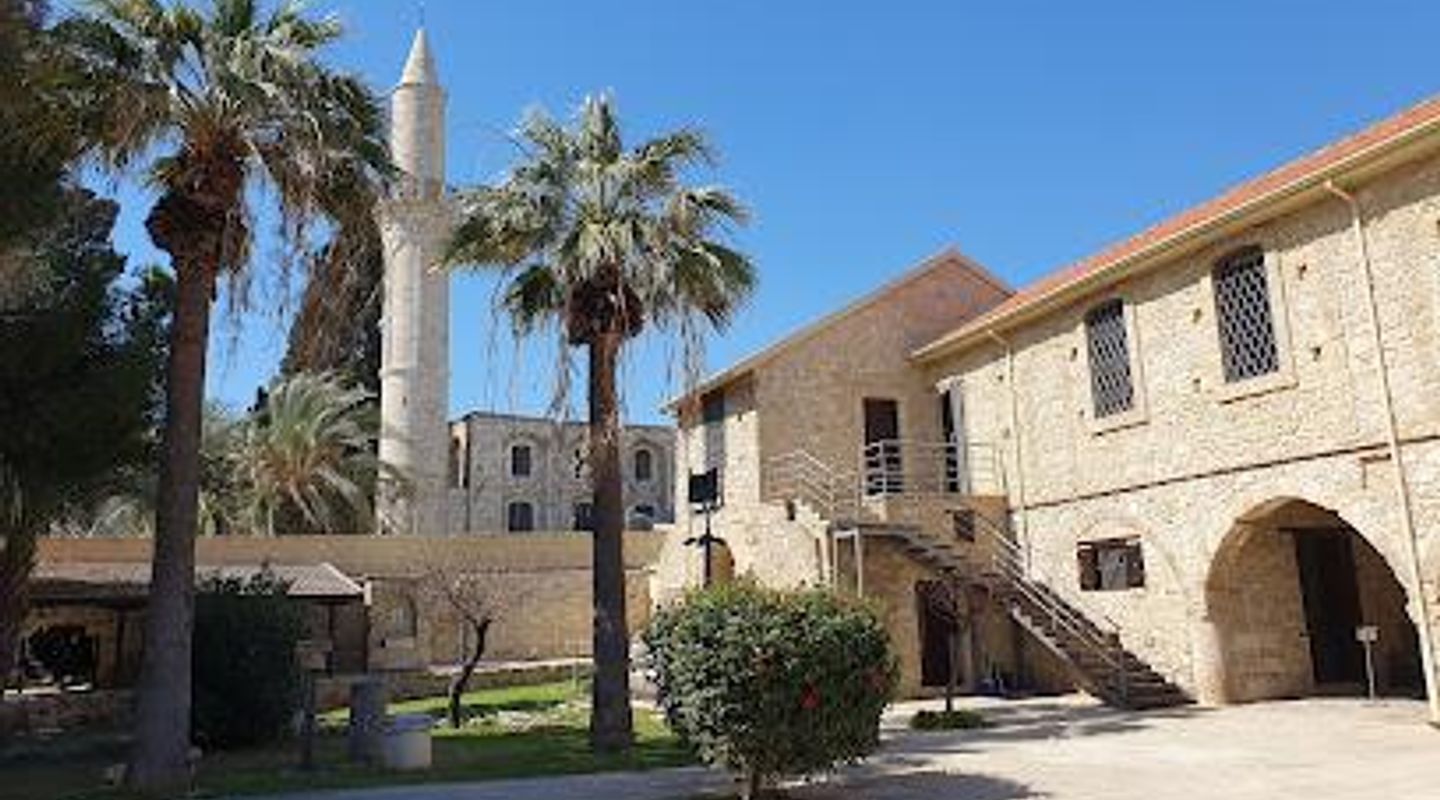
The Larnaka Medieval Fort, also known as Larnaka Castle, stands proudly at the edge of the Mediterranean Sea, marking centuries of Cypriot history. Originally believed to have been constructed in the Middle Ages, the fort took its current form during Ottoman rule in 1625, although some historians suggest it dates back to the Lusignan King James I (1382-1398 AD). The fort has served various purposes throughout its existence, from protecting the harbor to serving as a prison under British rule, complete with gallows used until 1948. Today, it houses the Larnaka Medieval Museum, displaying artifacts from the Early Christian to Ottoman periods. Visitors can explore its ancient walls, enjoy panoramic coastal views, and delve into the island's rich past, making it a must-see destination in Larnaka. The fort is located at the end of the popular Finikoudes promenade, making it easily accessible and a perfect spot to combine history with a leisurely stroll.

A brief summary to Larnaka Medieval Fort

  • Monday 8 am-5 pm
  • Tuesday 8 am-5 pm
  • Wednesday 8 am-5 pm
  • Thursday 8 am-5 pm
  • Friday 8 am-5 pm
  • Saturday 9:30 am-5 pm
  • Sunday 9:30 am-5 pm

Local tips

  • Visit early in the morning to avoid crowds and enjoy a more peaceful exploration of the fort and its museum.
  • Check the fort's event calendar for special exhibitions or cultural performances that may be taking place during your visit, especially in the summer months.
  • Combine your visit with a stroll along the Finikoudes promenade and explore the nearby Church of Saint Lazarus for a full day of sightseeing.
widget icon

Getting There

  • Walking

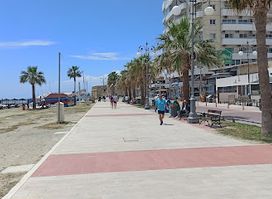
    From Finikoudes promenade, simply walk south along the coast. The fort is located at the end of the promenade, approximately a 5-10 minute walk from the main beach area. Follow the paved path and you'll see the fort clearly ahead. No costs involved.

  • Public Transport

    Take any local bus that stops at 'Finikoudes' bus stop. From the bus stop, walk towards the coast and follow the promenade south for about 5 minutes until you reach the fort. Bus fare is approximately €1.50 for a single journey during the day, and €2.50 at night. The central bus station is located near the marina, a short walk from Finikoudes.

  • Taxi/Ride-Share

    A taxi or ride-share from anywhere in Larnaca city center will typically cost between €8-€12 to reach the fort, depending on traffic and distance. Ask the driver to take you to the Larnaka Medieval Fort at the end of Finikoudes promenade. There are usually taxis readily available along Finikoudes.

  • Driving

    If driving, set your GPS to Piale Pasa, Larnaca. The fort is located near the coast and is easily accessible from the main roads in Larnaca. Limited street parking is available nearby, costing around €1-2 per hour. Be mindful of parking regulations. Free parking may be found further away from the main promenade.

Unlock the Best of Larnaka Medieval Fort

Buy tickets

    No tickets available

Book tours with entry

    No tours available

Book tours without entry

    No tours available

Discover more about Larnaka Medieval Fort

Larnaka Medieval Fort, a stoic sentinel overlooking the Mediterranean Sea, encapsulates centuries of Cypriot history within its weathered stones. Situated at the southern end of the bustling Finikoudes promenade, the fort offers visitors a captivating journey through time, from its medieval origins to its role in the Ottoman and British eras. The fort's history is shrouded in some mystery, with its exact origins debated among historians. While popular belief attributes its initial construction to the Middle Ages, the structure took its present form during Ottoman rule around 1625. However, some historical accounts suggest an earlier construction during the reign of Lusignan King James I (1382-1398 AD), who sought to protect Larnaka's harbor from potential threats, especially after the Genoese occupation of Famagusta forced the Lusignans to develop alternative ports. Regardless of its precise beginnings, the fort has played a pivotal role in Larnaka's defense and development. Its strategic coastal location made it a crucial stronghold, witnessing countless events that shaped the region's destiny. During the late Venetian period, as the Ottoman threat loomed, the Venetians prioritized the defense of Famagusta, Nicosia, and Kyrenia, leading to the abandonment of the Larnaka castle. The Ottomans, upon landing near the castle in 1570, recognized the port's strategic importance and established it as a base for their fleet. The fort was rebuilt by the Ottomans in 1625, equipped with cannons, and garrisoned by a small contingent of janissaries. Over the centuries, the fort's significance gradually diminished, and by the mid-18th century, it primarily served a ceremonial function, firing salute shots to passing ships. However, its story took a darker turn during British rule when it was converted into a prison. The western chamber on the ground floor became the site of executions, with gallows remaining in use until 1948, a grim reminder of the fort's more recent past. Today, the Larnaka Medieval Fort stands as a museum, inviting visitors to explore its ancient walls, towers, and dungeons. The Larnaka Medieval Museum, housed within the fort, showcases artifacts from the Early Christian period (4th-7th centuries) to the Ottoman era (18th-19th centuries), providing a comprehensive overview of the region's rich cultural heritage. Exhibits include Byzantine wall paintings, medieval glazed pottery, Venetian-era helmets and swords, and Ottoman-era metal cooking utensils. The fort's architecture reflects the diverse influences of the various powers that have controlled Cyprus throughout history. The northern side features a two-story building constructed by the Turks in 1625, while the southern and eastern sections showcase medieval arches and masonry. The courtyard displays a collection of Ottoman cannons, and also serves as a 600-seat open-air theatre that hosts various cultural events during the summer months. Visitors can stroll along the ramparts, taking in panoramic views of the Mediterranean Sea and the bustling Finikoudes promenade. The fort's well-maintained grounds offer a pleasant environment for exploration, with shaded areas providing respite from the Cypriot sun. The fort's location at the end of Finikoudes promenade makes it easily accessible and a perfect starting point for exploring other attractions in Larnaka, such as the Church of Saint Lazarus, the Larnaca Marina, and the Piale Pasha promenade. The Larnaka Medieval Fort is more than just a historical monument; it is a living testament to the island's resilience and cultural fusion. Its transformation from a defensive stronghold to a prison and finally to a museum reflects the ever-changing fortunes of Cyprus. A visit to the fort offers a unique opportunity to step back in time and experience the rich tapestry of Cypriot history, making it an essential destination for any traveler seeking to understand the island's past and present. As you wander through the fort's ancient chambers, imagine the soldiers who once stood guard on its walls, the prisoners who languished in its dungeons, and the countless historical events that unfolded within its confines. The Larnaka Medieval Fort is a place where history comes alive, offering a tangible connection to the past and a deeper appreciation for the cultural heritage of Cyprus. Whether you are a history enthusiast, a culture seeker, or simply a traveler looking for a unique experience, the Larnaka Medieval Fort is sure to captivate your imagination and leave you with lasting memories of your visit to Larnaka. Don't miss the opportunity to explore this coastal sentinel and discover the stories it holds within its ancient walls.

Popular Experiences near Larnaka Medieval Fort

Popular Hotels near Larnaka Medieval Fort

Select Currency