

Medieval Stone Artifacts Museum Travel Guide
Free Guide: Discover Cyprus's medieval heritage at the Medieval Stone Artifacts Museum in Nicosia, showcasing Byzantine, Lusignan, and Venetian relics that tell the island's captivating story.


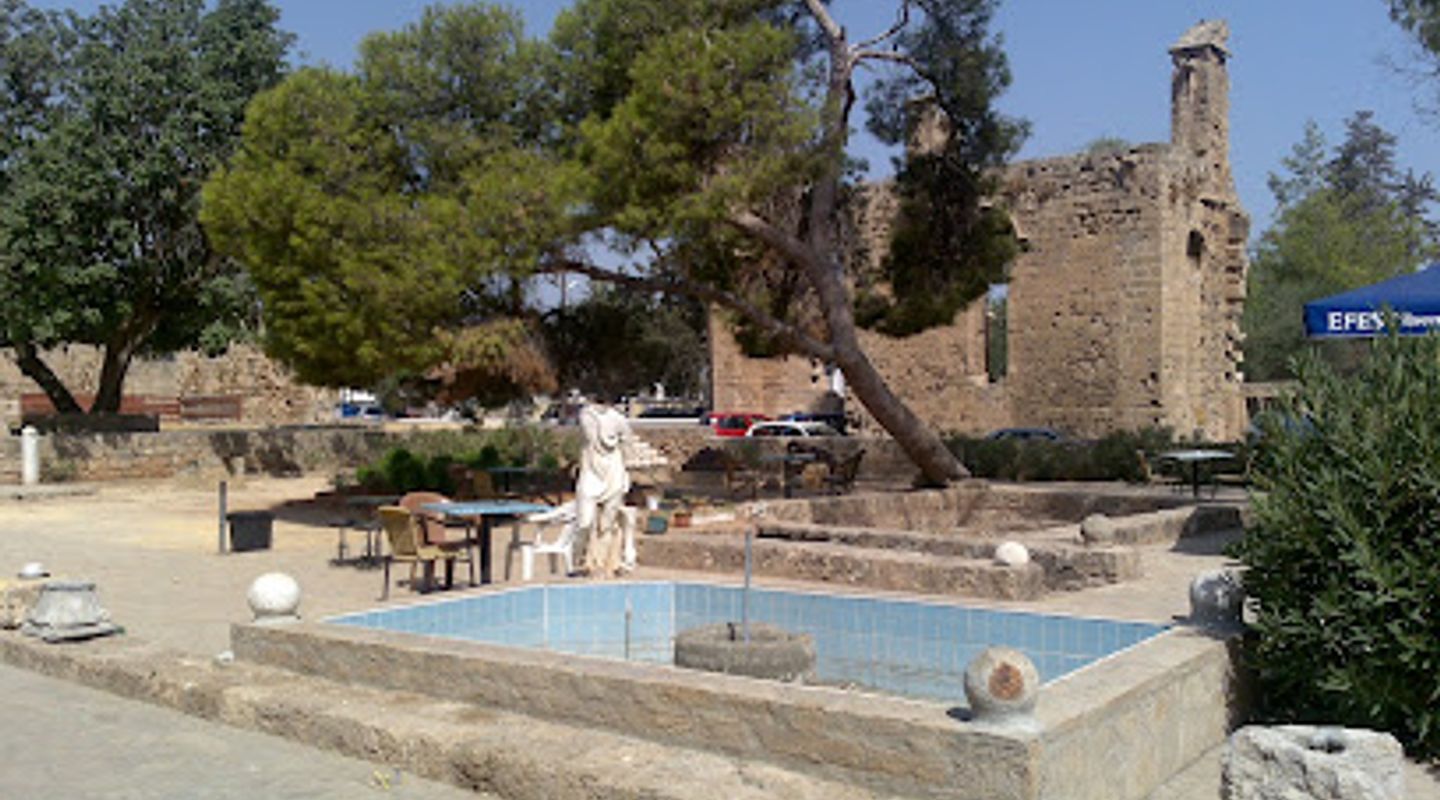
A brief summary of Medieval Stone Artifacts Museum
Discover Cyprus's medieval heritage at the Medieval Stone Artifacts Museum in Nicosia, showcasing Byzantine, Lusignan, and Venetian relics that tell the island's captivating story.
The Medieval Stone Artifacts Museum in Nicosia offers a captivating glimpse into Cyprus's rich medieval history. Housing a diverse collection of stone artifacts, the museum showcases the island's cultural heritage through sculptures, architectural fragments, and various relics. Visitors can explore exhibits detailing the Byzantine, Lusignan, and Venetian periods, gaining insights into the artistic and historical significance of each era. Located in North Nicosia, the museum provides a unique perspective on the island's medieval past, making it a must-see for history enthusiasts and those seeking to understand Cyprus's complex cultural evolution. The museum's collection includes pieces from religious buildings, fortifications, and everyday life, offering a comprehensive view of medieval society. With its well-preserved artifacts and informative displays, the museum promises an enriching and educational experience for all who visit, providing a tangible connection to Cyprus's fascinating past.
- Address
- Nicosia 99010
Getting there
Walking
Taxi/Ride-Share
Discover more about Medieval Stone Artifacts Museum
Overview
The Medieval Stone Artifacts Museum in Nicosia is a treasure trove of historical and cultural relics, offering visitors a unique window into Cyprus's medieval past. Located in the heart of North Nicosia, this museum is dedicated to preserving and showcasing a diverse collection of stone artifacts that highlight the island's rich heritage during the Byzantine, Lusignan, and Venetian periods. Stepping into the museum is like stepping back in time. The exhibits are thoughtfully arranged to guide visitors through the various eras, providing context and insights into the artistic, religious, and social significance of each artifact. The collection includes a wide array of items, from intricately carved sculptures and architectural fragments to everyday objects that offer a glimpse into the lives of medieval Cypriots. One of the museum's highlights is its collection of Byzantine-era artifacts. These pieces reflect the profound influence of the Byzantine Empire on Cyprus, showcasing the religious art and architectural styles that flourished during this period. Visitors can admire fragments of mosaics, stone icons, and decorative elements from churches and monasteries, each telling a story of faith and artistic expression. The Lusignan period, which followed the Byzantine era, is also well-represented in the museum. The Lusignans, a French noble family, ruled Cyprus from the late 12th to the late 15th century, leaving a lasting impact on the island's culture and architecture. The museum's Lusignan collection includes examples of Gothic-style sculptures, heraldic symbols, and architectural details from castles and cathedrals. These artifacts offer insights into the fusion of Western European and Byzantine influences that characterized this period. The Venetian era, which began in the late 15th century, is another significant chapter in Cyprus's medieval history. The Venetians, a powerful maritime republic, controlled the island for nearly a century, leaving their mark on its fortifications, urban planning, and artistic traditions. The museum's Venetian collection includes stone carvings, inscriptions, and architectural elements from the Venetian walls of Nicosia, as well as other structures built during this period. These artifacts reflect the Venetians' strategic priorities and their efforts to fortify the island against Ottoman threats. In addition to its main collections, the Medieval Stone Artifacts Museum also features exhibits on specific themes, such as medieval religious practices, funerary customs, and daily life. These exhibits provide a more in-depth look at various aspects of medieval Cypriot society, offering visitors a comprehensive understanding of the period. The museum's location in North Nicosia adds another layer of significance to the visitor experience. Nicosia is the only divided capital city in the world, and the museum stands as a testament to the island's complex history and ongoing political situation. Visiting the museum provides an opportunity to reflect on the challenges and opportunities facing Cyprus as it seeks to overcome its divisions and build a shared future. The Medieval Stone Artifacts Museum is not just a repository of historical artifacts; it is also a center for education and research. The museum regularly hosts lectures, workshops, and other events aimed at promoting a deeper understanding of Cyprus's medieval past. It also collaborates with universities and research institutions to conduct scholarly research on its collections. For those planning a visit, it's worth noting that the museum is open to the public during regular hours, and admission fees are quite reasonable. The museum's staff is knowledgeable and passionate about their subject, and they are always happy to answer questions and provide additional information to visitors. Photography is generally allowed inside the museum, so visitors are welcome to capture their favorite artifacts and share them with others. Visiting the Medieval Stone Artifacts Museum is an enriching experience that will leave you with a deeper appreciation for Cyprus's rich and complex history. Whether you are a history buff, an art lover, or simply curious about the island's past, this museum is a must-see destination that will not disappoint. The museum offers a tangible connection to the people, events, and ideas that shaped Cyprus into the unique and fascinating place it is today. As you wander through the exhibits, you'll gain a new perspective on the island's cultural heritage and its place in the broader sweep of medieval history. The Medieval Stone Artifacts Museum stands as a beacon of cultural preservation and historical education, inviting visitors to explore the depths of Cyprus's medieval past and discover the stories etched in stone.
Evendo Review Centre
 Google
Guest reviews
Explore Medieval Stone Artifacts Museum on the map
A handpicked selection of must-see spots near Medieval Stone Artifacts Museum, mapped for you.
Get your free copy of our complete guide to Medieval Stone Artifacts Museum, delivered straight to you.
Everything on this page, from opening hours and how to get there to Eve’s tips and the best time to go, in one PDF you can read offline, print or share.
Already have an account? Sign in
Your Medieval Stone Artifacts Museum guide is ready.
We'll send it to · Not you? Sign out

Getting your guide ready…
We are putting together a fresh copy of the Medieval Stone Artifacts Museum guide. This can take up to a minute.
This can take a few moments. If your browser asks, choose Allow so the download can start. You'll find the guide in your Downloads folder.
Nothing happened? Download it again
Sorry, the guide is taking longer than usual. Please try again in a minute, or get it by email instead.
Unlock the best of Medieval Stone Artifacts Museum
Skip-the-line tickets, guided tours with entry, and walking tours of the area, booked in a few clicks.

Other nearby places you may find interesting
The closest places of the same kind, if this one is not quite what you had in mind.
-
-
-
-
-


Swipe for more places
More to explore near Medieval Stone Artifacts Museum
-
 Best experiences near Medieval Stone Artifacts Museum
-
 Best hotels near Medieval Stone Artifacts Museum
-
 Best landmarks near Medieval Stone Artifacts Museum
-
 Best attractions near Medieval Stone Artifacts Museum
-
 Best shops near Medieval Stone Artifacts Museum
-
 Best restaurants near Medieval Stone Artifacts Museum
-
 Best bars near Medieval Stone Artifacts Museum


Do you manage this location?
Take control to get all the benefits, like improved information, better appearance, and stronger visibility across AI-powered discovery.
Explore more

Explore more of Governor's Beach
Discover the serene charm of Governor's Beach in Cyprus, where black sands meet white cliffs, offering a perfect escape with stunning views and tranquil waters.
Explore Governor's Beach
Explore more of Cyprus
Discover Cyprus: A Mediterranean paradise with a rich tapestry of history, culture, and breathtaking landscapes, offering a perfect blend of relaxation and adventure.
Explore Cyprus
