

Governor's Beach Travel Guide - Free Web & App
Your ultimate guide to Governor's Beach. Discover top landmarks, proposed trips, and local tips. Free on the web or via the Evendo companion app.


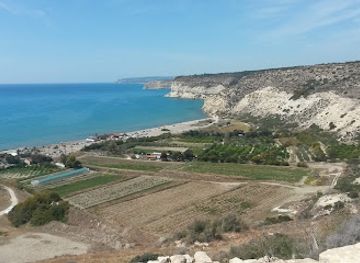
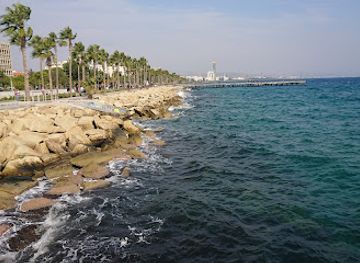
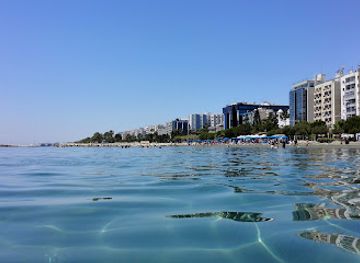
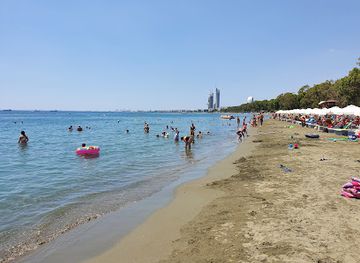
Governor's Beach, Cyprus combines white limestone coves, dark sand, clear Mediterranean water, coastal walks and easy access between Limassol and Larnaca.
Landscape and Coastal Character
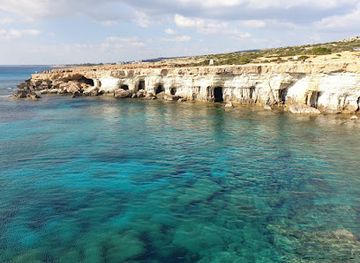
Governor's Beach is a compact stretch of Cyprus's southern coastline between Limassol and Larnaca, where pale limestone cliffs meet small coves, dark volcanic-looking sand and clear Mediterranean water. The name generally refers to the beach area and its surrounding coast rather than a single town, with Pentakomo inland and several smaller bays extending along the shore. The contrasting colours of white rock, deep sand and blue water give the area a distinctive appearance, particularly in calm weather and late afternoon light.Read more about Governor's Beach
Beaches and Natural Features
Local Life and Exploring the Area
When is the best time to visit Governor's Beach?
Best: May–June, October · 25–30°C| Month | High (°C) | Rainfall (mm) |
|---|---|---|
| January | 15 | 92 |
| February | 16 | 83 |
| March | 17 | 65 |
| April | 20 | 47 |
| May (best) | 25 | 26 |
| June (best) | 30 | 10 |
| July | 33 | 2 |
| August | 33 | 3 |
| September | 30 | 14 |
| October (best) | 27 | 47 |
| November | 21 | 70 |
| December | 17 | 89 |
Getting to and around Governor's Beach
How to get there
Transportation
Best attractions in Governor's Beach
The main attraction is the sequence of small beaches and coves along the coast, where pale limestone cliffs contrast with dark sand and clear Mediterranean water. Governor's Beach provides the best-known seaside setting, while Kalymnos Beach and Pentakomo Beach extend the choice of sheltered shorelines nearby. The White Rocks area is particularly notable for its bright, eroded formations, natural rock shelves and changing colours in strong sunlight. Inland, Pentakomo offers a glimpse of the village landscape and agricultural hinterland that supports the coast. The area is well suited to swimming when sea conditions are calm, short shoreline walks, photography and relaxed meals beside the water rather than intensive sightseeing. Visitors interested in wider heritage can use Governor's Beach as a base for excursions towards Limassol, ancient Amathus and other sites in the southern Cyprus region, but these attractions lie outside the immediate destination.
-
Tourist attraction
Camel Park
Discover a world of family fun at Camel Park in Mazotos, Cyprus, where you can ride camels, meet diverse animals, and explore Cypriot culture, creating unforgettable memories.
-
Tourist attraction
Kolossi Castle
Explore Kolossi Castle, a Crusader stronghold near Limassol, and discover its rich history, military architecture, and legacy in sugar and Commandaria wine production.
-
Tourist attraction
Υδροπάρκο Φασουρίου Watermania
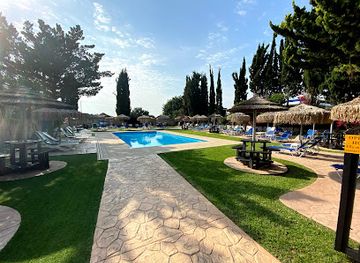
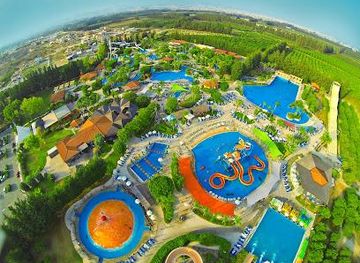
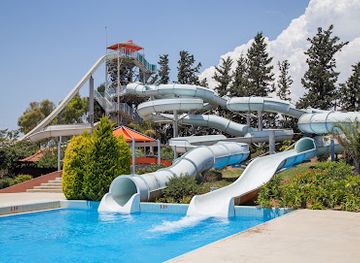
Experience Cyprus's largest water park: over 30 slides, Polynesian theme, dining, and accessibility for a thrilling family day near Limassol. Pre-book tickets for splash-tastic fun!
-
Tourist attraction
Υδροπάρκο Φασουρίου Watermania
Dive into a world of aquatic adventure at Fasouri Watermania, Cyprus's largest water park, offering thrilling slides, relaxing pools, and family-friendly fun under the Mediterranean sun near Limassol.
Best landmarks in Governor's Beach
Governor's Beach's principal landmarks are natural: the pale limestone cliffs, dark sandy coves and sculpted shoreline that define this section of Cyprus's southern coast. The White Rocks are especially recognisable, with bright coastal formations and rock platforms shaped by marine erosion. Kalymnos Beach and the beaches associated with Pentakomo provide distinct points along the same landscape, linking the shore with the inland village and agricultural district. There is no major castle, monument or historic town at the beach itself, and the name's association with British governors does not correspond to a surviving governor's residence on the coast. Wider historical landmarks, including ancient Amathus, are accessible from the area but belong to the surrounding Limassol region rather than to Governor's Beach proper.
-
Tourist attraction
Limassol Castle - Cyprus Medieval Museum
Explore Limassol Castle, a historic gem in Cyprus, offering a glimpse into the island's medieval past and stunning sea views.
-
Tourist attraction
Limassol Municipal Garden
Explore the lush landscapes and tranquil pathways of Limassol Municipal Garden, a serene oasis in the heart of Cyprus's bustling coastal city.
-
Tourist attraction
Dasoudi
Experience the natural beauty of Dasoudi Park in Germasogeia, Cyprus—an oasis of tranquility with stunning beaches and lush greenery.
-
Tourist attraction
White Stones
Explore the breathtaking beauty and rich heritage of White Stones, a must-visit tourist attraction in Cyprus.
Explore Governor's Beach on the map
Plan your trip on one map. See where the top attractions, landmarks, restaurants and hotels are, and book hotels and experiences in a few clicks.
Best hotels in Governor's Beach
Best restaurants in Governor's Beach
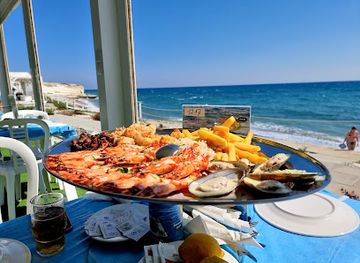
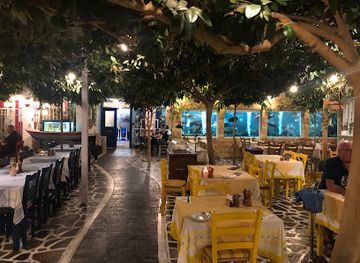
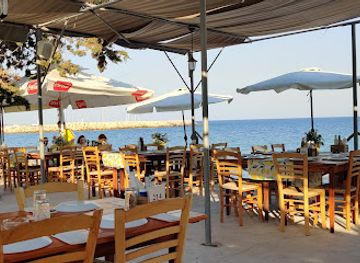
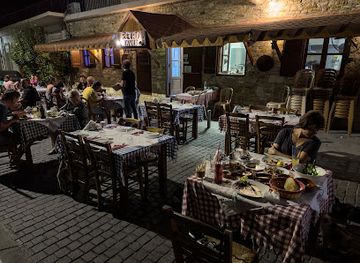
Dining at Governor's Beach is concentrated in a small number of seaside tavernas and nearby local establishments rather than a broad restaurant district. Menus commonly reflect Cypriot home-style cooking, with dishes such as grilled meats, salads, pulses, halloumi and meze appearing alongside seafood where available. Fresh fish and other marine produce may feature in coastal restaurants, but choices and opening patterns can vary by season. Pentakomo and the surrounding villages provide additional local dining options, while Limassol has the widest selection of restaurants for visitors staying in or travelling through the area. A leisurely meal overlooking the coves is part of the destination's appeal, although visitors heading to quieter beaches should carry water and snacks rather than expect food facilities at every access point.
-
Seafood
Agios Georgios Alamanou Restaurant
Discover authentic Mediterranean seafood cuisine at Agios Georgios Alamanou Restaurant in Monagroulli - where every bite tells a story.
-
Restaurant
KISSOS TAVERNA
Experience authentic Cypriot cuisine at Kissos Taverna in Limassol – where every dish tells a story of tradition and flavor.
-
Oyster Bar
OLD ZYGI ,Fish Tavern
Experience the best of Cypriot seafood at Old Zygi Fish Tavern - where freshness meets tradition in every bite.
-
Restaurant
Retro tavern
Discover the essence of Cyprus at Retro Tavern: where tradition meets flavor in every dish.
Best bars in Governor's Beach
Governor's Beach has a quiet evening character and should not be approached as a nightclub destination. After sunset, entertainment centres on seaside tavernas, an unhurried meal and drinks with views across the coast, while the inland village setting remains subdued. Some establishments may host informal music or seasonal activity, but programmes and opening patterns are not constant and should be checked locally. Visitors seeking a wider choice of bars, late-night venues and organised entertainment will find it in Limassol, outside Governor's Beach, rather than along the coves themselves. The coastal area is better suited to stargazing, a gentle evening walk where access is safe, and the atmosphere of a small Mediterranean shore than to a formal nightlife circuit.
-
Bar
Columbia Beach
Discover the lively Columbia Beach, a top bar and restaurant in Agios Athanasios, Cyprus, offering exquisite cuisine and captivating views that enhance your vacation experience.
-
Seafood
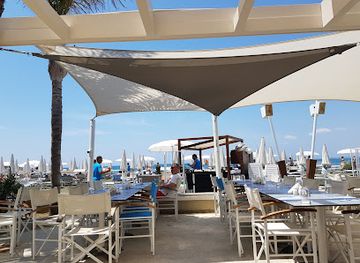
Malindi Beach Bar & Restaurant
Experience the best of Mediterranean cuisine at Malindi Beach Bar & Restaurant, where seafood and Greek flavors come alive by the sea.
-
Bar
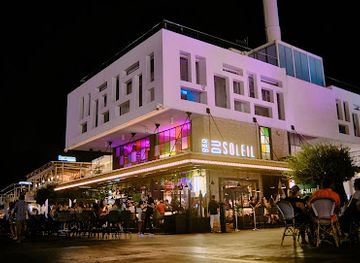
Bar Du Soleil
Experience the vibrant atmosphere of Bar Du Soleil in Limassol, Cyprus, where stunning views and artistic flair meet the perfect drink.
-
Bar
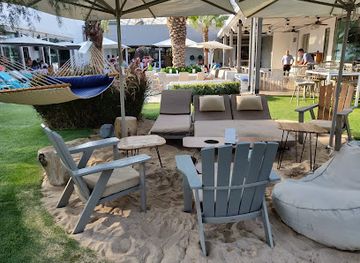
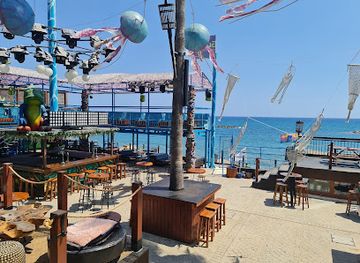
Guaba Beach Bar
Experience the vibrant nightlife of Guaba Beach Bar, where stunning views and electrifying parties meet on the shores of Cyprus.
Best nightclubs in Governor's Beach
Governor's Beach has a quiet evening character and should not be approached as a nightclub destination. After sunset, entertainment centres on seaside tavernas, an unhurried meal and drinks with views across the coast, while the inland village setting remains subdued. Some establishments may host informal music or seasonal activity, but programmes and opening patterns are not constant and should be checked locally. Visitors seeking a wider choice of bars, late-night venues and organised entertainment will find it in Limassol, outside Governor's Beach, rather than along the coves themselves. The coastal area is better suited to stargazing, a gentle evening walk where access is safe, and the atmosphere of a small Mediterranean shore than to a formal nightlife circuit.
-
Bar
Guaba Beach Bar
Discover the vibrant Guaba Beach Bar in Cyprus, where sun, sand, and sensational nightlife come together for an unforgettable experience.
-
Disco club
Metropole Retro Club
Dance to the rhythm of nostalgia at Metropole Retro Club, Limassol's premier disco venue offering a vibrant nightlife experience.
-
Night club
Summer Breeze Club
Dive into the electrifying nightlife at Summer Breeze Club, Yermasoyias, where top DJs and vibrant parties await every weekend.
-
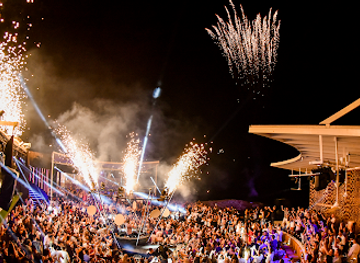
Night club
Notes Live Cyprus
Discover the ultimate nightlife experience at Notes Live Cyprus, where live music and vibrant energy come together in Limassol.



Best shops in Governor's Beach
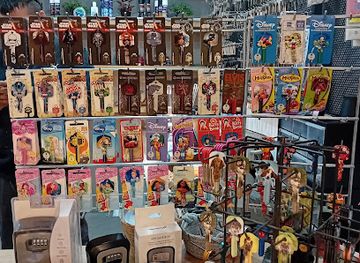
Shopping at Governor's Beach is limited and practical, with any small kiosks or seasonal beach businesses serving immediate visitor needs rather than forming a dedicated retail area. For local food products, everyday supplies and Cypriot specialities, visitors are more likely to use shops in Pentakomo, nearby villages or Limassol. Regional purchases may include olive oil, honey, dried produce, wine, halloumi and packaged sweets, while larger towns provide more dependable access to crafts, clothing and beach equipment. The destination is not known for a permanent market or concentrated artisan quarter. Travellers hoping to take home pottery, textiles, jewellery or locally produced food should plan shopping as part of an excursion to a larger settlement rather than rely on the beach area alone.
-
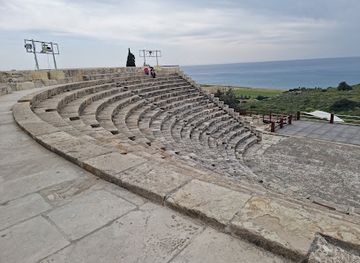
Monument
Κourion Ancient Amphitheater
Explore the Kourion Ancient Amphitheater, a stunning Roman relic in Cyprus, where history, architecture, and breathtaking views meet.
-
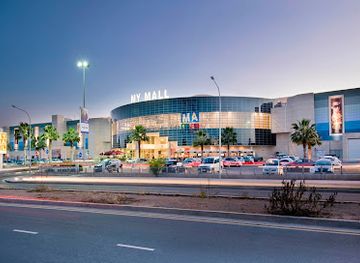
Shopping mall
MY MALL Limassol
Discover the ultimate shopping and dining experience at MY MALL Limassol, where local charm meets international brands.
-
Shopping mall
Mall Of Cyprus
Discover the ultimate shopping experience at Mall of Cyprus, featuring diverse stores, delicious dining, and family-friendly entertainment in Strovolos.
-
Shopping mall
Nicosia Mall
Experience the ultimate shopping and entertainment destination at Nicosia Mall, where fashion meets fun in the heart of Cyprus.
Get your free copy of our complete guide to Governor's Beach, delivered straight to you.
Everything on this page, from attractions and restaurants to essentials and local phrases, in one PDF you can read offline, print or share.
Already have an account? Sign in
Your Governor's Beach guide is ready.
We'll send it to · Not you? Sign out

Getting your guide ready…
We are putting together a fresh copy of the Governor's Beach guide. This can take up to a minute.
This can take a few moments. If your browser asks, choose Allow so the download can start. You'll find the guide in your Downloads folder.
Nothing happened? Download it again
Sorry, the guide is taking longer than usual. Please try again in a minute, or get it by email instead.
Governor's Beach essentials
Currency and Payment
Safety
Emergency Situations
Do's and Don'ts
Local Tips
From Eve
Local phrases worth knowing
You don't need to get them perfect. A few words go a long way, and locals appreciate the effort.
Basics
| English | Local | Say it |
|---|---|---|
| Hello | Γεια σας | [Ya sas] |
| Goodbye | Αντίο | [Andio] |
| Yes | Ναι | [Ne] |
| No | Όχι | [Ohi] |
| Please/You're welcome | Παρακαλώ | [Parakalo] |
| Thank you | Ευχαριστώ | [Efharisto] |
| Excuse me/Sorry | Συγνώμη | [Signomi] |
| How are you? | Πώς είσαι; | [Pos ise;] |
| Fine. And you? | Καλά. Εσύ; | [Kala. Esi;] |
| Do you speak English? | Μιλάς Αγγλικά; | [Milas Anglika;] |
| I don't understand | Δεν καταλαβαίνω | [Den katalaveno] |
Eating & Drinking
| English | Local | Say it |
|---|---|---|
| I'd like to see the menu, please | Θα ήθελα να δω το μενού, παρακαλώ | [Tha ithela na do to menu, parakalo] |
| I don't eat meat | Δεν τρώω κρέας | [Den troo kreas] |
| Cheers! | Υγεία! | [Iyia!] |
| I would like to pay, please | Θα ήθελα να πληρώσω, παρακαλώ | [Tha ithela na plirosso, parakalo] |
Emergencies
| English | Local | Say it |
|---|---|---|
| Help! | Βοήθεια! | [Voithia!] |
| Go away! | Φύγε! | [Fiye!] |
| Call the Police! | Καλέστε την Αστυνομία! | [Kaleste tin Astinomia!] |
| Call a doctor! | Καλέστε γιατρό! | [Kaleste giatro!] |
| I'm lost | Έχω χαθεί | [Eho hafi] |
| I'm ill | Είμαι άρρωστος | [Emai arrostos] |
Shopping
| English | Local | Say it |
|---|---|---|
| I'd like to buy... | Θα ήθελα να αγοράσω... | [Tha ithela na agoraso...] |
| I'm just looking | Απλά κοιτάω | [Apla kitao] |
| How much is it? | Πόσο κοστίζει; | [Poso kostizi;] |
| That's too expensive | Αυτό είναι πολύ ακριβό | [Afto ine poli akribo] |
| Can you lower the price? | Μπορείτε να μειώσετε την τιμή; | [Borite na miosete tin timi;] |
Time & Numbers
| English | Local | Say it |
|---|---|---|
| What time is it? | Τι ώρα είναι; | [Ti ora ine;] |
| It's one o'clock | Είναι μία ώρα | [Ine mia ora] |
| Half past (10) | Μισή (10) | [Misi (10)] |
| Morning | Πρωί | [Proi] |
| Afternoon | Απόγευμα | [Apoyevma] |
| Evening | Βράδυ | [Vradi] |
| Yesterday | Χθες | [Hthes] |
| Today | Σήμερα | [Simera] |
| Tomorrow | Αύριο | [Avrio] |
| 1 | Ένα | [Ena] |
| 2 | Δύο | [Dio] |
| 3 | Τρία | [Tria] |
| 4 | Τέσσερα | [Tessera] |
| 5 | Πέντε | [Pente] |
| 6 | Έξι | [Exi] |
| 7 | Επτά | [Epta] |
| 8 | Οκτώ | [Okto] |
| 9 | Εννέα | [Ennea] |
| 10 | Δέκα | [Deka] |
Transport & Directions
| English | Local | Say it |
|---|---|---|
| Where's a/the...? | Πού είναι ένα/το...; | [Pou ine ena/to...;] |
| What's the address? | Ποια είναι η διεύθυνση; | [Pia ine i diefthinsi;] |
| Can you show me (on the map)? | Μπορείτε να μου δείξετε (στο χάρτη); | [Borite na mou dixete (sto charti);] |
| When's the next (bus)? | Πότε είναι το επόμενο (λεωφορείο); | [Pote ine to epomeno (leoforeio);] |
| A ticket (to ....) | Ένα εισιτήριο (προς ....) | [Ena isitirio (pros ....)] |
History of Governor's Beach
A Coast Shaped by Limestone and Sea
Governor's Beach belongs to the limestone coastline of southern Cyprus, a landscape formed over geological timescales rather than by a single human event. Erosion has cut the pale coastal rock into shelves, low cliffs and small sheltered inlets, while darker beach material gathers in the coves. These contrasts helped give the area its visual identity, although the coast remains a natural shoreline rather than a heavily engineered resort. The dry climate, bright light and sparse Mediterranean vegetation reflect the wider coastal environment of the Limassol district.
Settlement in the Limassol Hinterland
The coast has historically been connected with the inland agricultural settlements of the area, particularly Pentakomo, whose name is associated with the local district rather than with a separate seaside town. Farming, seasonal work and access to the sea shaped everyday life across this part of Cyprus, while small coastal coves provided places for fishing and local recreation. Governor's Beach did not develop as a major historic urban centre; its identity emerged from the relationship between the shoreline, nearby villages and the main east-west route across southern Cyprus.
The Governor's Beach Name
The origin of the name Governor's Beach is commonly linked to the period of British administration in Cyprus, when the island's governors were reputed to have used the coast for leisure. The name therefore reflects a colonial-era association rather than a surviving governor's residence or formal government complex at the beach. As with many place-name explanations passed through local tradition, the association should be understood as part of the area's modern identity rather than treated as evidence of a major historic monument on the shore.
From Coastal Stop to Leisure Area
During the twentieth century, improved roads and the growth of private car travel made the coast more accessible from Limassol, Larnaca and nearby villages. Small beach facilities and tavernas gradually established Governor's Beach as a local recreation area, while its compact coves attracted visitors seeking a quieter alternative to larger urban resorts. Today the area remains relatively low-rise and dispersed. Its historical character is therefore found less in monumental architecture than in the continuing pattern of villages, agricultural land, access roads and a working Mediterranean coastline used for leisure.
Governor's Beach in Photos
Browse through our photo collection highlighting the charm and character of the destination.
Cities in Governor's Beach
The towns and cities of Governor's Beach, and the easiest places to base yourself.
-

-

-

-

-

-


Swipe for more cities
Neighbouring destination travel guides
The closest destinations to Governor's Beach, if you have time for more than one.
-

-

-

-

-


Swipe for more destinations
Explore more

Explore more of Larnaca District
Explore Larnaca District: A captivating blend of ancient history, stunning beaches, and vibrant nightlife on the southern coast of Cyprus.
Explore Larnaca District
Explore more of Cyprus
Discover Cyprus: A Mediterranean paradise with a rich tapestry of history, culture, and breathtaking landscapes, offering a perfect blend of relaxation and adventure.
Explore Cyprus