Panagia Amirous Monastery: A Haven of History and Serenity
Discover the serene beauty and rich history of Panagia Amirous Monastery, a hidden gem in the hills of Cyprus, offering a tranquil escape and spiritual reflection.
Nestled in the verdant hills near Mathikoloni, the Panagia Amirous Monastery offers a tranquil escape into Cyprus's rich religious and cultural heritage. Founded in the 12th century, legend says it was built by an Emir as thanks for his daughter regaining her sight after washing her face with water from a spring on the site. The monastery boasts stunning Byzantine architecture, complete with intricate frescoes and peaceful gardens. Today, nuns maintain the monastery, welcoming visitors to experience its serene atmosphere and learn about its fascinating history. Located a short drive from Limassol, it's an easily accessible and rewarding destination for those seeking a spiritual retreat or a glimpse into Cyprus's past. The monastery provides a serene escape and a chance to connect with the island's spiritual heritage, making it a worthwhile addition to any Cyprus itinerary.
A brief summary to Panagia Amirous Monastery
- Q2VR+VX4, Mathikoloni, CY
- +35725542035
- Visit website
- Monday 8 am-1 pm
- Tuesday 8 am-1 pm
- Wednesday 8 am-1 pm
- Thursday 8 am-1 pm
- Friday 8 am-1 pm
- Saturday 8 am-1 pm
- Sunday 5:30 am-5:30 pm
Local tips
- Dress modestly when visiting the monastery, covering shoulders and knees as a sign of respect.
- Visit early in the morning or late in the afternoon for a quieter experience and better lighting for photography.
- Take time to explore the surrounding area; the hiking trails offer stunning views of the Cypriot landscape.
- Engage with the nuns if they are available; they often share fascinating stories about the monastery's history.

Getting There
-
Driving
From Limassol city center, head north on the A1 highway. Continue on A1 for approximately 15 kilometers until you reach the exit for the B6 highway towards Agios Athanasios. Merge onto the B6 and follow the signs for Mathikoloni. Once you reach Mathikoloni, turn left at the first roundabout onto the E601 road. Continue straight on E601 for about 4 kilometers, and then take a right turn onto Q2VR+VX4. The Panagia Amirous Monastery will be on your left-hand side. Parking is available near the monastery.
-
Public Transport
From Limassol's main bus station (Karaiskaki Square), take the Intercity bus towards Paphos. Ask the driver to let you know when you reach Mathikoloni. The journey will take approximately 30-40 minutes. From the Mathikoloni bus stop, you can either walk (approximately 2 kilometers uphill) or take a local taxi to the monastery. A taxi from the bus stop to the monastery will cost approximately €10-€15.
-
Taxi/Ride-Share
Taxis are readily available in Limassol. Provide the driver with the address: Q2VR+VX4, Mathikoloni. The journey will take approximately 20-30 minutes depending on traffic. Confirm the fare before starting your ride. Expect to pay around €30-€40 from Limassol city center. Note that taxi drivers may not accept card payments.
Discover more about Panagia Amirous Monastery
Iconic landmarks you can’t miss

Коридор-беседка соединяющий правую и левую стороны утеса стороны у
8.3 km
Explore the enchanting wildlife at Koridor-Besedka in Cyprus, where nature and education come together for an unforgettable experience.
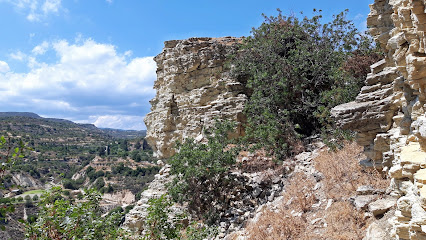
Тектоника Брекчей Красных скал /деревня Лимнатис / Разлом Yerac
9.3 km
Discover Cyprus's geological wonders at the Red Rocks Breccia Tectonics site near Limnatis, a haven for nature and geology lovers.
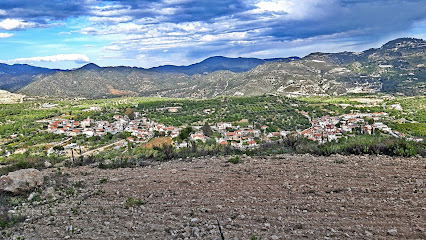
Mouttagiaka amphitheatre
9.9 km
Discover the Mouttagiaka Amphitheatre, a stunning open-air venue in Cyprus that blends breathtaking views with rich cultural experiences.
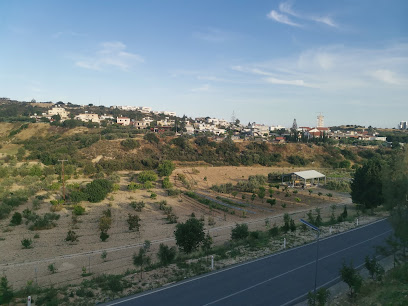
Agios Tychon
10.9 km
Discover Agios Tychon: Cyprus coastal charm, ancient history, and modern luxury blend for an unforgettable Mediterranean escape.
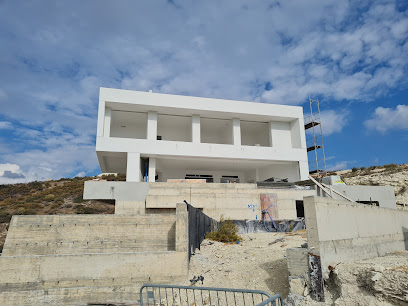
Limassol
11.1 km
Experience the perfect mix of history, culture, and stunning beaches in Limassol, Cyprus – a coastal gem waiting to be explored.

Medieval Bridge of Germasogeia
11.4 km
Discover the Medieval Bridge of Germasogeia, a historic landmark offering picturesque views and a tranquil escape in Cyprus.
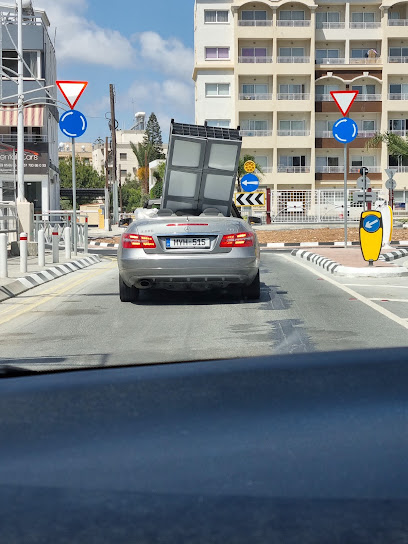
Cydonia Gardens
11.5 km
Experience tranquility at Cydonia Gardens, a serene condominium complex in Germasogeia, Cyprus, ideal for relaxation and exploration.
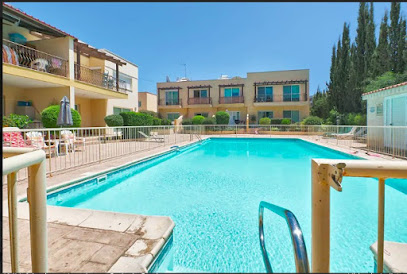
ARISTOTELOUS STREET
11.6 km
Discover Aristotelous Street in Agios Tychon: a serene escape with lush gardens, local culture, and the beauty of Cyprus's coastline.
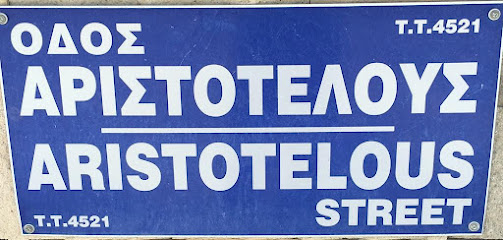
Εκκλησία Άγιου Τύχωνα
11.8 km
Discover the serene beauty and rich history of the Church of Agios Tychonas, a must-visit Greek Orthodox sanctuary in Cyprus's captivating landscape.
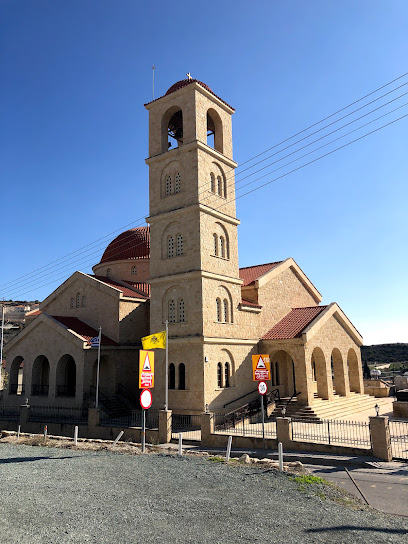
Dasoudi Beach - Blue Flag
12.0 km
Experience sun, sea, and tranquility at Limassol's Dasoudi Beach, a Blue Flag paradise with golden sands, clear waters, and a refreshing eucalyptus park.
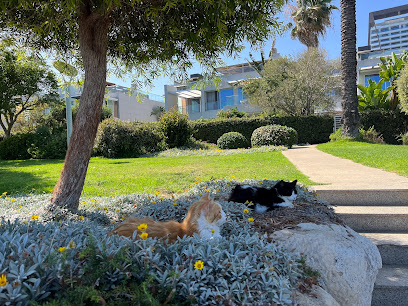
Akti Olympion B beach - Blue Flag
12.3 km
Discover the beauty of Akti Olympion B Beach in Cyprus, a perfect blend of relaxation, adventure, and stunning natural scenery.
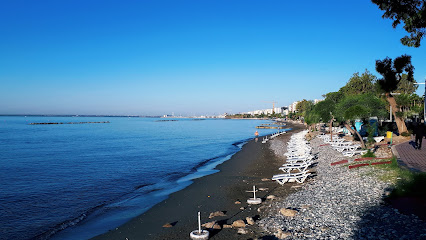
Agios Tychonas beach ⛱️
12.3 km
Discover the tranquil beauty of Agios Tychonas Beach, where golden sands and azure waters create a serene escape in Cyprus.
Akti Olympion A beach
12.4 km
Discover the beauty of Akti Olympion A Beach in Limassol, Cyprus, where golden sands and crystal-clear waters create the perfect seaside escape.
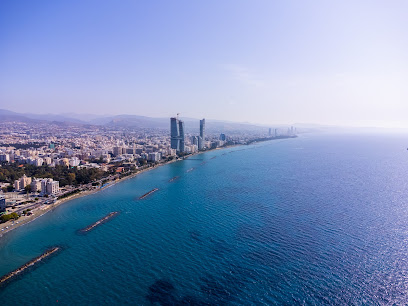
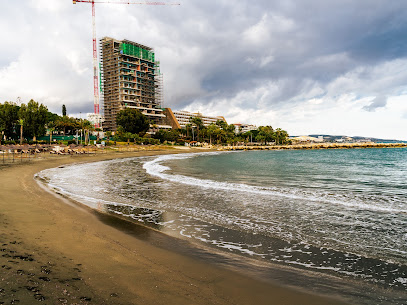
Four seasons beach
12.5 km
Experience the tranquil beauty and vibrant activities at Four Seasons Beach, a Mediterranean gem in Cyprus perfect for relaxation and adventure.
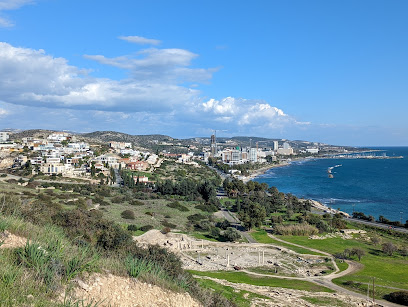
Ancient Amathunta
12.7 km
Explore the majestic ruins of Ancient Amathunta, a historical landmark in Cyprus that reveals the secrets of its ancient civilization amidst stunning coastal views.
Unmissable attractions to see

Dieronas Little House
5.4 km
Discover the serene charm of Dieronas Little House in Limassol, Cyprus: a tranquil forest retreat offering a glimpse into traditional Cypriot life and natural beauty.
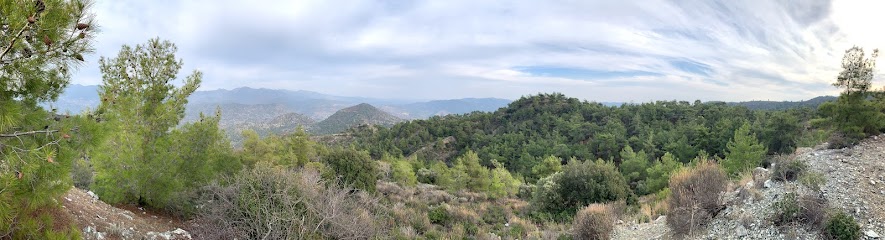
Terebinth Tree / Αρχαιότερος τρέμιθος στην Κύπρο
5.7 km
Discover the serene beauty of the Terebinth Tree in Gerasa, Cyprus, a natural monument perfect for relaxation and exploration.
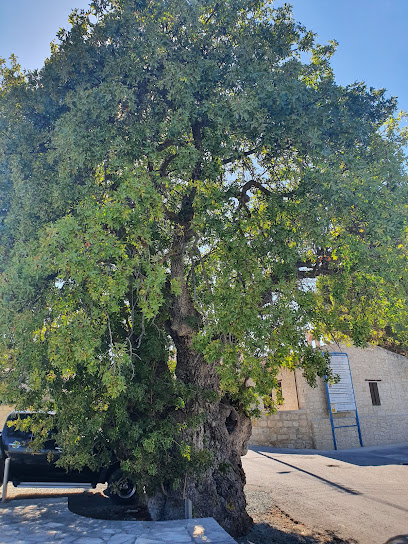
Limassol Forest
6.8 km
Discover the serene beauty of Limassol Forest in Cyprus: Hike scenic trails, spot unique wildlife, and escape into nature's tranquil embrace within the Troodos Mountains.
Φράγμα Γερμασόγειας
6.8 km
Escape to the serene Germasogeia Reservoir near Limassol for nature walks, fishing, and peaceful picnics amidst stunning scenery.
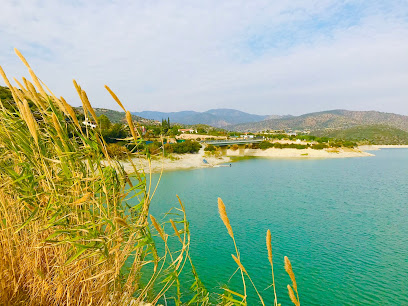
"Осиновый Остров "/ Wild places Нижнего / Limnatis - Limassol
7.6 km
Discover the serene beauty of Osinovy Island in Limnatis, Cyprus, a wildlife park offering a tranquil escape into nature with diverse flora, fauna, and a taste of local culture.
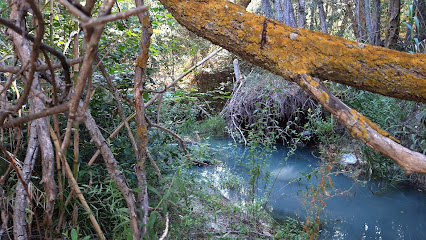
Mountain Korfi
7.9 km
Discover breathtaking landscapes and serene hiking trails at Mountain Korfi, a hidden gem in Cyprus offering a refreshing escape.
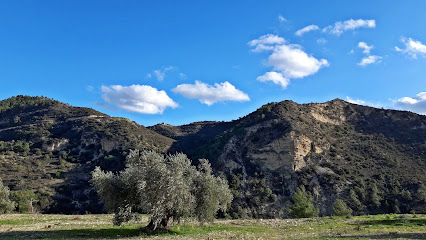
Panthea viewpoint
8.1 km
Discover breathtaking panoramic views and serene moments at Panthea Viewpoint in Agios Athanasios, Cyprus, a perfect escape for nature lovers and photography enthusiasts.
Εθνικό Δασικό Πάρκο Λεμεσού
9.1 km
Discover a green oasis near Limassol: hiking trails, picnic spots, and a natural history museum await in this scenic park.
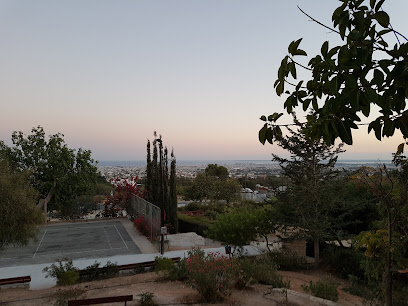
Polemidia National Park
9.6 km
Discover a tranquil escape in Limassol at Polemidia National Park, where lush trails, diverse wildlife, and serene picnic spots offer a refreshing retreat for nature lovers and families alike.
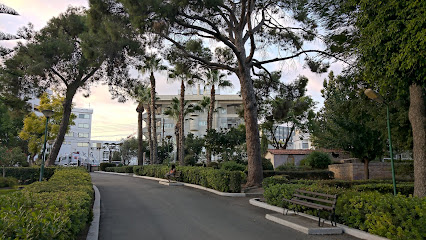
Limassol National Forest Park
9.9 km
Discover Limassol National Forest Park, a serene escape offering lush landscapes, historical landmarks, and panoramic views, perfect for nature lovers and families seeking a refreshing retreat.
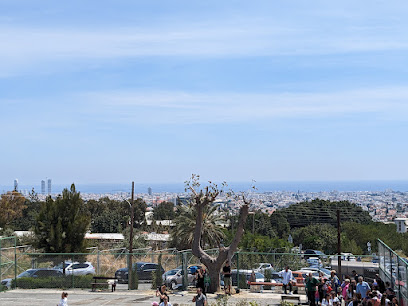
Municipal Park
10.4 km
Discover a serene escape in the heart of Limassol at the Municipal Park: a green oasis with a zoo, playground, cultural events, and historical charm by the sea.
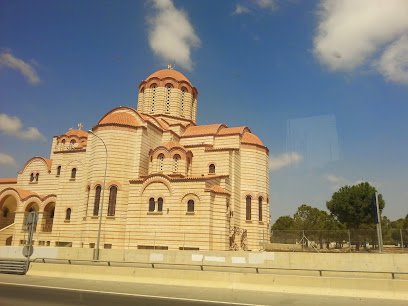
Yermasoyia Roundabout
10.4 km
Discover the vibrant Yermasoyia Roundabout in Germasogeia, Cyprus, a beautiful landmark that embodies local culture and offers a lively atmosphere for tourists exploring the Limassol region.

PARK MAGGELANOU
10.5 km
Escape to PARK MAGGELANOU in Limassol, a serene urban oasis offering lush greenery, walking paths, and play areas for a refreshing retreat from the city's hustle and bustle.
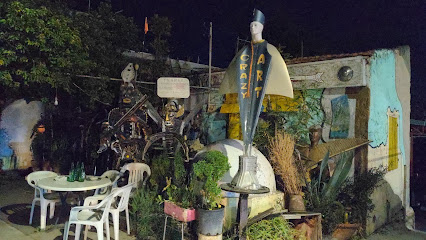
Crazy Art
11.0 km
Experience the whimsical world of contemporary art at Crazy Art in Limassol, an interactive space where imagination knows no bounds and visitors become part of the vibrant installations.
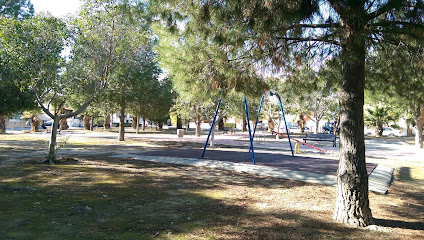
Pano Polemidia park
11.0 km
Escape to Pano Polemidia Park, a serene urban oasis in Cyprus offering lush greenery, family-friendly facilities, and a vibrant community atmosphere for locals and tourists alike.
Essential places to dine

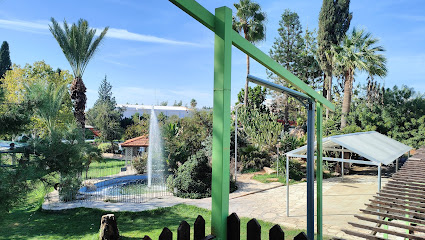
ΤΑΒΕΡΝΑ ΓΙΑΛΟΥΣΑ
9.8 km
Savor the taste of Cyprus at Taverna Gialousa - where tradition meets flavor in every dish.
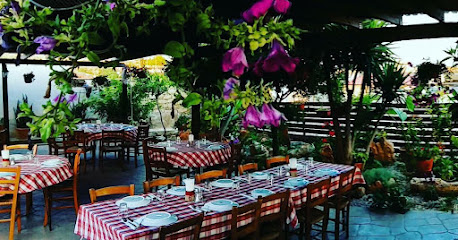
ΚΑΡΙΠΑΛΤΗΣ Εστιατόριο & Παιχνιδότοπος
9.8 km
Discover culinary delights and family fun at Καριπαλτης Restaurant & Play Area in Mouttagiaka - where every meal is an adventure!
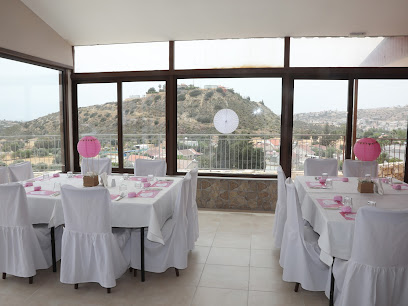
Forsos Tavern
9.9 km
Discover authentic Cypriot meze at Forsos Tavern in Mouttagiaka - a must-visit restaurant for food lovers exploring Limassol.
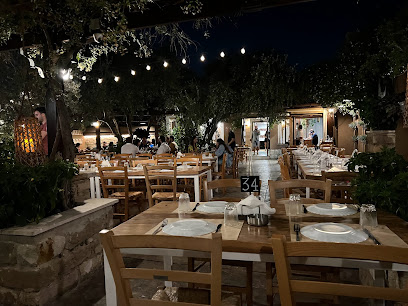
Taverna Agios Epiktitos
9.9 km
Discover Taverna Agios Epiktitos: A culinary gem in Armenochori offering authentic Greek cuisine and lively music experiences.
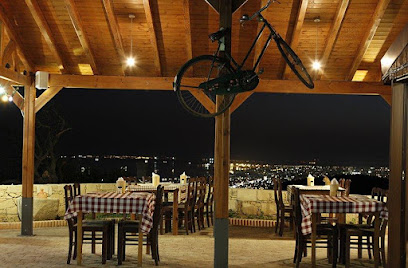
La Maison Fleurie Restaurant Limassol
11.2 km
Experience authentic French cuisine at La Maison Fleurie in Limassol - where Mediterranean flair meets exquisite flavors.
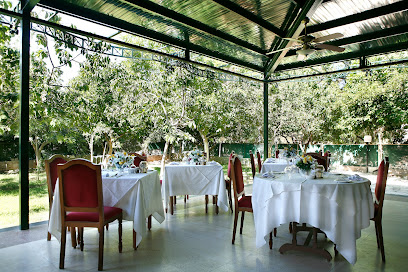
Lania Tavern
11.6 km
Discover authentic Cypriot cuisine at Lania Tavern in Laneia – where tradition meets taste in a picturesque setting.
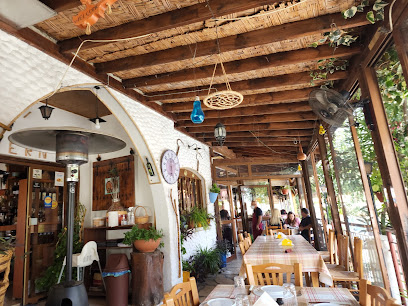
Syrian restaurant
11.6 km
Experience authentic Syrian cuisine at Limassol's premier destination for delicious Middle Eastern flavors.
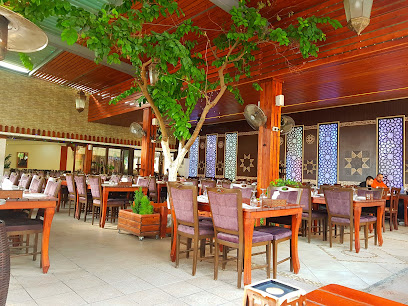
La Caleta
11.7 km
Experience exquisite flavors at La Caleta in Limassol—where traditional Cypriot cuisine meets modern culinary artistry.
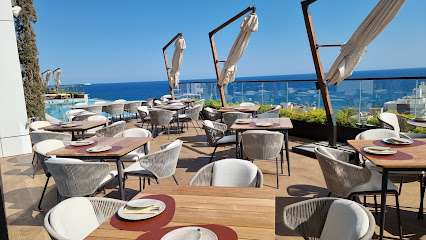
Thymari Greek Restaurant
11.8 km
Discover Thymari Greek Restaurant in Germasogeia – your gateway to authentic Greek flavors and a memorable dining experience.
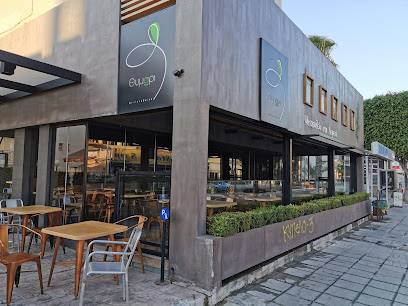
The Garden
11.8 km
Discover culinary excellence at The Garden in Limassol – where nature meets exquisite dining experiences amidst lush surroundings.
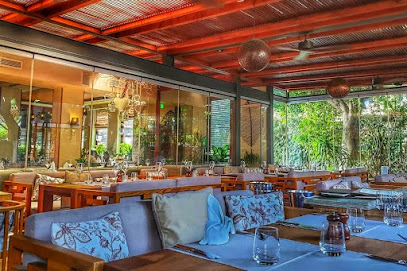
Ocean Basket Germasogeia
11.8 km
Experience exceptional seafood dining at Ocean Basket Germasogeia - where freshness meets flavor in every bite!
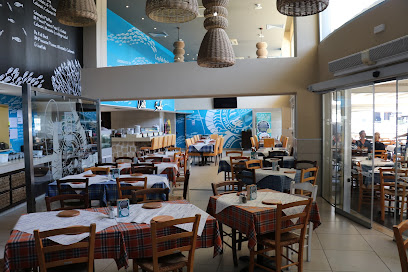
Nash Traktir
11.8 km
Savor authentic Cypriot cuisine at Nash Traktir in Germasogeia - where every meal is a celebration of flavor.
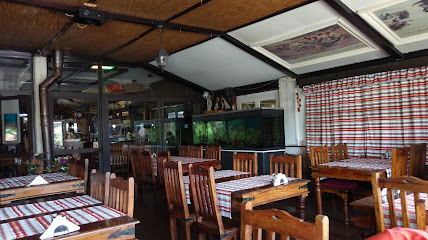
Τα Τρία Αλώνια - Ta Tria Alonia Tavern
11.8 km
Experience authentic Greek flavors at Ta Tria Alonia Tavern in Agios Tychon - a true culinary delight in Cyprus.
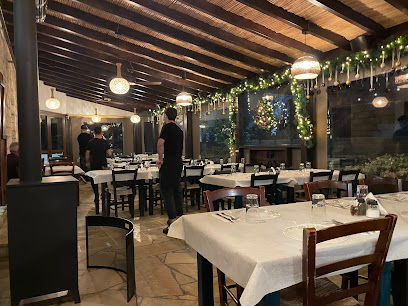
High Chaparral
11.8 km
Experience authentic Cypriot cuisine at High Chaparral, where every meal tells a story amidst vibrant ambiance.
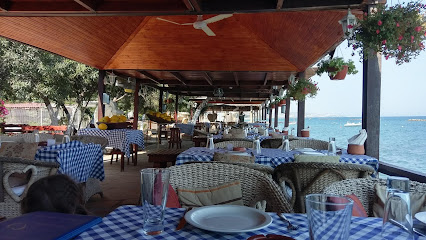
Tiflis Restaurant
11.9 km
Savor the rich flavors of Georgia at Tiflis Restaurant in Germasogeia – where tradition meets taste in every dish.
Markets, malls and hidden boutiques

Kapare
9.2 km
Explore the charm of Cyprus through unique gifts and local crafts at Kapare Gift Shop in Germasogeia.
Just for Her
9.4 km
Explore stylish women's fashion at 'Just for Her' in Germasogeia, Cyprus, where elegance meets local charm and unique finds await every visitor.
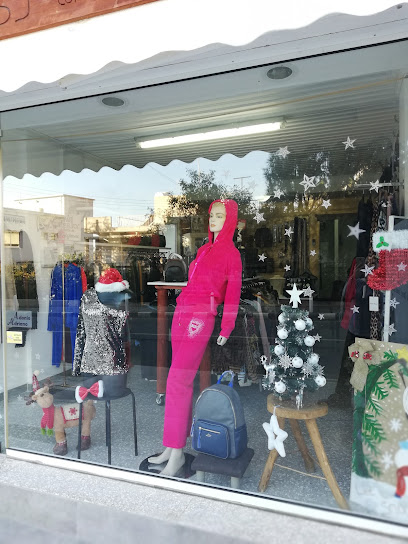
Mavros Limassol
10.6 km
Explore Mavros Limassol, a delightful toy store in Germasogeia, Cyprus, where imagination comes to life with a wide selection of toys and games for all ages.
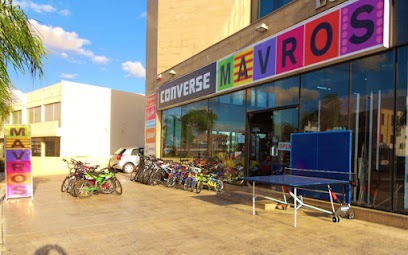
George Marie Cyprus
11.1 km
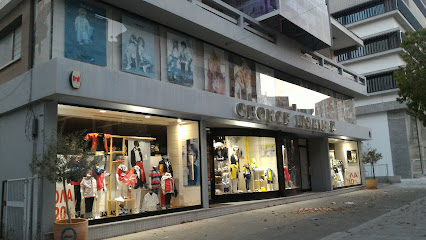
Discover stylish and quality children's clothing at George Marie Cyprus, the ultimate fashion destination for your little ones in Limassol.
MONAGRI GRAPE FARM
11.7 km
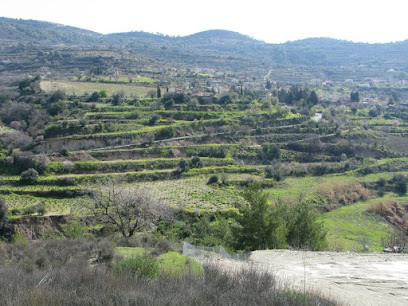
Explore the picturesque Monagri Grape Farm, where exquisite wines meet local charm and stunning landscapes in the heart of Cyprus.
Euroshop “ stariy govnaed “
11.7 km
Explore Euroshop 'Stariy Govnaed' in Germasogeia for unique Cypriot souvenirs and traditional crafts, perfect for gifts or personal keepsakes.
Foresight Boutique Cyprus
11.8 km
Explore stylish fashion and unique clothing at Foresight Boutique Cyprus, located in the vibrant Potamos Germasoyias area.
Valentino
11.8 km
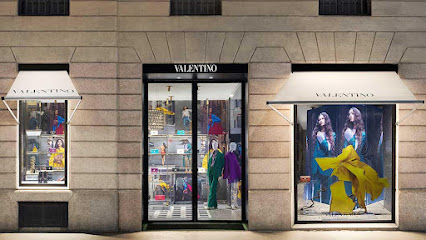
Discover the essence of luxury fashion at Valentino in Limassol, where haute couture and exquisite accessories await.
Splash by the Beach
11.8 km
Experience shopping like never before at Splash by the Beach, the ultimate destination for fashion accessories in the heart of Germasogeia, Cyprus.
Andele Boutique
11.8 km
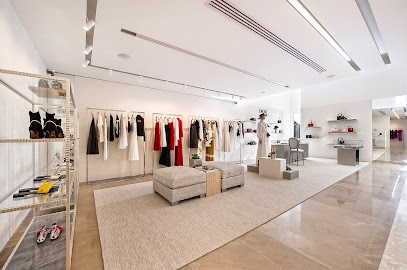
Discover exquisite footwear at Andele Boutique in Germasogeia, Limassol - your go-to destination for stylish shoes that elevate every outfit.
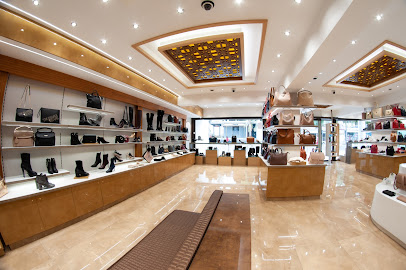
Classic Club - Luxury Menswear Boutique Cyprus
11.8 km
Discover luxury menswear at Classic Club, the premier boutique in Cyprus for the discerning gentleman seeking elegance and style.
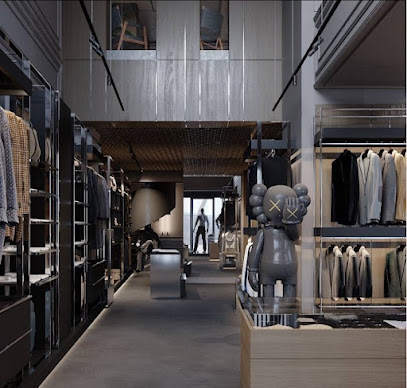
First Boutique
11.8 km
Explore the chic and trendy First Boutique in Limassol, Cyprus – a top fashion destination featuring a unique blend of local and international styles.
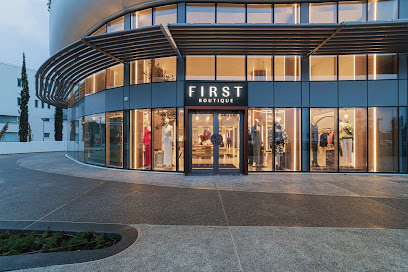
Valeria Fashion fitness Boutique
11.8 km
Discover stylish sportswear at Valeria Fashion Fitness Boutique in Germasogeia, Cyprus, where fashion meets functionality for the active lifestyle.
CAPRICCIO
11.9 km
Discover unique fashion at CAPRICCIO, Limassol's chic boutique offering stylish clothing and accessories for every occasion.
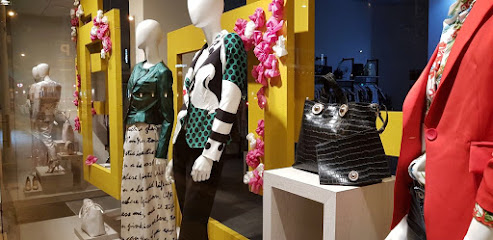
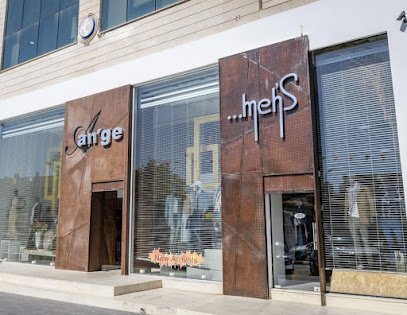
An.ge Lifestyle Boutique
11.9 km
Explore An.ge Lifestyle Boutique: Limassol's premier clothing store for unique, stylish apparel that defines modern fashion.
Essential bars & hidden hideouts

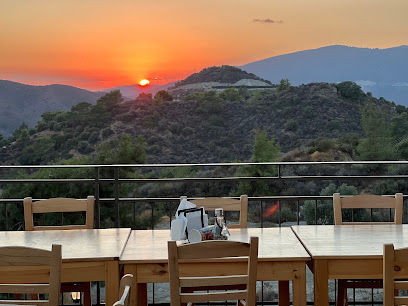
Dasoui Green Wood Tavern Cafe Bar
9.4 km
Experience the authentic flavors of Cyprus at Dasoui Green Wood Tavern Cafe Bar, a serene culinary retreat in Prastio surrounded by nature.
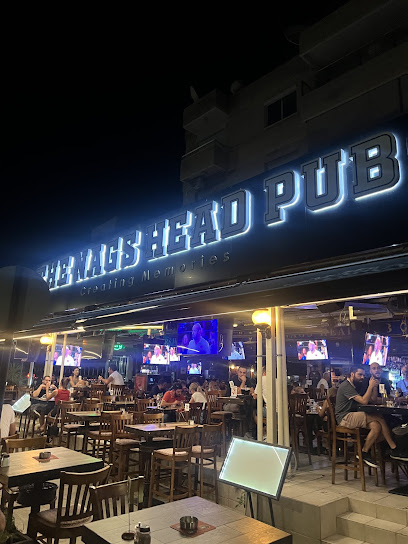
The Nags Head Pub - Bar
11.7 km
Discover the vibrant atmosphere and delicious grilled dishes at The Nags Head Pub in Limassol, Cyprus, the perfect spot for tourists seeking local flavor.
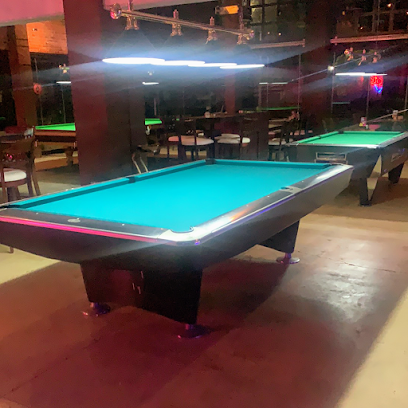
Shooters
11.7 km
Discover the vibrant atmosphere of Shooters Bar in Germasogeia, Cyprus - where great drinks and delicious food meet lively entertainment.
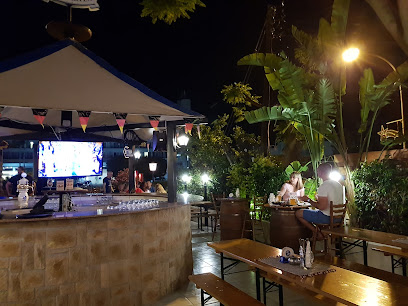
BIERGARTEN
11.7 km
Discover Biergarten in Germasogeia: A charming beer garden offering delicious grilled specialties and a vibrant outdoor atmosphere.
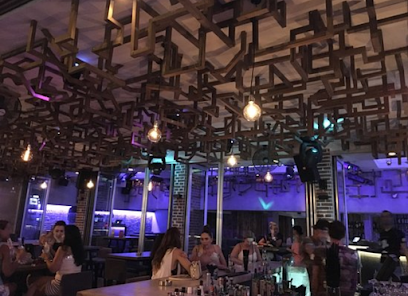
Rumours Bar
11.7 km
Discover the vibrant nightlife of Germasogeia at Rumours Bar, where delicious cocktails and a lively atmosphere await you.
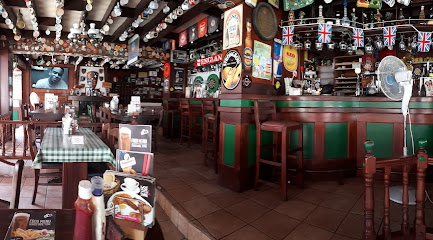
Shakespeare Gastropub
11.7 km
Discover the best of British cuisine at Shakespeare Gastropub in Cyprus, where family-friendly dining meets a vibrant sports atmosphere.
Beachcomber
11.7 km
Experience the vibrant atmosphere of Beachcomber, a charming pub in Germasogeia, Cyprus, offering delicious food and drinks just steps from the beach.
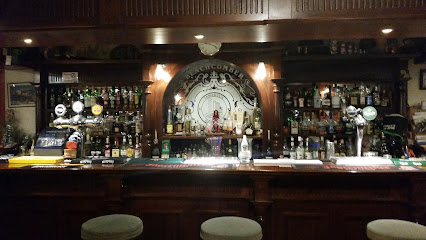
Malibu Cocktail Bar
11.8 km
Discover the vibrant Malibu Cocktail Bar in Limassol – your go-to destination for exquisite cocktails and a lively atmosphere.
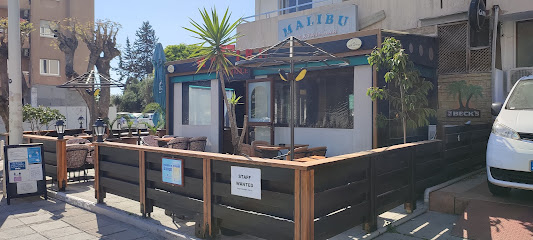
Happy Jacks Pub & Cybet
11.8 km
Experience the vibrant atmosphere and delicious offerings at Happy Jacks Pub & Cyber in Limassol, where locals and tourists gather for unforgettable moments.
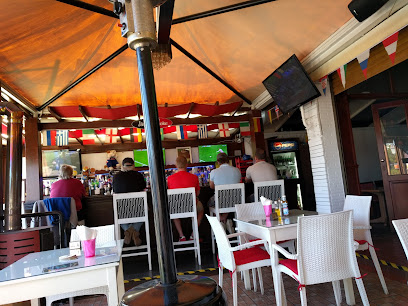
The Woodman
11.8 km
Experience the vibrant atmosphere of The Woodman, the perfect bar in Germasogeia for drinks, delicious meals, and live sports in Cyprus.
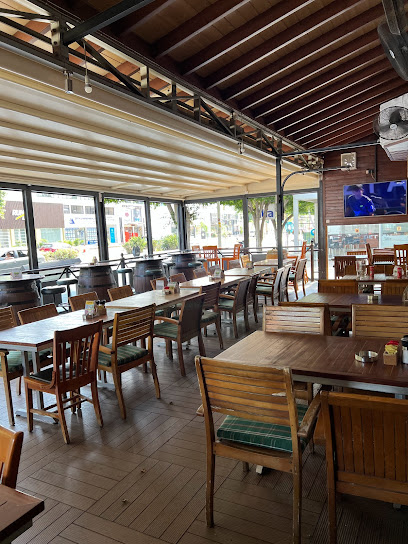
Barleys Bar & Lounge
11.8 km
Discover the vibrant flavors of Barleys Bar & Lounge, a top grill destination in Germasogeia, Cyprus, perfect for food lovers and social gatherings.
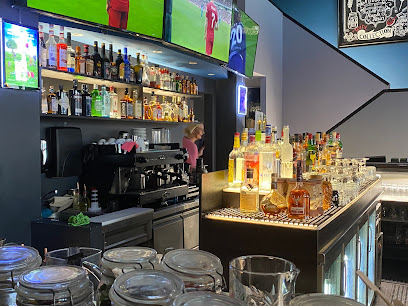
Friends Bar and Grill
11.9 km
Discover the vibrant flavors of American diner cuisine with a Mediterranean twist at Friends Bar and Grill in Germasogeia, Cyprus.
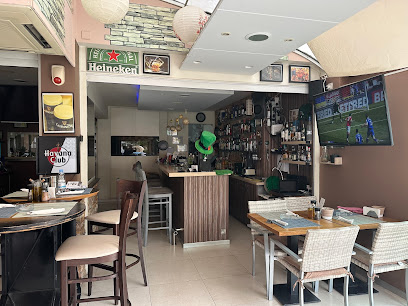
Guaba Beach Bar
11.9 km
Discover the vibrant Guaba Beach Bar in Mouttagiaka, Cyprus – where stunning views, refreshing drinks, and unforgettable nights await you.
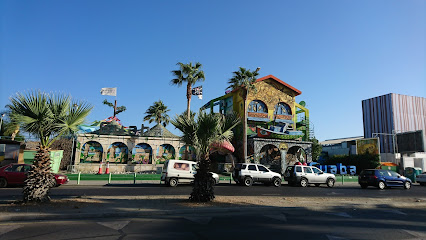
The Wine Bar
12.0 km
Experience the essence of wine culture at The Wine Bar in Limassol, where every sip tells a story and every visit is a celebration.
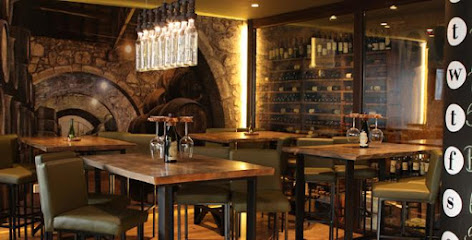
Gerrard's Kitchen Bar
12.0 km
Discover the vibrant flavors of Cyprus at Gerrard's Kitchen Bar, where local cuisine meets a lively atmosphere in Agios Tychon.
Nightclubs & after hour spots

Couture House CY
9.7 km
Discover the electrifying nightlife at Couture House CY in Germasogeia, where music, cocktails, and dancing create unforgettable memories.
Arsenic Lounge Bar
11.6 km
Discover the electrifying nightlife of Arsenic Lounge Bar in Germasogeia, Cyprus - a hotspot for cocktails, dancing, and live entertainment.
Club Eleven
11.7 km
Discover the electrifying nightlife at Club Eleven, a premier night club in Germasogeia, Cyprus, showcasing vibrant music and a lively atmosphere.
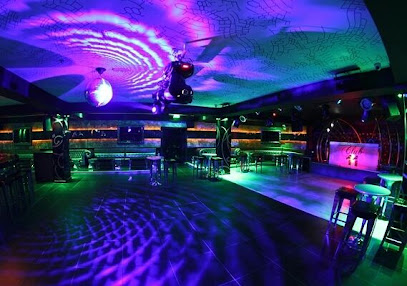
Royalty club
11.7 km
Discover the Royalty Club, a premier night club in Germasogeia, Cyprus, offering vibrant music, dancing, and a welcoming atmosphere for all.
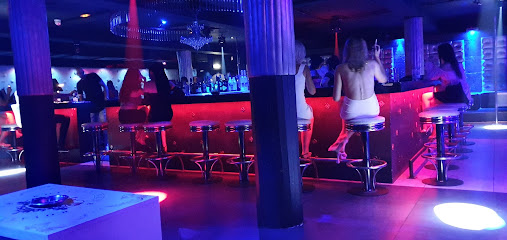
Royalty
11.7 km
Discover the electrifying atmosphere of Royalty Night Club in Germasogeia, where unforgettable nightlife experiences await.
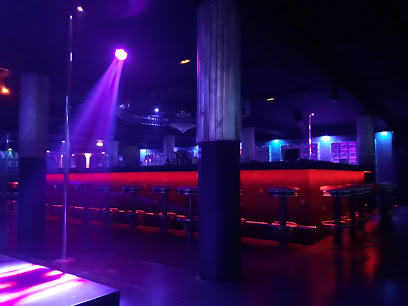
MAXI CLUB
11.8 km
Discover the electric atmosphere of MAXI CLUB, Limassol's ultimate nightlife hotspot, where unforgettable nights and world-class DJs await.
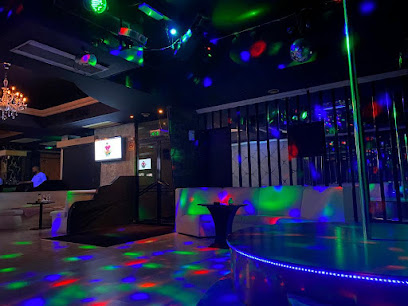
Silk velvet gentlemen's club
11.8 km
Discover the opulent nightlife at Silk Velvet Gentlemen's Club in Mouttagiaka, where glamour meets entertainment for an unforgettable experience.
Summer Breeze Club
11.8 km
Dive into Yermasoyias' vibrant nightlife at Summer Breeze Club, where electrifying beats and unforgettable memories await every party enthusiast.
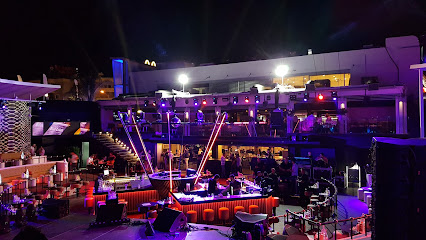
VIP Room Gold
11.8 km
Discover the vibrant nightlife of Limassol at VIP Room Gold, where luxury meets an unforgettable party atmosphere.
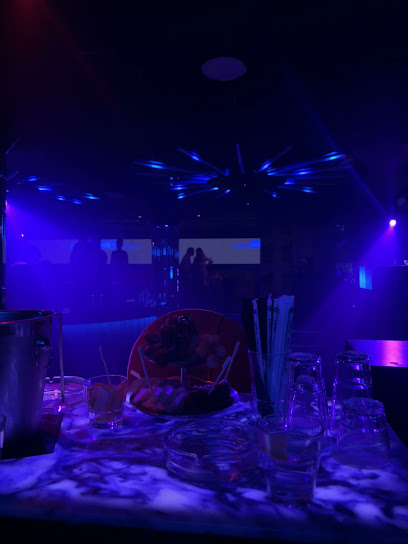
Rotonta piano restaurant bar
12.0 km
Discover the vibrant nightlife of Germasogeia at Rotonta, where exquisite dining meets electrifying entertainment in Cyprus.
DK night club
12.3 km
Discover the vibrant nightlife at DK Night Club in Limassol, where the beat never stops and unforgettable memories are made.

W Club
12.6 km
Dive into the vibrant nightlife of Limassol at W Club, where electrifying music and an unforgettable atmosphere await you.

Theama Venue
12.8 km
Experience the thrill of Limassol's nightlife at Theama Venue, a premier night club featuring live music and unforgettable events in a stunning outdoor setting.
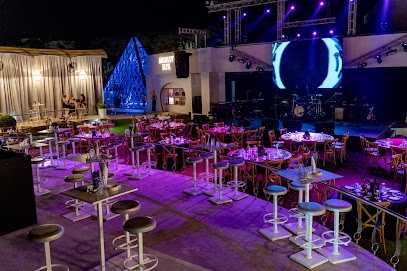
Voice Karaoke Club
12.8 km
Experience the vibrant nightlife of Limassol at Voice Karaoke Club, where every song is a chance to shine and make unforgettable memories.

poutanopiraria2
13.2 km
Dive into the enchanting nightlife at Poutanopiraria2, Kato Polemidia’s vibrant gay night club, where music, dance, and inclusivity unite.