Local Archaeological Museum of Marion-Arsinoe: Unearthing Ancient Cyprus
Discover Cyprus's ancient roots at the Local Archaeological Museum of Marion-Arsinoe in Polis Chrysochous, showcasing artifacts from the Neolithic to Medieval periods.
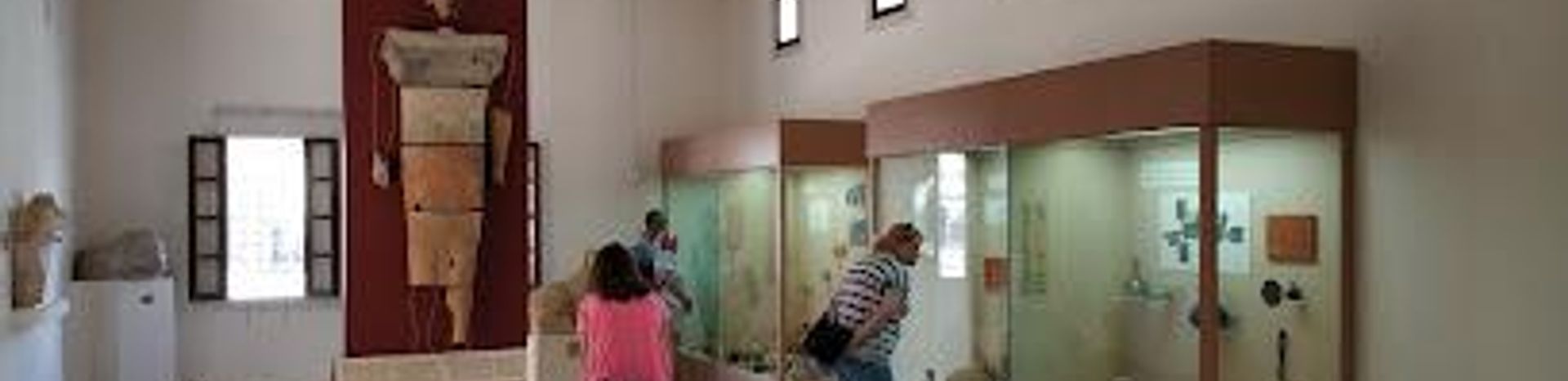
The Local Archaeological Museum of Marion-Arsinoe in Polis Chrysochous unveils the rich history of the ancient city-kingdom of Marion, later known as Arsinoe. The museum's two rooms and atrium display artifacts from the Neolithic to Medieval periods, offering a chronological journey through the region's past. Pottery, sculptures, and other finds from the area's necropolis provide insights into daily life, trade, and religious practices. Located near the Baths of Aphrodite, the museum is a worthwhile stop for those exploring the Akamas Peninsula and seeking to connect with Cyprus's ancient roots. The museum not only showcases the area's historical evolution but also highlights Marion's significance as a vital commercial center with close ties to Athens during the Classical and Hellenistic periods. A visit promises a captivating glimpse into a vibrant past that continues to resonate today.
A brief summary to Local Archaeological Museum of Marion - Arsinoe
- 2CPG+6Q5, Poli Crysochous, CY
- +35726322955
- Visit website
- Monday 9 am-4 pm
- Tuesday 9 am-4 pm
- Wednesday 9 am-4 pm
- Thursday 9 am-4 pm
- Friday 9 am-4 pm
- Saturday 9 am-3 pm
Local tips
- Combine your museum visit with a trip to the nearby Baths of Aphrodite for a full day of exploring ancient sites and natural beauty.
- Check the museum's website or call ahead to inquire about temporary exhibitions, workshops, and guided tours.
- Visit during the cooler months (spring or fall) to avoid the intense summer heat and enjoy a more comfortable experience.
- Take advantage of the free admission and explore the museum at your own pace, allowing ample time to examine the artifacts and read the informative displays.
- Consider visiting on a Saturday morning to avoid weekday crowds and enjoy a quieter, more intimate experience.

Getting There
-
Walking
From the center of Polis Chrysochous, such as the main square (Plateia 1is Avgoustou), the museum is a short walk. Head east on Archbishop Makarios III Road. The museum will be on your left, approximately 200 meters from the square. Look for the distinctive neoclassical building.
-
Public Transport
If arriving by bus at Polis Chrysochous Bus Station, walk south on Agiou Georgiou Street, then turn right onto Archbishop Makarios III Road. The museum will be on your left. Several bus lines serve Polis Chrysochous, including routes 621, 622, 623, 624, 625, 640, 641, 643A, 643B, 645, 646, 647, 648 and 649. A single bus fare within the Polis Chrysochous area is approximately €1.50.
-
Taxi/Ride-Share
Taxis are readily available in Polis Chrysochous. Several taxi services operate in the area, including Philippos Taxi, Markos Taxi and Nissos Taxi. A short taxi ride from the bus station or any point in the town center to the museum will cost approximately €5-€7.
-
Driving
If driving, approach Polis Chrysochous via the B19 or E713 road. Once in Polis, follow signs to the town center. The museum is located on Archbishop Makarios III Road. Limited street parking is available near the museum. Parking is available in Polis Chrysochous and card payments are accepted. Parking fees vary, but expect to pay around €1-€2 per hour.
Discover more about Local Archaeological Museum of Marion - Arsinoe
Iconic landmarks you can’t miss

Polis Herb Garden-Restaurant
0.0 km
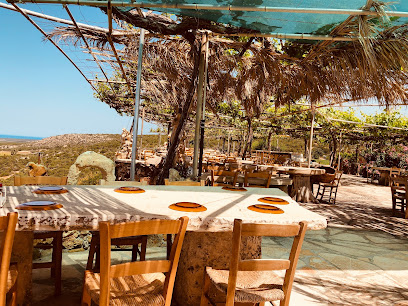
Experience Cypriot charm at Polis Herb Garden-Restaurant: Fresh cuisine, serene gardens, and warm hospitality await in Polis Chrysochous.
Mariela Studio Ξενοδοχείο
0.1 km
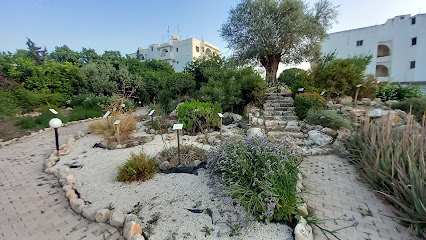
Experience the charm of Cyprus at Mariela Studio, a serene apartment complex in Poli Crysochous blending comfort with stunning natural beauty.

Platea
0.2 km
Discover authentic Cypriot flavors at Platea, a charming restaurant in Poli Crysochous, perfect for a memorable dining experience.
Old Town Restaurant, Polis
0.2 km
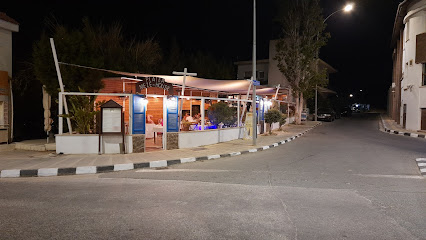
Discover authentic Cypriot cuisine at Old Town Restaurant in Polis, where every meal is a celebration of local flavors and warm hospitality.
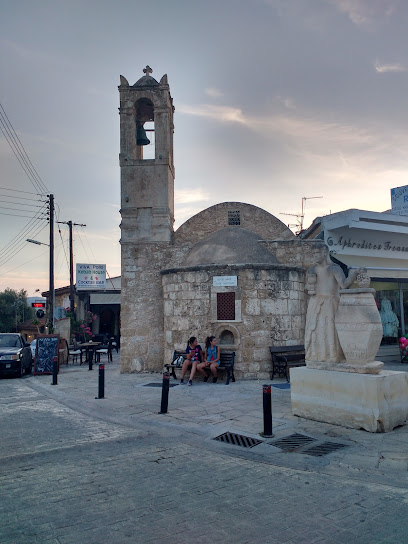
Polis Main Bus Station
0.2 km
Explore Cyprus's northwest from Polis Main Bus Station: Your gateway to Akamas Peninsula, traditional villages, and tranquil coastal beauty.
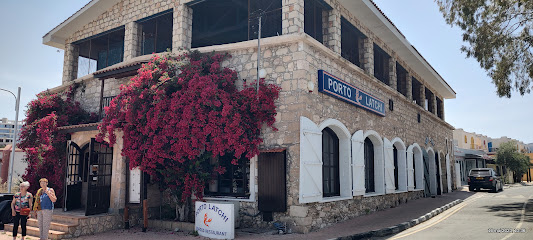
Myrafiori
0.2 km
Discover the rich flavors of Cyprus at Myrafiori, an exceptional restaurant in Poli Crysochous known for its traditional dishes and warm hospitality.
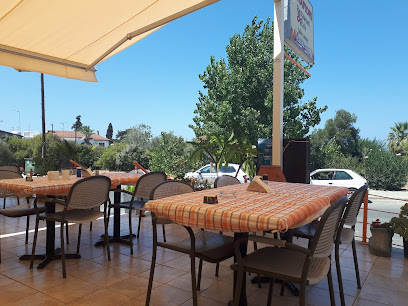
Costas Corner Cafe Bar
0.2 km
Discover authentic Cypriot cuisine and vibrant local culture at Costas Corner Cafe Bar in Poli Crysochous.
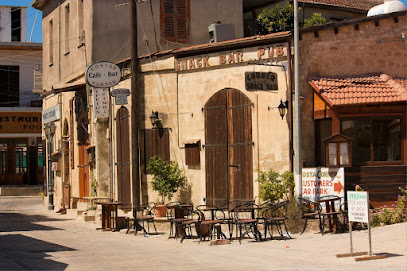
Polis 1907
0.3 km
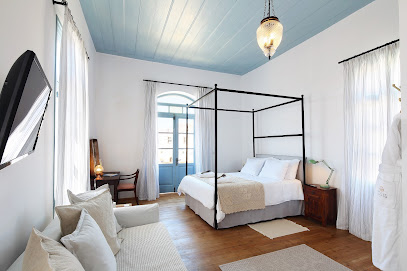
Discover the perfect blend of comfort and local charm at Polis 1907, your ideal hotel getaway in beautiful Polis Chrysochous, Cyprus.
Arsinoe Fish Tavern
0.3 km
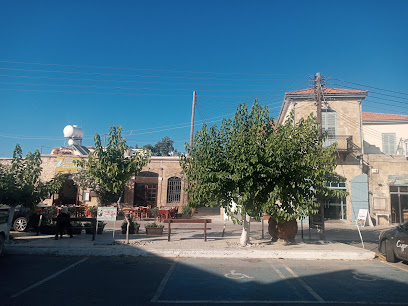
Experience the best of Cypriot cuisine at Arsinoe Fish Tavern, where fresh seafood meets traditional Greek flavors in a stunning seaside setting.
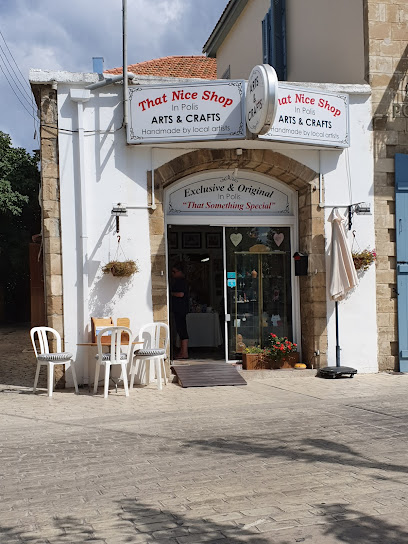
That Nice Shop
0.3 km
Discover the artistry of Cyprus at That Nice Shop, your go-to destination for unique gifts and local handicrafts in Polis.
Finikas
0.3 km
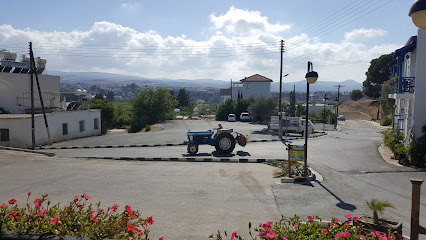
Discover Finikas Restaurant in Polis Crysochous, where fresh Cypriot flavors meet a warm Mediterranean ambiance for an unforgettable dining experience.
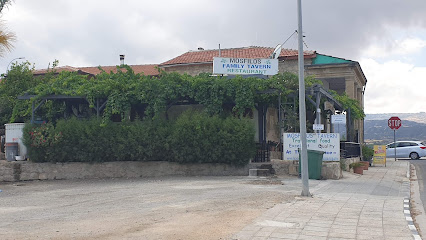
Ταβέρνα Μόσφιλος
0.3 km
Savor the authentic flavors of Cyprus at Ταβέρνα Μόσφυλος, where traditional dishes meet warm hospitality in a charming village setting.
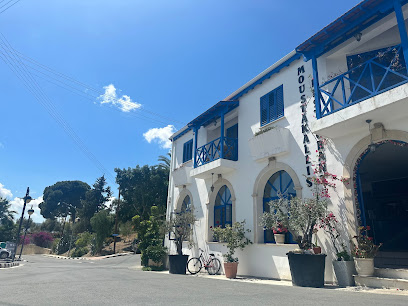
Moustakallis Tavern
0.3 km
Discover the heart of Cypriot cuisine at Moustakallis Tavern, where authentic flavors and warm hospitality create unforgettable dining experiences.
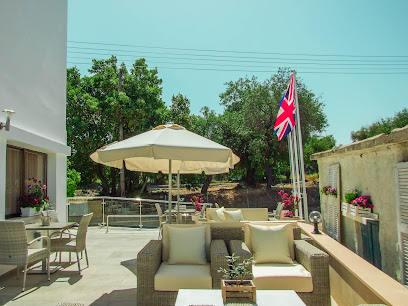
Bougainvillea Hotel Apartments | Hotel Apartments & Hotels in Polis Chrysochous, Cyprus
0.4 km
Discover the beauty of Cyprus at Bougainvillea Hotel Apartments, where comfort meets adventure in the heart of Polis Chrysochous.
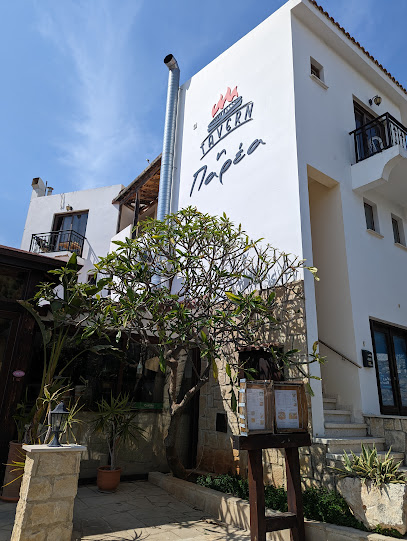
Ταβέρνα Η Παρέα
0.4 km
Savor authentic Greek cuisine in a charming, traditional setting at Ταβέρνα Η Παρέα, a culinary gem in Poli Crysochous, Cyprus.
Unmissable attractions to see

POLIS GARDEN RESTAURANT
0.0 km
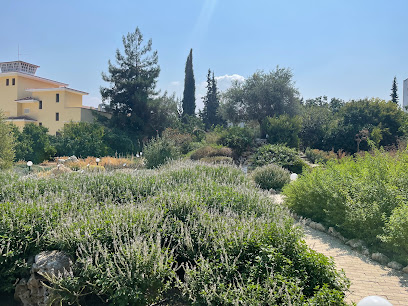
Experience Cypriot cuisine and culture at Polis Garden Restaurant, a charming escape in Poli Crysochous with a unique herb garden and museum.
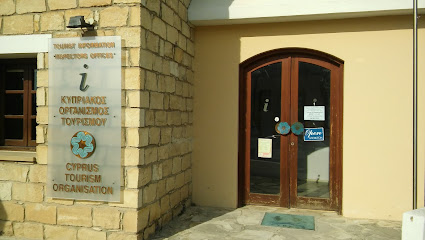
Tourist Information Office CTO
0.2 km
Your essential first stop in Poli Chrysochous for personalized travel advice, maps, and local insights to unlock the beauty of Cyprus.
Polis mural: 'Fish Covered in Plastics and Chemicals”
0.3 km
A thought-provoking mural in Polis Chrysochous, Cyprus, blending art and environmental awareness, sparking conversations about sustainability and marine conservation in a serene setting.
Polis Chrysochous Christmas Village - Χριστουγεννιάτικο Χωριό Δήμου Πόλεως Χρυσοχούς
0.3 km
Experience a magical Cypriot Christmas at Polis Chrysochous, with festive markets, twinkling lights, local crafts, and joyful celebrations for all ages.
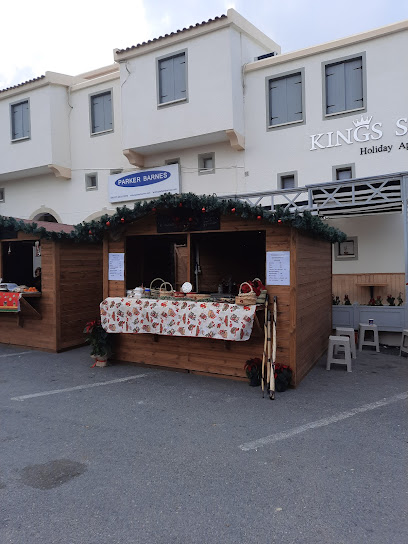
Polis Town Square
0.3 km
Experience the vibrant culture and charm of Cyprus at Polis Town Square, where tradition meets modernity in a lively civic hub.
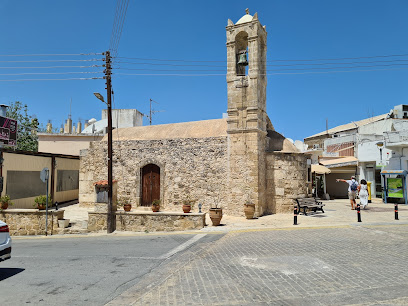
Παλιός Αστυνομικός Σταθμός Πόλεως Χρυσοχούς
0.4 km
Explore the captivating Palio Astynomiou Stathmos in Poli Crysochous, a unique blend of history, culture, and natural beauty in picturesque Cyprus.
Wine tasting in Polis
0.5 km
Discover the exquisite wines of Cyprus at this charming winery in Polis, where tradition meets taste in a breathtaking setting.
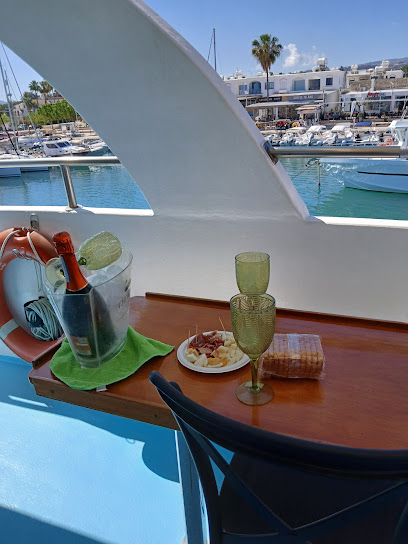
פוליס מיזונין 7
0.8 km
חקור את היופי הטבעי וההיסטוריה העשירה של פוליס כריסוכוס, קפריסין - גן עדן שליו הממתין לגילוי.
Αμφιθέατρο Πόλης
1.1 km
Experience the vibrant cultural scene of Polis Chrysochous at the Αμφιθέατρο Πόλης, a modern amphitheater hosting diverse performances and community events in a scenic setting.
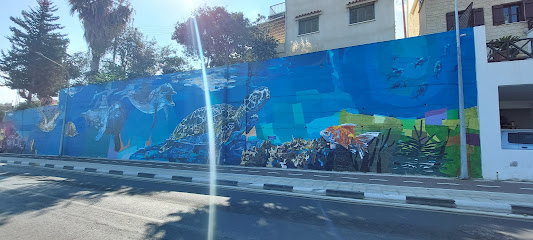
Sea life street Mural
1.1 km
Discover a vibrant underwater world in Prodromi, Cyprus, with the Sea Life Street Mural, a stunning display of marine art promoting conservation and local culture.
Loupos’ cave
1.2 km
Discover the unusual charm of Loupos’ Cave near Poli Crysochous, Cyprus: a unique coastal landmark blending history and nature on the Akamas Peninsula.
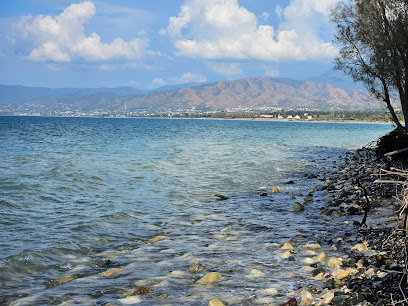
Garden of Eden
1.3 km
Discover a serene botanical paradise in Poli Crysochous, Cyprus, with lush landscapes, vibrant flora, and tranquil water features for a peaceful escape.
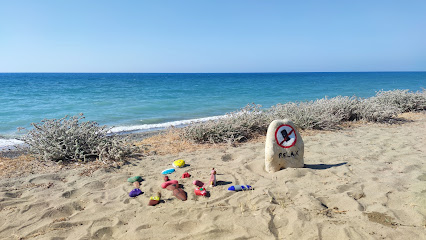
Latchi Strand
1.7 km
Discover the beauty of Latchi Strand, a serene beach in Cyprus perfect for relaxation, adventure, and savoring local cuisine.
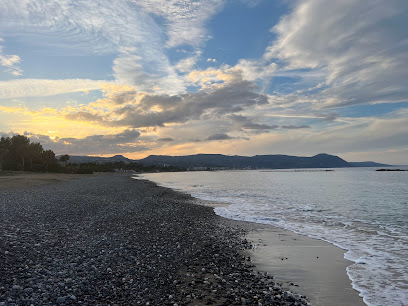
Polis Municipal Beach
2.1 km
Experience the beauty of Polis Municipal Beach in Cyprus, where golden sands meet azure waters for the perfect Mediterranean getaway.
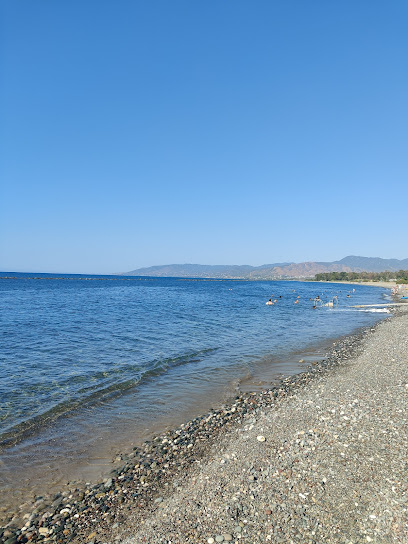
Beach cyprus
2.1 km
Discover the idyllic beauty of Beach Cyprus, a perfect blend of sun, sand, and Mediterranean charm in Poli Crysochous.
Essential places to dine

Aris lahmajoun
0.1 km
Experience authentic Cypriot cuisine at Aris Lahmajoun—where every bite tells a story of flavor and tradition.
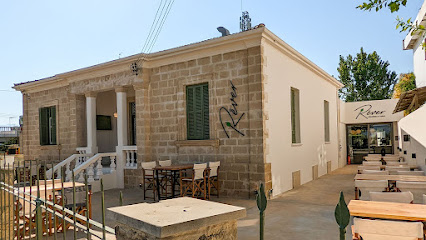
Rêver Cocktails & Tapas
0.1 km
Experience Cyprus' vibrant nightlife at Rêver Cocktails & Tapas - where exquisite cocktails meet delicious tapas in a lively atmosphere.
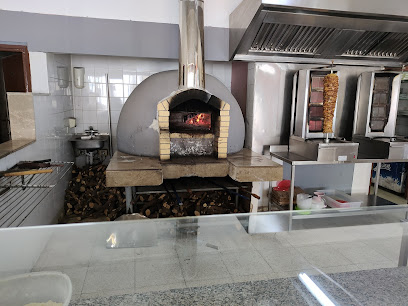
Food Overdose
0.1 km
Experience the best of fast food at Food Overdose in Poli Crysochous, where flavor meets convenience in a vibrant atmosphere.
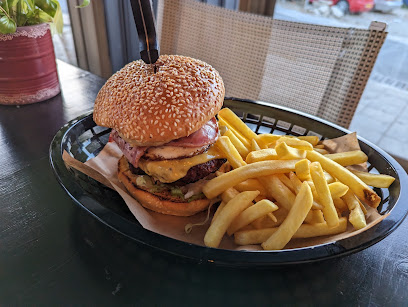
Ice cream & crepe cafe
0.2 km
Discover sweet indulgence at Ice Cream & Crepe Cafe in Poli Crysochous, where delicious flavors meet cozy ambiance.
Akakiko Polis
0.3 km
Experience exquisite Asian fusion cuisine at Akakiko Polis in Cyprus - where tradition meets innovation for unforgettable flavors.
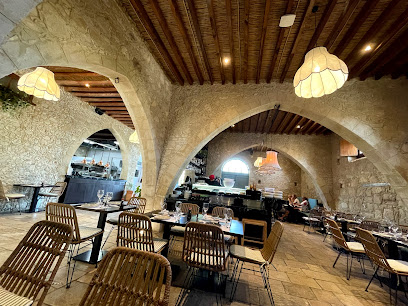
Staxteras
0.3 km
Discover Staxteras in Poli Crysochous: Where Authentic Cypriot Barbecue Meets Unforgettable Flavors.
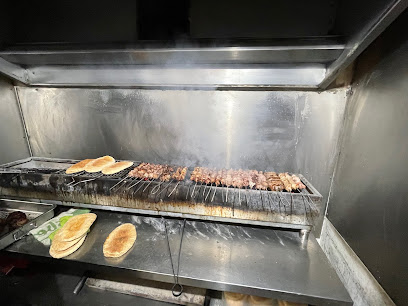
Restaurant Helones Pizzeria
0.3 km
Experience delightful Italian flavors at Helones Pizzeria in Poli Crysochous – where every meal feels like a taste of Italy.
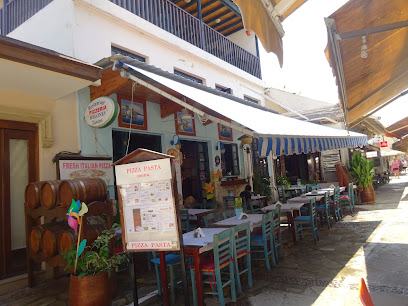
The Chix - Chox Restaurant
0.3 km
Experience authentic Cypriot cuisine at The Chix - Chox Restaurant in Poli Crysochous, where delicious flavors meet warm hospitality.
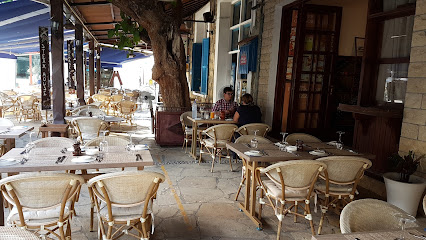
La Terrasse 4 U
0.3 km
Experience authentic Cypriot cuisine at La Terrasse 4 U, where stunning views meet delightful flavors in Poli Crysochous.
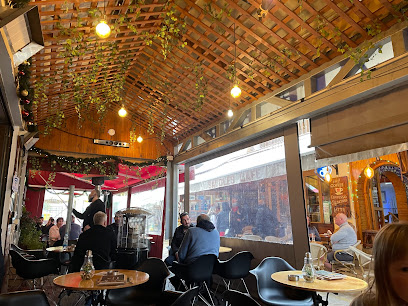
Miki's Tavern & Fish Restaurant
0.3 km
Discover authentic Cypriot seafood at Miki's Tavern & Fish Restaurant in Poli Crysochous – where taste meets tradition.
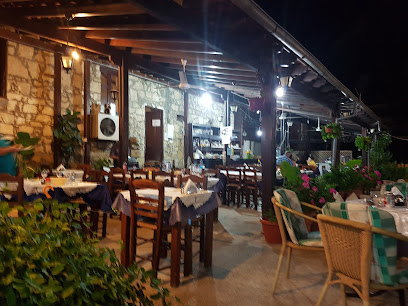
Stou Sotou Tavern
0.3 km
Savor traditional Cypriot dishes in a cozy atmosphere at Stou Sotou Tavern, where every meal is a celebration of local flavors.
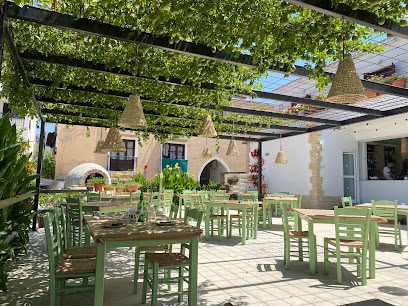
Ταβέρνα Η Παρέα
0.4 km
Experience authentic Cypriot flavors at Ταβέρνα Η Παρέα - where tradition meets taste in Poli Crysochous.
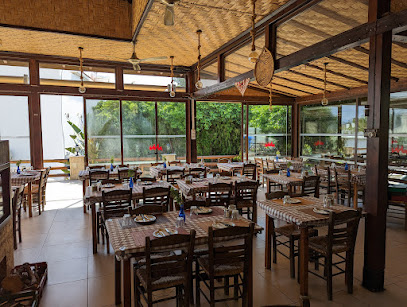
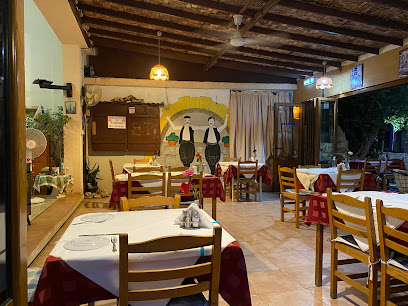
Christos Karouzis Restaurant
0.4 km
Discover delightful Cypriot flavors at Christos Karouzis Restaurant in Poli – where tradition meets taste in every dish.
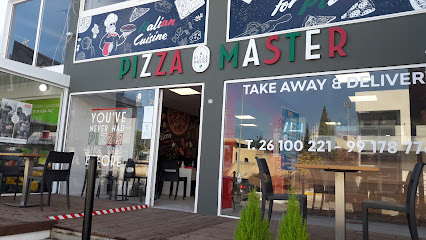
Pizza Master
0.5 km
Discover authentic wood-fired pizzas at Pizza Master in Poli Crysochous – where Italian tradition meets Cypriot charm!
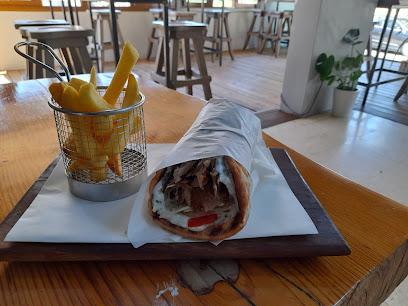
The Gyro & Grill, Our signature
0.6 km
Experience authentic Cypriot flavors at The Gyro & Grill – where every bite tells a story of Mediterranean tradition.
Markets, malls and hidden boutiques

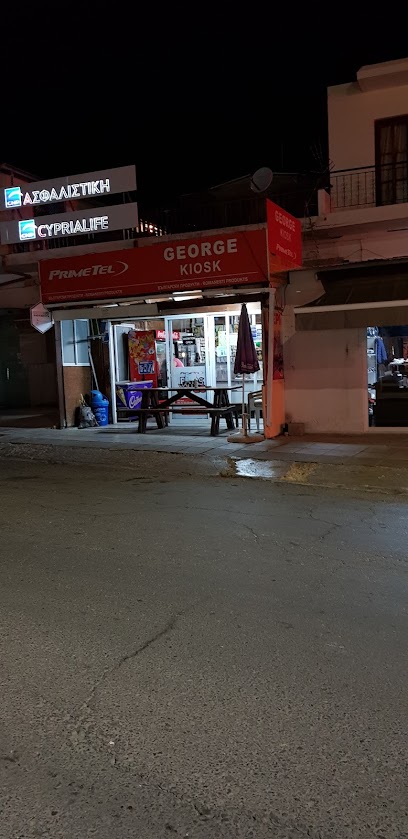
George Kiosk
0.0 km
Explore the beauty of Cyprus with convenience at George Kiosk, your go-to spot for local snacks and essentials in Poli Crysochous.
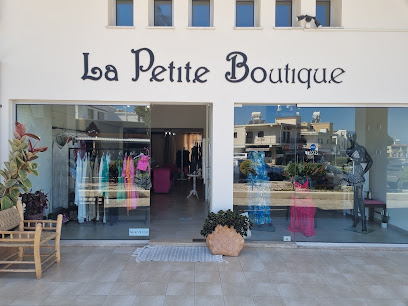
La Petite Boutique
0.1 km
Explore La Petite Boutique in Poli Crysochous, Cyprus, for unique fashion finds and local charm in a delightful shopping experience.
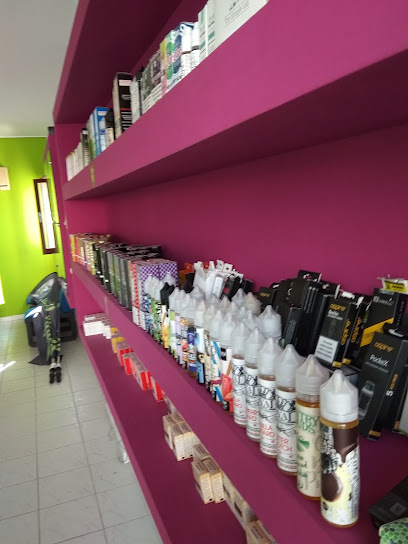
Joker Vape Shop
0.1 km
Discover the finest vaping products at Joker Vape Shop in Polis Crysochous, Cyprus – a paradise for vaping enthusiasts and curious tourists alike.
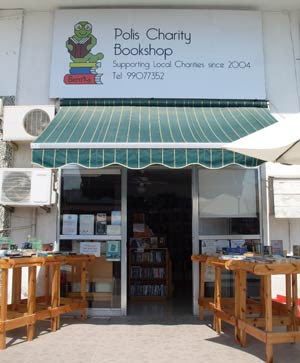
Polis Charity Bookshop
0.1 km
Explore the hidden literary gem of Polis Charity Bookshop in Cyprus, where every book purchase supports a noble cause and a love for reading.
Ollie bebe
0.1 km
Explore Ollie Bebe, a charming general store in Poli Crysochous, offering unique local products and friendly service for every traveler.

Little stars closet
0.2 km
Explore Little Stars Closet, the ultimate baby clothing store in Poli Crysochous, Cyprus, offering unique and stylish outfits for your little ones.

Aristidou Supermarket polis chrysochous
0.2 km
Explore the essence of Cyprus at Aristidou Supermarket, where fresh local produce and delightful wines await your discovery.
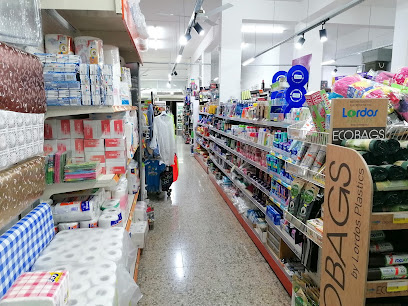
home and more by flambouayia
0.2 km
Explore Home and More by Flambouayia for unique gifts and appliances that celebrate Cypriot culture and craftsmanship in the heart of Poli Crysochous.
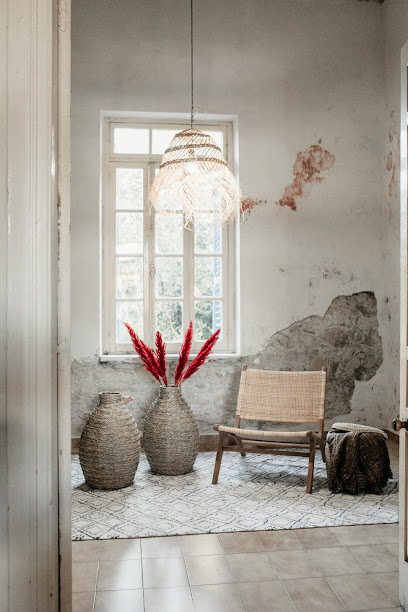
NSO Gear
0.2 km
Discover top-notch outdoor clothing and equipment at NSO Gear in Poli Crysochous, your go-to shop for adventure in Cyprus.
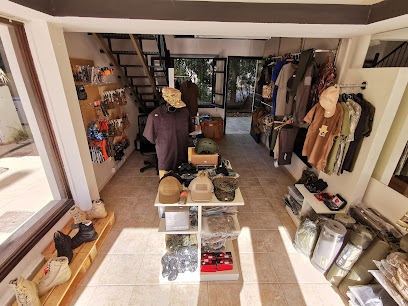
Vavel Stores
0.2 km
Discover the latest fashion trends at Vavel Stores in Poli Crysochous, offering a unique selection of clothing and accessories for every style.
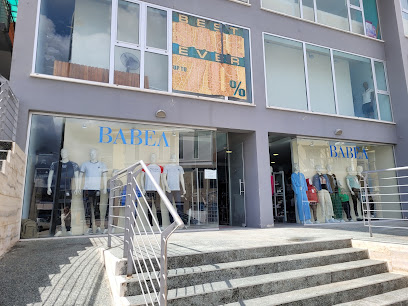
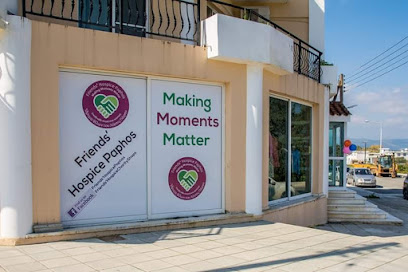
Friends Hospice Charity Shop
0.2 km
Shop sustainably at Friends Hospice Charity Shop in Poli Crysochous, where every purchase supports local hospice care and offers unique fashion finds.
Clever Store
0.3 km
Discover local treasures at Clever Store in Poli Crysochous, Cyprus - a unique shopping experience filled with culture and craftsmanship.
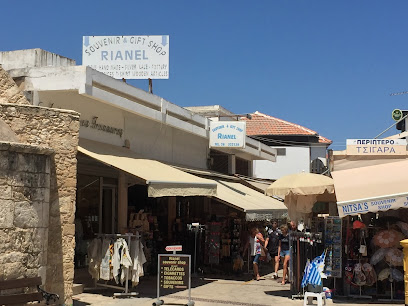
Rianel Souvenir Gift Shop
0.3 km
Explore Rianel Souvenir Gift Shop in Poli Crysochous for unique gifts and local treasures that capture the spirit of Cyprus.
BlueOyster Art & Gifts
0.3 km
Explore BlueOyster Art & Gifts in Poli Crysochous for unique, handcrafted treasures that celebrate Cypriot culture and artistry.
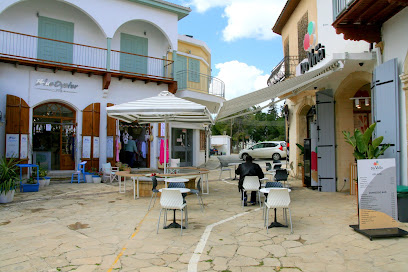
Minime Cyprus Baby Shop
0.3 km
Discover a charming baby clothing store in Poli Crysochous, Cyprus, offering stylish and high-quality baby essentials for your little ones.
Essential bars & hidden hideouts

The Village Pub
0.3 km
Experience authentic Cypriot hospitality at The Village Pub in Poli Crysochous, where local flavors and a friendly atmosphere await you.
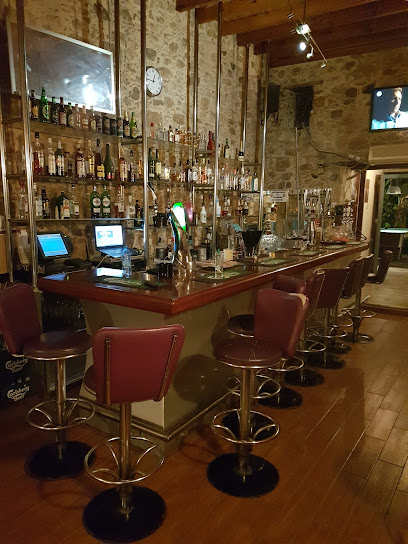
Château Bar Polis
0.3 km
Experience the vibrant nightlife of Cyprus at Château Bar Polis, where expertly crafted cocktails and a warm ambiance await every visitor.
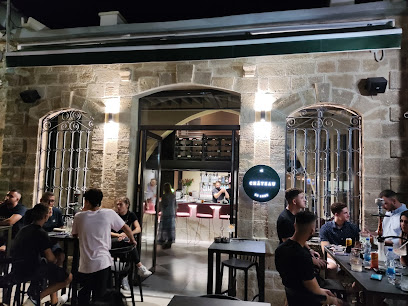
La Terrasse
0.3 km
Discover the tranquil escape of La Terrasse Lounge in Poli Crysochous, a perfect blend of relaxation and stunning views in Cyprus.
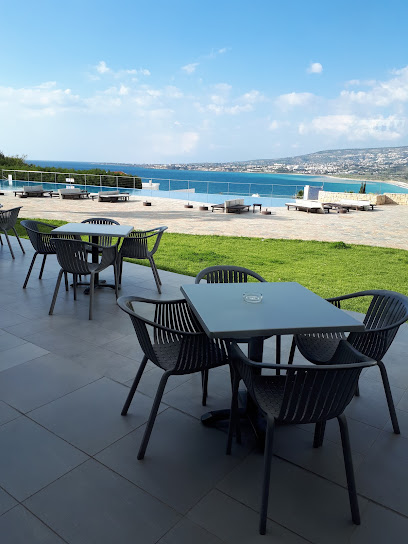
Saddles Café & Bar
0.3 km
Experience the perfect blend of café and bar at Saddles in Poli Crysochous, Cyprus. A cozy retreat for relaxation and delightful flavors.
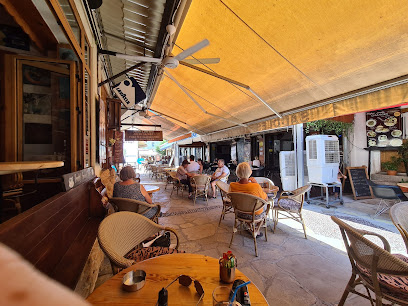
Viva Polis
0.3 km
Experience the vibrant nightlife at Viva Polis, the cocktail bar in Poli Crysochous known for creative drinks and a lively atmosphere.
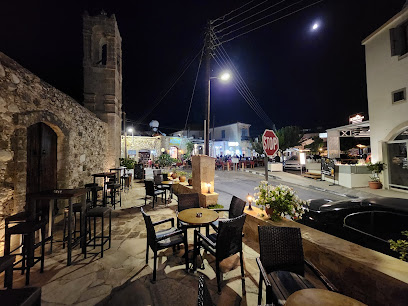
Kings Cafe Bar
0.3 km
Discover the cozy charm of Kings Cafe Bar in Poli Crysochous, where delicious Cypriot treats and stunning views await every visitor.
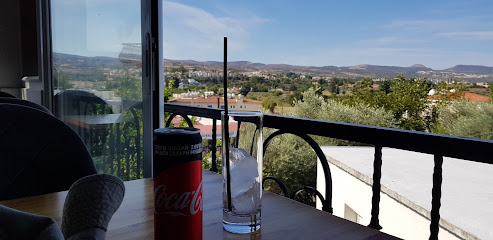
Magic Oak
0.8 km
Discover the enchanting Magic Oak in Poli Crysochous, a cozy bar, coffee shop, and pizza restaurant offering a delightful atmosphere and local flavors.
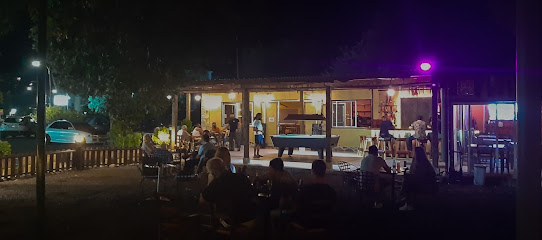
Polis Beach Bar
1.2 km
Experience the perfect blend of relaxation and flavor at Polis Beach Bar, a coastal gem in Cyprus offering delicious grilled dishes and stunning sea views.
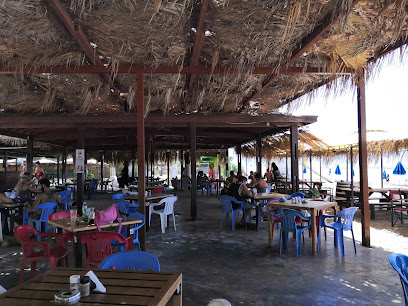
Carnagio Beach Bar
2.5 km
Experience the vibrant atmosphere of Carnagio Beach Bar in Latsi, Cyprus, where refreshing drinks meet stunning Mediterranean views.
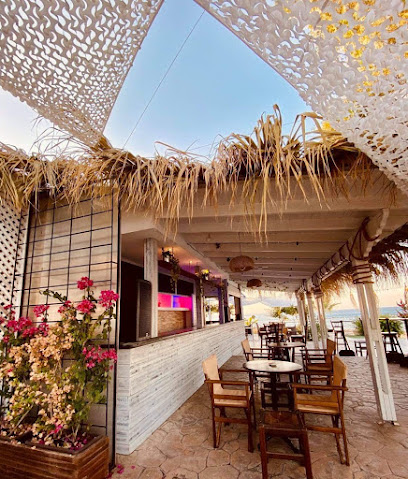
Waves Cafe Bar
3.2 km
Discover Waves Cafe Bar in Latsi, Cyprus, where stunning views and delicious fare meet a warm, inviting atmosphere.
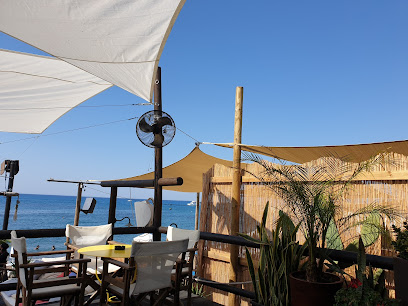
Ilios Beach Bar Latchi
3.3 km
Discover the tranquil vibes and stunning views at Ilios Beach Bar in Latchi, your perfect seaside retreat for relaxation and enjoyment.
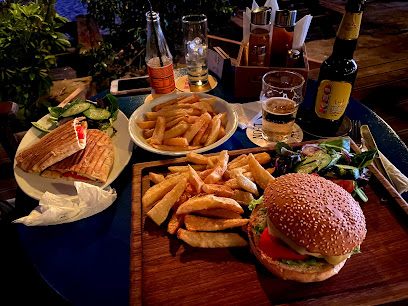
Tipsy Turtle - Bar & Restaurant
6.8 km
Enjoy a vibrant dining and nightlife experience at Tipsy Turtle in Cyprus, where local flavors meet refreshing drinks in a lively atmosphere.
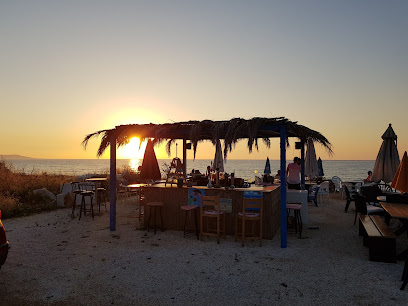
Santa Barbara Resto & Beach Bar
7.2 km
Discover the flavors of Greece at Santa Barbara Resto & Beach Bar, where Mediterranean cuisine meets stunning sea views in Argaka, Cyprus.
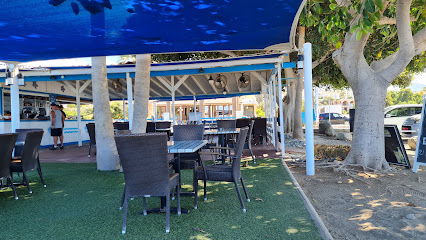
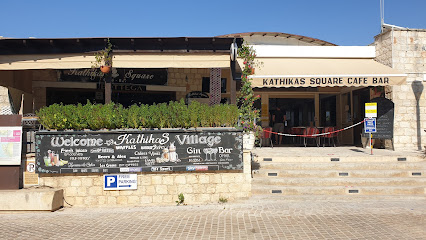
Kathikas Square Gin Bar
13.7 km
Discover the enchanting Kathikas Square Gin Bar, where local charm meets exquisite gin selections in the heart of Cyprus.
Viklari
15.4 km
Experience the breathtaking views and delicious local flavors at Viklari, a top restaurant in Cyprus, perfect for every discerning traveler.