Panagia tou Moutoulla: A Timeless Byzantine Treasure
Discover the timeless beauty of Panagia tou Moutoulla, a UNESCO-listed Byzantine church in Cyprus, adorned with remarkably preserved 13th-century frescoes, nestled in the tranquil Troodos Mountains.
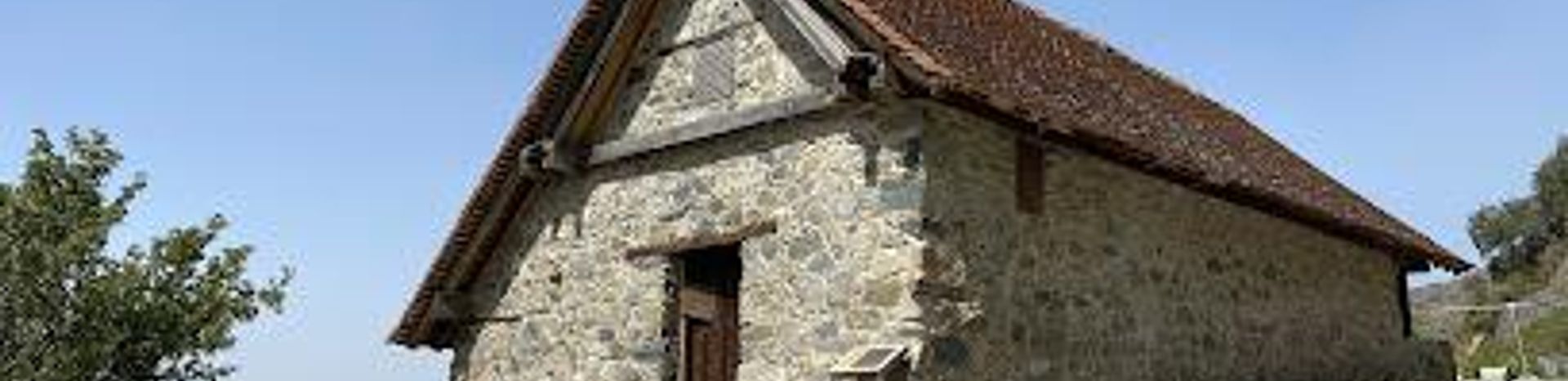
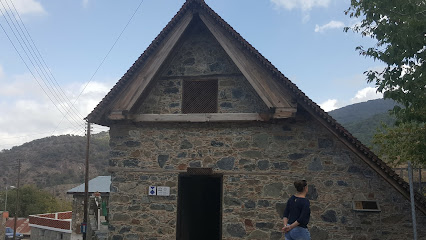
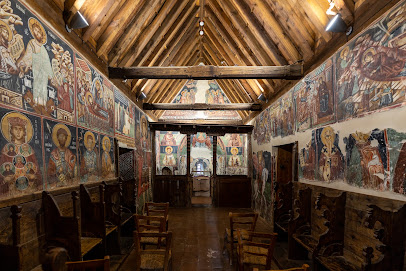
Nestled in the serene Troodos Mountains, the Panagia tou Moutoulla church is a UNESCO World Heritage site offering a glimpse into Cyprus's rich Byzantine past. Built and decorated in 1280 AD, this small, single-aisled church boasts remarkably well-preserved frescoes that blend Byzantine and Western artistic influences. The church, possibly a private chapel, showcases the donors, Ioannis and Irene, holding a model of their contribution. Its unique architecture, featuring a steep-pitched wooden roof, exemplifies the rustic religious structures of the era. Visiting this tranquil sanctuary provides an intimate encounter with Cypriot history and artistry, far from the bustling coast, offering a peaceful and culturally enriching experience. The church stands as a testament to the island's enduring spiritual and artistic heritage, inviting visitors to step back in time and appreciate the beauty of Byzantine art in a picturesque mountain setting.
A brief summary to Panagia tou Moutoulla
- XRMF+2MV, Moutoullas, CY
- +35797733480
- Visit website
- Monday 8 am-3 pm
- Tuesday 8 am-3 pm
- Wednesday 8 am-3 pm
- Friday 8 am-3 pm
- Saturday 9 am-3 pm
- Sunday 9 am-3 pm
Local tips
- The church is small; visits are typically short, allowing time to explore the charming village of Moutoullas and its traditional architecture.
- Combine your visit with other nearby UNESCO-listed painted churches in the Troodos Mountains for a comprehensive cultural experience.
- Check the opening hours with the Moutoullas Community Council in advance, as they can vary.

Getting There
-
Driving
From Pedoulas, follow the main road towards Moutoullas. The church is located on a hill overlooking the village. Parking is available near the church, though it can be limited. Allow a few minutes to walk from the parking area to the church entrance. Parking is free.
-
Public Transport
Bus line 81 runs to Moutoullas from Atsas village, where you can connect from Nicosia. From the bus stop in Moutoullas, it's a short walk uphill to the church. A single bus ticket costs approximately €1.50.
Discover more about Panagia tou Moutoulla
Iconic landmarks you can’t miss

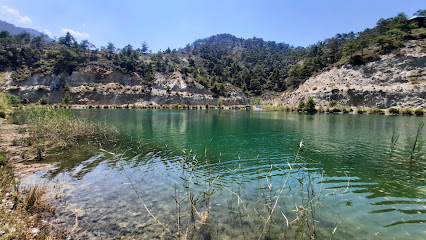
Artemis Lake
5.1 km
Experience the tranquility and beauty of Artemis Lake, a national park in Nicosia, Cyprus, perfect for nature lovers and adventure seekers alike.
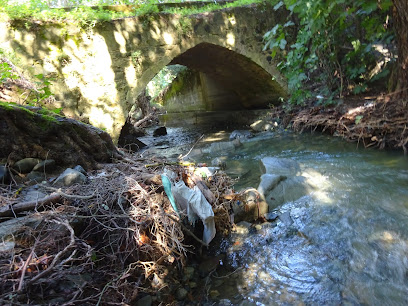
Γεφύρι Ορκόντα
5.8 km
Explore the historic Gephyri Orkontas in Nicosia, Cyprus, a stunning landmark showcasing the island's rich architectural heritage.
Cyprus Ski Club
6.1 km
Experience the thrill of winter sports at Cyprus Ski Club, nestled in the scenic Troodos Mountains, offering skiing, snowboarding, and more.
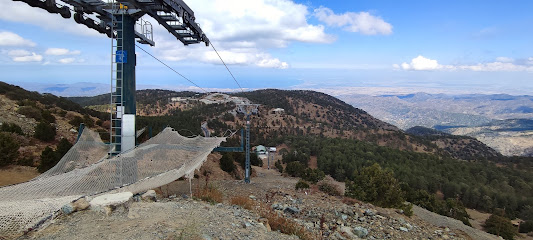
Mosphileri
6.3 km
Discover the breathtaking beauty of Mosphileri, Cyprus's stunning mountain peak, perfect for hiking and nature exploration.

The Old Kakopetria (south entrance)
7.1 km
Discover the timeless charm of Old Kakopetria, a picturesque village in Cyprus with traditional stone houses, winding streets, and a tranquil atmosphere.
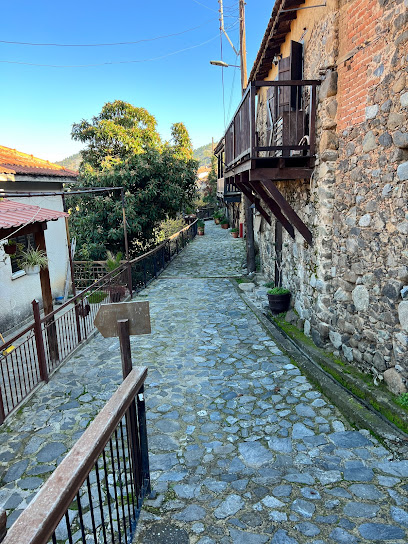
The Old Kakopetria
7.1 km
Experience the charm of The Old Kakopetria, a picturesque Cypriot village that combines stunning natural beauty with rich cultural heritage.
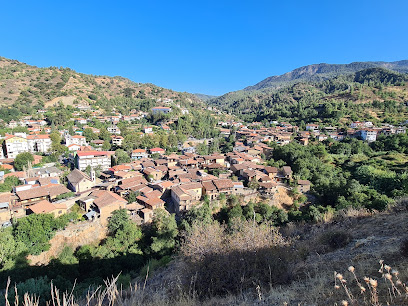
The Couple's Stone
7.2 km
Discover the romance of The Couple's Stone in Kakopetria, a picturesque location perfect for couples seeking love and adventure amidst stunning nature.
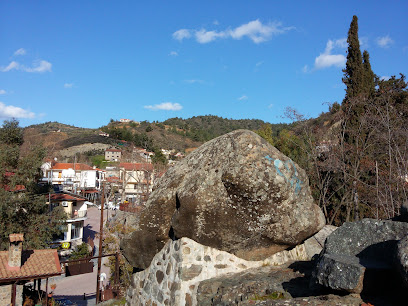
Waterfalls Kakopetria
7.2 km
Escape to the serene beauty of Kakopetria Waterfalls in the Troodos Mountains, a refreshing natural oasis perfect for a peaceful retreat.
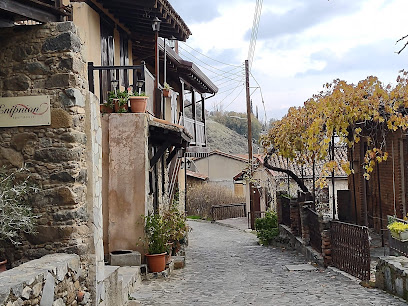
Πάρκο
7.2 km
Discover the serene beauty of Πάρκο in Kakopetria, a perfect retreat for nature lovers and travelers seeking tranquility in Cyprus.
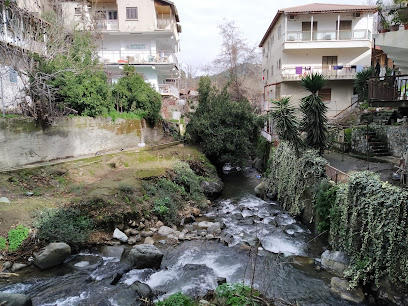
Museum of Kykkos Monastery
7.6 km
Explore the Museum of Kykkos Monastery: A Journey Through Cyprus's Rich Cultural and Religious Heritage in the Heart of the Troodos Mountains.
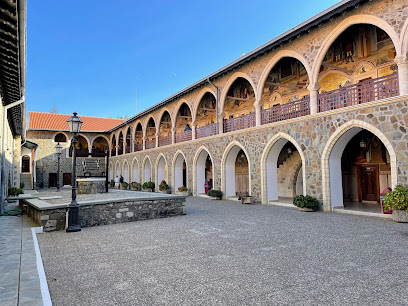
Kykkos Monastery
7.6 km
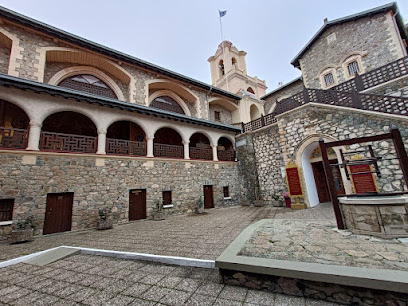
Discover the beauty and spirituality of Kykkos Monastery, a historical gem nestled in the Troodos Mountains of Cyprus.
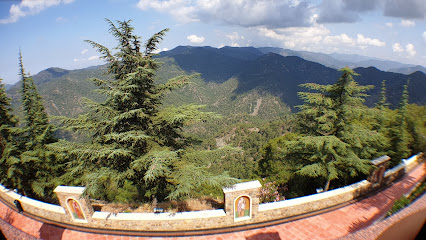
Góry Troodos
7.6 km
Discover the breathtaking beauty and rich cultural heritage of Góry Troodos, Cyprus' majestic mountain range and a haven for outdoor enthusiasts.
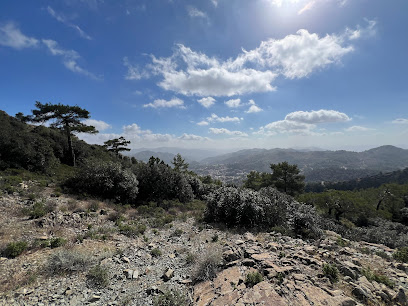
Livadi Path No.3 (Support for Disabled people)
7.8 km
Discover Livadi Path No.3 in Cyprus: An accessible hiking trail offering stunning views for everyone to enjoy.
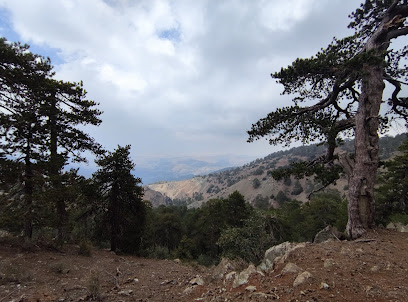
Kampos tou Livadiou (Circular)
7.9 km
Explore the breathtaking landscapes and serene hiking trails of Kampos tou Livadiou, a perfect getaway for nature lovers in Cyprus.
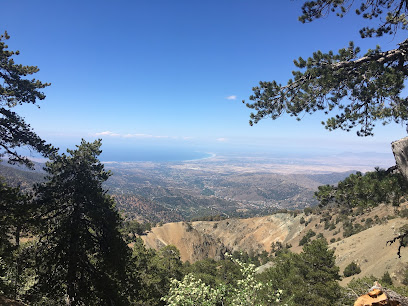
Trooditissa Monastery
7.9 km
Discover the tranquil beauty and spiritual heritage of Trooditissa Monastery, a remarkable pilgrimage site nestled in the mountainous landscapes of Cyprus.
Unmissable attractions to see

Παρατηρητήριο Κρούβελλος
0.3 km
Experience breathtaking panoramic views from Krouvellos Observatory above Moutoullas, Cyprus, offering a tranquil escape into the heart of the Troodos Mountains and Cypriot nature.
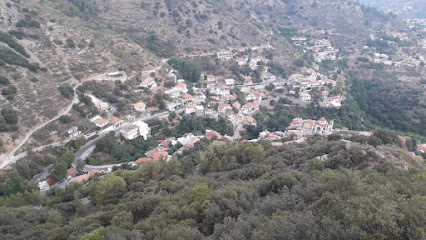
Kalopanayiotis
1.1 km
Explore the serene beauty and rich history of Kalopanayiotis, a hidden gem in Cyprus's Troodos Mountains, perfect for nature lovers and culture seekers.
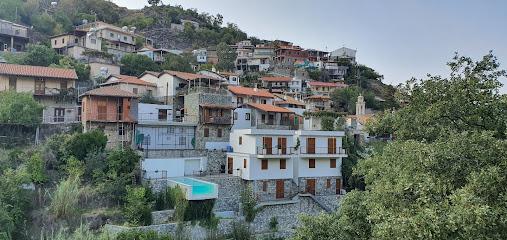
Monopati
1.1 km
Discover Monopati in Kalopanayiotis, Cyprus: A serene escape offering breathtaking views, tranquil trails, and a rich cultural experience in the heart of the Troodos Mountains.
Venetian and Lovers Bridge
1.1 km
Experience the romantic allure of the Venetian and Lovers Bridge in Kalopanayiotis, a historic landmark offering breathtaking views and rich cultural heritage.
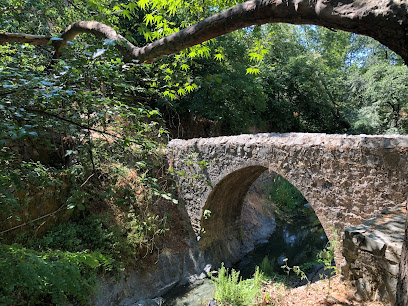
sulphur springs kalopanagiotis
1.1 km
Experience the soothing effects of the Sulphur Springs in Kalopanagiotis, where natural beauty meets rich cultural heritage in Cyprus.
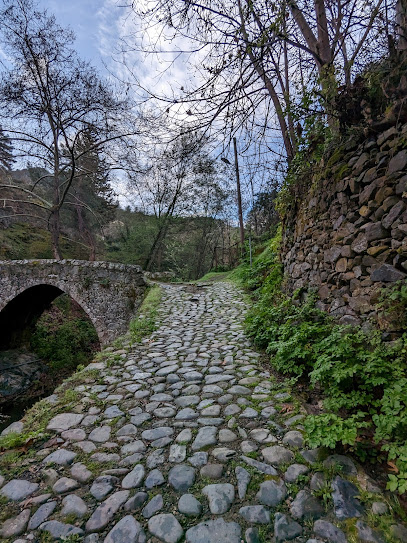
Point St. Irakleidios Baptism
1.2 km
Experience the serene beauty and spiritual significance of Point St. Irakleidios Baptism in Kalopanayiotis, Cyprus, a hidden gem for travelers.
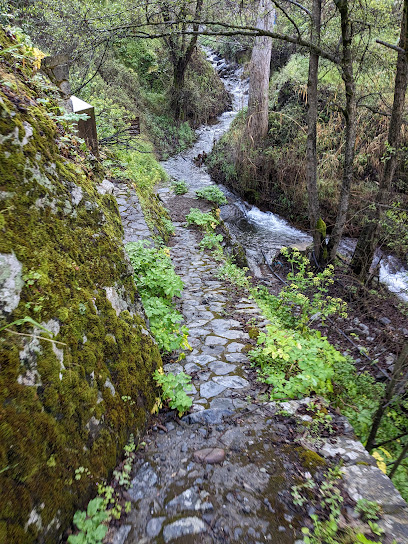
Monastery of Saint John Lampadistes
1.2 km
Discover the Monastery of Saint John Lampadistes in Kalopanayiotis, a serene sanctuary showcasing stunning frescoes and rich history amid Cyprus's breathtaking landscapes.
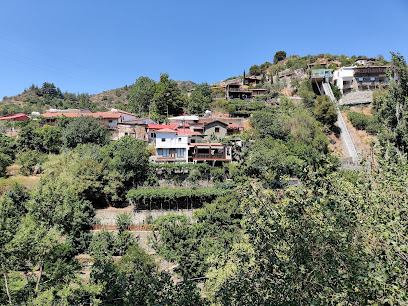
Kalopanayiotis Christmas Village
1.3 km
Experience the magic of Kalopanayiotis Christmas Village, a charming destination in Cyprus filled with festive spirit, local culture, and breathtaking scenery.
Archbishop Makarios III. statue
1.6 km
Pay tribute to Cyprus's first president and a pivotal figure in its independence at this iconic statue in the scenic mountain village of Pedoulas.
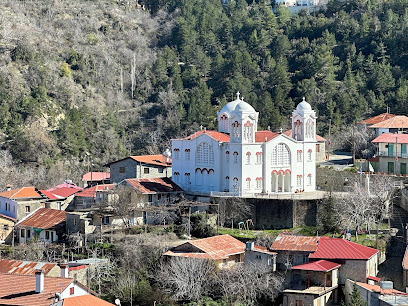
ΒΥΖΑΝΤΙΝΟ ΜΟΥΣΕΙΟ ΠΕΔΟΥΛΑ
1.8 km
Discover a treasure trove of Byzantine art and religious artifacts at the Byzantine Museum of Pedoulas, showcasing Cyprus's rich cultural heritage in the heart of the Troodos Mountains.
Church of the Archangel Michael
1.8 km
Discover the serene beauty and rich history of the Church of the Archangel Michael, a captivating Greek Orthodox treasure in Pedoulas, Cyprus.
Άστραψεν η Ανατολή
2.6 km
Discover the enchanting beauty of Άστραψεν η Ανατολή in Pedoulas, a serene escape into the heart of Cypriot culture and nature, offering hiking, artisan shops, and local traditions.
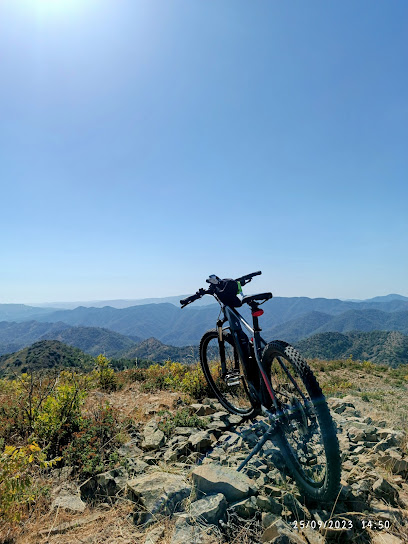
Rafaello view piont
3.1 km
Experience breathtaking panoramic views of Kalopanayiotis and the Troodos Mountains from Rafaello View Point, a serene escape into the heart of Cyprus' natural beauty.
Μονοπάτι της φύσης Αριάδνης - Ariadni Nature Trail
3.1 km
Discover Cyprus's serene beauty on the Ariadni Nature Trail: panoramic views, lush trails, and tranquil escape near Gerakies village.
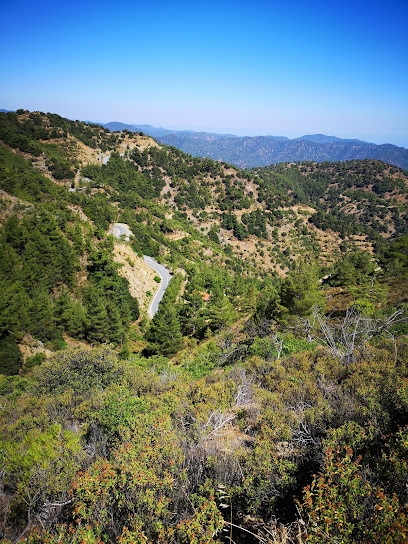
Ο Νιαγάρας της Λεμύθου
3.3 km
Discover the serene beauty of Ο Νιαγάρας της Λεμύθου near Prodromos, Cyprus – a hidden waterfall gem in the Troodos Mountains offering a tranquil escape into nature's embrace.
Essential places to dine

nous
1.3 km
Experience authentic Cypriot cuisine at Nous in Kalopanayiotis – where tradition meets taste amidst stunning landscapes.
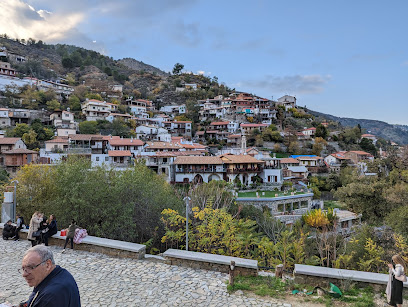
Byzantino Restaurant
1.3 km
Discover traditional Cypriot cuisine at Byzantino Restaurant in Kalopanayiotis, where flavor meets stunning landscapes.
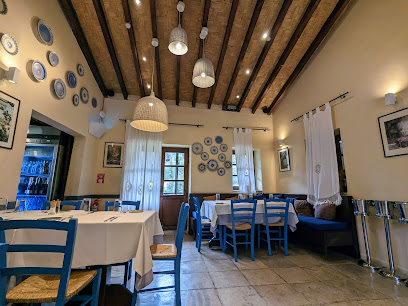
Loutraki Modern Fusion Restaurant
1.3 km
Discover Loutraki Modern Fusion Restaurant: where tradition meets innovation in every delicious bite amidst stunning Cypriot landscapes.
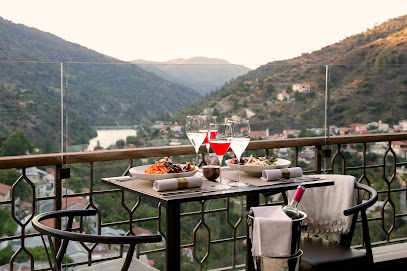
Stavros Restaurant
1.5 km
Experience authentic Cypriot cuisine in Pedoulas at Stavros Restaurant—where every dish tells a story.
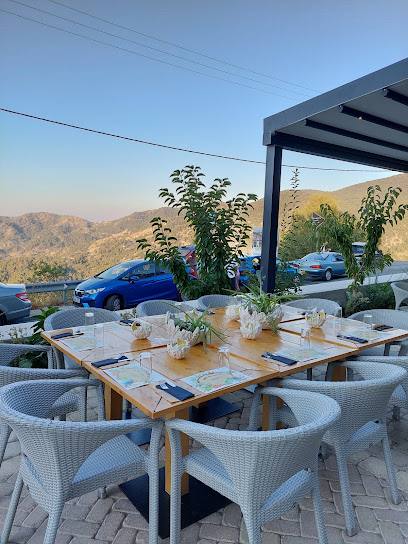
Elyssia Village Restaurant
1.6 km
Experience authentic Cypriot cuisine at Elyssia Village Restaurant in Pedoulas—perfect for families seeking delightful meals amidst stunning views.
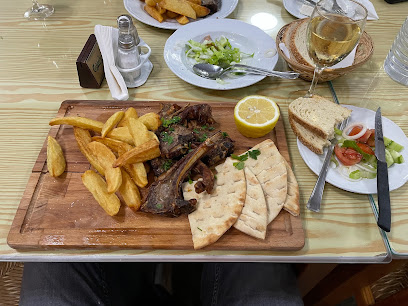
Two Flowers Hotel
1.7 km
Discover comfort and Mediterranean flavors at Two Flowers Hotel in Pedoulas, Cyprus - your perfect getaway!
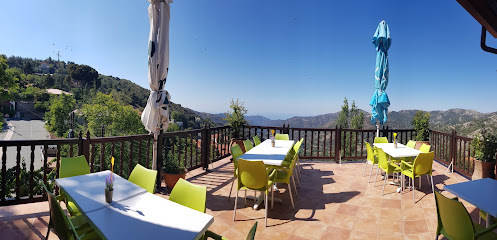
Mountain Rose Restaurant
1.7 km
Discover authentic Cypriot flavors at Mountain Rose Restaurant while enjoying breathtaking views in the heart of Cyprus.
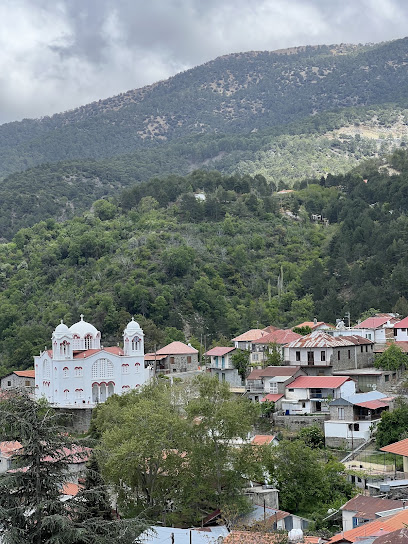
Platanos restaurant
1.8 km
Experience authentic Cypriot cuisine at Platanos Restaurant in Pedoulas - where tradition meets flavor in every dish.
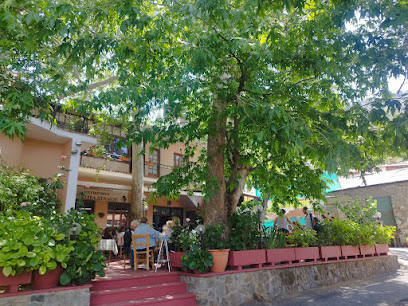
Gerakina
2.8 km
Experience authentic Cypriot cuisine at Gerakina - where tradition meets taste in every dish.
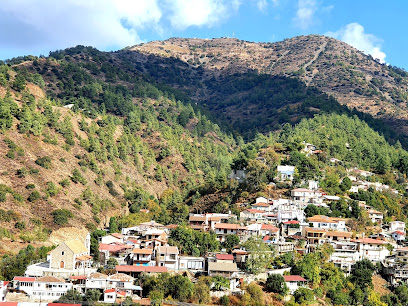
Louis Restaurant
3.6 km
Experience authentic Cypriot flavors at Louis Restaurant in Prodromos - where every dish tells a story.
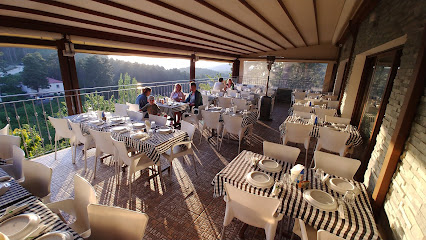
Λαδόκολλα
3.6 km
Discover authentic Cypriot cuisine at Λαδόκολλα in Lemithou, where tradition meets flavor in a charming setting.
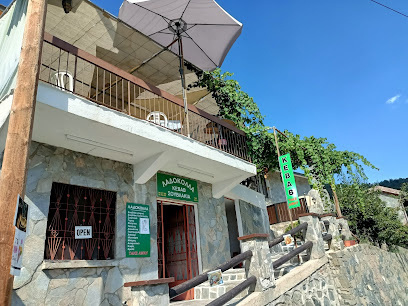
Berengaria Cafe, Bar & Restaurant
3.6 km
Discover authentic Cypriot cuisine at Berengaria Cafe, Bar & Restaurant nestled in scenic Prodromos with stunning mountain views.
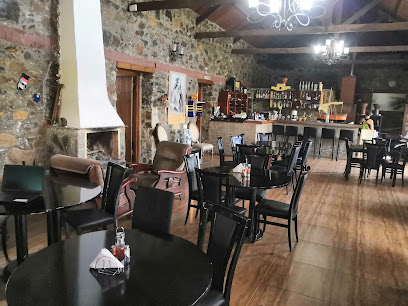
Markos
3.7 km
Experience authentic Cypriot cuisine with breathtaking views at Markos in Kalopanayiotis.
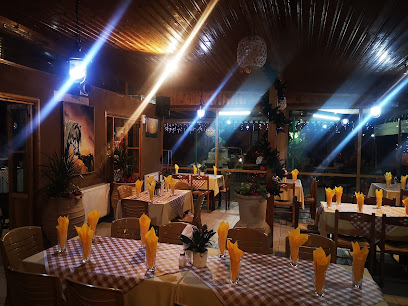
ORKONTAS (MARKITANIS)
5.9 km
Discover authentic Cypriot flavors at ORKONTAS (MARKITANIS) in Kalopanayiotis - a must-visit restaurant for food lovers!
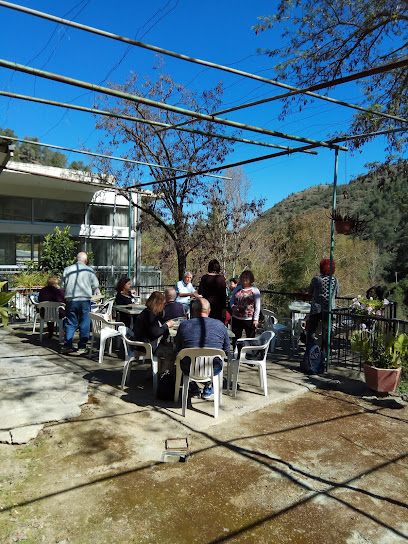
Sun Valley Olympos Cafe & Restaurant
6.9 km
Experience exquisite dining at Sun Valley Olympos Cafe & Restaurant in Cyprus, where stunning views meet delicious local cuisine.
Markets, malls and hidden boutiques

ALLANTIKA PITTAS XENOFONTOS
6.8 km
Discover the authentic taste of Cyprus at Allantika Pittas Xenofontos, a local favorite for high-quality meat products in the charming village of Galata.
Το Μπακάλικο της Γαλάτας
7.1 km
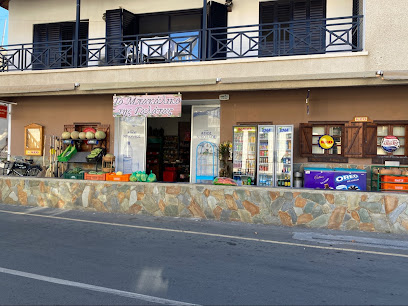
Explore authentic Cypriot flavors at Το Μπακάλικο της Γαλάτας, a charming supermarket in the heart of Galata, perfect for local delicacies and fresh produce.
Klimataria
7.1 km
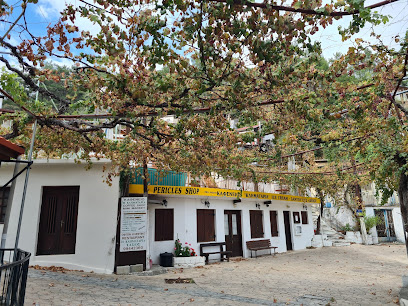
Discover Klimataria in Mylikouri, where the rich flavors of Cypriot coffee and local delicacies create a memorable experience.
Dennis
7.2 km
Explore Dennis in Galata, Cyprus, where stylish footwear meets exceptional service in a charming boutique setting.
Κατάστημα υποδημάτων MarPo Shoes (Πόπη shoes)
7.2 km
Explore stylish and comfortable footwear at MarPo Shoes in Kakopetria, where quality meets local charm.
Colours Crêperie
7.2 km
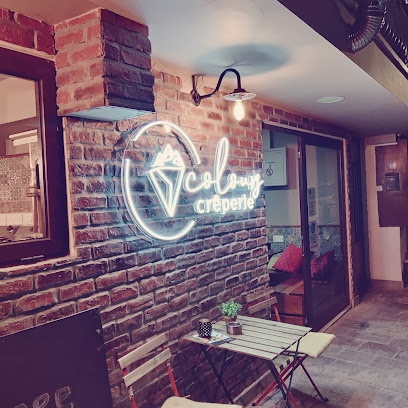
Discover the vibrant flavours of Cyprus at Colours Crêperie, where delicious crêpes and a charming atmosphere await every visitor.
ΥΠΕΡΑΓΟΡΑ ΕΙΡΗΝΗ ΧΑΡΑΛΑΜΠΟΥΣ
7.2 km
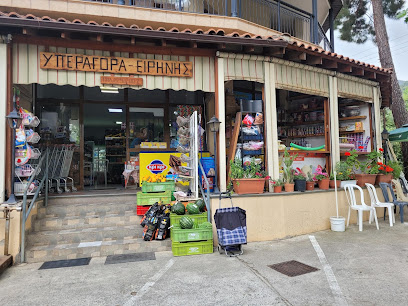
Immerse yourself in the local culture and flavors at ΥΠΕΡΑΓΟΡΑ ΕΙΡΗΝΗ ΧΑΡΑΛΑΜΠΟΥΣ, the heart of Kakopetria's culinary scene.
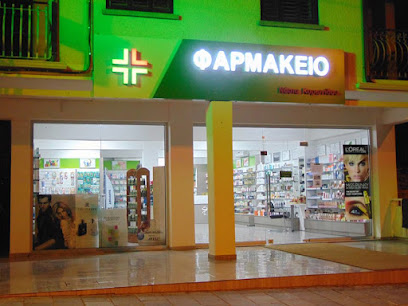
Pharmacy Nasia Koronidou
7.2 km
Discover Pharmacy Nasia Koronidou in Kakopetria - Your essential stop for health and wellness needs while exploring Cyprus.
Polikatastima Ena1 Dali 22070595
7.3 km
Experience the vibrant shopping and dining atmosphere at Polikatastima Ena1 in Pera Chorio, a must-visit destination for every traveler.
Nepintepo Mini Market
7.3 km
Explore authentic Cypriot flavors at Nepintepo Mini Market in charming Kakopetria, where local products and fresh produce await.
PLATINUM cafe - restaurant / suites
7.3 km
Experience the best of Kakopetria at PLATINUM Cafe - a delightful coffee shop and restaurant offering local flavors and cozy suites.
Lalakis
7.3 km
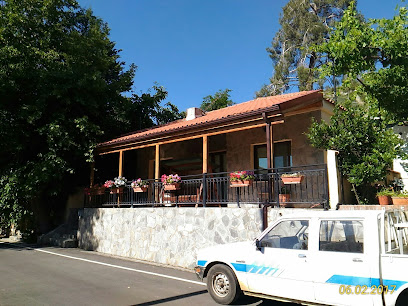
Explore Lalakis in Kakopetria, a charming tobacco shop offering a taste of local culture amidst stunning Cypriot landscapes.
Kykkos Rest Area
7.3 km
Discover tranquility at Kykkos Rest Area, a scenic stop that offers comfort and stunning views in the heart of Cyprus.
Gifts on the Hill
7.3 km
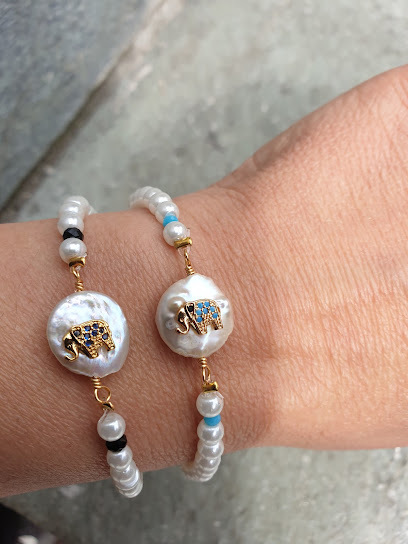
Explore the exquisite handmade jewelry at Gifts on the Hill in Kakopetria, where local artistry meets unique designs for unforgettable gifts.
Kykkos Tourist Pavilion
7.3 km
Experience a tranquil dining escape at Kykkos Tourist Pavilion, surrounded by the beauty of Kykkos Monastery and Cypriot culinary delights.
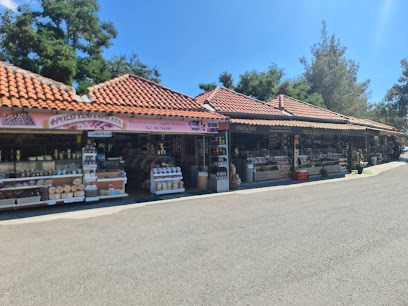
Essential bars & hidden hideouts

KafeOinos
1.1 km
Discover the charm of KafeOinos, your ideal café and wine bar in Kalopanayiotis, Cyprus, where local flavors and stunning views await.
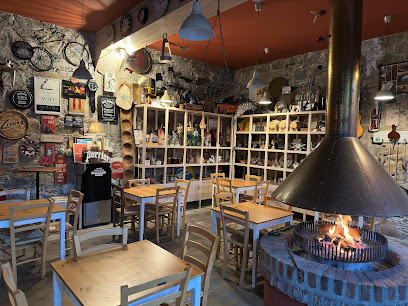
Christys Ben-Nevis Restaurant
8.4 km
Discover the flavors of Cyprus at Christys Ben-Nevis Restaurant, a cozy dining spot in Troodos offering traditional dishes amid stunning mountain views.
1725 Cafe - Bar
8.5 km
Discover the cozy charm of 1725 Cafe - Bar in the stunning Troodos region of Cyprus, where refreshing drinks and breathtaking views await.
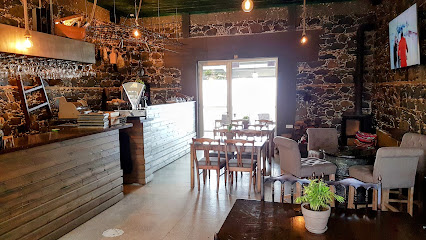
Καλλάτος Cafe-Bar
9.9 km
Discover the heart of Foini at Καλλάτος Cafe-Bar, where local drinks and a warm atmosphere create unforgettable memories.
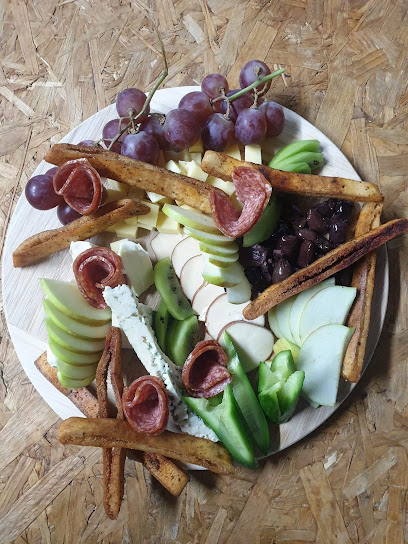
Tegridy Park
10.7 km
Discover the charm of Tegridy Park, a cozy bar in Pano Platres offering local drinks and stunning mountain views in the heart of Cyprus.
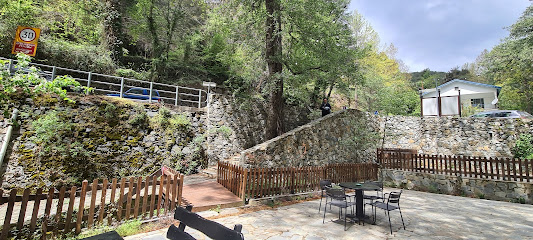
Orosimo Cafe Platres
11.0 km
Discover the charm of Orosimo Cafe in Pano Platres, where local flavors and breathtaking views come together for an unforgettable experience.
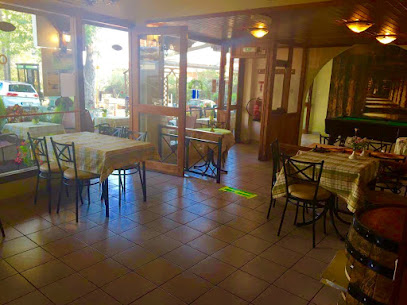
Cleopatra Le Bistro
11.1 km
Discover the culinary delights of Cleopatra Le Bistro in Pano Platres, where local flavors meet stunning mountain views for an unforgettable dining experience.
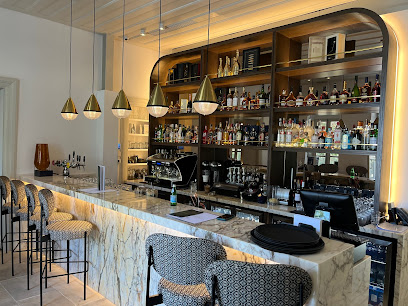
Le marquis Pub
11.1 km
Discover the charm of Le Marquis Pub in Pano Platres, where specialty coffee meets a cozy mountain retreat.
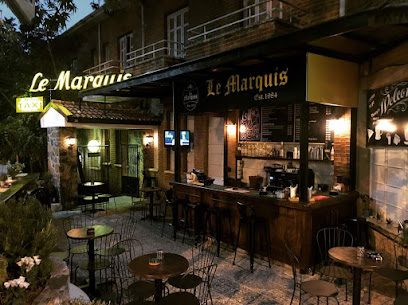
Skylight
11.1 km
Experience the flavors of Cyprus at Skylight in Pano Platres, where culinary excellence meets breathtaking views.
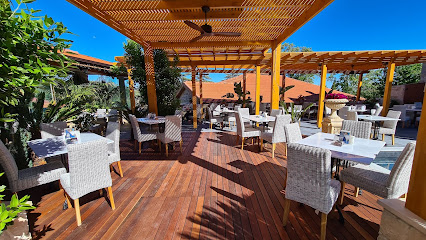
Gabriella's Café
11.5 km
Discover Gabriella's Café in Kato Platres: A perfect fusion of local flavors, stunning views, and a cozy atmosphere for an unforgettable meal.
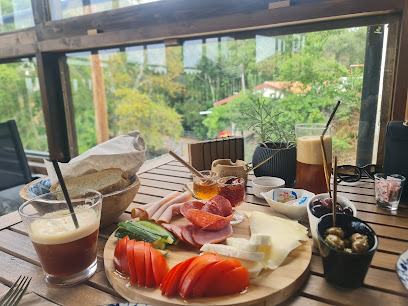
Kiosk
11.6 km
Discover the serene Kiosk bar in Pano Platres, a perfect retreat for relaxation amidst the stunning landscapes of Cyprus.
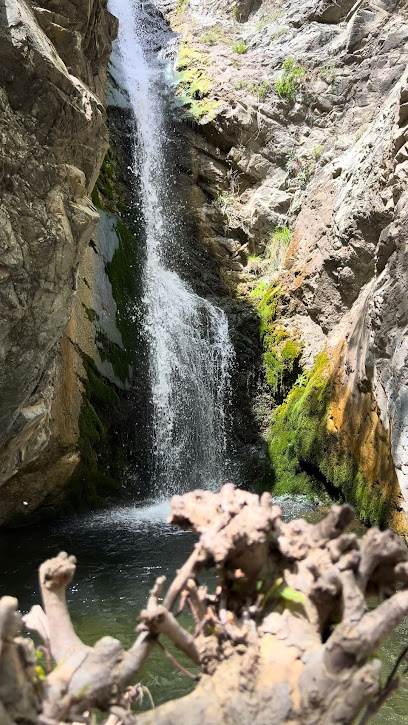
Makris Restaurant
12.9 km
Experience the authentic taste of Cyprus at Makris Restaurant in Moniatis, where tradition meets flavor in every dish.
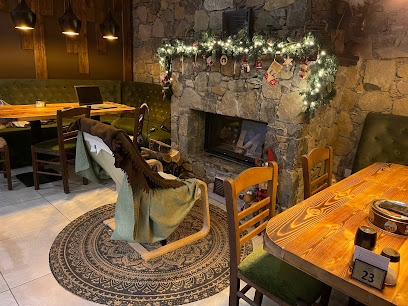
Kyperia Tavern & Bar
14.5 km
Discover the authentic flavors of Cyprus at Kyperia Tavern & Bar, where tradition meets breathtaking views in Kyperounta.
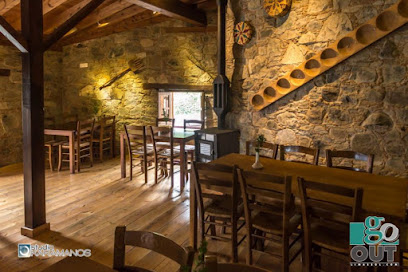
Stou Kir Yianni Guest house / Restaurant/Wine cellar
15.0 km
Discover the authentic flavors of Cyprus at Stou Kir Yianni, a charming guest house and restaurant nestled in the picturesque village of Omodos.
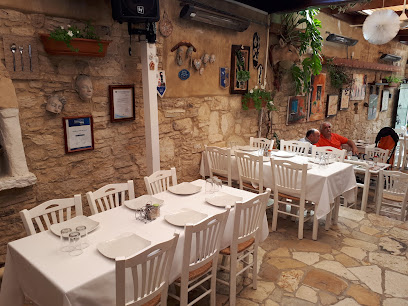
Symposio tavern
16.3 km
Experience authentic Cypriot cuisine at Symposio Tavern, a beloved traditional restaurant in Limassol, Cyprus, where every meal is a celebration of flavor.