Fossils stones: A Geological Journey Through Time
Explore ancient geological history at Fossils stones in Ayia Napa, Cyprus. Discover unique stone formations and tranquil beauty in this natural retreat.
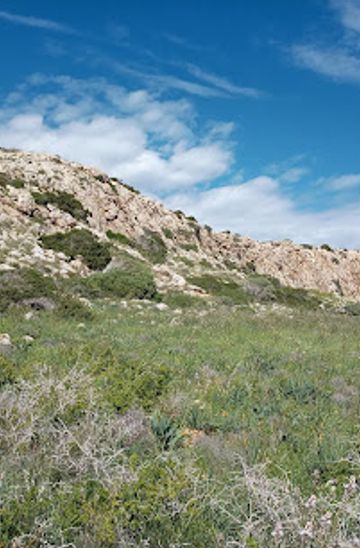
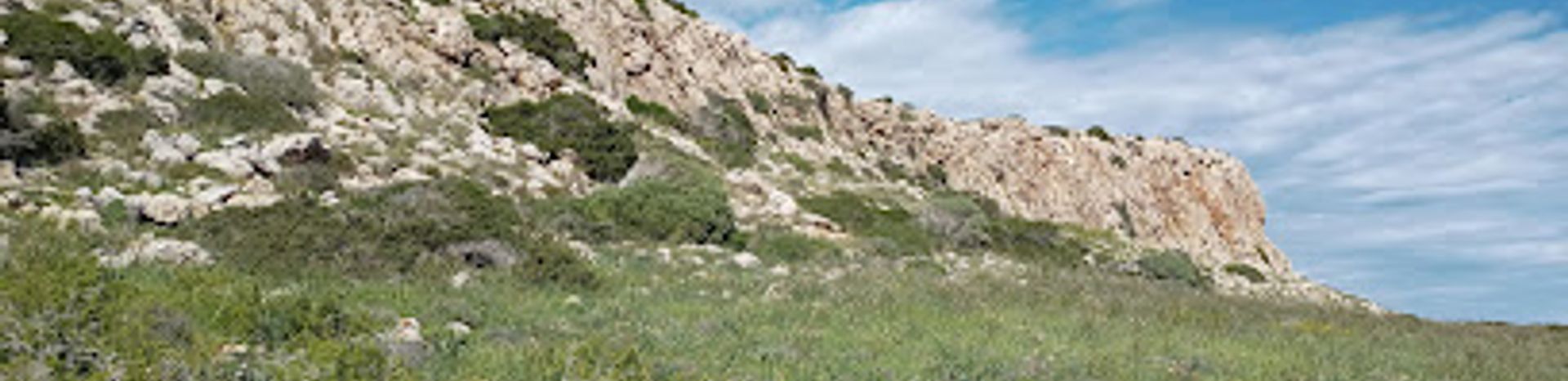
Venture into Fossils stones, a captivating park in Ayia Napa, Cyprus, where you can explore the island's ancient geological history. This tranquil retreat showcases unique stone formations dating back millions of years, offering a glimpse into Earth's distant past. Wander through well-maintained paths, marvel at the intricate details of fossilized stones, and learn about the geological processes that shaped them. The park provides a picturesque setting for photography enthusiasts, with stunning interplay of light and shadow on the stones against a backdrop of lush flora and azure skies. Fossils stones is a perfect destination for families, couples, and solo travelers seeking a blend of nature, history, and serenity. Discover a unique blend of natural beauty and geological significance in this hidden gem of Ayia Napa, a testament to the Earth's ancient past.
A brief summary to Fossils stones
- X379+3J, Ayia Napa, CY

Know before you go
Hi, I'm Eve. Here are a few practical things to know before exploring Fossils stones.
- Visit early in the morning or late afternoon to avoid the midday heat and enjoy cooler temperatures.
- Wear comfortable shoes suitable for walking on uneven paths.
- Bring water and snacks, as there are limited facilities within the park.
Do you manage this location?
Take control to get all the benefits, like improved information, better appearance, and stronger visibility across AI-powered discovery. Learn more
Activate your presenceGetting There
-
Public Transport
From Ayia Napa city center, take bus number 501 towards Cape Greco. The bus runs approximately every 30-45 minutes. Get off at the stop closest to Fossils stones, near Cape Greco. From the bus stop, it's a short walk to the park entrance, following signs for Fossils stones. A single bus fare is €2.
-
Taxi/Ride-Share
Taxis are readily available in Ayia Napa. A taxi ride from the city center to Fossils stones will take approximately 15-20 minutes, depending on traffic. The estimated fare is between €15-€20. Ensure the driver uses the meter or negotiate the fare beforehand.
-
Walking
If you are near Cape Greco, consider walking to Fossils stones. From Konnos Beach, it's approximately a 30-40 minute walk. Follow the coastal path towards Cape Greco, and you'll find signs leading to the park. Be sure to wear comfortable shoes and bring water, as the path can be uneven in places.
Discover more about Fossils stones
Explore the best of what Fossils stones has to offer













More about Makronissos Peninsula
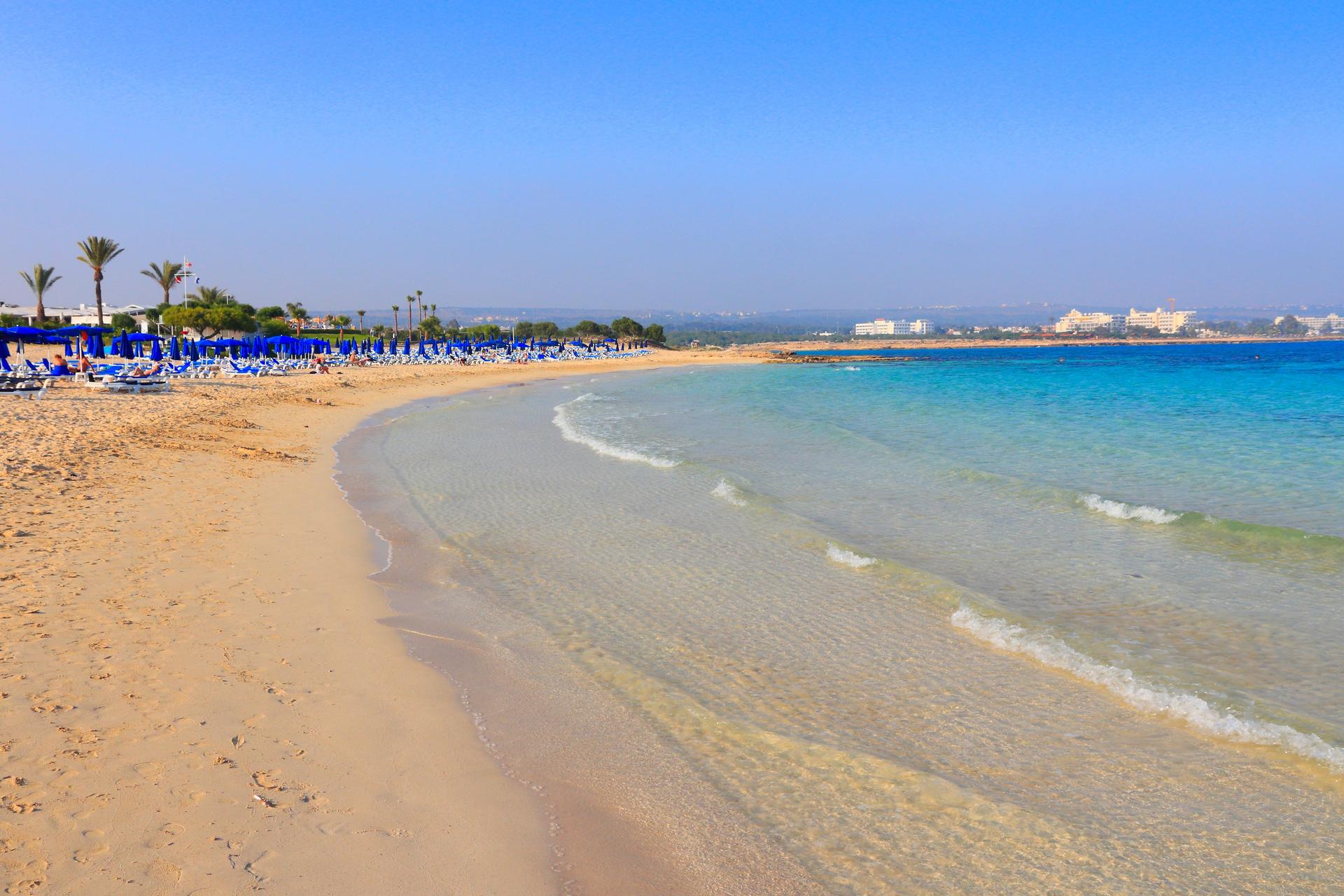
Discover the serene beauty and historical allure of the Makronissos Peninsula in Cyprus, where golden beaches meet ancient tombs and stunning Mediterranean views.
Tell me more about Makronissos Peninsula