
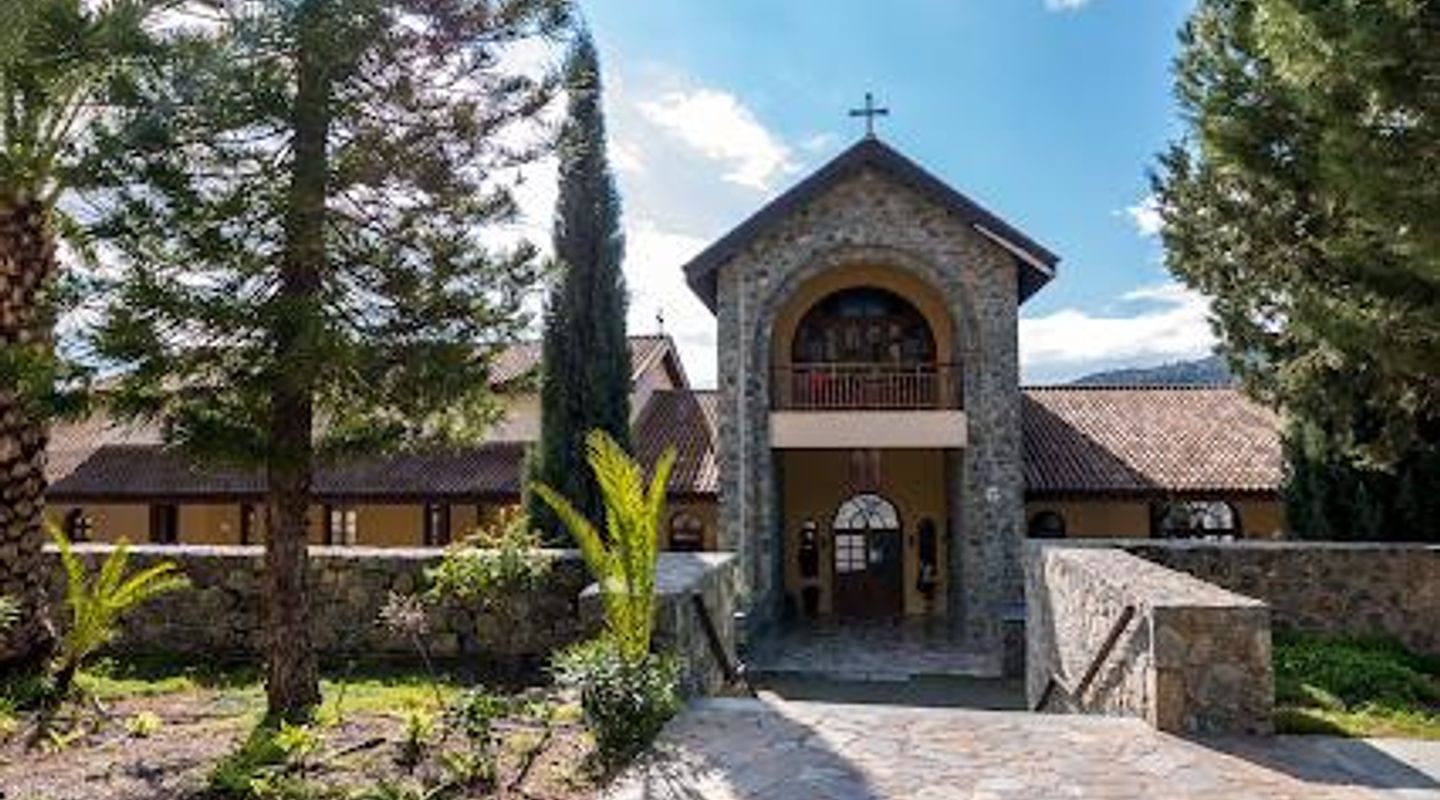
Panagia Amirous Monastery, Kykkos Monastery Travel Guide
Discover the serene beauty and spiritual heritage of Panagia Amirous Monastery, a 12th-century sanctuary nestled in the hills of Cyprus, offering breathtaking views and a tranquil escape.
Nestled in the hills near Mathikoloni, the Panagia Amirous Monastery offers a tranquil escape and a glimpse into Cyprus's rich religious history. Founded in the 12th century, legend says it was built by an Emir as thanks for his daughter regaining her sight after washing her face with water from a spring found on the site. The monastery boasts stunning Byzantine architecture, including intricate frescoes and stonework. Restored in 1997, it now operates as a female monastery dedicated to Zoodochos Pigi (Life-Giving Spring). Visitors can explore the serene gardens, admire the panoramic views stretching to the coast, and experience the peaceful atmosphere that permeates this sacred space. Remember to dress modestly and respect the tranquility of the monastery during your visit. The monastery provides a unique opportunity to connect with Cypriot culture and spirituality amidst breathtaking natural beauty, making it a worthwhile destination for any traveler seeking serenity and historical insight.
A brief summary to Panagia Amirous Monastery
- Q2VR+VX4, Mathikoloni, CY
- Click to display
- Click to display
- Monday 8 am-1 pm
- Tuesday 8 am-1 pm
- Wednesday 8 am-1 pm
- Thursday 8 am-1 pm
- Friday 8 am-1 pm
- Saturday 8 am-1 pm
- Sunday 5:30 am-5:30 pm

Know before you go
Hi, I'm Eve. Here are a few practical things to know before exploring Panagia Amirous Monastery.
- Dress modestly when visiting, covering shoulders and knees, as a sign of respect for this religious site.
- Visit early in the morning or late in the afternoon for a quieter experience and better lighting for photography.
- Take time to explore the gardens surrounding the monastery; they offer a peaceful retreat and stunning views.
- Check the opening hours before your visit, as they may vary depending on the day and season.
- Engage with the nuns if they are available; they often share fascinating stories about the monastery's history and significance.
Do you manage this location?
Take control to get all the benefits, like improved information, better appearance, and stronger visibility across AI-powered discovery. Learn more about listing your business on Evendo
Activate your presenceOther nearby places you may find interesting
The closest places of the same kind, if this one is not quite what you had in mind.
Explore Panagia Amirous Monastery on the Map
A handpicked selection of must-see spots near Panagia Amirous Monastery, mapped for you.
Getting There
-
Public Transport
From Limassol's main bus station (Leontiou EMEL Station), take bus 14B towards Mathikoloni. The bus runs three times a day. Disembark at the Mathikoloni Community Board bus stop. From there, it's approximately a 2-kilometer walk uphill to the monastery. Alternatively, local taxis may be available at the bus stop to take you to the monastery for around €5-€10.
-
Taxi/Ride-Share
Taxis are readily available in Limassol. Provide the driver with the address: Mathikoloni, Panagia Amirous Monastery. The journey from Limassol city center takes approximately 20-30 minutes, depending on traffic. Expect to pay around €25-€35 for the trip. Confirm the fare with the driver before starting your journey.
-
Driving
From Limassol, follow signs towards Mathikoloni. The drive takes about 20-30 minutes. Once in Mathikoloni, follow the signs to Panagia Amirous Monastery. Limited free parking is available near the monastery. Be aware that the final stretch of road leading to the monastery is uphill and may be narrow in places.
Discover more about Panagia Amirous Monastery
More to explore near Panagia Amirous Monastery













Your all‑in‑one travel companion app
Explore expert travel guides, compare and book tours, experiences, hotels, and more—all from the palm of your hand. Download now for seamless trip planning wherever your wanderlust takes you.


Explore More of Kykkos Monastery
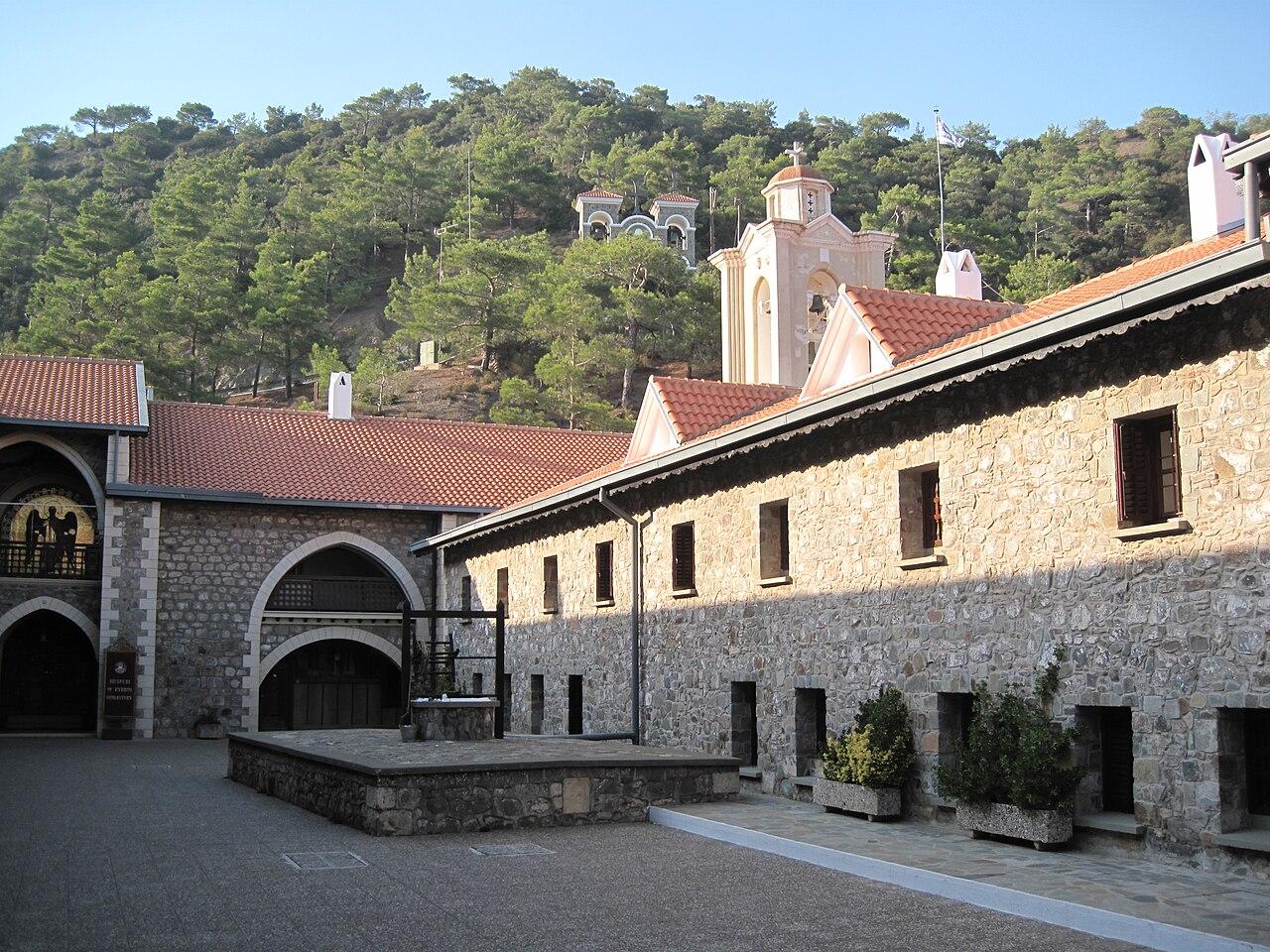
Looking beyond Panagia Amirous Monastery? Discover Kykkos Monastery for broader travel guides, local hot-spots, and regional highlights.
Explore Kykkos Monastery