Larnaka District Archaeological Museum: Unearthing Ancient Kition
Discover Cyprus's ancient past at the Archaeological Museum of Larnaka District, showcasing artifacts from Neolithic times to the Roman era, including unique finds from ancient Kition.
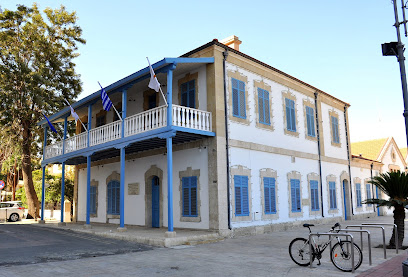
The Archaeological Museum of Larnaka District invites visitors on a captivating journey through Cyprus's ancient past, focusing on the historical development of Kition and the broader Larnaka region. Inaugurated in 1969 and recently renovated in 2022, the museum showcases a rich collection of artifacts spanning from the Neolithic period to the Roman era. Explore exhibits featuring pottery, sculptures, tools, and jewelry, offering insights into the daily lives and artistic achievements of the island's early inhabitants. Don't miss the unique items of Egyptian, Mycenaean, Phoenician, Assyrian, and Persian origin, highlighting Cyprus's international connections in antiquity. With free admission and full accessibility, the museum provides an enriching experience for history enthusiasts and curious travelers alike. The museum is located near the city center, making it easily accessible for tourists.
A brief summary to Archaeological Museum of Larnaka District
- WJ9M+M95 Πλατεία, Kalograion, Larnaca, CY
- +35724304169
- Visit website
- Tuesday 9 am-4:30 pm
- Wednesday 9 am-4:30 pm
- Thursday 9 am-4:30 pm
- Friday 9 am-4:30 pm
- Saturday 9 am-4:30 pm
- Sunday 9 am-4:30 pm
Local tips
- Visit during the cooler morning hours to avoid the midday heat, especially during the summer months.
- Combine your museum visit with a stroll through the nearby city center and the Finikoudes promenade.
- Check the museum's website for temporary exhibitions or special events that may coincide with your visit.
- Allow at least 1.5 to 2 hours to fully explore the museum's extensive collection.
- Take advantage of the free admission to revisit the museum and focus on specific exhibits of interest.

Getting There
-
Walking
From Finikoudes promenade, walk inland, away from the sea, along Grigori Afxentiou street. After approximately 500 meters, turn left onto Plateia Kalograion. The museum will be on your right, a short distance away. The walk is generally flat and takes about 10-15 minutes from the main promenade area.
-
Public Transport
Several local buses stop near the museum. From the main bus station near Finikoudes, take any bus that stops at 'Kalograion Square' or 'Grigori Afxentiou'. Bus fares are typically €1.50 for a single journey during the day and €2.50 at night. Check local bus schedules for the most up-to-date information.
-
Taxi/Ride-Share
A taxi or ride-share from anywhere in central Larnaca will typically cost between €5-€10. Ask the driver to take you to the Archaeological Museum on Plateia Kalograion. The journey should take no more than 5-10 minutes from most central locations.
-
Driving
If driving, navigate towards Plateia Kalograion. Limited street parking is available near the museum, and municipal parking lots are located within a few blocks. Parking fees in municipal lots are approximately €1 for 2 hours, €1.35 for 3 hours, or €2 for 5 hours. Some lots offer free parking for the first hour. Be aware that parking can be challenging during peak tourist season.
Discover more about Archaeological Museum of Larnaka District
Iconic landmarks you can’t miss

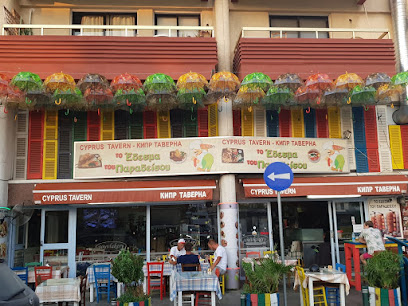
Edesma Cyprus Taverna - Souvlaki Place
0.3 km
Experience authentic Cypriot cuisine at Edesma Cyprus Taverna in Larnaca, offering delicious souvlaki, warm hospitality, and a taste of local culture.
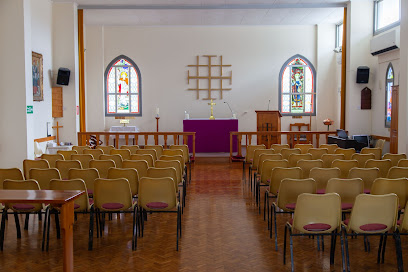
Saint Helena's Anglican Church
0.4 km
Experience the serene beauty and rich heritage of Saint Helena's Anglican Church in Larnaca, Cyprus, a peaceful retreat for travelers seeking tranquility.
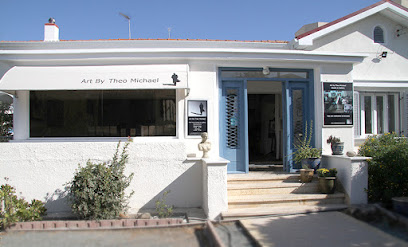
Art by Theo Michael
0.4 km
Discover the vibrant art scene at Art by Theo Michael in Larnaca, Cyprus, where creativity meets local culture in stunning contemporary artworks.
Deputy Ministry of Tourism
0.4 km
Discover Cyprus's vibrant culture and hidden gems at the Deputy Ministry of Tourism, your essential guide in Larnaca.
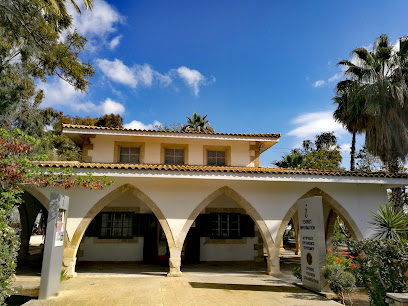
BEST FOR
0.4 km
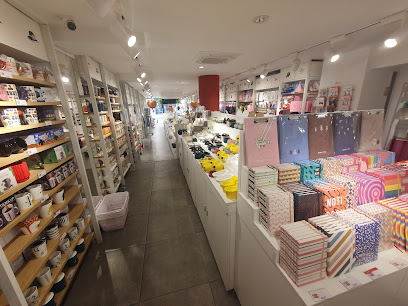
Discover unique Cypriot crafts and souvenirs at 4K Gift Shop in Larnaca. A treasure trove of local artistry awaits!
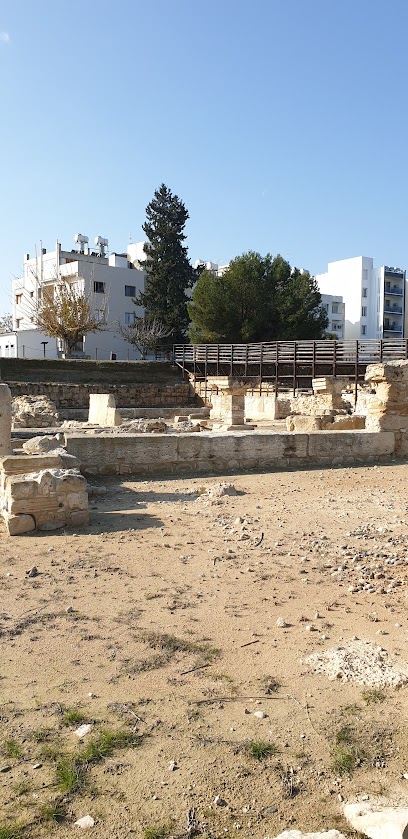
Ancient Kition Entrance
0.5 km
Discover the ancient wonders of Kition in Larnaca, a must-visit archaeological site showcasing Cyprus's intriguing history and stunning coastal views.
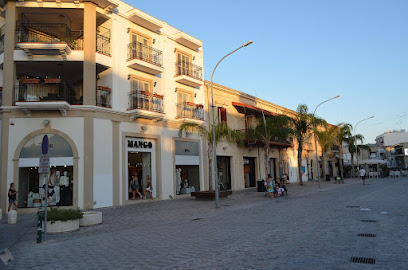
Ermou Square
0.5 km
Experience the vibrant heart of Larnaca at Ermou Square: shopping, culture, and local charm await in this lively Cypriot hub.
Armenian Genocide memorial
0.5 km
A solemn memorial in Larnaca honoring the victims of the Armenian Genocide and Cyprus's role as a sanctuary for refugees.
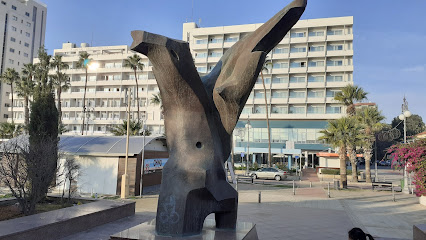
Ithaki Garden Restaurant
0.6 km
Experience authentic Cypriot cuisine in a lush garden setting at Ithaki Garden Restaurant, a hidden gem in the heart of Larnaca.
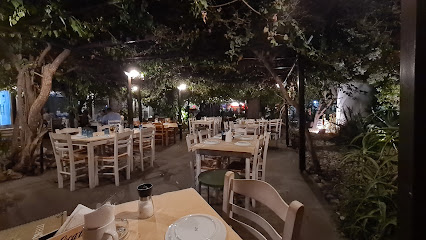
Larnaca Marina
0.6 km
Explore Larnaca Marina, a stunning waterfront destination in Cyprus known for its vibrant atmosphere, luxury yachts, and beautiful dining options.
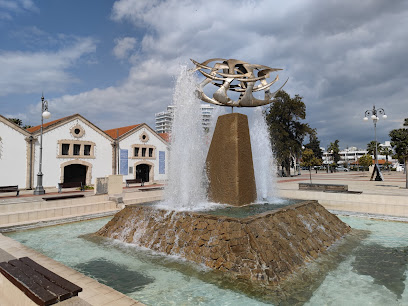
Tree of Life Centre Larnaca
0.6 km
Discover Cyprus' rich cultural heritage at the Tree of Life Centre in Larnaca, a vibrant hub for art, tradition, and community engagement.
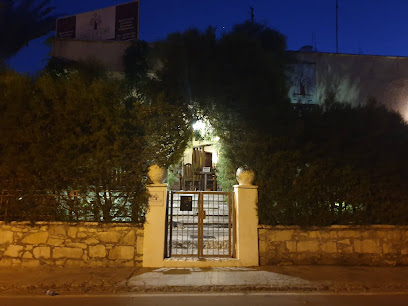
To Arxontikon
0.7 km
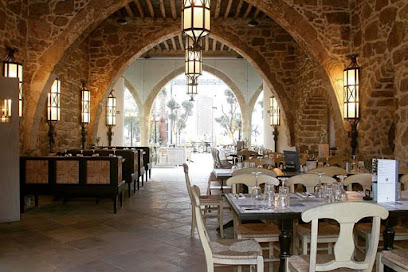
Experience authentic Greek and Mediterranean cuisine at To Arxontikon in Larnaca, where tradition meets flavor in a warm, welcoming atmosphere.
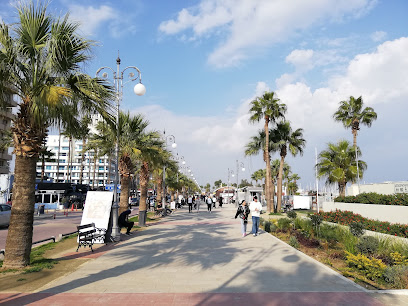
Finikoudes
0.7 km
Discover Finikoudes Beach in Larnaca, Cyprus: a vibrant coastal destination with golden sands, water sports, and rich cultural experiences.
Chabad Lubavitch of Cyprus
0.7 km
Discover the vibrant community spirit at Chabad Lubavitch of Cyprus, where culture, hospitality, and friendship come together in Larnaca.
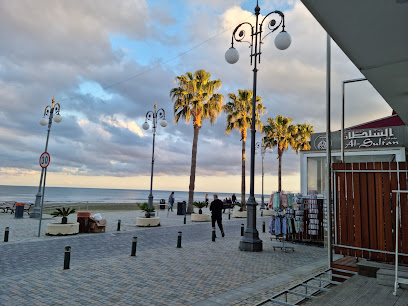
Love buses sightseeing tour stop
0.8 km
Experience Larnaca's rich culture and stunning coastal views with Love Buses sightseeing tours, perfect for every traveler.
Unmissable attractions to see

Πλατεία Μιχαλάκη Παρίδη
0.0 km
Discover a tranquil urban oasis in Larnaca at Πλατεία Μιχαλάκη Παρίδη, a peaceful square offering respite and a glimpse into local Cypriot life near key attractions.
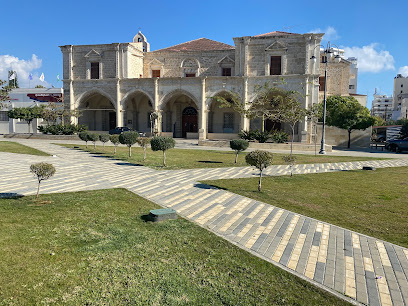
Pierides Museum - Bank of Cyprus Cultural Foundation
0.4 km
Discover the rich archaeological heritage of Cyprus at the Pierides Museum in Larnaca, showcasing ancient artifacts and captivating exhibitions.
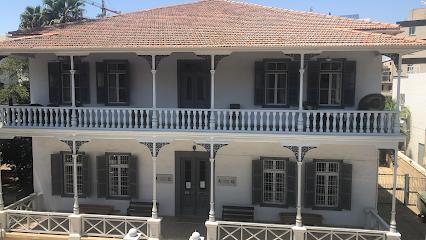
Larnaca Municipal Art Gallery
0.4 km
Discover the artistic heart of Larnaca at the Municipal Art Gallery, showcasing Cypriot and international talent in a beautifully restored colonial building on Europe Square.
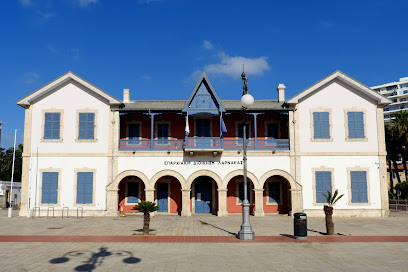
Europe Square
0.5 km
Discover Larnaca's heart at Europe Square: a blend of colonial history, vibrant culture, and Mediterranean charm, steps from Finikoudes Beach and the city's best attractions.
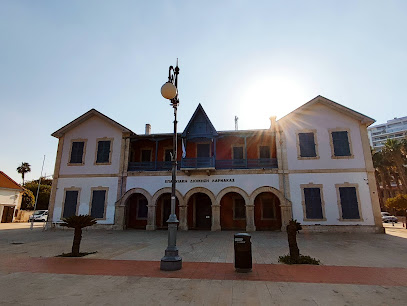
Larnaka Historic Archives Museum
0.5 km
Discover Larnaka's captivating history at the Historic Archives Museum, showcasing artifacts, photographs, and documents in a beautifully restored colonial building in Vasileos Pavlou Square.
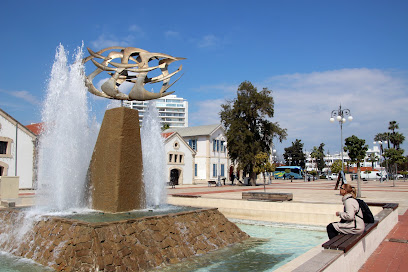
Finikoudes Fountain
0.5 km
Discover the captivating beauty of Finikoudes Fountain in Larnaca, Cyprus – a vibrant meeting point with artistic charm and delightful ambiance, embodying the spirit of the Mediterranean.
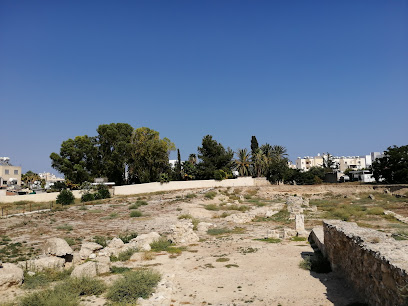
Archaeological Site of Kition
0.5 km
Explore the Archaeological Site of Kition in Larnaca, Cyprus, where ancient history meets breathtaking beauty in a captivating tourist attraction.
Larnaca
0.6 km
Discover Ayia Napa: Cyprus's vibrant coastal resort with stunning beaches, rich history, thrilling nightlife, and a diverse range of activities for an unforgettable Mediterranean escape.
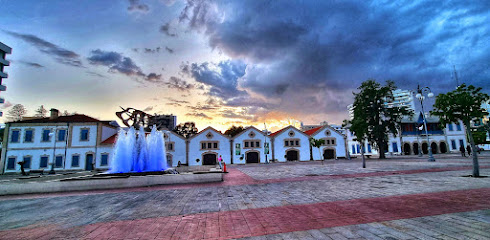
Μνημείο Ζήνων ο Κιτιεύς
0.6 km
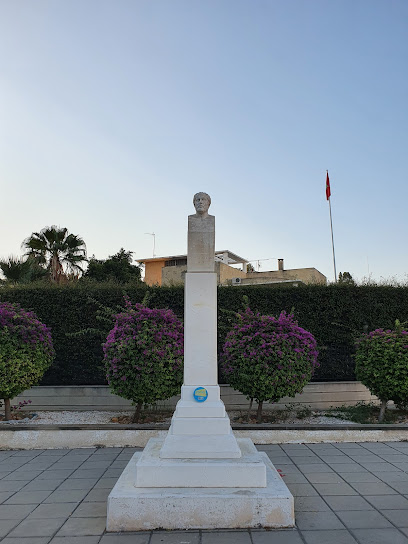
Discover the legacy of Zeno of Citium, founder of Stoicism, at this monument in his birthplace, Larnaca, and explore the philosophical heritage of Cyprus.
KOURSAROS SAILING YACHT
0.6 km
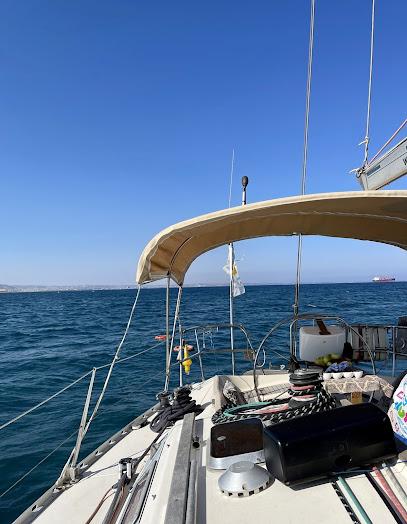
Experience Larnaca's beauty with a private sailing yacht cruise. Swim, snorkel, and relax on the Mediterranean Sea with Koursaros Yachting.
Hobos Amusement spot
0.6 km
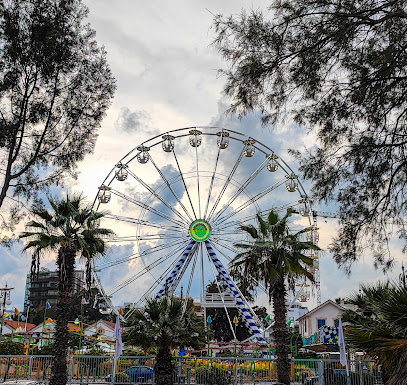
Experience a day of thrill and joy at Hobos Amusement Spot, Larnaca's premier amusement park, perfect for families and adventure seekers.
Panormitis Sailing Yacht
0.7 km
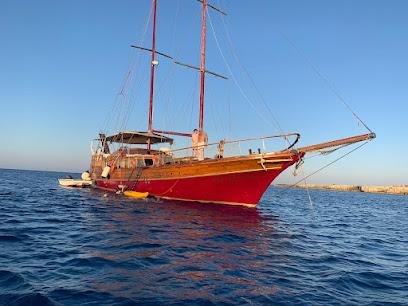
Discover the allure of Larnaca Marina: a historic Mediterranean harbor blending yachting adventures, waterfront dining, and easy access to Cyprus's cultural heart.
Άγαλμα Στρατηγού Κίμων
0.7 km
Commemorating an Athenian general on Larnaca's vibrant Foinikoudes promenade, this statue offers a glimpse into Cyprus's ancient past and its ties to Greece.
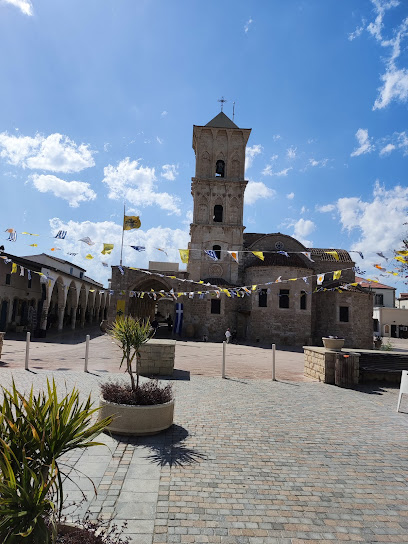
Kimonos Square
0.7 km
Experience the vibrant heart of Larnaca at Kimonos Square, a picturesque hub where local culture, charming architecture, and Mediterranean ambiance converge to create unforgettable moments.
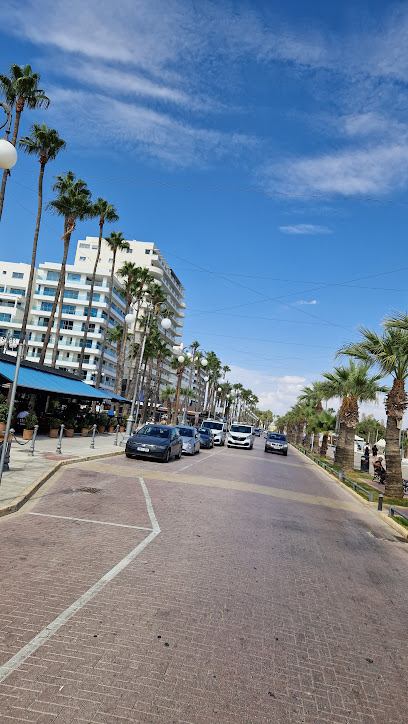
Municipal Museum of Natural History
0.7 km
Discover Cyprus's natural wonders at the Municipal Museum of Natural History in Larnaca, showcasing diverse flora, fauna, and geological formations within the serene Municipal Gardens.
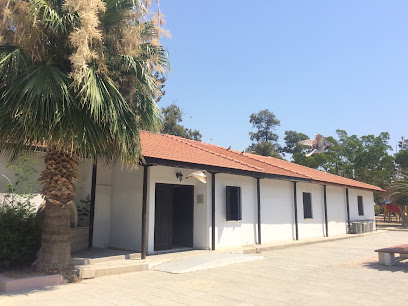
Essential places to dine

Marzano
0.3 km
Experience authentic Mediterranean flavors at Marzano in Larnaca - where every dish is crafted with passion and fresh ingredients.
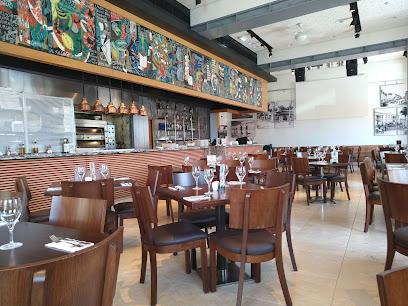
Falafel Abu Dany
0.3 km
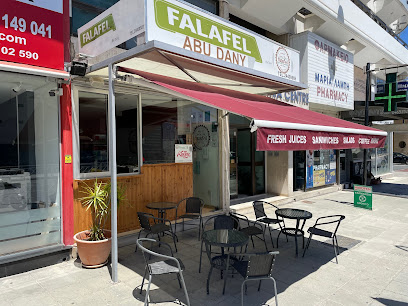
Savor authentic vegetarian delights at Falafel Abu Dany in Larnaca – where flavor meets freshness!
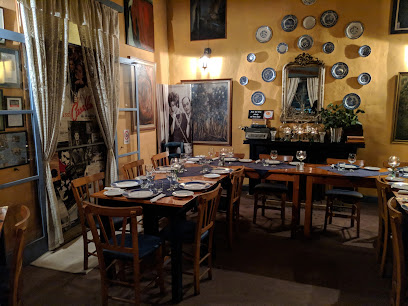
Art Cafe 1900
0.4 km
Discover Art Cafe 1900 in Larnaca: A culinary haven blending tradition with contemporary flair amidst vibrant artistic surroundings.
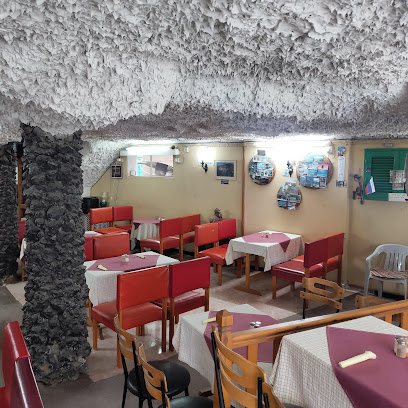
Spileon Restaurant
0.4 km
Discover authentic Cypriot flavors at Spileon Restaurant in Larnaca - where every dish tells a story.
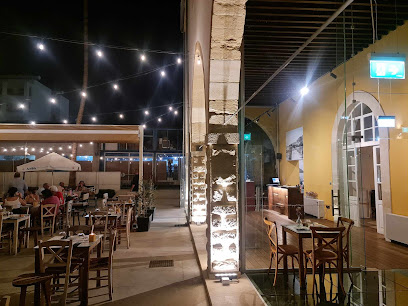
To Aithrion
0.4 km
Experience authentic Cypriot barbecue at To Aithrion in Larnaca - where tradition meets flavor in every bite.
Elia Backyard Restaurant
0.5 km
Discover the flavors of Cyprus at Elia Backyard Restaurant in Larnaca – where every dish tells a story.
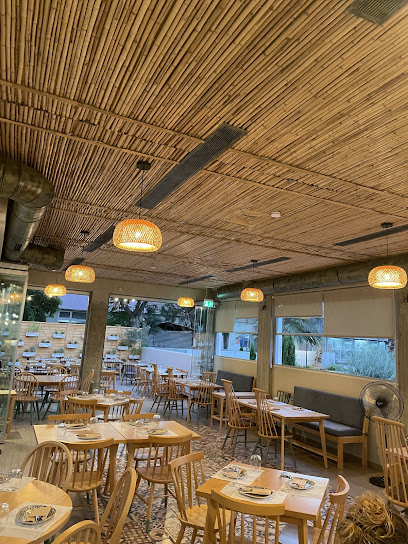
SAWA RESTAURANT
0.5 km
Experience authentic Lebanese cuisine at Sawa Restaurant in Larnaca—where every dish tells a story of tradition and flavor.
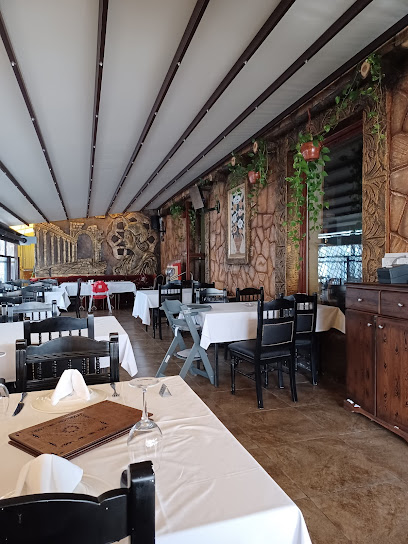
Agistri Seafood Restaurant
0.5 km
Experience fresh seafood delights at Agistri Seafood Restaurant in Larnaca's beautiful marina, where every meal is accompanied by stunning sea views.
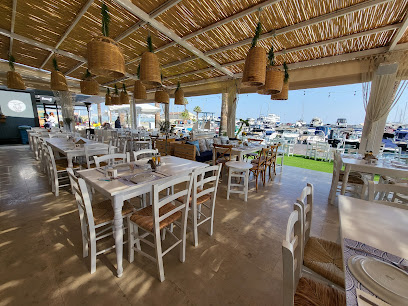
Italia Spaghetteria
0.5 km
Discover authentic Italian flavors at Italia Spaghetteria in Larnaca – where every dish is a celebration of Italy's culinary heritage.
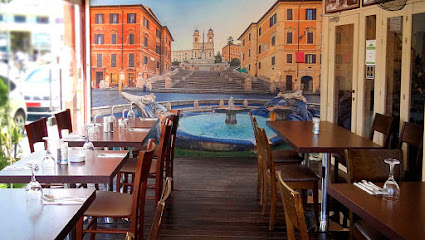
Yummy India Restaurant Larnaca
0.6 km
Discover the rich flavors of India at Yummy India Restaurant in Larnaca – where authentic dishes meet warm hospitality.
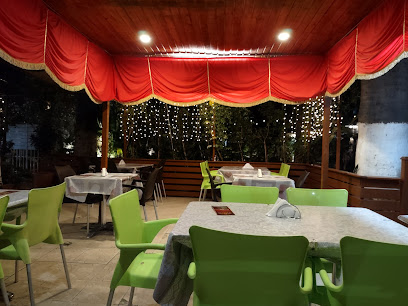
Valtou Rigani - Souvlakopolio (Larnaca)
0.6 km
Experience authentic Greek cuisine at Valtou Rigani - Souvlakopolio; indulge in delicious souvlaki and traditional Mediterranean dishes.
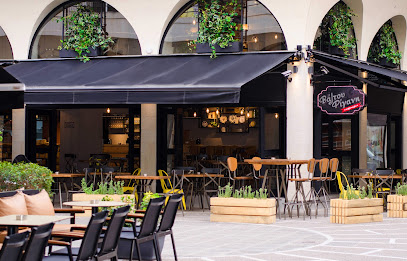
Ocean Basket Larnaca
0.6 km
Experience fresh seafood delights at Ocean Basket Larnaca, where coastal flavors meet stunning Mediterranean views.
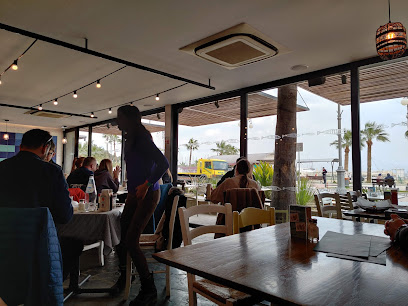
HOST home of street food
0.6 km
Experience the best street food in Larnaca at HOST: Home of Street Food - a culinary delight filled with unique flavors and local ingredients.
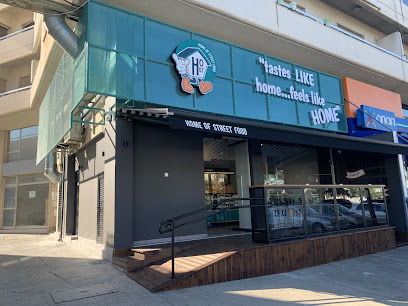
Luigi - Homemade Italian Pasta
0.6 km
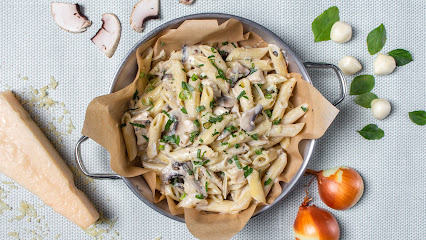
Experience authentic Italian flavors at Luigi's in Larnaca—home of freshly made pasta and traditional dishes that delight every palate.
Nippon Japanese Restaurant Larnaca
0.6 km
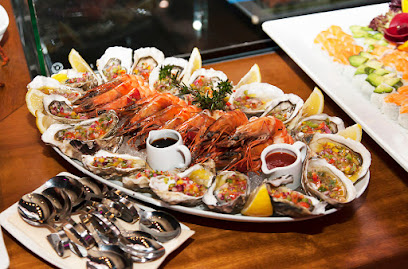
Discover authentic Japanese cuisine at Nippon Japanese Restaurant in Larnaca - where sushi meets tradition in a delightful dining experience.
Markets, malls and hidden boutiques

Amirami Boutique
0.2 km
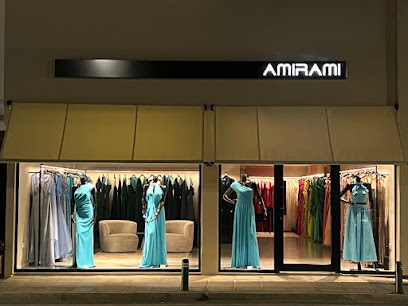
Explore the charm of Amirami Boutique in Larnaca, Cyprus, where unique fashion meets Mediterranean style and local artistry.
Mondy Shop
0.3 km
Uncover the latest women's fashion trends at Mondy Shop, your stylish destination in Larnaca, Cyprus.

Larnaca Antique Shop
0.4 km
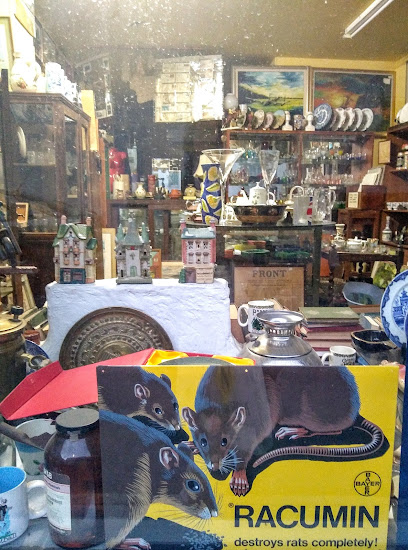
Explore Larnaca Antique Shop for unique treasures and stories from the past, nestled in the heart of Larnaca, Cyprus.
Collectors Inn
0.4 km
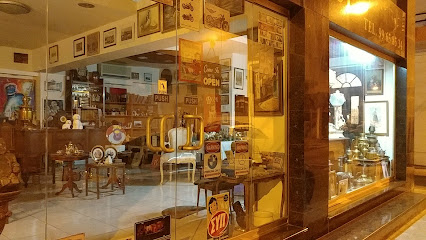
Discover the artistic heart of Larnaca at Collectors Inn, a unique store brimming with local art, antiques, and handmade treasures.
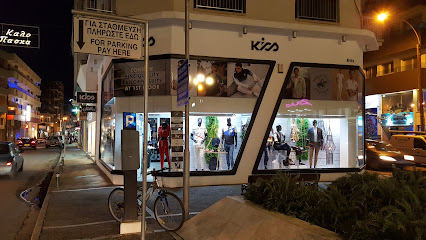
Kiss Unisex Boutique
0.4 km
Discover unique fashion at Kiss Unisex Boutique in Larnaca, Cyprus – a stylish clothing store for all your style needs.
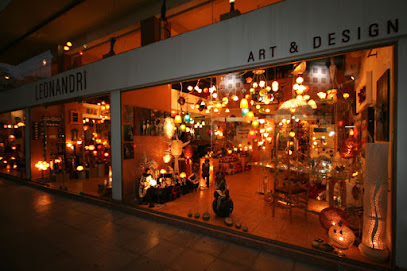
Leonandri
0.4 km
Explore Leonandri in Larnaca, Cyprus, for a unique shopping experience featuring local crafts and delicacies that embody Cypriot culture.
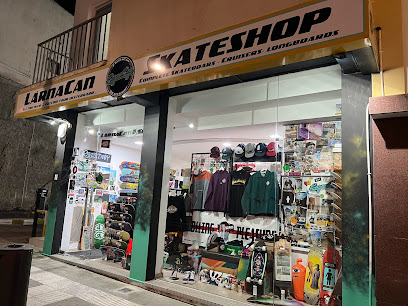
LarnaCan Skateshop
0.4 km
Explore LarnaCan Skateshop in Larnaca for top-notch skateboards, clothing, and a vibrant skate culture experience.
Square Boutique
0.4 km
Explore Square Boutique in Larnaca for a unique blend of contemporary fashion and local craftsmanship. Discover your style today.

Studio Boutique
0.4 km
Explore Studio Boutique in Larnaca for a unique selection of women's fashion that combines elegance, comfort, and local charm.
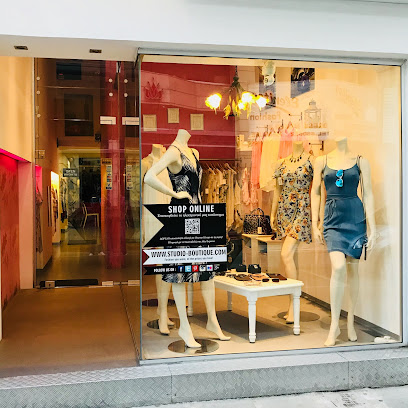
Placci (Larnaca)
0.4 km
Explore unique and stylish clothing at Placci in Larnaca, where modern fashion meets local charm in a delightful shopping experience.
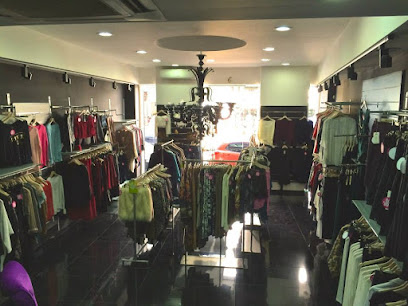
LUV BOUTIQUE
0.5 km
Explore LUV BOUTIQUE in Larnaca, where local fashion meets contemporary style in a charming shopping experience.

Vitrina
0.5 km
Explore Vitrina, a stunning boutique in Larnaca offering unique women's clothing that captures the essence of Cypriot fashion.
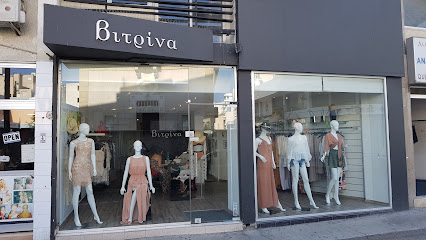
4K Gift Shop
0.5 km
Explore Larnaca's 4K Gift Shop for unique local souvenirs and gifts, capturing the spirit of Cyprus in every item.
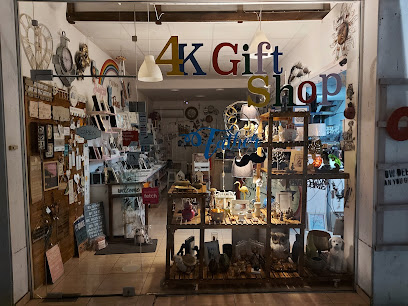
PLASS BOUTIQUE clothing shop
0.5 km
Discover unique fashion treasures at PLASS BOUTIQUE in Larnaca, Cyprus, offering a stylish selection of clothing and accessories for every occasion.
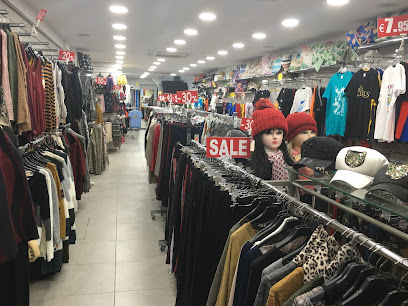
Angys Shop
0.5 km
Discover stylish clothing and unique beachwear at Angys Shop in Larnaca, Cyprus, a shopper's delight for all ages and occasions.
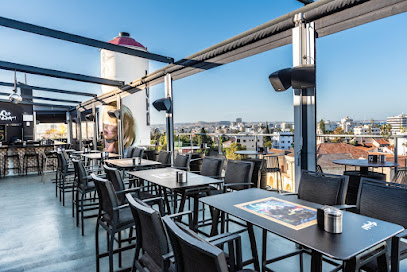
Essential bars & hidden hideouts

Memories Rooftop Larnaca
0.1 km
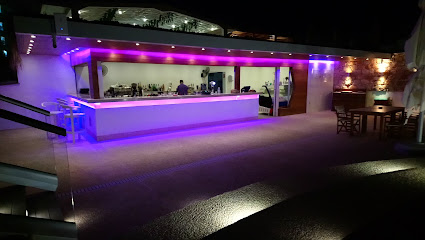
Experience the breathtaking views and exquisite cuisine at Memories Rooftop, Larnaca's premier dining destination for unforgettable evenings.
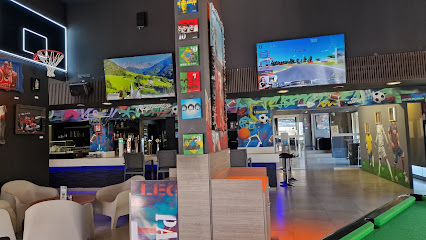
Moments Sports Bar
0.1 km
Experience the thrill of sports at Moments Sports Bar in Larnaca, Cyprus, where every game feels like a celebration.
Makao Bar
0.5 km
Discover the vibrant atmosphere of Makao Bar, a top nightlife destination in Larnaca, Cyprus, perfect for drinks and socializing.
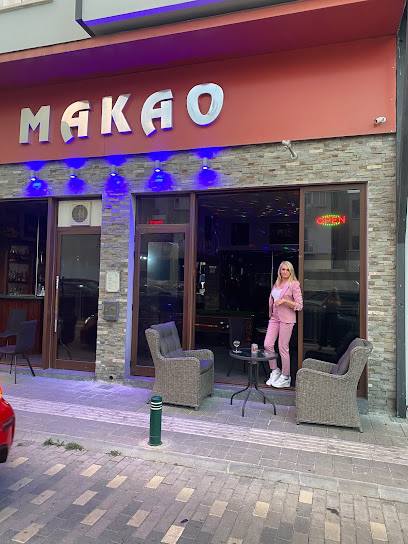
DSTRKT
0.5 km
Experience the vibrant fusion of dining and nightlife at DSTRKT, Larnaca's premier grill, cafe, and nightclub, perfect for every occasion.
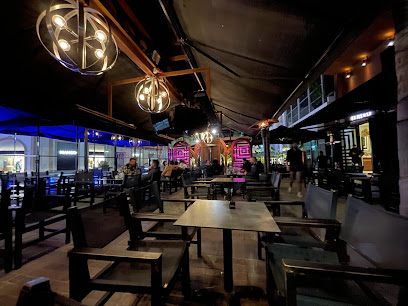
Preserve ALL DAY BAR
0.5 km
Experience the vibrant atmosphere and exquisite flavors at Preserve ALL DAY BAR, a premier destination in Larnaca, Cyprus.
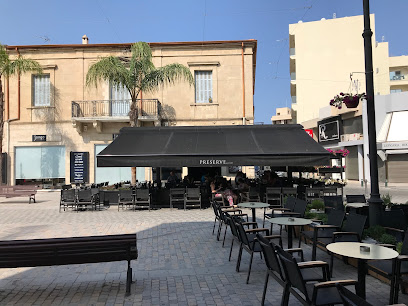
Vibes Cafe-Bar
0.6 km
Experience Larnaca's vibrant nightlife at Vibes Cafe-Bar, where refreshing drinks and a lively atmosphere await every visitor.
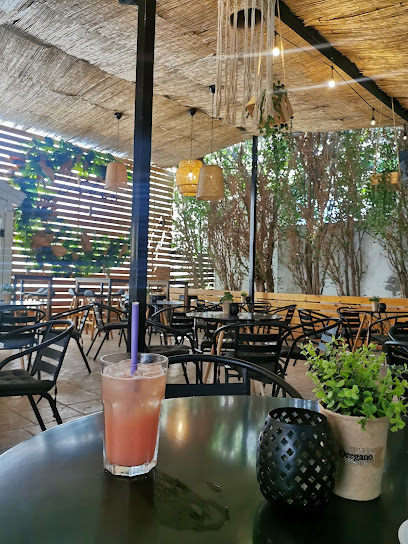
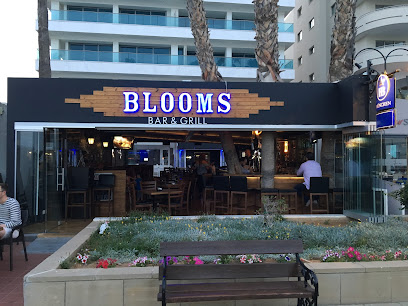
Blooms Bar & Grill
0.6 km
Savor the authentic flavors of Cyprus at Blooms Bar & Grill, where every meal is a delightful experience in the heart of Larnaca.
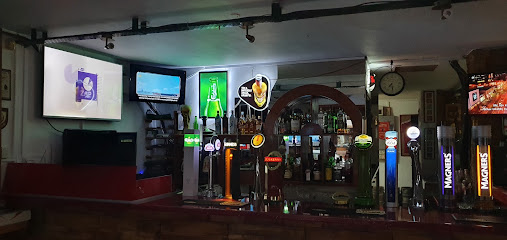
All Sports Bar
0.6 km
Experience the thrill of live sports at All Sports Bar in Larnaca, where great drinks and an energetic atmosphere await all sports enthusiasts.
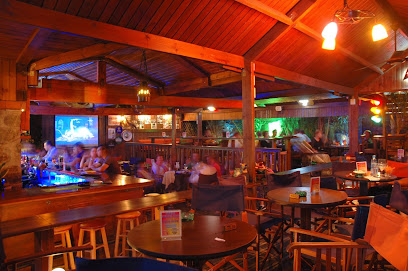
The Blue Pine Bar & Restaurant
0.7 km
Experience the vibrant culinary scene at The Blue Pine Bar & Restaurant in Larnaca, where delicious grill specialties meet a charming ambiance.
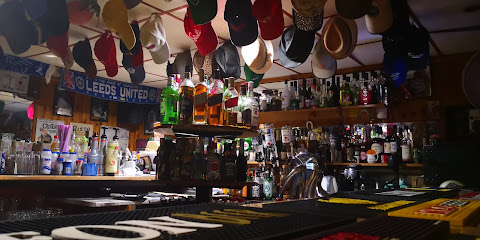
Borracho pub
0.7 km
Discover the lively spirit of Borracho Pub in Larnaca, Cyprus, where great drinks and vibrant atmosphere await every traveler.
CUCKOO Rooftop Cocktail Bar
0.8 km
Discover CUCKOO Rooftop Cocktail Bar in Larnaca, a vibrant nightlife destination offering breathtaking views and exquisite cocktails to elevate your evening.
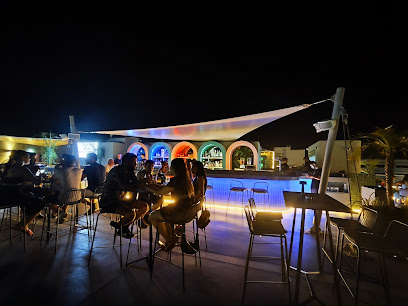
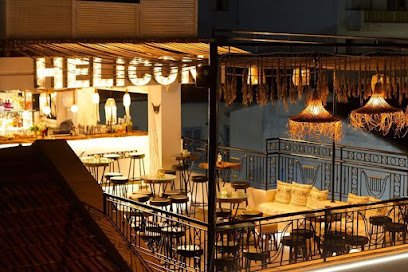
Helicon Roofbar
0.8 km
Experience breathtaking views and expertly crafted cocktails at Larnaca's premier rooftop bar, Helicon Roofbar.
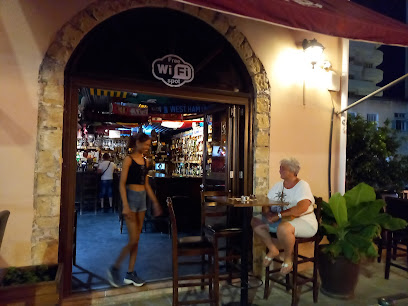
Hot Shots Music Bar
0.8 km
Discover the lively atmosphere and unforgettable music at Hot Shots Music Bar in Larnaca, Cyprus - a must-visit nightlife destination.
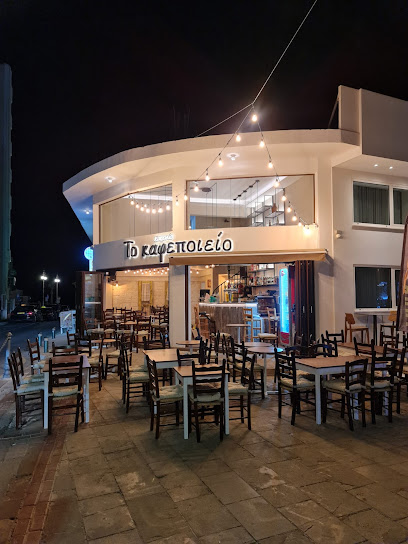
Καφενείο Το Καφεποιείο
0.8 km
Immerse yourself in the vibrant atmosphere of Καφενείο Το Καφεποιείο, a must-visit bar in Larnaca offering delightful coffee and cocktails.
36 Bay Street
0.8 km
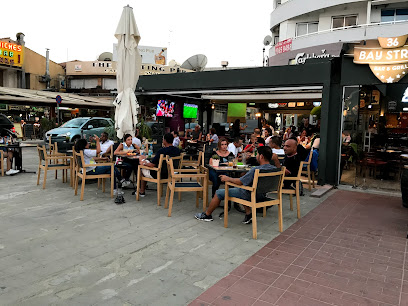
Discover the vibrant atmosphere of 36 Bay Street, a top sports bar and grill in Larnaca, Cyprus, perfect for food lovers and sports fans alike.
Nightclubs & after hour spots

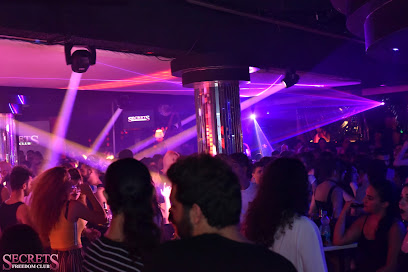
Secrets Freedom Club
0.6 km
Discover the energy and excitement of Secrets Freedom Club in Larnaca, a nightlife gem where music, drinks, and dancing come together for an unforgettable experience.
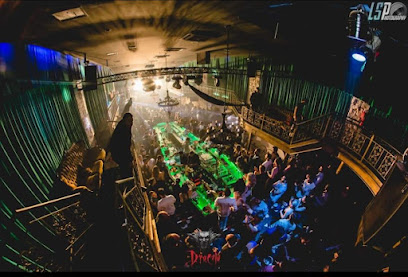
Dracula Club
0.6 km
Discover the vibrant nightlife of Larnaca at Dracula Club, where 90s nostalgia meets modern dance beats for an unforgettable experience.
Geometry Club
0.7 km
Dance the night away at Geometry Club, Larnaca's lively night club offering an electrifying atmosphere and unforgettable experiences.

KING CLUB
0.7 km
Discover the electric nightlife at KING CLUB in Larnaca, Cyprus, where music, dance, and unforgettable memories await every night.
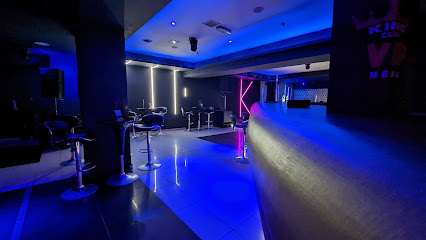
Stage Live
0.7 km
Discover the vibrant nightlife at Stage Live, Larnaca's premier disco club, where unforgettable experiences and pulsating beats await every night.
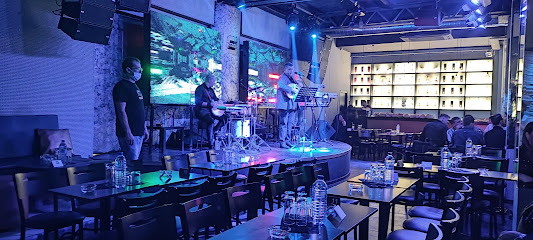
Club DEEP
0.7 km
Explore the energetic nightlife at Club DEEP in Larnaca, where unforgettable dance beats and vibrant drinks create the ultimate party experience.
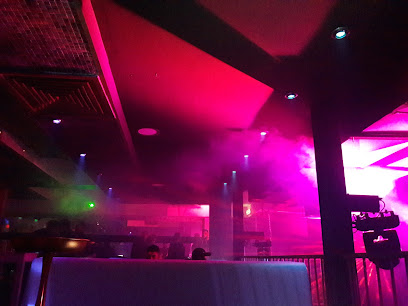
D'LUX Afrobeat Club
1.2 km
Discover the pulse of Larnaca's nightlife at D'LUX Afrobeat Club, where Afrobeat music, vibrant atmosphere, and unforgettable moments await you.
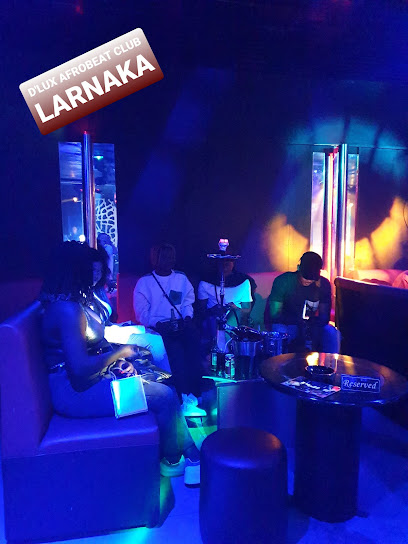
Baby club
1.4 km
Experience the electrifying nightlife at Baby Club in Larnaca, Cyprus – where the party never stops and memories are made.
Favela
1.7 km
Dive into the electrifying nightlife of Larnaca at Favela, where music, dance, and vibrant energy collide for an unforgettable experience.
Attraction Club Ltd
3.0 km
Experience the electrifying nightlife of Larnaca at Attraction Club Ltd, a premier disco club where rhythm and energy unite until dawn.
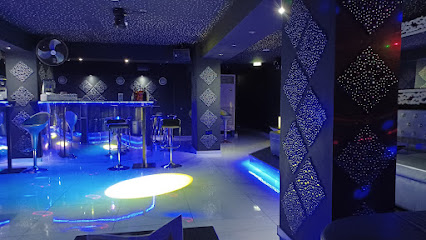
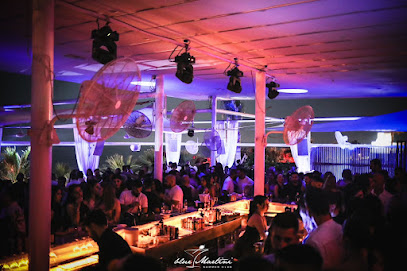
Blue Martini Summer Club
3.4 km
Discover the vibrant nightlife of Larnaca at Blue Martini Summer Club, where stunning beach views and electrifying music create the perfect party atmosphere.
Escape night club
11.3 km
Experience vibrant nightlife at Escape Night Club in Pyla, where music, dancing, and unforgettable memories come alive.
Dafermou Winery / Ktima Dafermou
29.5 km
Discover the charm of Cypriot wines at Dafermou Winery in Pano Lefkara, a perfect blend of tradition, beauty, and taste.
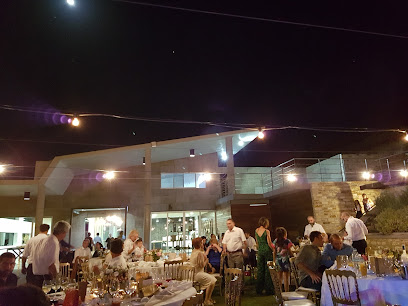
Teerah
29.6 km
Dive into Aglantzia's nightlife at Teerah, a premier night club with electrifying music and an unforgettable atmosphere.
Levels Beach Bar
30.2 km
Discover the vibrant atmosphere and culinary delights of Levels Beach Bar, a seaside gem in Ayia Napa, Cyprus.