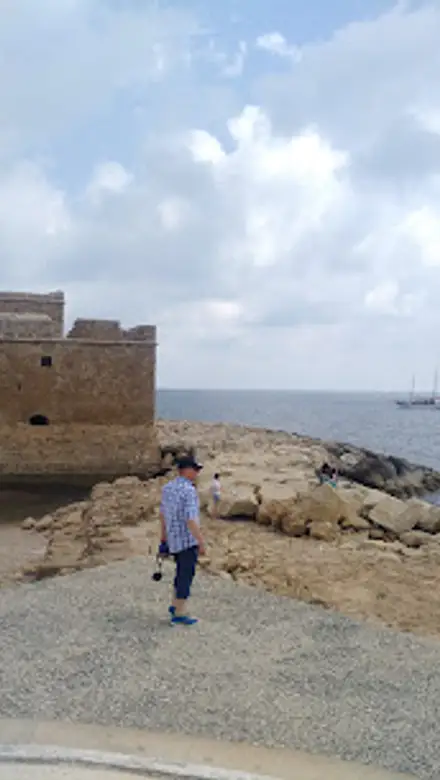
Paphos Castle Travel Guide
Free Guide: Explore Paphos Castle, a historic fortress on Paphos Harbour, with Byzantine roots, Ottoman reconstruction, and panoramic views, offering a glimpse into Cyprus's rich past.


A brief summary of Paphos Castle
Explore Paphos Castle, a historic fortress on Paphos Harbour, with Byzantine roots, Ottoman reconstruction, and panoramic views, offering a glimpse into Cyprus's rich past.
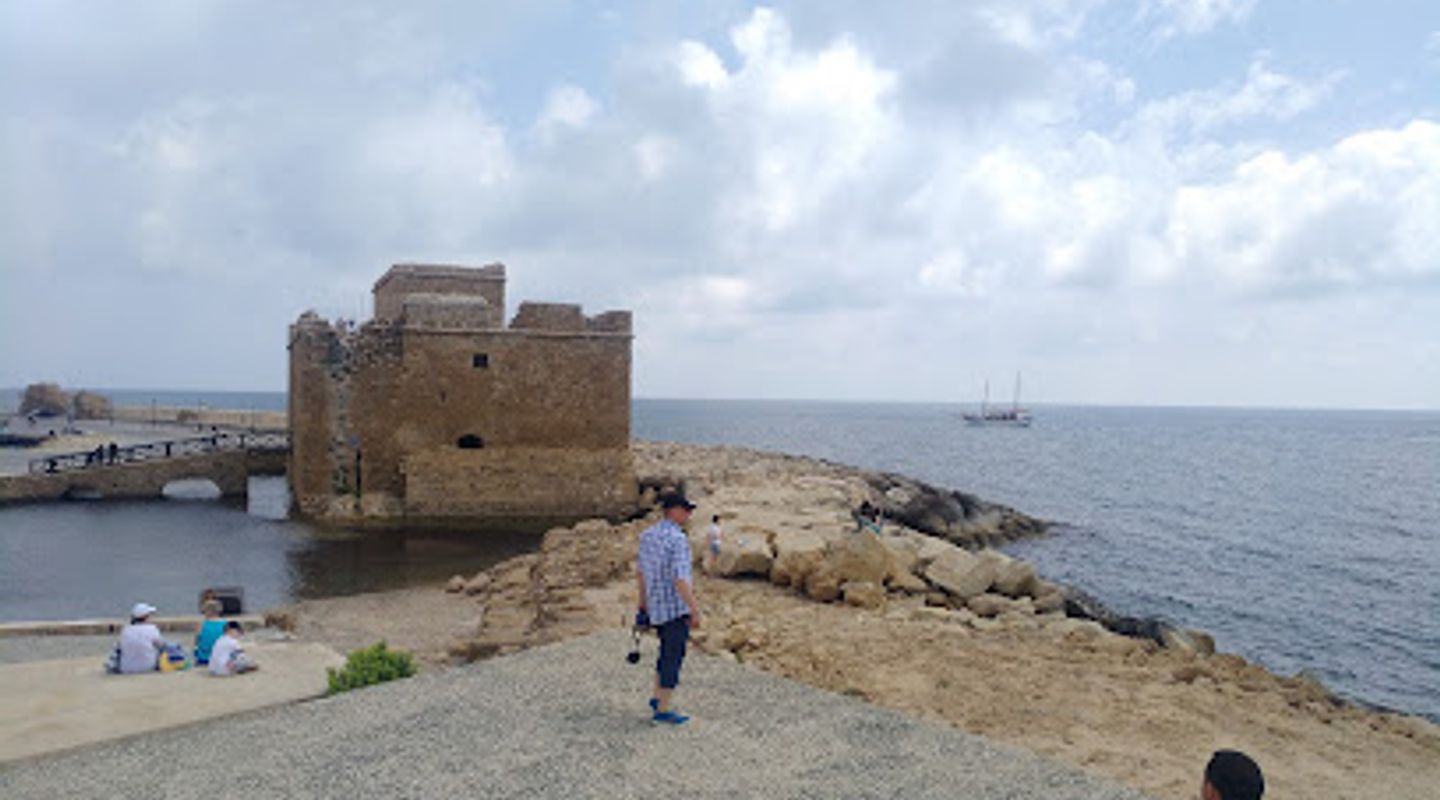
Paphos Castle, a prominent landmark on Paphos Harbour, boasts a rich history spanning from its Byzantine origins to its Ottoman reconstruction. Originally built as a Byzantine fortress to protect the harbor, it was rebuilt by the Lusignans in the 13th century and later dismantled by the Venetians. The Ottomans reconstructed it in 1592, and today, visitors can explore the castle's interior, including its central hall, prison cells, and rooftop battlements, which offer panoramic views of the harbor. The castle has served various purposes throughout its history, including a fortress, a prison, and even a salt storage facility during British rule. Today, it hosts cultural events and is a must-see attraction for history enthusiasts and casual visitors alike. Its strategic location next to Nea Archaeological Park further enhances its appeal, making it a key part of any Paphos itinerary. Don't miss the chance to witness the sunset from its rooftop for an unforgettable experience.
Opening hours
- Every day8:30 am–7:30 pm
Opening hours as listed on the venue’s Google Business Profile. Hours can change for services and special events, so check with the venue before you go.
- Address
- QC34+FQ4, Kato Paphos Harbour, Coastal Broadwalk, Paphos, Cyprus
- Phone
- Website
Getting there
Walking
Public Transport
Taxi/Ride-Share
Driving
Discover more about Paphos Castle
Overview
Paphos Castle, a commanding presence at the western end of Paphos Harbour, is a testament to the island's layered history and strategic importance. Originally constructed as a Byzantine fortress, the castle has undergone numerous transformations, reflecting the diverse cultures that have shaped Cyprus over the centuries. The castle's story begins in the Byzantine era when it was erected to safeguard the harbor, a vital maritime gateway. This original structure was destroyed by the devastating earthquake of 1222. The Lusignans, who ruled Cyprus in the 13th century, rebuilt and expanded the fortress, adding the so-called "Genoese Towers." These towers, located east of the castle, played a crucial role in defending the city port, particularly against naval forces. Despite being considered part of the larger castle complex, they functioned independently and were named for their significance in the battle against the Genoese in 1373. The castle faced further challenges, suffering severe damage during the battle against the Mamluks in 1426. While some parts were maintained by the Venetians, another strong earthquake in 1491 led to the destruction of the towers. In the mid-16th century, as the Ottoman Empire's influence grew, the Venetians strategically destroyed one of the towers to prevent it from falling into enemy hands. The Ottomans conquered Cyprus in 1571 and rebuilt the castle in 1592, incorporating Venetian additions to the original Frankish tower. An inscription above the entrance commemorates this restoration by the Turkish governor Ahmet Pasha. The main structure consists of a large square tower with a central courtyard. The ground floor features a central hall flanked by smaller rooms, which served as prison cells during Ottoman rule. The rooftop is adorned with twelve battlements, once equipped with cannons. With the arrival of the British in 1878, the castle's military role ceased, and it was repurposed as a salt depot until 1935, when it was declared an ancient monument under the Antiquities Law. The castle has since undergone various repairs and restoration efforts, including those following damage from Turkish air and naval forces during the bombing of Paphos port in 1974. Today, Paphos Castle stands as a prominent tourist attraction, offering visitors a glimpse into its multifaceted past. The ground floor is accessible to wheelchair users, allowing everyone to experience its historical ambiance. Climbing to the rooftop battlements rewards visitors with panoramic views of Paphos Harbour and the Mediterranean Sea, providing a sense of the castle's strategic importance throughout history. The castle also serves as a venue for cultural events, most notably the annual Paphos Aphrodite Festival in September, where opera performances are staged against the backdrop of this historic edifice. The Paphos Classic Vehicle Club also hosts a car show outside the castle, attracting car enthusiasts and tourists alike. Located in the Kato Paphos area, right by the harbor, the castle is easily accessible by foot or public transport. It is a short walk from Nea Archaeological Park, making it convenient to combine visits to both sites. The Kato Paphos Main Bus Station is a five-minute walk away, with buses connecting to various locations in Paphos. Exploring the castle reveals its various components, including the central courtyard, dungeons, and small rooms and chambers. Each area offers a unique perspective on the castle's history and functions. The dungeons, once used to hold prisoners, provide a glimpse into the castle's somber past, while the battlements offer stunning views of the surrounding landscape. Visiting Paphos Castle is an enriching experience that connects visitors to the island's rich heritage. Its strategic location, architectural features, and historical significance make it a must-see destination for anyone exploring Paphos.
Evendo Review Centre
 Google
Guest reviews
Explore Paphos Castle on the map
A handpicked selection of must-see spots near Paphos Castle, mapped for you.
Get your free copy of our complete guide to Paphos Castle, delivered straight to you.
Everything on this page, from opening hours and how to get there to Eve’s tips and the best time to go, in one PDF you can read offline, print or share.
Already have an account? Sign in
Your Paphos Castle guide is ready.
We'll send it to · Not you? Sign out

Getting your guide ready…
We are putting together a fresh copy of the Paphos Castle guide. This can take up to a minute.
This can take a few moments. If your browser asks, choose Allow so the download can start. You'll find the guide in your Downloads folder.
Nothing happened? Download it again
Sorry, the guide is taking longer than usual. Please try again in a minute, or get it by email instead.
Unlock the best of Paphos Castle
Skip-the-line tickets, guided tours with entry, and walking tours of the area, booked in a few clicks.
 Tour with entry
Paphos Land of Aphrodite and Ancient Wonders
from $414.98 Tour with entry
Private Paphos Tour – Kolossi, Aphrodite & Ruins from Limassol
from $455.52 Tour with entry
Private Shore Tour to Paphos Heritage from Limassol
from $1,017.71 Tour with entry
Full Day Tour in Paphos from Larnaca
from $1,920.22


Other nearby places you may find interesting
The closest places of the same kind, if this one is not quite what you had in mind.
-
-
-
-

-


Swipe for more places
More to explore near Paphos Castle

 Best experiences near Paphos Castle
 Best hotels near Paphos Castle
 Best landmarks near Paphos Castle
 Best attractions near Paphos Castle
 Best shops near Paphos Castle
 Best restaurants near Paphos Castle
 Best bars near Paphos Castle
Do you manage this location?
Take control to get all the benefits, like improved information, better appearance, and stronger visibility across AI-powered discovery.
Explore more

Explore more of Limassol District
Explore Limassol District, Cyprus: A unique blend of history, culture, and natural beauty with stunning beaches, ancient ruins, and vibrant festivals.
Explore Limassol District
Explore more of Cyprus
Discover Cyprus: A Mediterranean paradise with a rich tapestry of history, culture, and breathtaking landscapes, offering a perfect blend of relaxation and adventure.
Explore Cyprus