

Free Limassol District Travel Guide & Mobile App
Explore Limassol District with free travel guides. Discover regional history, expert tips, proposed trips, and audio guides on web or mobile app.


Explore Limassol District in Cyprus for ancient ruins, lively seafronts, wine villages, beaches and pine-clad Troodos foothills.
Read more about Limassol District
When is the best time to visit Limassol District?
Best: April–May, October · 23–27°C| Month | High (°C) | Rainfall (mm) |
|---|---|---|
| January | 16 | 80 |
| February | 17 | 70 |
| March | 19 | 50 |
| April (best) | 23 | 30 |
| May (best) | 27 | 20 |
| June | 32 | 10 |
| July | 34 | 10 |
| August | 34 | 10 |
| September | 31 | 20 |
| October (best) | 26 | 30 |
| November | 21 | 50 |
| December | 17 | 70 |
Getting to and around Limassol District
How to get there
Transportation
Top city travel guides in Limassol District
The cities of Limassol District, and the easiest places to base yourself.
-

-

-


Swipe for more cities
Destinations in Limassol District
Resorts, valleys and scenic spots worth a trip of their own.
-

-

-

-

-

-


Swipe for more destinations
Best attractions in Limassol District
Limassol District offers an unusually broad mix of archaeological, coastal, rural and mountain attractions. Kourion is the major historical centre, with a hilltop theatre, mosaics, basilicas and views across the coast, while nearby Kolossi Castle introduces the medieval history of estates, fortified administration and sugar production. The remains of Amathus, east of Limassol, are especially valuable for understanding one of ancient Cyprus’s coastal kingdoms. Beaches range from the urban shoreline and resort facilities of Limassol to the coves of Governor’s Beach and the open coast at Pissouri. Inland, the wine villages of Omodos, Lofou, Laneia and Koilani combine traditional architecture with cellar visits, village churches and seasonal landscapes. Higher roads lead towards Platres and the southern Troodos forests, where walking routes, waterfalls and cooler temperatures provide a contrast to the coast. Families may also find water-based recreation and organised leisure facilities around the city, while nature-focused visitors can explore vineyards, orchards and forest edges at a slower pace. The attraction landscape is best understood as a series of connected zones rather than a single resort strip.
-
Historical landmark
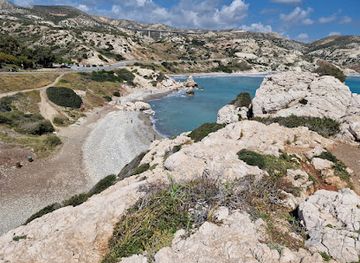
Petra tou Romiou (Aphrodite's Rock)
Discover the legendary birthplace of Aphrodite, where stunning coastal scenery meets ancient mythology on the sun-kissed shores of Cyprus, a must-see destination.
-
Marina
Limassol Marina
Experience luxury and leisure at Limassol Marina, a premier Mediterranean destination with world-class yachting, dining, and shopping.
-
Monastery
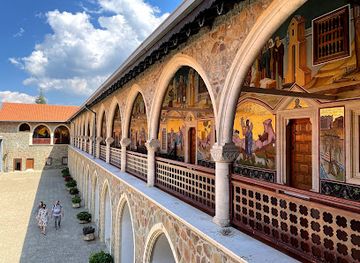
Kykkos Monastery
Discover Cyprus's spiritual heart at Kykkos Monastery, a treasure trove of Byzantine art and history nestled in the scenic Troödos Mountains, offering a serene escape and cultural immersion.
-
Promenade
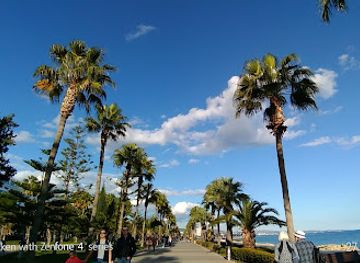
Molos
Experience the heart of Limassol at Molos Promenade: a vibrant seaside park with stunning views, art, culture, and activities for everyone along the Mediterranean coastline.

Best landmarks in Limassol District
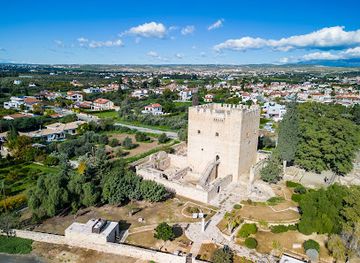
The ancient theatre of Kourion is Limassol District’s defining archaeological landmark, occupying a dramatic plateau above the sea and illustrating the civic ambitions of the ancient city. Its setting, together with the nearby Sanctuary of Apollo Hylates, connects monumental architecture with the wider religious and political landscape of ancient Cyprus. The ruins of Amathus form another important coastal landmark, with the acropolis, harbour area and surviving stone remains recalling a city that flourished long before modern Limassol. Kolossi Castle, a compact medieval stronghold surrounded by the agricultural plain, represents the district’s Lusignan and Hospitaller inheritance and its links with sugar and estate production. In the uplands, the stone-built cores of Omodos, Lofou and Laneia provide a different kind of landmark: vernacular houses, cobbled lanes, churches and village squares shaped by local materials and wine culture. Limassol’s old port and historic centre, meanwhile, mark the continuing importance of maritime trade and urban renewal. The district’s most compelling landmarks therefore range from ancient hilltop ruins to living mountain villages rather than belonging to one single architectural period.
-
Promenade
Molos
Discover the charm of Molos Promenade in Limassol, Cyprus – a vibrant coastal escape with stunning views, lush parks, and lively dining options.
-
Monument
Κourion Ancient Amphitheater
Explore the Kourion Ancient Amphitheater, a breathtaking monument of history and culture, offering stunning views and a glimpse into ancient Cyprus.
-
Castle
Limassol Castle - Cyprus Medieval Museum
Discover Cyprus's medieval past at Limassol Castle, a historic fortress housing the Cyprus Medieval Museum in the heart of Limassol.
-
Historical landmark
Kolossi Castle
Explore the historical marvel of Kolossi Castle, a medieval fortress in Cyprus rich in history and stunning views, perfect for every traveler.


Explore Limassol District on the map
Plan your trip on one map. See where the top cities, national parks and sights are, and book hotels and experiences in a few clicks.
Best hotels in Limassol District
Best restaurants in Limassol District
Dining in Limassol District ranges from modern restaurants and international kitchens in the city to family-run tavernas, village cafés and seaside establishments. Cypriot menus commonly feature halloumi, olives, tahini, pulses, seasonal vegetables, grilled meats, meze and breads, with local variations shaped by the agricultural hinterland. Around the coast, fish and seafood are widely available, although menus and provenance vary by establishment. In the foothills, tavernas make use of village produce, including pork, lamb, mushrooms, fruit, nuts and preserved foods, while wineries often pair tastings with small plates or fuller meals. Omodos, Lofou, Laneia, Koilani and other wine-producing communities are useful places to sample regional wines, including Xynisteri, Mavro and the sweet commandaria style associated with Cyprus. Limassol city adds bakeries, coffee culture, contemporary dining and food markets to the traditional repertoire, making it the district’s most varied culinary centre.
-
Greek
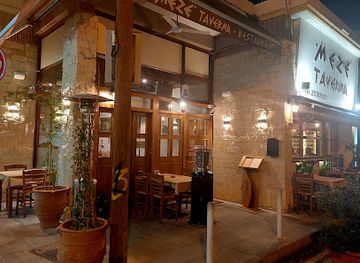
MEZE Taverna Restaurant
Savor authentic Greek flavors at MEZE Taverna in Limassol - a true culinary gem offering delightful Mediterranean dishes.
-
Mediterranean
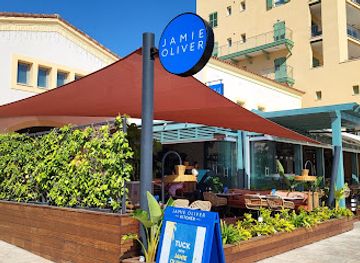
Jamie Oliver Kitchen
Experience exquisite Mediterranean flavors at Jamie Oliver Kitchen – where traditional meets modern culinary artistry in Limassol.
-
Greek
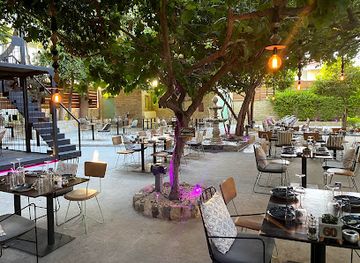
Dionysus Mansion
Experience authentic Greek cuisine at Dionysus Mansion in Limassol - where tradition meets taste in every delightful dish.
-
Greek
THYMARI
Savor authentic Greek flavors at Thymari in Limassol's scenic old port - where tradition meets taste.
Best bars in Limassol District
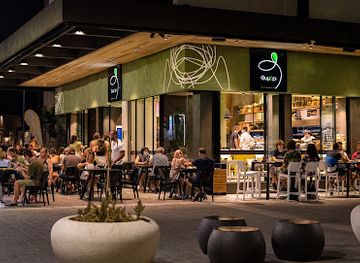
Limassol has the district’s most developed evening scene, concentrated around the seafront, the old town and streets near the marina. Visitors will find cocktail bars, wine bars, cafés, live-music venues and restaurants alongside more traditional places serving Cypriot beer and spirits. The old town generally offers a more intimate atmosphere, while the waterfront has a broader mix of late dining and polished venues; exact opening patterns change with the season. Nightclubs exist, but Limassol’s nightlife is not limited to clubbing, and many evenings are spent over food, coffee, wine or music. Outside the city, evening life is quieter and centres on village tavernas, traditional cafés, rural inns and occasional cultural performances. The wine villages provide opportunities for tastings, but visits usually require advance planning or a designated driver. During warmer months, the coast feels livelier after sunset, whereas inland communities retain a more relaxed, local rhythm.
-
Bar
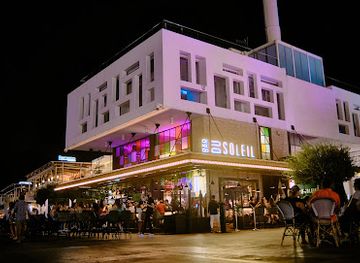
Bar Du Soleil
Discover Limassol's vibrant Bar Du Soleil, where exquisite cocktails, fresh sushi, and artistic ambiance create a perfect getaway.
-
Bar
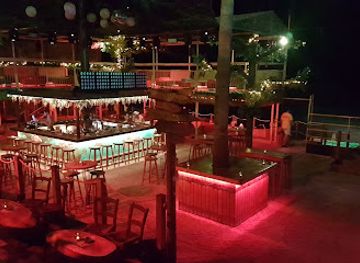
Guaba Beach Bar
Discover the vibrant atmosphere at Guaba Beach Bar, the perfect blend of sun, sea, and lively entertainment in Cyprus.
-
Grill
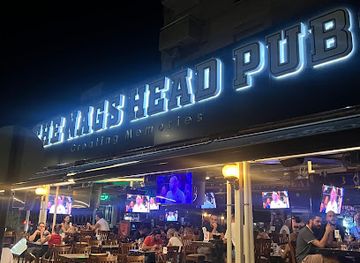
The Nags Head Pub - Bar
Discover the vibrant atmosphere and delicious grilled dishes at The Nags Head Pub in Limassol, Cyprus, the perfect spot for tourists seeking local flavor.
-
Bar
Marina Breeze
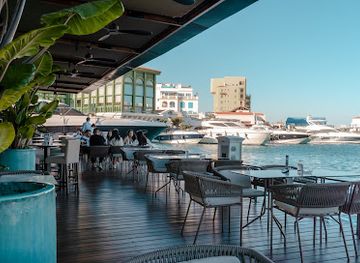
Discover the exquisite Marina Breeze in Limassol Marina, offering a perfect blend of cocktails, brunch, and stunning waterfront views.
Best nightclubs in Limassol District
Limassol has the district’s most developed evening scene, concentrated around the seafront, the old town and streets near the marina. Visitors will find cocktail bars, wine bars, cafés, live-music venues and restaurants alongside more traditional places serving Cypriot beer and spirits. The old town generally offers a more intimate atmosphere, while the waterfront has a broader mix of late dining and polished venues; exact opening patterns change with the season. Nightclubs exist, but Limassol’s nightlife is not limited to clubbing, and many evenings are spent over food, coffee, wine or music. Outside the city, evening life is quieter and centres on village tavernas, traditional cafés, rural inns and occasional cultural performances. The wine villages provide opportunities for tastings, but visits usually require advance planning or a designated driver. During warmer months, the coast feels livelier after sunset, whereas inland communities retain a more relaxed, local rhythm.
-
Bar
Guaba Beach Bar
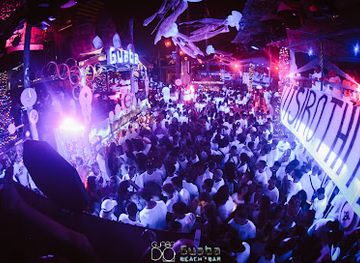
Experience the vibrant nightlife and stunning beach views at Guaba Beach Bar, the ultimate destination for party lovers in Limassol.
-
Disco club
Metropole Retro Club
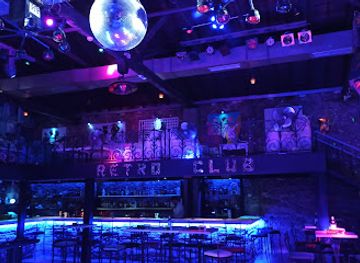
Experience the vibrant energy of Limassol's nightlife at Metropole Retro Club, where retro beats and modern vibes collide for an unforgettable night.
-
Night club
Summer Breeze Club
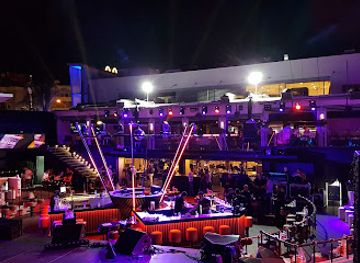
Experience the heart of Cyprus nightlife at Summer Breeze Club, where electrifying music and vibrant energy create unforgettable nights.
-
Night club
Notes Live Cyprus
Dive into Limassol's nightlife at Notes Live Cyprus, where live music and vibrant energy create an unforgettable experience.

Best shops in Limassol District
Limassol offers the district’s widest retail choice, with modern commercial areas, independent shops, jewellers, bookshops, fashion retailers and businesses around the old town and seafront. Its traditional market area and surrounding streets are useful for browsing everyday goods, local food products and small gifts, although the exact mix of shops changes over time. In the interior, village shops and wineries are better suited to regional purchases such as bottled wine, commandaria, olive oil, honey, preserves, herbs, sweets and other agricultural products. Omodos and nearby wine communities also sell lace, embroidered work and locally made crafts, while galleries and studios appear in several historic villages. Farmers’ markets and produce stalls can be seasonal, so visitors should check local arrangements rather than assume a daily market. For souvenirs with a strong sense of place, look for Cypriot ceramics, woven goods, food products and wine from the district, while Limassol’s urban shops provide more conventional fashion and practical items.
-
Shopping mall
MY MALL Limassol
Explore the top shopping and entertainment destination in Cyprus at MY MALL Limassol, where fashion meets fun in a vibrant atmosphere.
-
Store
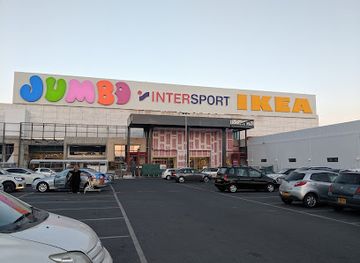
Jumbo
Explore Jumbo, Limassol's vibrant shopping mall offering a diverse range of toys, home goods, and unique gifts for all ages.
-
Shopping mall
Primestore
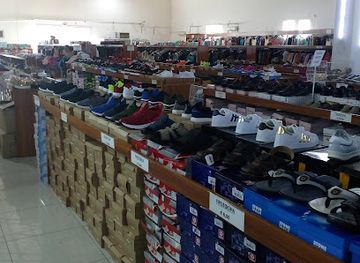
Explore Primestore in Limassol, Cyprus – where shopping meets convenience and value in a modern warehouse-style mall.
-
Clothing store
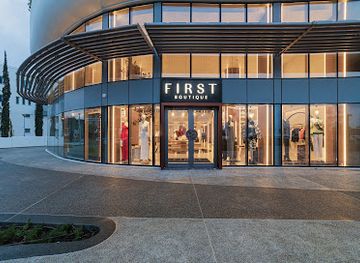
First Boutique
Explore the chic and trendy First Boutique in Limassol, Cyprus – a top fashion destination featuring a unique blend of local and international styles.

Get your free copy of our complete guide to Limassol District, delivered straight to you.
Everything on this page, from attractions and restaurants to essentials and local phrases, in one PDF you can read offline, print or share.
Already have an account? Sign in
Your Limassol District guide is ready.
We'll send it to · Not you? Sign out

Getting your guide ready…
We are putting together a fresh copy of the Limassol District guide. This can take up to a minute.
This can take a few moments. If your browser asks, choose Allow so the download can start. You'll find the guide in your Downloads folder.
Nothing happened? Download it again
Sorry, the guide is taking longer than usual. Please try again in a minute, or get it by email instead.
Limassol District essentials
Currency and Payment
Safety
Emergency Situations
Do's and Don'ts
Local Tips
From Eve
Local phrases worth knowing
You don't need to get them perfect. A few words go a long way, and locals appreciate the effort.
Basics
| English | Local | Say it |
|---|---|---|
| Hello | Γειά σου | [Yia sou] |
| Goodbye | Αντίο | [Adio] |
| Yes | Ναι | [Ne] |
| No | Όχι | [Ochi] |
| Please/You’re welcome | Παρακαλώ | [Parakalo] |
| Thank you | Ευχαριστώ | [Efharisto] |
| Excuse me/Sorry | Συγγνώμη | [Signomi] |
| How are you? | Πώς είσαι; | [Pos ise?] |
| Fine. And you? | Καλά. Εσύ; | [Kala. Esy?] |
| Do you speak English? | Μιλάς Αγγλικά; | [Milas Anglika?] |
| I don’t understand | Δεν καταλαβαίνω | [Den katalavaino] |
Eating & Drinking
| English | Local | Say it |
|---|---|---|
| I’d like to see the menu, please | Θα ήθελα να δω το μενού, παρακαλώ | [Tha ithela na do to menu, parakalo] |
| I don’t eat meat | Δεν τρώω κρέας | [Den troo kreas] |
| Cheers! | Στην υγειά μας! | [Stin ygeia mas!] |
| I would like to pay, please | Θα ήθελα να πληρώσω, παρακαλώ | [Tha ithela na pliroso, parakalo] |
Emergencies
| English | Local | Say it |
|---|---|---|
| Help! | Βοήθεια! | [Voitheia!] |
| Go away! | Φύγε! | [Fyge!] |
| Call the Police! | Καλέστε την Αστυνομία! | [Kaleste tin Astynomia!] |
| Call a doctor! | Καλέστε έναν γιατρό! | [Kaleste ena giatro!] |
| I’m lost | Έχω χαθεί | [Echo chathei] |
| I’m ill | Είμαι άρρωστος/άρρωστη | [Eimai arrostos/arrosti] |
Shopping
| English | Local | Say it |
|---|---|---|
| I’d like to buy... | Θα ήθελα να αγοράσω... | [Tha ithela na agoraso...] |
| I’m just looking | Απλώς κοιτάζω | [Aplos kitazo] |
| How much is it? | Πόσο κοστίζει; | [Poso kostizei?] |
| That’s too expensive | Αυτό είναι πολύ ακριβό | [Afto einai poly akrivo] |
| Can you lower the price? | Μπορείς να κατεβάσεις την τιμή; | [Boreis na katevaseis tin timi?] |
Time & Numbers
| English | Local | Say it |
|---|---|---|
| What time is it? | Τι ώρα είναι; | [Ti ora einai?] |
| It’s one o’clock | Είναι μία | [Einai mia] |
| Half past (10) | Δέκα και μισή | [Deka kai misi] |
| Morning | Πρωί | [Proi] |
| Afternoon | Απόγευμα | [Apogeuma] |
| Evening | Βράδυ | [Vradi] |
| Yesterday | Χθες | [Chthes] |
| Today | Σήμερα | [Simera] |
| Tomorrow | Αύριο | [Avrio] |
| 1 | 1 | [1] |
| 2 | 2 | [2] |
| 3 | 3 | [3] |
| 4 | 4 | [4] |
| 5 | 5 | [5] |
| 6 | 6 | [6] |
| 7 | 7 | [7] |
| 8 | 8 | [8] |
| 9 | 9 | [9] |
| 10 | 10 | [10] |
Transport & Directions
| English | Local | Say it |
|---|---|---|
| Where's a/the...? | Πού είναι το/η...; | [Pou einai to/i...?] |
| What's the address? | Ποια είναι η διεύθυνση; | [Poia einai i diefthinsi?] |
| Can you show me (on the map)? | Μπορείς να μου δείξεις (στο χάρτη); | [Boreis na mou deikseis (sto charti)?] |
| When's the next (bus)? | Πότε είναι το επόμενο (λεωφορείο); | [Pote einai to epomeno (leoforeio)?] |
| A ticket (to ....) | Ένα εισιτήριο (για ....) | [Ena eisitirio (gia ....)] |
History of Limassol District
Early Settlements and the Ancient Kingdoms
The Limassol area has been inhabited since prehistoric times, while the ancient settlements of Amathus and Kourion became major centres during Cyprus’s period of independent city kingdoms. Amathus developed on the coast east of modern Limassol, and Kourion occupied a naturally defensible plateau to the west. Their temples, cemeteries, public buildings and harbour connections reflect Cyprus’s participation in eastern Mediterranean trade and the movement of Greek, Phoenician and other cultural influences. The surviving archaeological remains show that the district’s coastal position has shaped settlement and commerce for thousands of years.
Kourion under Roman Rule
After Cyprus became part of the Roman world in the first century BC, Kourion grew as an administrative and cultural centre. Its theatre, reconstructed during the Roman period and later adapted, is among the district’s most recognisable archaeological structures. Mosaics and the remains of public and domestic buildings reveal the wealth and organisation of the city, while Christian basilicas indicate the changing religious landscape of late antiquity. Earthquakes damaged Kourion more than once, contributing to its eventual decline, but the hilltop ruins remain an important record of Roman Cyprus.
Medieval Limassol and Kolossi
During the Byzantine and later Lusignan periods, Limassol developed as a fortified settlement and port between the older centres of Amathus and Kourion. The medieval town was linked to royal authority, ecclesiastical institutions and trade, while the countryside supported vineyards and estates. Kolossi Castle, rebuilt in the fifteenth century on the site of an earlier stronghold, represents the military and administrative presence of the Knights Hospitaller in Cyprus. The surrounding area was also associated with sugar production and agriculture, providing a reminder that the district’s rural economy has long been connected to wider Mediterranean markets.
Venetian, Ottoman and Early Modern Cyprus
Venetian rule brought Cyprus into the maritime sphere of the Republic of Venice, although the island changed hands after the Ottoman conquest of 1570–71. Under Ottoman administration, Limassol remained a regional port and market settlement, while villages and agricultural estates continued to shape the hinterland. The town’s fortunes were affected by changing trade routes, political authority and economic conditions. Elements of the old urban fabric, religious buildings and rural architecture preserve traces of these successive periods, even though later development has transformed much of the coastal plain.
British Rule and the Growth of the Port
Britain assumed control of Cyprus in 1878 and formally annexed the island in 1914, beginning a period of administrative and infrastructural change. Roads, communications and port facilities improved, and Limassol became increasingly important for trade and export. Commercial agriculture, including citrus, carob and grapes, connected the district to wider markets, while wine production remained rooted in the foothill villages. British rule also introduced political and social changes that influenced the island’s later constitutional development and the modern institutions visible in Limassol.
Independence, Division and Economic Transformation
Cyprus became independent in 1960, and Limassol subsequently expanded as a port, industrial centre and tourist destination. The events of 1974 and the division of the island altered trade, settlement and movement, while Limassol absorbed people and businesses displaced from other parts of Cyprus. From the late twentieth century, the city developed a stronger international profile through shipping, services, construction and tourism. The modern district combines this urban economy with older agricultural and wine-making traditions in the interior, creating a landscape where global commerce and village production coexist.
Limassol District in Photos
Browse through our photo collection highlighting the charm and character of the destination.
Neighbouring regions of Limassol District
The closest regions to Limassol District, if you have time for more than one.
-

-

-

-

-


Swipe for more regions
Explore more

Explore more of Cyprus
Discover Cyprus: A Mediterranean paradise with a rich tapestry of history, culture, and breathtaking landscapes, offering a perfect blend of relaxation and adventure.
Explore Cyprus