Carob Museum Travel Guide
Free Guide: Explore Cyprus's sweet history at the Carob Museum in Limassol, showcasing the island's 'black gold' and its impact on local culture.


A brief summary of Carob Museum
Explore Cyprus's sweet history at the Carob Museum in Limassol, showcasing the island's 'black gold' and its impact on local culture.
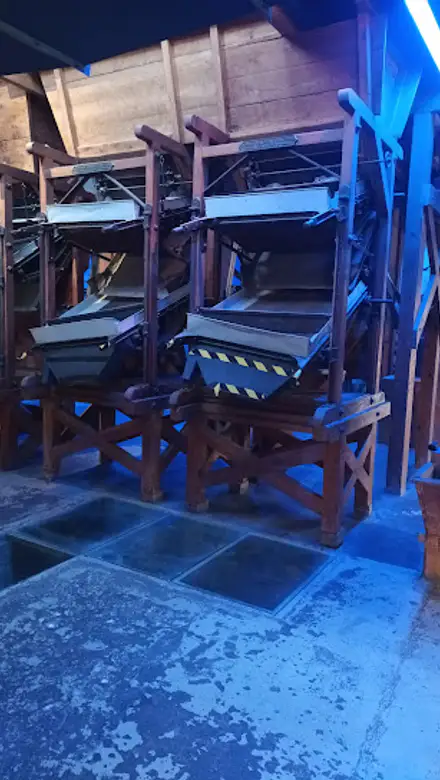
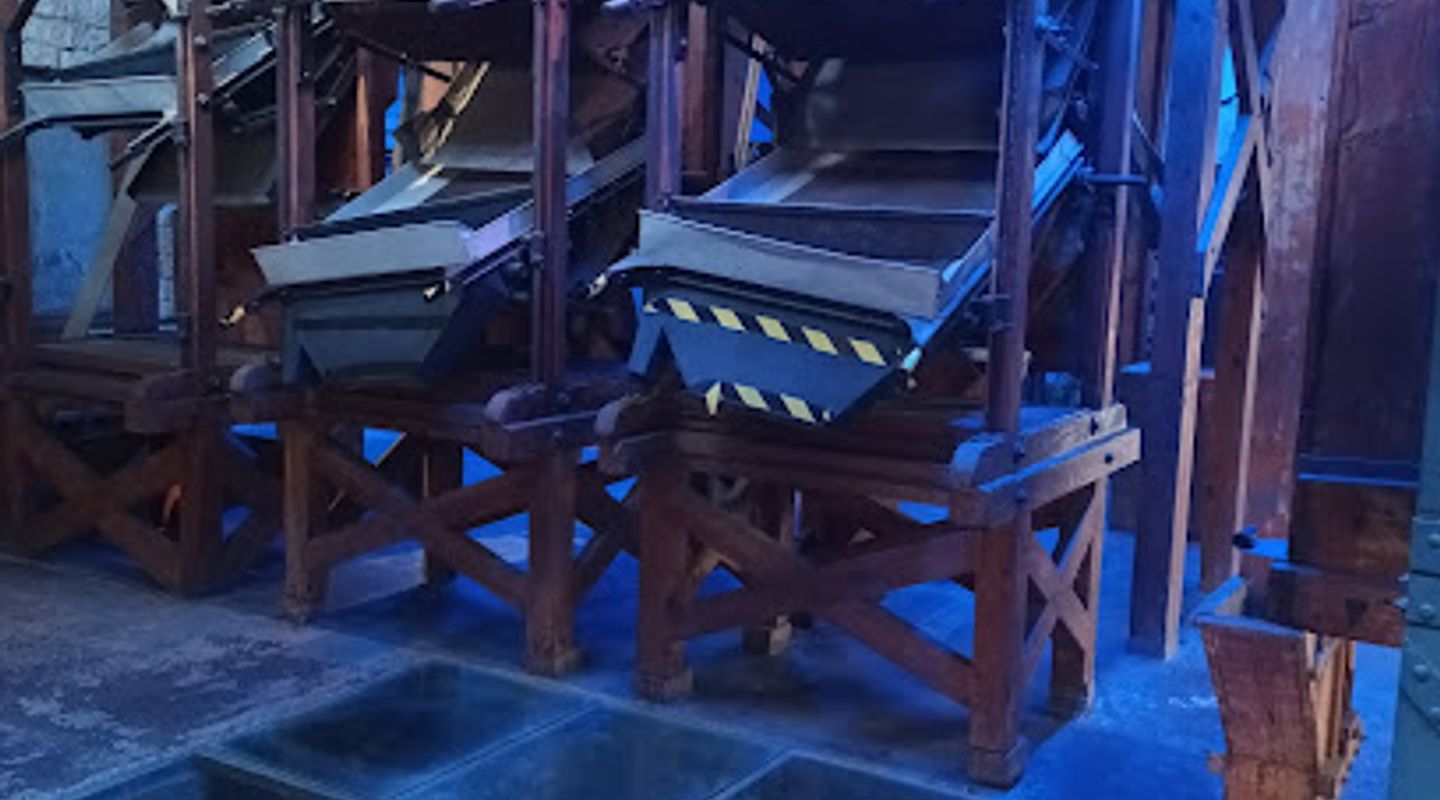
Discover the story of carob, Cyprus's 'black gold,' at this small museum housed in a restored early 20th-century carob mill. Explore the machinery and learn about the carob's significance to the island's economy and culture.
- Address
- M2CR+V8P, Limassol 3042, Cyprus
- Phone
Getting there
Public Transport
Walking
Taxi/Ride-share
Discover more about Carob Museum
Overview
The Carob Museum, located in Limassol, offers a glimpse into the history of carob production in Cyprus. Housed within a traditional stone building that operated as a carob mill in the early 1900s, the museum showcases the machinery and tools used to process carob beans, once a major export for the island. Carobs were so valuable to Cyprus that they were known as 'black gold'.Visitors can explore the restored mill, examining the equipment used for sorting, grinding, and preparing carob for various uses. The museum highlights the carob's role in creating products like sweets, chocolates, medicines, and even photographic film. The displays illustrate the entire process, from the arrival of the raw carob pods to the packaging of the finished product.Carob has been cultivated in Cyprus since ancient times and was a vital crop for the island's economy for centuries. The carob pods were used as a food source, particularly during times of scarcity, and were also processed into various products. The museum provides context for the carob trade and its impact on the local communities, especially in the Limassol countryside.
Evendo Review Centre
 Google
Guest reviews
Explore Carob Museum on the map
A handpicked selection of must-see spots near Carob Museum, mapped for you.
Get your free copy of our complete guide to Carob Museum, delivered straight to you.
Everything on this page, from opening hours and how to get there to Eve’s tips and the best time to go, in one PDF you can read offline, print or share.
Already have an account? Sign in
Your Carob Museum guide is ready.
We'll send it to · Not you? Sign out

Getting your guide ready…
We are putting together a fresh copy of the Carob Museum guide. This can take up to a minute.
This can take a few moments. If your browser asks, choose Allow so the download can start. You'll find the guide in your Downloads folder.
Nothing happened? Download it again
Sorry, the guide is taking longer than usual. Please try again in a minute, or get it by email instead.
Other nearby places you may find interesting
The closest places of the same kind, if this one is not quite what you had in mind.
-
-
-
-
-


Swipe for more places
More to explore near Carob Museum

 Best experiences near Carob Museum
 Best hotels near Carob Museum
 Best landmarks near Carob Museum
 Best attractions near Carob Museum
 Best shops near Carob Museum
 Best restaurants near Carob Museum
 Best bars near Carob Museum
Do you manage this location?
Take control to get all the benefits, like improved information, better appearance, and stronger visibility across AI-powered discovery.
Explore more

Explore more of Limassol District
Explore Limassol District, Cyprus: A unique blend of history, culture, and natural beauty with stunning beaches, ancient ruins, and vibrant festivals.
Explore Limassol District
Explore more of Cyprus
Discover Cyprus: A Mediterranean paradise with a rich tapestry of history, culture, and breathtaking landscapes, offering a perfect blend of relaxation and adventure.
Explore Cyprus