
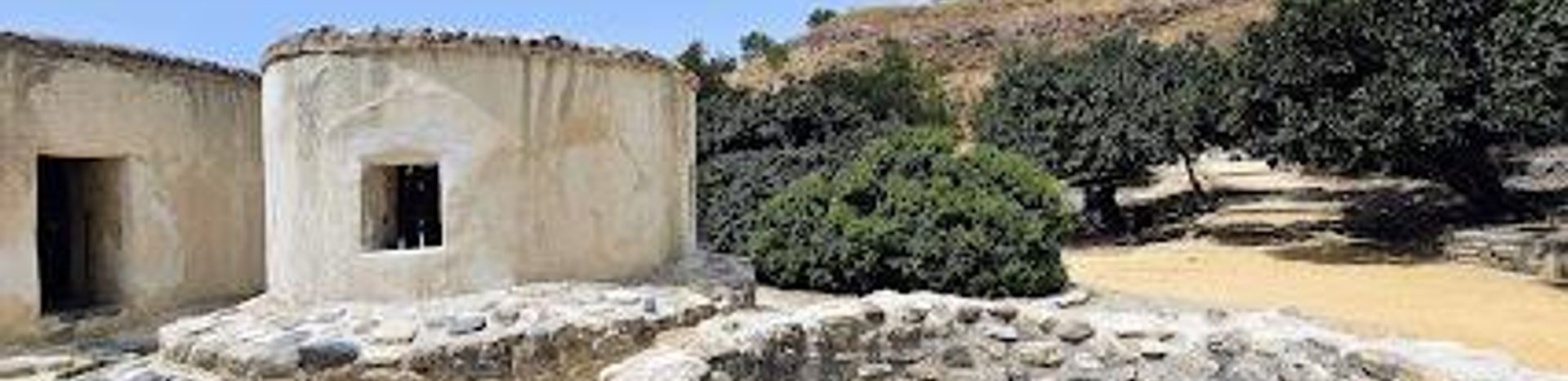
Choirokoitia: Echoes of Neolithic Cyprus
Unearth the secrets of Neolithic Cyprus at Choirokoitia, a UNESCO World Heritage site showcasing a remarkably preserved prehistoric settlement dating back 9,000 years.
Step back millennia at Choirokoitia, a remarkably preserved Neolithic settlement and UNESCO World Heritage site. Inhabited from the 7th to the 4th millennium BC, this village offers a unique window into the lives of Cyprus's earliest inhabitants. Explore the excavated remains of circular dwellings, imagine life within the once-fortified settlement, and ponder the mysteries of a society that thrived without pottery. Reconstructed dwellings provide tangible insight into the architecture and daily life of these ancient people. Located a short distance from major cities, Choirokoitia offers an easily accessible and fascinating journey into the island's prehistoric past. The site provides parking, toilet facilities and a small cafe. Be sure to bring water and sun protection, especially during the summer months, as shade is limited. Allow at least two hours to fully explore the site and soak in the atmosphere of this ancient village.
A brief summary to Neolithic Settlement of Choirokoitia
- Q8WV+HHG, Choirokoitia, CY
- +35724322710
- Visit website
- Monday 8:30 am-5 pm
- Tuesday 8:30 am-5 pm
- Wednesday 8:30 am-5 pm
- Thursday 8:30 am-5 pm
- Friday 8:30 am-5 pm
- Saturday 8:30 am-5 pm
- Sunday 8:30 am-5 pm
Local tips
- Visit early in the morning or later in the afternoon to avoid the midday heat, especially during summer months, as the site offers limited shade.
- Combine your visit with a walk along the Choirokoitia Nature Trail for scenic views of the surrounding countryside.
- Wear comfortable shoes suitable for walking on uneven terrain, as the site is located on a hillside.
- Check the official website for current opening hours and admission fees, as they are subject to change.
- Consider purchasing a multi-day entry card from the Department of Antiquities for access to other museums and ancient monuments in Cyprus.

Getting There
-
Public Transport
From Larnaca, Limassol or Nicosia, take the Intercity Buses service directly to Choirokoitia Neolithic Settlement. From Larnaca, bus line 45 departs from Nikou Kai Despoinas Pattichi Ave. – Arachovas. From Limassol, take the same line from Tzelal Bagiar – Agios Antonios Church 2. From Nicosia, bus line 25 departs from Dionysios Solomos Square. The journey from Larnaca is approximately 40 minutes, from Limassol around 48 minutes and from Nicosia around 50 minutes. A single fare costs between €3-€5. The bus stop is located a short walk from the site entrance.
-
Driving
If driving from Larnaca, Limassol, or Nicosia, take the A1 motorway. Exit towards Choirokoitia and follow the signs to the Neolithic Settlement. The site is located approximately 30 minutes from Larnaca, and about 45 minutes from Nicosia and Limassol. There is a free car park available at the entrance to the site. Note that parking may be limited during peak season.
-
Taxi/Ride-Share
Taxis are available from Larnaca, Limassol and Nicosia. A taxi from Larnaca Airport to Choirokoitia will cost approximately €40-€55 and take around 30 minutes. From Limassol, expect to pay around €40-€55 for a similar journey time. From Nicosia, a taxi ride will take approximately 45 minutes and cost around €65-€85. Confirm the fare with the driver before starting your journey.
Discover more about Neolithic Settlement of Choirokoitia
Iconic landmarks you can’t miss

The House of Achilles
0.0 km
Discover the historical charm of the House of Achilles in Choirokoitia, a site rich in myth and ancient Cypriot culture.
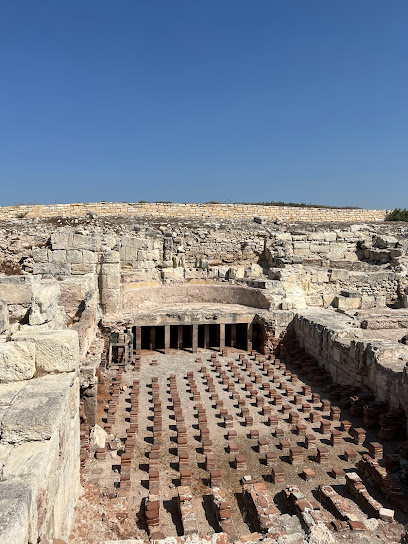
Mespilo House
2.4 km
Experience the authentic charm of Tochni, Cyprus, at Mespilo House, where traditional architecture meets modern comfort in a tranquil setting.
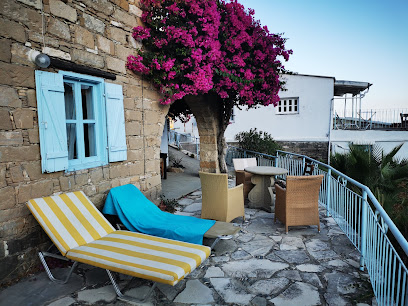
Cyprus Villages Traditional Houses
2.4 km
Experience the authentic charm of Cyprus at the Cyprus Villages Traditional Houses, where history meets comfort in picturesque Tochni.
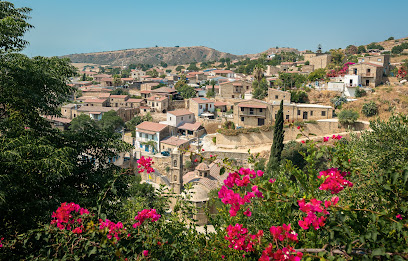
Myrto House
2.7 km
Experience traditional Cypriot charm at Myrto House in Tochni: stone-built apartments, peaceful village life, and easy access to island exploration.
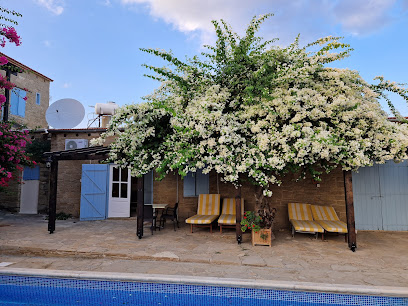
Chirokitia Eco-Village
3.4 km
Discover the tranquility of Chirokitia Eco-Village, where wellness meets ecological living in the heart of Cyprus.
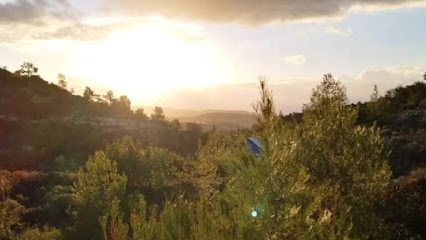
Holy Monastery of Agios Minas
7.2 km
Explore the serene beauty and rich history of the Holy Monastery of Agios Minas in Vavla, a cherished spiritual retreat in Cyprus.
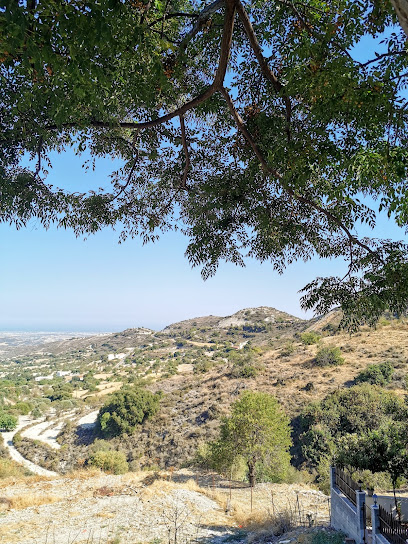
Zygi Public Beach
7.6 km
Experience the serene beauty of Zygi Public Beach in Cyprus, where golden sands meet crystal-clear waters for a perfect day of relaxation and local flavor.
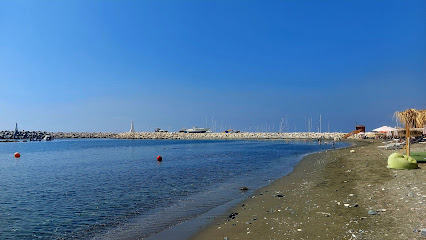
Ample Places
8.5 km
Discover the serene charm of Ample Places in Pano Lefkara, a hidden gem in Cyprus offering cozy accommodations and local culture.
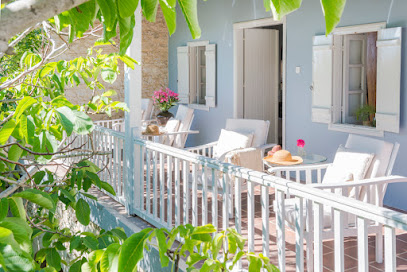
New Kokkini
10.1 km
Discover the breathtaking beauty of New Kokkini, a tranquil mountain peak in Cyprus perfect for hiking, photography, and nature exploration.

Kalymnos parking
10.6 km
Discover the convenience of Kalymnos parking in Pentakomo, Cyprus. Enjoy free parking while exploring the stunning landscapes and attractions of the region.
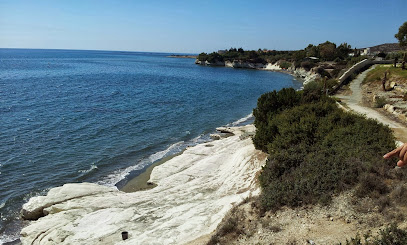
Kalymnos Beach
10.7 km
Discover the tranquil beauty of Kalymnos Beach in Pentakomo, Cyprus, where crystal-clear waters meet golden sands for an unforgettable coastal escape.
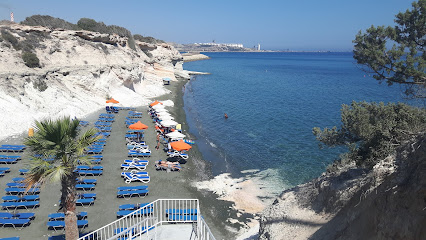
Governor's Beach - Blue Flag
10.8 km
Discover the serene beauty of Governor's Beach, a Blue Flag paradise in Cyprus, perfect for relaxation, swimming, and stunning sunsets.
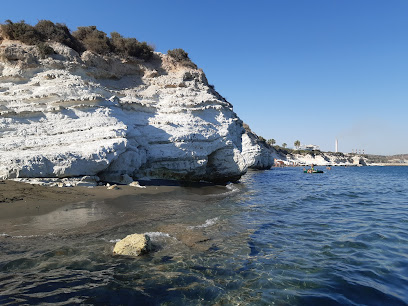
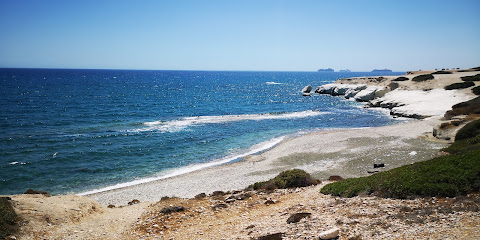
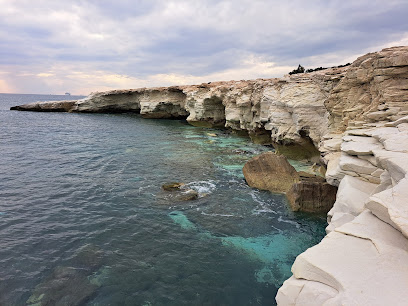
White Rocks
12.7 km
Explore the stunning rock formations and azure waters at White Rocks, a premier attraction on the beautiful coast of Cyprus.
Kornos Picnic Area
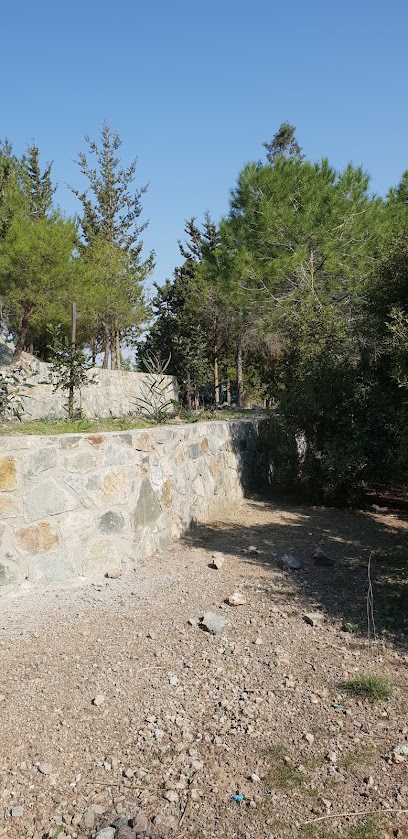
13.2 km
Escape to the serene Kornos Picnic Area in Cyprus for a refreshing retreat amidst lush greenery, perfect for family outings and nature lovers.
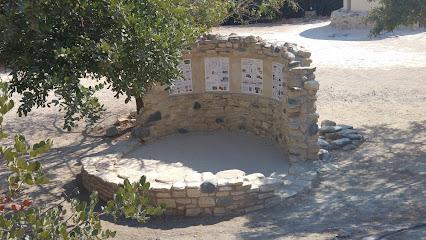
Agios Georgios Alamanou
13.7 km
Experience the serene beauty and rich history of Agios Georgios Alamanou, a must-visit monastery in the heart of Cyprus.
Unmissable attractions to see

Choirokoitia
0.8 km
Unearth the secrets of Neolithic Cyprus at Choirokoitia, a UNESCO World Heritage site showcasing one of the Mediterranean's best-preserved prehistoric settlements, revealing the dawn of civilization.
Golden Donkeys Farm
2.6 km
Discover Cyprus's rural charm at the Golden Donkeys Farm in Skarinou: interact with donkeys, explore traditions, and enjoy a peaceful escape.
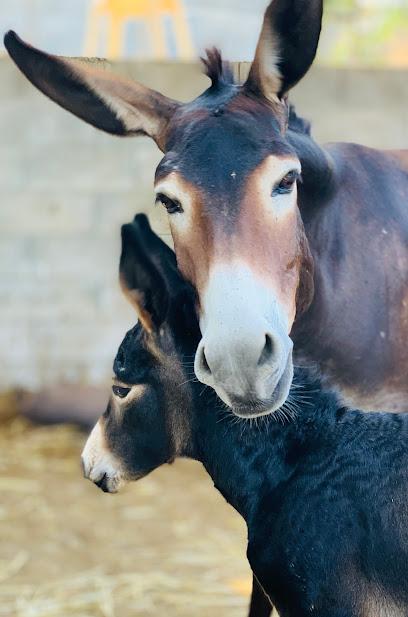
Dipotamos Donkey Farm
2.9 km
Discover the heartwarming charm of Dipotamos Donkey Farm in Skarinou, Cyprus: a unique blend of animal encounters, cultural immersion, and serene countryside beauty awaits.
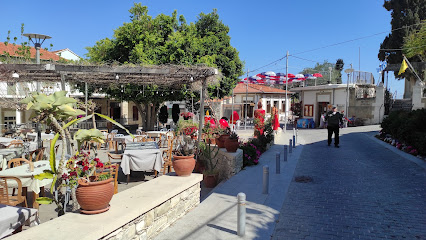
Kalavasos Village Square
5.2 km
Discover the authentic charm of Cyprus at Kalavasos Village Square, a picturesque hub of local culture, history, and warm hospitality nestled amidst traditional stone buildings and vibrant flowers.
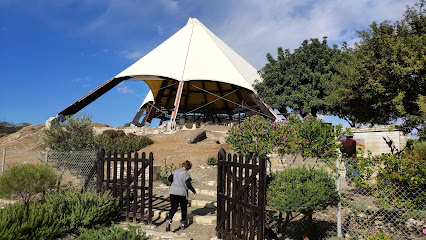
Archaeological Site of Tenta at Kalavasos
6.1 km
Explore the Archaeological Site of Tenta in Kalavasos, a historical landmark revealing Cyprus's ancient Neolithic civilization amidst stunning landscapes.
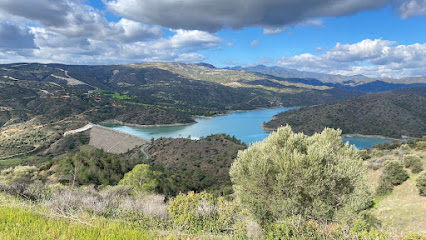
View of Dipotamos dam
6.5 km
Discover the serene beauty of Dipotamos Dam in Cyprus, a tranquil escape offering stunning vistas, outdoor activities, and a glimpse into rural Cypriot life near Skarinou.
Dafermou Winery / Ktima Dafermou
6.9 km
Discover the exquisite flavors of Cyprus at Dafermou Winery, where tradition meets innovation in a stunning setting. Experience award-winning wines and breathtaking views.
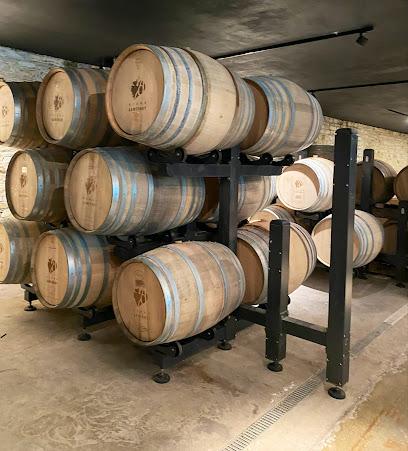
Christoudia Winery
7.0 km
Discover the authentic taste of Cyprus at Christoudia Winery in Kato Drys, where family tradition and exquisite wines create an unforgettable experience amidst stunning vineyard views.
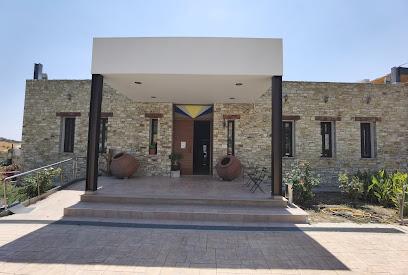
Bee & Embroidery Museum
7.1 km
Explore the fascinating world of beekeeping and traditional embroidery at the Bee & Embroidery Museum in Kato Drys, Cyprus.
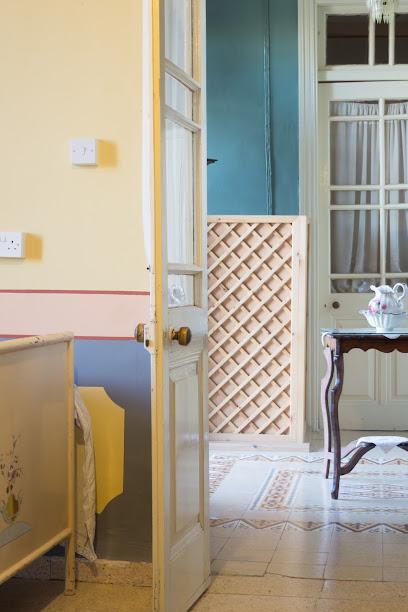
Fish spot
7.4 km
Experience authentic Cypriot cuisine and stunning Mediterranean views at Fish Spot in Zygi, a charming fishing village offering fresh seafood and a tranquil escape.
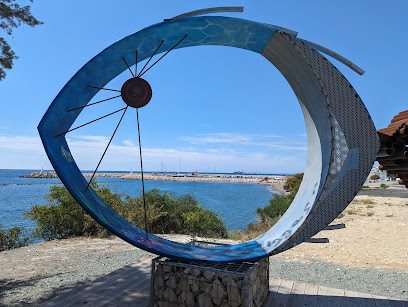
View Point Pano Lefkara
7.6 km
Breathtaking panoramic views of Lefkara village and the Cypriot countryside, a perfect spot to soak in history, culture, and natural beauty.
Fisherman's hut
7.6 km
Discover the serene beauty of Fisherman's Hut in Maroni, Cyprus, where traditional fishing culture meets breathtaking Mediterranean views, offering an authentic Cypriot experience.

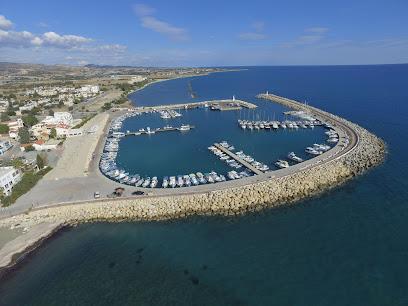
Zygi Marina
7.8 km
Experience the beauty of Zygi Marina, a coastal paradise in Cyprus offering stunning views, local cuisine, and unforgettable adventures.
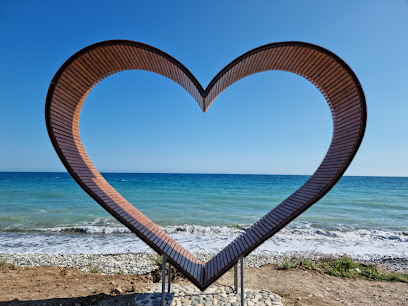
Heart sea view point
7.8 km
Discover breathtaking Mediterranean vistas at Heart Sea View Point in Agios Theodoros, Cyprus. A tranquil escape offering stunning sunsets and coastal charm for unforgettable memories.
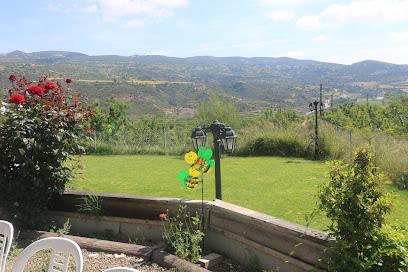
Ecophysis Bee & Nature Center
7.9 km
Discover the enchanting world of bees and nature at Ecophysis Bee & Nature Center in Vavla, Cyprus. Experience sustainable living and explore the beauty of the Cypriot countryside.
Essential places to dine

Oasis Restaurant
0.5 km
Discover authentic Cypriot cuisine at Oasis Restaurant in Choirokoitia - where tradition meets taste.
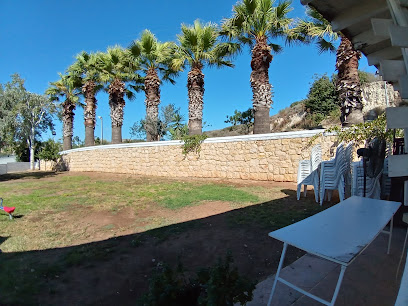
Rainbow Restaurant
1.7 km
Experience authentic Cypriot cuisine at Rainbow Restaurant in Choirokoitia - where every dish is a celebration of local flavors.
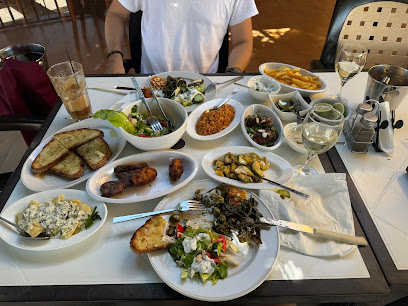
Tochni Tavern
2.4 km
Experience authentic Cypriot flavors at Tochni Tavern, where tradition meets taste in a picturesque village setting.
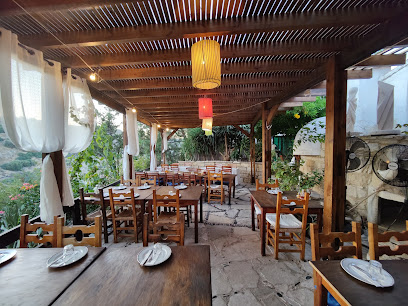
Lenia's Traditional Tavern
3.3 km
Discover the rich flavors of Cyprus at Lenia's Traditional Tavern, where every meal tells a story of tradition and hospitality.
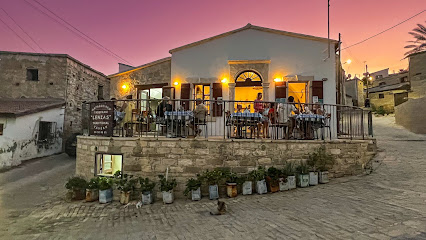
Retro tavern
5.2 km
Discover the essence of Cyprus at Retro Tavern: where tradition meets flavor in every dish.
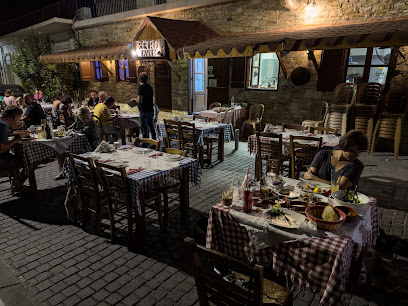
Jar jams preserves(reservation only)
7.1 km
Experience the authentic flavors of Cyprus at Jar Jams Preserves in Kato Drys, where tradition meets deliciousness.
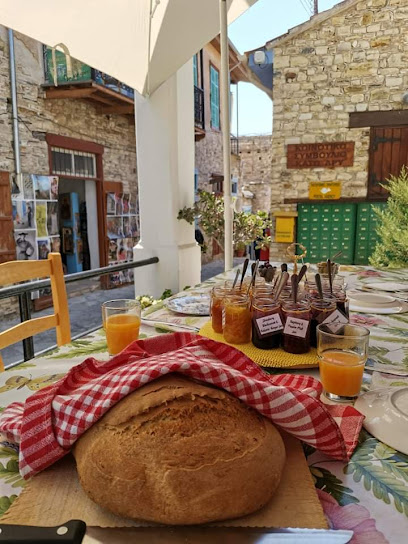
Captain's Table Fish Tavern
7.7 km
Experience the best seafood dining at Captain's Table Fish Tavern in Zygi - where fresh flavors meet breathtaking Mediterranean views.
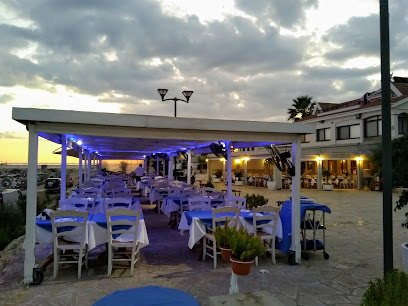
Panadentro Tavern
7.7 km
Discover authentic Cypriot cuisine at Panadentro Tavern in Kato Lefkara—where tradition meets taste in a charming setting.
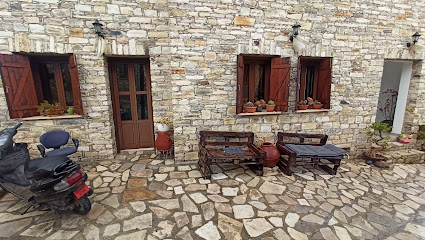
OLD ZYGI ,Fish Tavern
7.8 km
Experience the best of Cypriot seafood at Old Zygi Fish Tavern - where freshness meets tradition in every bite.
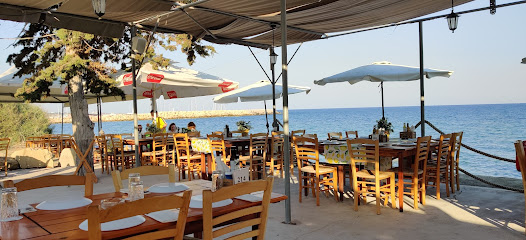
Adamos Taverna
8.4 km
Discover authentic Cypriot cuisine at Adamos Taverna in Pano Lefkara - a must-visit dining experience filled with flavor and tradition.
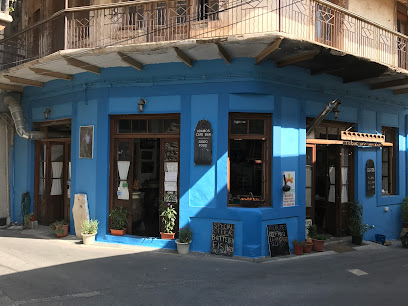
Lefkara Da Vinci Pizzaria & Cafe
8.5 km
Experience authentic Italian cuisine at Lefkara Da Vinci Pizzaria & Cafe in Pano Lefkara, Cyprus - where every bite tells a story.
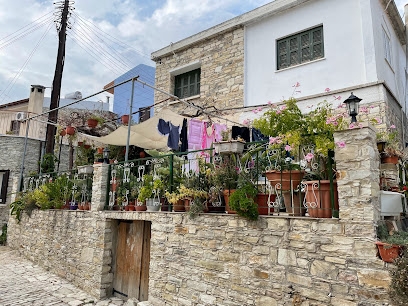
Lefki's
8.5 km
Discover authentic Cypriot flavors at Lefki's in Pano Lefkara – where every dish tells a story.
Novél Restaurant
8.5 km
Experience authentic Cypriot cuisine at Novél Restaurant in Pano Lefkara – where tradition meets flavor.
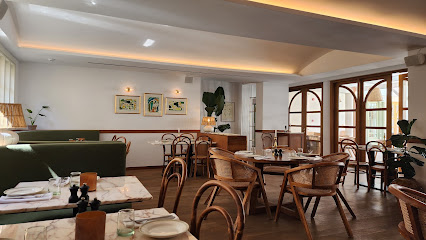
Lefkara Pavilion
8.6 km
Savor authentic Cypriot cuisine in the heart of Pano Lefkara at Lefkara Pavilion – where tradition meets flavor.
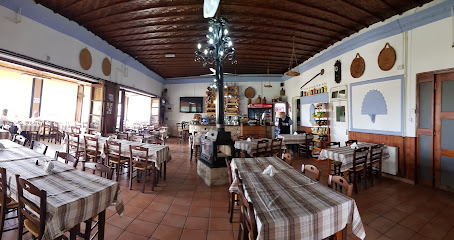
HOUSE 1923 - Tavern
8.7 km
Experience authentic Cypriot cuisine at HOUSE 1923 - Tavern in Pano Lefkara, where tradition meets flavor in every dish.
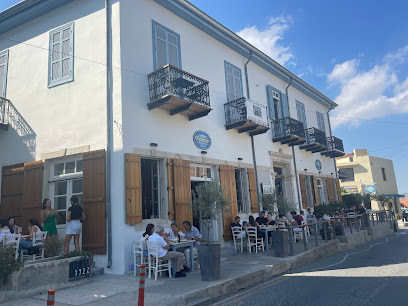
Markets, malls and hidden boutiques

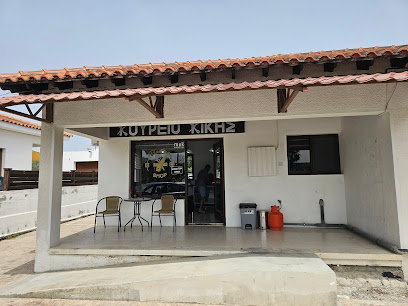
KIKI'S BARBER SHOP SKARINOU
2.8 km
Discover Kiki's Barber Shop in Skarinou: where exceptional grooming meets Cypriot hospitality in a charming local atmosphere.
Lefkara Arts & Crafts
7.2 km
Explore the exquisite craftsmanship of Lefkara Arts & Crafts, where unique jewelry and traditional lace-making come together in a beautiful Cypriot village.
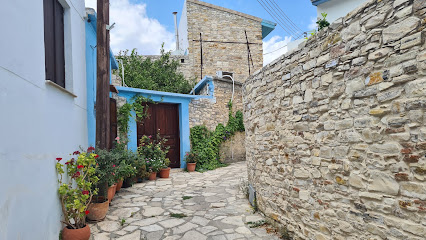
Handcraft supermarket
8.1 km
Explore the artistry of Cyprus at Handcraft Supermarket in Pano Lefkara, where unique handmade clothing and accessories await.
Mini Market Aristodemou
8.4 km
Discover the flavors of Cyprus at Mini Market Aristodemou, your local grocery store in the heart of Pano Lefkara.
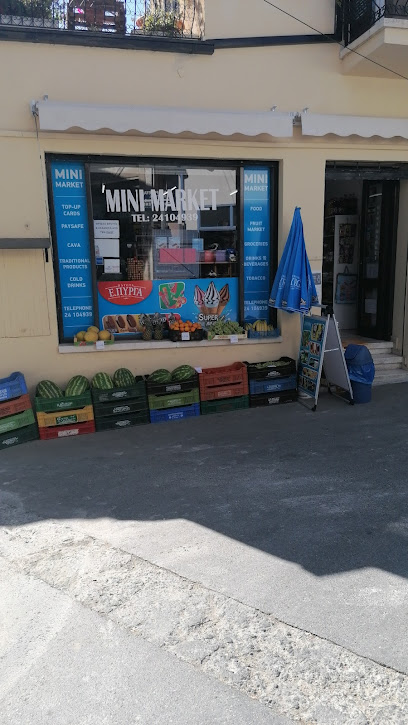
Lefkara Hotel Boutique
8.4 km
Experience the perfect blend of tradition and modern comfort at Lefkara Hotel Boutique, your gateway to the enchanting village of Pano Lefkara, Cyprus.
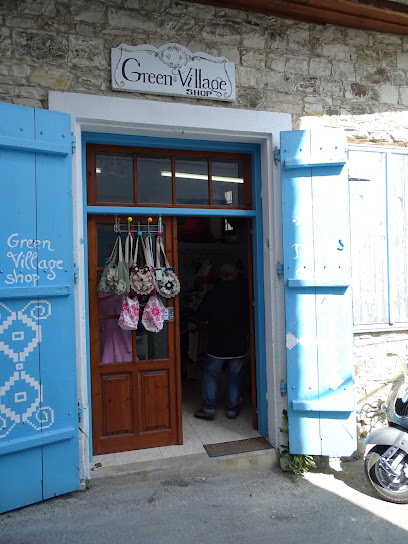
Green Village Lefkara
8.4 km
Discover the exquisite craftsmanship of Cyprus at Green Village Lefkara, a clothing store that embodies the island's rich heritage and artistry.
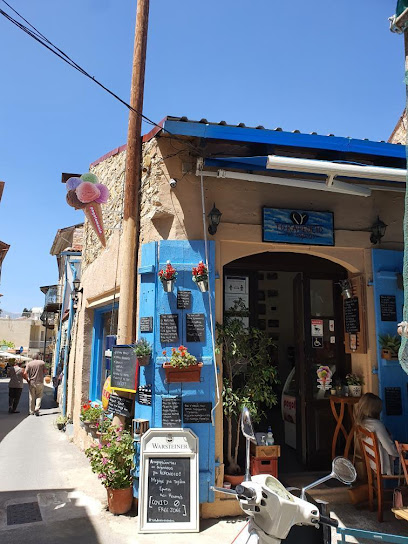
To Kafeneio tis Pareas
8.5 km
Experience the heart of Cyprus at To Kafeneio tis Pareas, where exceptional coffee meets warm hospitality in a charming village setting.
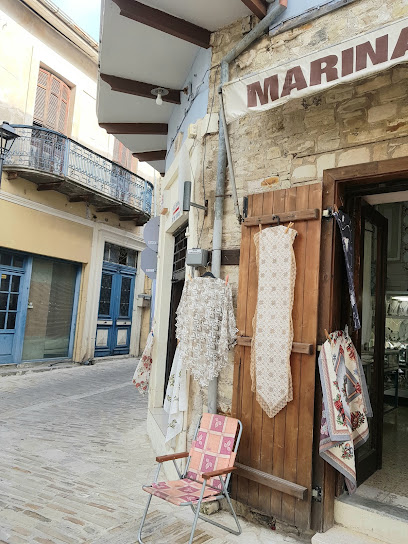
Marina's Shop
8.5 km
Explore the enchanting Marina's Shop in Pano Lefkara for exquisite handcrafted jewelry that embodies the rich cultural heritage of Cyprus.
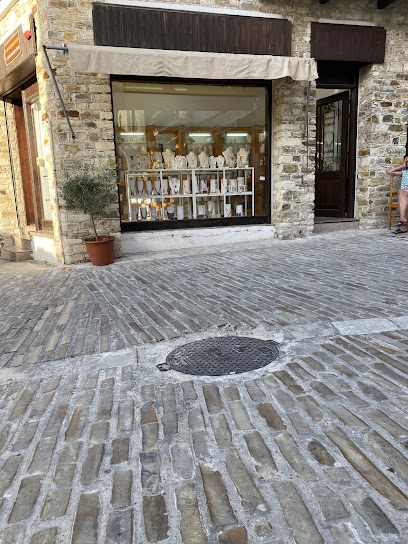
Iconic jewellery cy
8.5 km
Discover the exquisite craftsmanship of Pano Lefkara's Iconic Jewelry Store, where tradition meets elegance in every piece.
Coffee Yard Cafe-Restaurant
8.5 km
Experience the essence of Cypriot cuisine and coffee culture at Coffee Yard Cafe-Restaurant in the picturesque village of Pano Lefkara.
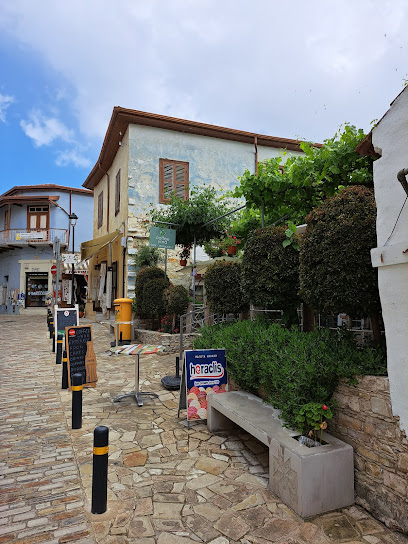
T&C Lefkara Handicraft Center
8.6 km
Discover the rich artistry of Cyprus at the T&C Lefkara Handicraft Center, where tradition meets exquisite craftsmanship in jewelry and more.
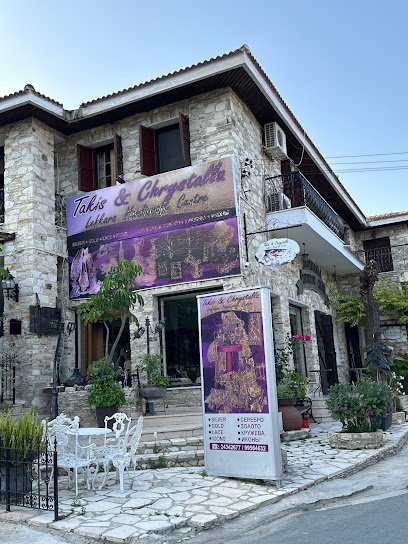
SilverArt
8.6 km
Explore the exquisite craftsmanship of SilverArt, where every piece of jewelry tells a story of Cypriot heritage and artistry.
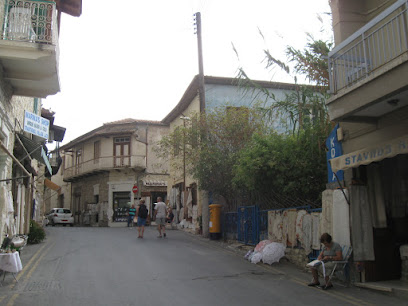
Rouvis Lace and Silver
8.6 km
Explore the rich craftsmanship of handmade lace and silver jewelry at Rouvis Lace and Silver in Pano Lefkara, Cyprus.
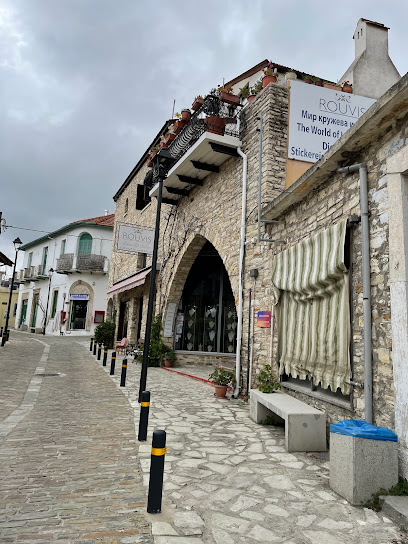
The Origin Shop
8.6 km
Explore the charm of The Origin Shop in Pano Lefkara, where handcrafted Cypriot home goods and unique treasures await every traveler.
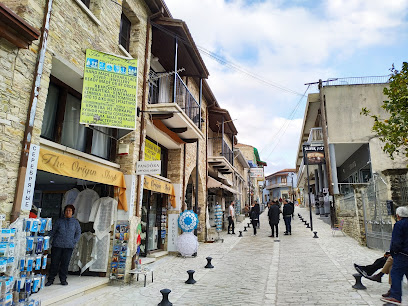
L.Papaloizou-Cardiff Lefkara Lace Workshop & Silver
8.6 km
Discover the exquisite craftsmanship of Lefkara lace and silver at L.Papaloizou, a hallmark of Cypriot artistry in Pano Lefkara.
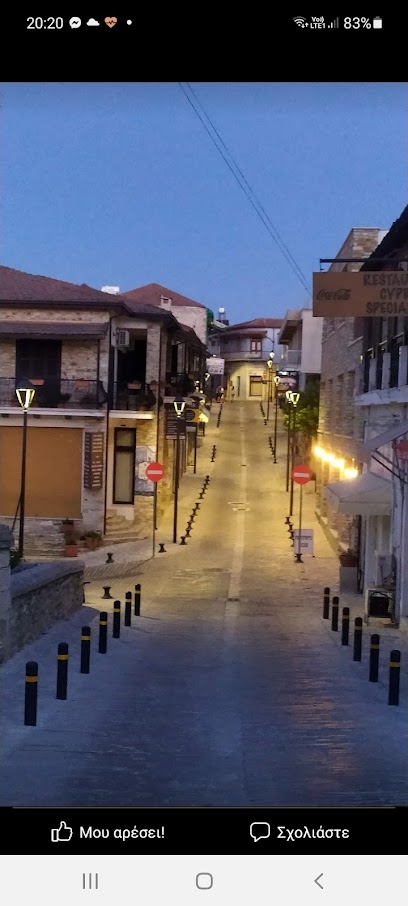
Essential bars & hidden hideouts

Retreat & Club Edition Finesse
4.8 km
Discover the charm of Retreat & Club Edition Finesse, a distinguished wine bar and café in Maroni, Cyprus, offering a perfect blend of fine wines and exquisite cuisine.
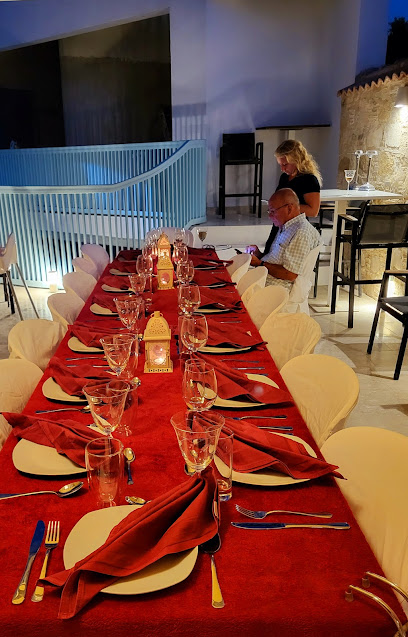
Palm Beach - Kalymnos
10.6 km
Discover the enchanting vibe of Palm Beach in Kalymnos, a perfect blend of relaxation and seaside excitement on the Cyprus coast.
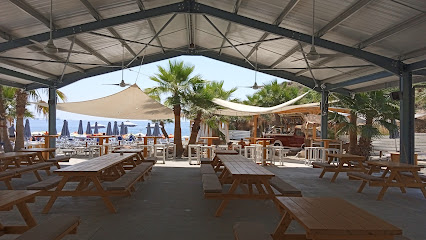
Granny's Island by Granny’s Ford
11.3 km
Experience the vibrant atmosphere and stunning sea views at Granny's Island – the ultimate cocktail bar in Pentakomo, Cyprus.
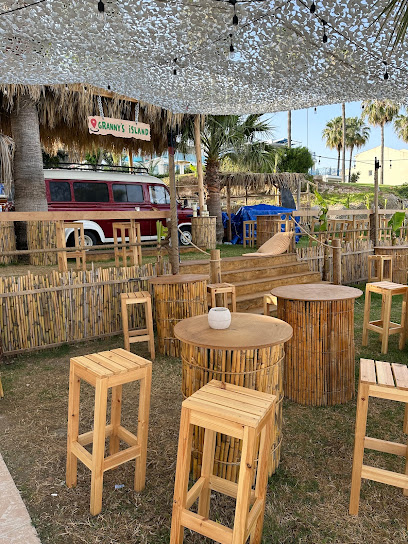
Ithaki Beach Bar
16.3 km
Experience the vibrant atmosphere and stunning views at Ithaki Beach Bar in Cyprus - your perfect beach getaway!
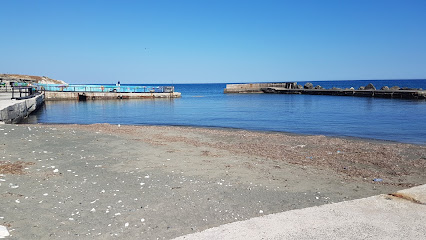
Dasoui Green Wood Tavern Cafe Bar
18.2 km
Experience the authentic flavors of Cyprus at Dasoui Green Wood Tavern Cafe Bar, a serene culinary retreat in Prastio surrounded by nature.
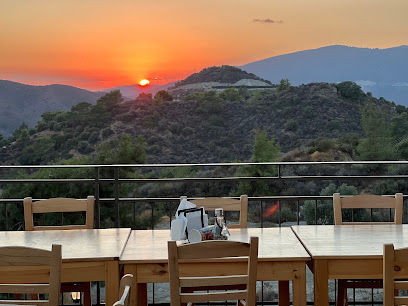
Malindi Beach Bar & Restaurant
18.9 km
Experience the best of Mediterranean cuisine at Malindi Beach Bar & Restaurant, where seafood and Greek flavors come alive by the sea.
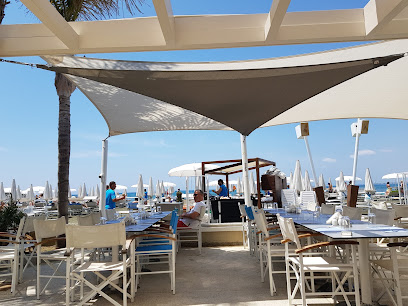
Cavo Pare Beach Life
18.9 km
Discover Cavo Pare Beach Life in Pareklisia, Cyprus - a perfect blend of beach vibes, refreshing drinks, and stunning Mediterranean views.
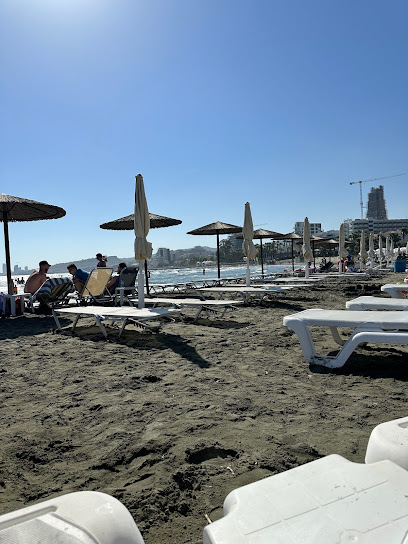
PlusSea
19.5 km
Experience the blend of beachside relaxation and gourmet dining at PlusSea in Agios Tychon, Cyprus, with stunning Mediterranean views.
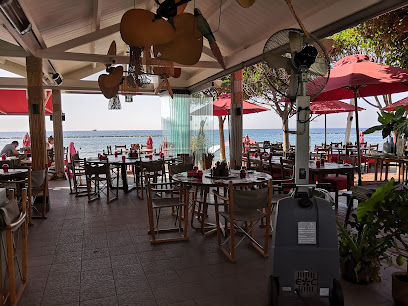
Sands Beach Club-Resto
19.9 km
Experience exquisite Mediterranean dining at Sands Beach Club-Resto in Limassol, Cyprus, where every meal is a celebration of local flavors and breathtaking views.
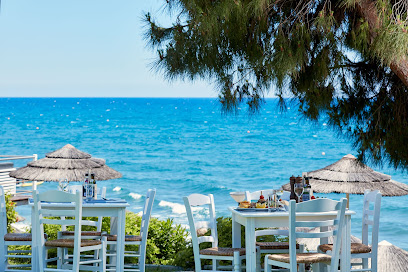
Be One Bar
21.6 km
Discover the vibrant cocktail culture at Be One Bar in Agios Tychon, where exquisite drinks meet stunning Mediterranean views.
Jackson Gastro Cafe Bar
21.6 km
Discover Jackson Gastro Cafe Bar in Kiti, Cyprus - where grilled delicacies meet a cozy café atmosphere, perfect for breakfast and beyond.
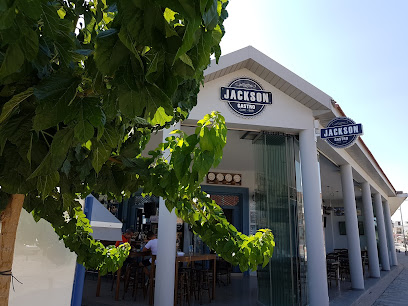
Vinaria
21.6 km
Experience the rich flavors of Cyprus at Vinaria, Kiti's premier wine bar offering an exquisite selection of local and international wines.
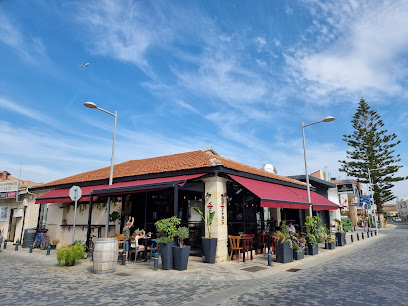
Trippers Bar
21.8 km
Experience the vibrant nightlife at Trippers Bar in Agios Tychon, Cyprus, where great drinks and a lively atmosphere await.
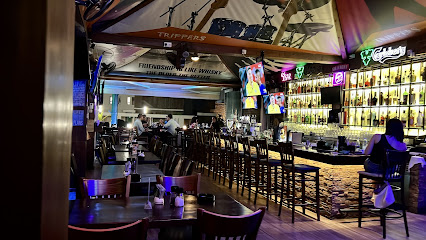
Vista Bar
22.0 km
Experience luxury at Vista Bar in Agios Tychon, Cyprus, where exquisite cocktails and stunning views create the perfect retreat for relaxation.
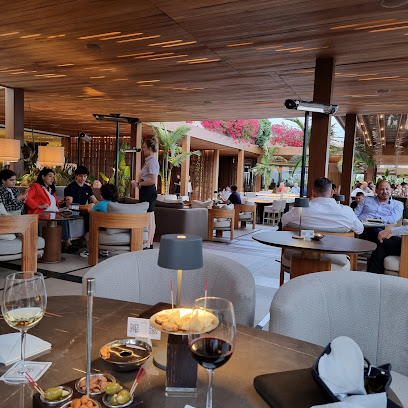
Sash Shisha
22.0 km
Experience the vibrant nightlife of Agios Tychon at Sash Shisha, where delicious burgers and relaxing hookah create the perfect evening escape.
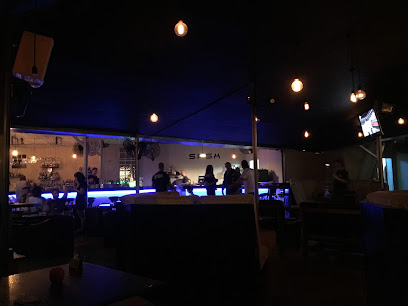
Nightclubs & after hour spots

The Wood Bar
8.4 km
Discover the lively atmosphere of The Wood Bar in Pano Lefkara, where local culture meets refreshing drinks and vibrant entertainment for an unforgettable night out.
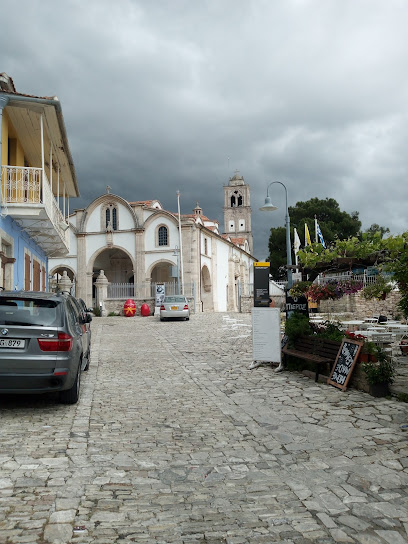
NOROOF
15.8 km
Experience the ultimate nightlife at NOROOF in Moni, Cyprus, where art and music collide for an unforgettable party atmosphere.
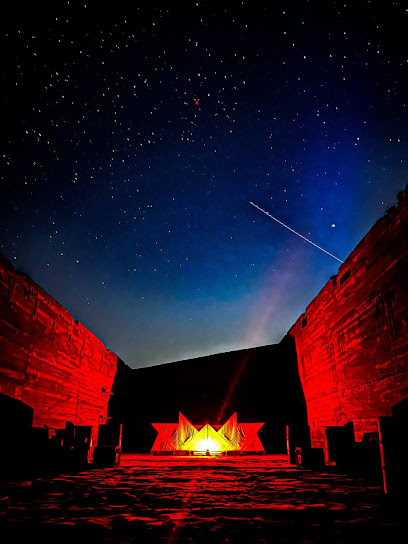
Theama Venue
21.1 km
Experience the thrill of Limassol's nightlife at Theama Venue, a premier night club featuring live music and unforgettable events in a stunning outdoor setting.
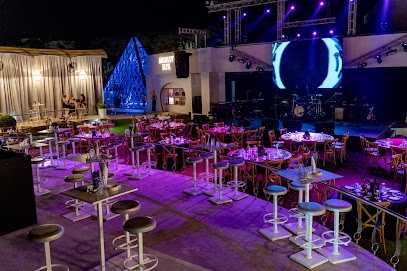
Akropolis Hills
21.7 km
Discover the exhilarating nightlife of Akropolis Hills, Kapedes, where music, dance, and socializing create unforgettable moments.
Silk velvet gentlemen's club
24.1 km
Discover the opulent nightlife at Silk Velvet Gentlemen's Club in Mouttagiaka, where glamour meets entertainment for an unforgettable experience.
Summer Breeze Club
24.7 km
Dive into Yermasoyias' vibrant nightlife at Summer Breeze Club, where electrifying beats and unforgettable memories await every party enthusiast.
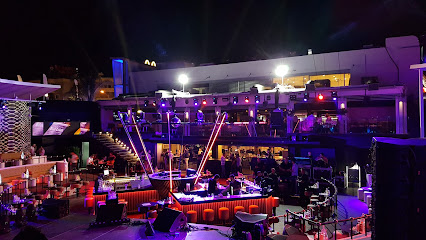
VIP Room Gold
24.7 km
Discover the vibrant nightlife of Limassol at VIP Room Gold, where luxury meets an unforgettable party atmosphere.
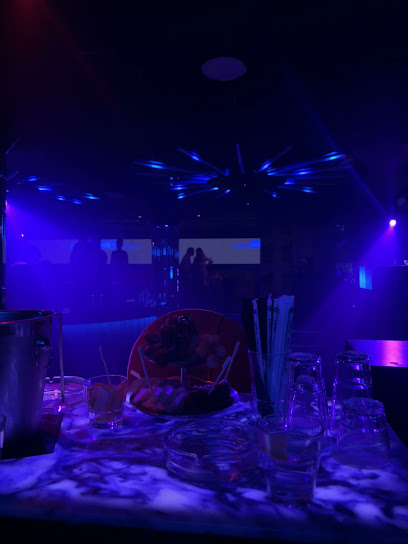
Royalty club
25.0 km
Discover the Royalty Club, a premier night club in Germasogeia, Cyprus, offering vibrant music, dancing, and a welcoming atmosphere for all.
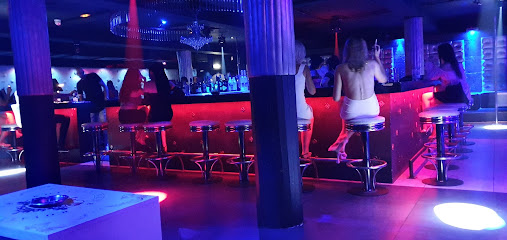
Couture House CY
25.1 km
Discover the electrifying nightlife at Couture House CY in Germasogeia, where music, cocktails, and dancing create unforgettable memories.
Royalty
25.2 km
Discover the electrifying atmosphere of Royalty Night Club in Germasogeia, where unforgettable nightlife experiences await.
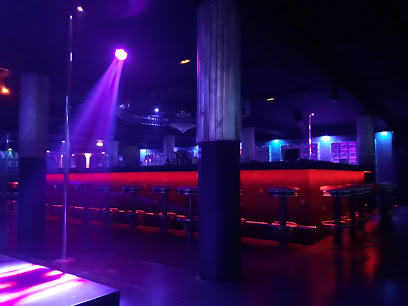
Arsenic Lounge Bar
25.3 km
Discover the electrifying nightlife of Arsenic Lounge Bar in Germasogeia, Cyprus - a hotspot for cocktails, dancing, and live entertainment.
Club Eleven
25.5 km
Discover the electrifying nightlife at Club Eleven, a premier night club in Germasogeia, Cyprus, showcasing vibrant music and a lively atmosphere.
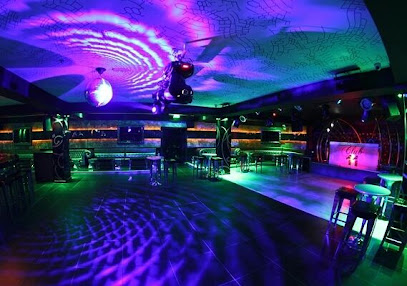
MAXI CLUB
25.8 km
Discover the electric atmosphere of MAXI CLUB, Limassol's ultimate nightlife hotspot, where unforgettable nights and world-class DJs await.
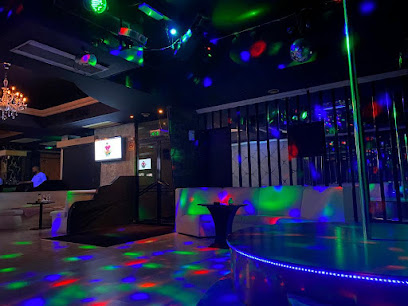
Rotonta piano restaurant bar
26.2 km
Discover the vibrant nightlife of Germasogeia at Rotonta, where exquisite dining meets electrifying entertainment in Cyprus.
Baby club
28.4 km
Experience the electrifying nightlife at Baby Club in Larnaca, Cyprus – where the party never stops and memories are made.


