

The Cyprus Museum Travel Guide
Free Guide: Discover Cyprus's ancient past at the island's largest archaeological museum, showcasing artifacts from the Neolithic Age to the Early Byzantine period.


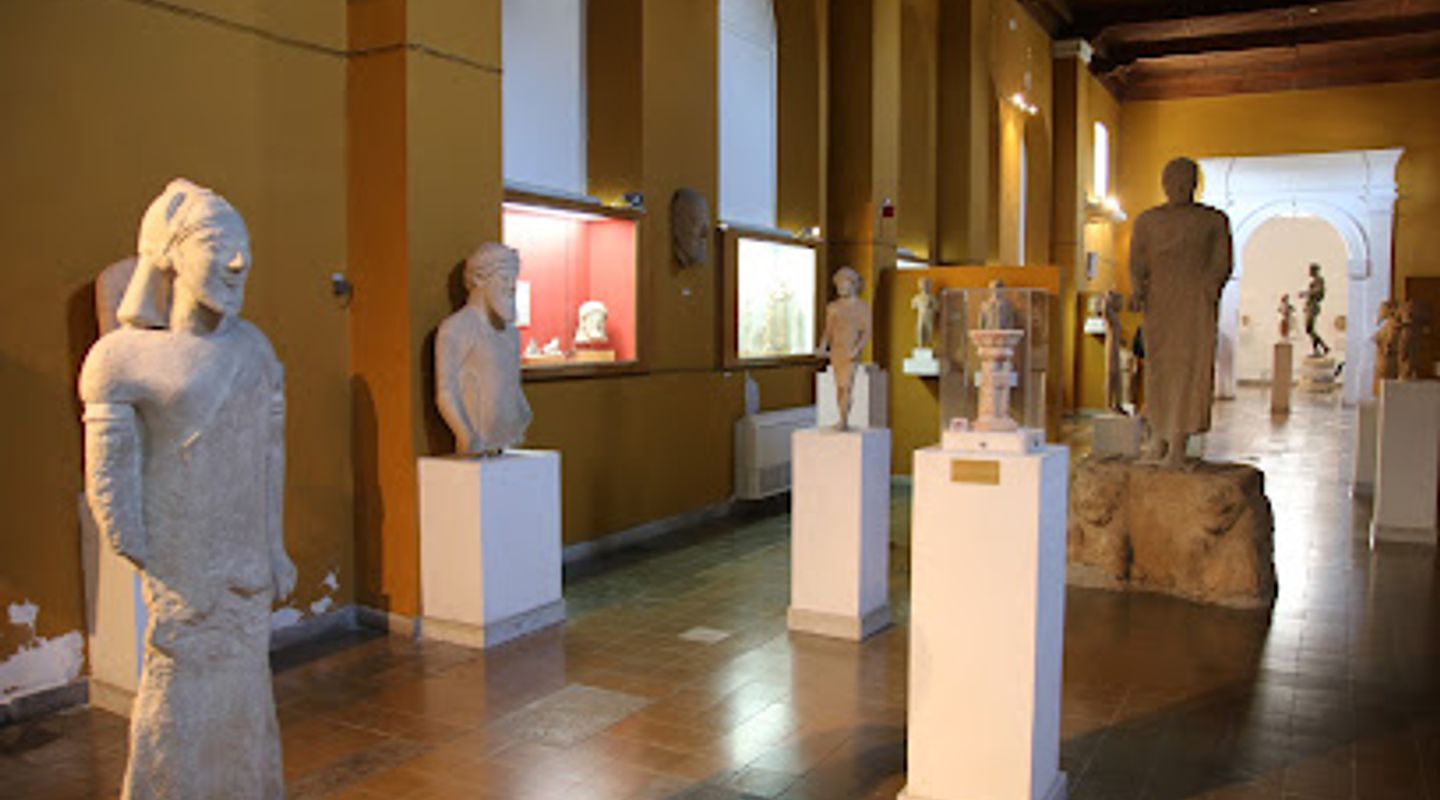
A brief summary of The Cyprus Museum
Discover Cyprus's ancient past at the island's largest archaeological museum, showcasing artifacts from the Neolithic Age to the Early Byzantine period.
The Cyprus Museum in Nicosia is the largest and oldest archaeological museum in Cyprus, showcasing the island's rich history from the Neolithic Age to the Early Byzantine period. Founded in 1882, it houses an extensive collection of Cypriot antiquities discovered during excavations across the island.
Opening hours
- MonClosed
- Tue8 am–6 pm
- Wed8 am–6 pm
- Thu8 am–6 pm
- Fri8 am–6 pm
- Sat9 am–5 pm
- Sun10 am–1 pm
Opening hours as listed on the venue’s Google Business Profile. Hours can change for services and special events, so check with the venue before you go.
- Address
- Mouseiou 1, Nicosia 1097, Cyprus
- Phone
- Website
Getting there
Walking
Public Transport
Taxi
Discover more about The Cyprus Museum
Overview
The Cyprus Museum, also known as the Cyprus Archaeological Museum, stands as the principal guardian of Cyprus's rich past. Located in the heart of Nicosia, it is the largest and oldest archaeological museum in Cyprus, offering visitors a comprehensive journey through the island's civilization from the Neolithic Age to the Early Byzantine period (7th century).Founded in 1882 during British rule, the museum's creation was spurred by growing concerns over the illicit excavation and smuggling of Cypriot antiquities. Dedicated locals and the British administration recognized the urgent need to protect the island's cultural heritage, leading to the establishment of a safe haven for archaeological treasures. The museum first opened in a small, single-room building.The museum's collections have grown over the years, thanks to extensive excavations across Cyprus. These finds have not only enriched the museum but have also significantly contributed to the development of Cypriot archaeology and research into the cultural heritage of the Mediterranean. The collections consist of pottery, jewellery, sculpture, coins, copper objects, and other artifacts, all exhibited in chronological order in the various museum galleries.The museum building itself is historic; construction commenced in 1908 and was completed in 1924, when Cyprus was still a British colony. Several extensions were later added for the museum to become the building it is today. Inside, fourteen display halls surround a central square area, housing auxiliary offices, a library, storerooms, and conservation laboratories. The exhibits are arranged chronologically and thematically, guiding visitors through the different periods of Cypriot history.Pieces typical of Cypriot culture – and of particularly important artistic, archaeological, and historical value – include the cross-shaped idol of the Chalcolithic period, Early Bronze Age pottery from Vouni, Late Bronze Age golden jewellery from Egkomi, and the 1st century BC statue of Aphrodite of Soloi.
Evendo Review Centre
 Google
Guest reviews
Explore The Cyprus Museum on the map
A handpicked selection of must-see spots near The Cyprus Museum, mapped for you.
Get your free copy of our complete guide to The Cyprus Museum, delivered straight to you.
Everything on this page, from opening hours and how to get there to Eve’s tips and the best time to go, in one PDF you can read offline, print or share.
Already have an account? Sign in
Your The Cyprus Museum guide is ready.
We'll send it to · Not you? Sign out

Getting your guide ready…
We are putting together a fresh copy of the The Cyprus Museum guide. This can take up to a minute.
This can take a few moments. If your browser asks, choose Allow so the download can start. You'll find the guide in your Downloads folder.
Nothing happened? Download it again
Sorry, the guide is taking longer than usual. Please try again in a minute, or get it by email instead.
Unlock the best of The Cyprus Museum
Skip-the-line tickets, guided tours with entry, and walking tours of the area, booked in a few clicks.
 Tour with entry
Nicosia the capital of Cyprus from Paphos
from $58.63 Tour with entry
Nikosia : Private Custom Walking Tour with A Guide (Private Tour)
from $95.93 Tour with entry
2-Hour The Best of Nicosia Private Walking Tour
from $1,023.29 Tour with entry
Crossroads of Empires Archaeological Treasures of Cyprus Tour
from $4,554.30


Other nearby places you may find interesting
The closest places of the same kind, if this one is not quite what you had in mind.
-
-
-
-
-


Swipe for more places
More to explore near The Cyprus Museum

 Best experiences near The Cyprus Museum
 Best hotels near The Cyprus Museum
 Best landmarks near The Cyprus Museum
 Best attractions near The Cyprus Museum
 Best shops near The Cyprus Museum
 Best restaurants near The Cyprus Museum
 Best bars near The Cyprus Museum
Do you manage this location?
Take control to get all the benefits, like improved information, better appearance, and stronger visibility across AI-powered discovery.
Explore more

Explore more of Nicosia District
Discover the unique blend of history and modern living in Nicosia District, the heart of Cyprus, where ancient landmarks meet vibrant contemporary culture.
Explore Nicosia District
Explore more of Cyprus
Discover Cyprus: A Mediterranean paradise with a rich tapestry of history, culture, and breathtaking landscapes, offering a perfect blend of relaxation and adventure.
Explore Cyprus
