

Free Nicosia District Travel Guide & Mobile App
Explore Nicosia District with free travel guides. Discover regional history, expert tips, proposed trips, and audio guides on web or mobile app.


Explore Nicosia District for a divided capital, ancient ruins, Byzantine churches, mountain villages, museums and forested Troodos foothills.
Read more about Nicosia District
When is the best time to visit Nicosia District?
Best: April–May, October · 24–30°C| Month | High (°C) | Rainfall (mm) |
|---|---|---|
| January | 15 | 60 |
| February | 16 | 48 |
| March | 20 | 38 |
| April (best) | 24 | 25 |
| May (best) | 30 | 15 |
| June | 35 | 6 |
| July | 37 | 1 |
| August | 37 | 2 |
| September | 33 | 9 |
| October (best) | 28 | 26 |
| November | 22 | 38 |
| December | 16 | 54 |
Getting to and around Nicosia District
How to get there
Transportation
Top city travel guides in Nicosia District
The cities of Nicosia District, and the easiest places to base yourself.
-

-

-

-

-


Swipe for more cities
Destinations in Nicosia District
Resorts, valleys and scenic spots worth a trip of their own.
-

-

-

-
-

-


Swipe for more destinations
Best attractions in Nicosia District
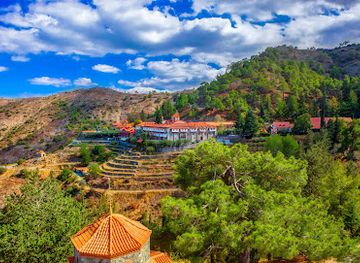
Nicosia District offers a varied collection of urban, archaeological, religious and outdoor attractions. In the capital, the walled city contains museums, galleries, churches, mosques, Ottoman buildings, restored lanes and cultural venues, with the Cyprus Museum providing the broadest introduction to the island’s archaeology. South of Nicosia, the ancient site of Tamassos near Politiko gives context to Cyprus’s Iron Age city kingdoms, while the Machairas area combines monastery heritage with wooded mountain scenery. The western uplands lead towards villages such as Kakopetria, Galata and Kalopanagiotis, where traditional houses, woodland walks and Byzantine churches create a slower rural itinerary. Several churches in the district form part of the UNESCO-listed Painted Churches in the Troodos Region, making frescoes and religious architecture a major attraction. Walkers can explore forest roads and marked trails, although summer heat and limited public transport require planning. Village tavernas, craft traditions and seasonal produce add cultural interest, while the capital’s galleries and museums provide a stronger contemporary dimension. The district is best understood as a combination of compact urban exploration and dispersed countryside excursions rather than as a single attraction zone.
-
Monastery
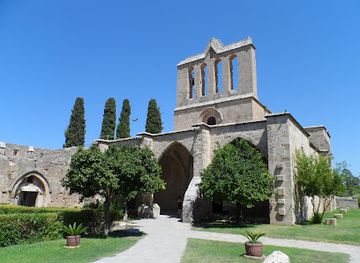
Bellapais Abbey
Discover the enchanting ruins of Bellapais Abbey in Northern Cyprus, a stunning blend of Gothic architecture, rich history, and breathtaking Mediterranean views, offering a tranquil escape.
-
Archaeological museum
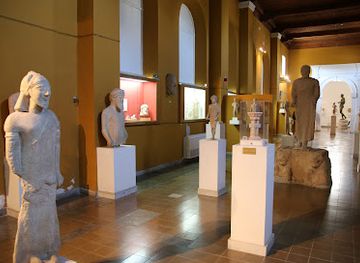
The Cyprus Museum
Explore Cyprus's ancient past at the island's largest archaeological museum, featuring artifacts from the Neolithic Age to the Byzantine era.
-
Historical landmark
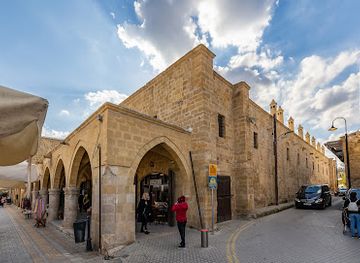
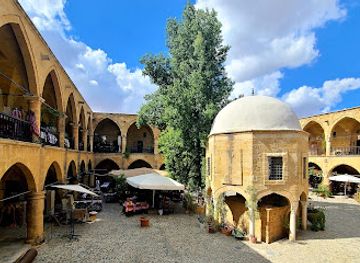
Büyük Han
Explore the Büyük Han in Nicosia: a beautifully restored 16th-century Ottoman caravanserai, now a vibrant center for art, culture, and Cypriot crafts.
-
Mosque
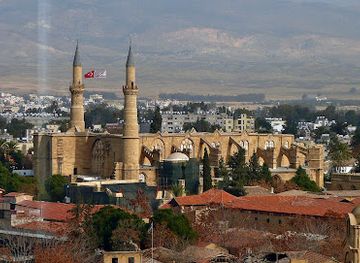
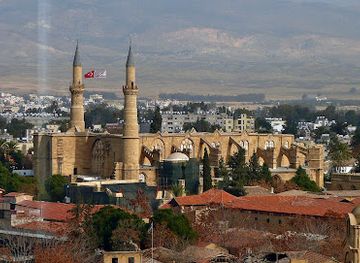
Selimiye Camii
Explore the stunning Selimiye Mosque in Nicosia, a unique fusion of Gothic and Ottoman architecture with a rich, layered history.

Best landmarks in Nicosia District
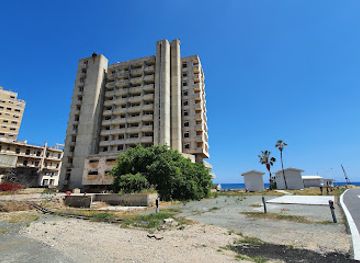
Nicosia’s Venetian walls are the district’s defining built landmark: their bastions and gates form a distinctive star-shaped circuit around the historic centre and express the city’s strategic importance in the sixteenth century. Within the walls, the Ledra Street area, Faneromeni Church, Omeriye Mosque and Archbishopric quarter represent different religious and political layers of the capital, while the visible buffer zone remains a powerful modern landmark of Cyprus’s division. South-west of the city, the archaeological remains of Tamassos near Politiko mark the location of an ancient city kingdom associated with copper and religious cults. In the mountains, Machairas Monastery is the district’s most significant monastic landmark, occupying a remote forested setting and retaining an important place in Cypriot religious life. The church of Agios Ioannis Lampadistis at Kalopanagiotis, with its medieval architecture and frescoes, is part of the UNESCO-listed Painted Churches in the Troodos Region. Traditional stone villages such as Kakopetria and Galata are also notable as historic settlements rather than isolated monuments.
-
Island
Cyprus
Explore Cyprus, an island paradise with stunning beaches, rich history, and a vibrant culture that awaits every traveler.
-
Archaeological museum
The Cyprus Museum
Discover Cyprus's ancient past at the island's largest archaeological museum, showcasing artifacts from the Neolithic Age to the Early Byzantine period.
-
Historical landmark
Büyük Han
Explore the historic Büyük Han in Nicosia: a beautifully restored Ottoman-era caravanserai, now a vibrant center for arts, culture, and Cypriot crafts.
-
Mosque
Selimiye Camii
Explore the stunning Selimiye Camii, a historic mosque in North Nicosia blending Gothic and Islamic architecture, surrounded by serene gardens.
Explore Nicosia District on the map
Plan your trip on one map. See where the top cities, national parks and sights are, and book hotels and experiences in a few clicks.
Best hotels in Nicosia District
Best restaurants in Nicosia District
Dining in Nicosia District ranges from modern restaurants and cafés in the capital to family-run tavernas in the villages and mountain valleys. Nicosia’s old city and surrounding neighbourhoods offer Cypriot staples such as meze, grilled meats, halloumi, olives, pulses, seasonal vegetables and breads, alongside international and contemporary cooking. Local food culture is closely tied to agricultural produce: citrus, carob, almonds, grapes, herbs and preserved fruit appear in sweets, drinks and savoury dishes. In the upland villages, tavernas may serve country cooking built around slow-cooked meats, potatoes, mushrooms, cheeses and locally grown produce, with menus varying by season rather than following a fixed regional formula. Cypriot coffee, spoon sweets and pastries are useful additions to a village stop, while wine from the wider foothill and mountain areas is often available in restaurants. Market shopping and specialist grocers in Nicosia are practical ways to find cheese, olives, honey and other products for a picnic or gift.
-
Restaurant
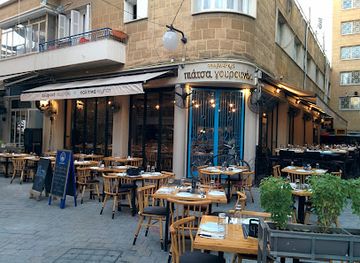
Piatsa Gourounaki
Experience authentic Cypriot cuisine at Piatsa Gourounaki in Nicosia—where flavors meet tradition in a warm and inviting atmosphere.
-
Greek
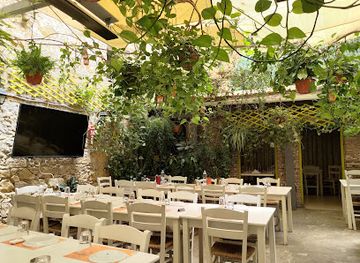
To Anamma Traditional Restaurant
Discover authentic Greek flavors at To Anamma Traditional Restaurant in Nicosia - where every meal tells a story.
-
Greek
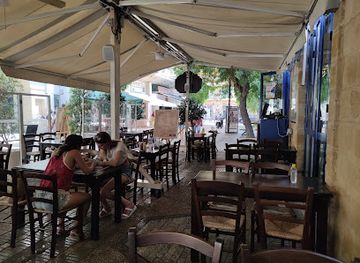
Kathodon Greek Restaurant & Coffee Shop
Experience authentic Greek cuisine at Kathodon Greek Restaurant & Coffee Shop in Nicosia—where every dish tells a story.
-
Armenian
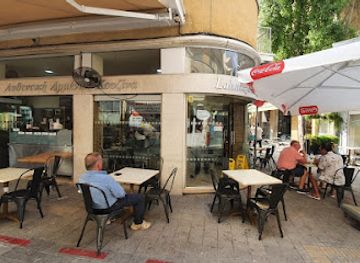
Avo Armenian Food
Discover authentic Armenian cuisine at Avo Armenian Food in Nicosia - where every dish is crafted with passion and tradition.
Best bars in Nicosia District
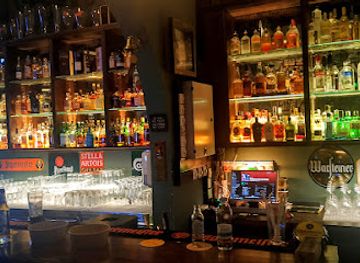
Nicosia has the district’s most varied evening scene, particularly around the old city and central neighbourhoods, where traditional cafés, wine bars, cocktail venues, pubs and restaurants occupy historic streets and renovated buildings. Live music and cultural performances are more characteristic of the capital than large-scale clubbing, though late-night venues do operate and their availability changes over time. Students and younger residents contribute to a more informal bar culture in central areas, while quieter districts favour food-led evenings. Outside Nicosia, nightlife is generally modest and centres on village tavernas, coffeehouses, hotel bars and occasional live music rather than dedicated nightclubs. Mountain settlements can become quiet after dinner, especially outside the main visitor season. Local wineries and breweries may offer tastings or tours, but arrangements should be checked in advance. Evening temperatures are pleasant in summer, although rural roads require care if driving after dinner.
-
Grill
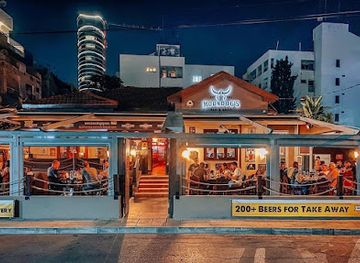
Moondog's Bar & Grill
Moondog's Bar & Grill: A vibrant grill and pub in Nicosia, Cyprus, serving delicious food and drinks in a lively atmosphere.
-
Bar
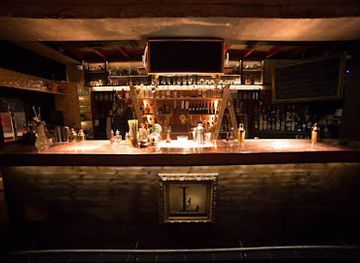
Lost + Found Drinkery
Experience the vibrant nightlife at Lost + Found Drinkery in Nicosia, where innovative cocktails and a lively atmosphere come together.
-
Grill
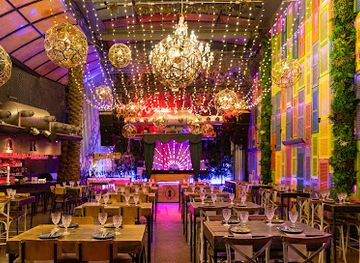
Babylon Bar
Experience the lively ambiance and delightful grill dishes at Babylon Bar, a must-visit destination in Nicosia for tourists and locals alike.
-
Cocktail bar
Patio Cocktail Bar
Discover the vibrant nightlife at Patio Cocktail Bar in Nicosia, where exquisite cocktails and delicious tapas create a perfect evening escape.
Best nightclubs in Nicosia District
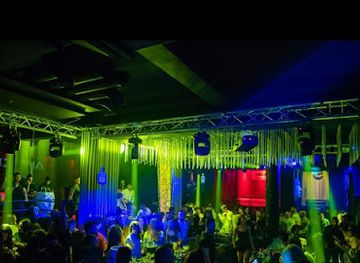
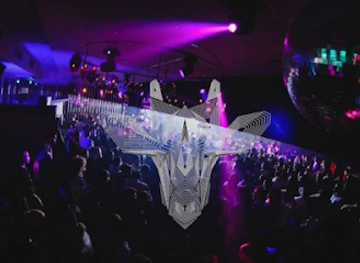
Nicosia has the district’s most varied evening scene, particularly around the old city and central neighbourhoods, where traditional cafés, wine bars, cocktail venues, pubs and restaurants occupy historic streets and renovated buildings. Live music and cultural performances are more characteristic of the capital than large-scale clubbing, though late-night venues do operate and their availability changes over time. Students and younger residents contribute to a more informal bar culture in central areas, while quieter districts favour food-led evenings. Outside Nicosia, nightlife is generally modest and centres on village tavernas, coffeehouses, hotel bars and occasional live music rather than dedicated nightclubs. Mountain settlements can become quiet after dinner, especially outside the main visitor season. Local wineries and breweries may offer tastings or tours, but arrangements should be checked in advance. Evening temperatures are pleasant in summer, although rural roads require care if driving after dinner.
-
Jazz
Sarah's Jazz & Blues Club
Discover the vibrant atmosphere of Sarah's Jazz & Blues Club, Nicosia's premier destination for live jazz and blues performances.
-
Night club
Central Night Club
Experience the electrifying nightlife at Central Night Club in Nicosia, Cyprus - a must-visit for party enthusiasts.
-
Night club
Club Teez
Discover the electric nightlife of Nicosia at Club Teez, where music, drinks, and vibrant energy unite for an unforgettable night out.
-
Night club
State Club
Discover the vibrant nightlife at State Club in Egkomi, Cyprus, where exhilarating beats and stunning visuals create an unforgettable party experience.


Best shops in Nicosia District
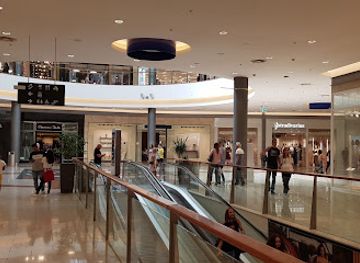
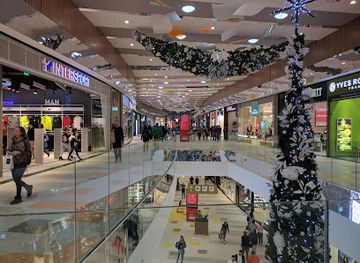
Nicosia provides the district’s broadest shopping choice, from central high streets and department stores to independent boutiques, bookshops, galleries, delis and craft retailers in and around the walled city. Laiki Geitonia is oriented towards visitors, while other central streets offer a more everyday mix of cafés, services and local businesses. The capital is a useful place to buy Cyprus-made ceramics, woven goods, jewellery, leather items, olive-oil products, sweets, honey and packaged herbs, although quality and provenance vary. Village shops and small producers in the foothills provide a more local setting for fruit preserves, carob products, church sweets, wines and traditional foods. Markets and specialist food shops are particularly useful for edible gifts, but trading days and individual opening arrangements can change. Antique-looking objects and archaeological artefacts should be treated cautiously: never buy items presented as genuine antiquities without clear lawful provenance and export permission.
-
Shopping mall
Mall Of Cyprus
Explore a shopping paradise at the Mall of Cyprus, where fashion, food, and fun come together in one vibrant location.
-
Shopping mall
Nicosia Mall
Discover the ultimate shopping and dining experience at Nicosia Mall, where Cyprus's vibrant retail scene comes alive.
-
Tourist attraction
Holy Monastery of Panagia Machaira
Explore the Holy Monastery of Panagia Machaira: a haven of tranquility and a testament to Cypriot spirituality amidst stunning natural beauty.
-
National park
Athalassa National Forest Park
Experience the natural beauty and tranquility of Athalassa National Forest Park in Cyprus, a perfect escape for nature enthusiasts and outdoor lovers.
Get your free copy of our complete guide to Nicosia District, delivered straight to you.
Everything on this page, from attractions and restaurants to essentials and local phrases, in one PDF you can read offline, print or share.
Already have an account? Sign in
Your Nicosia District guide is ready.
We'll send it to · Not you? Sign out

Getting your guide ready…
We are putting together a fresh copy of the Nicosia District guide. This can take up to a minute.
This can take a few moments. If your browser asks, choose Allow so the download can start. You'll find the guide in your Downloads folder.
Nothing happened? Download it again
Sorry, the guide is taking longer than usual. Please try again in a minute, or get it by email instead.
Nicosia District essentials
Currency and Payment
Safety
Emergency Situations
Do's and Don'ts
Local Tips
From Eve
Local phrases worth knowing
You don't need to get them perfect. A few words go a long way, and locals appreciate the effort.
Basics
| English | Local | Say it |
|---|---|---|
| Hello | Γειά σου | [Yia sou] |
| Goodbye | Αντίο | [Antio] |
| Yes | Ναι | [Ne] |
| No | Όχι | [Ochi] |
| Please/You're welcome | Παρακαλώ | [Parakalo] |
| Thank you | Ευχαριστώ | [Efharisto] |
| Excuse me/Sorry | Συγγνώμη | [Signomi] |
| How are you? | Τι κάνεις; | [Ti kaneis?] |
| Fine. And you? | Καλά. Εσύ; | [Kala. Esy?] |
| Do you speak English? | Μιλάς αγγλικά; | [Milas agglika?] |
| I don't understand | Δεν καταλαβαίνω | [Den katalavaino] |
Eating & Drinking
| English | Local | Say it |
|---|---|---|
| I'd like to see the menu, please | Θα ήθελα να δω το μενού, παρακαλώ | [Tha ithela na do to menu, parakalo] |
| I don't eat meat | Δεν τρώω κρέας | [Den troo kreas] |
| Cheers! | Στην υγειά μας! | [Stin ygeia mas!] |
| I would like to pay, please | Θα ήθελα να πληρώσω, παρακαλώ | [Tha ithela na pliroso, parakalo] |
Emergencies
| English | Local | Say it |
|---|---|---|
| Help! | Βοήθεια! | [Voitheia!] |
| Go away! | Φύγε! | [Fige!] |
| Call the Police! | Καλέστε την αστυνομία! | [Kaleste tin astinomia!] |
| Call a doctor! | Καλέστε έναν γιατρό! | [Kaleste enan giatro!] |
| I'm lost | Έχω χαθεί | [Echo hati] |
| I'm ill | Είμαι άρρωστος/η | [Eimai arrostos/i] |
Shopping
| English | Local | Say it |
|---|---|---|
| I'd like to buy... | Θα ήθελα να αγοράσω... | [Tha ithela na agoraso...] |
| I'm just looking | Απλώς κοιτάω | [Aplos kitao] |
| How much is it? | Πόσο κοστίζει; | [Poso kostizei?] |
| That's too expensive | Είναι πολύ ακριβό | [Einai poly akrivo] |
| Can you lower the price? | Μπορείς να ρίξεις την τιμή; | [Boreis na rixis tin timi?] |
Time & Numbers
| English | Local | Say it |
|---|---|---|
| What time is it? | Τι ώρα είναι; | [Ti ora einai?] |
| It's one o'clock | Είναι μία η ώρα | [Einai mia i ora] |
| Half past (10) | Δεκαμισή | [Dekamisí] |
| Morning | Πρωί | [Proi] |
| Afternoon | Απόγευμα | [Apogevma] |
| Evening | Βράδυ | [Vrady] |
| Yesterday | Χθες | [Chthes] |
| Today | Σήμερα | [Simera] |
| Tomorrow | Αύριο | [Avrio] |
| 1 | 1 | [1] |
| 2 | 2 | [2] |
| 3 | 3 | [3] |
| 4 | 4 | [4] |
| 5 | 5 | [5] |
| 6 | 6 | [6] |
| 7 | 7 | [7] |
| 8 | 8 | [8] |
| 9 | 9 | [9] |
| 10 | 10 | [10] |
Transport & Directions
| English | Local | Say it |
|---|---|---|
| Where's a/the...? | Πού είναι το...; | [Pou einai to...?] |
| What's the address? | Ποια είναι η διεύθυνση; | [Poia einai i dieythynsi?] |
| Can you show me (on the map)? | Μπορείς να μου δείξεις (στο χάρτη); | [Boreis na mou deixis (sto charti)?] |
| When's the next (bus)? | Πότε είναι το επόμενο (λεωφορείο); | [Pote einai to epomeno (leoforeio)?] |
| A ticket (to ....) | Ένα εισιτήριο (για ....) | [Ena eisitirio (gia ....)] |
History of Nicosia District
Prehistoric Settlement and the Kingdom of Tamassos
The central part of modern Nicosia District was inhabited long before the capital developed. Tamassos, near present-day Politiko, became an important city kingdom in the first millennium BC, benefiting from agriculture and access to copper resources. Archaeological remains include tombs, sculptures and the sanctuary associated with Aphrodite. The site illustrates the importance of inland Cyprus during the Iron Age and Classical periods, when local kingdoms maintained links with the wider eastern Mediterranean.
Roman and Early Christian Cyprus
Cyprus became part of the Roman world in the first century BC, and its towns, roads, estates and religious communities were increasingly tied to imperial administration. Christianity spread across the island during late antiquity, laying foundations for the ecclesiastical traditions still visible in Nicosia District. The later prominence of churches and monasteries in the foothills reflects this long development, although many surviving buildings and paintings belong to medieval periods rather than the Roman era itself.
Byzantine Rule and the Mountain Churches
Under Byzantine influence, Christian institutions became central to Cypriot society. Remote valleys and mountain settlements developed monasteries and churches whose frescoes preserved distinctive religious art through periods of political change. The churches at Galata and Kalopanagiotis, together with other monuments in the Troodos region, demonstrate the artistic and spiritual importance of the uplands. Their survival is one reason several churches across the Troodos mountains are recognised collectively as a UNESCO World Heritage site.
Lusignan and Venetian Nicosia
The Lusignan dynasty ruled Cyprus from the late twelfth century, making Nicosia an important royal and ecclesiastical centre. Frankish Gothic influences shaped major churches and civic buildings, while later Venetian rule brought new defensive priorities. The great star-shaped walls surrounding the old city were constructed in the sixteenth century, shortly before the Ottoman conquest, and remain Nicosia’s most visible architectural reminder of the capital’s strategic position.
Ottoman Administration and British Rule
The Ottomans captured Cyprus in 1571, beginning more than three centuries of Ottoman administration. Mosques, baths, fountains and altered churches contributed to the changing urban character of Nicosia. Britain assumed administration in 1878 and formally annexed the island in 1914, introducing new systems of government, education and infrastructure. The coexistence of churches, mosques, Ottoman buildings and British-era structures in Nicosia reflects these successive political periods.
Independence, Division and the Modern Capital
Cyprus became independent in 1960, but constitutional conflict and intercommunal violence soon affected Nicosia. A United Nations buffer zone was established in 1964, and the division of the island deepened after the events of 1974. The capital remains physically divided, although crossings between the two parts have been possible at designated points since 2003, subject to current arrangements. Nicosia District today combines a functioning national capital with rural communities and a politically sensitive historic landscape.
Nicosia District in Photos
Browse through our photo collection highlighting the charm and character of the destination.
Neighbouring regions of Nicosia District
The closest regions to Nicosia District, if you have time for more than one.
-

-

-

-

-


Swipe for more regions
Explore more

Explore more of Cyprus
Discover Cyprus: A Mediterranean paradise with a rich tapestry of history, culture, and breathtaking landscapes, offering a perfect blend of relaxation and adventure.
Explore Cyprus