Tripoli Bastion Moat, Nicosia Travel Guide
Free Guide: Explore Nicosia's history at the Tripoli Bastion Moat, a peaceful park within the city's ancient Venetian walls.


A brief summary of Tripoli Bastion Moat
Explore Nicosia's history at the Tripoli Bastion Moat, a peaceful park within the city's ancient Venetian walls.
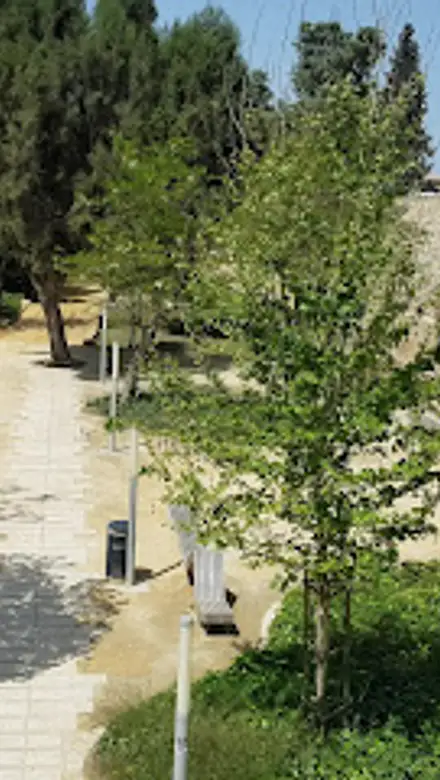
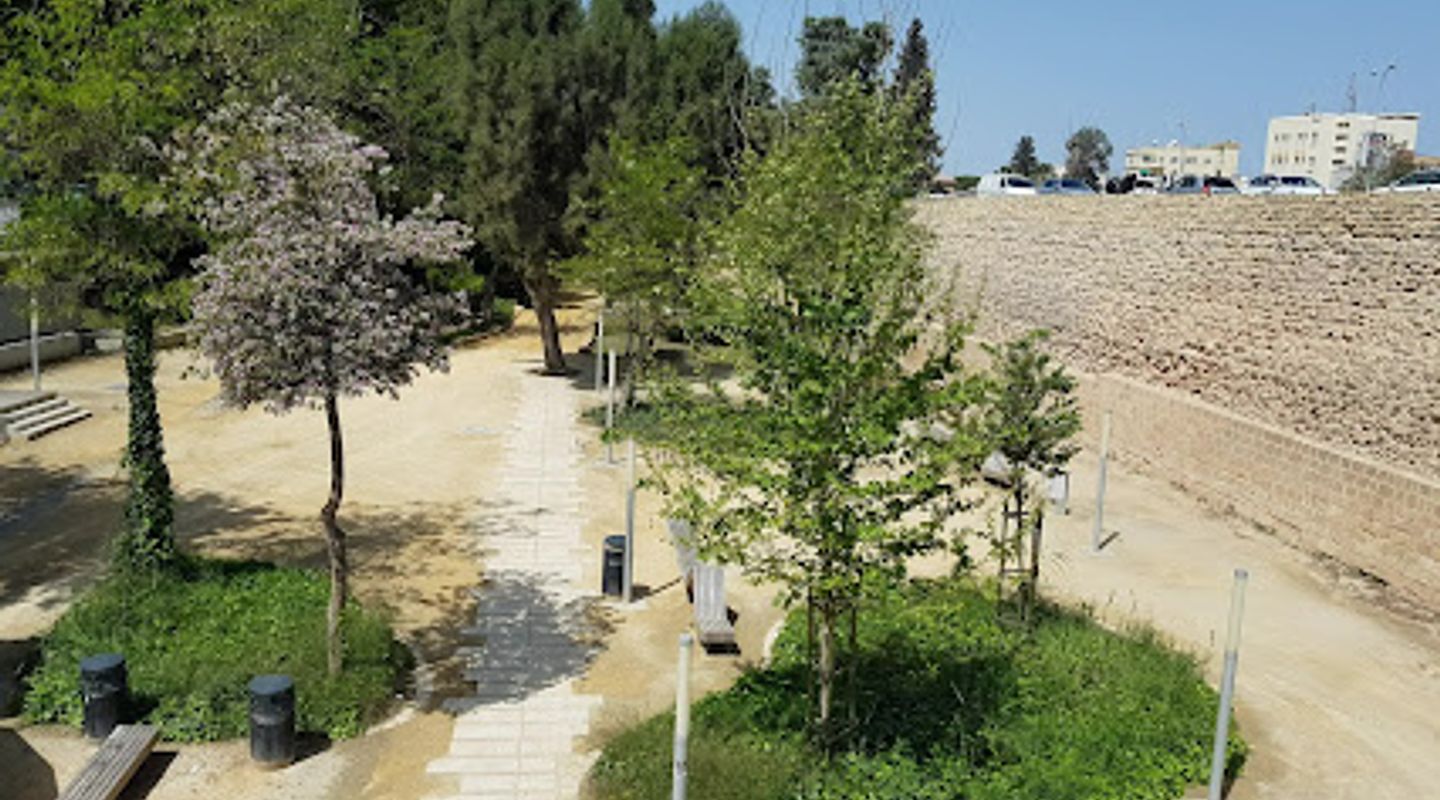
The Tripoli Bastion Moat, part of Nicosia's historic Venetian defensive system from the 16th century, has been repurposed into a public green space. It offers winding paths for exploration and reflection on the city's past. The bastion is named after Giacomo Denores, the Count of Tripoli, recognizing his significance during the Frankish and Venetian periods.
Opening hours
- Every dayOpen 24 hours
Opening hours as listed on the venue’s Google Business Profile. Hours can change for services and special events, so check with the venue before you go.
- Address
- 59C5+73J, Nicosia 1010, Cyprus
Getting there
Walking
Public Transport
Taxi/Ride-Share
Driving
Discover more about Tripoli Bastion Moat
Overview
The Tripoli Bastion Moat, located in Nicosia, Cyprus, offers a unique blend of history and recreation. Originally constructed in the 16th century as part of the Venetian defensive system, the moat and surrounding walls stand as a testament to Nicosia's strategic importance. The bastion is named after Giacomo Denores, the Count of Tripoli, a figure of significance during the Frankish and Venetian periods. The Denores family, of Norman descent, played an active role in Cypriot history, and the naming of the bastion serves as a lasting tribute to their contributions.Today, the area has been transformed into a public green space, inviting locals and tourists alike to explore its winding paths and reflect on the city's past. The park's pathways are perfect for leisurely strolls, and the diverse plant life attracts various bird species, making it a haven for nature lovers. The historical remnants of the bastion and walls provide a tangible link to Nicosia's past, allowing visitors to connect with the city's rich cultural heritage. The Tripoli Bastion Moat is conveniently located near the intercity bus station, making it easily accessible for travelers arriving in Nicosia.The Venetian walls, including the Tripoli Bastion, replaced older medieval walls, reflecting advancements in military architecture designed to withstand the artillery of the time. However, these fortifications were ultimately unable to prevent the Ottoman conquest in 1571. Following the Ottoman takeover, the walls were maintained and adapted, with the Ottomans adding their own architectural touches. In 1878, Great Britain assumed provisional administration of Cyprus, further influencing the city's development. The Tripoli Bastion, like other parts of the Venetian walls, has witnessed centuries of change, from military conflicts to periods of relative peace.
Evendo Review Centre
 Google
Guest reviews
Explore Tripoli Bastion Moat on the map
A handpicked selection of must-see spots near Tripoli Bastion Moat, mapped for you.
Get your free copy of our complete guide to Tripoli Bastion Moat, delivered straight to you.
Everything on this page, from opening hours and how to get there to Eve’s tips and the best time to go, in one PDF you can read offline, print or share.
Already have an account? Sign in
Your Tripoli Bastion Moat guide is ready.
We'll send it to · Not you? Sign out

Getting your guide ready…
We are putting together a fresh copy of the Tripoli Bastion Moat guide. This can take up to a minute.
This can take a few moments. If your browser asks, choose Allow so the download can start. You'll find the guide in your Downloads folder.
Nothing happened? Download it again
Sorry, the guide is taking longer than usual. Please try again in a minute, or get it by email instead.
Other nearby places you may find interesting
The closest places of the same kind, if this one is not quite what you had in mind.
-
-
-
-
-


Swipe for more places
More to explore near Tripoli Bastion Moat

 Best experiences near Tripoli Bastion Moat
 Best hotels near Tripoli Bastion Moat
 Best landmarks near Tripoli Bastion Moat
 Best attractions near Tripoli Bastion Moat
 Best shops near Tripoli Bastion Moat
 Best restaurants near Tripoli Bastion Moat
 Best bars near Tripoli Bastion Moat
Do you manage this location?
Take control to get all the benefits, like improved information, better appearance, and stronger visibility across AI-powered discovery.
Explore more

Explore more of Nicosia
Discover the rich history, cultural tapestry, and modern vibrancy of Nicosia, the last divided capital in Europe, offering a unique blend of ancient and contemporary attractions.
Explore Nicosia
Explore more of Cyprus
Discover Cyprus: A Mediterranean paradise with a rich tapestry of history, culture, and breathtaking landscapes, offering a perfect blend of relaxation and adventure.
Explore Cyprus