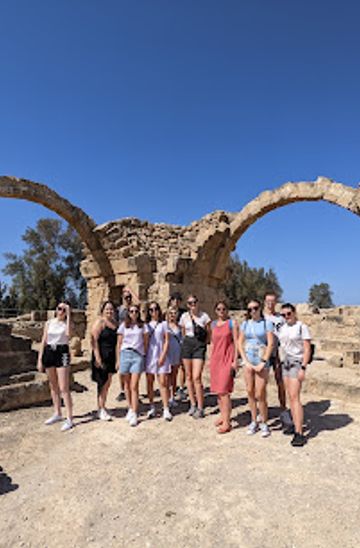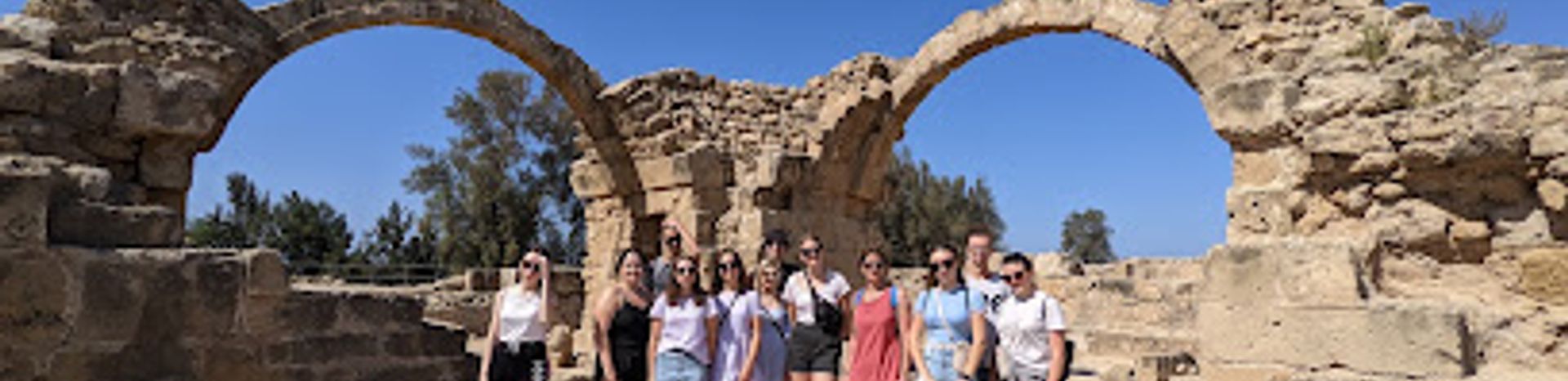
Forty Columns Fortress: Echoes of Paphos's Past
Explore the ancient ruins of Forty Columns Fortress in Paphos, a Byzantine marvel offering a glimpse into Cyprus's rich history and stunning coastal views.
Explore the ruins of Saranta Kolones, a 7th-century Byzantine fortress near Paphos Harbour. Damaged by an earthquake in 1222, the fortress, named for its numerous granite columns, offers a glimpse into the island's strategic past and stunning coastal views. It's a must-see historical site within the Paphos Archaeological Park.
A brief summary to Forty Columns Fortress
- Saranta Kolones, Paphos, CY
- Click to display
- Click to display

Know before you go
Hi, I'm Eve. Here are a few practical things to know before exploring Forty Columns Fortress.
- Wear comfortable shoes, as the terrain is uneven.
- Bring water, especially during warmer months, as there is limited shade.
- Visit early in the morning or late afternoon to avoid crowds.
- A single ticket grants access to all sites within the Paphos Archaeological Park.
Do you manage this location?
Take control to get all the benefits, like improved information, better appearance, and stronger visibility across AI-powered discovery. Learn more
Activate your presence

Getting There
-
Walking
From Paphos Harbour, walk north towards Paphos Castle. The Forty Columns Fortress will be visible on your left within the Paphos Archaeological Park, before reaching the castle. The walk is approximately 5-10 minutes along the waterfront promenade. No costs are associated with this final approach.
-
Public Transport
Take any bus that stops at 'Paphos Harbour' bus stop. From the bus stop, walk towards the harbor and follow the signs for the Paphos Archaeological Park. The Forty Columns Fortress is a short walk from the bus stop, located within the park on the left before reaching Paphos Castle. A single bus ticket costs €2 during the day or €3 at night.
-
Taxi
Taxis are readily available in Paphos, including near popular tourist areas like Paphos Harbour. A short taxi ride from the Paphos city center to the Forty Columns Fortress typically costs between €5.50 and €11 during the day, depending on the exact starting point and traffic. Night fares are slightly higher. Ensure the driver uses a meter or agree on a fare beforehand.
Discover more about Forty Columns Fortress
Explore the best of what Forty Columns Fortress has to offer













More about Paphos District

Discover Paphos District: Ancient ruins, stunning beaches, and charming villages await in this captivating region of Cyprus.
Tell me more about Paphos District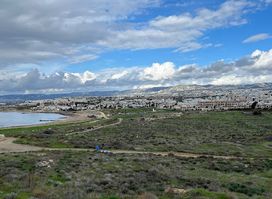
Explore the captivating ruins of Nea Paphos, a UNESCO World Heritage Site near Paphos Harbour, and discover stunning mosaics and ancient structures from Cyprus's Hellenistic and Roman past.

Discover Paphos Harbour: Where ancient history meets modern leisure on the stunning Cyprus coast, offering boat trips, waterfront dining, and cultural exploration for an unforgettable Mediterranean experience.