

Ficus sycomorus Ayia Napa, Protaras Travel Guide
Discover the ancient Ficus sycomorus in Ayia Napa, a majestic tree offering a tranquil escape and a glimpse into Cyprus's natural and cultural heritage.
The Ficus sycomorus in Ayia Napa is a centuries-old sycamore fig tree, a majestic and historically significant landmark. Revered as a sacred tree in ancient Egypt, it symbolizes fertility, protection, and nourishment. Located near the Ayia Napa Monastery, it offers a tranquil escape from the town's vibrant energy.
A brief summary to Ficus sycomorus Ayia Napa
- XXQX+GQJ, Ayia Napa, CY

Know before you go
Hi, I'm Eve. Here are a few practical things to know before exploring Ficus sycomorus Ayia Napa.
- Visit early in the morning or late afternoon for the best lighting for photography and to avoid crowds.
- Bring a picnic blanket and enjoy a peaceful lunch under the tree's shade.
- Wear comfortable shoes as the area around the tree may require some light walking.
- Combine your visit with a trip to the nearby Ayia Napa Monastery to explore more of the area's history.
Do you manage this location?
Take control to get all the benefits, like improved information, better appearance, and stronger visibility across AI-powered discovery. Learn more
Activate your presenceOther nearby places you may find interesting
The closest places of the same kind, if this one is not quite what you had in mind.

Explore Ficus sycomorus Ayia Napa on the Map
A handpicked selection of must-see spots near Ficus sycomorus Ayia Napa, mapped for you.
Getting There
-
Walking
If you are already in the center of Ayia Napa, for example, near the Ayia Napa Monastery or the main bus station at Plateia Agiou Georgiou, the Ficus sycomorus is easily accessible on foot. Head south from the monastery, walking along Kryou Nerou Avenue. Continue straight; the tree is located near the intersection of Kryou Nerou and Nissi Avenue. The walk is approximately 15-20 minutes. Look for the distinctive large tree; it's hard to miss.
-
Public Transport
From Protaras, locate the nearest bus stop on Protaras Avenue. Take bus number 101 or 102 towards Ayia Napa. The journey takes about 15-20 minutes. Disembark at the Ayia Napa Central bus station. From there, walk towards the Ayia Napa Monastery area, which is well-signposted. The Ficus sycomorus is located a short walk from the monastery; ask locals if needed. A single bus fare is approximately €2.
-
Taxi/Ride-Share
Taxis are readily available throughout Ayia Napa. A short taxi ride from anywhere in the town center to the Ficus sycomorus will cost approximately €10-€15, depending on the starting point and traffic. Ride-sharing services like Bolt are also available and offer a similar price range. Always confirm the price before hopping in.
-
Parking
Limited street parking is available near the site. Alternatively, use the Ayia Napa car park near the marina and walk for approximately 10 minutes. Parking fees in municipal car parks typically start from €0.50 per hour. Note that parking regulations are enforced, and illegal parking can result in fines.
Discover more about Ficus sycomorus Ayia Napa
More to explore near Ficus sycomorus Ayia Napa













Your all‑in‑one travel companion app
Explore expert travel guides, compare and book tours, experiences, hotels, and more—all from the palm of your hand. Download now for seamless trip planning wherever your wanderlust takes you.


Explore More of Protaras
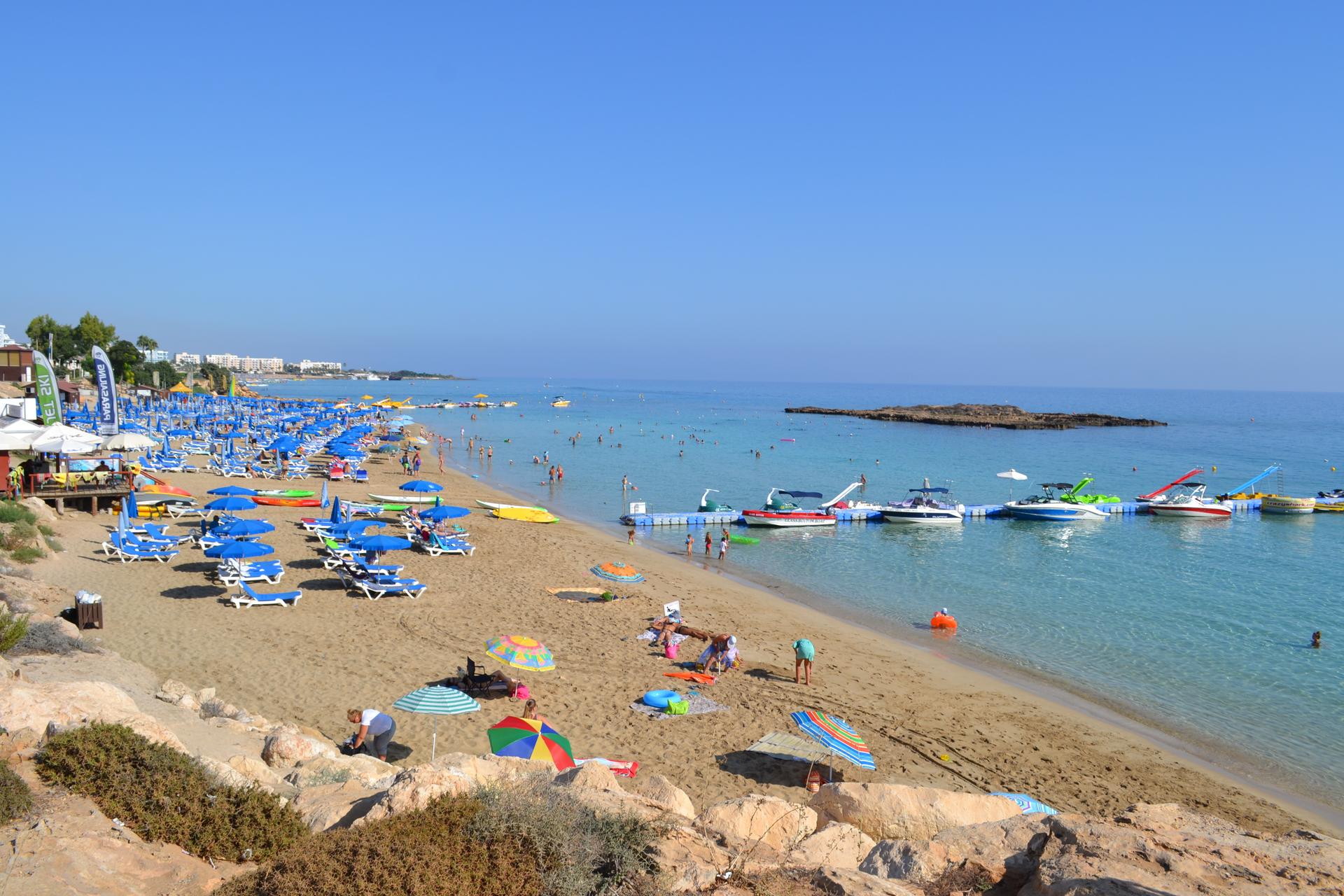
Looking beyond Ficus sycomorus Ayia Napa? Discover Protaras for broader travel guides, local hot-spots, and regional highlights.
Explore Protaras