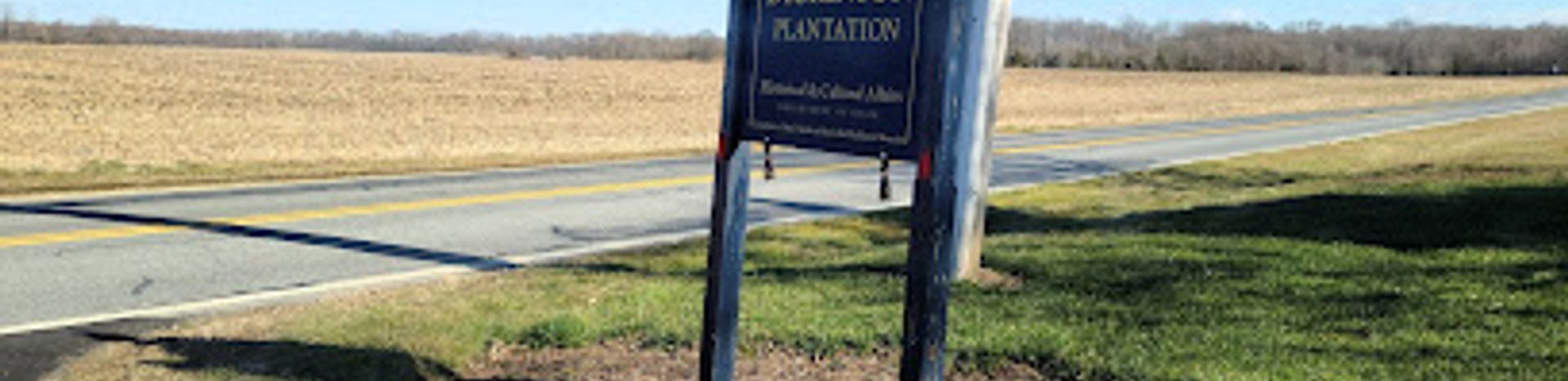
John Dickinson Plantation: Witness to a Nation's Birth
Discover the life of a Founding Father and the stories of those who lived and labored on his 18th-century Delaware plantation.
Explore the life and times of John Dickinson, a Founding Father and 'Penman of the Revolution,' at his meticulously preserved 18th-century plantation. Tour the mansion, grounds, and exhibits to uncover stories of freedom, enslavement, and the complexities of early America.
A brief summary to John Dickinson Plantation
- 340 Kitts Hummock Rd, Dover, Delaware, 19901, US
- +1302-739-3277
- Visit website
- Tuesday 10 am-4 pm
- Wednesday 10 am-4 pm
- Thursday 10 am-4 pm
- Friday 10 am-4 pm
- Saturday 10 am-4 pm
Local tips
- Check the official website for the most up-to-date hours of operation, as they can vary seasonally.
- Arrive early to allow ample time to explore the Visitor Center exhibits and watch the orientation film.
- Wear comfortable shoes, as you'll be doing a fair amount of walking on the grounds.
- Tours of the mansion are guided and offered at specific times; plan your visit accordingly.
- Consider visiting the nearby Air Mobility Command Museum for a broader historical perspective.

Getting There
-
Driving
The John Dickinson Plantation is located southeast of Dover, Delaware. From Route 1/113, take Exit 91 for Route 9 Kitts Hummock/Little Creek. Turn right onto Kitts Hummock Road (County Road 68) and follow it to the plantation entrance. Ample free parking is available on-site.
-
Public Transport
From the Dover Transit Center, take DART First State Route 103 towards Kitts Hummock. Disembark at the Kitts Hummock Rd & Kitts Hummock Beach stop. From there, it is a short 0.5-mile walk to the plantation. A one-way bus fare is typically around $2.
Discover more about John Dickinson Plantation
Iconic landmarks you can’t miss

John B. Lindale House
4.3 km
Discover the historic John B. Lindale House in Magnolia, Delaware, a charming landmark showcasing 19th-century architecture and rich local history.
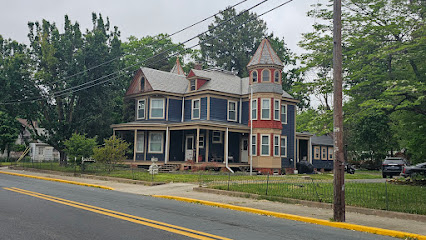
Historic cemetery.
8.5 km
Discover the serene Historic Cemetery in Dover, Delaware, a peaceful site that showcases the artistry and history of early American gravestones.
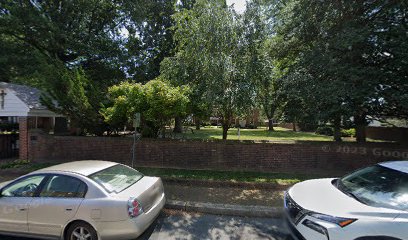
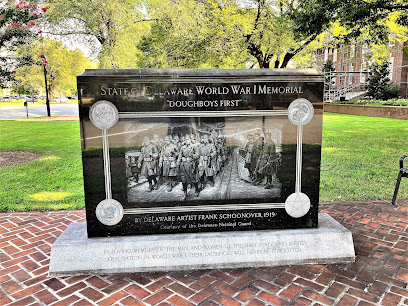
World War I Memorial
8.6 km
Explore the World War I Memorial in Dover, a poignant tribute to valor and sacrifice amidst Delaware's historical landscapes.
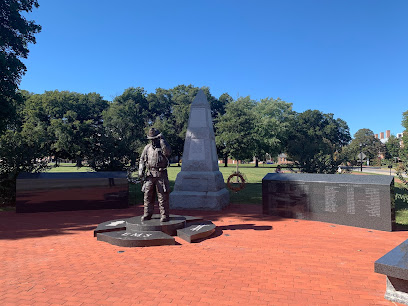
Fire Service Memorial
8.6 km
Explore the Fire Service Memorial in Dover, Delaware, a tribute to bravery and sacrifice, honoring those who serve our communities.
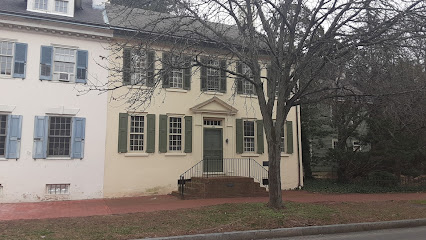
Bradford-Loockerman House
8.6 km
Explore the Bradford-Loockerman House, a historic landmark in Dover, Delaware, showcasing exquisite 18th-century architecture and colonial history.
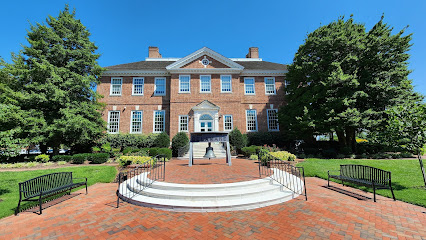
USS Delaware
8.7 km
Discover the USS Delaware, a historic landmark that embodies America's naval history and maritime heritage in picturesque Dover, Delaware.
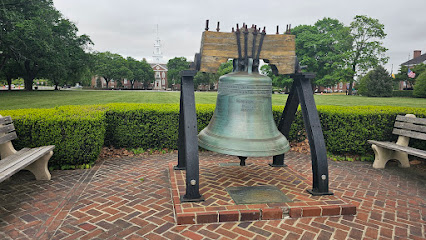
Liberty Bell Replica
8.7 km
Explore the Liberty Bell Replica in Dover, Delaware, where history and the ideals of freedom come to life in a serene park setting.
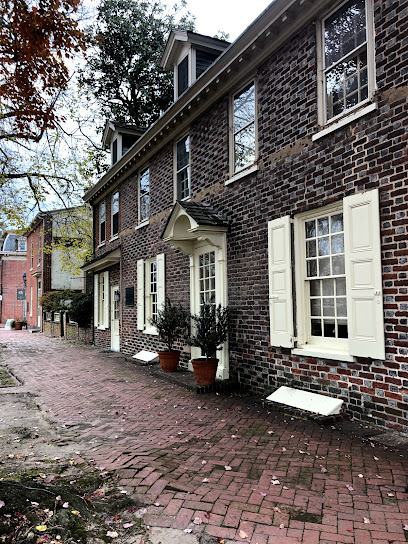
Parke-Ridgely House
8.8 km
Explore the Parke-Ridgely House, a historical gem in Dover, DE, showcasing Georgian architecture and rich early American history.
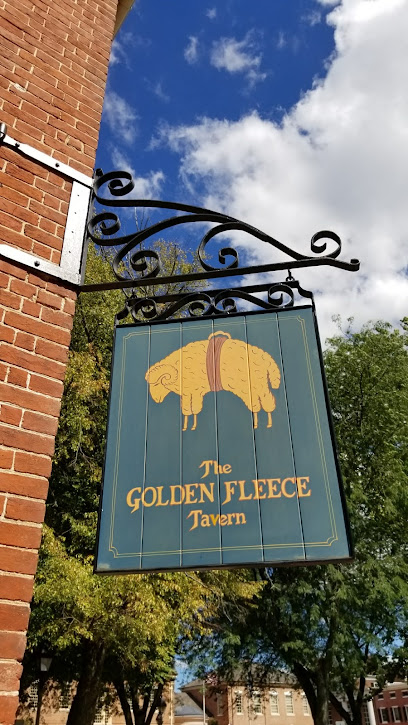
Golden Fleece Tavern
8.8 km
Explore the Golden Fleece Tavern, a historic landmark in Dover, Delaware, rich with stories and architectural beauty from the 18th century.
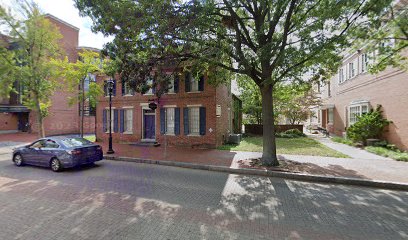
John Bullen House
8.9 km
Discover the historical significance of the John Bullen House in Dover, Delaware, a landmark that embodies colonial heritage and architectural beauty.
Unmissable attractions to see

Air Mobility Command Museum
1.9 km
Explore the history of air transport and refueling at the Air Mobility Command Museum, home to a fascinating collection of vintage aircraft.

Lebanon Landing
4.6 km
Discover scenic waterfront access at Lebanon Landing in Magnolia, DE, perfect for fishing, kayaking, and peaceful nature retreats.
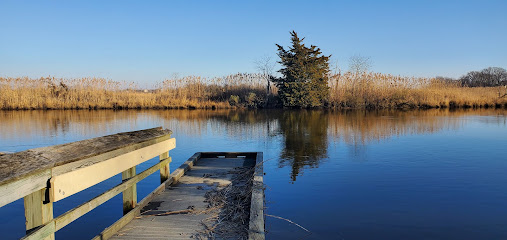
Little Creek Wildlife Area Logan Tract
5.3 km
Discover Delaware's natural beauty: hiking, birdwatching, and serene landscapes await at Little Creek Wildlife Area Logan Tract.
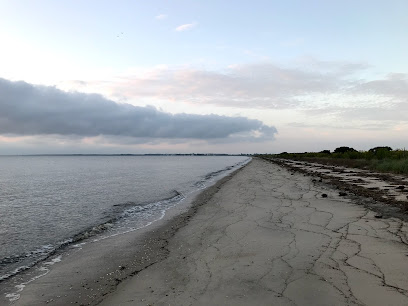
Tidbury Park
5.4 km
Escape to nature at Tidbury Creek County Park in Dover, DE, offering trails, a dog park, and picnic spots for a relaxing day outdoors.
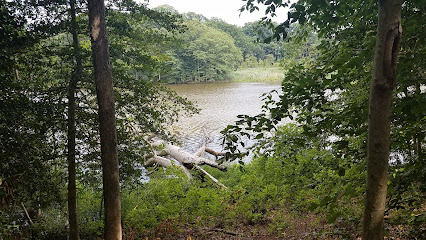
TH Morris Dove Field
5.7 km
Discover tranquility and natural beauty at T.H. Morris Dove Field, a premier hiking destination in Frederica, Delaware.
Little Creek Wildlife Area
6.3 km
Explore Delaware's coastal wilderness at Little Creek Wildlife Area: a haven for birding, hiking, and outdoor adventures near Dover.
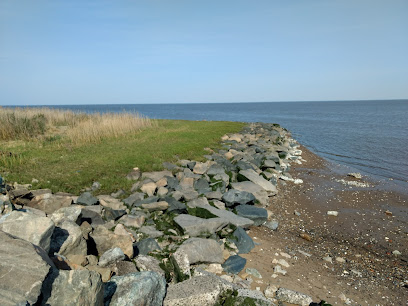
Bowers Beach Maritime Museum
6.3 km
Explore Delaware's maritime past at Bowers Beach Maritime Museum: Discover local history, exhibits, and stories of the Delaware Bay watermen.
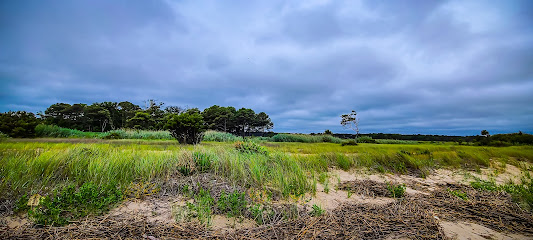
Little Creek Wildlife Management Area Pt Mahon Rd
7.8 km
Explore diverse habitats and witness spectacular bird migrations at this 4,700-acre wildlife haven near Dover, Delaware.
Brecknock County Park
7.8 km
Discover history and recreation at Brecknock County Park: nature trails, unique playground, sports, and historic charm south of Dover, Delaware.
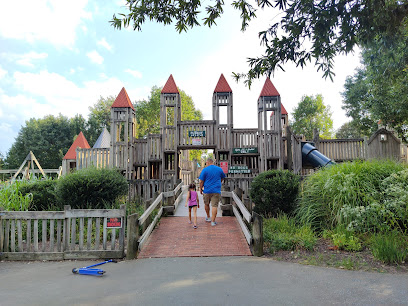
Kent County Veterans Memorial Park
7.8 km
A serene memorial park in Dover, Delaware, honoring the valor and sacrifice of Kent County's veterans across generations.
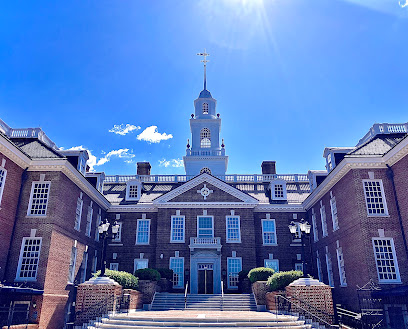
Delaware Legislative Hall
8.6 km
Explore Delaware Legislative Hall: A Historical Landmark of Governance and Architectural Elegance in Dover, Delaware.
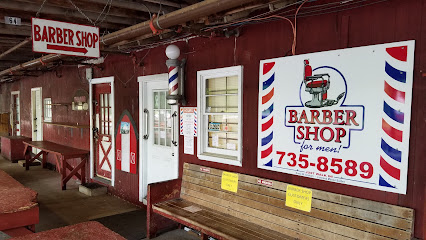
Spence's bazaar
8.7 km
Discover unique treasures, Amish delights, and auction excitement at Spence's Bazaar, Dover's historic flea market and community hub.
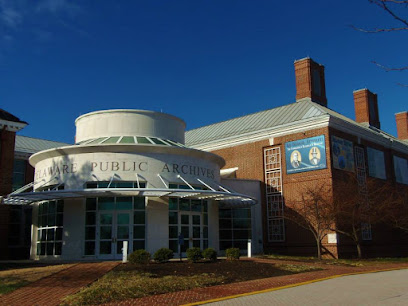
Delaware Public Archives
8.7 km
Explore Delaware's past at the Public Archives in Dover, home to centuries of historical documents and records.
First State Heritage Park's John Bell House
8.7 km
Discover Delaware's captivating history at the John Bell House, an 18th-century landmark in Dover's First State Heritage Park.
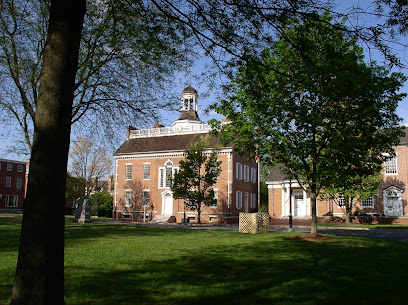
First State Heritage Park
8.7 km
Explore Delaware's rich history and culture at First State Heritage Park, an urban oasis connecting historical landmarks in Dover.
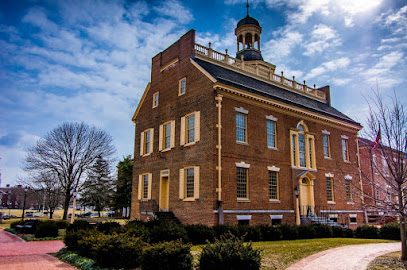
Essential places to dine

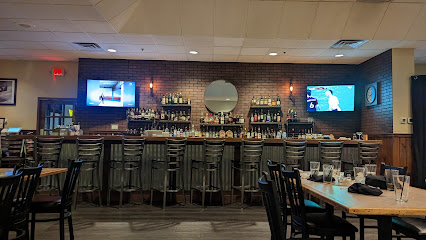
The Brick-Wood Fired Eats
4.8 km
Discover the rich flavors of New American cuisine at The Brick-Wood Fired Eats in Dover, where wood-fired cooking meets modern culinary artistry.
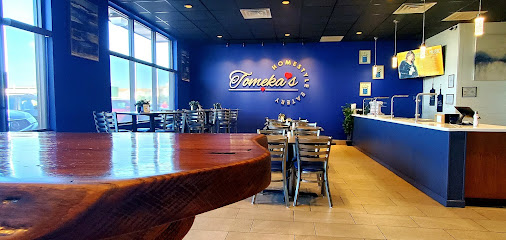
Tomeka's HomeStyle Eatery
4.9 km
Discover the heartwarming flavors of American comfort food at Tomeka's HomeStyle Eatery in Dover, DE – where every dish feels like home.
La Hacienda
5.5 km
Experience authentic Mexican flavors at La Hacienda in Dover, DE - where every dish tells a story.
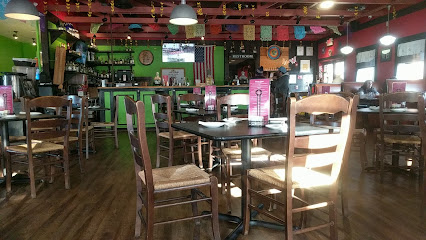
Cool Springs Fish Bar & Restaurant
5.6 km
Experience fresh seafood delights at Cool Springs Fish Bar & Restaurant in Dover, Delaware – where every dish celebrates coastal flavors.
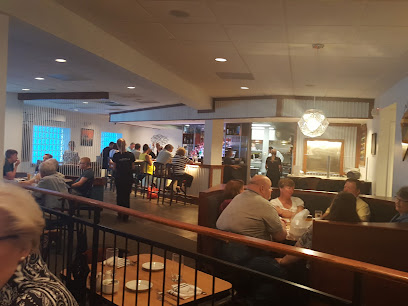
Restaurant 55
5.6 km
Experience mouthwatering hamburgers and vibrant bar atmosphere at Restaurant 55 in Dover, Delaware – a culinary delight for every tourist.
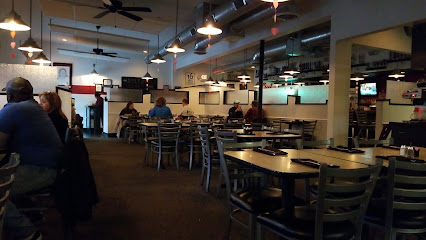
Valerie's Bar & Grill
5.8 km
Discover delicious grilled delights at Valerie's Bar & Grill in Dover – where great food meets friendly vibes!
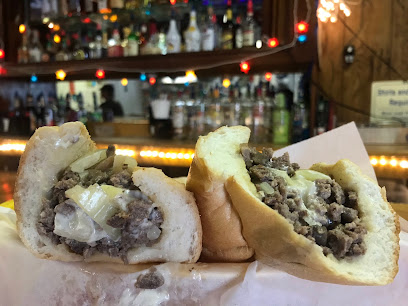
The Boulevard Live Entertainment Restaurant
5.9 km
Discover The Boulevard Live: A dynamic dining experience with live entertainment perfect for families and events in Dover.
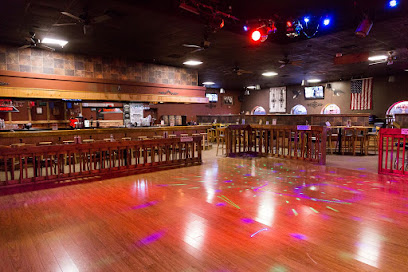
Roma Italian Restaurant
6.2 km
Experience the true flavors of Italy at Roma Italian Restaurant in Dover - where every dish tells a story.
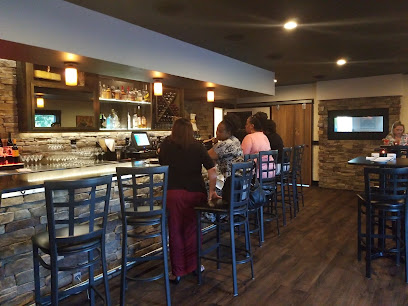
JP's on the Wharf
6.6 km
Discover the best seafood dining at JP's on the Wharf in Frederica, DE – where fresh flavors meet stunning waterfront views.
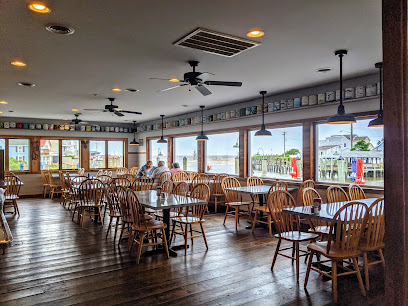
Ater’s
7.5 km
Experience Delaware's vibrant food culture at Ater’s—where delicious meets convenient in a cozy food truck setting.
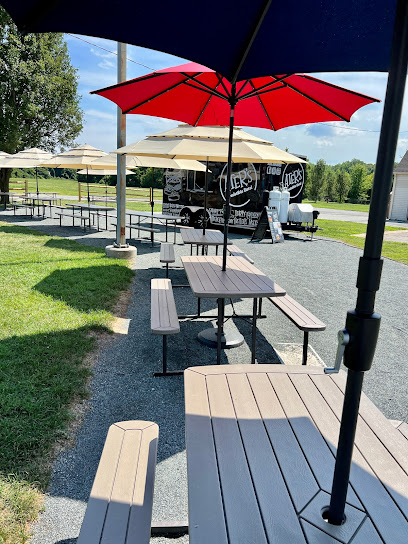
Romano's Family
7.5 km
Discover the perfect blend of Italian and Mexican cuisine at Romano's Family in Dover – where every meal is a celebration of flavor.
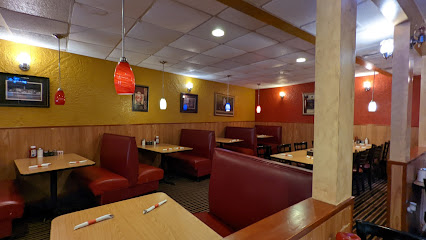
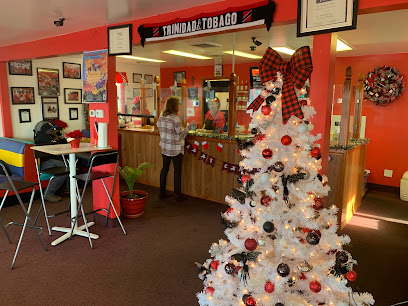
Trini Quizeen Restaurant
7.5 km
Discover authentic Caribbean flavors at Trini Quizeen Restaurant in Dover - where every meal tells a story of culture and tradition.
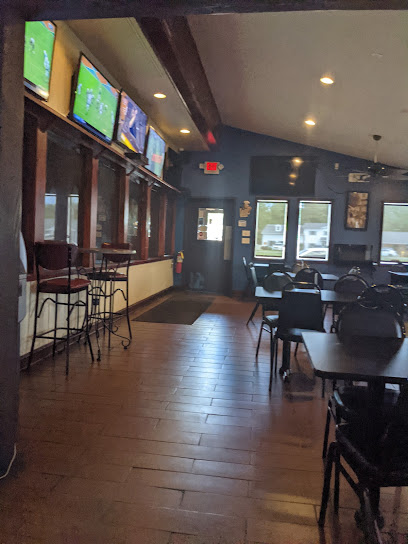
Touchdown
7.6 km
Discover Touchdown in Dover: A lively sports bar offering delicious American cuisine and an unforgettable atmosphere for all ages.
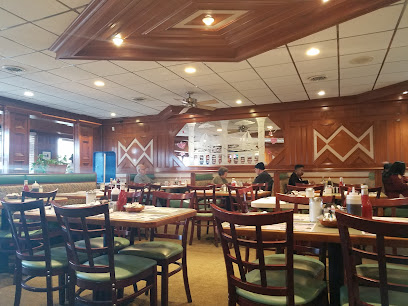
Falling Off the Bone BBQ and Fish Fry
7.7 km
Experience authentic barbecue delights and fresh seafood at Falling Off the Bone BBQ and Fish Fry in Dover, DE.

US 13 Grill & Catering
7.7 km
Discover delicious breakfasts at US 13 Grill & Catering in Dover – the perfect family-friendly spot for travelers craving comfort food.
Markets, malls and hidden boutiques

Citi Trends
7.7 km
Discover unbeatable fashion and stylish clothing for the whole family at Citi Trends in Dover, Delaware, where affordability meets style.

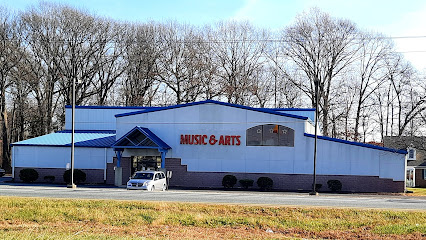
Music & Arts
7.8 km
Explore Music & Arts in Camden Wyoming—your destination for instruments, lessons, and local music culture.
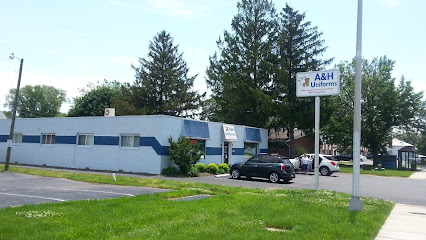
A & H Uniforms
8.2 km
Discover A & H Uniforms in Dover, DE for high-quality workwear tailored for professionals across various industries.
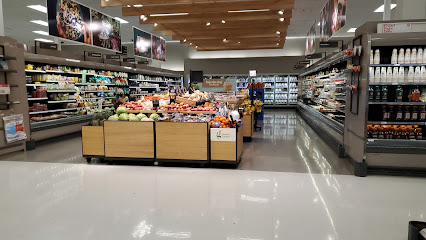
Target
8.3 km
Explore Target in Dover, DE for a diverse selection of products from clothing to electronics, all in a family-friendly shopping environment.
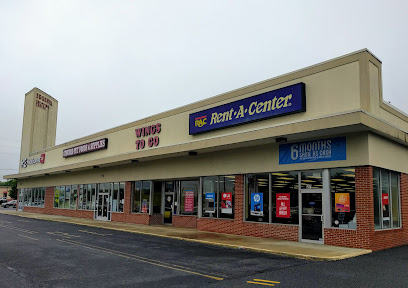
Edgehill Shopping Center
8.7 km
Discover the Edgehill Shopping Center in Dover, where shopping, dining, and entertainment come together for an unforgettable experience.
Delaware Shoppes
8.8 km
Explore Delaware Shoppes for unique gifts and local artisan treasures in the heart of Dover, Delaware, perfect for every occasion.
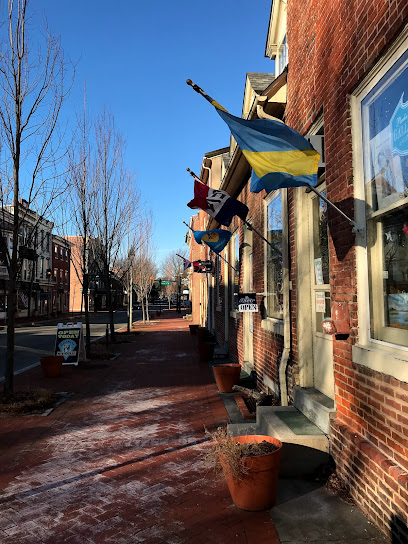
AMP Antiques and Designs
8.8 km
Explore the captivating world of antiques at AMP Antiques and Designs, where every item has a story waiting to be uncovered.
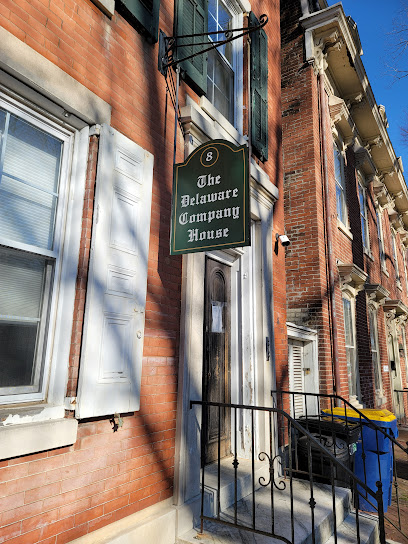
Dragonish Boutique
8.8 km
Explore the eclectic charm of Dragonish Boutique in Dover, Delaware, where unique gifts and local artistry come together for an unforgettable shopping experience.
Nicheforbeach, Inc.
8.8 km
Explore the ultimate beach fashion destination at Nicheforbeach, Inc. in Dover, DE, for stylish swimsuits and trendy accessories.

GiftCard Room LLC
8.8 km
Explore a gaming paradise at GiftCard Room LLC in Dover, Delaware, where fun and adventure await every gaming enthusiast.
Bodied By T Boutique LLC
8.8 km
Explore Bodied By T Boutique in Dover, DE for a unique selection of women's fashion that blends style, quality, and personal touch.

ShopDoozz
8.8 km
Explore ShopDoozz in Dover, Delaware for unique gifts, local crafts, and delightful souvenirs that capture the essence of your travel experience.
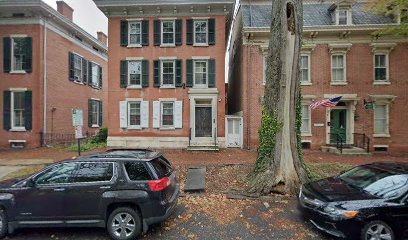
My Luxury Emporium
8.8 km
Discover unique treasures at My Luxury Emporium, a charming general store in Dover, Delaware, offering local crafts and delightful gifts.
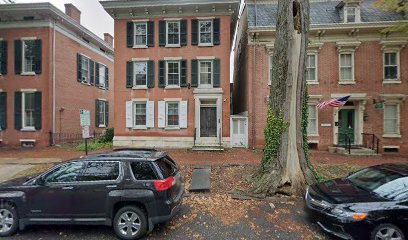
My Roots
9.0 km
Explore unique fashion and local treasures at My Roots Boutique in Dover, Delaware, where style meets local craftsmanship.
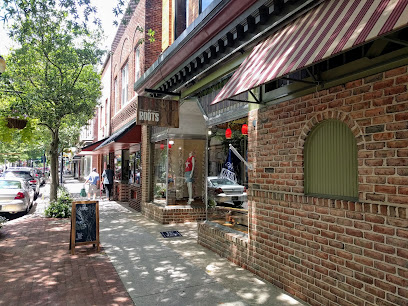
Elegance USA
9.0 km
Discover the latest trends in fashion accessories at Elegance USA in Dover, DE, where style meets sophistication in every piece.
Essential bars & hidden hideouts

Bayview Tavern
6.6 km
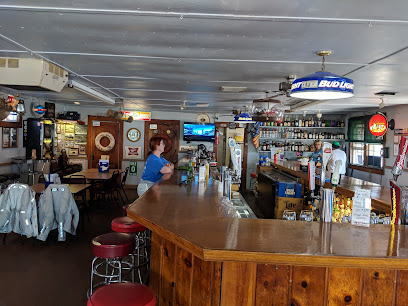
Experience the local charm and vibrant atmosphere of Bayview Tavern in Frederica, Delaware, where refreshing drinks and delicious bites await.
The Boatyard
6.6 km
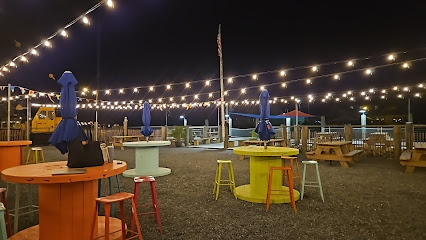
Experience fresh seafood and a vibrant atmosphere at The Boatyard in Frederica, Delaware, where culinary delight meets stunning views.
The Golden Fleece Tavern
9.0 km
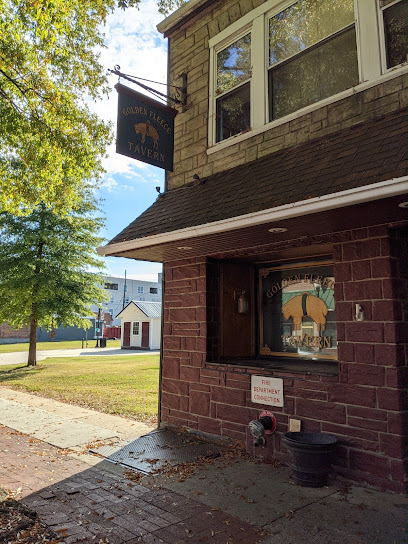
Experience the charm and excitement of The Golden Fleece Tavern, a historic pub in Dover, DE, with delicious food, drinks, and lively karaoke nights.
Irish Mikes Old Towne Pub
9.0 km
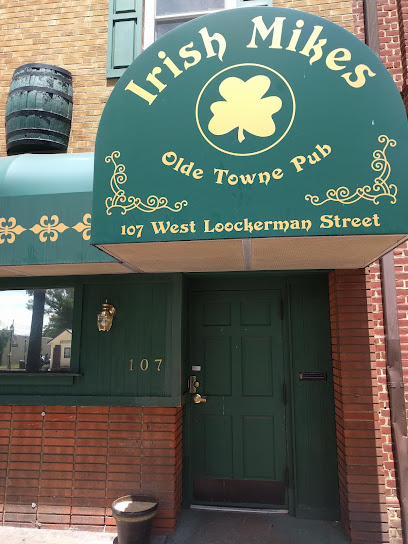
Discover the charm of Irish culture at Irish Mike's Old Towne Pub, where great food, drinks, and live music create an unforgettable experience.
Red Robin Gourmet Burgers and Brews
9.0 km
Discover mouthwatering gourmet burgers and a vibrant atmosphere at Red Robin Gourmet Burgers and Brews, the perfect dining destination in Dover.
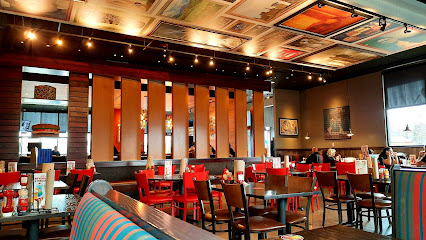
Wyoming Tavern aka Brown's
9.6 km
Discover Wyoming Tavern: your go-to bar for great beer, pool, and a friendly atmosphere in Delaware's charming town of Wyoming.
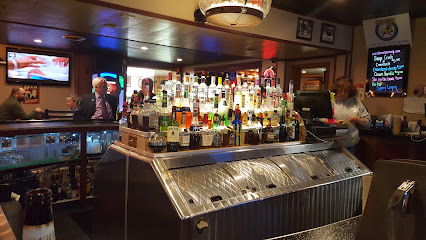
Rail Haus - Beer Garden
9.8 km
Experience the vibrant atmosphere at Rail Haus - Beer Garden in Dover, DE, where craft beer meets delicious bites in a stunning outdoor setting.
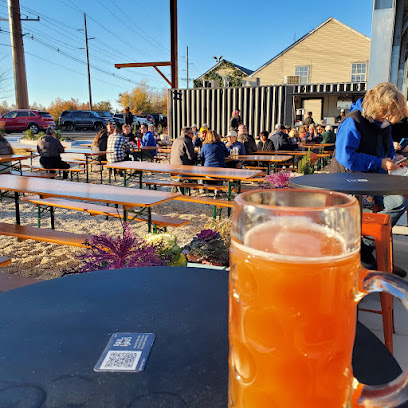
The Greene Turtle Sports Bar & Grille
9.9 km
Experience the ultimate sports dining at The Greene Turtle Sports Bar & Grille in Dover, where great food and sports excitement meet.
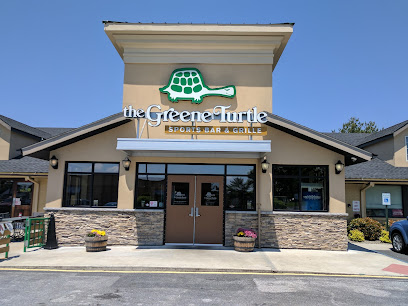
Burgers and Brews
10.5 km
Savor gourmet burgers and an extensive brew selection at Burgers and Brews, the culinary gem of Frederica, Delaware.
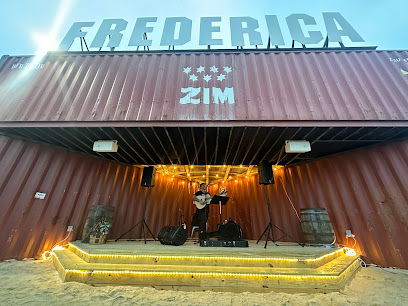
Wolfie’s Grille
10.6 km
Experience the flavor of Dover at Wolfie’s Grille, where fresh ingredients meet a welcoming atmosphere and diverse menu options.
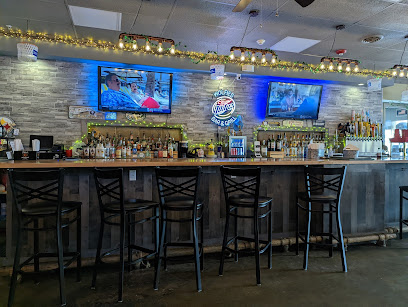
McGlynns Pub - Dover
10.7 km
Discover McGlynns Pub in Dover, where authentic pub culture meets delicious cuisine and a warm, inviting atmosphere.
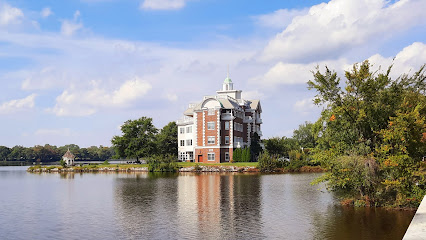
Tom's Bullpen
11.4 km
Experience the excitement of live sports at Tom's Bullpen, Dover's favorite sports bar, serving delicious food and drinks in a vibrant atmosphere.
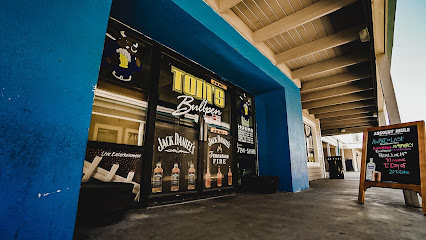
Race & Sports Book Pub
12.0 km
Dive into the excitement at Race & Sports Book Pub, where delicious food meets thrilling sports action in the heart of Dover, Delaware.
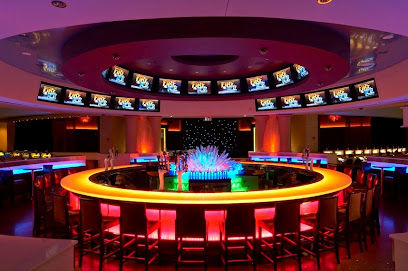
Fire & Ice at Dover Downs Hotel & Casino
12.1 km
Discover the electrifying nightlife at Fire & Ice, a premier night club and lounge in Dover, DE, within Dover Downs Hotel & Casino.
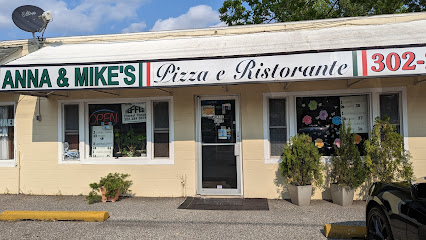
Anna & Mike's Pizza
12.7 km
Discover the authentic taste of Italy with delicious pizzas and Italian dishes at Anna & Mike's Pizza in Felton, Delaware.
Nightclubs & after hour spots

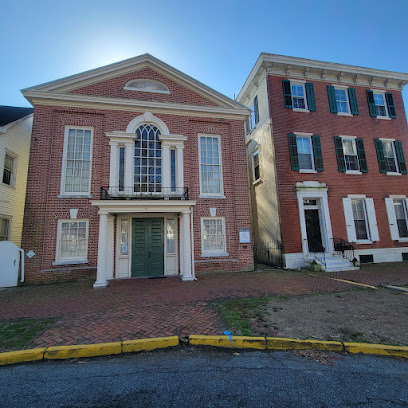
Dover Century Club
8.7 km
Discover the historic Dover Century Club, a hub of social life and community spirit in the heart of Delaware, perfect for cultural exploration.
Bally Dover casino resortNot the casino
8.9 km
Discover the lively nightlife and vibrant atmosphere at Bally Dover Casino Resort, the ultimate destination for unforgettable nights in Dover, Delaware.
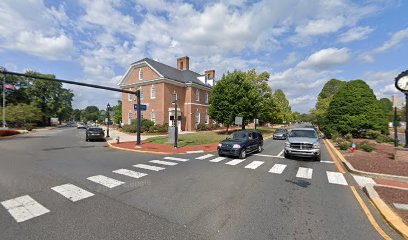
Square Club Inc.
9.4 km
Discover the energetic atmosphere of Square Club Inc. in Dover, Delaware, where music, dancing, and vibrant nightlife come together for an unforgettable experience.
Milford Billiards
21.0 km
Discover the best pool hall in Milford, Delaware, where great drinks and friendly competition await every night of the week.
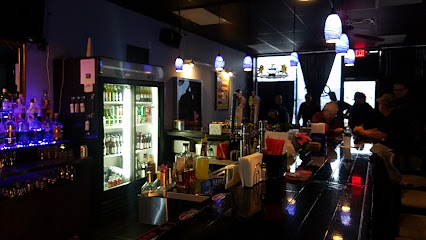
The Getaway Lounge and Liquors
32.0 km
Experience the vibrant nightlife of Ellendale at The Getaway Lounge and Liquors, where good drinks and dancing await you.
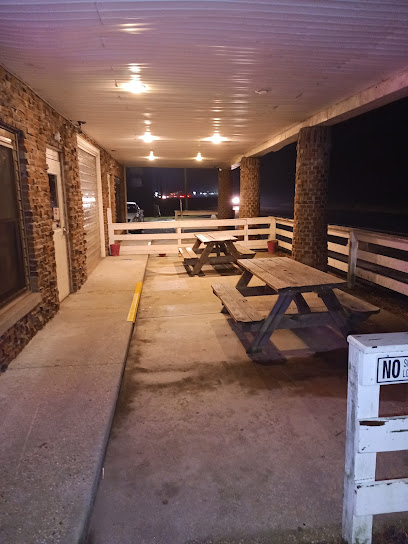
Curry & Cocktails
44.1 km
Experience the best of Indian cuisine at Curry & Cocktails, where authentic flavors meet modern dining in Middletown, DE.
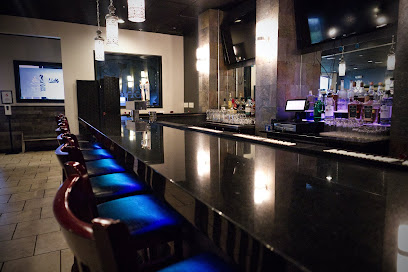
Sully's Irish Pub
44.9 km
Discover the charm of Sully's Irish Pub in Middletown, where traditional Irish cuisine meets lively American bar culture for an unforgettable experience.
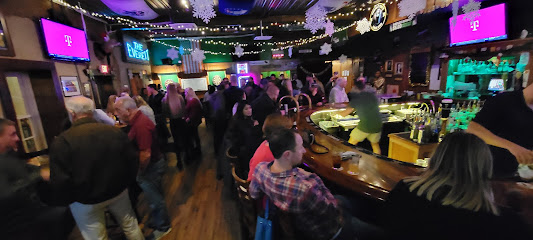
Irish Eyes Pub & Restaurant
44.9 km
Discover the charm of Ireland at Irish Eyes Pub & Restaurant in Lewes, Delaware, offering traditional cuisine and a vibrant atmosphere for all.
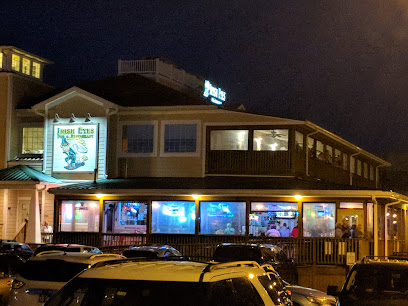
Tango by the beach.com
45.1 km
Discover the vibrant world of tango dancing at Tango by the Beach, a dance club and school in picturesque Lewes, DE.
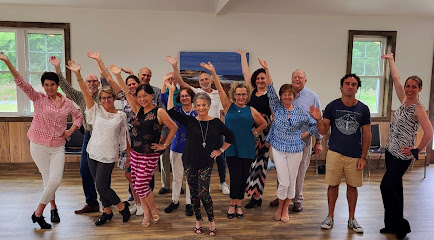
Rose & Crown
45.2 km
Discover the inviting ambiance and delightful menu of Rose & Crown, a beloved bar and restaurant in historic Lewes, Delaware.
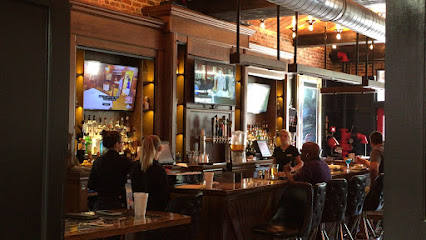
Pig & Publican
45.2 km
Discover the unique flavors of Lewes, DE at Pig & Publican, a grill restaurant offering a delightful culinary experience with local ingredients.
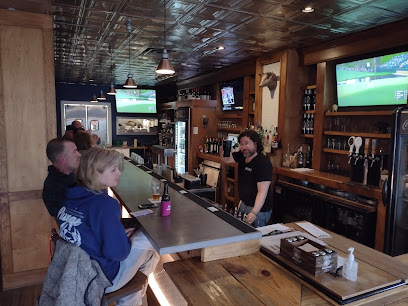
Wheelhouse
45.2 km
Experience the best of coastal cuisine at Wheelhouse in Lewes, Delaware, where fresh seafood meets a vibrant grill atmosphere.
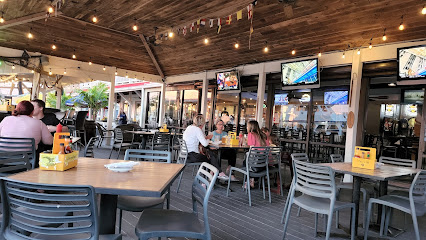
Cigar Sessions
45.3 km
Discover the art of cigar smoking at Cigar Sessions, a premier lounge and bar in Middletown, DE, perfect for enthusiasts and newcomers alike.
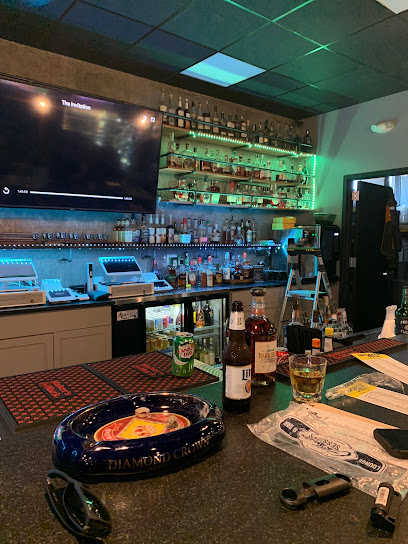
Two Stones Pub Middletown
45.3 km
Discover the vibrant atmosphere and delicious offerings of Two Stones Pub, a top-rated gastropub in Middletown, Delaware.
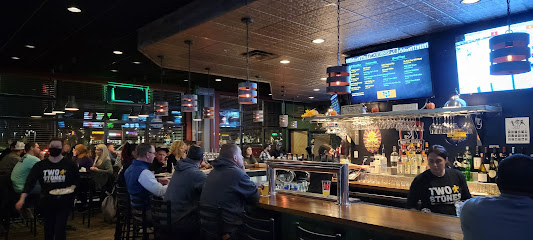
1861 Southern Kitchen Bourbon Bar
45.4 km
Experience the perfect blend of Southern comfort food and top-shelf bourbon at 1861 Southern Kitchen Bourbon Bar in Middletown, DE.