

Musikhuset Aarhus, Aarhus Travel Guide
Free Guide: Scandinavia’s largest concert house, blending bold Nordic design, rich acoustics and a year-round programme of music, theatre and dance in central Aarhus.


A brief summary of Musikhuset Aarhus
Scandinavia’s largest concert house, blending bold Nordic design, rich acoustics and a year-round programme of music, theatre and dance in central Aarhus.
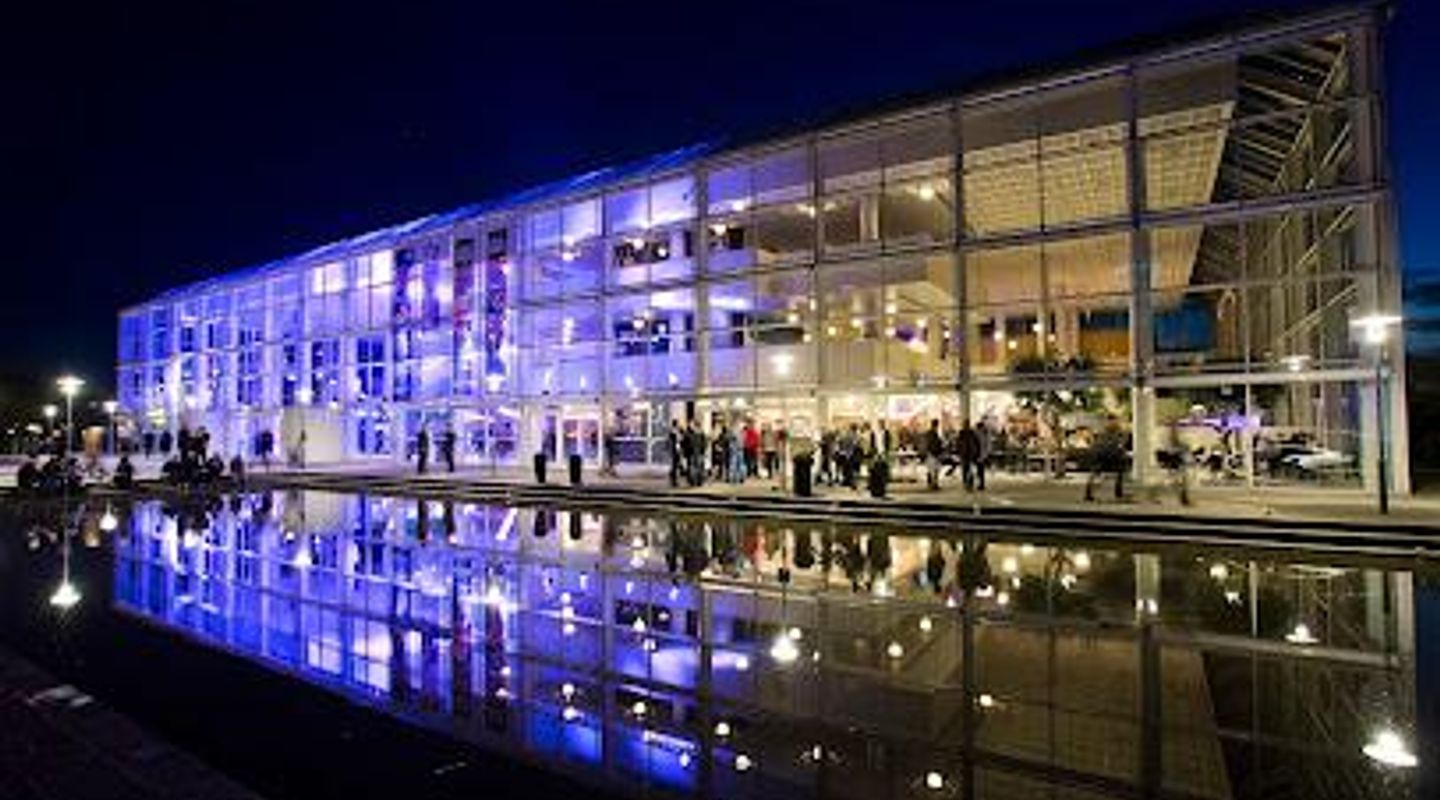
Musikhuset Aarhus is Scandinavia’s largest concert hall and a major cultural hub in the heart of Aarhus, just by the city hall and ARoS art museum. Opened in 1982 and later expanded, its light-filled foyers, glass façades and multiple halls host more than a thousand events a year, from opera, symphonic concerts and theatre to comedy, dance, children’s performances and conferences. With strong local ensembles in residence and a steady flow of international artists, it offers an accessible, year-round window into Danish and global performing arts.
On-site amenities
 Restrooms
 Drink options
 Drinking water
 Food options
 Seating areas
 Sheltered areas
 Trash bins
 Information boards
 Visitor centre
- Address
- Thomas Jensens Allé 2, 8000 Aarhus
- Phone
- Website
Getting there
From central Aarhus on foot
By city bus within Aarhus
From Aarhus H (main railway station)
By car and parking nearby
Discover more about Musikhuset Aarhus
A cultural powerhouse in the heart of Aarhus
Musikhuset Aarhus rises beside the city’s green park belt, a broad, low complex of glass, brick and pale concrete that feels open rather than imposing. Step inside and the building reveals its role as Scandinavia’s largest concert house, a place where stages, rehearsal rooms, classrooms and foyers knit together into a single cultural organism. The main foyer is high and airy, flooded with daylight from floor-to-ceiling windows that look out to the city hall tower on one side and landscaped gardens on the other.The venue was inaugurated in 1982 and later extended, reflecting Aarhus’ ambition to anchor a strong performing arts scene in the city centre. Today Musikhuset forms part of a wider cultural cluster that includes the ARoS art museum, Aarhus Music School and several nearby theatres and venues. Together they turn this part of town into a dense cultural district where it is easy to move from one creative experience to the next in a single day.
Stages, acoustics and resident ensembles
Behind the calm foyer lie six main halls and several smaller stages, each designed for particular types of performance. The large symphonic hall is the architectural and acoustic heart, with steeply raked seating, warm wood surfaces and carefully tuned acoustics that flatter both a full orchestra and intimate chamber music. Other spaces are tailored for amplified concerts, theatre, dance and spoken word, giving the house a rare flexibility.Musikhuset is home base for key Danish institutions: Aarhus Symphony Orchestra, the Danish National Opera, the local music conservatoire and other artistic groups. On any given day, students may be crossing the foyer with instrument cases while technicians prepare a ballet, an opera or a stand-up show in one of the halls. This constant overlap of education, rehearsal and performance gives the building a feeling of lived-in artistry rather than a purely formal venue.
Program spanning genres and generations
The annual programme runs to more than a thousand events, positioning Musikhuset as both a regional and national stage. Classical symphonies, chamber concerts and full-scale opera productions share the calendar with touring pop and rock acts, jazz, world music, musicals, comedy, lectures and contemporary dance. Family performances and children’s theatre play a visible role, especially on weekends and during school holidays, ensuring that younger audiences encounter live performance early.Beyond ticketed shows, the building often hums with free or low-cost activities in the foyers and smaller rooms, from student recitals to short lunchtime concerts or talks. Business conferences, award ceremonies and civic events also make use of the halls, bringing in audiences who might not otherwise step into a concert house. The result is a cultural centre that feels embedded in everyday city life rather than reserved for special occasions.
Architecture, atmosphere and everyday life
Architecturally, the house reflects Nordic preferences for clean lines, natural materials and simple, functional spaces. Concrete and brick are offset by warm wood details, flexible seating and subtle lighting. The glass façades blur the boundary between interior and exterior, so that even a quick visit to the café places you within the city’s visual fabric. In the evening, the foyers glow outwards, and the building itself becomes a kind of lantern facing the park and surrounding streets.In front of the main entrance, a landscaped forecourt and Music Hall Park offer benches, plantings and a view towards ARoS’ distinctive rainbow rooftop. On performance nights the area fills with people arriving on foot and by bike, creating a lively but relaxed atmosphere. Inside, the café and restaurant serve as informal meeting points before and after events, making the venue as much a social space as a performance machine.
Practical comforts and accessibility
Musikhuset is designed to be easy to use. Clear signage and open sightlines in the foyer help visitors navigate between the various halls, cloakrooms and refreshment points. Seating in the halls generally offers good views, and the building incorporates accessible routes for wheelchair users along with adapted seating areas. Outside and underneath the complex are parking facilities, including spaces for disabled drivers and charging points for electric cars, while bike parking is integrated into the surrounding public space.The central location means that many visitors arrive on foot from nearby hotels, shops and restaurants in the inner city. For travellers planning an evening here, it is straightforward to combine a visit with time at ARoS, a stroll through the park or a meal in the surrounding streets. Whether you come for a grand opera, a small jazz concert or simply to sit in the foyer with a coffee and watch the flow of students and performers, Musikhuset Aarhus offers a clear window into the cultural life of Denmark’s second city.
Evendo Review Centre
 Google
Guest reviews
Best time to go
Quietest: Jan, Feb & Mar · before 8am
Busy times are Evendo estimates for a typical year, to help you plan. Actual crowds vary with events, school holidays and the weather.
Explore Musikhuset Aarhus on the map
A handpicked selection of must-see spots near Musikhuset Aarhus, mapped for you.
Get your free copy of our complete guide to Musikhuset Aarhus, delivered straight to you.
Everything on this page, from opening hours and how to get there to Eve’s tips and the best time to go, in one PDF you can read offline, print or share.
Already have an account? Sign in
Your Musikhuset Aarhus guide is ready.
We'll send it to · Not you? Sign out

Getting your guide ready…
We are putting together a fresh copy of the Musikhuset Aarhus guide. This can take up to a minute.
This can take a few moments. If your browser asks, choose Allow so the download can start. You'll find the guide in your Downloads folder.
Nothing happened? Download it again
Sorry, the guide is taking longer than usual. Please try again in a minute, or get it by email instead.
Unlock the best of Musikhuset Aarhus
Skip-the-line tickets, guided tours with entry, and walking tours of the area, booked in a few clicks.

Other nearby places you may find interesting
The closest places of the same kind, if this one is not quite what you had in mind.
-
-
-
-
-


Swipe for more places
More to explore near Musikhuset Aarhus

 Best experiences near Musikhuset Aarhus
 Best hotels near Musikhuset Aarhus
 Best landmarks near Musikhuset Aarhus
 Best attractions near Musikhuset Aarhus
 Best shops near Musikhuset Aarhus
 Best restaurants near Musikhuset Aarhus
 Best bars near Musikhuset Aarhus
Do you manage this location?
Take control to get all the benefits, like improved information, better appearance, and stronger visibility across AI-powered discovery.
Explore more

Explore more of Aarhus
Discover Aarhus, Denmark's second-largest city, where ancient history meets modern culture. Explore historical sites, vibrant arts, and a thriving food scene in the City of Smiles.
Explore Aarhus
Explore more of Denmark
Discover Denmark: A perfect blend of history, modern design, and the cozy concept of hygge. Explore vibrant cities, serene landscapes, and world-class cuisine.
Explore Denmark
