

Det Gamle Værft Travel Guide
Free Guide: Hands-on maritime heritage at Ærøskøbing’s harbour, where traditional shipyard crafts, wooden boats and a cosy nautical shop bring Denmark’s island seafaring story to life.


A brief summary of Det Gamle Værft
Hands-on maritime heritage at Ærøskøbing’s harbour, where traditional shipyard crafts, wooden boats and a cosy nautical shop bring Denmark’s island seafaring story to life.
Set on the historic harbour of Ærøskøbing, Det Gamle Værft is a living maritime workshop where traditional shipbuilding, metalwork and seafaring crafts are kept vibrantly alive. Part museum, part working yard and part quirky shop, it offers hands-on activities, maritime-themed clothing and souvenirs, and a close-up look at the wooden boats that shaped life in the South Funen Archipelago. It is an intimate, characterful stop for families, craft enthusiasts and anyone curious about Denmark’s island seafaring heritage.
On-site amenities
 Restrooms
 Drink options
 Drinking water
 Food options
 Seating areas
 Trash bins
 Information boards
Opening hours
- Every day10 am–2 pm
Opening hours as listed on the venue’s Google Business Profile. Hours can change for services and special events, so check with the venue before you go.
- Address
- Ærøskøbing Havn 4B, 5970 Ærøskøbing
- Phone
- Website
Getting there
Ferry and short walk from Svendborg
Bus from Marstal on Ærø
Bicycle across Ærø
Discover more about Det Gamle Værft
Harbour-side gateway to Ærø’s seafaring past
Det Gamle Værft sits directly on Ærøskøbing’s small harbour, surrounded by wooden masts, creaking rigging and the soft slap of waves against old hulls. Housed in former shipyard buildings, it preserves the working character of the pier rather than polishing it away. Tools, timbers and tarred ropes frame the entrance, setting the tone for a place where the island’s maritime past is still very much at work.Here you step into an environment that once helped sustain island life. For centuries, boats were the lifelines tying Ærø to the other islands and to the mainland, and the skills needed to build and repair them became part of local identity. The Old Shipyard keeps that connection tangible, turning the harbour front into a small stage for traditional craftsmanship.
Workshops where heritage is learned by doing
Inside, Det Gamle Værft is less a static museum and more a workshop floor. Benches are laid out with hammers, files and clamps; wood shavings collect beneath half-shaped planks; metal lies ready to be heated, bent or riveted. The focus is on experience and learning, especially for children and curious adults who want to try their hand at old techniques.Depending on the day and season, you might find simple forging, copper work, rope making or carving activities on offer. The tasks are usually bite-sized and guided, giving you a feel for the weight of the tools, the smell of warm metal and wood, and the concentration that went into building seaworthy vessels. Even if you do not join in, watching a piece of metal become jewellery or a plank take its curve has its own quiet fascination.
Boats, stories and the character of a working yard
The shipyard area around the buildings often holds small wooden boats in various stages of repair. Their exposed ribs, planking and keels illustrate how a hull is put together more clearly than any diagram. You may see craftsmen planing, caulking or painting, their work accompanied by the gentle sounds of hand tools instead of the roar of heavy machinery.Informal displays and objects scattered through the spaces hint at the human stories behind these vessels: faded photographs, ship nameboards, coils of rope and blocks, and occasional written explanations of local routes and trades. Together they sketch a portrait of Ærø as an island tied to fishing, coastal trading and later leisure sailing, its fortunes rising and falling with the sea.
Maritime shop with island-made keepsakes
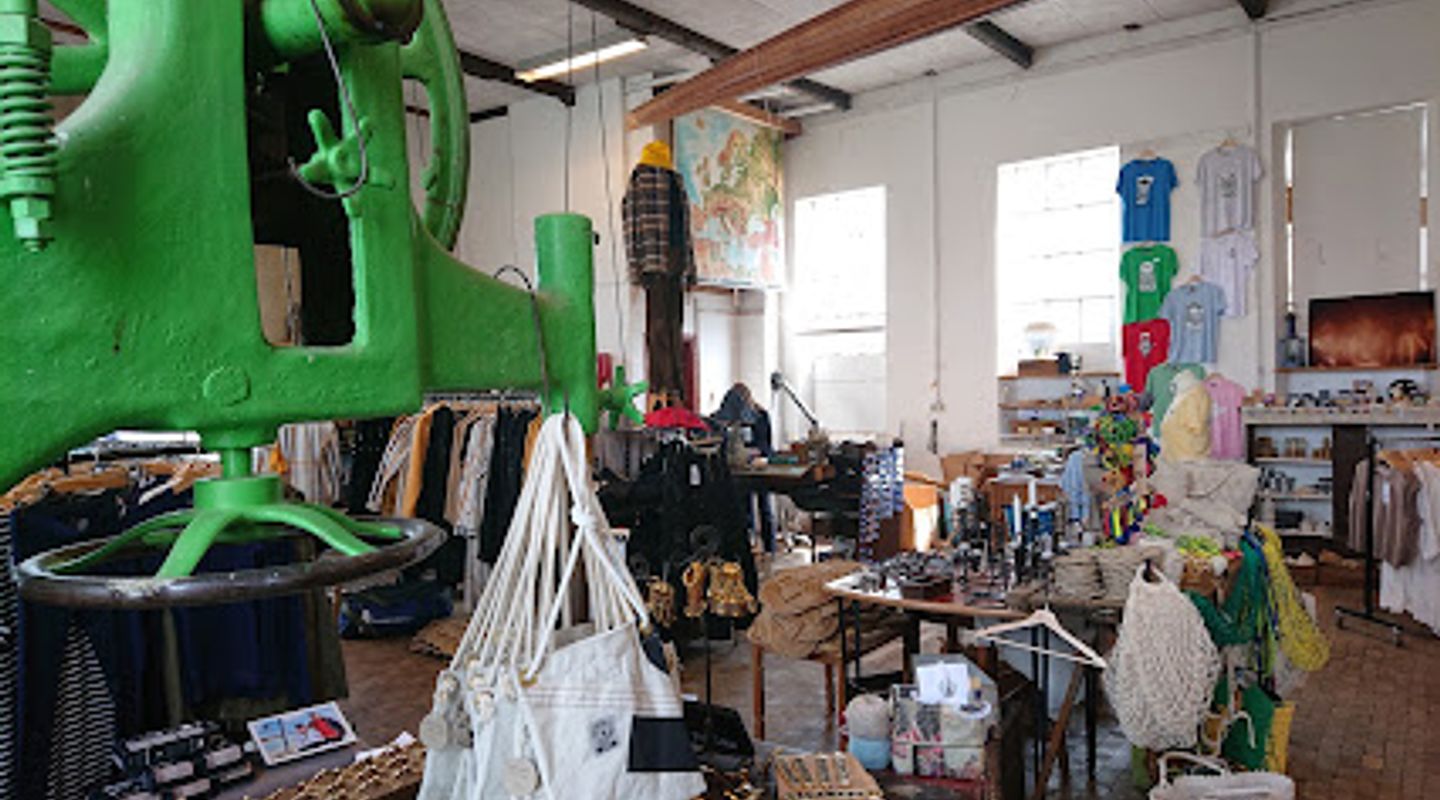
A small shop forms part of Det Gamle Værft’s charm. Shelves are lined with maritime-inspired clothing, knitwear and oilskins, along with nautical souvenirs that lean into the shipyard mood: brass fittings, sea-themed decorations, handmade jewellery and simple wooden pieces. Many items have been created on or for the island, making them more than generic seaside trinkets.Prices range from pocket-money mementos to more substantial garments, so it is easy to leave with a reminder of the harbour even if you are travelling light. The shop also helps underpin the venue’s socio-economic role, supporting local employment and training by channelling income back into workshops and maintenance of the historic environment.
A compact stop in a wider harbour wander
Det Gamle Værft is a compact site, and most visits weave naturally into a wider stroll around Ærøskøbing’s cobbled lanes and colourful houses. Many travellers spend an hour or two here, enough time to browse the displays, watch work in progress and perhaps join a short activity before moving on to nearby cafés or the waterfront.The atmosphere is informal and family friendly, with an easy rhythm shaped by the slow pace of harbour life. In good weather, much of the experience spills outdoors, with boats on the slipway and views across the water; on windier or cooler days, the indoor workshops provide a snug refuge filled with the smells and textures of traditional craft. It is an unhurried place that rewards curiosity more than checklist sightseeing.
Evendo Review Centre
 Google
Guest reviews
Best time to go
Quietest: Jan, Feb & Mar · before 8am or at 7pm
Busy times are Evendo estimates for a typical year, to help you plan. Actual crowds vary with events, school holidays and the weather.
Explore Det Gamle Værft on the map
A handpicked selection of must-see spots near Det Gamle Værft, mapped for you.
Get your free copy of our complete guide to Det Gamle Værft, delivered straight to you.
Everything on this page, from opening hours and how to get there to Eve’s tips and the best time to go, in one PDF you can read offline, print or share.
Already have an account? Sign in
Your Det Gamle Værft guide is ready.
We'll send it to · Not you? Sign out

Getting your guide ready…
We are putting together a fresh copy of the Det Gamle Værft guide. This can take up to a minute.
This can take a few moments. If your browser asks, choose Allow so the download can start. You'll find the guide in your Downloads folder.
Nothing happened? Download it again
Sorry, the guide is taking longer than usual. Please try again in a minute, or get it by email instead.
Other nearby places you may find interesting
The closest places of the same kind, if this one is not quite what you had in mind.
-
-
-
-
-


Swipe for more places
More to explore near Det Gamle Værft

 Best experiences near Det Gamle Værft
 Best hotels near Det Gamle Værft
 Best landmarks near Det Gamle Værft
 Best attractions near Det Gamle Værft
 Best shops near Det Gamle Værft
 Best restaurants near Det Gamle Værft
 Best bars near Det Gamle Værft
Do you manage this location?
Take control to get all the benefits, like improved information, better appearance, and stronger visibility across AI-powered discovery.
Explore more

Explore more of Ærø
Discover the enchanting island of Ærø in Denmark, where fairy-tale towns, scenic landscapes, and rich maritime history await to captivate your senses.
Explore Ærø
Explore more of Denmark
Discover Denmark: A perfect blend of history, modern design, and the cozy concept of hygge. Explore vibrant cities, serene landscapes, and world-class cuisine.
Explore Denmark
